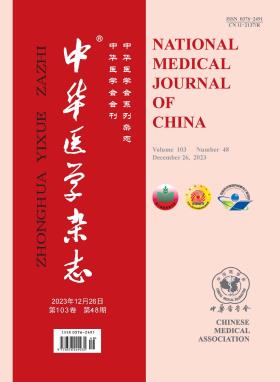
National Medical Journal of China
Volume 103 · Issue 48 · 2023
Natl Med J China
Reviewing the 65-year development since 1958, extracorporeal circulation (ECC) in China, which experienced different stages of exploration, growth, maturity and development, has gradually matured. Cardiovascular surgery under ECC has been promoted throughout the country with an increasing rate of success. Furthermore, the derived extracorporeal membrane oxygenation (ECMO) has developed greatly in the field of critical care. In the future, China′s ECC will further strengthen professional standardization under the guidance of the "personalized" precision treatment concept, and will make greater contributions to the nation′s health.
The sleep deficiency and sleep disturbance of critically ill patients may result in adverse outcomes, negative effects on early rehabilitation, and may persist well beyond the intensive care unit (ICU). It has been paid more and more attention in clinical practice. The sleep problems of critically ill patients are associated with suffered critical illness, ICU environments, and coexisting sleep disorders before critical illness. Poor sleep quality, insufficient sleep duration, severe sleep fragmentation and irregular circadian rhythms during critical care illness have been extensively described. In addition, ICU patients have been specifically shown to experience atypical sleep and pathologic wakefulness. So the sleep in critical ill patients should be evaluated. Sleep can be evaluated by both subjective assessment and objective measurements, including polysomnography and actigraphy. According to individual situation, comprehensive, interdisciplinary, and personalized interventions, which include treating critical illness, improving ICU environment to reduce interference to sleep, nonpharmacological treatment to relax and stabilize sleep, and treating coexisting sleep disorders, should be taken to improve the patient′s sleep and then to promote the early rehabilitation of critically ill patients.
Hepatic venous pressure gradient (HVPG) is considered the gold standard for diagnosing clinically significant portal hypertension (CSPH). To further standardize the application of HVPG measurement, the Chinese Portal Hypertension Alliance (CHESS) and the Minimally Invasive Interventional Collaboration Group of the Chinese Society of Gastroenterology have updated the "Consensus on clinical application of hepatic venous pressure gradient in China (2023 edition)". This consensus provides 10 recommendations, with the aim of effectively promoting standardized measurement and the regulated application of HVPG in the field of cirrhotic portal hypertension in China.
Colorectal cancer (CRC) has been a common malignant tumor in China. Through the great effort in cancer prevention and treatment, the 5-year survival rate of patients with CRC in China has been largely improved. However, insufficient early diagnosis and treatment have seriously impeded the prognosis of Chinese CRC patients. The Early Diagnosis and Treatment Group of the Chinese Medical Association, Oncology Branch organized experts in the area of CRC to write the Expert Consensus on the Early Diagnosis and Treatment of Colorectal Cancer in China and issued it publicly (2020 edition). The 2020 edition of expert consensus has been meaningful to the early diagnosis and standardized treatment of CRC. Based on the prior edition, the Early Diagnosis and Treatment Group of the Chinese Medical Association, Oncology Branch revise the consensus focused on the early screening and diagnosis protocols for colorectal cancer, endoscopic/surgical management of early colorectal tumor, as well as adjuvant treatment and remedial measures and follow-up monitoring protocols. The 2023 edition of the consensus not only synthesized the latest evidence from China and combined it with the specific national condition and clinical practice, but also referred to the international guidelines. This 2023 edition consensus, developed for clinicians working on the screening, early diagnosis and treatment for CRC, would further promote the standardization and advances in the diagnosis and treatment of CRC at the early stage in China, and improve the survival and prognosis of CRC.
To explore the correlation of the ratio of venous-arterial carbon dioxide (CO2) tension difference to arterial-venous O2 content difference (Pv-aCO2/Ca-vO2) and venous-arterial CO2 gradient (Pv-aCO2) during cardiopulmonary bypass (CPB) with acute kidney injury (AKI) after pediatric cardiac surgery.
The clinical data of children (1 month ≤ age ≤ 3 years old) who underwent open heart surgery under CPB in West China Hospital of Sichuan University from March 2021 to August 2022 were retrospectively analyzed. All paired blood gases of the children during CPB (the sampling time interval of arterial and venous blood was within 10 minutes) were collected. According to the Failure, Loss, End-Stage Renal Disease (pRIFLE) diagnostic criteria, the children were divided into AKI group and non-AKI group. Multivariate logistic regression analysis was performed to identify the risk factors of postoperative AKI in pediatric cardiac surgery.
A total of 213 children were enrolled (101 males and 112 females), aged 12(6, 24) months, and 84 of them (39.4%) developed AKI. Three children died in AKI group, with a mortality of 3.6%. There were no deaths in non-AKI group. The incidence of postoperative low cardiac output syndrome (LCOS) was higher in AKI group [29.8% (25/84) vs 7.0% (9/129), P<0.001]. In addition, compared with the non-AKI group, children in AKI group had longer recovery time [15 (6, 78) h vs 6 (3, 19) h, P<0.001], mechanical ventilation time [17 (7, 97) h vs 6 (4, 20) h, P<0.001], intensive care unit (ICU) stay [6 (4, 11) d vs 3 (2, 5) d, P<0.001], and hospital stay [12 (9, 18) d vs 9 (8, 11) d, P<0.001]. A total of 317 arterial and venous blood gas pairs from 30 (n=207), 60 (n=75) and 90 min (n=35) after aortic clamping were included in the analysis. Univariate analysis showed that Pv-aCO2/Ca-vO2 (P=0.015) at 30 min after aortic clamping, Pv-aCO2 (P=0.041) and Pv-aCO2/Ca-vO2 (P=0.014) at 60 min after aortic clamping, peak Pv-aCO2 (P=0.009), peak Pv-aCO2/Ca-vO2 (P<0.001) and the average value of Pv-aCO2/Ca-vO2 (P=0.001) were higher in AKI group. Multivariate logistic regression analysis showed that longer duration of CPB (OR=1.013, 95%CI: 1.003-1.023, P=0.012), higher peak Pv-aCO2/Ca-vO2 (OR=1.337, 95%CI: 1.037-1.723, P=0.025) were risk factors for AKI.
The occurrence of AKI after pediatric cardiac surgery is related to the short-term adverse clinical prognosis, and longer duration of CPB and higher peak Pv-aCO2/Ca-vO2 are independent risk factors for AKI.
To explore the safety and myocardial protection efficacy of del Nido cardioplegia in adult cardiac and major vascular surgery with long aortic cross-clamp (ACC) time.
A total of 2 536 patients who underwent adult cardiac and major vascular surgery with ACC time>90 min at Beijing Anzhen Hospital from March 2018 to March 2023 were collected. The patients were divided into two groups according to the type of cardioplegia solution: the del Nido cardioplegia solution group (DC group) and the cold blood cardioplegia solution group (BC group). Preoperative baseline data of the patients (age, gender, comorbidities, ejection fraction, etc) were adjusted using propensity score matching (PSM). Cardiopulmonary bypass (CPB) time, ACC time, total amount of cardioplegia solution, in-hospital mortality rate, length of intensive care unit (ICU) stay, mechanical ventilation time, postoperative complications, left ventricular ejection fraction, and troponin levels were compared between the two groups.
After PSM, a total of 306 patients were included, including 223 males and 83 females, with a mean age of (52.0±12.3) years. There were 153 cases in the DC group and 153 cases in the BC group. Compared with the DC group, the cross-clamp time was longer [109(100, 150) min vs 102(91, 133) min, P<0.001], the rate of return to spontaneous rhythm was lower [51.6% (79/153) vs 86.9%(133/153), P<0.001], and intraoperative peak glucose was higher [12.6 (6.5, 15.9) mmol/L vs 10.1 (8.5, 12.4) mmol/L, P=0.005] in the BC group. In addition, perioperative mortality [4.6% (7/153) vs 3.3% (5/153), P=0.132], stroke[3.9% (6/153) vs 3.3% (5/153), P=0.759], renal insufficiency [3.3% (5/153) vs 6.5% (10/153), P=0.186], atrial fibrillation [4.6% (7/153) vs 2.6% (4/153), P=0.652] and low cardiac output syndrome [3.9% (6/153) vs 4.6% (7/153), P=0.716] did not differ between the two groups. Compared with BC group, DC group had lower level of high sensitivity troponin (hsTnI) [1.2 (0.8, 1.8) μg/L vs 1.3 (0.9, 2.3) μg/L, P=0.030] and creatine kinase isoenzyme (CK-MB) [31.0 (20.0, 48.9) μg/L vs 37.0 (24.0, 58.9) μg/L, P=0.011] at 24 h postoperatively, and shorter length of ICU stay [35.6 (19.8, 60.5) h vs 42.6 (21.9, 83.6) h, P=0.015] and mechanical ventilation time [20.5 (15.5, 41.0) h vs 31.5 (17.1, 56.0) h, P=0.012]. Subgroup analysis showed that in the 120-180 minute subgroup, patients in the DC group had a shorter cross-clamp time [132 (124, 135) min vs 136 (124, 138) min, P<0.001], while levels of hsTnI [1.6 (1.1, 2.0) μg/L vs 1.4 (1.0, 2.6) μg/L, P=0.030] and CK-MB [38.8 (23.5, 55.5) μg/L vs 37.0 (24.5, 62.3) μg/L, P=0.011] were higher than those in the BC group.
In adult cardiac and major vascular surgery with ACC times>90 min, comparable myocardial protection is observed with the use of DC compared with BC. Additional advantages in glycemic control, return to spontaneous rhythm, and improved surgical procedures make DN an attractive alternative for myocardial protection in adult cardiac surgery.
To explore the efficacy of myocardial protection with single-dose histidine-tryptophan-ketoglutarate (HTK) cardioplegia during aortic root operation, and the correlation between short-term clinical outcomes and duration of myocardial ischemia.
The data of clinical cases undergoing myocardial protection with single-dose HTK cardioplegia during aortic root operation from January 2018 to December 2022 were retrospectively reviewed. Patients were divided into conventional HTK cardioplegia group (<3 h) and prolonged HTK cardioplegia group (≥3 h) according to duration of intraoperative myocardial ischemia. A 1∶1 propensity score matching was performed and the correlations between duration of myocardial ischemia and postoperative short-term outcomes (30-day mortality, readmission, mechanical circulation support and renal insufficiency) were analyzed.
A total of 282 patients were included in the final analysis, with 210 cases in the conventional HTK cardioplegia group and 72 cases inthe prolonged HTK cardioplegia group before matching. After matching, there were 64 cases (53 males and 11 females) in the conventional HTK cardioplegia group, with a mean age of (49.4±14.2) years. The prolonged HTK cardioplegia group had 64 cases (55 males and 9 females), with a mean age of (50.5±12.3) years. Higher sensitivity troponin [12 h: 10.1 (4.6, 18.7) μg/Lvs 4.1(2.2, 8.6) μg/L, P=0.002; 24 h: 7.7 (4.5, 19.0) μg/L vs 4.8 (2.2, 11.9) μg/L, P=0.025] and creatine kinase isoenzyme[12 h: 46.3 (28.1, 62.4) μg/L vs 20.7(14.1, 32.9) μg/L, P<0.001; 24 h: 26.3(13.4, 49.2) μg/L vs 14.5 (10.1, 33.5)μg/L, P=0.011] after surgery was detected in prolonged HTK cardioplegia group. Comparisons of other primary and secondary endpoint events showed no significant differences between the two groups (all P>0.05). Multivariate binary logistic regression showed that duration of myocardial ischemia had no significant effect on postoperative 30-day mortality (OR=1.255, 95%CI: 0.500-3.148, P=0.629), 30-day readmission (OR=0.378, 95%CI: 0.069-2.065, P=0.261) and mechanical circulation support (OR=0.991, 95%CI: 0.331-2.970, P=0.998).
During aortic root surgery, single-dose HTK cardioplegia may provide satisfactory myocardial protection, and there was no significant correlation between duration of myocardial ischemia and short-term clinical outcomes.
To evaluate the clinical utility value of questionnaires of Berlin, STOP, STOP-Bang (SBQ), Epworth Sleepiness Scale (ESS) in screening obstructive sleep apnea syndrome (OSAS) in pregnant women of different trimesters.
Consecutive pregnant women at high risk for OSAS were enrolled from January, 2021 to April, 2022 at the obstetric clinic of Peking University People′s Hospital. They completed questionnaires of Berlin, STOP, SBQ, ESS and also underwent an overnight polysomnography (PSG). To evaluate the accuracy of questionnaires of Berlin, STOP, SBQ, ESS, sensitivity, specificity, positive predictive values, negative predictive values and the area under the receiver operating characteristics (ROC) curve of these questionnaires in pregnancy across trimesters (Pregnancy 1-15 weeks was the first stage, pregnancy 16-27 weeks was the second stage, and pregnancy 28-40 weeks was the third stage) were calculated.
A total of 100 pregnant women [(34.5±4.3) years old (26-46 years old)] were included in this study, including 20, 35 and 45 pregnant women in the first, second and third trimester of pregnancy, respectively. Based on PSG results, 45 (45%) of 100 pregnant women were diagnosed with OSAS. The overall predictive values of the four questionnaires were not good, area under[AUC(95%CI)] the ROC curve ESS, Berlin questionnaire STOP and SBQ were 0.54(0.43, 0.66), 0.59 (0.47, 0.70), 0.62(0.51, 0.73) and 0.61 (0.49, 0.72), respectively, sensitivity was 35.6%, 65.9%, 48.9%, 28.9%, specificity was 71.7%, 52.5%, 73.6%, 92.5%. When categorized according to trimesters, the predicted values of the four questionnaires increased in the first trimester, the AUC (95%CI) of STOP questionnaire was 0.81 (0.61, 1.00), sensitivity was 75.0%, specificity was 87.5%.
The overall predictive power of the four screening questionnaires is limited in pregnant women. But predictive value of STOP questionnaire is acceptable in the first trimester.
To analyze dynamic functional connectivity (dFNC) states and influencing factors of brain network in male patients with obstructive sleep apnea (OSA).
A total of 111 male patients diagnosed with obstructive sleep apnea or presenting with simple snoring, who visited the Sleep Clinic at the Second Affiliated Hospital of Soochow University between August 2020 and December 2021, were prospectively selected for this study. General information was collected, and polysomnography (PSG) was performed. Based on the oxygen desaturation index (ODI), the participants were divided into three groups: primary snoring group (ODI<5 events/hour, n=34), mild to moderate OSA group (5 events/hour≤ODI<30 events/hour, n=43), and sever OSA group (ODI≥30 events/hour, n=34). Cognitive function was assessed using the Montreal Cognitive Assessment (MoCA) scale, and daytime sleepiness was evaluated using the Epworth Sleepiness Scale (ESS). Resting-state functional magnetic resonance imaging (fMRI) data were collected and preprocessed. dFNC matrices were constructed using a sliding time window approach. The number of dFNC states was determined using k-means clustering analysis. Three parameters, namely, fractional time (FT), mean dwell time (MDT), and number of transitions (NT), were used to characterize the temporal properties of dFNC states. Differences in the temporal properties of dFNC states among the groups were compared. The correlations between temporal properties and PSG parameters, as well as MoCA and ESS scores, were further analyzed. Multiple stepwise linear regression analysis was performed to identify the influencing factors of the temporal properties of dFNC states.
The age of the patients was (40.2±8.6) years (range: 25-65 years). There were no significant differences in age, smoking history and alcohol history, and MoCA scores among the three groups (all P>0.05). Three dFNC states were extracted through k-means clustering analysis: state 1, characterized by strong connections within the visual and sensorimotor networks with a frequency of 31.7% (4 611/14 541); state 2, characterized by strong connections within the default mode network, attention network, and other cognitive networks, with the lowest frequency of 22.1% (3 213/14 541); state 3, characterized by weaker connections across the whole brain, with the highest frequency of 46.2% (6 717/14 541). The FT [0.28 (0.05, 0.35) vs 0.39 (0.26, 0.53)] and MDT [8.20 (4.35, 12.54) vs 11.68 (8.50, 16.69)] of state 2 in the sever OSA group were lower than those in the primary snoring group (both P<0.05), while there were no significant differences in the temporal properties of states 1 and 3 among the three groups (all P>0.05). The FT and MDT of state 2 were correlated with body mass index (BMI), apnea-hypopnea index (AHI), ODI, and minimum oxygen saturation (MinSaO2) (FT: r values were -0.218, -0.230, -0.249, 0.198, respectively; MDT: r values were 0.269, -0.253, -0.265, 0.209, respectively; all P<0.05). There were no significant correlations between the temporal properties and MoCA or ESS scores (all P>0.05). ODI was found to be an influencing factor for the temporal properties of state 2 (FT: β=-0.225, 95%CI:-0.227 to -0.223; MDT: β=-0.241, 95%CI:-0.289 to -0.195).
Male patients with OSA exhibit alterations in specific temporal properties of brain network dynamic functional connectivity, which are associated with nocturnal oxygen parameters. This may be one of the mechanisms underlying brain functional damage in patients with OSA.
To investigate the influence of obstructive sleep apnea syndrome (OSAS) on myocardial work and prognosis in patients with acute myocardial infarction (AMI).
Patients with complete follow-up data diagnosed with AMI who were admitted to the Second Affiliated Hospital of Suzhou University due to chest pain within 24 hours attacks from February 2020 to January 2022 were retrospective enrolled in the study and were split into two groups based on sleep apnea hypoventilation index (AHI): OSAS group (AHI≥5/h) and non-OSAS group (AHI<5/h). Follow up for (12.4±0.1) months. There were finally 210 AMI patients including 130 males and 80 females with (69.6±9.4) years, ranging from 36 to 83 years. The general characteristics, haematological index, echocardiographic parameters, myocardial work (MW) and the occurrence of major adverse cardiac events (MACE) in 1 year between the two groups were quantified. Logistic regression analysis and receiver operating characteristic (ROC) curve were used to assess the risk of MACE in patients with AMI.
There were 50 cases in the OSAS group and 160 cases in the non-OSAS group. Compared with the non-OSAS group, OSAS group demonstrated higher BMI,neck circumference, Killip grade,GRACE score,ESS score,SYNTAX score, the number of diseased vessels and higher prevalence of hypertension, hyperlipidemia and smoking history. The differences were statistically significant (P<0.05). There were also statistically significant differences in sleep study result and hematological indexesof of cTnT, NT-ProBNP, and creatinine between the two groups (P<0.05). The general work index (GWI) of the OSAS group was lower than that of the non-OSAS group [(870.1±435.6) vs (1 005.0±313.6) mmHg% (1 mmHg=0.133 kPa), P=0.017]; The general myocardial active work (GCW) of the OSAS group was lower than that of the non-OSAS group [(1 046.7±472.2) vs (1 262.7±274.9) mmHg%, P=0.003]; The general work efficiency (GWE) of the OSAS group was lower than that of the non-OSAS group [(79.8±14.2)% vs (84.5±5.8)%, P=0.001]; The general reactive power (GWW) of the OSAS group was higher than that of the non-OSAS group [(312.2±163.2) vs (264.0±85.1) mmHg%, P=0.007]. There were 10 cases (20.0%) of MACE in the OSAS group and 13 cases (8.1%) in the non OSAS group, with a statistically significant difference (P=0.001).The combination of decreased OSAS (OR=4.039, 95%CI: 1.159-6.918), decreased myocardial work, including GCW [OR=0.850 (95%CI: 0.742-0.958)], GWE [OR=0.871 (95%CI: 0.818-0.924)], GWI (OR=0.862, 95%CI: 0.732-0.991), increased GWW (OR=2.425, 95%CI: 1.482-3.368), and increased GRACE score (OR=3.775, 95%CI: 2.314-5.236) increased the risk of MACE in AMI patients (all P<0.05). The area under the ROC curve (AUC) for predicting MACE in AMI using OSAS+myocardial work+GRACE score was 0.779 (95%CI: 0.717-0.834), with a sensitivity of 65.2% and a specificity of 84.5%. After the combination of the three, there were statistically significant differences compared to the AUC of combined OSAS, GRACE score, and myocardial work (all P<0.05).
The MW of AMI patients with OSAS decreased compared to those without OSAS. The combination of OSAS and MW can improve the predictive value of MACE in patients with AMI.
To explore the clinical efficacy and safety of pulsed radiofrequency (PRF) combined with gabapentin in the treatment of acute herpetic neuralgia (AHN).
A total of 123 AHN patients were retrospectively selected in Henan Provincial People′s Hospital from November 2019 to July 2022, who were divided into two groups based on treatment methods: control group (treated with gabapentin, n=61) and study group (treated with gabapentin and PRF, n=62). The visual analog scale (VAS) was utilized for pain severity assessment and the self-rating scale for sleep (SRSS) was utilized for sleep quality evaluation. The differences in serum levels of interleukin (IL)-10, chemokine ligand 10 (CXCL-10), prostaglandin E2 (PGE2), cyclooxygenase-2 (COX-2), IL-2 and IL-6 before and after treatment were compared between the two groups. The overall treatment effectiveness and the occurrence rates of postherpetic neuralgia and adverse reactions were evaluated in both groups.
Among the study group patients, 28 were male and 34 were female, and the age was (62.8±8.5) years. Among the control group patients, 35 were male and 26 were female, and the age was (64.0±7.8) years. The VAS scores of the study group before and after treatment were 7.96±1.33 and 1.52±0.60, respectively, while the control group were 7.68±1.52 and 2.70±0.64. The SRSS scores before and after treatment in the study group were 31.74±5.90 and 12.06±2.81, respectively, while those in the control group were 33.10±5.54 and 14.14±2.96, respectively. Before treatment, there were no statistically differences of the VAS scores and SRSS scores in both groups (all P>0.05). After treatment, the VAS scores and SRSS scores in both groups decreased compared with before treatment (all P<0.05), the study group′s VAS scores and SRSS scores were lower than those in the control group (all P<0.05). Before treatment, there were no statistically differences of the serum levels of IL-10, CXCL-10, PGE2, COX-2, IL-2 and IL-6 in both groups (all P>0.05). After treatment, the serum levels of IL-10, CXCL-10, PGE2, COX-2 and IL-6 in both groups decreased compared with before treatment, while the IL-2 level increased. Additionally, the study group had lower serum levels of IL-10, PGE2, COX-2 and IL-6 compared with the control group (all P<0.05). After treatment, the study group had 35 cases of cure, 26 cases of effectiveness, and 1 case of ineffectiveness, while the control group had 22 cases of cure, 31 cases of effectiveness, and 8 cases of ineffectiveness. The overall treatment efficacy of the study group was better than that of the control group (P=0.012). The incidence of postherpetic neuralgia in the study group after treatment was 16.1% (10/62), which was lower than that in the control group, which was 37.7% (23/61) (P<0.05). There were no statistically differences of the occurrence rates of adverse reactions in both groups (all P>0.05).
Combining PRF with gabapentin for the treatment of AHN demonstrates better overall efficacy and safety, which can more effectively alleviate pain, improve sleep, and reduce inflammatory cytokine levels.
To analyze the characteristics and citation of National Medical Journal of China (NMJC) from 2017 to 2019, and provide reference for the development of the journal.
All the literature published in NMJC during the period 2017 to 2019 was selected as the research objects, and the citation frequency data in Chinese core periodicals of science and technology from January 2018 to December 2021 were obtained through Institute of Scientific and Technical Information of China. The main indicators included the citation rate of published articles, average citation frequency of articles, citation status of individual papers, high citation authors and their affiliations from 2017 to 2019.
A total of 2 694 articles were published in 21 columns of NMJC from 2017 to 2019. The total number of published pages was 11 689, and the average number of articles was 4.34 pages. The total number of cited papers was 1 849, accounting for 68.63%. Among them, 845 papers were not cited, accounting for 31.37%. The total citation times was 6 578, with an average citation of 2.44 times. The highest citation frequency of a single paper was 217 times. A total of 54.27% articles obtained fund support, and the cited rate (72.78%) was slightly higher than that of articles without fund support (63.72%). Standard and specification articles were cited 1 817 times, with a citation rate of 96.67%, and 66 articles were cited more than 10 times. The columns with more than 30 articles but all cited less than 1 time included case report and difficult case analysis. The first author was from 31 provinces (autonomous regions, municipalities directly under the Central Government) in China. There were 21 corresponding authors whose papers have been cited more than 30 times, and 18 of them were from major hospitals and science academies in Beijing.
NMJC has a wide coverage of contributions and strong academic influence during the period 2017 to 2019. The cited frequency of standard and specification articles is high, while case report and difficult case analysis evaluation column articles have very low cited frequencies. Therefore, NMJC should further adjust column setting, improve the academic quality, reduce the number of zero cited papers, and thus enhance the influence of the magazine.
This study observed the expression of ProEXC protein and PRMT5 protein in cervical adenocarcinoma and adjacent tissues, exploring the relationship between the expression of ProEXC and PRMT5 and the auxiliary diagnosis of cervical adenocarcinoma, as well as the clinical pathological parameters. A total of 88 specimens diagnosed with cervical adenocarcinoma from the Second Affiliated Hospital of Soochow University between 2015 and 2020 were collected. Immunohistochemistry was employed to detect the expression of ProEXC and PRMT5 in cervical adenocarcinoma and adjacent tissues, and statistical analysis was conducted. The Cancer Genome Atlas (TCGA) database was utilized to analyze the correlation between the prognosis of cervical adenocarcinoma patients and the expression of ProEXC and PRMT5, as well as their related gene pathways. The GSE39293 dataset from the Gene Expression Omnibus (GEO) was selected to compare the expression levels of ProEXC and PRMT5 in cervical adenocarcinoma cell lines (HELA) before and after antiviral drug treatment.In cervical adenocarcinoma tissues, the expression of ProEXC protein (95.5% vs 4.6%, P<0.001) and PRMT5 protein (81.8% vs 26.1%, P<0.001) was significantly higher than in surrounding adjacent tissues. Their expression was correlated with the tumor′s T stage, lymph node metastasis, and human papillomavirus (HPV) infection (P<0.05). TCGA database analysis showed that patients with high expression of MCM2 in PRMT5 and ProEXC had a lower overall survival rate (P<0.05), while the expression of TOP2A was not significantly correlated with survival. In the GSE39293 dataset, the expression of MCM2 (9.34 vs 9.68, P<0.001) and PRMT5 (8.16 vs 8.26, P=0.087) in cells decreased after treatment with cidofovir, while TOP2A (8.54 vs 8.42, P=0.056) expression did not change significantly. In the drug-resistant group, the expression of PRMT5 (8.42 vs 8.16, P=0.002) and MCM2 (9.51 vs 9.34, P=0.029) increased, while TOP2A (8.06 vs 8.54, P<0.001) expression decreased. Gene set enrichment analysis (GSEA) suggested that high expression of ProEXC mainly affected the cell cycle pathway, while high expression of PRMT5 mainly affected the RNA splicing pathway.This study found that ProEXC protein and PRMT5 protein were highly expressed in cervical adenocarcinoma tissues, and the high-expression group had a poorer prognosis, showing a certain correlation with the clinical and pathological characteristics of cervical adenocarcinoma. This may be related to their influence on the cell cycle and RNA synthesis pathways, suggesting their potential significant roles in the progression of cervical adenocarcinoma.
Glycogen storage disease type Ia (GSD Ia) is an autosomal recessive genetic disease caused by mutation of glucose-6-phosphatase catalytic subunit (G6PC) gene, which is rare in clinical practice. This paper reports a case of GSD type Ia patient with weakness, pain, difficulty in walking and hobbling gait in both lower limbs during the course of disease. Laboratory examination showed that blood phosphorus decreased, alkaline phosphatase increased, severe vitamin D deficiency, kidney damage, etc. Considering osteomalacia, after vitamin D supplementation, calcium supplementation, oral sodium bicarbonate acid correction and comprehensive management of primary disease, the symptoms were completely relieved. It is suggested that for patients with unexplained myasthenia and bone pain, we should be alert to the possibility of osteomalacia, and early recognition and treatment of this disease can help improve the prognosis; Patients with GSD Ia need to regularly monitor vitamin D levels, alkaline phosphatase, electrolyte and acid-base balance, and kidney assessment, actively correct possible vitamin D deficiency, calcium and phosphorus, and acid-base metabolism disorders, and strengthen the comprehensive management of GSD Ia metabolism disorders, in order to reduce the risk of osteomalacia.
Alzheimer's disease (AD) is the most common cause of dementia, starting with minor memory loss and ultimately leading to extensive executive and cognitive severe impairments, but the molecular and cellular mechanisms involved remain poorly understood. The study used single-cell sequencing technology (snRNA-seq) to analyze the brains of 427 deceased participants with varying degrees of AD and cognitive impairment derived from two longitudinal clinicopathological cohort studies (ROSMAP) on aging and dementia. More than 2.3 million cells were isolated to map the single-cell transcriptome of the prefrontal cortex (PFC) of the elderly to explore the molecular and cellular mechanisms that contribute to cognitive impairment of AD.
Graves disease is an autoimmune thyroid disease. There are thyroid stimulating antibodies (TSAb) in patients with Graves disease. TSAb can mimic the action of thyroid stimulating hormone (TSH) and bind to TSH receptor (TSHR) to trigger hyperthyroidism. Invasive Graves ophthalmopathy is a refractory complication of patients with Graves disease. TSAb can combine with TSHR on the surface of orbital fibroblasts and orbital adipocytes to promote their proliferation, differentiation and accumulation, and promote the occurrence and progression of Graves ophthalmopathy. Human monoclonal TSHR autoantibody K1-70 ™ It can specifically bind to TSHR with high affinity, preventing TSAb from binding to TSHR, thus blocking the stimulatory effect of TSAb. K1-70 ™ As a monoclonal antibody that specifically binds and blocks TSHR, it has a very good application prospect in the field of treating Graves disease and Graves ophthalmopathy, but the safety and efficacy of this drug in humans still need to be confirmed by large-scale clinical studies.
Article "Anatomical Basis and Technical Details of Laparoscopic Total Visceral Sac Separation Technique for the Treatment of Abdominal Wall Hernia", Page 3217, Issue 40, 2023 References "[1] Zhuang Bo, Yu Kai, Zhang Zhiwei, et al. Comparison of Endoscopic Total Visceral Sac Separation Technique and Laparoscopic Intra-abdominal Patch Repair in Abdominal Wall Hernia [J]. Journal of Wenzhou Medical University, 2023, 53 (1): 55-59. DOI: 10.3969/j.issn.2095-9400.2023.01.009." Should be "[1] Li Binggen. Endoscopic Total Visceral Sac Separation Technique: A Micro-Innovation Concept for Abdominal Wall Hernia [J]. Chinese Journal of Digestive Surgery, 2019, 18 (11): 1022-1026. DOI: 10.3760/cma.j.issn.1673-9752.2019.11.005."
CURRENT ISSUE