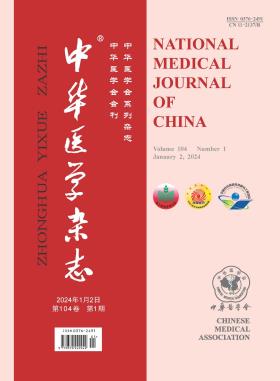
National Medical Journal of China
Volume 104 · Issue 01 · 2024
Natl Med J China
With continuous breakthroughs in basic research and technological innovation in the field of biomedicine, we have a much deeper understanding of the nature of life and disease pathogenesis. New medical technologies, medicines and medical instruments are emerging, which greatly promote diagnosis, treatment, prevention and healthy lifestyle. Focusing on international engagement together with the development needs of individual businesses is a major task for China's biomedical community in order to achieve high-quality outcomes. This paper emphasizes the need to further strengthen the cross-integration and development of medical science in China, realize the paradigm change of medical research, and promote the development and application of revolutionary medical technologies, diagnostics, drugs and medical devices. Eighteen frontier hot spots and common issues are highlighted for the field of biomedicine.
With the further understanding of the concept of three-dimensional correction by spinal surgeons, the progress of internal fixation instruments, de-rotation tools and the improvement of surgical techniques, the scientific formulation of surgical strategies for Lenke 5 adolescent idiopathic scoliosis has gradually become the focus of controversy. The formulation of preoperative surgical strategy not only directly affects the correction of deformity and balance reconstruction, but also is directly related to the activity function of spine and the quality of life of patients after operation. Therefore, this paper will discuss from three aspects: the method of surgical fixation, the surgical approach and the selection of fixed vertebrae. The author believes that Risser sign should be taken as an important consideration to judge the method of surgical fixation. The choice of surgical approach must refer to the operator′s familiarity and experience with the approach, grasp the adaptive signs and consider the risks and benefits of the operation, and choose the appropriate surgical approach according to the needs of different patients. The choice of fixed vertebrae, choosing upper end vertebra (UEV) as upper instrumented vertebra (UIV), is safer than the more radical upper end vertebra-1 (UEV-1), and five factors need to be combined in the specific selection of lower instrumented vertebra (LIV).
To investigate the indications and surgical outcome of Cobb+1 to Cobb fusion strategy in Lenke 5C adolescent idiopathic scoliosis (AIS) patients with the lower lumbar apex.
The clinical data of Lenke 5C AIS patients treated in Nanjing Drum Tower Hospital from August 2015 to December 2018 were retrospectively analyzed. The patients were followed-up for at least 2 years after surgery and treated with selective Cobb+1 to Cobb fusion strategy. The patients were divided into the normal lumbar apex group (apex location of the main curve was between T12 and L1) and the lower lumbar apex group (apex location of the main curve was below the disc of L1/L2). The occurrence of proximal decompensation in the two groups was compared. In addition, according to whether the patients had proximal decompensation at the last follow-up, the patients in the lower lumbar apex group were further divided into proximal decompensation group and non-decompensation group. The radiographic parameters and Scoliosis Research Society-22 (SRS-22) scores of the two groups were compared.
A total of 52 patients (19 cases in the normal lumbar apex group and 33 cases in the lower lumbar apex group), aged (15.3±1.6) years, were followed up for 2-5 (3.2±1.2) years. Six patients (6/19) in the normal lumbar apex group and 5 cases (15.2%) in the lower lumbar apex group showed proximal decompensation during follow-up, and the incidence was significantly higher in the normal lumbar apex group (P=0.034). Within the lower lumbar apex group, the patients with proximal decompensation (n=5) showed similar Risser grade, baseline thoracic Cobb angle, and main Cobb angle as those without proximal decompensation(n=28), and the differences were all not statistically significant (all P>0.05). However, the baseline thoracic/lumbar apical vertebra translation (AVT) ratio was significantly larger in patients with proximal decompensation (0.6±0.2 vs 0.4±0.2, P=0.042), but the postoperative upper instrumented vertebra (UIV) tilt angle was similar (4.5°±2.3° vs 6.2°±3.4°, P=0.312).
Cobb+1 to Cobb fusion strategy, selecting UIV at 1 level above upper end vertebra (UEV), could be performed in Lenke 5C patients with the lower lumbar apex location. In addition, UIV could be selected at UEV+1 in patients with small baseline thoracic curve.
To summarize the characteristics of multisystem deformities in patients with Klippel-Feil syndrome (KFS) combined with congenital scoliosis (CS).
Within the framework of the "Deciphering Disorders Involving Scoliosis and Comorbidities (DISCO)" research collaboration, a retrospective analysis was conducted on patients diagnosed with KFS and CS at Peking Union Medical College Hospital between April 2005 and August 2022. Patient data, including imaging examinations and medical records, were collected to summarize the spinal and associated deformities.
A total of 82 KFS patients with concurrent CS were included, comprising 42 males and 40 females. The average age was (12.8±8.9) years. Among the KFS patients, there were 31 cases of Type Ⅰ, 12 cases of Type Ⅱ, and 39 cases of Type Ⅲ. The most common location for the major curve of scoliosis was the mid-thoracic segment (42 cases, 51.2%). Hemivertebrae deformities were most frequently observed in the upper thoracic segment (31 cases, 60.8%). There were no statistically significant differences in age, gender, major curve Cobb angle, or region of hemivertebrae occurrence among the different types of KFS (all P>0.05). Apart from spinal vertebral deformities, intraspinal deformities had the highest comorbidity rate (33 cases, 40.2%). The subjects were divided into two groups based on the presence or absence of intraspinal deformity (absence as group G0, presence as group G1), there was a statistically significant difference in the main Cobb angle [M(Q1, Q3)] between the two groups, which was 45.0° (27.5°, 62.0°) and 60.0° (37.5°, 83.5°), respectively (P=0.044). Additionally, a portion of the patients had concurrent cardiovascular system abnormalities (13 cases, 15.9%), craniofacial-ocular-auricular abnormalities (8 cases, 9.8%), genitourinary system abnormalities (7 cases, 8.5%), and gastrointestinal abnormalities (2 cases, 2.4%).
Patients with KFS combined with CS commonly present with a major curve of spinal deformity in the mid-thoracic segment and often have comorbidities involving multiple systems. When combined with intraspinal anomalies, the major curve exhibits a greater degree of curvature.
To investigate the correlations between cosmetic and radiographic parameters of shoulder balance, as well as the variations in cosmetic shoulder balance observed from different perspectives, among patients with adolescent idiopathic scoliosis (AIS) characterized by thoracic curves.
A total of 43 patients with thoracic curves treated from July to October in 2022 in Nanjing Drum Tower Hospital were recruited in this study. There were 9 males and 34 females with a mean age of (14.3±1.5) years. All participants underwent comprehensive radiographic assessments and were photographed both from posterior and anterior views, focusing on the shoulder region as well as a higher level (maintaining a consistent vertical distance of 180 cm from the ground). Six cosmetic parameters were measured on the photographs: shoulder angle(α1), axilla angle(α2), shoulder area index 1(SAI1), shoulder area index 2 (SAI2), inner shoulder height (SHi) and outer shoulder height (SHo). Eight radiographic parameters were measured on the radiographs: radiographic shoulder height difference (RSHD), first rib angle (FRA), clavicle-rib cage intersection (CRCI), coracoid process height (CPH), T1 tilt, clavicle angle(CA), clavicle chest cage angle difference (CCAD) and Cobb angle. Differences among bilateral cosmetic indicators from different perspectives were analyzed and compared, and their correlation with bilateral radiographic indicators was studied.
There was no significant differences between anterior cosmetic parameters and posterior cosmetic parameters at the same level of observation(all P>0.05). However, when observing SHi, SHo, α1, and α2 at the shoulder level, it became evident that they exhibited significantly higher values compared to the corresponding higher level on the same side of the patients′ bodies. This contrast was observed in both the dorsal [SHo: (0.11±1.20) cm vs (-0.44±1.39) cm, P=0.005; SHi: (0.64±0.86) cm vs (0.32±0.56) cm, P=0.003; α1:-0.47°±2.27° vs -0.77°±2.49°, P=0.014; α2:-3.06°±3.23° vs -2.21°±3.03°, P=0.034] and ventral [SHo: (0.12±1.29) cm vs (-0.48±1.35) cm, P=0.007; SHi: (0.61±0.88) cm vs (0.30±0.59) cm, P=0.006; α1:-0.46°±2.18° vs -0.69°±2.35°, P=0.018; α2:-3.26°±3.12° vs -2.05°±2.97°, P=0.029] aspects of the patients. SHi and SHo were more sensitive to this difference of height. The correlation coefficients between radiographic parameters and cosmetic aspects at the shoulder level varied from 0.374 to 0.767. Similarly, the correlation coefficients between radiographic parameters and cosmetic factors at the higher level ranged from 0.273 to 0.579 (all P<0.05).
The cosmetic parameters had significant difference between different perspective of observation, the cosmetic parameters are needed to be observed at the shoulder level in the evaluation of patients′ shoulder balance.
To investigate the etiology composition and clinical characteristics of bilateral optic disc swelling(ODS).
The medical records of all newly diagnosed bilateral ODS patients admitted to the neurology ward of Beijing Tongren Hospital from January 2017 to June 2021 were retrospectively searched to classify the etiology, obtain demographic and clinical information, and compare the differences in clinical characteristics.
A total of 131 patients with bilateral ODS were included, including 56 males and 75 females, aged 15-73 (39±14) years. The most common cause of the bilateral ODS was increased intracranial pressure (ICP)(56/131, 42.7%), followed by optic neuritis (ON)(40/131, 30.5%). Other causes included vascular optic neuropathy (13/131, 9.9%), pseudopilledema (9/131, 6.9%); uveitis (6/131, 4.6%), toxic optic neuropathy (3/131, 2.3%) and unknown causes (4/131, 3.1%). Idiopathic intracranial hypertension (IIH) (43/56, 76.8%) was the most common etiology for papilledema. In the comparison of the two main causes of intracranial hypertension and the clinical characteristics of ON in ODS, there was no statistically significant difference in the incidence of age, gender, complaints of ocular pain or headache, and hemorrhage of optic disc(P>0.05). Visual acuity abnormalities and low vision were more common in ON group than the increased ICP group[36/40(90%) vs 33/56(58.9%), P=0.001; 35/80(43.8%) vs 22/112(19.6%), P<0.001], while severe papilledema was more common in increased ICP group[38/112(33.9%)vs 9/80(11.3%), P<0.001].
The most common cause for bilateral ODS is increased ICP, but it can also be triggered by a variety of other causes. Optic neuritis(ON) is the most important differentiating disease in the study of Chinese patients.
To investigate the clinical characteristics of children with early-onset necrotizing enterocolitis (NEC) undergoing enterostomy and analyze the risk factors for postoperative complications.
Retrospective analysis was conducted on the clinical data (perinatal conditions, clinical characteristics, clinical outcomes, etc.) of NEC patients who underwent enterostomy at Beijing Children′s Hospital from May 2016 to May 2023. The patients were divided into two groups based on the age of onset: an early-onset enterostomy group (<14 days) and a late-onset enterostomy group (≥14 days). Furthermore, the children with NEC were categorized into complication group and non-complication group based on whether there were complications after enterostomy. The differences in clinical data between these groups were analyzed, and the clinical characteristics of children with early-onset NEC and enterostomy were summarized. Multivariate logistic regression model was employed to analyze the risk factors for postoperative complications in NEC children with enterostomy.
A total of 68 cases were enrolled, including 43 cases in the early-onset enterostomy group [26 males and 17 females, aged (6.5±3.0) days] and 25 cases in the late-onset enterostomy group [15 males and 10 females, aged (21.0±3.0) days]. There were 28 cases (17 males and 11 females), age [M (Q1, Q3)] 9 (5, 14) days in the complication group and 33 cases (22 males and 11 females), aged of 14 (6, 21) days in the non-complication group. Compared to the late-onset enterostomy group, the early-onset enterostomy group had significantly higher rates of intraventricular hemorrhage [30.2% (13/43) vs 8.0% (2/25)], hemodynamically significant patent ductus arteriosus [37.2% (16/43) vs 12.0% (3/25)], mechanical ventilation≥72 hours after birth [39.5% (17/43) vs 16.0% (4/25)], stage Ⅲ NEC [(69.8% (30/43) vs 40.0% (10/25)], extensive NEC [27.9% (12/43) vs 8.0% (2/25)], and short-term postoperative complications [56.8% (21/37) vs 29.2% (7/24)] (all P<0.05).Multivariate logistic regression model analysis revealed that residual length of proximal small intestine was a protective factor for postoperative complications after enterostomy in NEC infants (OR=0.764, 95%CI: 0.648-0.901, P=0.001), but stage Ⅲ NEC was a risk factor (OR=1.042, 95%CI: 1.004-5.585, P=0.017).
The incidence of postoperative complications is high, and the prognosis is poor in children with early-onset NEC enterostomy. The residual length of proximal enterostomy is a protective factor for postoperative complications of NEC enterostomy, but stage Ⅲ NEC is a risk factor.
To investigate the risk factors for the occurrence of laryngopharyngeal reflux disease in the aged, and to analyze the characteristics of patients with pneumonia.
Patients who underwent 24-hour laryngopharyngeal pH monitoring from June 2020 to July 2022 and the positive patients of those who underwent 24-hour esophageal pH monitoring from March 2017 to July 2022 at the Second Medical Center of the PLA General Hospital were enrolled retrospectively. Positive results of 24-hour laryngopharyngeal reflux monitoring were in the laryngopharyngeal reflux group, and the negative results were in the non-laryngopharyngeal reflux group. Patients with pneumonia and simple gastroesophageal reflux disease were in the esophageal reflux pneumonia group, and patients with pneumonia and simple laryngopharyngeal reflux disease were in the laryngopharyngeal reflux pneumonia group. Patients′ basic data, co-morbidities, drug use and relevant examination and test results were collected. Multivariate logistic regression analysis was used to analyze the risk factors of laryngopharyngeal reflux disease in the aged and its relationship with pneumonia.
A total of 80 patients with 24-hour laryngopharyngeal pH monitoring were enrolled finally, including 34 cases, all male, aged (73±12) years, in the laryngopharyngeal reflux group, and 46 cases [44 males, 2 females, aged (78±11) years] in the non-laryngopharyngeal reflux group. Multivariate logistic regression analysis showed that the risk factors of laryngopharyngeal reflux disease in the aged included age ≤70 years (OR=13.07, 95%CI: 2.53-67.68), body mass index (BMI) (OR=1.37, each additional 1 kg/m2, 95%CI: 1.03-1.83), use of antipsychotic drugs (OR=8.00, 95%CI: 1.40-45.73) and calcium channel blockers (OR=5.27, 95%CI: 1.13-24.53) (all P<0.05). The protective factors of the laryngopharyngeal reflux disease in the aged included antacids (OR=0.19, 95%CI: 0.04-0.90, P=0.035). The incidence of pneumonia was higher in the laryngopharyngeal reflux group compared with the non-laryngopharyngeal reflux group [44.1% (15/34) vs 21.7% (10/46), P=0.033]. The esophageal reflux pneumonia group included 32 cases [31 males and 1 females, aged (84±12) years]. The laryngopharyngeal reflux pneumonia group included 15 cases [ 15 males, aged (79±11) years]. Compared to the patients in the laryngopharyngeal reflux pneumonia group, the patients in the esophageal reflux pneumonia group had a longer course of antibiotics [(27.7±27.0) vs (14.6±13.9) days, P=0.034], a higher frequency of seizure frequency [(4.3±3.0) vs (1.8±1.5) times/year, P<0.001] and a higher maximal body temperature [(38.2±0.9) vs (37.6±1.1) ℃, P=0.037].
The risk factors of laryngopharyngeal reflux disease in the aged included age ≤70 years, higher BMI, use of antipsychotic drugs and calcium channel blockers. The incidence of pneumonia in laryngopharyngeal reflux disease is higher, but the condition of pneumonia is milder.
To identify efficacy and safety of pudendal nerve block in tubing through the third posterior sacral foramen for the treatment of pudendal neuralgia (PN).
A retrospective study with 222 PN patients was conducted in the Department of Pain Management of Beijing Tsinghua Changgung Hospital from January 2020 to April 2023. These patients were divided into two groups based on their treatment methods: pudendal nerve block in tubing through the third posterior sacral foramen (observation group, n=101) and ultrasound-guided pudendal nerve block (control group, n=121). Primary outcome measure was the 90-day postoperative pain relief rate. Secondary outcome measures included visual analog scale (VAS) at 1, 7, 14, 30 and 90 d after surgery, the incidence of tramadol uses after surgery, postoperative self-rating anxiety scale (SAS) scores and the incidence of adverse events. Factors that influenced pain relief within 90 days after surgery were analyzed by using binary logistic regression analysis.
Observation group included 34 males and 67 females, aged (49.8±16.0) years old. Control group included 38 males and 83 females, aged (43.7±14.0) years old. The 90-day postoperative pain relief rate of the observation group patients was 38.6% (39/101), which was higher than the 24.0% (29/121) of the control group patients (P=0.018). Both the observation group and the control group showed an interaction effect of time and group after treatment for VAS scores (both P<0.05). In intra-group comparison, the VAS scores at 1, 7, 14, 30 and 90 d after treatment in both groups were lower than those before treatment (all P<0.05). In inter-group comparison, the differences of the VAS scores were not statistically significant in the observation group compared with those in the control group at 1, 7, 14, 30 and 90 d after surgery (all P>0.05). The SAS score of the observation group at 90 d after surgery was 51.5±6.2, which was lower than the 53.4±5.8 of the control group (P=0.022). There was no statistically significant difference in the incidence of postoperative tramadol uses and adverse events between the two groups (both P>0.05). Pudendal nerve block in tubing through the third posterior sacral foramen was a protective factor for pain postoperative relief in PN patients at 90 d after surgery (OR=1.92, 95%CI: 1.05-3.48, P=0.033).
Pudendal nerve block in tubing through the third posterior sacral foramen is a safe and effective minimally invasive treatment. It has a higher postoperative pain relief rate within 90 d after surgery, without increasing the uses of postoperative rescue analgesics and the incidence of adverse events.
To investigate the clinical and prognostic characteristics of newly diagnosed multiple myeloma (NDMM) patients with myelofibrosis (MF).
The clinical data of 160 NDMM patients admitted to Henan Provincial People′s Hospital from January 2012 to July 2022 were analyzed retrospectively. They were divided into MF group(n=74) and non-MF group(n=86) according to whether combined with MF. Patients in MF group were further splited into MF-1 group (n=47) and MF-2/3 group (n=27). All patients were treated with bortezomib and immunomodulatory-based combination therapy. The efficacy was evaluated after 4 courses, and the clinical features and prognosis between the two groups were compared. The deadline for follow-up was December 30, 2022 and the median follow-up period [M (Q1, Q3)] was 23.5 (14.4, 40.5) months. Kaplan-Meier method was used for survival analysis, and Cox regression model was used to analyze the influencing factors of survival.
Among 160 patients with NDMM, 91 were males and 69 were females, with a median age [M (Q1, Q3)] of 59 (54, 69) years. In MF group, the bone marrow immature plasma cell percentage, total plasma cell percentage were 9.6% (3.2%, 28.5%) and 36.4% (18.5%, 51.1%), respectively, which were higher than 6.0% (1.2%, 17.2%) and 24.0% (12.0%, 46.0%) of the non-MF group (both P<0.05). Hb level was 84.0(74.5, 100.5)g/L and PLT was (151.99±90.68) ×109/L in the MF group, which were lower than 96.0 (81.0, 112.0)g/L and (180.38±85.32) ×109/L of non-MF group (both P<0.05). But there were no significant differences in ISS stage, karyotypic and fluorescence in situ hybridization (FISH) high-risk genetic abnormalities between the two groups (all P>0.05). Objective response rate (ORR), overall survival (OS) and progression-free survival (PFS) were not significantly different between the two groups (all P>0.05). The rate of 17p- was 25.9% (7/27) in MF-2/3 group, which was higher than 8.1% (7/86) of non-MF group (P=0.049). The median OS of the MF-2/3 group was 25.0 (95%CI: 23.6-26.4) months, which was shorter than that of the non-MF group (54.0 months, P=0.031). Multivariate Cox regression analysis showed that grade MF-2/3 was not a risk factor for OS in NDMM patients (HR=1.507, 95%CI: 0.624-3.993, P=0.425).
The ratio of bone marrow immature plasma cells and total plasma cells in NDMM patients with MF are higher than that in patients without MF, and the Hb and PLT are lower than that in patients without MF. NDMM patients with grade 2/3 MF have shorter survival than those without MF.
To assess the levels of serum glycocalyx markers in the first 24 hours after cardiac arrest (CA) and investigate their relationship with 30-day outcomes.
A retrospective cohort study was conducted on prospectively collected data from CA patients, who were admitted to the intensive care units of the Affiliated Hospital of Xuzhou Medical University and obtained return of spontaneous circulation for more than 24 hours between September 2021 and October 2022. Serum samples obtained at the 24-hour after CA were utilized to measure the levels of glycocalyx markers, including heparan sulfate (HS), hyaluronic acid (HA), and syndecan-1 (Sdc-1). Patients were allocated into good function (CPC1-2) and poor function (CPC3-5) groups on the basis of cerebral performance category (CPC) at 30 days post-CA. Logistic regression analysis was used to determine the association between serum glycocalyx markers and neurological outcomes. Patients were regrouped in light of 30-d mortality and Cox regression analysis was used to determine the association between serum glycocalyx markers and 30-d mortality.
A total of 71 patients were included in the study, including 31 (43.7%) females and 40 (56.3%) males, with an average age of (59.0±17.0) years. The poor function group (n=49) demonstrated significantly elevated levels of HS and HA when compared to the good function group (n=22) [HS: 2 461.0(1 623.0, 5 492.0) μg/L vs 1 492.0 (914.0, 2 550.0) μg/L, P=0.008; HA: 124.0(97.0, 365.0)μg/L vs 337.0(135.0, 1 421.0) μg/L, P=0.033]. Adjusted logistic regression analysis revealed that HS was independently associated with poor neurological outcome [odds ratio (OR)=0.389, 95% confidence interval (CI): 0.182-0.828, P=0.014]. In the 30-day mortality analysis, the death group (n=32) exhibited significantly higher levels of HS and HA when compared to the survival group (n=39) [HS: 1 880.0(1 011.0, 3 554.0) μg/L vs 2 500.0(1 726.0, 6 276.0) μg/L, P=0.027; HA: 162.0(99.0, 537.0) μg/L vs 813.0(148.0, 1 531.0) μg/L, P=0.025]. Adjusted Cox regression analysis indicated that elevated levels of HS and HA were independent risk factors (HS: HR=1.697, 95%CI: 1.126-2.557, P=0.011; HA: HR=1.336, 95%CI: 1.047-1.705, P=0.020) for 30-day mortality.
High level of serum HS in 24 hours after CA may serve as a potential predictive marker for both neurological function and 30-day mortality. However, high level of serum HA appears to primarily predict 30-day mortality. Sdc-1 does not seem to contribute to outcome prediction.
To explore the clinical and pathological characteristics as well as therapies and prognosis of gray zone lymphoma (GZL). The clinical data of 10 GZL patients admitted to the First Affiliated Hospital of Soochow University from December 2016 to December 2022 were retrospectively collected. The clinical and pathological characteristics, therapies and prognosis were analyzed. The cut-off time for follow-up visits was December 31, 2022, and the median time for follow-up visits [M(Q1, Q3)] was 40.0 (28.3, 59.8) months. Treatment efficacy was divided into complete remission (CR), partial remission (PR), stable disease (SD) and progressive disease (PD). There were 6 males and 4 females, with a median age [M(Q1, Q3)] of 33.5 (27.3-39.5) years. Among them, 8 patients had mediastinal (thymus) involvement and 7 patients were accompanied with extranodal involvement. According to Ann Arbor staging, 1 case was in the limited stage and 9 cases were in the progressive stage. The immunophenotypes of 4 patients were strong expression of CD20, expression of CD30, and no expression of CD15. The immunophenotypes of 6 patients were unequal expression of CD20 and strong expression of CD30 and CD15. One patient received classical hodgkin lymphoma(cHL)-like immunochemotherapy and only achieved PR, and then received enhanced diffuse large b-cell lymphoma (DLBCL)-like immunochemotherapy to achieve CR. Five patients received enhanced DLBCL-like immunochemotherapy for induction therapy and achieved CR. All 4 patients who did not achieve CR achieved CR after receiving second-line or third-line salvage therapy. All patients were given autologous stem cell transplantation (ASCT) for consolidation therapy. One patient relapsed and died during the follow-up visit in the 33rd month, and the remaining patients currently maintained a state of sustained remission. It is found that GZL mostly occurs in young patients, mediastinal involvement is common, and diagnosis relies on pathological morphology and immunophenotype. GZL may be more sensitive to DLBCL-like intensive immune regimens. Sequential ASCT for consolidation can reduce the risk of relapse.
Adolescent idiopathic scoliosis (AIS) is a kind of complex three-dimensional spinal deformity with unknown etiology, which seriously affects the physical and mental health and quality of life of patients and requires surgical correction. Appropriate fusion orthopedic strategy can not only obtain good correction effect and reduce the incidence of postoperative complications, but also preserve more moving segments and maintain the moving function of the patient's spine. However, how to formulate the fusion surgical strategy of AIS has been the focus of debate among scholars at home and abroad. The establishment of scoliosis classification system has very important clinical significance for the formulation of fusion surgical strategy of AIS, and Lenke classification system has become the universal standard classification of AIS in the world. In recent years, a large number of scholars have continuously improved and enriched the fusion surgical strategy of AIS under the framework of Lenke typing system. Therefore, this article reviews the progress of AIS fusion surgery based on Lenke typing system.
Klippel-Feil syndrome (KFS) is a congenital cervical fusion malformation clinically characterized by short neck, low posterior hairline, and limited neck movement, which can be combined with other multisystem malformations. There are two main types of KFS combined with cardiovascular system malformations: one is cardiac malformations (including atrioventricular and septal, myocardium, heart valve, pericardial developmental malformations and cardiac conduction system abnormalities), and the other is vascular malformations (congenital aortic and pulmonary artery disease, internal carotid artery, vertebral artery variation, etc.). For patients preparing for surgical treatment due to KFS, adequate preoperative examination and evaluation is helpful to grasp the severity of patients with cardiac and other organ malformations, and early intervention is of great significance for anesthesia and surgical safety. This article reviews the relevant research progress, reviews the reported cases and genetic tests, and provides a reference for better clinical understanding of KFS with cardiovascular malformations in the future, and provides ideas for further perioperative management of patients and genetic research.
Parkinson's disease is a common neurodegenerative disease, while inflammatory bowel disease is a non-specific chronic inflammatory disease of the intestine. Studies have found that there is an epidemiological correlation between Parkinson's disease and inflammatory bowel disease, and there are also similar pathophysiological mechanisms, such as genetic factors, intestinal inflammation, intestinal microorganisms and their metabolites short-chain fatty acids, etc. Intestinal microorganisms and their metabolites are important functional components in the intestine, and play an important role in the development of Parkinson's disease and inflammatory bowel disease. Some therapeutic drugs for inflammatory bowel disease have protective effects on Parkinson's disease, and intestinal microecological regulation methods such as fecal bacteria transplantation and probiotics have certain prospects in the treatment of inflammatory bowel disease and Parkinson's disease. This article reviews the risk, pathophysiological mechanism and treatment of Parkinson's disease and inflammatory bowel disease, focusing on the changes of intestinal microorganisms and their metabolites short chain fatty acids in the two diseases, in order to provide new ideas for better research on the relationship between Parkinson's disease and inflammatory bowel disease.
The surgical treatment of extremely severe rigid kyphosis has always been a difficult problem in the field of spinal surgery. This center has treated a series of extremely severe rigid kyphosis by using cephalopelvic ring traction (HPT) technique. These patients usually have severe ventilatory dysfunction before treatment. After a period of HPT treatment and orthopedic surgery, the pulmonary function-related indexes (PFTs) have been significantly improved. In this study, the PFTs of these patients were evaluated by three-dimensional CT reconstruction technique (3D-CT).
Congenital scoliosis (CS) is a relatively rare and complex three-dimensional spinal deformity with scoliosis exceeding 10° due to abnormal vertebral formation during embryonic development. CS is often accompanied by other organ system defects such as ventricular septal defect, diastomyelia, and solitary kidney. It has been reported that the occurrence and progression of CS may be related to genetic variation and environmental factors, such as TBX6 mutation, history of hypoxia or carbon monoxide exposure, vitamin A deficiency during pregnancy, etc. Although the pathogenesis of CS has been extensively studied over the past decades, its exact mechanism has not been fully elucidated.
Early-onset scoliosis (EOS) refers to spinal deformity with onset age under 10 years old. It is the focus and difficulty of the diagnosis and treatment of spinal deformity at present. At present, there are many studies and consensus on the understanding and diagnosis and treatment of EOS, but the incidence and prevalence of such diseases in the population are not yet clear. This data is very important to guide clinical practice, research direction and warning.
In the process of writing and discussing the part of "TCM Treatment of Thrombocytopenia" in the consensus article "Chinese Expert Consensus on the Diagnosis and Treatment of Cancer Drug-Related Thrombocytopenia (2023 Edition)" published in Volume 103, Issue 33, 2023, Professor Huang Yuanyuan from the Department of Comprehensive Traditional Chinese Medicine, Cancer Prevention and Treatment Center of Sun Yat-sen University has done a lot of work. Professor Huang Yuanyuan should be included in the list of "Members of the Consensus Expert Group" at the end of the article, sorted according to the Chinese pinyin of his surname, and should be listed after Professor Hou Mei, and the order before and after should be "Hou Mei (Department of Thoracic Oncology, West China Hospital, Sichuan University); Huang Yuanyuan (Department of Comprehensive Traditional Chinese Medicine, Cancer Prevention and Treatment Center of Sun Yat-sen University); Jiang Wenqi (Department of Medical Oncology, Cancer Prevention and Treatment Center of Sun Yat-sen University)", which is hereby corrected.
CURRENT ISSUE