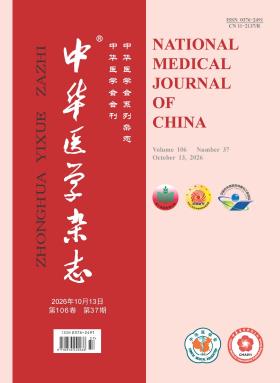
National Medical Journal of China
Volume 106 · Issue 37 · 2026
Natl Med J China
Stroke is the leading cause of death and disability in China. In recent years, acute stroke care in China has improved substantially with the continued development of stroke centers and rapid advances in emergency reperfusion therapy technology. Nevertheless, the risk of stroke recurrence remains high, and long-term management has become a critical determinant of long-term prognosis of patients. Currently, a large amount of evidence has established the efficacy of secondary prevention strategies, including antithrombotic therapy, risk factor control, and lifestyle modification. The main challenge in preventing stroke recurrence is not the lack of effective interventions, but the lack of an effective delivery system to translate evidence-based interventions and guideline recommendations into sustained, standardized practice throughout the course of care. Drawing on experience in stroke prevention and chronic disease management at home and abroad, this article analyzes the problems of inadequate long-term risk factor control, declining medication adherence, and discontinuity of care. We propose that stroke recurrence prevention should further shift from a model centered primarily on acute-phase treatment to a systematic management that spans in-hospital and out-of-hospital settings and covers the entire disease course. We propose a model oriented toward reducing disability and disease burden, grounded in standardized assessment, aimed at comprehensive control, delivered through continuous management, and supported by multistakeholder collaboration. This article may provide reference for further improving China′s stroke prevention and control system and advancing full-cycle health management of stroke.
Primary aldosteronism (PA) is the most common endocrine cause of secondary hypertension and carries a greater risk of cardiorenal complications than essential hypertension. Recent domestic and international guidelines and consensus statements have proposed screening all patients with hypertension for PA. To cope with the massive patient base resulting from universal screening, this article explores practical schemes for the stratified and graded diagnosis and treatment of PA. By employing "non-drug withdrawal" and "minimal-drug withdrawal" testing protocols, PA screening can be feasibly implemented in primary care settings. Based on simple clinical parameters—including serum potassium, plasma aldosterone levels, and blood pressure—patients are stratified into mild, moderate, and severe categories, along with an estimated probability of unilateral PA. Patients with mild disease, unwilling to undergo surgery, or those who are not surgical candidates can receive medical therapy and follow-up directly at primary care facilities. For moderate-to-severe patients who are willing and eligible for surgery, referral to higher-level hospitals with specialized expertise is indicated, where confirmatory aldosterone suppression testing and adrenal venous sampling are performed for subtype classification. Unilateral disease is treated with surgical resection of the affected adrenal gland, whereas bilateral disease is managed medically. This approach enables timely and appropriate diagnosis and treatment of PA across a broader range of healthcare institutions, fulfilling the paradigm of "universal screening-stratified management-individualized therapy".
Immunoglobulin G4-related disease (IgG4-RD) is an immune-mediated, chronic fibroinflammatory disease characterized by multisystem involvement. As it is relatively rare and has been recognized for a short time, standardized treatment and disease assessment remain clinical challenges. In recent years, substantial progress has been made both internationally and domestically in the diagnosis, treatment, and management of IgG4-RD, with more evidence-based studies now available in this field. However, there is no Chinese guideline focusing on the treatment and evaluation of systemic involvement in IgG4-RD. To address this gap, the Chinese Rheumatology Association and the IgG4-Related Disease Group, Committee of Rheumatology and Immunology, Cross-Strait Medicine Exchange Association jointly organized experts from multiple disciplines, including rheumatology, gastroenterology, ophthalmology, stomatology, pulmonology, nephrology and urology, to systematically review and evaluate the latest domestic and international literature. In combination with clinical practice in China, and following the Grading of Recommendations, Assessment, Development and Evaluation (GRADE) evidence grading system, the experts addressed 9 clinical questions of concern prioritized by frontline clinicians in China and formulated 18 evidence-based recommendations. The guideline aims to improve the standardized treatment and evaluation of IgG4-RD, promote daily clinical care, and ultimately improve patient outcomes.
Venous thromboembolism (VTE) is a multifactorial disease induced by the interplay between environmental exposures and genetic predisposition. It features intricate pathological mechanisms and an insidious clinical course, with severe cases potentially resulting in disability or death. In recent years, laboratory assays for VTE have become increasingly diverse,nevertheless, prominent challenges persist, including ambiguous indications for clinical application, inconsistent interpretation criteria, and insufficient evidence-based support. To further promote the standardization of laboratory diagnosis for VTE in China, enhance the safety and efficacy of clinical applications, and ensure the rational utilization of diagnostic resources, initiated by Expert Committee of the National Capacity Building Project for Pulmonary Embolism and Deep Venous Thrombosis Prevention and Treatment, National Health Commission Capacity Building and Continuing Education Center and National Center for Clinical Laboratories, the Chinese guideline for the laboratory diagnosis of venous thromboembolism (2026 edition) was developed in accordance with the methodologies and procedures in the Guiding Principles for the Formulation and Revision of Clinical Practice Guidelines in China (2022 Edition), the Appraisal of Guidelines for Research and Evaluation Ⅱ (AGREEⅡ), and the Reporting Items for Practice Guidelines in Healthcare (RIGHT). This guideline addresses 12 clinical questions and includes 33 recommendations, covering exclusion diagnosis, etiological analysis, risk assessment and anticoagulation monitoring of VTE. It is intended to establish a VTE laboratory testing system adapted to domestic conditions in China, so as to promote standardization and homogenization of VTE laboratory diagnosis.
Glycemic fluctuations are highly prevalent among critically ill patients. Glycemic abnormalities constitute an independent risk factor for adverse outcomes, and their effective identification and management are essential to improving clinical prognosis in this population. Continuous glucose monitoring (CGM) technology, which continuously and in real time captures interstitial fluid glucose concentrations, provides multidimensional glycemic metrics and offers a novel technical approach to overcoming the inherent limitations of conventional intermittent glucose monitoring, thereby enabling refined glycemic management in critically ill patients. However, systematic guidance for its standardized application in the intensive care units (ICU) setting remains lacking. To address this gap, the Branch of Critical Care Medicine, China Association for Disaster and Emergency Rescue Medicine, convened a multidisciplinary panel of experts in critical care medicine, endocrinology, and nursing. Drawing on international evidence-based literature and clinical practice issues specific to China, the panel jointly developed the present consensus, with the aim of providing guidance for the standardized and individualized application of CGM in adult ICU patients. This consensus puts forward 27 recommendations addressing 12 questions regarding the use of CGM in critically ill patients. The content covers the definition, classification and hazards of glycemic abnormalities in critically ill patients, common blood glucose monitoring methods and their clinical implications, eligible populations for CGM, data interpretation, quality control and routine care of CGM, as well as accessibility and economic costs.
To investigate the relationship between the atherogenic index of plasma (AIP) during mid-pregnancy and abnormal glucose metabolism (AGM) in early postpartum period among women with previous gestational diabetes mellitus (GDM).
In this retrospective cohort study, women with previous GDM who attended the Department of Endocrinology and Metabolism, Shanghai General Hospital, Shanghai Jiao Tong University School of Medicine, between December 2014 and June 2021 were recruited. Based on the outcomes of the 75 g oral glucose tolerance test (OGTT) performed at 4 to 12 weeks postpartum, the patients were classified into normal glucose tolerance (NGT) group and AGM group. Demographic characteristics, glycemic and lipid profiles, and AIP levels at mid-pregnancy and postpartum were compared between the two groups. Logistic regression analysis was used to identify the risk factors for postpartum AGM, and restricted cubic spline (RCS) analysis was performed to assess the dose-response relationship between mid-pregnancy AIP and postpartum AGM.
Finally, 921 women completed follow-up at 4 to 12 weeks postpartum, among whom 626 (68.0%) exhibited NGT and 295 (32.0%) were diagnosed with AGM.Compared with the NGT group, the AGM group had significantly higher AIP levels during both mid-pregnancy and postpartum peroid (P<0.05). Logistic regression identified age, insulin therapy during pregnancy, mid-pregnancy fasting plasma glucose (FPG), and AIP were independent risk factors for postpartum AGM; each 1 unit increase in AIP was associated with a 237.6% increased risk of postpartum AGM (OR=3.376, 95%CI: 1.431 to 7.964, P<0.01). After full adjustment for age, pre-pregnancy body mass index (pre-BMI), gestational weight gain rate, diabetic family history, insulin therapy during pregnancy, FPG, low-density lipoprotein cholesterol (LDL-C), and total cholesterol (TC), each 1-standard-deviation (SD) increase in the Z-score-standardized AIP was associated with a 25.3% increased risk of postpartum AGM (OR=1.253, 95%CI: 1.069 to 1.470, P<0.01). RCS analysis demonstrated a linear positive association between mid-pregnancy AIP and the risk of postpartum AGM (P for overall=0.020; P for nonlinearity=0.697). When mid-pregnancy AIP>0.093, the risk of postpartum AGM showed an increasing trend. Subgroup analyses stratified by age (<35 vs ≥35 years), pre-BMI (<24 vs ≥24 kg/m2), and insulin therapy during pregnancy (yes vs no) revealed that there was no interaction between mid-pregnancy AIP levels and the risk of AGM across any of the subgroups (all P for interaction>0.05).
Mid-pregnancy AIP level was independently and positively correlated with the risk of early postpartum AGM in women with GDM.
To analyze the efficacy of neoadjuvant chemoradiotherapy and the factors influencing survival in patients with locally advanced mid-low rectal cancer harboring rat sarcoma virus (RAS) gene mutation.
A retrospective analysis of clinical data from patients with locally advanced mid-low rectal cancer who received neoadjuvant long-course chemoradiotherapy at the Affiliated Hospital of Zunyi Medical University between June 2018 and June 2020 was conducted. Patients were divided into a mutation group (patients with RAS gene mutation) and a wild-type group (patients without RAS gene mutation) based on RAS gene mutation status. Follow-up was carried out until December 31, 2025. The efficacy of neoadjuvant chemoradiotherapy in patients with locally advanced mid-low rectal cancer harboring RAS gene mutation was analyzed, including general information, perioperative indicators, clinical pathological characteristics, pathological remission, overall complete remission, neoadjuvant rectal (NAR) score, recurrence-free survival (RFS) rate, and overall survival (OS) rate. A multivariate logistic regression model was used to analyze the influencing factors of overall complete remission and NAR score. A multivariate Cox regression model was used to analyze the influencing factors of patient survival.
A total of 146 patients were enrolled, including 62 in the mutation group [39 males and 23 females, aged (61±8) years] and 84 in the wild-type group [62 males and 22 females, aged (62±8) years]. The RAS mutation rate was 42.5% (62/146), with KRAS mutations accounting for 98.4% (61/62). There was no statistically significant difference in baseline demographic characteristics of general information and perioperative indicators between the wild-type group and the mutation group (all P>0.05). The proportion of patients with ypT3 staging [61.0% (36/59) vs 29.9% (23/77), P=0.014] and NAR scores [M (Q1, Q3), 15 (8, 30) vs 8 (8, 15) points, P=0.042] were higher in the mutation group than those in the wild-type group. Multivariate logistic regression analysis showed that RAS mutation was an influencing factor with high NAR scores (OR=2.33, 95%CI: 1.00-5.41, P=0.049), but it is not a factor influencing overall complete remission (OR=0.71, 95%CI: 0.28-1.77, P=0.463). The follow-up duration was 65 (49, 83) months. The 5-year RFS rate was lower in the mutation group than that in the wild-type group (65.5% vs 82.6%, P=0.010), while there was no statistically significant difference in 5-year OS rate between the two groups (93.0% vs 98.4%, P=0.344). Cox regression analysis indicated that RAS mutation was a risk factor for 5-year RFS rate (HR=2.47, 95%CI: 1.21-5.05, P=0.013).
Patients with locally advanced mid-low rectal cancer harboring RAS gene mutation had a higher proportion of ypT3 staging and higher NAR scores, as well as lower 5-year RFS rate. RAS gene mutation is a risk factor for high NAR scores and low 5-year RFS rate in patients with locally advanced mid-low rectal cancer after neoadjuvant chemoradiotherapy.
To investigate the risk factors for pulmonary hemorrhage and severe infection in adult leptospirosis patients and to construct a prediction model.
A retrospective analysis was conducted on patients with leptospirosis admitted to the First Affiliated Hospital of Wenzhou Medical University from August 2017 to September 2025. Patients were divided into a non-pulmonary hemorrhage group (n=95) and a pulmonary hemorrhage group (n=63) based on the presence or absence of pulmonary hemorrhage. Multivariate logistic regression model was used to analyze the risk factors for pulmonary hemorrhage and severe infection. A prediction model was constructed and a nomogram was developed. Bootstrap method was used for internal validation of the model, and the area under the receiver operating characteristic curve (AUC), Hosmer-Lemeshow test, calibration curve and decision curve analysis were used to evaluate the model performance.
A total of 158 patients (141 males) were enrolled, with the age [M (Q1,Q3)] of 66 (57, 72) years. Among them, 95 (60.1%) were classified as the pulmonary hemorrhage type and 63 (39.9%) were non-pulmonary hemorrhage type. Compared with the non-pulmonary hemorrhage group, the pulmonary hemorrhage group had lower hemoglobin [(96.7±16.2) vs (119.1±18.9) g/L], lower platelet count [32.0 (13.5, 70.5)×10⁹/L vs 95.0 (55.0, 141.0)×10⁹/L], lower albumin level [26.4(24.3,28.4) vs. 29.9(26.9,32.5) g/L] and higher serum creatinine [230.0 (141.5, 342.0) vs 133.0 (87.0, 262.0) μmol/L], with all differences being statistically significant (all P<0.05). Logistic regression model analysis identified a symptom onset-to-admission time exceeding 3 days (OR=2.53, 95%CI: 1.03-6.26, P=0.042), thrombocytopenia (OR=1.80, 95%CI: 1.15-2.81, P=0.010), and hypoproteinemia (OR=3.95, 95%CI: 1.25-12.48, P=0.019) as independent risk factors for pulmonary hemorrhage. On this basis, a diagnostic prediction model incorporating these risk factors together with the degree of anemia was established, with an AUC of 0.886 (95%CI: 0.835-0.937). At the maximum Youden index, the sensitivity and specificity were 80.9% and 82.1%, respectively. The Hosmer-Lemeshow test indicated that all the aforementioned models demonstrated satisfactory calibration (χ2=9.104, P=0.334). The calibration curve indicated good calibration. Decision curve analysis demonstrated a stable net benefit across the clinical decision threshold range of 0.05-0.85.
A symptom onset-to-admission time exceeding 3 days, thrombocytopenia, and hypoproteinemia are independent risk factors for pulmonary hemorrhage in adult leptospirosis patients. The prediction model based on these risk factors may facilitate identification of patients at high risk of pulmonary hemorrhage.
To investigate the correlation between peripheral blood inflammatory markers and Wagner grade as well as Interhational Working Group on the Diabetic Foot (IWGDF)/Infections Diseases Society of America (IDSA) infection grade in patients with diabetic foot infection (DFI).
A retrospective analysis was performed on the clinical data of 396 patients with type 2 DFI who were hospitalized at the Ninth Medical Center of PLA General Hospital from January 1, 2021 to December 31, 2023. Patients were classified into grade 2, grade 3 and grade 4 according to Wagner classification, and divided into mild, moderate and severe groups according to IWGDF/IDSA infection classification. The levels of peripheral blood inflammatory markers were compared among patients with different grades. Spearman rank correlation analysis was used to explore the association between inflammatory markers and the two grading systems. Receiver operating characteristic (ROC) curve was used to evaluate the diagnostic efficacy of each inflammatory marker for Wagner grade 4 and severe IWGDF/IDSA infection.
Among the 396 DFI patients, 281 were males and 115 were females, with the age of (64.7±11.3) years. According to Wagner classification, there were 58 cases of grade 2, 196 cases of grade 3, 130 cases of grade 4, and 12 cases with missing grading. According to IWGDF/IDSA infection classification, there were 62 mild cases, 218 moderate cases and 116 severe cases. There were statistically significant differences in platelet count (PLT), platelet-to-lymphocyte ratio (PLR), neutrophil percentage, neutrophil-to-lymphocyte ratio (NLR), monocyte-to-lymphocyte ratio (MLR), high-sensitivity C-reactive protein (hs-CRP), fibrinogen degradation products (FDP), fibrinogen (FIB), C-reactive protein (CRP) and erythrocyte sedimentation rate (ESR) among DFI patients with different Wagner grades (all P<0.05). The levels of white blood cell count (WBC), PLT, PLR, neutrophil percentage, NLR, MLR, hs-CRP, FDP, FIB, CRP and ESR were significantly different among patients with different IWGDF/IDSA infection grades (all P<0.05). Spearman rank correlation analysis showed that both grading systems were positively correlated with PLT, PLR, neutrophil percentage, NLR, MLR, hs-CRP, FIB, CRP and ESR, and negatively correlated with FDP (all P<0.05). ROC curve analysis showed that WBC, PLR, NLR, hs-CRP, CRP and ESR had diagnostic value for both severe IWGDF/IDSA infection and Wagner grade 4 (all P<0.001), with under the curve (AUC) ranging from 0.663 to 0.783. The AUC of all indicators for the diagnosis of severe IWGDF/IDSA infection was higher than that for Wagner grade 4 (all P<0.05).
The levels of peripheral blood inflammatory markers in DFI patients are closely correlated with the severity of Wagner grade and IWGDF/IDSA infection grade. WBC, PLR, NLR, hs-CRP, CRP and ESR exhibit better diagnostic performance for severe IWGDF/IDSA infection than for Wagner grade 4.
To investigate the efficacy in patients with primary aldosteronism (PA) who converted from adrenal ablation to surgical intervention or from surgical intervention to adrenal ablation. A retrospective analysis was performed on the clinical data of patients with PA who sequentially underwent transcatheter adrenal ablation and surgical intervention (regardless of treatment sequence) admitted to Daping Hospital, Army Medical University between June 2018 and June 2025. Patients were divided into the post-ablation surgery group and post-surgery ablation group according to the treatment sequence. Clinical data, PA classification, and primary causes for second intervention were collected. Biochemical and clinical outcomes after second treatment were evaluated in accordance with the PA surgical outcome criteria. A total of 10 patients were enrolled, including 8 males and 2 females, with the age of (42.6±14.0) years. There were 7 cases in the ablation-then-surgery group and 3 cases in the surgery-then-ablation group. Adrenal CT scans revealed nodular lesions (adenomas) in all 10 PA patients. The indications for the second intervention in both groups were persistent hypertension, failure to achieve the target plasma aldosterone-to-renin ratio, with or without hypokalemia, following the initial treatment. In the ablation-then-surgery group, 6 patients had left-sided lesions and 5 were male, with a median interval between the two procedures of 1.5 (1.0, 2.0) years. All patients in the surgery-then-ablation group were male, and the interval between the two procedures ranged from 2 to 12 years. Patients were followed-up 1 year after second intervention. The post-ablation surgery group exhibited complete biochemical success in 4 cases and partial biochemical success in 3 cases; complete clinical success was noted in 1 case and partial clinical success in 6 cases. In the post-surgery ablation group, complete biochemical success was seen in 3 cases, complete clinical success in 1 case, and partial clinical resolution in 2 cases. Male patients predominated among PA patients undergoing re-intervention, and favorable biochemical and clinical responses could be achieved by second intervention.
The patient, a 29-year-old female, presented to Peking Union Medical College Hospital for "15 years of discovery of genital malformations and primary amenorrhea". He was diagnosed with growth hormone deficiency at the age of 11 and was given growth hormone therapy. Has a history of breech delivery. Physical examination revealed a height of 1.37 m, double breasts Tanner stage B1, pubic hair stage P1, no vaginal opening, and immature vulva. Chromosome karyotype 46, XX. Pelvic MRI and ultrasound showed no uterus or vagina, but bilateral ovaries were visible, and MRKH syndrome was gynecologically diagnosed. It was recommended to visit the endocrinology department. Further examination suggested that the patient had hypogonadotrophic hypogonadism. Pituitary MRI showed no pituitary stalk, posterior pituitary ectopia, and anterior pituitary dysplasia. The diagnosis was pituitary stalk interruption syndrome (PSIS). After 12 months of estradiol combined with growth hormone treatment, the breast developed to Tanner B3 stage, but pelvic CT still did not show uterine and vaginal structures. The final diagnosis was MRKH syndrome combined with PSIS. This case suggests that PSIS should be included in the differential diagnosis for women with prospective MRKH syndrome and associated with short stature, delayed puberty, or hypogonadotropic hypogonadism.
Hemochromatosis shows significant selectivity when it involves the pituitary gland, often with hypogonadotropic hypogonadism (HH) as the first manifestation, while other pituitary hormone axes are mostly retained relatively intact. Its mechanism mainly involves three aspects, including active iron uptake by gonadotropin cells, sensitivity of gonadotropin cells to oxidative stress, and low regulatory threshold of hypothalamic-pituitary-gonadal axis. In clinical work, attention should be paid to screening for hemochromatosis in patients with HH, and attention should be paid to the occurrence of HH or mixed hypogonadism in patients with hemochromatosis.
In recent years, bacterial hybrid membranes (HM), as a biomimetic delivery system, have been gradually used in tumor therapy. By fusing bacterial outer membrane vesicles, bacterial cell plasma membrane and other functional biofilm structures, the system has advantages such as tumor targeting, immune activation and efficient delivery, which can realize the coordinated transport of antigens and drugs and enhance the body's anti-tumor immune response. This paper mainly introduces the construction method and main components of HM; Summarize its natural advantages such as tumor targeting and immunomodulatory ability; This paper further elaborates on its application progress in multimodal therapies such as chemotherapy, photothermal therapy, acoustic dynamic therapy, radiotherapy sensitization and personalized tumor vaccines, and looks forward to its future development.
Severe acute pancreatitis (SAP) is one of the most critical emergencies of the digestive system. 20% to 30% of patients with acute pancreatitis can progress to SAP, and the mortality rate is as high as 20%. SAP not only causes local pancreatic necrosis, but also often involves distant organs, with a high incidence of intestinal injury and serious consequences. Intestinal barrier failure is the core driving factor of the "second strike" of SAP-damage to the intestinal barrier causes endotoxins and bacteria to migrate into the blood, triggering systemic inflammatory response syndrome and multiple organ dysfunction, which is a key link in the deterioration of the patient's condition and death. However, there are currently very limited effective treatments for SAP-related intestinal injury (PAII). Commonly used clinical drugs such as octreotide, as a somatostatin analogue, can inhibit pancreatic secretion and relieve some symptoms, but they lack direct protection against existing intestinal barrier damage and are difficult to meet the comprehensive treatment needs of critically ill patients. Rheinic acid is a natural anthraquinone compound extracted from traditional Chinese medicines such as rhubarb and aloe vera. It has pharmacological activities such as anti-inflammatory and antioxidant. Although it has been shown to have a protective effect on SAP pancreatic injury, whether it can improve intestinal injury and through what mechanism it plays its role has not been known before.
In the article "Neuroimaging Features of Leukoencephalopathy Associated with Patent Foramen Ovale" published in the Chinese Medical Journal on August 25, 2026, Vol. 106, No. 31, on page 3289, Figures 1A and 1B, and 1D and 1E are reversed. The adjusted upper left corner should be the current Figure 1B, the lower left corner should be the current Figure 1E, the upper middle corner should be the current Figure 1A, and the lower middle corner should be the current Figure 1D. This is hereby corrected.
CURRENT ISSUE