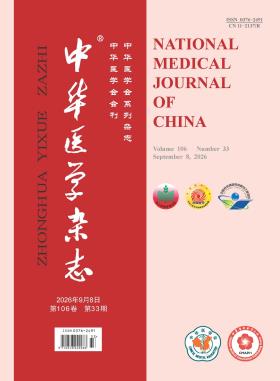
National Medical Journal of China
Volume 106 · Issue 33 · 2026
Natl Med J China
The impact of prediabetes on cardiovascular health is a widely recognized fact. However, intervention worldwide at the community level has been challenging. Some experts believe the reason is that the term "pre-stage" is too mild, misleading the public and health authorities into underestimating the health risks to this population. To promote proactive intervention across society, there have been increasing recommendations in recent years to classify prediabetes as part of diabetes. Given the hundreds of millions of people with prediabetes, the multiplied medical burden caused by turning all of them into diabetes will be the biggest obstacle to this "renaming". How can we resolve the world-wide challenges? The new diabetes diagnostic criteria proposed by the International Diabetes Federation (IDF, one-hour blood glucose above 11.6 mmol/L) may offer us fresh ideas. It is worth considering designating the current World Health Organization (WHO) standard diabetes as diabetes (WHO) and those people with prediabetes who meet the IDF diagnostic criteria as diabetes (IDF). This approach will protect the legal health rights of the high-risk groups previously defined as prediabetes without excessively increasing the burden on the current medical payment system. Besides, great efforts should be made to educate the public to effectively improve the public′s understanding of dangerous outcomes of prediabetes, and highly individualized interventions should be carried out based on the heterogeneity of the prediabetes population.
In May 2026, Lancet published an online global consensus statement on the unified renaming of polycystic ovary syndrome (PCOS). Developed with participation from 56 international organizations, tens of thousands of patient survey datasets, and multidisciplinary expert deliberations, the consensus officially replaced the nearly 90-year-old term PCOS with polyendocrine metabolic ovarian syndrome (PMOS). This nomenclature revision rectifies misleading terminology and accurately reflects the disease′s core nature of concurrent endocrine, metabolic, and ovarian dysfunction. This paper reviews the background, methodological rationale, and core connotations of the global renaming consensus, illustrates the paradigm shifts in disease understanding, standardized screening, stratified therapy, and chronic disease management driven by the name change, and proposes targeted countermeasures and transitional management recommendations for endocrinology and metabolism specialties tailored to clinical practice in China. It aims to deliver actionable practical guidance for frontline clinicians.
Glucocorticoids have played a central role in treating rheumatic diseases since their introduction in the mid-20th century, owing to their anti-inflammatory and immunosuppressive effects. However, prolonged glucocorticoid exposure is closely associated with adverse outcomes, including organ damage, metabolic disturbances, osteoporosis, and infection, making long-term glucocorticoid management a major clinical challenge. With the emergence of targeted therapies and novel immunotherapies, the rheumatology community has increasingly debated 'Slay or Stay' in glucocorticoid management:'Slay' refers to tapering and discontinuing glucocorticoids whenever feasible after disease control, aiming for glucocorticoid-free remission, while 'Stay' emphasizes maintaining low-dose glucocorticoids in selected patients to sustain remission and reduce relapse risk. This review summarizes recent international guidelines and representative clinical trials and discusses glucocorticoid tapering and withdrawal strategies in major rheumatic diseases, including systemic lupus erythematosus, rheumatoid arthritis, and systemic vasculitis. Overall, glucocorticoid management should not be viewed as an absolute choice between 'Slay' and 'Stay', but should balance disease control and long-term safety through individualized tapering based on relapse risk and glucocorticoid-related toxicity.
The treatment of rheumatic diseases (RMD) is still challenged by long-term treatment dependence and refractory relapses. Therapeutic goals are therefore shifting from suppression of inflammation toward deep B-cell depletion and immune resetting. Conventional B-cell-depleting monoclonal antibodies have insufficient capacity for tissue B-cell depletion. Autologous chimeric antigen receptor T-cell (CAR-T) therapy has shown the potential for deep immune reconstitution, but its clinical use is constrained by individualized manufacturing, lymphodepleting conditioning, cost, and safety-management requirements. T-cell engagers (TCE) simultaneously bind cluster of differentiation (CD) 3 on T cells and target antigens on B cells or plasma cells. They redirect endogenous T cells to eliminate pathogenic target cells. TCE can offer the advantages of standardized manufacturing, no requirement for ex vivo cell preparation, and flexible adjustment of dose and treatment duration. Focusing on the latest advances in TCE therapy for rheumatic diseases, this review systematically summarizes studies targeting CD19, CD20, and B-cell maturation antigen (BCMA). Available evidence indicates that TCE can rapidly deplete B cells or plasma cells in systemic lupus erythematosus, systemic sclerosis, idiopathic inflammatory myopathies, and rheumatoid arthritis, and may reduce disease activity and promote remission. The main adverse events include cytokine release syndrome, infections, and hypogammaglobulinemia, most of which appear manageable. Accordingly, the clinical value of TCE in rheumatic diseases is becoming increasingly apparent. However, several key issues remain to be resolved, including the depth of tissue B-cell depletion, the quality of immune reconstitution, endogenous T-cell fitness, mechanisms of inadequate response, and long-term safety. TCE therapy is neither a costly duplication of existing B-cell-depleting therapies nor a definitive solution for immune resetting. Rather, it represents a more accessible and clinically manageable therapeutic approach that may offer a practical route toward immune resetting in RMD.
Glucagon-like peptide-1 (GLP-1) receptor agonists (GLP-1RA), originally developed for type 2 diabetes mellitus and obesity, have attracted considerable attention in rheumatology due to their pleiotropic effects. Accumulating evidence indicates that GLP-1RA not only indirectly reduce inflammation through weight loss and metabolic improvement, but also directly act on GLP-1 receptors expressed on immune cells and musculoskeletal cells, exerting anti-inflammatory and tissue-protective effects independent of weight reduction. In recent years, several large real-world studies and randomized controlled trials have shown that GLP-1RA may improve disease activity and reduce cardiovascular events and mortality in osteoarthritis, rheumatoid arthritis (RA), psoriasis/psoriatic arthritis, and systemic lupus erythematosus (SLE). However, the available evidence has notable limitations: most studies are retrospective, with limited sample sizes; different GLP-1RA are often analyzed as a single class; the weight-loss effect is difficult to dissociate from direct anti-inflammatory action; and randomized controlled trials in non-obese, non-diabetic rheumatic patients are lacking. This review systematically summarizes the molecular mechanisms and clinical evidence of GLP-1RA in rheumatic diseases (including RA, psoriasis/psoriatic arthritis, osteoarthritis, and SLE), and based on this, the authors′ perspective is put forward: currently, GLP-1RA should only be recommended for rheumatic patients with overweight/obesity or type 2 diabetes who also have high cardiovascular risk. Future research should prioritize head-to-head comparisons of different GLP-1RA, mechanistic studies independent of weight loss, and exploration of combination strategies. It is believed that GLP-1RA hold promise to usher in a new era of "metabolic-immune" synergistic intervention in rheumatology, but their benefits and risks must be carefully evaluated.
In the treatment of rheumatic and autoimmune diseases in China, patients often experience relapses after discontinuing traditional immunosuppressants, and those with refractory disease continue to face the challenge of progressive organ damage. In recent years, chimeric antigen receptor (CAR-T) cell therapy has achieved breakthroughs in autoimmune diseases such as systemic lupus erythematosus (SLE). Anti-cluster of differentiation 19 (CD19) CAR-T therapy can deeply eliminate B cells, enabling some patients to maintain long-term remission without the use of immunosuppressants. This has led to the concept of "immune reset", that is, the reconstruction of the immune system starting from hematopoietic progenitor cells and the restoration of self-tolerance. Taking SLE as an example, this article analyzes the success rates and limiting factors of different CAR-T strategies in achieving immune reset, using case data from 17 clinical studies. The results show that the dual-target strategy, targeting B-cell maturation antigen (BCMA) and CD19, has clear advantages in terms of the depth and durability of immune reset, enabling some patients with refractory SLE to achieve long-term drug-free remission. However, immune reset is not universally successful, and its achievement is constrained by multiple factors, including target coverage, pre-existing organ damage, and disease-driving mechanisms. In summary, CAR-T therapy offers an effective new option with the potential for immune reset in patients with refractory SLE, but clinical application requires individualized decision-making based on the patient′s specific circumstances. As evidence accumulates and technology is optimized, this strategy may become a viable option for more patients with autoimmune diseases.
Intervention in the preclinical of rheumatoid arthritis (Pre-RA) represents a core strategy for disease prevention and control. To date, there are no unified clinical standards regarding the timing and regimens of Pre-RA intervention. Non-pharmacological interventions are theoretically feasible yet lack support from high-quality randomized controlled trials. Pharmacological interventions are backed by more robust evidence-based data, though they carry both clinical benefits and potential risks. Risk stratification tools enable effective identification of patients at high risk of disease progression, though standardized clinical workflows for such tools have not yet been established. This article systematically reviews the available evidence and limitations of non-pharmacological and pharmacological interventions for pre-RA. On this basis, it comments on the clinical application of risk stratification tools and balances the benefits and risks of implementing early intervention strategies in pre-RA. Based on current evidence, a uniform strategy of aggressive intervention or watchful waiting is not recommended for the clinical management of pre-RA. Individualized precision interventions should be delivered according to risk stratification results combined with patient characteristics.
Osteoarthritis (OA) has traditionally been characterized as a purely biomechanically driven, localized degenerative disease of the articular cartilage. However, the "local wear-and-tear" theory cannot fully explain clinical phenomena such as the high incidence of OA in non-weight-bearing joints and the inconsistency between symptoms and imaging findings, which has prompted researchers to propose a new hypothesis that OA represents a systemic disease. Based on advances in the understanding of OA, from localized cartilage degradation to a heterogeneous whole-joint disorder, this review summarizes the roles of mechanical stress-and joint trauma-related phenotypes, as well as systemic driving factors including metabolic syndrome, endocrine disorders, gut dysbiosis, senescence and genetic susceptibility in the initiation and progression of OA. It is further elaborated that the remodeling of the local microenvironment, involving the infrapatellar fat pad, synovium and subchondral bone, acts as a hub mediating the transition from distinct pathogenic phenotypes to irreversible cartilage degradation. In addition, potential phenotype-based disease-modifying therapeutic strategies, including mechanical intervention, metabolic regulation, anti-inflammatory therapy and targeted treatment for local microenvironment, are summarized. This review holds the view that OA is neither simply a local wear-and-tear disorder nor a pure systemic disease; instead, it is a whole-joint disease with different phenotypes driven by local mechanical injury and/or systemic metabolic-inflammatory imbalance. Future efforts should optimize patient screening and therapeutic decision-making based on phenotypic stratification, so as to advance the precise diagnosis and treatment of OA as well as the clinical translation of disease-modifying OA drugs.
Intravenous to oral switch (IVOS) is the core strategy to optimize the route of administration and reduce unnecessary intravenous infusion. Although the drug administration switching mode has been gradually implemented in China, there is still a lack of unified and implementable standardized guidance in key links such as patient evaluation and switching opportunity. Therefore, the National Pharmaceutical Affairs Management Medical Quality Control Center and the Clinical Pharmacy Branch of the Chinese Medical Association organized experts and scholars in related fields in China to compile this guidelines based on the latest evidence-based medicine evidence at home and abroad. This guidelines focus on the core contents of IVOS screening for adult inpatients, switching timing, evaluation criteria, operational procedures, etc. Finally 18 questions and 24 recommendations were formed, forming the clinical application guidelines for IVOS medication in adult inpatients, aiming at providing scientific and practical decision-making basis for clinical rational intravenous drug use, improving medical quality, ensuring the safety of patients' medication, and optimizing the allocation of medical resources.
Large language models are being introduced into diabetes care at an accelerating pace, but their knowledge accuracy, safety boundaries, explainability, and real-world usability remains uncertain. A diabetes-specific evaluation framework is urgently needed. To address this gap, the National Clinical Research Center for Endocrine and Metabolic Diseases (Changsha) and Chinese Society of Endocrinology and Metabolism, Chinese Medical Doctor Association convened experts in diabetology, artificial intelligence, clinical research, biostatistics, medical informatics, public health, and ethics. Based on a systematic literature review and two Delphi rounds, we developed the consensus for primary use in Chinese clinical settings. This consensus is primarily intended for clinical application in China, emphasizes that physicians retain ultimate responsibility for diagnosis and treatment, and proposes a three-tier evaluation framework covering dimensions, methods, and indicators across five domains: accuracy and reliability, safety, clinical utility and value, user experience and interactivity, ethics and compliance. It provides a practical basis for the development, validation, adoption, and continuous monitoring of large language models for diabetes care.
To investigate the difference of clinical outcomes of drug-coated balloon (DCB) angioplasty and drug-eluting stent (DES) implantation in patients with recently diagnosed cancer and concomitant coronary artery disease (CAD) undergoing percutaneous coronary intervention (PCI).
A total of 155 patients hospitalized in the Department of Cardiology, Beijing Chaoyang Hospital, Capital Medical University from January 2018 to December 2024 were restrspectively enrolled. All patients were definitively diagnosed with CAD via coronary angiography, underwent PCI, and had been diagnosed with cancer within 5 years prior to the current admission. Among them, 61 patients were treated with DCB and 94 with DES implantation. Demographic characteristics, cardiovascular risk factors, previous cardiovascular history, cancer type, as well as the number of diseased blood vessels, target vessels, in stent restenosis, bifurcation and small vessel lesions, use of interventional instruments, immediate postoperative blood flow, and intravascular imaging or functional evaluation of two groups of patients were collected. Continuous variables with normal distribution were compared using the independent-samples t test, whereas categorical variables were compared using Pearson's χ2 test or Fisher's exact test, as appropriate. Overall survival was estimated using the Kaplan-Meier method and Log-rank test. Cardiovascular and non-cardiovascular deaths were treated as competing events, and cumulative incidence function and Gray's test were used for competitive analysis.
No significant between-group differences were observed in age, sex, body mass index, current smoking, dyslipidemia, hypertension, previous myocardial infarction, or chronic kidney disease (all P>0.05). The DCB group had higher proportion of diabetes mellitus, triple-vessel disease, in-stent restenosis, bifurcation lesions, and small-vessel disease, whereas the DES group had higher proportion of previous PCI, previous coronary artery bypass grafting (CABG), and left anterior descending artery interventions. Kaplan-Meier analysis demonstrated that overall survival was significantly lower in the DCB group than that in the DES group [82.0% (50/61) vs 95.7% (90/94), P=0.005]. Competive risk analysis showed that the cumulative incidences of cardiovascular death were 4.9% (3/61) in the DCB group and 3.2% (3/94) in the DES group, with no statistically significant difference (P=0.589). However, the cumulative incidence of non-cardiovascular death was significantly higher in the DCB group than that in the DES group [13.1% (8/61) vs 1.1% (1/94), P=0.002].
Among patients with recently diagnosed cancer and concomitant CAD undergoing PCI, DCB angioplasty was associated with lower overall survival than DES implantation, without a significant increase in cardiovascular mortality. The survival difference is mainly related to higher cumulative incidence of non-cardiovascular death. Further studies are required to establish the long-term safety of DCB angioplasty in this high-risk population.
To develop and validate an MRI-based habitat radiomics model (EPM) integrating intra-and peritumoral features, and to build a combined clinical habitat model (CHPM) for predicting short-term biochemical recurrence (BCR) after radical prostatectomy (RP).
A total of 429 patients who underwent RP were retrospectively enrolled from 2 institutions (Center 1: the First Affiliated Hospital of Soochow University, January 2015 to December 2018, n=335; Center 2: Zhangjiagang Hospital Affiliated with Soochow University, January 2015 to December 2023, n=94). Center 1 was split in a 7∶3 ratio into training (n=234) and internal test (n=101) sets by stratified random sampling based on BCR status; Center 2 served as the external test set (n=94). Follow-up data were retrospectively collected from inpatient and outpatient medical records, with follow-up censored at BCR or the last visit, and only patients with≥1 year of postoperative follow-up were included. Using multi-parametric magnetic resonance imaging (mpMRI), GMM clustering divided intra-and peritumoral (3 mm) regions into K habitat subregions for feature extraction. intratumor habitat (ITH), peritumoral habitat (PTH), and the combined EPM model were built. CHPM integrated ITH/PTH risk scores with independent clinical predictors selected by Cox regression. Model risk stratification was assessed by Kaplan-Meier curves. CHPM performance was evaluated using C-index, calibration curves, decision curve analysis (DCA), integrated discrimination improvement (IDI), and net reclassification improvement (NRI), and compared with CAPRA-S and EPM, with between-model C-index differences compared using Bootstrap resampling (1 000 resamples).
All 3 models stratified high-and low-risk patients in both test sets (all P<0.05). CHPM showed a higher C-index than CAPRA-S (0.782 vs 0.672, P=0.036; 0.780 vs 0.689, P=0.042). C-index differences between EPM and CAPRA-S, and between EPM and CHPM, were not significant (all P>0.05). EPM and CHPM both outperformed CAPRA-S in calibration, net benefit, IDI, and NRI.
EPM and CHPM had comparable C-index values for predicting short-term BCR after RP, and both outperformed CAPRA-S in calibration, net benefit, IDI, and NRI. CHPM showed the best overall performance, suggesting its potential as a noninvasive preoperative risk assessment tool.
To analyze the genomic characteristics of multi-drug resistant of non-O1/non-O139 Vibrio cholerae ST1565 from sepsis cases. An 88 years old male patient admitted to Huashan Hospital in Shanghai on July 2, 2025, who was retrospectively analyzed. The clinical diagnosis was severe bacterial enteritis and secondary NOVC sepsis. Blood culture confirmed the presence of non-O1/non-O139 group Vibrio cholerae. The strain was a multidrug-resistant isolated of ST1565 as determined by whole-genome sequencing. The ResFinder database predicted 11 resistance genes for 6 classes of antibiotics: qnrVC5, sul2, floR, tet(59), aph(6)-Id, aph(3′′)-Ib, dfrA15, dfrA31, almE, almF, and almG. Except for the quinolone qnrVC5, which was not expressed, the other resistance genes were consistent matched the phenotypic results. Additionally, 8 insertion sequences were identified: ISVch1, ISVvu4, ISVch6, ISVvu8, ISVpa3, ISVpa4, ISVsa3, and ISShfr9. Important virulence factors included 3 secreted protein toxin genes: Vibrio cholerae hemolysin, repeat toxin, and Vibrio parahaemolyticus thermostable direct hemolysin. The patient was cured after sequential treatment with meropenem, levofloxacin, and doxycycline. NOVC/ST1565 is a newly identified sequence type in China, which exhibits multidrug-resistant and hypervirulent phenotypes.
To investigate the efficacy and safety of a modified transurethral diode laser four-troughs vaporesection in treating benign prostatic hyperplasia (BPH). The clinical data of BPH patients who underwent prostatic surgery between January 2023 and June 2025 at Guangdong Provincial People′s Hospital, Southern Medical University were retrospectively included. The patients were divided into two groups according to the surgical methods: the four-troughs group (patients who underwent modified four-troughs vaporesection of the prostate using a 1 470 nm diode laser), and the enucleation group (patients who underwent 1 470 nm diode laser enucleation of the prostate). The patients were followed up to 6 months after surgery. Independent sample t test, Mann-Whitney U test and analysis of covariance were used to compare perioperative related indicators between the two groups, including prostate volume, International Prostate Symptom Score (IPSS), quality of life score (QoL), maximum urinary flow rate (Qmax), post-void residual urine volume (PVR), duration of surgery, hemoglobin drop level, length of hospital stay, bladder irrigation time and postoperative complications. A total of 103 male patients, aged of (70±6) years, were included. Fifty-five patients were included in the four-troughs group and 48 patients in the enucleation group. The follow-up duration [M (Q1, Q3)] was 3 (2, 5) months. The operative time [(109±36) vs (124±35) min, P=0.024] and hospital stay [(9.4±3.6) vs (11.5±3.4) days, P=0.010], hemoglobin drop level [(6.6±7.8) vs (11.7±8.3) g/L, P=0.002] of the four-troughs group were lower than those of the enucleation group. There were no statistically significant differences in prostate volume, Qmax, PVR, preoperative or postoperative IPSS and QoL between the two groups. (all P>0.05). A total of 5 patients developed mild postoperative complications (2 in the four-troughs group and 3 in the enucleation group), and all improved after symptomatic treatment. The modified transurethral 1 470 nm diode laser four-troughs vaporesection is easy to operate, which is associated with less reduction in hemoglobin level and a shorter operative time. Its short-term therapeutic efficacy and safety are comparable to those of enucleation.
This paper reports a case of a patient with a syndrome of inappropriate secretion of antidiuretic hormones due to anterior mediastinal ganglion cell neuroblastoma. The patient was a 61-year-old male who was admitted to Peking Union Medical College Hospital for treatment due to "fatigue, dizziness, and poor appetite for 18 months". The patient experienced fatigue and other discomforts without any cause 18 months ago. Blood sodium was measured at 114 mmol/L and plasma osmolality at 245 mOsm/kgH.20, urine osmolality 699 mOsm/kgH20, adrenal cortex function and thyroid function are normal. Enhanced chest CT revealed an anterior mediastinal mass with moderate enhancement. whole body18Fluoro-deoxyglucose-positron emission tomography-computed tomography suggesting a metabolically abnormally elevated nodule in the right anterior superior mediastinum. Hyponatremia was diagnosed. After water restriction treatment, the patient's symptoms were relieved and the blood sodium was normal. The etiology was considered to be inappropriate antidiuretic hormone secretion syndrome, which was likely secondary to the anterior mediastinal mass. The patient underwent thoracoscopic-assisted thymectomy and tumor resection, which was pathologically suggestive of ganglion cell neuroblastoma. The symptoms were completely relieved after the operation. After drinking normal water, the normal range of blood sodium was rechecked. The patient received radiotherapy after the operation and was followed up until December 19, 2024, with no tumor recurrence. Anterior mediastinal ganglion cell neuroblastoma is rare, and cases of inappropriate antidiuretic hormone secretion syndrome caused by this disease are rarely reported. For patients with unexplained hyponatremia, it is necessary to be vigilant about the possibility of mediastinal tumors causing inappropriate antidiuretic hormone secretion syndrome to avoid missed diagnosis and misdiagnosis.
This paper reports the diagnosis and treatment of a patient with pancreatic enveloping necrosis who underwent endoscopic debridement treatment through spontaneous gastric fistula. The patient, a 53-year-old male, was admitted to Tongji Hospital affiliated with Tongji University on July 25, 2025, due to "pancreatic occupancy for more than 1 year and upper abdominal distension and pain for 10 days". Previously diagnosed with poorly differentiated adenocarcinoma of the right lung with intrapulmonary metastases and multiple brain metastases. During the initial visit in June 2024, acute pancreatitis was considered. Abdominal CT scans showed pancreatic body space occupancy and distal main pancreatic duct dilation. During follow-up, the lesion shrank at one point, and in December 2024, the diameter of the lesion was about 8 mm. Upon reexamination in June 2025, the lesion again enlarged significantly, with obvious cystic changes inside, forming a cystic lesion measuring approximately 69 mm×92 mm. After admission, gastroscopy showed a fistula with a diameter of about 2 cm on the small curved side of the gastric body, accompanied by the overflow of white purulent secretions. Endoscopy could enter the cystic cavity through the fistula and a large amount of abscess and necrosis could be seen. Ultrasonic endoscopy showed a large number of flocculent hypoechoic and scattered hyperechoic points in the cystic lesions of the pancreatic body, and the cystic cavity was communicated with the gastric cavity. Combined with the history of acute pancreatitis, the dynamic evolution of the lesion and endoscopic manifestations, the diagnosis was pancreatic encapsulating necrosis with spontaneous gastric fistula. The operator sucked purulent secretions and removed necrotic tissue through spontaneous gastric fistula, without separate puncture for fistula or stent placement. The patient's abdominal pain and distension were relieved after the operation, and he was discharged from the hospital after improvement. After regular postoperative follow-up, an abdominal CT scan on January 9, 2026, showed that the original cystic lesion had basically disappeared, and the patient no longer experienced symptoms such as upper abdominal pain. This case suggests that for pancreatic occupancy with a history of malignant tumors and atypical imaging manifestations, a comprehensive judgment should be made based on the history of pancreatitis and the dynamic changes of the lesion. Existing spontaneous gastric fistulas can be used as individualized endoscopic drainage and debridement channels when anatomical conditions are appropriate and safety is adequately assessed.
Narcolepsy is a chronic neurological disorder characterized by excessive daytime sleepiness. Its diagnosis relies on polysomnia monitoring and/or measurement of hypothalamic secretin-1 levels in cerebrospinal fluid. However, the current diagnostic criteria are still insufficient, especially the diagnosis of narcolepsy type 2 may be at risk of misdiagnosis, and children and adolescents are the same diagnostic criteria as adults, which may lead to misdiagnosis. This article summarizes the progress and limitations of current research on the diagnosis of narcolepsy, and reviews the potential diagnostic indicators of the disease, including daytime sleep indicators (mean sleep incubation period (MSL), rapid eye movement (REM) sleep during falling asleep (SOREMP), REM sleep-related parameters, sleep transition patterns, etc.), nocturnal sleep symptoms and parameters (nocturnal SOREMP, REM sleep behavioral disorders, REM sleep muscle tone relaxation index, wake-sleep transition index, sleep cyclical limb movements, etc.), cerebrospinal fluid hypothalamic secretin-1, and genetic susceptibility genes, to provide new evidence for further improving the accuracy of the diagnosis of narcolepsy.
In the article "Expert Consensus on the Diagnosis and Treatment of Idiopathic Normal Pressure Hydrocephalus (2026 Edition)" in the 27th issue of this journal in 2026, on page 2812, the expert committee changed "Hu Na (Department of Neurosurgery, Tongji Hospital Affiliated to Tongji Medical College, Huazhong University of Science and Technology)" to "Hu Na (Department of Radiology, West China Hospital, Sichuan University)", which is hereby corrected.
CURRENT ISSUE