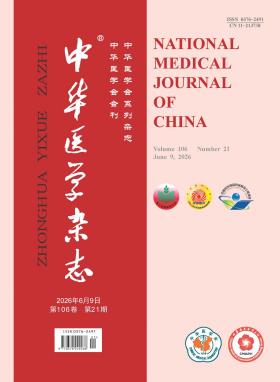
National Medical Journal of China
Volume 106 · Issue 21 · 2026
Natl Med J China
Diabetes-related cardiovascular diseases carry high rates of disability and mortality, and their medical costs are prohibitively expensive. Shifting management upstream is imperative. The risk of cardiovascular and cerebrovascular diseases in diabetic populations exists prior to the onset of diabetes. Can lifestyle interventions targeting the prevention of diabetes in people with pre-diabetes also extend to reducing cardiovascular risk? The Daqing Diabetes Prevention Study (DQDPOS) in China provided a definitive answer, though regrettably, this was not corroborated by comparable studies in the United States. Consequently, this has prevented the cardiovascular and diabetes communities from reaching consensus regarding early intervention strategies for cardiovascular disease. By 2024, the European Cardiovascular Community still did not include prediabetes in its cardiovascular disease management population. By late 2025, two landmark studies from China and the United States of America (DQDPOS and DPPOS) reported that individuals with prediabetes who achieved normal blood glucose levels experienced a substantial reduction in the risk of heart failure and cardiovascular mortality compared to those who did not normalize plasma glucose levels. It is hoped this new finding will spur the cardiovascular community to develop more proactive strategies for intensifying glycaemia control in prediabetic populations to reduce cardiovascular risk. Given the prediabetic population in China exceeding 300 million, effective cardiovascular risk management in this population would benefit the reduction of cardiovascular risk across the entire population.
Intravenous insulin infusion remains a cornerstone of clinical glycemic management. It is extensively utilized across diverse multidisciplinary settings, including hyperglycemic crises, the perioperative period, critical illness, and nutritional support. Standardizing intravenous insulin infusion protocols across various clinical departments is essential for improving the overall prognosis of patients with diabetes and its associated comorbidities. Initiated by the National Clinical Research Center for Endocrine and Metabolic Diseases (Changsha), the National Diabetes Prevention & Control Center (DPCC), and the Diabetes Society of China National Health Association, the "Expert Consensus on the Clinical Application of Intravenous Insulin Infusion (2026 edition)" was developed through the collaborative efforts of experts in endocrinology, cardiology, general medicine, emergency medicine, critical care, nursing, and clinical pharmacy. By integrating multidisciplinary efforts, and in accordance with the standards and procedures of the grading of recommendations, development and evaluation (GRADE) system, 7 clinical questions and 9 recommendations were proposed regarding the clinical application of intravenous insulin infusion, including its clinical indications, operating procedures, precautions, and other relevant aspects. Its implementation aims to bridge the gap in clinical practice between endocrine and non-endocrine departments (including surgical and primary care units), thereby enhancing the standardization of intravenous insulin infusion and ultimately improving the overall therapeutic outcomes and prognosis for patients with diabetes and related metabolic disorders.
With the rapid advancement of artificial intelligence (AI) technologies, particularly the emergence of generative AI represented by large-scale models, the field of laboratory medicine is gradually entering a new stage of intelligent development. In this context, standardized laboratory medicine datasets have become increasingly critical as a fundamental basis for large model training, a key benchmark for model performance evaluation, and an essential support for the development of application scenarios. To strengthen consensus among professionals regarding the related concepts and construction specifications of standardized laboratory medicine datasets, and to address practical challenges in China such as difficulties in multicenter data integration, heterogeneous information systems, and substantial variability in data quality, National Clinical Research Center for Medical Auxiliary Technology (Laboratory Medicine), together with the Intelligent Laboratory Medicine Group of the Laboratory Physicians Branch of the Chinese Medical Doctor Association and the Collaborative Innovation Working Group for Artificial Intelligence in Laboratory Medicine, organized experts from multiple disciplines. Drawing systematically on relevant domestic and international guidelines and consensus documents, this expert consensus was developed across five key domains: the concept of standardized laboratory medicine datasets, construction significance and objectives, construction principles, construction methodologies, ethics and security, as well as their value and applications. This consensus proposes a laboratory medicine dataset construction and governance framework tailored to the Chinese context, with the aim of promoting the intelligent and standardized development of laboratory medicine in China.
To evaluate the efficacy and safety of olorigliflozin monotherapy in Chinese patients with type 2 diabetes mellitus (T2DM) inadequately controlled with diet and exercise.
The study was a multicenter, randomized, double-blind and placebo-controlled phase Ⅲ clinical trial. A total of 396 T2DM patients with inadequate glycemic control despite diet and exercise were enrolled across 73 research centers nationwide between July 2021 and June 2022. Using a block randomization method stratified by baseline glycated hemoglobin A1c (HbA1c) results (≤8.5% and >8.5%) and prior diabetes treatment status, the patients were randomly allocated in a 1∶1∶1 ratio via an interactive response system to the olorigliflozin 20 mg group, 50 mg group, and placebo group. After 24 weeks, the patients in the placebo group were re-randomized in a 1∶1 ratio to the placebo-to-olorigliflozin 20 mg or placebo-to-olorigliflozin 50 mg for an additional 28 weeks using the same randomization method, while the patients in the olorigliflozin groups continued the original treatment. The primary efficacy endpoint was the change in HbA1c from baseline at week 24, with statistical analysis performed based on the full analysis set (FAS). Secondary efficacy endpoints included: change in HbA1c from baseline at weeks 52; HbA1c target achievement rates. The secondary endpoints included the change of from baseline at 52 weeks of treatment, and the HbA1c compliance rates at 24 weeks and 52 weeks of treatment were analyzed by FAS and FAS-completers(FASc), respectively. Safety set (SS) was used to evaluate the safety of subjects during the whole study period. A mixed-effects model for repeated measures was adopted to assess quantitative efficacy indicators, and descriptive statistics was used for safety evaluation.
In FAS, there were 130, 129 and 131 patients in the ololegliflozin 20 mg, 50 mg and placebo groups, respectively; In SS, the corresponding number of patients was 130, 133 and 132, respectively; In FASc, the patient numbers were 123 and 119 in the ololegliflozin 20 mg and 50 mg groups, and 59 and 57 in the placebo-to-ololegliflozin 20 mg and placebo-to-ololegliflozin 50 mg groups, respectively. At week 24, the least squares mean differences (95%CI) in placebo-adjusted changes in HbA1c from baseline between groups for the olorigliflozin 20 mg group and 50 mg group were -0.94% (-1.14% to -0.74%; P<0.001) and -1.01% (-1.21% to -0.81%; P<0.001), respectively. The proportions of patients with HbA1c<7% in the placebo group, olorigliflozin 20 mg group and 50 mg group were 20.6% (27/131), 55.4% (72/130) and 56.6% (73/129), respectively; the proportions of patients with HbA1c≤6.5% were 7.6% (10/131), 31.5% (41/130) and 31.8% (41/129), respectively. At week 52, HbA1c continued to show decreasing trends. The mean changes from baseline in HbA1c were -1.33%±0.77%, -1.38%±0.81%, -1.30%±0.69% and -0.90%±0.83%, in the olorigliflozin 20 mg group, olorigliflozin 50 mg group, placebo-to-olorigliflozin 20 mg group, and placebo-to-olorigliflozin 50 mg group, respectively; The proportions of patients with HbA1c<7% were 59.3% (73/123), 61.3% (73/119), 49.2% (29/59) and 42.1% (24/57) in the four groups, respectively, and the proportions of patients with HbA1c≤6.5% were 36.6% (45/123), 42.0% (50/119), 33.9% (20/59) and 26.3% (15/57), respectively. Throughout the study period, olorigliflozin demonstrated good safety profile without any episodes of severe hypoglycemia or ketoacidosis.
For Chinese patients with T2DM inadequately controlled by diet and exercise, monotherapy with olorigliflozin (20 mg and 50 mg) can effectively control blood glucose, and demonstrate good safety.
To evaluate the efficacy and safety of combining olorigliflozin with metformin in patients with type 2 diabetes mellitus (T2DM) inadequately controlled on metformin monotherapy.
This study was a multicenter, randomized, double-blind, parallel, placebo-controlled phase Ⅲ clinical trial. A total of 390 T2DM patients with inadequately controlled blood glucose and receiving oral metformin were prospectively enrolled from 62 research centers nationwide between February 2021 and June 2023. Using a block randomization method stratified by baseline glycated hemoglobin A1c (HbA1c) results (≤8.5% and>8.5%), patients were randomly allocated in a 1∶1∶1 ratio via an interactive response system to the placebo group, olorigliflozin 20 mg group, and olorigliflozin 50 mg group. All patients were treated with metformin in combination for 24 consecutive weeks. After 24 weeks of treatment, patients in the placebo group were randomly reassigned in a 1∶1 ratio using the aforementioned randomization method to either the placebo-to-olorigliflozin 20 mg group or the placebo-to-olorigliflozin 50 mg group, entering a 28-week extended treatment period. Patients in the olorigliflozin 20 mg and 50 mg groups maintained their original treatment regimens. The primary efficacy endpoint was the change in HbA1c from baseline at week 24, analyzed using the full analysis set. Secondary efficacy endpoints included the change in HbA1c from baseline at week 52 and HbA1c target achievement rates at weeks 24 and 52, analyzed using the full analysis set and the extended treatment analysis set, respectively. Safety was evaluated for volunteers throughout the study period using the safety set. Quantitative efficacy indicators were analyzed using a mixed-effects model for repeated measures, while the differences in the achievement rates across treatment groups were compared employing a logistic regression model. Safety outcomes were summarized with descriptive statistics.
A total of 384 patients were included in the full analysis set, including 242 males and 142 females, with the age of (54.9±10.1) years. The placebo group, olorigliflozin 20 mg group, and olorigliflozin 50 mg group comprised 129, 125, and 130 patients, respectively. After 24 weeks of treatment, the least squares mean (LSM) changes (95%CI) in HbA1c from baseline in the three groups were -0.43%(-0.58% to -0.28%), -0.98%(-1.12% to -0.83%), and -1.04%(-1.18% to -0.90%), respectively. The proportions of patients with HbA1c<7.0% were 16.3%(21/129), 28.0%(35/125), and 40.8%(53/130), respectively. Logistic regression analysis showed that, compared with the placebo group, the OR values (95%CI) were 2.04(1.07-3.87) and 3.85(2.08-7.14) in the otigliflozin 20 mg group and 50 mg group, respectively. A total of 348 patients were included in the extended treatment analysis set, with 117, 121, 55, and 55 patients in the olorigliflozin 20 mg group, olorigliflozin 50 mg group, placebo-to-olorigliflozin 20 mg group, and placebo-to-olorigliflozin 50 mg group, respectively. At week 52, all 4 groups showed reductions in HbA1c from baseline (-1.0%±0.8%, -1.2%±0.7%, -1.2%± 1.0%, and -1.0%±0.8%, respectively). The proportions of patients with HbA1c<7.0% were 38.5%(45/117), 46.3%(56/121), 34.5%(19/55), and 32.7%(18/55), respectively. A total of 386 patients were included in the safety set during the 24week core treatment period, with 129, 127, and 130 patients in the placebo, olorigliflozin 20 mg, and olorigliflozin 50 mg groups, respectively. The incidence rates of treatmentemergent adverse events (TEAE) were 70.5%(91/129), 77.2%(98/127), and 75.4%(98/130), respectively. The incidence of TEAE leading to permanent discontinuation of the investigational product was 2.3%(3/129), 0.8% (1/127), and 2.3%(3/130), respectively. No serious adverse events related to the investigational product were reported. All hypoglycemic events occurred in the olorigliflozin treatment groups: the olorigliflozin 20 mg group had 2 cases of probable symptomatic hypoglycemia and 2 cases of hypoglycemic alert values, while all 5 events in the olorigliflozin 50 mg group were hypoglycemic alert values; all resolved completely. In the safety set for the 28week extended treatment period (group assignments and patient numbers identical to those in the extended treatment analysis set), the main types, incidence rates, and severity of TEAE were similar to those reported during the 24week core treatment period.
For Chinese patients with T2DM inadequately controlled with metformin monotherapy, combining olorigliflozin can significantly improve glycemic control and has a good safety profile.
To investigate the prognosis and influencing factors in patients with diffuse midline glioma, H3 K27-altered.
Based on the National Brain Tumor Registry of China and the National Mortality Registration Information Management System, clinical data including baseline characteristics, tumor features, surgical intervention information, and postoperative treatment information of 154 patients with H3 K27-altered diffuse midline gliomas who underwent brain tumor resection at Beijing Tiantan Hospital, Capital Medical University, between January 1, 2020, and December 31, 2021 were collected. After discharge, the outcome indicators (median overall survival and 3-year overall survival rate) were tracked and confirmed through the National Brain Tumor Registry of China follow-up system, with follow-up conducted every 3 months. For patients lost to follow-up, cross-verification was conducted using the National Mortality Registration Information Management System. The Kaplan-Meier method was used to analyze median overall survival and 3-year overall survival rate. Univariate and multivariate Cox proportional hazards regression models were utilized to identify factors influencing patient prognosis.
Among the 154 patients, 82 (53.2%) were male and 72 (46.8%) were female, with the age [M(Q1, Q3)] of 19.5 (9.0, 38.0) years. At the 3-year follow-up, 44 (28.6%) patients remained alive. The median overall survival was 19.8 months (95%CI: 15.0-25.2 months), and the 3-year overall survival rate was 28.6% (95%CI: 22.3%-36.7%). Brainstem location (HR=1.61, 95%CI: 1.02-2.54, P=0.04) and the absence of systemic therapy (HR=1.67, 95%CI: 1.13-2.46, P=0.01) were identified as influencing factors for 3-year postoperative mortality.
Patients with H3 K27-altered diffuse midline gliomas exhibit short median overall survival and a low 3-year overall survival rate. Tumor location and whether systemic therapy is administered are the important factors affecting patient prognosis.
To analyze the clinical and genetic characteristics of patients with mucosa-associated lymphoid tissue (MALT) lymphoma transformed into diffuse large B-cell lymphoma (DLBCL). A retrospective analysis was performed on patients diagnosed with MALT lymphoma at Henan Provincial People′s Hospital from January 2016 to December 2025. According to whether DLBCL transformation occurred, the patients were divided into the transformed group (MALT lymphoma patients who developed DLBCL transformation) and the non-transformed group. The patients were followed up until December 30, 2025, and the clinical and genetic characteristics were compared between the two groups. A total of 175 patients were included, including 13 patients in the transformation group, 4 males and 9 females, aged (58±18) years; and 162 pattients in the non-transformed group, 73 males and 89 females, aged (57±12) years.The incidence of B symptoms in the transformed group [46.2% (6/13) vs 16.7% (27/162), P=0.018], the proportion with a MALT-international prognostic index (IPI) score≥2 point [69.2% (9/13) vs 17.3% (28/162), P<0.001], and lactate dehydrogenase (LDH) levels [227 (194, 262) vs 173 (146, 196) U/L, P<0.001] were all higher than those in the non-transformed group. The mutation rate of gene in the transformed group [84.6% (11/13) vs 45.7% (74/162), P=0.007] and the mutation rate of ≥2 genes [69.2% (9/13) vs 17.3% (28/162), P<0.001] were both higher than those in the non-transformed group. The mutation rates of the NOTCH1 gene [23.1% (3/13) vs 3.7% (6/162), P=0.021], the SOCS1 gene [15.4% (2/13) vs 0, P=0.005], and the KRAS gene [15.4% (2/13) vs 0, P=0.005] were all higher in the transformed group than those in the non-transformed group. Patients with MALT lymphoma who transformed to DLBCL are often accompanied by B symptoms, a higher MALT-IPI score, elevated LDH and multiple gene mutations, and the mutation frequencies of NOTCH1, SOCS1, and KRAS are higher.
To analyze the efficacy of ustekinumab (UST) in the patients with isolated perianal Crohn disease (ipCD). ipCD patients who received UST therapy in the Second Affiliated Hospital of Wenzhou Medical University between January 2021 and September 2025 were retrospectively recruited. Each patient received the first dose of UST (6 mg/kg) for intravenous induction, followed by the same dose of intravenous UST every 8 weeks for maintenance treatment. At week 16, the fistula clinical response was evaluated based on perianal disease activity index (PDAI) (a decline of more than 50% in PDAI compared with week 0). Follow-up was conducted until week 40, at week 40, the fistula clinical remission was assessed based on PDAI (PDAI score≤4 scores). The radiologic outcome events of perianal fistula were evaluated based on pelvic MRI data and Van Assche index, and the fistula radiologic response consisted of healing and partial response. A total of 16 ipCD patients were included, all of whom were male, with a diagnosed age of (31±6) years. At week 16 of UST therapy, the PDAI of 16 ipCD patients was decreased compared with week 0 [(7.3±2.5) vs (13.1±2.2) scores, P<0.001], and 10 patients obtained the fistula clinical response. At week 40, the average PDAI [(4.4±2.3) vs (13.1±2.2) scores, P<0.001], and the median Van Assche index [9 (8, 12) vs 16 (12, 16) scores, P=0.002] of 16 patients were lower compared with week 0; Eleven patients achieved the fistula clinical remission, and 10 patients obtained the fistula radiologic response. During 40-week follow-up, no adverse event related to UST treatment occurred in the ipCD patients. The UST therapy may demonstrate favorable clinical efficacy and safety in patients with ipCD.
A patient with high-risk chronic lymphocytic leukemia (CLL) complicated with disseminated cryptococcosis was reported. A 57-year-old male was seen in Jiangsu Provincial People's Hospital in January 2021 due to "recurrent fever, headache, and jet vomiting for 2 months". He was positive for cryptococcal antigen in blood and cerebrospinal fluid, and Cryptococcus neoformans was detected by second-generation sequencing (NGS). The patient had a 15-year history of CLL/small lymphocytic leukemia (SLL) and had received chemotherapy and ibrutinib (later discontinued due to intolerance). After admission, positron emission tomography/X-ray computed tomography (PET/CT) showed massive retroperitoneal lymph nodes (66 mm ×76 mm). CLL/SLL was confirmed by puncture pathology with cryptococcal infection. It was confirmed that he was disseminated cryptococcosis (involving blood, central nervous system, lung, lymph nodes) and CLL [Rai stage IV, high risk of chronic lymphocytic leukemia International Prognostic Index (CLL-IPI) 7 points]. Zebutinib was initiated after antifungal treatment with fluconazole. Due to the detection of Bruton's tyrosine kinase (BTK) C481S mutation (0.29%) in combination with venecra, the dose was adjusted by therapeutic drug monitoring (TDM) during treatment. Complete remission was achieved after 1 year of combination therapy. By April 2025, Veneclax had been discontinued, cryptococcosis was stable, and persistent minimal residual lesions (MRD) were negative. This case suggests that in high-risk CLL combined with active cryptococcosis, targeted therapy should be initiated after infection control, drug interactions should be managed through TDM, BTK mutations should be dynamically monitored and B-cell lymphoma factor 2 (Bcl-2) inhibitors should be combined in advance, and a limited course of MRD-directed therapy can promote immune reconstitution.
Primary central nervous system neuroblastoma (PCNSN) is very rare in solid tumors. It has no specific clinical symptoms and imaging findings, and is characterized by high aggressiveness and high dissemination and metastasis rate. This article reports the diagnosis and treatment of a rare patient with PCNSN. The patient is a 56-year-old female who visited West China Hospital of Sichuan University in December 2020 due to "sudden vertigo, confusion and limb weakness". The MRI of the brain showed a 2.0 cm ×1.8 cm space-occupying lesion in the pineal region, and no obvious abnormalities were found in thoracic and abdominal CT. The patient underwent resection of space-occupying lesions in the pineal region under general anesthesia in December 2020, and the postoperative pathology finally confirmed pineal neuroblastoma. After operation, the patients received whole brain and whole spinal cord radiotherapy, and the symptoms of vertigo, confusion and limb weakness were significantly relieved, which provided a reference for the treatment plan selection of adult PCNSN.
The core of the field of reverse tumor cardiology focuses on the bidirectional association between cardiovascular disease (CVD) and tumors. The two share many common risk factors and pathogenic mechanisms. Among them, CVD not only increases the risk of tumor disease, but also may induce tumor progression and metastasis. In this paper, the common risk factors of CVD and tumor are described in detail, including adjustable risk factors such as hypertension, dyslipidemia, obesity, and non-adjustable risk factors such as genetic factors, age and sex; At the same time, the effects of different types of CVD on tumorigenesis and development and their potential mechanisms were systematically discussed and summarized. In addition, this article focuses on sorting out the common pathophysiological mechanisms of CVD and tumors, covering inflammation, clonal hematopoiesis (CHIP), tumor angiogenesis and circulation related factors, and deeply discusses the role of cardiovascular related drugs and interventional therapy on tumor development. The newly proposed five classifications of tumor heart disease syndrome (COS) further clarifies the two-way relationship between them. It is of important theoretical and clinical significance to explain and grasp this bidirectional relationship in depth for promoting the disciplinary collaboration between cardiology and oncology and optimizing the prevention and treatment strategies of related diseases.
Diabetic foot ulcer (DFU) is one of the most serious and common complications of diabetes, and its refractory nature is closely related to multiple cellular dysfunctions in the high-glucose microenvironment. This paper reviews the abnormalities of signaling pathways and targeted therapeutic strategies in four key cells in DFU, namely keratinocytes, fibroblasts, vascular endothelial cells and macrophages. DFU pathogenesis includes dysregulation of the Notch1 signaling pathway in keratinocytes, leading to abnormal cell migration, proliferation, and differentiation; The TGF-β 1/SMAD pathway was abnormal in fibroblasts, which inhibited their transformation into myofibroblasts and collagen synthesis; Inhibition of Nrf2 antioxidant pathway in vascular endothelial cells aggravates oxidative stress and vascular dysfunction; Abnormal activation of the NF-κ B pathway in macrophages induces macrophage polarization to type M1, leading to chronic inflammation. In view of these mechanisms, multiple treatment strategies have shown the potential to promote DFU wound healing in preclinical studies, providing a theoretical basis and direction for the development of effective treatment options.
Primary cardiac involvement (SSc-pHI) in systemic sclerosis is one of the important factors affecting the prognosis of patients, among which myocarditis may be the early critical stage. Systemic sclerosis (SSc) -related myocardial injury is often recognized at the late stage of the disease due to the lack of specificity of early symptoms and large heterogeneity of clinical manifestations. Based on the epidemiological characteristics and pathogenesis of cardiac involvement in SSc, this paper systematically summarizes the specific research progress of multi-dimensional integrated assessment strategy integrating clinical typical manifestations, biomarkers, electrocardiogram, echocardiogram, cardiac magnetic resonance (CMR) and endocardial myocardial biopsy. Using this strategy for early screening and risk stratification may help improve disease recognition rates and optimize clinical management strategies. It should be noted that although CMR and other methods have high sensitivity in detecting subclinical myocardial inflammation and fibrosis, endocardial myocardial biopsy is still the pathological gold standard for the diagnosis of myocarditis, and more prospective studies are needed in the future to further clarify its pathogenesis and the best diagnosis and treatment pathway.
CURRENT ISSUE