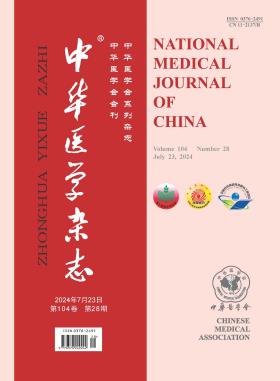
National Medical Journal of China
Volume 104 · Issue 28 · 2024
Natl Med J China
Oral anticoagulants are widely used in the home care of patients who require prevention and treatment of thromboembolic diseases. The irrational use of anticoagulants may cause thrombosis and hemorrhage. Currently, there are no national or international guidelines or consensus providing recommendations for home management of oral anticoagulants. Therefore, the Hospital Pharmacy Professional Committee of the Chinese Pharmaceutical Association organized domestic experts in the fields of clinical pharmacy, cardiovascular surgery, cardiovascular medicine, vascular surgery, respiratory medicine and laboratory science to sort out the relevant issues and compile the expert consensus on the home management of oral anticoagulants. The main contents of this consensus include pharmacological monitoring of oral anticoagulants, the process and precautions of carrying out home management of oral anticoagulants, and treatment of some special conditions during home management, with the aim of enhancing the safety and effectiveness of oral anticoagulants′ usage and reducing the adverse events.
To explore the correlation between clinical characteristics and pathological features in patients with pheochromocytoma/paraganglioma (PPGLs).
A case series study. A retrospective analysis was conducted on patients with single and primary PPGLs after postoperative pathological diagnosis who were admitted to Peking Union Medical College Hospital between January 2019 and December 2022. The patients were divided into the Ki-67<3% group and the Ki-67≥3% group with Ki-67 proliferation index of 3% as the threshold. The relationship between clinical and pathological characteristics of PPGLs was analyzed.
A total of 399 PPGLs patients were included, with 177 males and 222 females, aged [M(Q1, Q3)] 45.0(35.5, 53.0) years. Among them, 226 (56.6%) cases originated from the adrenal gland, while 104 cases (26.1%) from the retroperitoneum. 20.9% (27/129) of the patients were found to harbor germline mutations of susceptibility genes, with SDHB mutations being the most common (10.1%, 13/129). The Ki-67 staining was performed on 302 cases, with a Ki-67 proliferation index [M(Q1, Q3)] of 2.0% (1.0%, 3.0%). There were 194 cases in Ki-67<3% group and 108 cases in Ki-67≥3% group. Compared with the patients in Ki-67<3% group, the age of onset in Ki-67≥3% group was younger (P=0.029). Compared with the patients with paragangliomas without SDHB or Cluster 1A-related gene mutations, positive 131I-meta-iodobenzylguanidine (131I-MIBG) imaging or negative O-6-methylguanine-DNA methyltransferase (MGMT) immunohistochemistry staining, those with SDHB or Cluster 1A-related gene mutations, negative 131I-MIBG imaging or positive MGMT immunohistochemistry staining had a higher Ki-67 index (all P<0.05). Compared with adrenal pheochromocytoma, retroperitoneal paragangliomas had a higher proportion of SDHB mutations and a higher proportion of normetanephrine (NMN) secretory types (all P<0.05). Compared with adrenal pheochromocytoma, the maximum diameter of head and neck paraganglioma tumors was smaller [3.0 (1.9, 3.8) cm vs 4.7 (3.4, 6.4) cm, P<0.001] and the proportion of Ki-67≥3% was higher (61.3% vs 33.8%, P=0.007).
PPGLs patients with earlier onset age, SDHB or Cluster 1A-related gene mutations, negative 131I-MIBG imaging, or positive MGMT immunohistochemistry staining tend to have a higher Ki-67 index. Head and neck tumors, though smaller, exhibit a higher proliferation potential.
To explore the difference of MRI markers of small cerebral vascular disease in middle-aged and elderly patients with hypertension and non-hypertension.
A cross-sectional study. The clinical data of 316 patients who underwent head MRI with susceptibility weighted imaging scans at the Affiliated Zhongda Hospital of Southeast University from November 2013 to August 2022 were retrospectively analyzed, including 190 males and 126 females, with the age of (71.6±8.9)years. According to the history of hypertension, the patients were divided into hypertension group(n=259) and the non-hypertension group(n=57). The patients in the non-hypertension group were further divided into abnormal blood pressure group on admission (n=19) and normal blood pressure group on admission (n=38). The imaging features of different CSVD dimensions in the patient′s images were quantified or graded and compared between hypertensive and non-hypertensive patient groups. Deep learning methods were employed to segment white matter lesions, and voxel-wise analysis was conducted to investigate the differences in whole-brain white matter lesion probability between patients in both groups. Spearman correlation analysis was used to analyze the correlation between hypertension and small cerebral vascular disease.
Compared with the non-hypertensive group, the cerebral microhemorrhage count, deep microhemorrhage count, basal ganglia level lacunae count, perivascular space (EPVS) grade of hemioval center level and EPVS grade of basal ganglia level were higher in the hypertensive group (all P<0.05). The cerebral microhemorrhage count [3.0(1.0, 15.0) vs 1.0 (0, 4.2)], deep microhemorrhage count [1.0 (0, 7.0) vs 1.0 (0, 4.2)] and EPVS classification at basal ganglium level [2.0(1.0, 3.0) vs 1.0(1.0, 2.0)] in the group with history of hypertension were higher than those in the group with normal blood pressure at admission (all P<0.05). The EPVS grade at the central level of the semiovale in the hypertension group was higher than that of the group with normal blood pressure at admission [2.0(1.0, 2.0) vs 1.0 (1.0, 2.0)], and also higher than that of the group with abnormal blood pressure at admission [2.0(1.0, 2.0) vs 1.0(1.0, 2.0)](both P<0.05). Voxel-by-voxel analysis showed no significant difference in the probability of white matter lesions in the whole brain between patients with and without a history of hypertension, but patients with a history of hypertension showed more extensive para-ventricular white matter hypersignaling than those without a history of hypertension. Spearman correlation analysis showed that hypertension grade was correlated with the number of microbleeding lesions in depth (r=0.149), the number of lacunae lesions in the center of the hemioval (r=0.209), and the number of lacunae lesions in the basal ganglia (r=0.204) (all P<0.05).
Chronic hypertension can affect different dimensions of small vessel disease imaging, primarily manifested in the increases of deep microbleed counts and the EPVS grade.
To explore the correlation between serum free triiodothyronine (FT3) and C-peptide-based insulin resistance index (HOMA2 IR-CP) in euthyroid adults.
A cross-sectional study. The clinical data of euthyroid adult participants who underwent physical examination in the Second Medical Center of Chinese PLA General Hospital from January to December in 2019 were retrospectively analyzed. According to the HOMA2 IR-CP level, the participants were divided into HOMA2 IR-CP>2.18 group (n=3 463) and HOMA2 IR-CP≤2.18 group (n=8 204). Univariate Pearson correlation analysis and multivariate logistic regression analysis were used to analyze the correlation between FT3 and HOMA2 IR-CP. The interaction model was used to analyze the interaction between FT3 and related factors, and the dose-response relationship between continuity variable FT3 and HOMA2 IR-CP was explored by using restricted cubic spline plots.
A total of 11 667 euthyroid adult participants aged (50.7±10.0)years were recruited according to the inclusion and exclusion criteria, with 7 756 males and 3 911 females. The proportion of males, body mass index, systolic blood pressure, glycated hemoglobin A1c, fasting plasma glucose, triglyceride, hemoglobin, alanine aminotransferase and FT3 levels in HOMA2 IR-CP>2.18 group were significantly higher than those in HOMA2 IR-CP≤2.18 group (all P<0.05). The levels of low-density lipoprotein cholesterol, high-density lipoprotein cholesterol, and free thyroxine in HOMA2 IR-CP>2.18 group were lower than those in HOMA2 IR-CP≤2.18 group (all P<0.001). Univariate Pearson correlation analysis showed that FT3 was associated with HOMA2 IR-CP (r=0.21, P<0.001). Multivariate logistic regression analysis suggested an association between FT3 and HOMA2 IR-CP after adjusting for confounding factors(Pfor trend<0.001). Subgroup analysis showed an association between FT3 and HOMA2 IR-CP in different subgroups of gender, age and glucose metabolism status (Pfor trend<0.05). Multiplication interaction analysis suggested that there was an interaction between FT3 and age (Pinteraction<0.001). Restricted cubic spline model analysis demonstrated that the correlation between FT3 and HOMA2 IR-CP was linear (Poverall<0.001, Pnonlinear=0.479).
There is a correlation between serum FT3 and HOMA2 IR-CP in euthyroid adults. With the increase of FT3 level, insulin resistance increases gradually.
To explore the clinical characteristics of intermittent exotropia (IXT) patients with different visual perception and oculomotor control.
A cross-sectional study was conducted. Minor IXT patients between March 2021 and May 2023 at Beijing Tongren Hospital were enrolled. Demographic characteristics were recorded, and visual perception and oculomotor control were evaluated. The patients were divided into simultaneous vision disappearing and existing groups, fusion disappearing and existing groups, distant stereoscopic vision disappearing and normal groups, and near stereoscopic vision injury and normal groups. Statistical description was performed by using M (Q1, Q3). Rank sum test was used to compare the Revised Newcastle Control Score (RNCS), near and far strabismus degree, duration of disease, and age of onset among different groups. The correlation between visual perception and oculomotor control and the correlation of duration of disease and age of onset with visual perception and oculomotor control were analyzed by Pearson correlation analysis.
A total of 381 patients were enrolled, including 189 males and 192 females, with a median age of 7 (6, 9) years. The incidence of normal visual perception was 19.4% (74/381). Compared with simultaneous vision and fusion existing groups and distant and near stereoscopic vision normal groups, the RNCS [7 (5, 9) vs 4 (3, 6), 6 (5, 8) vs 4 (3, 6), 5 (4, 7) vs 3 (3, 5), and 5 (3, 6) vs 4 (3, 6)], near strabismus degree [65Δ (60Δ, 80Δ) vs 40Δ (30Δ, 50Δ), 60Δ (45Δ, 65Δ) vs 40Δ (30Δ, 50Δ), 50Δ (40Δ, 60Δ) vs 35Δ (30Δ, 45Δ), and 45Δ (30Δ, 60Δ) vs 40Δ (30Δ, 50Δ)] and far strabismus degree [60Δ (50Δ, 75Δ) vs 35Δ (25Δ, 50Δ), 55Δ (41Δ, 65Δ) vs 35Δ (25Δ, 45Δ), 45Δ (30Δ, 60Δ) vs 35Δ (25Δ, 45Δ), and 40Δ (30Δ, 60Δ) vs 35Δ (25Δ, 45Δ)] increased significantly in disappearing simultaneous vision, fusion, and distant stereoscopic vision groups and injury near stereoscopic vision group (all P<0.05). Compared with simultaneous vision and fusion existing groups and distant stereoscopic vision normal group, duration of disease was significant longer in disappearing simultaneous vision, fusion, and distant stereoscopic vision groups [3 (1, 5) years vs 2 (1, 3) years, 2 (1, 4) years vs 1 (1, 3) years, 2 (1, 4) years vs 1 (1, 3) years, all P<0.05]. The age of onset in disappearing distant stereoscopic vision group was significantly lower than normal distant stereoscopic vision group [5 (3, 7) years vs 6 (4, 8) years, P=0.005]. Pearson correlation analysis showed that subjective angle and random dot stereogram (RDS) stereoacuity were positive correlation with RNCS, and the near and far strabismus degree (r=0.414, 0.516, and 0.559, all P<0.001; r=0.153, 0.142, and 0.173, all P<0.05). Subjective angle, RNCS, and the near and far strabismus degree were positive correlation with duration of disease (r=0.238, 0.195, 0.236, 0.239, all P<0.001) and negative correlation with age of onset (r=-0.184, -0.279, -0.112, -0.147, all P<0.05).
Nearly 20% of IXT patients have normal visual perception. With the longer duration of disease or lower age of onset, the incidence of abnormal visual perception is higher and injury of visual perception and oculomotor control is more serious.
To explore the clinical curative effect of enteroscopic stent implantation combined with laparoscopy in patients with colorectal cancer and intestinal obstruction. A retrospective analysis was performed on the data of patients with colorectal cancer and intestinal obstruction in Gastrointestinal Surgery of Henan Provincial People′s Hospital between November 2019 and October 2020. Among patients, there were 46 cases in traditional group (laparotomy+intraoperative intestinal irrigation), 42 cases in stent-laparotomy group (enteroscopic stent implantation+laparotomy), and 41 cases in stent-laparoscopy group (enteroscopic stent implantation+laparoscopy). The perioperative situation, levels of biochemical indexes, peripheral serum carcinoembryonic antigen (CEA) and carbohydrate antigen 199 (CA199), and prognosis were compared among the three groups. The results showed that among the three groups, operation time [(203.6±30.5) min] was longer, postoperative exhaust time [(1.2±0.3) d] and length of hospital stay [(10.5±2.1) d] were shorter, and intraoperative blood loss [(102.5±22.3) ml] was less in stent-laparoscopy group (all P values<0.05). The incidence of postoperative complications in stent-laparoscopy group was lower than that in traditional group (4.8% vs 21.7%, P<0.05). At 1 day after surgery, EOS was decreased, while PLT and CRP were increased in all three groups. Compared with traditional group and stent-laparotomy group after surgery, EOS was increased, while PLT and CRP were decreased in stent-laparoscopy group [EOS: (4.2±0.2) % vs (3.6±0.3) % vs (3.9±0.2) %; PLT: (259.6±11.4)×109/L vs (294.4±11.5)×109/L vs (271.7±10.7)×109/L; CRP: (8.8±2.0) vs (16.4±2.2) vs (14.9±2.3) ng/L; P<0.05]. At 3 months after surgery, levels of serum CEA and CA199 were decreased in the three groups. There was no significant statistical difference in serum CEA or CA199 among the three groups. During 3 years of follow-up, there was no significant statistical difference in postoperative recurrence rate or incidence of postoperative metastasis among the three groups. The study indicated that enteroscopic stent implantation combined with laparoscopy was more advantageous in terms of reducing intraoperative blood loss, accelerating recovery of postoperative exhaust function, relieving surgical stress and reducing the incidence of postoperative complications, which could decrease levels of serum CEA and CA199.
The data of 57 renal cyst patients who visited the First Affiliated Hospital of Zhengzhou University from January 2023 to March 2024 were retrospectively analyzed. The age of patients ranged from three months to 60 years old, with 31 males and 26 females. The whole exome sequencing (WES) detected pathogenic or suspected pathogenic (P/LP) variants in 48 renal cystic probands, with a detection rate of 84.2% (48/57), including PKD1, PKD2, PKHD1, LRP5, COL4A4 and ALG8 gene variants as well as copy number variations (CNV). In addition, four PKD1 gene variants of uncertain significance (VUS) were detected. In five WES negative families, one PKD1 nonsense variation was detected through long-range PCR (LR-PCR)+Oxford nanopore technologies, and one heterozygous deletion in exon 22 of PKD1 gene was detected through multiplex ligation-dependent probe amplification (MLPA). In summary, WES can detect multiple types of variations, which is helpful for early diagnosis and prognosis prediction of renal cyst patients. However, there is still a risk of failing to detect PKD1 gene by WES, therefore, healthcare practitioners should beware of the negative results of WES.
A case of giant paratesticular dedifferentiated liposarcoma is reported. The patient, a 50-year-old male, went to the doctor for "right paratesticular mass for 16 years, accelerated growth for more than 7 months". CT showed a length of about 27 cm in the abdominal and pelvic cavity. Surgical resection was performed, and pathology showed: (abdominopelvic) leiomyosarcoma, (paratesticular) well-differentiated liposarcoma. Positron emission computed tomography (PET-CT) showed the residual tumor after operation, and was given comprehensive treatment such as radiotherapy, chemotherapy and immunotherapy. Considering the pathological diagnosis process may be misled by the different pathological manifestations and CT density at both ends of the tumor and the surgical segmentation. In view of the continuous CT manifestations of this tumor and the extremely low incidence of double primary soft tissue sarcoma, remote pathological consultation was improved, and the detection of double microbody homologous gene 2 (MDM2) was performed, and the pathological diagnosis was finally corrected as paratesticular dedifferentiated liposarcoma. Follow-up until March 2024, the condition was stable.
Exercise-induced laryngeal obstruction (EILO) is a narrowing or inappropriate obstruction of laryngeal structures including the glottic and supraglottic regions that occurs under high-intensity exercise induction, which in turn leads to symptoms such as dyspnea or wheezing. EILO is not uncommon in clinic, especially in adolescents and young people. Its clinical manifestations are often difficult to distinguish from exercise-induced bronchospasm/asthma, and the missed diagnosis rate and misdiagnosis rate are high. The treatment of EILO needs to be individualized, and multidisciplinary team collaboration is recommended. This article will introduce the nomenclature, epidemiology, mechanism of occurrence, clinical manifestations, diagnosis and treatment strategies of EILO.
Craniocerebral trauma (TBI) is the leading cause of death and disability caused by accidental injuries, bringing with it many medical and social problems. In recent years, studies have shown that the intestinal flora changes significantly after TBI, and the disorder of intestinal flora and the imbalance of immune response may exacerbate the secondary damage after TBI. Intestinal flora metabolites, as the key substances in the two-way communication of brain-intestine axis, can have important effects on secondary injuries such as neuroinflammatory response after TBI through various pathways. In this paper, the changes of the main metabolites of intestinal flora after TBI and the mechanisms of their regulation of secondary injury were described, so as to provide reference for the treatment of TBI.
Pulmonary hypertension caused by pulmonary artery involvement in Takayasu arteritis is classified as the fourth type of pulmonary hypertension related to other pulmonary artery occlusion. However, there are no recommendations on the diagnosis and treatment plan of pulmonary hypertension in the diagnosis and treatment guidelines at home and abroad, and there is a lack of sufficient evidence-based medical evidence. Clinical treatment is still in the stage of exploration and experience. How to formulate scientific treatment strategies is an important issue for clinicians. According to the existing literature reports, this paper reviews the targeted drug therapy, interventional therapy and surgical therapy of pulmonary hypertension, summarizes the existing research progress, and proposes the development direction of future therapy, so as to improve clinicians' understanding of the treatment of this disease.
Polycystic ovary syndrome (PCOS) is the most common reproductive endocrine disease in women of childbearing age and presents metabolic abnormalities such as hyperandrogenism and insulin resistance (IR) in addition to chronic anovulation, menstrual rarity and polycystic ovarian manifestations. Inositol is a normal metabolic compound of cells, and muscle inositol (MYO) and D-chiral inositol (DCI) have the effect of improving clinicopathological manifestations in patients with PCOS. With the deepening of research and the development of assisted reproductive technology, MYO has also been shown to improve ovulation and improve oocyte quality, while DCI has not played a positive role in pregnancy outcome due to the existence of the "ovarian paradox". Despite the advantages of MYO and DCI therapy, a uniform standard has not been developed and applied to clinical practice. This review summarizes the physiological effects of two important inositol isomers and the basic and clinical research progress in the treatment of PCOS patients, and provides new ideas for clinical medication to improve metabolic and reproductive abnormalities.
Chronic kidney disease is a major disease burden in the world. Cardiovascular disease has become one of the most common and serious hazards of chronic kidney disease, bringing great threats to the quality of life and life safety of patients, which highlights the importance of cardiovascular risk management in patients with chronic kidney disease. The development of artificial intelligence technology and its gradual application in the field of cardiovascular diseases will be expected to help meet this challenge. This paper aims to systematically review the research of artificial intelligence technology based on machine learning in cardiovascular risk prediction of chronic kidney disease, expound the research progress of artificial intelligence in this field and look forward to the future development direction.
Pancreatic cancer is extremely malignant and has a very poor prognosis. At present, there are limitations in the diagnosis, differential diagnosis, treatment guidance, efficacy evaluation and prognosis prediction of pancreatic cancer. The development of radiomics provides new opportunities and challenges for improving the early diagnosis and standardized treatment of pancreatic cancer. This article will review the clinical application of radiomics in early diagnosis, differential diagnosis of pancreatic cancer, preoperative staging of pancreatic cancer, evaluation of resectability, prevention and therapeutic efficacy of postoperative complications, and summarize its research progress and future development prospects.
In the field of cell biology, nuclear spots have attracted extensive attention as specific regions within the nucleus. These tiny and complex structures play key roles in cell cycle regulation, gene expression, and chromosome organization. At the same time, the occurrence and development of tumors involve complex cellular and molecular processes and have been the focus of medical research. Recent studies have shown that the abnormal expression of nuclear spots may be closely related to the development and progression of many kinds of tumors. With the emergence of new technologies and methods, more sophisticated tools are provided to reveal the mechanism between nuclear spots and tumors. This article will summarize the research results of nuclear spots in related tumors so far, analyze the potential role of nuclear spots in tumor development in depth, and look forward to the future research directions in this field.
CURRENT ISSUE