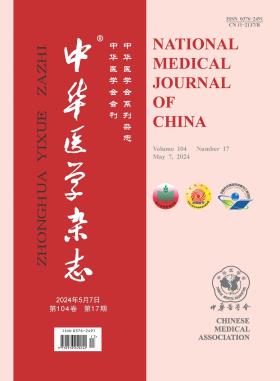
National Medical Journal of China
Volume 104 · Issue 17 · 2024
Natl Med J China
This article mainly introduces the development history and current situation of sports medicine in China, and deeply analyzes the problems that have emerged during the current development process, and proposes corresponding solutions. Based on this, the article proposes five key directions for the development of sports medicine, which are: developing arthroscopic minimally invasive techniques, ensuring the guarantee work for competitive sports, attaching great importance to the development of sports rehabilitation, vigorously carrying out exercise prescription and exercise assessment work, and emphasizing the training and education of sports medicine professionals. Finally, the article looks forward to the future development of sports medicine from three aspects: popularizing and expanding the influence of sports medicine through popular science promotion, improving the quality and safety of sports through health management and disease prevention, and achieving precise diagnosis and treatment through scientific research and innovation. It is hoped that this article will provide reference for the development of sports medicine in China.
The prevalence of articular cartilage injuries and osteoarthritis (OA) is high, affecting a wide range of individuals. The self-repair ability of cartilage tissue is poor, and once damaged, it will irreversibly progress to OA. Mesenchymal stem cells (MSCs) play an important role in the field of regenerative medicine and are considered one of the most promising seed cells for cartilage repair and regeneration. In this article, based on the latest clinical research findings from both domestic and international sources, the theoretical basis, treatment goals, significance, sources, characteristics, clinical implementation plans, and efficacy of using MSCs for the treatment of cartilage injuries or osteoarthritis are reviewed. The article also discusses the challenges faced and future directions that need to be addressed in the clinical application of MSCs.
The implementation of death determination by clinicians usually involves three steps: learning the concept of death, mastering the skills of death determination, and recording the results of death determination. Each process needs to be changed with the progress of medical science. The transformation of brain death concept is the establishment and formation of the latest cognition of "irreversible brain function", which needs to be completed based on the theoretical learning of recognized standards. The transformation of brain death determination is the learning and mastering of the latest skills of brain death determination, which requires relearning and retraining based on special technologies. The transformation of brain death determination is the habit formation of standardized records of brain death judgement results, which needs to be completed based on the continuous improvement of case quality control. The gradual advancement of the three steps will accelerate the process of determining brain death in China.
Osteoporotic fracture is the most serious complication of osteoporosis, which is a special type of pathologic fracture of the skeleton that occurs because of osteoporosis. It is characterized by delayed fracture healing, high risk of re-fracture, high rate of disability and death, difficulty in treatment and long treatment time, and re-fracture has a"cascade effect". Guidelines in different countries recommend that patients with osteoporotic fractures and those at very high risk of fracture should consider anabolic agents as first treatment choice. Teriparatide is the only anabolic agent approved by National Medical Products Administration (NMPA), and it has the clinical efficacy of improving fracture healing, reducing the risk of re-fracture, and improving bone microstructure in the treatment of osteoporotic fracture. Due to deficiencies in the current standardization of clinical use of teriparatide, Committee of Accelerated Rehabilitation After Osteoporotic Fractures of China Association of Rehabilitation Technology Transformation and Promotion, Bone and Joint Group of Chinese Society of Osteoporosis and Bone Mineral Research and Osteoporosis Working Committee of Chinese Association of Orthopedic Surgeons developed this consensus. The development of this consensus follows the modified Delphi method and forms 8 evidence-based medical recommendations, aiming to propose methods and precautions for standardizing the application of teriparatide, and to emphasize the importance of teriparatide application for the treatment of patients with osteoporotic fracture.
In order to promote the standardization of the treatment of neuropathic pain by spinal dorsal root entry surgery, alleviate the pain of certain specific neuropathic pain patients, and improve their quality of life and survival, experts with experience in neuropathic pain and spinal dorsal root entry surgery were organized by Functional Neurosurgery Group of the Neurosurgery Branch of the Chinese Medical Association and Functional Neurosurgery Expert Committee of Chinese Congress of Neurological Surgeons to write this consensus. Based on a systematic review and summary of literature and clinical evidence at home and abroad, this consensus discusses the diagnosis and drug treatment of neuropathic pain, clinical application of, spinal dorsal root entry surgery the selection of patients receiving surgery of dorsal root entry zone, preoperative examination, surgical procedures, postoperative management, and the prevention and management of postoperative complications, and forms 12 recommended recommendations, providing reference and guidance for clinical work on the treatment of neuropathic pain through spinal dorsal root entry surgery.
To explore the efficacy of arthroscopic release in treating postoperative knee adhesion and investigate the influence of release timing on the treatment outcomes.
A total of 50 patients who accepted arthroscopic release in Peking University Third Hospital from February 2017 to December 2021 were included in the retrospective cohort. The study cohort comprised 28 men and 22 women, with a mean age of (30.8±11.9) years. All the primary surgeries were manipulated under arthroscopes. A comparison was made between pre-and postoperative range of motion (ROM), visual analog scale (VAS), International Knee Documentation Committee (IKDC) scores, and Tegner activity scale scores for the patients. According to the interval between the appearance of adhesion and arthroscopic release, the patients were divided into four groups:<3 months group (n=12), 3-6 months group (n=16),>6-12 months group (n=14), and>12 months group (n=8). Inter-group comparisons on postoperative ROM, IKDC scores, and Tegner activity scale scores and improvement values of each outcome were conducted.
All the patients were followed up for (36.4±19.7) months. Patients gained significant improvement in flexion, extension, IKDC scores, and Tegner scores (125.0°±20.0° vs 75.7°±27.5°, 2.3°±4.8° vs 7.4°±7.3°, 69.8±17.7 vs 51.4±12.8, 4.1±2.1 vs 2.2±1.1) (all P<0.05), while the VAS scores did not show significant improvement. There were no significant differences among different groups in postoperative extension, IKDC scores or Tegner scores, nor in their improvements. However, patients in the ≤6 months group could gain better postoperative flexion and improvement in flexion than those in the >6 months group (129.9°±20.0° vs 118.8°±17.4°, 58.6°±32.8° vs 37.3°±23.1°) (P<0.05).
Arthroscopic release presents a great effect in treating knee adhesion after arthroscopic operation. Once the symptoms of adhesion appear and physical rehabilitation fails to improve the ROM, one should accept early surgical intervention (less than 6 months) for a better outcome.
To evaluate the efficacy of medial open wedge high tibial osteotomy (MOWHTO) combined with anterior cruciate ligament (ACL) reconstruction in the treatment of varus knee osteoarthritis (OA) with ACL injury.
A follow-up study. The study retrospectively analyzed the patients underwent MOWHTO combined with ACL reconstruction for treatment of varus knee OA with ACL injury in Tianjin Hospital between April 2018 and September 2022. The preoperative and postoperative posterior slope angle (PSA), hip-knee-ankle angle (HKA), visual analog scale (VAS) pain scores, Lysholm score, International Knee Documentation Committee (IKDC) score, Western Ontario and McMaster Universities Osteoarthritis Index (WOMAC) score, and Tegner score were compared. The follow-up indicators were recorded at 6 weeks, 3 months and 1 year after operation, and the complications were recorded.
The study included 32 patients (23 males, 9 females) with a mean age of (50.7±8.4) years. The mean follow-up time was (21.2±4.8) months. PSA increased from 9.2°±1.8° preoperatively to 11.1°±2.4° postoperatively, and HKA increased from 168.7°±2.2° to 181.5°±2.2° (both P<0.01). The indicators such as VAS score (6.8±1.1 vs 1.8±0.4), Lysholm score (52.6±7.1 vs 82.0±6.4), IKDC score (64.7±6.2 vs 80.3±10.0), WOMAC score (51.8±6.3 vs 81.8±6.5), and Tegner score (1.9±0.6 vs 5.0±1.0) were all improved after the operation (all P<0.01). Complications occurred in 5 patients (15.6%), including hematomas, sensory abnormalities, intermuscular vein thrombosis and correction angle loss.
MOWHTO combined with ACL reconstruction is a safe and effective approach for the treatment of varus knee OA with ACL injury.
To investigate the clinical effect of over-the-top (OTT) reconstruction of the anterior cruciate ligament (ACL) combined with the modified Lemaire technique in one-stage ACL revision.
It′s a retrospective study. The clinical data of 37 patients who underwent one-stage revision of ACL using OTT combined with modified Lemaire technique from April 2020 to May 2023 in the Department of Sports Medicine of Xinhua Hospital Affiliated to Dalian University were retrospectively analyzed. There were 28 males and 9 females with a mean age of (32.7±5.7) years. The postoperative knee function and surgical revision effect were evaluated by subjective and objective evaluation indexes of the knee joint before and 3 months and 24 months after surgery. The subjective evaluation indexes included the International Knee Documentation Committee (IKDC) score, Lysholm score, and Tegner score; and the objective evaluation indexes included the anterior-posterior static displacement distance of the tibia, tibia-femur relative rotation angle, the Lachman test, the axial shift test, and the ratio of the loss of muscle strength of the lower limb.
At the final follow-up, all patients returned to pre-injury motor level, with significant improvements in IKDC scores (45.3±6.8 preoperatively, 67.5±4.7 and 93.2±2.3 at 3 months and 2 years after the operation, respectively), Lysholm scores (57.2±2.6 preoperatively, 72.6±2.9 and 89.7±3.7 at 3 months and 2 years after the operation, respectively), and Tegner scores (3.1±0.7 preoperatively, 4.9±0.6 and 5.8±1.3 at 3 months and 2 years after the operation, respectively) (all P<0.001). The anterior-posterior static displacement distance of the tibia reduced significantly [from (5.2±0.5) mm before the operation to (1.4±0.5) mm at 2 years postoperatively) (P<0.001)]; and the relative rotation angle of the tibia-femur restored to the normal physiological range, it was reduced from 6.2°±1.2° before the operation to 1.7°±0.3° 2 years after (P<0.001). The Lachman test and axial shift test at 2 years postoperatively were all negative. The muscle strength loss ratio of the affected lower limb was significantly better than that before the operation (P<0.001).
The use of OTT reconstruction combined with modified Lemaire technique for revision of ACL in patients with ACL reconstruction failure can circumvent the tunnel problem for one-stage revision and better restore the stability and function of the knee joint, with ideal clinical results.
To investigate the effect and safety of transnasal humidified rapid insufflation ventilatory exchange (THRIVE) technique in hysteroscopic diagnostic and therapeutic surgery.
This study was a randomized controlled trial. A total of 100 female patients undergoing hysteroscopy surgery at Beijing Tongren Hospital from September to December 2023 were selected and randomly divided into two groups by the random number table method: the THRIVE group and the mask oxygen group, with 50 patients in each group. Patients in both groups were given total intravenous anesthesia with propofol combined with remifentanil and preserved spontaneous respiration. The THRIVE group was given oxygen by the THRIVE device with an oxygen flow rate of 50 L/min, while the mask oxygen group was given oxygen by the mask with an oxygen flow rate of 5 L/min; the oxygen concentration of both groups was set at 100%. The general condition of the patients, vital signs during the operation, the amount of anesthesia drugs used and the operation time were recorded. The primary observation index was the incidence of hypoxic events in the two groups; the secondary observation indexes were the incidence and time of intraoperative apnea as well as the corresponding oxygenation interventions and the incidence of non-hypoxic adverse events.
The age of the THRIVE group was (42±14) years, and the age of the mask oxygen group was (43±15) years. The duration of surgery in the THRIVE group was (15.9±3.4) min, which was statistically lower than that of the mask oxygen group (16.3±4.5) min (P=0.041), and there were no differences observed in the duration of awakening time and anesthesia time (both P>0.05). There was no significant difference in the dosage of propofol, remifentanil, and intraoperative vasoactive drugs between the two groups (all P>0.05). The SpO2 of the patients in the THRIVE group at the end of the operation was (99.7±1.1) %, which was higher than that of the mask-oxygen group (99.1±1.1) % (P<0.05). There was no difference in SpO2 of the two groups at the other time points (all P>0.05). There were no differences in HR and MAP of two group patients at each time point (all P>0.05). The incidence of hypoxic events in the THRIVE group was 12.0% (6/50), which was lower than that of 28.0% (14/50) in the mask oxygen group (P=0.045). The difference in the incidence and duration of apnea between the two groups was not statistically significant (all P>0.05). There were no cases of temporary need for laryngeal mask or tracheal intubation during surgery in both groups. There was no statistically significant difference in the incidence of intraoperative body movement, dizziness, nausea and vomiting between the two groups (all P>0.05), and no cardiac, cerebral, renal or other important organ insufficiency occurred in the two weeks after surgery.
THRIVE technology can provide effective oxygenation for patients undergoing hysteroscopic diagnosis and treatment, maintain patients′ circulatory stability, and improve the safety and efficiency of surgery.
To Compare the effects and safety of lumen reshaping after thoracic endovascular aortic repair (TEVAR) for Stanford B type aortic dissection (AD) at different intervention times.
A retrospective analysis was conducted on the clinical data of 189 patients with Stanford type B aortic dissection treated with TEVAR at the Affiliated Hospital of Chengde Medical College from January 2016 to December 2020.Based on the time from onset to surgery, patients were divided into an early intervention group (≤14 days, n=127) and a delayed intervention group (>14 days, n=62).The diameters of the total aorta, true lumen and false lumen at different times and planes (S1 plane: at the bifurcation of the pulmonary artery; S2 plane: at the lower edge of the left atrium; S3 plane: at the upper edge of the celiac trunk) post-surgery were compared between the two groups, and the rate of change in diameters of true and false lumens across these planes was calculated. The patients were followed until December 1st, 2023, and the median follow-up time was 45(40, 49) months. The postoperative complications and survival of the two groups were compared.
The early intervention group comprised 86 men and 41 women, with an average age of (58.3±10.7) years. The delayed intervention group included 41 men and 21 women, with an average age of (58.5±9.2) years. Both groups had an operation success rate of 100%. Six months post-surgery, the early intervention group had an expansion rate of the true lumen diameter at planes S2 and S3 of 40.1%(25.5%, 56.1%) and 5.3%(-2.5%, 15.8%), respectively, which was superior to the delayed intervention group′s 18.5%(10.6%, 39.8%) and 1.0%(-8.2%, 9.6%) (both P<0.05).The early intervention group had a reduction rate of the false lumen diameter at planes S1, S2, and S3 of -56.2%(-61.3%, -48.8%), -70.4%(-81.8%, -56.6%), and -5.4%(-17.4%, 0.1%), respectively, better than the delayed intervention group′s -44.2%(-53.7%, -38.3%), -49.0%(-57.6%, -35.8%), and -3.1%(-6.7%, 1.8%) (all P<0.05).At plane S1, the true lumen diameter of patients in both groups showed an increasing trend over 36 months post-surgery, while the false lumen diameter showed a decreasing trend (both P<0.05).At plane S2, the true lumen diameter of patients in the early intervention group exhibited an increasing trend over 36 months post-surgery, and the false lumen diameter exhibited a decreasing trend (both P<0.05).At plane S3, the total aortic diameter of patients in the delayed intervention group showed a slight increasing trend over 36 months post-surgery (P<0.05).The overall survival time were 45.0 months (95%CI: 42.9-47.1) for patients in the early intervention group and 46.0 months (95%CI: 43.5-48.5) for those in the delayed intervention group, with no statistically significant difference observed (P>0.05).The incidence rates of complications such as aortic rupture, retrograde Type A dissection, new distal endograft dissection, endoleak, paraplegia, and others showed no statistically significant difference between the two groups (all P>0.05), with no cases of stent migration or deformation observed.
Early intervention for Stanford type B aortic dissection provides a better aortic remodeling outcome than delayed intervention, with similar safety.
To evaluate the efficacy of chemotherapy and endocrine therapy combined with targeted drugs after progression on cyclin-dependent kinase 4/6 (CDK4/6) inhibitor treatment in hormone receptor (HR) positive/human epidermal growth factor receptor 2 (HER2)-low metastatic breast cancer.
Patients with metastatic breast cancer diagnosed with HR positive/HER2 low expression at the Fifth Medical Center of PLA General Hospital from October 1, 2018 to September 30, 2023 were retrospectively included. All patients received sequential chemotherapy or sequential endocrine therapy combined with targeted drugs after progression on CDK4/6 inhibitor treatment.The median follow-up was 9 months, and the follow-up ended on October 31, 2023. The patients were divided into chemotherapy group (receiving sequential chemotherapy) and endocrine therapy group (receiving sequential endocrine therapy combined with targeted drugs), according to the treatment plan. Information on demographic data, clinical and pathological diagnosis, treatment regimen, and efficacy evaluation was collected. The basic conditions of patients who may affect the curative effect of different treatment schemes were preset as stratified subgroups, including age, progesterone receptor (PR) status, HER2 status, disease-free survival, number of previous endocrine therapy and chemotherapy, and visceral metastasis. The primary endpoint was progression-free survival (PFS), the secondary endpoints were objective response rate (ORR), clinical benefit rate(CBR) and PFS based on stratification factors. The survival curve was plotted by Kaplan-Meier method, the comparison of PFS between groups was performed by log-rank test, and the comparison of ORR and CBR between groups were performed by χ2 test.
A total of 188 patients were included, including 126 patients in the chemotherapy group [all females, aged 29-74 (51±10) years] and 62 patients in the endocrine therapy group [1 male and 61 female, aged 29-77 (51±12) years]. ORR of chemotherapy group was 23.0% (29/126), higher than that of endocrine treatment group [3.2% (2/62)] (P<0.001); The CBR of chemotherapy group and endocrine therapy group were 46.8% (59/126) and 33.9% (21/62), respectively, with no statistical significance (P=0.091). The median PFS of chemotherapy group and endocrine therapy group were 5.0 (95%CI: 4.3-5.7) and 4.0 (95%CI: 1.6-6.4) months, respectively, with no statistical significance (P=0.484). In the preset stratified subgroups, the median PFS of chemotherapy [6.0 (95%CI: 5.4-6.6) months] was longer than that of endocrine combined with targeted therapy [2.0 (95%CI: 1.8-2.2) months] (P<0.001) in PR negative patients; In patients who had progressed on over 2 previous endocrine treatments, the median PFS of chemotherapy [5.0 (95%CI: 3.8-6.2) months] was longer than that of endocrine combined with targeted therapy [2.0 (95%CI: 0.6-3.4) months] (P=0.045).
After progression on treatment with CDK4/6 inhibitors for HR-positive/HER2-low expression metastatic breast cancer, both chemotherapy and endocrine therpy combined with targeted drugs are viable treatment options. However, for patients with PR negative or ≥2 lines of endocrine therapy previously, priority should be accorded to chemotherapy.
To explore the effect and investigate the molecular mechanism of different concentrations of total tanshinones alone and in combination with tyrosine kinase inhibitors (TKIs) on the proliferation inhibition and apoptosis of human myeloid leukemia cell lines.
K562 and Kasumi-1 cell lines were purchased from the Shanghai Cell Bank of the Chinese Academy of Sciences, and the TKIs-resistant strain K562/T315I cell line was constructed in Molecular Medicine Research Center, Beijing Lu Daopei Institute of Hematology. Logarithmic growth phase cells were taken and divided into intervention groups with total tanshinone of 0, 2.19, 4.38, 8.75, 17.50 and 35.00 μg/ml intervention groups, which were inoculated in 96-well plates at a density of 1×10⁴ cells/well and exposed to the drug for 24 h, and a control group treated with dimethyl sulfoxide was also set up simultaneously. All experiments were repeated independently 3-5 times. The proliferative activity of the cells was assessed using the CCK-8 assay, the apoptotic rates were measured by flow cytometry, and the expression levels of apoptosis-regulating proteins Bcl-2 and Bax were analyzed by Western blotting. The cell lines treated and untreated with total tanshinone were subjected to transcriptome sequencing and gene set enrichment analysis to identify differentially expressed genes.
The half-inhibitory concentration (IC50) values of 8.75 μg/ml total tanshinone at 24 h for K562, K562/T315I and Kasumi-1 cells were (4.11±0.02), (4.95±0.04) and (3.98±0.01) μg/ml, respectively. When combined with 0.25 μmol/L imatinib, 8.75 μg/ml total tanshinone could enhance the induction of apoptosis effects on K562 and K562/T315I cell lines. After being treated with 4.38, 8.75, and 17.50 μg/ml of total tanshinone for 24 h, compared with the control group, total tanshinone upregulated the expression level of Bax protein, downregulated the expression level of Bcl-2 protein, and decreased the Bcl-2/Bax ratio (all P<0.05). Total tanshinone inhibited the proliferation-related signaling pathway and DNA damage repair pathway of myeloid leukemia cell lines, and activated the signaling pathway that induces apoptosis in leukemia cells.
Different concentrations of total tanshinoneinhibites proliferation and promote apoptosis in K562, Kasumi-1 and TKIs-resistant K562/T315I cell lines, and further enhance the anti-leukemic effect when combined with TKIs.
To investigate the therapeutic effect of sodium oligomannate on experimental autoimmune encephalomyelitis (EAE) mice and its effect on intestinal flora and microglia polarization.
Fifty female C57BL/6 mice were randomly divided by the random number table method into the control group, EAE model group and low-dose, medium-dose and high-dose group of sodium oligomannate with 10 mice each. The EAE model group and each dose group of sodium oligomannate were induced by subcutaneous multi-point injection of MOG35-55 peptide for the EAE model. Mice in the low-dose, medium-dose and high-dose group of sodium oligomannate were gavaged sodium oligomannate 40, 80, and 160 mg/kg twice a day, respectively, starting from the day after modeling. The intervention continued until the mice were euthanized. Observe the incidence of disease, infiltration of inflammatory cells in spinal cord tissue, and demyelination in each group of mice.. The mice feces were collected and tested for intestinal flora by 16S rRNA sequencing. Immunofluorescence staining was used to observe the expression of Iba-1 protein, an activation indicator of microglia, in spinal cord tissue. The protein levels of M1 type markers iNOS, CD16, and M2 type markers Arg1 and CD206 were tsested in the spinal cord by Western blotting and immunofluorescence staining.
None of the mice in the control group developed any disease, while the mice in other groups showed varying degrees of disease, including tail sag, unstable walking, and hind limb weakness. Compared with the EAE model group, the incubation period was prolonged, the peak was delayed and the peak neurological dysfunction score was reduced (3.6±0.6 vs 3.0±0.6, 2.8±0.5, 1.8±0.6, P<0.05) in all sodium oligomannate groups, with milder symptoms at higher doses. The differences in pairwise comparisons between the groups were all statistically significant (all P<0.05). In the control group, no inflammatory cell infiltration or demyelinating changes were observed in spinal cord tissue. In the EAE model group, inflammatory cell infiltration and demyelination changes were evident in the spinal cord tissues at the onset peak. Compared with the EAE model group, inflammatory cell infiltration and demyelination were ameliorated in all sodium oligomannate groups. Compared with the control group, the relative abundance of Bacteroidota decreased and that of Firmicutes increased in the EAE model group. Compared with the EAE model group, the relative abundance of Bacteroidota increased and that of Firmicutes decreased, the ratio of Bacteroidetes to Firmicutes increased (0.20±0.05 vs 0.37±0.02,0.61±0.03,0.91±0.08,P<0.01) in the respective dose groups. The difference in pairwise comparison between groups was statistically significant (P<0.01), with greater changes at higher doses. Compared with the control group, the levels of Iba-1、CD16 and iNOS increased, while the levels of Arg-1 and CD206 decreased in the EAE model group. Compared with the EAE model group, the levels of Iba-1、CD16 and iNOS decreased, while the levels of Arg-1 and CD206 increased in all sodium oligomannate groups(P<0.01), with greater changes at higher doses. The difference between groups was statistically significant (P<0.01).
Sodium oligomannate has a therapeutic effect on EAE and is dose-dependent. Its mechanism of action may be related toimproving intestinal microecology and the modulation of microglial polarization.
Antiphospholipid syndrome (APS) is an autoimmune disease characterized by positive antiphospholipid antibodies, which is mainly manifested by thrombosis and/or repeated abortion in various blood vessels in the body. This article reports a 32-year-old female patient with APS who was admitted to Peking Union Medical College Hospital on September 22, 2021 due to "swelling of the right lower limb for 3 years and decreased activity tolerance for 1 month". The patient started with venous thrombosis of the right lower limb, and developed cardiac insufficiency with insufficient anticoagulation, accompanied by increased inflammatory indicators, thrombocytopenia, adrenal infarction/hemorrhage, and increased creatinine. The leads of the limbs of the patient's ECG showed low voltage; Myocardial MRI showed wall thickening; Coronary CT (CTA) excludes ischemic lesions caused by coronary artery disease; 99mTc-pyrophosphate (99mTc-PYP) excludes myocardial amyloidosis; The pathology of myocardial biopsy showed partial myocardial fibroplasia, and the immunohistochemical staining of Congo red was negative. Consider its diffuse cardiomyopathy to APS-associated microangiopathy manifestations. After adequate anticoagulant and anti-inflammatory therapy, the patient's symptoms were relieved and the myocardial lesions improved. This case suggests that APS involving the heart can be manifested as diffuse myocardial lesion. For this type of patients, anti-inflammatory treatment based on anticoagulation therapy plays an important role.
This paper reports a case of a 30-year-old female patient with "chest pain and shortness of breath" as the first symptom. Perfect blood routine examination showed that eosinophils were significantly increased; Abdominal CT examination showed diffuse thickening and stiffness of the stomach wall; Gastroscopy showed rough surface mucosa, and biopsy showed a large amount of eosinophil infiltration; The results of bone puncture showed that the proportion of peripheral blood eosinophils was high. Eosinophilic gastritis was finally diagnosed after multidisciplinary consultation. During hospitalization, the patient's symptoms were significantly relieved after closed chest drainage, anti-infection, and oral hormone therapy. After discharge, oral prednisone therapy continued, and the total course of hormone medication was 3 months. After 5 months of follow-up after discharge, the patient did not experience chest pain and shortness of breath again, and no abnormalities were found on reexamination of gastroscopy.
Anterior cruciate ligament (ACL) tears are common sports-related injuries. Arthroscopic ACL reconstruction is the gold standard of surgical treatment at present, but this method still has unsolvable problems such as complications of tendon removal site and long postoperative recovery time. Based on the goal of tissue healing, the new ACL repair technology can preserve the proprioreceptors of autologous ligament tissue and protect the natural biomechanical properties of the affected knee. At present, many studies have discussed the feasibility and practicability of ACL repair surgery for patients with specific indications. This article reviews and sorts out the existing related research at home and abroad, focusing on the cognitive change of ACL repair mechanism, clinical application status and indication limitations. The research of ACL repair will promote the clarification of the healing mechanism of injured ACL tissue.
Subarachnoid hemorrhage (SAH) is a critical neurological disease with high mortality and disability. In recent years, several studies have shown that early brain injury (EBI) is the main cause of poor prognosis in SAH patients, which is manifested by a series of destructive cascades, including blood-brain barrier disruption, cerebral edema, microcirculatory dysfunction, inflammation, apoptosis and autophagy, etc. Studies have shown that oxidative stress plays an important role in the formation of EBI after SAH. The generation of excess free radicals plays an important role in the oxidative stress response. In this paper, the source of free radicals after SAH, their relationship with EBI, biomarkers related to oxidative stress and anti-oxidative stress therapy are reviewed, in order to provide new ideas and new targets for the clinical prevention and treatment of EBI.
As an effective psychological intervention to treat depression may indirectly affect outcomes associated with suicide. Researchers from Europe analyzed the use of suicidal thoughts and behaviors as inclusion criteria, outcomes, and adverse events in psychotherapy trials for depression.
The footnote on the front page of the article "Relationship between baseline TPOAb and/or TgAb positivity and thyroid immune-related adverse reactions after immune checkpoint inhibitor treatment in patients with malignant tumors" on page 963, Issue 12, 2024 should be "Gao Ya, Ye Ting, Wu Lingge, et al." in this article; At the same time, in the Chinese catalog, the author of this article "Ye Ting Gao Ya Wu Ling Ge Xu Yan Wang Xiang Cheng Xin Qi Zhang Yue Lun Wang Ying Yi Fan Xin Rong Zhao Haitao Liu He Chai Xiao Feng Zhang Li Wang Meng Zhao Li Naishi Lian Xiaolan" should be "Gao Ya Ye Ting Wu Ling Ge Xu Yan Wang Xiang Cheng Xin Qi Zhang Yue Lun Wang Ying Yi Fan Xin Rong Zhao Haitao Liu He Chai Xiao Feng Zhang Li Wang Meng Zhao Li Naishi Lian Xiaolan", which is hereby corrected!
CURRENT ISSUE