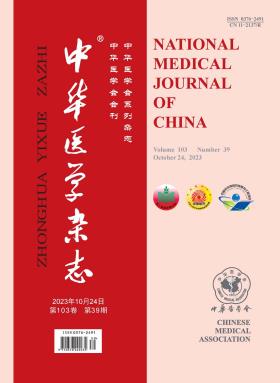
National Medical Journal of China
Volume 103 · Issue 39 · 2023
Natl Med J China
Amyotrophic lateral sclerosis(ALS) is a progressive and fatal neurodegenerative disease that mainly involves upper and lower motor neurons. It lacks clear biomarkers and can be clearly diagnosed only one and a half years after the onset. Gene test is of great significance for diagnosis, prognosis and genetic counseling. In recent years, several gene therapy studies have entered the clinical trial stage of ALS, among which the antisense oligonucleotide therapy targeting the pathogenic variation of the superoxide dismutase 1 (SOD1) gene has been launched, and it is urgent to carry out routine gene test in clinical practice. On the basis of progress of ALS gene research in recent years, family history, age of onset and typical clinical manifestations of patients are no longer considered as the basis for genetic testing. However, the target genes of clinical gene testing needs to be further clarified according to the diagnostic purpose, the testing method and scheme need to be standardized, and the genetic consultation before testing should be paid attention to, and the informed consent should be fully achieved.
Influenza and coronavirus disease 2019 are independent risk factors for the development of invasive fungal disease (IFD) in critically ill patients in the intensive care unit. IFD, particularly mold infections, have a high mortality rate. The diagnosis and treatment of mold infections is challenging, and early detection and timely treatment are crucial in reducing the mortality of IFD. This review will summarize the latest epidemiology and risk factors for the development of mold infections in critically ill patients, current diagnostic criteria and challenges, as well as the treatment strategies recommended by the international clinical guidelines, aiming to provide some references for the diagnosis and treatment of mold infections in critically ill patients in clinical practice.
Pain is the fifth major vital sign, and chronic pain is a large category of diseases that affects health seriously. At present, the incidence of chronic pain is high, but the overall treatment satisfaction is low. It is necessary to continuously optimize pain diagnosis and treatment strategies and improve the connotation of pain management. Based on the clinical practice of our pain center, combined with relevant literature, the article proposes a diagnosis and treatment strategy of "whole field pain management" should be carried out from the four dimensions of feeling, emotion, cognition, and behavior. Innovative digital pain diagnosis and treatment technologies such as VR/MR and brain-computer interface are used to regulate emotional, cognitive, and behavioral regulation, and combined with lifestyle changes, rehabilitation physiotherapy, drugs, and minimally invasive interventional therapy to constitute a " whole field pain management strategy" to explore the new development direction of further improving the management of chronic pain.
Non-opioid analgesics are one of the important clinical treatment drugs for chronic pain disorders, which mainly include non-steroidal anti-inflammatory analgesics, ion channel drugs, antidepressants, glucocorticoids, neurotrophic drugs, muscle relaxants, α2 adrenergic receptor agonists, bone metabolism regulating drugs, N-methyl-D-aspartate receptor antagonists and traditional Chinese patent medicines. The guidelines for the treatment of chronic pain disorders based on international classification of diseases (ICD)-11 with non-opioid analgesics have not been reported. This guideline was formulated under the leadership of expert group on Pain Disease Diagnosis and Treatment Special Ability Training Project of National Health Commission Capacity Building and Continuing Education Center (hereinafter referred to as the expert group). The expert group systematically searches and evaluates the effectiveness evidence related to the indications, contraindications, precautions, and other issues of non-opioid analgesics treatment for the seven major categories of chronic pain diseases in ICD-11. It also recommends non-opioid analgesic drug treatment for special chronic pain patients such as the elderly, women and children, as well as patients with liver and kidney dysfunction. This guide aims to provide reference for the application of non-opioid analgesics in the treatment of chronic pain disorders in different disciplines.
Pre-exposure rabies prophylaxis, also known as immunoprophylaxis before exposure to rabies, refers to preventive rabies vaccination for individuals at risk of rabies infection before rabies exposure, which is one of the important strategies for rabies prevention. Pre-exposure rabies prophylaxis can reduce the risk of individual rabies and reduce the cost of post-exposure prophylaxis by establishing an immunologic barrier in advance and the memory immune response after the booster. In view of the current situation that clinicians in China have relatively insufficient knowledge of pre-exposure rabies prophylaxis, the Rabies Prevention and Control Committee of the Chinese Preventive Medicine Association and Animal Injury Treatment Branch of China Association for Disaster and Emergency Rescue Medicine organized domestic experts in relevant fields to write this expert consensus in accordance with the latest guidelines, expert consensus, and the latest clinical evidence. This consensus describes the concept and significance of pre-exposure rabies prophylaxis, immunization procedures and cost-effectiveness respectively, and puts forward recommendations on pre-exposure rabies prophylaxis strategies. It is hoped that this consensus can improve clinicians′ understanding of pre-exposure rabies prophylaxis and increase the rate of pre-exposure rabies prophylaxis among people at high risk of exposure in China.
To analyze the efficacy of different targets low-frequency repetitive transcranial magnetic stimulation (rTMS) for the treatment of tremor Parkinson′s disease(PD).
A total of 82 patients with primary PD who were admitted to the Department of Neurology, Xin Hua Hospital Affiliated to Shanghai Jiao Tong University School of Medicine from April 1, 2020 to March 31, 2021 were prospectively collected. According to the clinical characteristics of major movement disorders, 82 patients with tremor type (TD) were selected to enroll.The patients were randomly divided into 3 groups at a 1∶1∶1 ratio according to the randomized coding sequence of the trial: the primary motor cortex (M1) group with 26 cases, the cerebellum group with 26 cases and the dual-site (M1, cerebellum) group with 30 cases. All patients were treated with 1 Hz low-frequency stimulation of the corresponding target once a day for 5 days a week for 2 weeks, a total of 10 times; The dosage remained unchanged during the treatment for all groups. Before and after 2 weeks′ treatment, the patients were assessed with the Unified PD Rating Scale (UPDRS) and PD Quality of Life Questionnaire-39 (PDQ-39) without medication. Cortical excitability, namely transcranial magnetic stimulation motor evoked potential (TMS-MEP), [including resting motor threshold (rMT) and active motor threshold (aMT) examinations], timed up and go (TUG) and electromyographic tremor were conducted.
There were 82 patients, 39 males and 43 females, with an average age of (67±8) years. Before the treatment, there was no statistically significant difference in the evaluation indicators among the three groups (all P>0.05). After the treatment, the differences of the UPDRS-Ⅲ score [(38.9±2.5) vs (29.2±3.6) ], UPDRS tremor score [(23.7±2.1) vs (14.6±3.1) ], TUG time [(44.8±3.1) s vs (33.7±4.1) s], tremor amplitude [(480±126) μV vs (276±94) μV], PDQ-39 score [(51±13) vs (45±13) ], rMT [(36±17)% vs (43±13)%], and aMT [(26±16)% vs (31±12)%] were statistically significant (all P<0.01) from those before the treatment. There was no statistical difference in the above factors between the M1 group and cerebellum group (all P>0.05). There was no statistically significant difference in tremor peak frequency among the three groups before and after the treatment (all P>0.05).
Dual-site low-frequency rTMS can improve PD tremor, while M1 or cerebellar low-frequency rTMS does not significantly improve PD tremor. Its mechanism may be to improve PD tremor symptoms by regulating cortical excitability.
To explore the risk factors of rebleeding in patients with obscure gastrointestinal bleeding (OGIB) after capsule endoscopy (CE), and construct a model to predict rebleeding.
The data of patients with OGIB who underwent CE in Zhongda Hospital Affiliated to Southeast University from July 2018 to September 2021 were retrospectively analyzed. Follow-up data were obtained via electronic medical records or telephone interviews. Univariate and multivariate Cox regression models were performed to figure out the risk factors of rebleeding in OGIB patients. Then the optimal prediction model was determined and presented as a nomogram. The model was evaluated by C statistic, calibration curve and decision curve analysis.
One hundred and thirty patients with OGIB were included, including 64 females and 66 males, aged (55.8±17.2) years (18-87 years), and 39 (30.0%) cases developed rebleeding during follow-up. Univariate and multivariate Cox regression model analysis showed the duration of more than 2 weeks OGIB (HR=3.70, 95%CI: 1.85-7.42, P<0.001), a history of previous gastrointestinal bleeding (HR=5.25, 95%CI: 2.00-13.81, P<0.001), positive CE findings (HR=3.72, 95%CI: 1.66-8.33, P=0.001), and the lowest hemoglobin level before CE<80 g/L (HR=2.00, 95%CI: 1.02-3.84, P=0.044) were risk factors for rebleeding, while specific treatment (HR=0.25, 95%CI: 0.11-0.54, P<0.001) was a protective factor. The corresponding scores of the above five predictive factors were: OGIB duration>2 weeks: 79 points; Previous history of gastrointestinal bleeding: 100 points; The result of CE was positive: 79 points; Specific treatment:-85 points; Minimum hemoglobin before CE<80 g/L: 41 points. The prediction model constructed from the above five variables had good discriminative capability (concordance index=0.798, 95%CI: 0.732-0.865). The calibration curves showed high consistency between nomogram-predicted probabilities and actual observations. The decision curves showed that when the threshold probability was above 0.04, the use of the nomogram to predict rebleeding provided a greater net benefit than the assumption of "all patients rebleeding or no patients rebleeding".
The prediction model established in this study has a good ability to predic rebleeding in patients with OGIB after CE examination.
To investigate the clinical efficacy of posterior cervical open-door expansive laminoplasty combined with Key-hole technique in treating mixed cervical spondylosis.
A retrospective cohort study. A retrospective analysis was made of 128 cases of mixed cervical spondylosis with symptoms of spinal cord and nerve root compression and complete follow-up data admitted to the Department of Spinal Surgery, Affiliated Hospital of Jining Medical University from January 2016 to June 2022. Of the patients, there were 90 males and 38 females with a mean age of (58.5±9.8) years. Before February 2018, 72 cases were treated with posterior cervical open-door expansive laminoplasty (single-door group), and after February 2018, 56 cases were treated with posterior cervical open-door expansive laminoplasty combined with Key-hole technique (combined group). There was no significant difference between the two groups in age, Japanese Orthopaedic Association (JOA) score, visual analogue scale (VAS) score of pain and Cobb angle of imaging before operation. The operation time, intraoperative blood loss, postoperative JOA score, VAS score and Cobb angle of imaging were compared between the two groups.
Both groups of patients successfully completed the operation. Operation time [M(Q1, Q3)]: 89.0 (68.5, 104.5) min in the single-door group and 90.0 (72.8, 108.8) min in the combined group, there was no statistical difference between the two groups (P=0.640). The intraoperative blood loss in the single-door group was 100 (100, 200) ml, and it was 100(100, 200) ml in the combined group, there was no significant difference between the two groups (P=0.680). Postoperative JOA scores increased significantly, while VAS scores decreased significantly in both groups. At the last follow-up, the JOA and VAS scores of the combined group were better than those of the single-door group (both P<0.05).
The posterior cervical open-door expansive laminoplasty combined with Key-hole technique for the treatment of mixed cervical spondylosis can effectively remove the compression on the cervical spine without causing cervical instability.
To investigate the efficacy and safety of yellow zebra guide wire exchange system in the treatment of complete upper digestive stenosis. To analyze the success rate and adverse events, a retrospective analysis was conducted on patients with complete digestive stenosis in Zhongda Hospital Affiliated to Southeast University from May 2019 to April 2023 and the First Affiliated Hospital of Nanjing Medical University from August 2011 to March 2015. A total of 41 patients were included, including 25 males and 16 females, aged (65±12) years (28-94 years). Among them, 40 patients were successfully inserted with yellow zebra guide wire and underwent endoscopic treatment using the outer tube replacement with hard steel wire, with 97.6% (40/41) effective rate. Eleven patients (27.5%) were accompanied by varying degrees of retrosternal pain, without complications such as bleeding or perforation.
To investigate the clinical and radiographic results of anterior tibial tendon (ATT) transfer combined with supramalleolar osteotomy in stage 3b of varus ankle osteoarthritis. Totally 13 patients with stage 3b of varus ankle osteoarthritis who received ATT transfer combined with supramalleolar osteotomy in Beijing Tongren Hospital from January 2018 to May 2021 were recruited. There were 6 males and 7 females with a mean age of (57.8±9.3) years. The overall evaluations included the preoperatively and postoperatively radiographic alignments, visual analog scale (VAS) score, and the American Orthopaedic Foot & Ankle Society (AOFAS) clinical ankle-hindfoot scale. The mean follow-up period was (33.5±13.4) months. The tibial articular surface (TAS), talar tilt (TT), and foot and ankle offset (FAO) changed from 83.3°±2.4° to 92.8°±1.7°, 12.3°±4.5° to 7.0°±4.7°, and -7.4%±2.8% to -0.7%±2.2% after the operation, respectively (all P<0.001). The AOFAS and VAS score improved significantly at the final follow-up when compared with those before the operation (both P<0.001). It indicated that ATT transfer after supramalleolar osteotomy can achieve good clinical and radiographic results in the treatment of varus ankle arthritis in Takakura stage 3b.
The clinical and molecular genetic data of 6 patients with genetically confirmed tyrosine hydroxylase deficiency(THD) diagnosed in Department of Neurology, Qilu Hospital of Shandong University from March 2017 to February 2022 were retrospectively collected and analyzed. The 6 patients were from 5 families. Among them, 5 patients had persistent or paroxysmal abnormal walking posture, 4 patients had dystonia of head and face, including spasm of perioral and oculopharyngeal muscles, hyperactivity, and binocular upvision, 4 patients showed obvious morning light and evening heavy phenomenon, 2 patients had postural tremor of limbs, 2 patients had psychomotor retardation from childhood, 1 patient only had limb and cervical muscle weakness, 1 patient had epileptic seizures. Of the 6 patients, only 1 was adult-onset, and the rest were child-onset. Four patients had good response to low-dose dopa preparation, 2 patients from the same family had poor response to dopamine treatment, requiring extremely low dose initiation and multi-frequency titration treatment. However, the long-term treatment effect was poor with obvious abnormalities. Gene testing of 5 families revealed 8 mutations in the TH gene, with c.698G>A (p.R233H) being the hot spot mutation site. The clinical manifestations of THD are complex. Besides paroxysmal or persistent dystonia, it can also be accompanied by eye movement crisis, muscle weakness, epilepsy, and delayed mental and motor development. Most patients respond well to low-dose dopamine preparations, but a small number of patients require titration treatment with extremely low-dose dopamine preparations, and the long-term effect is not satisfactory.
With the rapid development of minimally invasive spinal surgery, unilateral dual-channel endoscopy (UBE) technique is widely used to treat lumbar degenerative diseases. In recent years, under the continuous exploration and improvement of domestic and foreign scholars, this technology has also been used to treat cervical and thoracic diseases, spinal infectious diseases and space-occupying lesions in the spinal canal, etc., and can be combined with minimally invasive techniques such as anterior cervical discectomy and fusion and endoscopic pedicle screw placement. This article reviews the application progress of UBE technology in spinal diseases, summarizes the advantages of this technology, and looks forward to the future application prospect.
Anxiety disorders are prevalent and extremely distressing and dysfunctional disorders. While effective treatments already exist, many patients are unavailable or do not work well. Mindfulness-based interventions, such as Mindfulness Stress Reduction Therapy (MBSR), are popular and reduce anxiety, but it is unclear how well they compare to standard first-line treatments. The purpose of this study was to confirm whether MBSR is non-inferior to escitalopram, a commonly used first-line treatment for anxiety disorders in adults.
The number of "Central High-Level Hospital Clinical Research Business Funds Subsidy" in the fund project of the article "Shunt Surgery Treatment Effect and Prognosis of Secondary Hydrocephalus" on page 1936, Volume 103, Issue 25, 2023 of this journal shall be "2022-PUMCH-C-032", which is hereby corrected.
CURRENT ISSUE