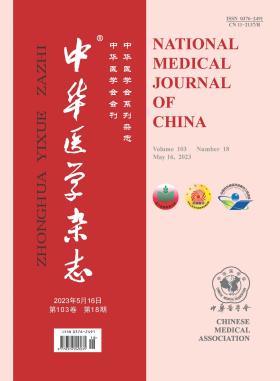
National Medical Journal of China
Volume 103 · Issue 18 · 2023
Natl Med J China
The rapid development of artificial intelligence (AI) technology, especially the progress in deep learning methods and computing power of hardware, has greatly promoted the application of AI in the field of biomedicine and nephrology. AI can predict the occurrence of acute kidney injury, identify chronic kidney disease, and assist in the analysis of kidney disease pathology, prognosis prediction and decision-making. The application of AI in the field of nephrology depends on the coordinated development of nephrology and artificial intelligence, and requires close interdisciplinary cooperation between multiple disciplines. This article describes the application and research progress of AI in nephrology and provides insights for future directions.
Chronic kidney disease is increasingly recognized as an important global public health problem, posing a heavy burden to the health system. It is necessary to monitor the status of kidney diseases and promote early intervention and management. Due to the large regional differences in the characteristics of kidney diseases and the uneven distribution of medical resources in China, traditional monitoring methods have several limitations in comprehensively exploring the burden and trends of kidney diseases. On the premise of ensuring data security and personal privacy, a cost-effective kidney disease surveillance system could be developed by integrating big data, artificial intelligence, and surveillance systems and utilizing health care data from different sources, thereby overcoming major disadvantages of traditional monitoring methods and providing reference for the prevention and control of kidney diseases in China.
With the wide application of artificial intelligence (AI) technology in clinical practice, more and more legal problems need to be solved. At present, although the legal status of AI is still controversial in academic and practical circles, its infringement risk in clinical diagnosis and surgery cannot be avoided. On the basis of the distinction between strong and weak AI liability subjects, those who meet the requirements of infringement, damage consequence, causal relationship, subjective fault, etc., can constitute tort liability, but the existence of exemption causes can also exempt liability. In addition to the ex post accountability of tort liability, it is also necessary to establish a complete administrative legal regulation system. At present, China needs to explore and establish the classification registration system, compulsory insurance system and reserve system of AI as soon as possible, so as to strengthen the legal regulation of the whole process of AI clinical application before, during and after the event.
The increasing number of clinical trials of new drugs in China has brought huge benefits to the society, but also implied huge risks. This is particularly evident in experimental medicine. Germany has achieved good results in regulating experimental medical behaviors through the model of legislative norms. China should learn from Germany′s beneficial experience to promote the orderly development of experimental medical behavior in China. Specifically, the crime of illegal human experiment should be added to the criminal law; Adopt special legislation model to regulate experimental medical behavior; Establish a no fault medical liability system to share experimental medical risks;Absorb and learn from the relevant norms of the international community on human experiment.
Benign prostate hyperplasia (BPH) is the main cause of lower urinary tract symptoms in elder man. As the progression of aging society, the number of BPH patient is getting larger, while there are some patient needs surgical interventions. Regarding as the main surgical intervention, trans-urethral resection of the prostate is gradually developing and focusing on minimal invasive, safety and long-term sustainability. As the surgical energy medium developing, the traditional electronic heat energy has been replaced by laser. Laser has different wavelength which suit for different operational ways separately, and it was applied on more and more surgical ways. Although the revolution of operational techniques and equipment make choices of surgeons diverse, the prevention and treatment of BPH post-surgical problems is still the clinical key points. We concluded the laser treatment on BPH and its post-surgical problem, and try to provide methods and idea for the application of clinical laser applications.
Cardiovascular diseases have been the leading cause of death in both urban and rural residents. Among them, heart failure, which develops from various heart diseases to the end stage, is the main cause of death. With the development of regenerative medicine, stem cell transplantation is expected to be a potential and promising treatment for heart failure. In recent years, basic research and clinical application research related to stem cells have been vigorously developed in China, and many latest achievements and progress have been obtained. However, relevant guidance documents are still needed to standardize and scale up clinical applications of stem cell transplantation. Therefore, experts from the Tissue Repair and Regeneration Branch of the Chinese Medical Association, by referring to the latest research results, discussed the treatment of heart failure by autologous stem cell transplantation and reached the following consensus. The key technical issues related to autologous stem cell transplantation were mainly expounded, and scientific suggestions were proposed to standardize and promote the clinical research and application of stem cells.
To explore the construction of a machine learning model based on unbalanced data to predict the progression of non-nephrotic membranous nephropathy.
The clinical and pathological data of patients diagnosed with non-nephrotic membranous nephropathy by renal biopsy in Shanxi People′s Hospital from January 2018 to December 2021 were retrospectively analyzed.The prediction models were constructed based on logistic regression, support vector machine (SVM) and light gradient boosting machine (lightGBM), respectively. The mixed sampling technology was used to process the unbalanced data, and the area under the receiver operating characteristic curve (AUC) was used to evaluate the predictive performance of the models. Finally, Shapley additive explanation (SHAP) was used to interpret the results of the optimal prediction model.
A total of 148 patients were included in the study, including 84 males and 64 females, with a mean age of (47.2±12.5) years. The follow-up time [M(Q1, Q3)] was 14(7, 20) months. Twenty-three patients (15.5%) achieved the renal end-point event in the study. The SVM model had the highest AUC (0.868, 95%CI: 0.813-0.925), followed by logistic regression (AUC=0.865, 95%CI: 0.755-0.899) and lightGBM (AUC=0.791, 95%CI: 0.690-0.882). The feature recursive elimination cross validation (RFECV) method based on random forest (RF) and the SHAP plot based on the SVM model showed that immunohistochemistry IgG, total protein (TP), anti-phospholipase A2 receptor (anti-PLA2R), blood chloride and D-Dimer were risk factors affecting the progress of non-nephrotic membranous nephropathy. Moreover, patients with high immunohistochemistry IgG, anti-PLA2R and D-Dimer had an increased risk of achieving the renal end-point event.
The SVM model established in this study can effectively predict the progress of non-nephrotic membranous nephropathy, and provide a new method for the early identification of high-risk patients and precision therapy.
To explore the correlation between the morphological characteristics of retinal microvessels and diabetic kidney disease (DKD) in patients with type 2 diabetes mellitus (T2DM).
The clinical data and fundus photography of patients with T2DM treated in the First Affiliated Hospital of Zhengzhou University from January 2018 to December 2020 were retrospectively collected and analyzed. According to the presence of abnormal renal function, the patients were divided into DKD group and control group. The morphology and structure of fundus vessels were digitized by U-Net depth convolution neural network, and the correlation between fundus vascular morphology and DKD was analyzed by multivariate logistic regression.
A total of 648 patients with T2DM were enrolled, including 410 males and 238 females, and aged (53±10) years. There were 398 and 250 cases in control and DKD groups, respectively. Meanwhile, 1 296 fundus images were collected. Compared with control group, the male ratio (68.4% vs 60.1%, P=0.032), age [(54±9) vs (52±10) years, P=0.005], blood pressure [(136.8±17.3) vs (130.3±15.4) mmHg(1 mmHg=0.133 kPa), P<0.001], total cholesterol [(4.5±1.4) vs (4.2±1.0) mmol/L, P=0.009], triglyceride [M (Q1, Q3)][1.7 (1.2, 3.0) vs 1.4 (1.0, 2.3) mmol/L, P<0.001] and Cystatin C [(0.9 (0.8, 1.0) vs 0.8 (0.7, 0.9) mg/L, P<0.001] were higher in the DKD group, while high-density lipoprotein [(1.0±0.3) vs (1.1±0.3) mmol/L, P=0.001] was lower in the DKD group. Multivariate logistic regression analysis showed that the risk of DKD in the third quartile (right eye: OR=1.825, 95%CI: 1.204-2.768, P=0.005) and fourth quartile (left eye: OR=1.929, 95%CI: 1.218-3.055, P=0.005) was higher than that in the lowest quartile of vascular curvature after adjusting for age and gender. The increase of average diameter of retinal vein was associated with the risk of DKD (left eye: OR=1.044, 95%CI: 1.013-1.075, P=0.005). The decrease of vascular fractal dimension (fourth quartile of left eye: OR=0.444, 95%CI: 0.199-0.987, P=0.046) and retinal vascular density (the second and fourth quartile of the right eye: OR=0.639, 95%CI: 0.409-0.998, P=0.049; OR=0.534, 95%CI: 0.331-0.864, P=0.010) were related to the risk of DKD.
The abnormal morphological characteristics of retinal microvessels are related to the occurrence of DKD. The increase of retinal vein diameter and the decrease of retinal vessel density correlate with the occurrence of DKD.
To construct Bayesian network (BN) models to explore the factors related to glomerular injury (GI) and tubular injury (TI).
A cross-sectional study was carried out. From April to November 2019, Shanxi Provincial People′s Hospital performed an opportunistic screening for chronic kidney disease in 10 counties of Shanxi Province. The general data and laboratory results of blood and urine samples were collected. Chi-square test and logistic regression were used to explore the related factors of GI and TI, which were included in the construction of BN models with max-min hill-climbing (MMHC) algorithm.
A total of 12 269 participants were included, there were 5 198 males and 7 071 females, with a median age of 58 (40-91) years. The prevalence of GI and TI was 12.7% (1 561/12 269) and 11.6% (1 425/12 269), respectively. The BN model consisted of 8 nodes and 10 edges for GI, and 11 nodes and 17 edges for TI, respectively. BN models showed that age and glycated hemoglobin were direct related factors for GI, while gender and fasting blood glucose were indirect related factors for GI. Age, gender, fasting blood glucose and glycosylated hemoglobin were direct related factors for TI. Additionally, the area under the receiver operating characteristic curve (AUC) was 0.761 (95%CI: 0.746-0.777) and 0.753 (95%CI: 0.736-0.769) for GI and TI BN models, respectively.
BN models allow for identifying the complex network relationships among the factors related to GI and TI. Meanwhile, Bayesian risk reasoning can provide reference value for the clinical prevention of GI and TI.
To clarify the evaluation effect of COMPERA 2.0 risk assessment model on prognosis of pulmonary arterial hypertension (PAH) in China.
Patients with newly diagnosed PAH admitted in Fuwai hospital between April 2019 and March 2022 were enrolled retrospectively and divided in low, intermediate-low, intermediate-high and high strata by scores of COMPERA 2.0 risk assessment model. All the patients were followed up by clinic or telephone. The primary endpoint was defined as a composite of all-cause mortality, exacerbated heart failure and aggravated symptoms. Kaplan-Meier analysis and log-rank trend test were used to determine the risk of endpoints among the 4 groups. Multivariate Cox proportional hazards regression were used to analyze the association between COMPERA 2.0 scores and prognosis in patients with PAH.
A total of 951 patients with PAH were enrolled in this study. The age [M (Q1, Q3)] of the patients was 35 (28, 47) years, of which 706 cases (74.2%) were females. A total of 328 cases (34.5%) were assigned in low strata, 264 cases (27.8%) in intermediate-low strata, 193 cases (20.3%) in intermediate-high strata, and 166 cases (17.5%) in high strata. During the duration [M (Q1, Q3)] of follow-up after discharge of 1.8 (1.0, 2.8) years, the primary endpoint was occurred in 12.8% (42/328), 21.2% (56/264), 28.5% (55/193) and 42.8% (71/166) of low, intermediate-low, intermediate-high and high strata, respectively. The rates of primary endpoint were significantly increased with strata rising (P<0.001). Multivariate Cox proportional hazards regression showed that COMPERA 2.0 risk scores were associated with the primary endpoints in PAH patients (HR=1.801, 95%CI: 1.254-2.588, P=0.001) after adjusting confounders.
COMPERA 2.0 risk assessment model is a simple and effective tool for evaluating the prognosis of newly diagnosed PAH patients in China.
To explore the clinical features of IgG4-related lung disease.
The clinical data of 60 patients diagnosed with IgG4-related lung disease in Peking University People′s Hospital from February 2012 to May 2021 were retrospectively collected. Analysis was made to explore the features of clinical manifestation, laboratory, imaging, prognosis and other characteristics of the disease.
A total of 60 patients were included, with 40 males, age of (58.2±12.9) years, an age of onset of (57.1±13.2) years, and 31.7% (19 cases) of the patients had a history of allergic disease. 36.7% (22 cases) of the patients had respiratory symptoms during the disease. 94.6% (53/56) of patients had serum IgG4>1.35 g/L, 24.1% (14/58) of patients had increased eosinophils, 79.2% (38/48) of patients had increased IgE level, and 53.7% (29/54) of patients had decreased C3 or C4. Common imaging findings included nodular changes (38 cases, 63.3%), mediastinal and/or hilar lymphadenopathy (34 cases, 56.7%), and ground glass opacities (31 cases, 51.7%). Fifty-three cases (88.3%) showed two or more imaging changes. The pathological examination of the patient was mainly characterized by lymphoplasmacytic infiltration and fibrosis, with only one case of phlebitis obliterans. Compared with the asymptomatic group (38 cases), patients with respiratory symptoms (22 cases) showed higher level of serum total IgG and eosinophils (43.2 vs 17.8 g/L, 0.30×10⁹/L vs 0.14×10⁹/L, P<0.05), lower proportion of allergic diseases, and higher proportion of consolidation shadows on chest CT (P<0.05). There were no significant differences in serum IgG4, IgE, complement levels, and imaging outcomes after treatment between the two groups (P>0.05).
The clinical manifestations of IgG4-related lung disease are atypical, and asymptomatic patients account for a high proportion. The imaging of the disease is highly heterogeneous, and patients are prone to show coexisted multiple imaging changes. The main clinical features and imaging outcomes of patients with and without respiratory symptoms are not significantly different.
To compare the characteristics of serum adrenocortical hormone profiles detected by liquid chromatography tandem mass spectrometry in patients with adrenal cortical carcinoma and adrenal adenoma.
A total of 23 patients with adrenal cortical carcinoma and 119 patients with adrenal cortical adenoma/hyperplasia who visited the Department of Endocrinology and/or the Department of Urology of Peking University First Hospital from January 2018 to June 2022 were analyzed retrospectively. The imaging characteristics and serum adrenal cortical hormone profiles detected by liquid chromatography tandem mass spectrometry were analyzed retrospectively. The independent related factors of adrenal cortical carcinoma were screened by univariate analysis and multivariate logistic regression analysis.
The age of patients with adrenal cortical carcinoma was 46 (35, 57) years, and 15 (65.2%) were female; The age of adrenal cortical adenoma patients was 49 (40, 58) years old, and 80 (67.2%) were female. There was no significant difference in age and gender between the two groups (all P values>0.05). The maximum tumor diameter M (Q1, Q3) of patients with adrenocortical carcinoma was 7.05 (5.45, 9.78) cm, which was larger than that of patients with adrenocortical adenoma [2.1 (1.6, 3.0) cm] (P<0.001). Compared with patients with adrenal adenoma, the androstenedione (AD) of patients with adrenal cortical carcinoma [4.056 9 (1.619 5, 7.907 9) nmol/L vs 1.517 5 (0.935 1, 2.582 1) nmol/L (P<0.001)] was significantly increased; 11-ketotestosterone/11-ketoandrostenedione [0.034 3 (0.020 6, 0.079 2) vs 0.041 0 (0.028 6, 0.061 5) (P=0.089)] and 11-ketoandrostenedione/11-hydroxyandrostenedione [0.013 0 (0.006 4, 0.086 7) vs 0.063 0 (0.018 2, 0.162 5) (P=0.042)] were significantly decreased. Multivariate analysis found that AD, the largest diameter of the tumor, 11-ketotestosterone/11-ketoandrostenedione and 11-ketoandrostenedione/11-hydroxyandrostenedi-one were related factors for adrenal cortical carcinoma, with OR values (95%CI) of 1.841 (1.093-3.100), 5.130 (2.332-11.285), 0.381 (0.167-0.867) and 0.000 (0.000-0.014), respectively, all P values <0.05.
The larger diameter of adrenal cortical tumor and the higher the level of androstenedione are independent risk factors for adrenal cortical carcinoma. The reduction conversion of 11-hydroxyandrostenedione to 11-ketoandrostenedione and 11-ketoandrostenedione to 11-ketotestosterone were independently associated with adrenal cortical carcinoma.
To predict the protection probability of different clinical outcomes after reinfection with Omicron variant in symptomatic and unvaccinated COVID-19 patients who infected with prototype strain.
The data used in this study were derived from a systematic review and meta-analysis which systematically searched PubMed, Embase, Web of Science, and Europe PMC databases, included published and uploaded studies of dynamic changes of neutralizing antibodies in symptomatic COVID-19 patients from 1 January 2020 to 2 October 2022 and extracted the literature information, study design, serological experiment information and antibody results. According to the scatter distribution characteristics of antibody titer data, a generalized additive model based on Gaussian distribution was used to fit the titer value of neutralizing antibody based on logarithmic conversion and the dynamic change pattern of neutralizing antibody in symptomatic and unvaccinated COVID-19 patients infected with prototype strain over time was obtained. In this study, the fitted antibody titers of patients on the 28th, 51st, and 261st day after symptom onset was selected to predict the protection probability.
Neutralizing antibodies produced in symptomatic and unvaccinated patients infected with prototype strain could provide protection against Omicron reinfection, and the probability of protection gradually decreased with time. Neutralizing antibody level on day 28 after symptom onset provided protection probability of 30.3% (95%CI: 20.0%-45.5%) against reinfection, 51.5% (95%CI: 33.4%-75.9%) against symptomatic reinfection, and 91.2% (95%CI: 77.1%-97.7%) against severe reinfection caused by Omicron BA.5. The protection probability against Omicron BA.1, BA.4 and BA.5 reinfections decreased significantly 261 days after symptom onset, showing 9.6%-12.9%, 18.4%-23.9% and 63.1%-70.3% against three clinical outcomes, respectively. At the same time point and against the same clinical outcome, the protection probability of BA.1 was the highest, followed by BA.4 and BA.5.
Neutralizing antibodies induced in symptomatic and unvaccinated COVID-19 patients previously infected with the prototype strain have limited protection probability against Omicron BA.5 reinfections and symptomatic reinfections. The protection probability against Omicron BA.5 reinfections is 30.3% 28 days after symptom onset and decreases to about 10% after 261 days. However, the protection probability against severe reinfections is considerable, with over 90% 28 days after symptom onset and still exceeding 60% after 261 days.
Chronic kidney disease and type 2 diabetes are independently associated with heart failure (heart failure). Finerenone is a new generation mineralocorticoid receptor antagonist. Results from the FIDELIO-DKD study (a study in which Finerenone slows down kidney failure and disease progression in diabetic nephropathy) and FIGARO-DKD study (a study in which Finerenone reduces the incidence and mortality of cardiovascular events in diabetic nephropathy) show that Finerenone improves cardiovascular outcomes in patients with chronic kidney disease and type 2 diabetes. The primary objective of this study was to evaluate the effect of feneridone on clinical heart failure outcomes. A total of 7 532 patients with type 2 diabetes mellitus combined with proteinuric chronic kidney disease were enrolled and randomly divided into fenelidone and placebo groups with a median follow-up time of 3.4 years, of which 571 (7.8%) had a history of heart failure. Endpoint events included: new heart failure [first hospitalization for heart failure (HHF) in a patient with no history of heart failure at baseline], composite endpoint of cardiovascular death and first HHF, composite endpoint of heart failure-related death and first HHF, composite endpoint of first HHF, composite endpoint of cardiovascular death or HHF (first or non-first), composite endpoint of heart failure-related death and HHF, HHF. Compared with the placebo group, the risk of new heart failure was significantly lower in the feneridone group (1.9% vs. 2.8%,HR=0.68,95%CI:0.50~0.93,P=0.016); In the overall population, the risk of heart failure-related outcomes, including cardiovascular death or an 18% reduction in first-time HHF, was reduced in the fenelidone group compared with the placebo group (HR=0.82,95%CI:0.70~0.95,P=0.011), with a 29% reduction in the risk of first HHF (HR=0.71,95%CI:0.56~0.90,P=0.004) and a 30% reduction in total HHF risk (RR=0.70,95%CI:0.52~0.94)。 It is therefore concluded that fenelidone reduces new onset heart failure and improves other heart failure outcomes in patients with chronic kidney disease and type 2 diabetes, with or without a history of heart failure.
C3 glomerulopathy is a heterogeneous chronic kidney disease that is mainly characterized by glomerular C3 deposition and complement dysregulation. Mutations in the H factor-associated protein (FHR) gene leading to repeated dimerization domains are typical of C3 glomerulopathy, but the underlying pathogenic mechanism is unclear. This study provides an in-depth analysis of the characteristics of FHR-1 mutants with repeated dimerization domains. To assess the association of FHR-1 mutants with disease susceptibility and renal prognosis, the researchers also analyzed FHR-1 gene copy number variants and plasma FHR-1 levels in two Spanish C3 glomerulopathy cohorts and control populations. Duplication of the dimerization domain increases the ability of FHR-1 to regulate surface interactions with C3, leading to overactivation of the complement bypass pathway. Meanwhile, FHR-1 promotes complement bypass pathway activation without involving competition with H factor for binding to C3b, mutated FHR-1 binds to C3-activated fragments and recruits native C3 and C3b, leading to the formation of alternative pathway C3 convertase, increasing the deposition of C3b molecules, suggesting that a balanced FHR-1/H factor ratio is crucial for controlling surface complement amplification. Furthermore, the results of the study's analysis in the clinical cohort of C3 glomerulopathy showed that genetic defects in FHR-1 or a decrease in FHR-1 in plasma are protective factors for progression of C3 glomerulopathy and are associated with better renal prognosis. The study's findings explain how FHR-1 mutants with repeating dimerization domains contribute to susceptibility to C3 glomerulopathy, while also suggesting a pathogenic mechanism that may be shared with other diseases, such as IgA nephropathy or age-related macular degeneration, and identifying FHR-1 as a potential novel therapeutic target for C3 glomerulopathy.
CURRENT ISSUE