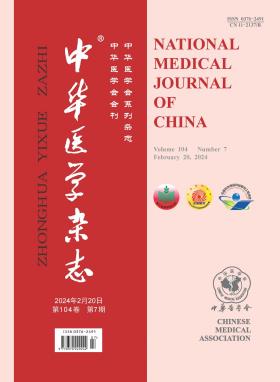
中华医学杂志
2024年 · 第104卷第07期
中华医学杂志
- 全部
- 述评
- 标准与规范
- 浆细胞病免疫治疗
- 临床研究
- 基础研究
- 短篇论著
- 综述
- 文献速览
Treatment-resistant depression (TRD) refers to depression in which patients have not improved significantly after at least two antidepressants with different mechanisms of action, sufficient treatment, and standardized treatment. It has the characteristics of low remission rate and high relapse rate. According to statistics, 10% ~30% of patients with severe depression suffer from TRD, which is significantly associated with the occurrence of complications, increased mortality and suicide rates, and increased economic burden. At present, the primary goal of initial treatment for major depression is to alleviate the condition, and the goal of maintenance treatment is to prevent recurrence. Clinical guidelines recommend esketamine nasal spray or quetiapine sustained-release therapy in combination with selective serotonin reuptake inhibitors (SSRIs) or serotonin-norepinephrine reuptake inhibitors (SNRIs) for TRD. The study conducted an open-label, single-blind (raters do not know the grouping), multicenter, randomized, active drug-controlled clinical phase 3b trial (ESCAPE-TRD) to compare the efficacy and safety of the two therapies.
Benzodiazepines that act on gamma-aminobutyric acid (GABA) A receptor are often used as preoperative medications and anesthesia because of their good sedative, hypnotic and anxiolytic effects. While its anterograde amnestic effect may prevent intraoperative knowledge, the increased risk of delirium caused by the use of such drugs in the intensive care unit (ICU) is no longer in line with medical standards. Therefore, the 2018 Perioperative Brain Health Initiative avoids benzodiazepines for patients at risk of postoperative neurocognitive impairment and delirium. However, without weighting the risks and benefits of perioperative benzodiazepine use, there remains uncertainty about its perioperative safety. The study evaluated the safety and efficacy of perioperative benzodiazepine medication through a systematic review and meta-analysis.
本期目次