MedNexus
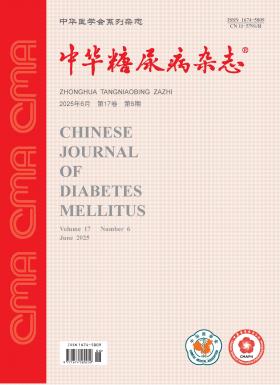
Volume 17 · Issue 06 · 2025
MedNexus
- Sections
- 110th Anniversary of the Chinese Medical Association
- Criterion and Guide
- Original Article
- Short Paper
- Case Report
- Review Article
On the occasion of the 110th anniversary of the founding of the Chinese Medical Association, this article takes personal experience as the context, and traces back the author's growth process under the careful guidance of the older generation of experts and the support of the platform of the Chinese Medical Association. On the road of practicing medicine, the author keeps in mind the teachings of his tutors Professor Wu Hanwen and Professor Chao Chusheng, and strives to consolidate the professional foundation by seeking advice from older generation experts such as Pan Changyu and Chi Zhisheng on the diagnosis and treatment of difficult cases, inviting consultation and lectures; Deeply cultivate science popularization, carry out publicity and education, and enhance public health awareness; Participate in important scientific research projects such as multi-center pharmacological trials; Participate actively in academic activities and share results in important conferences. What is particularly valuable is that the academic platform set up by the Chinese Medical Association provides the author with a broad development space, from publishing the first paper in Chinese Medical Journal, to deeply participating in large-scale public welfare activities such as HOPE diabetes education project and "Healthy New Long March" national grass-roots diabetes prevention and treatment training project, promoting grass-roots diabetes prevention and treatment work, and then relying on the recommendation of the society to obtain international exchange opportunities, introducing foreign advanced concepts of diabetes prevention and treatment into China, and sharing Chinese experience at the same time, vividly demonstrating the importance of the Chinese Medical Association in medical inheritance, discipline development and international cooperation in the past 110 years. In the future, the author will continue to keep in mind the teachings of my predecessors, be grateful for the platform of the society, and contribute to the cause of diabetes prevention and treatment in China.
Both hypertension and type 2 diabetes mellitus (T2DM) are important risk factors for cardiovascular and renal diseases, and have high co-occurrence rates. Screening, monitoring and management of hypertension in patients with T2DM play an important role in improving the prognosis of patients. Based on this background, the Diabetes and Obesity Group of Diabetes Branch of Chinese Medical Association and China Hypertension Alliance organized multidisciplinary experts to formulate this consensus. Through online survey and discussion, literature search, evidence summary and expert review, the consensus selected 7 key clinical issues and gave 12 recommendations based on the GRADE method and the GRADE evidence-to-decision (EtD) transformation framework. The recommendations cover the methods and frequencies of hypertension screening for T2DM patients with undiagnosed hypertension, the methods and frequencies of blood pressure monitoring, blood pressure control goals, lifestyle management, and drug use recommendations for T2DM patients with diagnosed hypertension. This consensus can be used as a reference for endocrine and metabolic disease specialists, cardiovascular disease specialists and general practitioners engaged in the diagnosis and treatment of T2DM and hypertension. It aims to improve the overall management ability of hypertension screening, monitoring and treatment of T2DM patients in China, so as to reduce the risk of death and disability related to cardiovascular and kidney diseases caused by hypertension, and reduce the treatment burden of T2DM patients.
To explore the relationship between triglyceride-glucose index (TyG), triglyceride-glucose-body mass index (TyG-BMI), triglyceride-glucose-waist circumference index (TyG-WC), and the risk of type 2 diabetes mellitus (T2DM) in steelworkers, and to compare the predictive ability of TyG, TyG-BMI, and TyG-WC for the risk of T2DM.
This retrospective cohort study included data from 6 544 workers without baseline T2DM at a northern steel company. Questionnaire survey data, physical examination data and laboratory examination data were collected, including sex, age, total monthly household income, educational level, marital status, smoking status, alcohol consumption, physical activity, diet, family history of diabetes, carbon monoxide (CO) exposure, noise exposure, dust exposure, high-temperature work, waist circumference, body mass index (BMI), total cholesterol (TC), triglyceride (TG), high-density lipoprotein cholesterol (HDL-C), low-density lipoprotein cholesterol (LDL-C), dyslipidemia. In addition, the incidence of T2DM was followed up in this study. The Cox proportional hazard model and the restricted cubic spline model (RCS) were used to explore the relationship between different quartile scores (Q1, Q2, Q3, Q4) of TyG, TyG-BMI, TyG-WC and the risk of T2DM. The predictive value of TyG, TyG-BMI, and TyG-WC for the risk of T2DM was compared using the receiver operating characteristic (ROC) curve.
After 31 217.00 person-years of follow-up, 498 participants developed T2DM. The incidence density of T2DM was 15.95/1 000 person-years. The RCS results showed a non-linear relationship between TyG, TyG-BMI, and TyG-WC and the risk of T2DM (Pnonlinear<0.001). The risk of T2DM was progressively increased when TyG, TyG-BMI and TyG-WC were greater than 8.72, 218 and 742, respectively. The results of Cox proportional hazards regression model showed that after adjusting for sex, age, education level, marital status, alcohol status, smoking status, diet, physical activity, family history of diabetes, TC, LDL-C, CO exposure, dust exposure, high-temperature exposure, noise exposure, shift work, the Q4 group had the highest risk of T2DM compared with the Q1 group of TyG, TyG-BMI and TyG-WC, with HR value (95%CI) of 4.109 (2.907-5.809), 8.388 (5.608-12.546) and 5.620 (3.966-7.963), respectively. The ROC curve indicated that TyG, TyG-BMI, and TyG-WC were all predictive of T2DM risk, and the area under the curve of TyG-BMI was the largest (0.722, 95%CI 0.700-0.745). The net reclassification index of TyG-BMI was 0.559 (P<0.001), which improved the reclassification capability of the baseline risk model.
TyG, TyG-BMI, and TyG-WC showed a non-linear positive association with the risk of T2DM. TyG-BMI may be a reliable indicator for identifying indivduals at high risk of T2DM among steelworkers.
To investigate the correlation of the time in range (TIR) of glucose and heart QT interval in Chinese adults with type 2 diabetes mellites (T2DM).
This was a cross-sectional study. Patients with T2DM who were hospitalized in Endocrine Department of the First People′s Hospital of Nantong City, Jiangsu Province from January 2020 to May 2022 were recruited using convenience sampling. The glycated hemoglobin A1c (HbA1c) was collected. All subjects wore a Medtronic continuous glucose monitor for 72 hours to calculate the coefficient of variation (CV) and TIR of glucose and underwent standard 12-lead Electrocardiogram (ECG) examination to measure QT interval and RR interval and the heart rate-corrected QT (QTc) interval was calculated. The research subjects were divided into the short QTc group (QTc<33.3%), the medium QTc group (QTc 33.3%-66.7%), and the long QTc group (QTc>66.7%) based on the tertile levels of QTc interval. CV≥36% is defined as unstable blood glucose, and CV<36% is defined as stable blood glucose. One-way analysis of variance, Kruskal-Wallis H test or χ2 test were used for comparisons among the three groups. Pearson correlation analysis was used to analyze the correlation between QTc interval and HbA1c and TIR. Multiple linear regression analysis was used to analyze the independent influencing factors of prolonged QTc interval in patients with T2DM.
A total of 184 T2DM patients were finally included. Among them, 66 cases were in the short QTc group, 60 cases in the medium QTc group, and 58 cases in the long QTc group. There were significant differences in HbA1c, TIR value among the three groups (P<0.05). Both the medium and long QTc groups had higher HbA1c and shorter TIR compared with the short QTc group (P<0.05). Pearson′s analysis showed that the QTc interval was positively correlated with HbA1c level (r=0.409, P<0.001), and negatively correlated with TIR (r=-0.537, P<0.001). In addition, according to CV stratification, in subjects with unstable blood glucose (CV≥36%) or stable blood glucose (CV<36%), QTc interval was positively correlated with HbA1c level (r=0.462, P<0.001; r=0.366, P<0.001, respectively) and negatively correlated with TIR (r=-0.553, P<0.001; r=-0.539, P<0.001, respectively). Furthermore, multiple linear regression analysis showed that HbA1c (β=0.205,t=2.453,P=0.015) and TIR (β=-0.324,t=-3.571,P<0.001) were both the independent influencing factors affecting QTc interval prolongation after adjusting for other factors.
TIR was closely related to the cardiac QT interval in patients with T2DM.
To explore the risk factors for type 2 diabetes mellitus (T2DM) combined with diabetic retinopathy (DR), and to develop a predictive model for T2DM combined DR.
This was a cross-sectional study of 48 860 patients with T2DM under standardized care in Urumqi between January 2022 and December 2022, and the general data and relevant laboratory test results were collected. Patients were divided into a diabetic retinopathy (DR) group and a non-DR group based on whether they had DR. The two groups underwent 1∶1 propensity score matching (PSM) to compare their general data and clinical characteristics before and after matching. Multi-factor logistic regression analysis was then used to identify factors influencing T2DM complicated with DR in patients who had undergone PSM. Finally, we treated the pre-PSM data as a validation set, and the post-PSM data as a training set. The adaptive boosting algorithm (AdaBoost) was used to build a model on the training set, and its predictive ability was tested on the validation set.
Single-factor analysis showed that, there were significant differences in age, sex, nationality, height, weight, blood type, smoking, drinking, smoking cessation, alcohol restriction, psychological adjustment, compliance behavior, medication compliance, diet control, hypertension, diabetic kidney disease, hyperlipidemia, myocardial infarction, stroke, diabetic neuropathy, diabetic foot disease, urinary microalbumin, exercise, oral hypoglycemic drugs, insulin, glycated hemoglobin A1c (HbA1c), high-density lipoprotein cholesteral (HDL-C), low-density lipoprotein cholesteral (LDL-C), total cholesterol (TC), 2h postprandial glucose (2hPG), diastolic blood pressure (DBP), fasting plasma glucose (FPG) between DR group and non-DR group (all P<0.05). There was no significant difference in education level, family history of T2DM, BMI, triglyceride (TG) and systolic blood pressure (SBP) between the two groups (P>0.05). After PSM, 1 100 cases in each group were obtained. However, the following variables showed significant differences: blood type, T2DM family history, alcohol consumption, ex-smoker, limited alcohol consumption, poor psychological adjustment and medication adherence, dietary control, hypertension, diabetic kidney disease, high TG, myocardial infarction, stroke, diabetic neuropathy, diabetic foot, microalbuminuria, exercise, oral hypoglycemic agents, insulin, HbA1c, 2hPG, SBP, DBP, FPG. After PSM, there were no significant differences (P>0.05) between the two groups in terms of educational level, height, weight, BMI, smoking status, HDL-C, LDL-C, TG, and TC. Multivariate logistic regression analysis revealed that blood type, medication compliance, dietary control, hypertension, diabetic nephropathy, hyperlipidemia, myocardial infarction, stroke, diabetic neuropathy, diabetic foot, insulin, HbA1c, FPG and alcohol consumption were the influencing factors for T2DM patients with DR (P<0.05). The area under the ROC curve of the 16 joint index prediction model established by AdaBoost was 0.865 (95%CI 0.856-0.875), and the prediction accuracy was 77.54% on the verification set.
Blood type, medication compliance, dietary control, hypertension, diabetic kidney disease, hyperlipidemia, myocardial infarction, stroke, diabetic neuropathy, diabetic foot, insulin, HbA1c, FPG and alcohol consumption were all factors influencing T2DM with DR. A clinical prediction model for T2DM patients complicated with DR was developed based on these 14 characteristic variables, as well as age and sex, and it demonstrated high predictive capability and practicality.
Analysis of the prevalence of low high-density lipoprotein cholesterol (HDL-C) in newly hospitalized patients in Jiangsu Province.
This was a multicenter cross-sectional study, and the research data were derived from the data of Jiangsu province in the " China Nutrition Fundamental Data Project". From October 2020 to June 2021, a stratified cluster sampling method was used to randomly select 23 hospitals from 12 cities in Jiangsu province, and 200 new inpatients from each hospital were randomly selected as the research subjects. Age, sex, place of residence, medical history and HDL-C levels of the research subjects were collected. The patients were divided into different subgroups according to age and clinical characteristics. The χ2 test was used for intergroup comparison, and binary logistic regression analysis was used to explore the influencing factors of low HDL-C syndrome.
A total of 4 190 newly hospitalized patients were included in the study. The prevalence of low HDL-C among newly hospitalized patients in Jiangsu province was 30.7% (1 287/4 190). The prevalence of low HDL-C was higher in males (35.9%, 854/2 377) than in females (23.9%, 433/1 813), with a statistically significant difference (χ²=70.113, P<0.001). Logistic regression analysis showed that being aged 90-99 years (OR=6.047, 95%CI 1.794-20.381), male sex (OR=1.870, 95%CI 1.624-2.154), residing in southern Jiangsu (OR=1.346, 95%CI 1.118-1.620), central Jiangsu (OR=1.415, 95%CI 1.156-1.732), or northern Jiangsu (OR=1.576, 95%CI 1.286-1.932), having history of cancer (OR=0.803, 95%CI 0.668-0.965), a history of urogenital system diseases (OR=1.303, 95%CI 1.080-1.573), and involvement of multiple systems (OR=1.225, 95%CI 1.029-1.459) were associated with an increased risk of low HDL-C.
The prevalence of low high-density lipoprotein cholesterol among newly hospitalized adult patients in Jiangsu Province is relatively high. The prevalence of low HDL-C is significantly associated with age, sex, region, history of tumors, history of urogenital system diseases, and the number of systems involved by diseases.
To investigate the current status, influencing factors, and intrinsic relationships of lipohypertrophy (LH) related to insulin injection among healthcare professionals in Tianjin.
This was a cross-sectional study. A cluster sampling method was employed to conduct a questionnaire survey among healthcare professionals in internal medicine and general practice departments of 13 tertiary hospitals, 10 secondary hospitals, and 11 primary hospitals in Tianjin from January 10th to 15th, 2024. The Spearman correlation test was used to analyze the correlation among knowledge, beliefs and behaviors. Rank sum test was used to analyze the basic situation of medical staff, and a generalized linear model was constructed to explore its impact on cognition. Structural equation models were constructed by AMOS to analyze the traditional knowledge-belief-action model of behavior change, and to explore the internal relationship between cognitive situation and personal work background.
The study included a total of 1 166 participants, of whom 554 individuals (47.4%) were from tertiary hospitals, 178 (15.4%) from secondary hospitals, and 434 individuals (37.2%) from primary hospitals. The median score rates in the KAP model were 81.0% (66.7%, 90.5%), 83.3% (75.0%, 100%) and 66.7% (11.1%, 88.9%), respectively. There were positive correlations between knowledge and attitude, knowledge and behavior, as well as attitude and behavior (r=0.541, 0.222, 0.310, all P<0.001). After adjustments using generalized linear models, female healthcare professionals in the endocrinology department who had been exposed to LH, held higher professional titles, and worked in higher-ranked hospitals had higher levels of LH knowledge. Nurses in the Endocrinology Department who had been exposed to LH and who worked in higher-ranked hospitals had stronger attitudes. In addition, medical staff in the Endocrinology Department who had been exposed to LH, worked in higher-ranked hospitals, and were older and more experienced demonstrated higher behavior scores. The structural equation model revealed a significant mediating effect of attitude on the relationship between knowledge and behavior (β=-0.846, P<0.001), with individual background having a greater effect on behavior (β=-0.847, P=0.016).
Healthcare professionals in Tianjin showed a high level of awareness and learning attitude about lipohypertrophy, but the diagnostic knowledge, behavior and pain analysis were relatively unsatisfactory. The traditional KAP model could not fully explain the relationship between attitude and behavior, and the important role of personal work background should be considered.
To assess the value of graded nylon filament examination in the early diagnosis of diabetic peripheral neuropathy (DPN).
This study included 934 diabetic patients who attended the Department of Endocrinology at Union Hospital, Tongji Medical College, Huazhong University of Science and Technology from January to December 2023. All patients underwent graded nylon filament examination for punctate sensation testing with filaments graded at 0.4, 2.0, 10.0, and 300.0 g, as well as nerve conduction velocity (NCV) testing. The predictive value of graded nylon filament in DPN was assessed using receiver operating characteristics (ROC) curve and compared with gold standard NCV results.
Nerve conduction velocity examination was positive in 274 cases and negative results in 660 cases. Graded nylon silk examination found 266 positive cases and 668 negative cases. There was no statistical significance in the positive screening rate between the two examination methods (χ2=0.167, P>0.05). The diagnostic accuracy, sensitivity, specificity, positive predictive value and negative predictive value of graded nylon wire examination were 90.15%, 81.75%, 93.64%, 84.21% and 92.51%, respectively. The kappa value of consistency with nerve conduction velocity examination in diagnosing DPN was 0.760, the Youden index was 0.747, and the area under the ROC curve was 0.877. Among the 266 patients with positive results of graded nylon filament, 238 had decreased light touch, 24 had decreased protective sensation, and 4 had lost protective sensation.
Graded nylon wire examination shows high sensitivity and specificity in diagnosing DPN and has high clinical application value for early diagnosis of DPN.
To explore the molecular mechanism by which miR-29a-3p targets and regulates the expression of serum and glucocorticoid-regulated kinase 1 (SGK1) to influence the progression of type 2 diabetes mellitus (T2DM) with non-alcoholic fatty liver disease (NAFLD).
The transcriptome datasets (GSE65220 and GSE246221) related to T2DM and NAFLD were screened from the comprehensive gene expression omnibus (GEO) and were collected as animal samples. Principal component analysis (PCA) was used to evaluate the differences between groups of animal samples with T2DM combined with NAFLD and NAFLD, and differential expression analysis was conducted. Gene ontology (GO), Kyoto encyclopedia of genes and genomes (KEGG), and weighted gene co-expression network analysis (WGCNA) were then performed to screen the key differentially expressed genes in T2DM combined with NAFLD. The signature genes were further screened using machine learning algorithms such as LASSO regression, random forest and neural network. The SGK1-related miRNAs were predicted to use databases such as ENCORI and miRWalk, and the direct targeted binding of miR-29a-3p and SGK1 was verified through the dual-luciferase reporter gene assay. Conveniently, patients (30 healthy individuals, 30 patients with NAFLD, and 30 patients with T2DM combined with NAFLD) who visited the Endocrinology Department of Xiamen Hospital of Traditional Chinese Medicine from July 2023 to July 2024 were selected as peripheral blood research samples to verify the expression of SGK1 and miR-29a-3p. The expression of SGK1 and miR-29a-3p was detected by real-time quantitative PCR (qPCR) and Western blotting. Two independent sample t-test/one-way analysis of variance (ANOVA), Mann-Whitney U test/Kruskal-Wallis H test, and χ2 test/Fisher′s exact probability method were used to compare the characteristics of different samples.
A total of 15 key genes significantly associated with T2DM combined with NAFLD were identified by differential expression and WGCNA analyses, among which SGK1 was further confirmed as a signature gene by three machine learning algorithms. GO and KEGG enrichment analyses revealed that these genes were significantly enriched in key biological processes, including inflammatory responses, metabolic regulation. Dual-luciferase reporter assays demonstrated that SGK1 is a direct downstream target of miR-29a-3p. qPCR and Western blotting results from peripheral blood samples showed that SGK1 was significantly upregulated in T2DM combined with NAFLD patients, while miR-29a-3p was significantly downregulated (P<0.05).
miR-29a-3p regulates the progression of T2DM with NAFLD by targeting SGK1.
To examine the effects of honokiol on sciatic nerve injury and the brain-derived neurotrophic factor (BDNF)/tropomyosin receptor kinase B (TrkB) pathway in a rat model of diabetic peripheral neuropathy (DPN).
A high-sugar, high-fat diet was used to establish a type 2 diabetic peripheral neuropathy model in rats. Eight-week-old male Sprague Dawley (SD) rats (180-220 g) were randomly divided into five groups (n=10/group) using a random number table: control, model, low-dose honokiol, high-dose honokiol, and high-dose honokiol+ANA-12 (a BDNF/TrkB pathway inhibitor). Body weight changes were recorded. Sciatic nerve conduction velocity was quantified electrophysiologically. Fasting plasma glucose (FPG) levels were determined using a glucose meter. Serum fasting insulin (FINS) and levels of interleukin-10 (IL-10), interleukin-6 (IL-6), and tumor necrosis factor-alpha (TNF-α) in sciatic nerve tissue were analyzed by enzyme-linked immunosorbent assay (ELISA). The homeostasis model assessment of insulin resistance (HOMA-IR) was calculated. Sciatic nerve morphology was examined using hematoxylin-eosin staining, and ultrastructure was observed by transmission electron microscopy. Protein expressions of nerve growth factor (NGF), myelin basic protein (MBP), BDNF, phosphorylation of the TrkB (p-TrkB), TrkB, and cleaved caspase-3 in sciatic nerve tissue were analyzed by Western blotting. One-way analysis of variance was used to compare between groups.
Compared with the control group, the model group showed significant sciatic nerve damage, including disrupted myelin sheath and mitochondrial ultrastructure. Significant increases were found in several parameters: heat pain threshold latency, FPG [(22.84±1.95) vs. (5.58±0.67) mmol/L, respectively], FINS [(30.56±3.47) vs. (8.43±0.92) mU/L, respectively], and HOMA-IR (31.02±2.85 vs. 2.09±0.27, respectively), IL-6 and TNF-α levels in sciatic nerve tissue, and cleaved caspase-3 protein expression (all P<0.05). Conversely, decreased body weight [(392.40±41.83) vs. (586.70±43.61) g, respectively], mechanical pain threshold, motor nerve conduction velocity, IL-10 levels, and expressions of NGF, MBP, BDNF, and p-TrkB/TrkB ratio were detected (all P<0.05). Compared to the model group, rats in the honokiol-L and honokiol-H groups showed significant improvements in sciatic nerve morphology, with reduced damage to myelin sheath and mitochondrial structure. These groups demonstrated reduced heat pain threshold latency, FPG, FINS, HOMA-IR, IL-6, TNF-α levels, and cleaved caspase-3 expression, alongside increased body weight, mechanical pain threshold, nerve conduction velocity, IL-10 levels, and expressions of NGF, MBP, BDNF, and p-TrkB/TrkB ratio (all P<0.05). ANA-12 significantly attenuated the therapeutic effects of honokiol on ameliorating neuropathic damage in DPN rats (all P<0.05).
Honokiol can reduce blood glucose levels, body mass, insulin resistance, inflammatory responses, and sciatic nerve injury in DPN rats by activating the BDNF/TrkB pathway.
16p11.2 deletion syndrome is a genetic disorder caused by partial microdeletion in the short arm (p11.2) region of chromosome 16. The typical clinical manifestations include developmental delay, mental retardation and autism spectrum disorder. However, there are few reports of 16p11.2 deletion syndrome in diabetes mellitus. This article reports a case of a 31-year-old female patient who was admitted to hospital with "blood glucose increased for 9 years, holding breath and urinary ketone body positive for 1 week". The admission examination found that he was obese, had a large head circumference, liked to take the initiative to talk to others and was excessively friendly to strangers. Insulin autoantibody, pancreatic islet cell antibody and glutamate decarboxylase antibody were all negative, combined with urine protein, and gene detection found that the proband chromosome 16p11.2 segment had a copy number deletion of about 683 kb, which confirmed the diagnosis of 16p11.2 deletion syndrome. He was given metformin, dapagliflozin, insulin secretagogue and basal insulin hypoglycemic therapy, and his blood sugar control was stable and he was discharged from hospital. Later, due to the difficulty of blood sugar control, the drug dose was gradually increased, but the blood sugar was still difficult to control satisfactorily. For patients with early-onset diabetes with the above characteristics, clinicians should pay attention to the possibility of 16p11.2 deletion syndrome, and genetic testing is helpful to make a clear diagnosis early. For early-onset diabetes, combined with early-onset obesity and mental and intellectual disability, it is recommended that genetic screening should be performed. Due to the characteristics of obesity and insulin resistance, glucagon-like peptide-1 receptor agonists and sodium-glucose cotransporter 2 inhibitors provide better options for the treatment of this group of people.
To report the diagnosis and treatment of ketoacidosis caused by parreotide in a patient with acromegaly complicated with diabetes. The patient was diagnosed with ketosis for the first time. After pituitary growth hormone tumor was diagnosed, he was treated with surgery, gamma knife, and first-generation somatostatin receptor ligand (SRL). The biochemical indicators were not relieved. After treatment with pasreotide, he caused diabetic ketoacidosis (DKA). DKA was corrected by fluid rehydration and insulin therapy, and pasreotide was stopped. The purpose of this article is to warn clinicians that DKA may occur when using pasireotide to treat acromegaly, and they should closely monitor the glucose metabolism status and adjust the treatment plan in time.
Diabetic painful peripheral neuropathy (PDPN) has a high prevalence and is one of the common complications in diabetic patients. Severe pain affects the daily activities of patients, leading to psychosocial disorders such as anxiety and depression, and significantly reducing the quality of life of patients. The pain mechanism of PDPN is complex, and the general summary is that the pain sensation in peripheral and central nervous system changes significantly during signal transmission. Currently, a variety of drugs that modulate the aforementioned pain transmission pathways are used for the symptomatic treatment of PDPN, including anticonvulsants, antidepressants, opioids, topical drug therapy and combinations, as well as some novel drugs. The above treatments will be reviewed in this article.
Dietary intervention plays an important role in the remission of type 2 diabetes. Different dietary patterns such as calorie-restricted diet, component-restricted diet, intermittent fasting and special mode diet have different effects in alleviating type 2 diabetes. Among calorie-restricted diets, full meal replacement diet has the most adequate evidence for alleviating type 2 diabetes. Randomized controlled trials/single-arm studies have also confirmed that low-carbohydrate diet can effectively reduce weight and alleviate type 2 diabetes, but its long-term efficacy and safety are controversial, and there are few studies on intermittent fasting and special dietary patterns to alleviate type 2 diabetes. Clinically, doctors and patients should fully communicate the advantages and disadvantages of various dietary interventions, and choose individualized dietary intervention programs to help alleviate diabetes.
Metabolic-related fatty liver disease (MAFLD) is characterized by metabolic abnormalities, often accompanied by multiple comorbidities, and presents a risk of progression of liver fibrosis, increasing the global burden of disease. Type 2 diabetes mellitus (T2DM), as a common metabolic factor, has a gradually increasing prevalence of concomitant MAFLD. There is a close bi-directional relationship between the two: MAFLD can aggravate insulin resistance in patients with T2DM, further promote metabolic disorders, and increase the incidence of T2DM. The presence of T2DM will promote the progression of MAFLD disease, leading to liver fibrosis, cirrhosis, and even liver decompensation and liver cancer. For patients with T2DM combined with MAFLD, timely disease assessment and active intervention management is a clinical challenge. This article reviews the epidemiology of T2DM combined with MAFLD, the risk of liver disease progression, and discusses the management principles and treatment progress.
CURRENT ISSUE