MedNexus
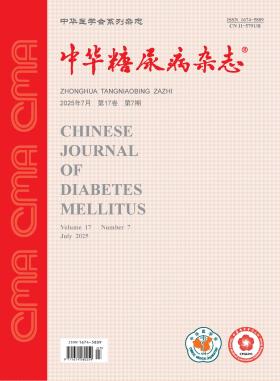
Volume 17 · Issue 07 · 2025
MedNexus
- Sections
- Special Article
- Criterion and Guide
- Original Article
- Review Article
January 2025,Lancet Diabetes EndocrinolThe journal published the article "Definition and Diagnostic Criteria of Clinical Obesity", which was reached by 58 experts around the world through multiple rounds of Delphi questionnaires, and was recognized by 75 professional societies, reflecting the international multidisciplinary consensus. The author combines the recent expert consensus and clinical guidelines on weight management of obesity and diabetes at home and abroad to make an in-depth interpretation of this article. It mainly covers the following contents: the definition of obesity, whether obesity should be included in the category of diseases and its far-reaching impact on clinical practice, public health and society, the definition and management norms of clinical obesity and subclinical obesity, the adverse effects caused by obesity, how to correctly treat obesity, obesity and weight management of diabetic patients. Because obesity is affected by multiple factors such as race, gender, genetics, environment, etc., a single body mass index (BMI) cut-off point (e.g.>40 kg/m²) is not applicable to China, and its intervention needs to incorporate multi-dimensional determinants (e.g. medical history, living environment, personal preferences and motivations) comprehensive consideration, and implement personalized weight loss strategies, including lifestyle and nutritional therapy, drug or metabolic surgery, etc. It is hoped that through the interpretation of this article, it is reminded that the clinical need to combine the obesity characteristics of the Chinese population and carry out more targeted weight loss treatment.
Diabetic nephropathy (DKD) is a chronic kidney disease caused by diabetes. It is one of the common and serious chronic complications of diabetic patients, and it is also the main cause of end-stage kidney disease (ESKD). The early and accurate diagnosis of DKD and the assessment of its progression risk are of great clinical significance for the classification management and personalized treatment of diabetic patients. At present, urinary albumin/creatinine ratio (UACR) and estimated glomerular filtration rate (eGFR) are the main basis for the diagnosis of DKD. With the development of molecular biology technology, exploring new biomarkers with higher sensitivity and specificity has important clinical application value for early screening and prognosis assessment of DKD. In order to help clinicians and other medical professionals better identify and manage DKD, many domestic experts in the field of diabetes and kidney disease formed the writing group of "Expert Consensus on Early Screening and Management of Diabetic Kidney Disease". Referring to the latest research results and guidelines at home and abroad, combined with the actual situation in China, we wrote "Expert Consensus on Early Screening and Management of Diabetic Kidney Disease (2025 Edition)". The content covers the definition of DKD, risk factors, diagnostic criteria, traditional screening and evaluation indicators, novel biomarkers, screening process, post-screening management, etc., aiming to provide clinical diagnosis and treatment guidance, in order to improve the early diagnosis rate of DKD, optimize disease management strategies, and ultimately improve patient prognosis.
Obesity is closely related to the occurrence and development of many chronic diseases. Weight management of overweight or obese patients can significantly reduce obesity complications and improve the prognosis of chronic diseases. As obesity gradually becomes a major public health problem in China, the National Health Commission launched the "Weight Management Year" action plan in 2024 to promote the setting and management of weight management clinics in medical institutions, encourage multidisciplinary integration, promote technological innovation and development, and build an interdisciplinary accurate diagnosis and treatment system for obesity. Based on this, the Obesity Diagnosis and Treatment Alliance of Endocrinology and Metabolism Department, together with the Obesity Group of Endocrinology and Metabolism Department Branch of Chinese Medical Doctors Association, organized experts in related fields, referred to relevant diagnosis and treatment guidelines and consensus at home and abroad, and based on the previous practical experience and the actual situation in China, jointly formulated and wrote the Expert Guidance Opinions on the Construction of Weight Management Outpatient Clinic (2025 Edition), which mainly includes outpatient setting, standardized outpatient management, diagnosis and treatment services, follow-up, treatment and multidisciplinary team diagnosis and treatment, aiming to actively promote the standardized diagnosis and treatment of obesity and provide reference for institutions that need to set up weight management outpatient clinics.
To explore the association between sedentary time and the risk of prediabetes in Chinese adults.
This was a cohort study. Adult participants were collected from eight provinces in China as part of the 2010 China Chronic Disease and Risk Factor Surveillance Project, with one urban and one rural surveillance site selected in each province. Information on the baseline characteristics of the study subjects was collected, including age, sex, place of residence (urban or rural), fruit and vegetable intake, and sedentary time. Follow-up surveys were conducted from 2016 to 2017, with the outcome event being prediabetes. Sedentary time was categorized into four groups based on the usual daily duration:<4.0, 4.0-5.9, 6.0-7.9, and ≥8.0 h/d. An unconditional logistic regression model was used to analyze the association between sedentary time and the incidence of prediabetes, with subgroup analyses performed according to baseline characteristics and interaction analyses performed to assess the combined effects of sedentary time and other indicators on prediabetes.
A total of 5 676 adult participants were included in the study, with an average follow-up period of 6.42 years. Of these, 809 subjects developed prediabetes, giving an incidence density of 24.00 per 1 000 person-years. Unconditional logistic regression analysis showed that after adjusting for relevant confounding factors and using the <4.0 h/d group as the reference, the risk of developing prediabetes increased by 29% (OR=1.29, 95%CI 1.03-1.61) in the 6.0-7.9 h/d group and by 31% (OR=1.31, 95%CI 1.03-1.66) in the ≥8.0 h/d group. Subgroup analysis revealed that, compared with the <4.0 h/d group, the ≥8.0 h/d group had a higher risk of developing prediabetes among individuals aged 45-59 years (OR=1.64, 95%CI 1.08-2.49), females (OR=1.40, 95%CI 1.02-1.93), urban residents (OR=1.51, 95%CI 1.10-2.08), and those with insufficient fruit and vegetable intake (OR=1.39, 95 CI 1.00-1.94), with all P<0.05. Interaction analysis showed that there was an interaction effect between sedentary time and place of residence on the incidence of prediabetes (P for interaction<0.05).
Prolonged sedentary time increases the risk of prediabetes, particularly among individuals aged 45-59 years, females, urban residents, and those with low fruit and vegetable consumption.
To classify individuals with prediabetes into distinct subtypes using cluster analysis and to assess their associated prognostic risks.
This was a cohort study. Prediabetic patients from the China Health and Retirement Longitudinal Study (CHARLS; 2011—2020) and the English Longitudinal Study of Ageing (ELSA; 2008—2018) were selected as research subjects. The analysis was conducted in CHARLS and validated in ELSA. General information and laboratory indicators of patients were collected, including age, sex, education level, marital status, place of residence, smoking status, drinking status, height, weight, blood pressure, comorbidities, as well as fasting plasma glucose (FPG), glycated hemoglobin A1c (HbA1c), total cholesterol (TC), triglycerides (TG), low-density lipoprotein cholesterol (LDL-C), high-density lipoprotein cholesterol (HDL-C) and other indicators. Body mass index (BMI) was calculated using height and weight measurements. Consensus clustering was used to determine the optimal number of clusters, and K-means was used for clustering. Jaccard similarity was applied to evaluate cluster stability. Cox proportional hazards models were used to compare the risks of type 2 diabetes mellitus (T2DM) and cardiovascular disease (CVD).
A total of 3 340 prediabetic patients were included in CHARLS, and 1 529 prediabetic patients were included in ELSA. Six metabolic indicators including systolic blood pressure (SBP), HDL-C, LDL-C, FPG, HbA1c, and BMI were ultimately determined as clustering variables. The optimal number of clusters was determined to be seven. Seven reproducible subtypes of prediabetic patients were identified: cluster 1 (646 cases, 9.34%, normal metabolic indicators subtype); cluster 2 (532 cases, 15.93%, high HDL-C subtype); cluster 3 (351 cases, 10.51%, hypertension subtype); cluster 4 (467 cases, 13.98%, high HbA1c subtype); cluster 5 (435 cases, 13.02%, high LDL-C subtype); cluster 6 (468 cases, 14.01%, high BMI subtype); and cluster 7 (441 cases, 13.20%, hyperglycemia subtype). We identified seven replicable clusters of prediabetes patients that exhibited significant differences in metabolic characteristics and risks of T2DM and CVD. Individuals in the high HbA1c subtype, high LDL-C subtype, high BMI subtype, and high FPG subtype had significantly higher risks of T2DM than those in normal metabolic indicators subtype (HR 1.49,95%CI 1.06-2.08; HR 1.54, 95%CI 1.11-2.15; HR 2.72, 95%CI 2.00-3.70; HR 2.75, 95%CI 2.03-3.74, respectively), while the hypertension subtype had the highest CVD risk (HR 1.52, 95%CI 1.16-2.01).
We categorized patients into seven clusters that exhibited differences in metabolic characteristics and risks of T2DM and CVD. This classification could help to identify the populations that would benefit most from early intervention for risk factors.
To develop and validate a prediction model for diabetic foot ulcer (DFU) based on a diabetes database.
This cross-sectional study was based on the diabetes database in Central Hospital of Wuhan, Tongji Medical College, Huazhong University of Science and Technology. Clinical data of 2 432 diabetic patients were collected using standardized procedures, including body mass index (BMI), the proportion of patients of BMI ≥24.0 kg/m², abnormal foot skin color, weak or absent foot artery pulsation, callus formation, and history of foot ulcers. Using simple random sampling method, 2 432 diabetic patients were divided into a model development cohort (n=1 702) and an external validation cohort (n=730) in a ratio of 7∶3. Multivariate logistic regression analysis was used to identify independent risk factors for DFU. The discriminative ability of the model was assessed using the area under curve (AUC) of the receiver operating characteristic (ROC). Brier score was calculated to evaluate the overall performance of the model, with lower scores indicating better prediction accuracy. In addition, concordance index (C-index) was used to assess the discriminative ability of the model, with values closer to 1 indicating stronger discriminative ability.
In the model development cohort, the AUC of DFU patients was 0.815 (95%CI 0.807-0.823, P<0.001), and the Brier score was 0.127. In the external validation cohort, the AUC was 0.807 (95%CI 0.794-0.820, P<0.001), and the Brier score was 0.131. Multivariate logistic regression analysis identified five independent risk factors for DFU: BMI ≥24.0 kg/m² (OR=1.56, 95%CI 1.32-1.85, P<0.001), abnormal foot skin color (OR=2.14, 95%CI 1.76-2.60, P<0.001), weak or absent foot artery pulsation (OR=1.89, 95%CI 1.58-2.26, P<0.001), callus formation (OR=2.37, 95%CI 1.95-2.88, P<0.001), and history of foot ulcers (OR=3.42, 95%CI 2.81-4.16, P<0.001). A prediction nomogram for DFU was constructed based on these identified independent risk factors. The nomogram showed good discriminative ability in both the model development cohort [C-index: 0.816 (95%CI 0.808-0.824, P<0.001)] and external validation cohort [C-index: 0.809 (95%CI 0.796-0.822, P<0.001)]. According to the nomogram scores, patients were classified into low-risk (<160 points), moderate-risk (160-240 points), and high-risk (>240 points) groups. The actual incidence rates of DFU in these three groups were 2.5% (10/400), 8.8% (22/250), and 23.2% (58/250), respectively, with statistically significant differences between groups (χ²=73.80, P<0.001).
This study has developed a highly accurate and well-performing model for predicting DFU based on a diabetes database.
To explore the relationship between self-management abilities and continuous glucose monitoring (CGM)-derived glycemic control metrics in adult patients with type 1 diabetes mellitus (T1DM).
This was a cross-sectional study. Adult T1DM patients from the follow-up cohort at Second Xiangya Hospital who wore Freestyle Libre CGM devices for more than 14 days between April 2019 and April 2022 were enrolled. Demographic data, clinical information, and daily glucose readings were collected. Self-management ability was assessed using the self-management scale of T1DM for Chinese adults (SMOD-CA). Glycemic control targets were defined according to the following guidelines or consensus: glycated hemoglobin A1c (HbA1c)<7%, time in range (TIR)>70%, time below range (TBR)<4%, time above range (TAR)<25%, coefficient of variation (CV)<36%, and glycemia risk index (GRI)≤40. Between-group comparisons were made using t-tests, Mann-Whitney U tests, and χ2 tests. Logistic regression analysis was employed to explore the association between self-management ability and achieving glycemic control targets. The optimal threshold for self-management ability scores was determined through receiver operating characteristic (ROC) curve analysis.
A total of 107 adult T1DM patients were included in this study, with a median age of 31 (22, 36) years and a median disease duration of 2.4 (1.1, 5.2) years. Patients who met glycemic control targets, such as TIR>70%, TAR<25%, CV<36%, and GRI≤40, had significantly higher self-management scores than those who did not meet these targets (all P<0.05). Multivariate logistic regression analysis, adjusted for factors such as sex, age, age of onset, diabetes duration, treatment method, fasting C-peptide, and 2-hour postprandial C-peptide, showed that patients with stronger self-management abilities were more likely to achieve TIR>70% (OR=1.07, 95%CI 1.02-1.11, P=0.002), TAR<25% (OR=1.06, 95%CI 1.02-1.11, P=0.006), CV<36% (OR=1.06, 95%CI 1.02-1.11, P=0.003), and GRI≤40 (OR=1.06, 95%CI 1.02-1.11, P=0.006). Notably, patients with higher scores in disease management collaboration and problem-solving skills had better glycemic control. Further analysis indicated that patients with a self-management score of ≥90 were more likely to achieve glycemic targets.
This study demonstrates a strong correlation between self-management abilities and CGM-derived glycemic control metrics in adult T1DM patients. Improved self-management is associated with better glycemic control.
To explore the association between the hemoglobin, albumin, lymphocyte, and platelet (HALP) score and the risk of all-cause mortality in patients with diabetic foot ulcer (DFU).
This was a retrospective cohort study. Consecutive DFU patients admitted to the Department of Endocrinology at the Northern Jiangsu People′s Hospital between January 2015 and December 2018 were included as study subjects. Baseline data, including age, sex, severity of foot ulcers, and history of amputation, were collected. Baseline hemoglobin, albumin, lymphocyte count, and platelet count results were collected to calculate the HALP score. Patients were categorized into three groups based on their baseline HALP score tertiles: Q1 (HALP<20), Q2 (20≤HALP<40), and Q3 (HALP≥40). The patients were followed up for 3 years, with the study endpoint being the occurrence of the outcome event (all-cause death) or the end of the study (December 2021). Kaplan-Meier survival curves were plotted, and the log-rank test was used to compare the differences in cumulative all-cause mortality among the three groups. The Cox proportional hazards regression model was used to analyze the effect of the HALP score on the risk of all-cause mortality. Restricted cubic spline (RCS) curves were used to analyze the relationship between the HALP score and the risk of all-cause mortality. The ROC curve was used to analyze the predictive value of the HALP score for all-cause mortality in DFU patients.
A total of 150 DFU patients were included, with an average age of (64.7±11.4) years, and 65.3% (98/150) were male. Among them, 50 patients were in the Q1 group, 50 in the Q2 group, and 50 in the Q3 group. After a median follow-up period of (28.1±13.0) months, the all-cause mortality rate was 30.7% (46/150). Kaplan-Meier curve analysis showed that the cumulative all-cause mortality rates among the three groups were significantly different, with a decreasing trend in cumulative all-cause mortality with increasing HALP score (log-rank test χ2=25.86, P<0.01). Even after adjusting for multiple confounding factors, multivariate Cox regression analysis showed that the HALP score was an independent protective factor against all-cause mortality in DFU patients. Compared to the Q1 group, the risk of all-cause mortality in the Q2 and Q3 groups was reduced by 68% (HR=0.32, 95%CI 0.13-0.76) and 82% (HR=0.18, 95%CI 0.06-0.48), respectively. RCS curve analysis revealed that as the HALP score decreased, the risk of all-cause mortality increased, with a clear negative correlation. The ROC curve results indicated that the HALP score was a strong predictor of all-cause mortality in DFU patients, with an area under the curve of 0.748 (95%CI 0.661-0.836), a sensitivity of 65.22%, a specificity of 78.85%, and an optimal cutoff point of 20.8.
The HALP score is closely related to all-cause mortality in patients with DFU. A lower HALP score is associated with an increased risk of all-cause mortality in DFU patients.
To investigate the association between body roundness index (BRI) and the incidence of type 2 diabetes mellitus (T2DM), and to compare the predictive value of BRI and body mass index (BMI) for T2DM risk.
This was a retrospective cohort study. Data were extracted from the NAFLD in the Gifu area, longitudinal analysis (NAGALA) dataset, which was available in the Dryad public database. This dataset included individuals who did not have diabetes at baseline. The baseline variables included sex, age, waist circumference, height, weight, systolic blood pressure, alanine aminotransferase (ALT), and triglycerides (TG) levels. BRI was calculated based on waist circumference and height, while BMI was calculated from height and weight. All participants were monitored for incident T2DM, which was defined according to the diagnostic criteria of the American Diabetes Association. Participants were divided into quartiles (Q1-Q4) based on BRI levels: Q1 (BRI≤2.096 3), Q2 (2.096 3<BRI≤2.637 3), Q3 (2.637 3<BRI≤3.255 0) and Q4 (BRI>3.255 0). Cox proportional hazards models were used to evaluate the association between BRI levels and the risk of developing T2DM. Kaplan-Meier survival curves and the log-rank test were used to compare the cumulative incidences across different quartile groups. Receiver operating characteristic (ROC) curve analysis was performed to compare the predictive ability of BRI and BMI for 3-, 5-, and 10-year T2DM incidence, using the area under the curve (AUC).
A total of 15 453 participants were included in the final analysis. Among them, there were 3 864 cases in group Q1, 3 863 cases in group Q2, 3 863 cases in group Q3, and 3 863 cases in group Q4. The median follow-up period was 5.39 years. During follow-up, 373 participants (2.4%) developed T2DM. Multivariate Cox regression analysis showed that, after adjustment for sex, age, BMI, systolic blood pressure, ALT, and TG, a higher BRI was still significantly associated with an increased risk of T2DM (HR=1.65, 95%CI 1.35-2.03, P<0.05). Kaplan-Meier analysis showed a stepwise increase in T2DM incidence from Q1 to Q4 (log-rank P<0.001). ROC curve analysis revealed that the AUC for BRI in predicting 3-, 5-, and 10-year T2DM risk were 0.717 (95%CI 0.665-0.770), 0.757 (95%CI 0.717-0.796), and 0.766 (95%CI 0.737-0.796), respectively; these were higher than the corresponding BMI values [AUC: 0.711 (95%CI 0.656-0.766), 0.743 (95%CI 0.700-0.786), and 0.743 (95%CI 0.711-0.774), respectively].
A higher BRI is independently associated with an increased risk of developing T2DM. Compared to BMI, BRI is more effective at identifying individuals at high risk of developing T2DM.
To investigate the effects of Omicron variant infection on pancreatic β-cell function during the acute phase and recovery phase in patients with type 2 diabetes mellitus (T2DM).
T2DM patients admitted to the First Affiliated Hospital of Zhengzhou University from December 2021 to December 2023 were enrolled in this study. Patients diagnosed with an Omicron infection from December 2022 to January 2023 were assigned to the infected group (309 cases), while patients hospitalized from December 2021 to January 2022 with no history of infection were included in the non-infected group (580 cases). Patients with complete pre-infection metabolic data who underwent re-examination ≥6 months after testing negative for nucleic acid/antigen were included in recovery group (251 cases). The age, duration of diabetes, and body mass index (BMI) of the research subjects were collected, and indicators such as alanine aminotransferase (ALT), aspartate aminotransferase (AST), serum creatinine (Cr), total cholesterol (TC), triglycerides (TG), and glycated hemoglobin A1c (HbA1c) were detected. Pancreatic β-cell function was assessed using the postprandial C-peptide to glucose ratio (PCPRI) and C-peptide release index (CRI). Paired-sample t-tests, non-parametric tests, and chi-square tests were used to compare clinical characteristics between groups. Multiple linear regression analysis was used to identify the influencing factors of pancreatic islet β-cell function.
The infection group exhibited significantly lower PCPRI [1.25 (0.77, 2.03) vs. 1.61 (1.05, 2.71), respectively] and CRI [0.20 (0.13, 0.32) vs. 0.27 (0.17, 0.45), respectively] compared to the non-infected group (both P<0.001). The results of multiple linear regression analysis showed that, after adjusting for age, duration of diabetes, BMI, ALT, AST, Cr, TC, TG and HbA1c, Omicron infection was independently associated with reduced PCPRI (β=-0.328, 95%CI -0.552 to -0.105) and CRI (β=-0.055, 95%CI -0.086 to -0.024) (both P<0.01). At ≥6 months post-recovery, no significant differences were observed in PCPRI [1.66 (0.96, 2.86) vs. 1.79 (1.04, 3.10), respectively] or CRI [0.26 (0.17, 0.46) vs. 0.30 (0.18, 0.48), respectively] compared to pre-infection levels (both P>0.05).
Omicron variant infection causes acute impairment of pancreatic β-cell function in T2DM patients, but no persistent impact is observed 6 months after recovery.
To investigate the relationship between systemic immune-inflammation index (SII) and amputation in patients with diabetic foot ulcer (DFU).
This was a cross-sectional study. DFU patients hospitalized in the Department of Endocrinology, Ninth Medical Center, PLA General Hospital from January 2020 to December 2023 were continuously selected as study subjects. Age, diabetes course, history of antibiotic use, serum albumin (ALB), white blood cell count (WBC), C-reactive protein (CRP), erythrocyte sedimentation rate (ESR), peripheral arterial disease (PAD) and Wagner grade were collected. SII was calculated according to platelet, neutrophil and lymphocyte counts. According to the outcome of amputation, they were divided into amputation group and non-amputation group. Two independent samples t test, Mann-Whitney U test or χ2 test were used for comparison between groups. Multivariate logistic regression analysis was used to explore the influencing factors of amputation. The receiver operating characteristic (ROC) curve was used to evaluate the diagnostic efficacy of SII for DFU amputation, and the area under ROC curve (AUC) was calculated.
A total of 328 DFU patients were included. There were 96 cases in amputation group and 232 cases in non-amputation group. In the amputation group, the rate of major amputation was 0.3% (1/328) and the rate of minor amputation was 29.0% (95/328). Compared with the non-amputation group, patients in the amputation group had younger age, shorter duration of diabetes, higher rates of antibiotic use, proportion of combined PAD, WBC, CRP, ESR, SII, and lower ALB (all P<0.05). Multivariate logistic regression analysis showed that CRP (OR=1.011, 95%CI 1.000-1.023), SII (OR=1.200, 95%CI 1.000-1.400), combined PAD (OR=3.902, 95%CI 1.825-8.342) and Wagner scale (OR=2.379, 95%CI 1.325-4.274) were independent factors for amputation in DFU patients. Binary logistic regression analysis of the effect of SII on amputation in DFU patients showed that the risk of amputation in DFU patients increased with the increase of SII (P trend<0.001). The ROC curve showed that the AUC of CRP and SII alone and combined detection in predicting amputation of DFU patients were 0.662, 0.663 and 0.784, respectively, and the specificity was 64.0%, 73.4% and 62.3%, respectively.
SII is closely related to amputation in DFU patients with high specificity. In clinical practice, SII can be used in combination with CRP to identify DFU patients at high risk of amputation.
To systematically evaluate the association between the consumption of takeaway food and the risk of overweight and obesity.
A literature search was conducted in the PubMed, Web of Science, Embase, Cochrane Library, Scopus, CNKI, Wanfang, VIP, and CBM databases for studies on takeaway food consumption and overweight/obesity from inception to April 23, 2025. Literature was screened based on the inclusion and exclusion criteria, followed by data extraction and a risk of bias assessment. Meta-analysis was conducted using RevMan 5.3 and Stata 14.0 software, while dose-response analysis was performed using R Studio software.
A total of 43 studies involving 737 000 participants were included in the analysis. Meta-analysis showed that takeaway food consumption was significantly associated with increased risk of overweight and obesity (OR=1.20, 95%CI 1.07-1.34). Dose-response Meta-analysis revealed a J-shaped non-linear relationship between frequency of takeaway food consumption and the risk of overweight and obesity. When takeaway consumption frequency reached 7 times per week, the risk of overweight and obesity became statistical significance (OR=1.14, 95%CI 1.03-1.26). Beyond this frequency, the risk of overweight and obesity continued to increase, with a 180% increase in the risk of overweight and obesity when consuming 15 times per week (OR=2.80, 95%CI 1.76-4.48). Users of takeaway food had an approximately 228 kcal increase in daily energy intake and an elevated fat proportion. This association was observed in both adult and adolescent populations, and was more pronounced in Europe, America, and Oceania. Sensitivity analysis showed stable results, but Egger′s test indicated publication bias (P=0.008).
Takeaway food consumption is associated with the risk of overweight and obesity. It is recommended that targeted public health policies be formulated to regulate the development of the takeaway industry, promote healthy eating habits and prevent overweight, obesity, and related chronic diseases.
To investigate the spatial distribution and characteristics of CK19+AMY+C-PEP+ triple-positive cells in the pancreatic tissues of adults with type 2 diabetes mellitus (T2DM).
For this study, pancreatic samples were collected from organ donors in the Organ Transplant Department of Tianjin First Central Hospital from Jane 2016 to June 2024. According to the “Guideline for the prevention and treatment of diabetes mellitus in China (2024 edition)”, the subjects were divided into a non-diabetic group [glycated hemoglobin A1c (HbA1c)≤6.4% and no history of diabetes] and a T2DM group (HbA1c≥6.5% or a history of T2DM). Height and weight of the subjects were collected to calculate body mass index (BMI). The levels of HbA1c, total cholesterol (TC), triglycerides (TG), high-density lipoprotein cholesterol (HDL-C), and low-density lipoprotein cholesterol (LDL-C) were measured. Quadruple immunofluorescence staining was performed to assess the density and spatial distribution of CK19+AMY+C-PEP+ triple-positive cells. Differences between groups were analyzed using independent sample t-tests. Furthermore, simple linear regression analysis was used to examine the correlations between the density of CK19+AMY+C-PEP+ triple-positive cells and HbA1c, BMI, TG, TC, HDL-C, and LDL-C.
This study included a total of 25 organ donors, with 14 in the non-diabetic group and 11 in the T2DM group. Quadruple immunofluorescence staining revealed that CK19+AMY+C-PEP+ triple-positive cells were predominantly found in the pancreatic ductal regions. Compared to the non-diabetic group, the density of CK19+AMY+C-PEP+ triple-positive cells was significantly higher in the pancreatic tissue of the T2DM group (P<0.001). Simple linear regression analysis showed that a positive correlation between the density of CK19+AMY+C-PEP+ cells and HbA1c (r=0.630, P<0.001) and triglycerides (TG) (r=0.709, P=0.001), though no such relationship was observed with BMI or cholesterol metabolism indicators (including TC, HDL-C, and LDL-C) (all P>0.05).
β-cell neogenesis originating from the ductal-acinar axis is significantly increased in the pancreas of T2DM patientsand positively correlates with HbA1c and TG.
Metabolic associated fatty liver disease (MASLD) is the first chronic liver disease in China. In recent years, the clinical application of incretin-based drugs is increasing day by day. Dual-or triple-target agonists composed of glucagon-like peptide-1, glucose-dependent insulinotropic polypeptide or glucagon have shown great potential in reducing liver fat deposition and liver fibrosis progression of MASLD. Incretin exerts biological activity by activating corresponding receptors and their downstream signaling pathways, promoting fat β-oxidation, inhibiting adipogenesis and regulating cholesterol synthesis to regulate liver lipid metabolism, improve mitochondrial function, reduce liver inflammation and fibrosis, and realize multi-dimensional regulation of energy metabolism balance. Incretin polyreceptor agonists can significantly reduce liver fat mass in MASLD patients, and can delay the progression of liver fibrosis to some extent. This article begins with the mechanism of action and clinical trials of incretin drugs on MASLD, and discusses the clinical benefits of incretin drugs on MASLD management.
Metabolic associated fatty liver disease (MAFLD), as the most common chronic liver disease, is the main cause of liver transplantation and liver-related death. Exploring the pathogenesis of MAFLD is very important to delay the progression of MAFLD and find its key therapeutic targets. The activation of adenylate-activated protein kinase (AMPK) signaling pathway is involved in multiple pathophysiological disorders of MAFLD, such as lipid metabolism disorders, autophagy, insulin resistance, oxidative stress, and inflammatory damage. In this paper, the role of AMPK signaling pathway in MAFLD and its possible mechanism were reviewed from the above aspects.
The difficulty of diabetic wound healing has always been a difficult problem for clinicians. In recent years, extracellular vesicles derived from mesenchymal stem cells have gradually become the research hotspot for the treatment of various diseases. Although most of the research focuses on exosomes and microvesicles, apoptotic bodies, as a unique extracellular vesicle, are gradually revealing their potential therapeutic effects in regulating inflammatory response and promoting tissue regeneration, especially in the field of diabetic wound treatment, showing good application potential. This paper reviews the research progress of apoptotic bodies derived from mesenchymal stem cells in the treatment of diabetic wounds, aiming to provide new therapeutic ideas for the treatment of diabetic wounds.
Diabetic nephropathy (DKD) is currently the leading cause of chronic kidney disease and end-stage kidney disease worldwide, and its incidence is increasing year by year. Perirenal fat (PRAT) is a special type of adipose tissue around the kidney. Studies have shown that PRAT is an independent risk factor for DKD, which may impair renal function through its unique biological properties. This article reviews the anatomy of PRAT, its relationship with DKD, related mechanisms and treatment, so as to provide research perspectives and treatment strategies for the diagnosis and treatment of DKD.
Obesity can increase the visceral fat content of the body, and may cause excess fat to deposit in non-adipose tissues such as liver, pancreas, muscle, heart and kidney, forming ectopic fat. Visceral/ectopic fat may lead to insulin resistance, impair pancreatic beta cell function and insulin secretion, and affect liver glucose metabolism, which is closely related to the occurrence and development of type 2 diabetes mellitus (T2DM). Weight loss treatments, such as lifestyle interventions, metabolic surgery, and incretin drugs can improve ectopic fat deposition and reduce body weight. In this paper, the hypothesis of the action mechanism of visceral fat and ectopic fat in the occurrence and development of T2DM and the main treatment strategies for improving ectopic fat deposition are summarized, so as to provide reference for the clinical management of ectopic fat in T2DM.
CURRENT ISSUE