MedNexus
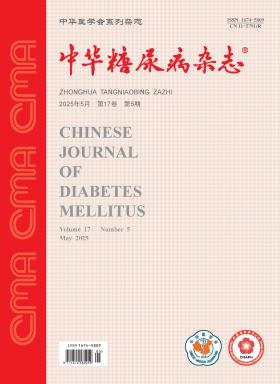
Volume 17 · Issue 05 · 2025
MedNexus
- Sections
- Editorial
- Original Article
- Experience Exchange
- Case Report
- Review Article
Metabolic associated fatty liver disease (MAFLD) is the most prevalent chronic liver disease in the world today. MAFLD is not only manifested by excessive accumulation of liver fat, which leads to adverse consequences such as hepatitis and liver fibrosis progression and liver cirrhosis, but also intertwined with various metabolic diseases such as obesity and type 2 diabetes, which poses a huge challenge to human health. Therefore, the medical community has gradually realized that MAFLD is not an isolated liver problem, but a manifestation of metabolic dysfunction in the liver. In recent years, the change in the nomenclature of this disease from "non-alcoholic fatty liver disease (NAFLD)" to "metabolically related fatty liver disease (MAFLD)" also reflects the awareness and emphasis on its underlying etiology. Many patients with MAFLD are first diagnosed in the endocrinology department, which highlights the key role of endocrinology in the early screening and management of MAFLD. At present, many international and domestic relevant guidelines unanimously recommend that the endocrinology department be responsible for the screening and risk stratification of MAFLD, and timely identify and intervene high-risk patients. Although there are currently limited drug-specific treatment options for MAFLD, treatment that improves endocrine metabolism is considered an important basic management mode. Endocrinologists face multiple challenges in managing MAFLD, but by increasing the emphasis on the disease and establishing an interdisciplinary treatment model centered on endocrinology, there will be new hope for improving disease management and enhancing patient outcomes.
To investigate the association between levels of glycemic control and intestinal permeability, gut microbiota, serum metabolites and metabolism pathways in adults with type 1 diabetes mellitus (T1DM).
This was a cross-sectional study. Demographic and clinical data of adult T1DM patients enrolled in T1D China Registry Study at the Third Affiliated Hospital of Sun Yat-sen University from May 1, 2018 to April 30, 2021 were collected. Based on glycated hemoglobin A1c (HbA1c) levels, participants were divided into well-controlled group (HbA1c<7.0%, 26 cases) and suboptimallycontrolled group (HbA1c ≥7.0%, 32 cases). All subjects underwent intestinal microbiota genome sequencing and non-targeted metabolomics sequencing. Using Zonulin levels to represent the intestinal permeability level of T1DM patients, Wilcoxon rank sum test was used to compare Zonulin levels between the two groups. Linear discriminant analysis, fold change analysis, and Kyoto Encyclopedia of Genes and Genomes enrichment analysis were applied to identify differential microbiota, metabolites, and metabolic pathways between the two groups based on microbiome and metabolomic data. Additionally, Spearman correlation analysis was used to analyze the correlation between HbA1c and Zonulin, intestinal flora, serum metabolites and clinical parameters and Zonulin. Multivariate logistic regression analysis was used to evaluate the relationship between HbA1c and serum Zonulin in patients with T1DM.
The Zonulin level was significantly associated with HbA1c (r=0.33, P<0.05). Differences in gut microbiota, and serum metabolites were observed between the well-controlled and suboptimally-controlled groups. The relative abundances of Enterobacterales (order), Clostridia_UCG-014 (order), Enterobacteriaceae (family), Clostridia_UCG-014 (family), Clostridia_UCG-014 (genus), Odoribacter, Bacteroides coprocola, Odoribacter splanchnicus, Bifidobacterium breve, Parabacteroides faecis, and Alistipes obesi were higher in suboptimally-controlled groups, while the relative abundances of Veillonella, Anaerostipes, Anaerostipes hadrus, and Veillonella dispar were higher in fecal samples of patients with good blood glucose control. The relative abundances of Enterobacterales (order), Clostridia_UCG-014 (order), Enterobacteriaceae (family), Clostridia_UCG-014 (family), Clostridia_UCG-014 (genus), Odoribacter, Bacteroides coprocola, Odoribacter splanchnicus, Bifidobacterium breve, Parabacteroides faecis, and Alistipes obesi were higher in the well-controlled group. Fold change analysis and Kyoto Encyclopedia of Genes and Genomes enrichment analysis revealed 37 significantly up-regulated annotated metabolites in suboptimally-controlled groups, which were enriched in caffeine metabolism and tryptophan metabolism, and 29 significantly down-regulated annotated metabolites, whichwere enriched in the pantothenate acid and coenzyme A biosynthesis, β-alanine metabolism, galactose metabolism, pyrimidine metabolism, and purine metabolism. Bifidobacterium breve and Bacteroides coprocola were found to have significant correlations with both Zonulin (r=-0.33, 0.31, respectively, P<0.05) and HbA1c (r=-0.36, 0.35, respectively, P<0.05). (Dimethoxymethyl) benzene, guaifenesin, and carbamorp had significant negative correlations with both Zonulin (r=-0.38, -0.35, -0.31, respectively, P<0.05) and HbA1c (r=-0.42, -0.39, -0.39, respectively, P<0.05).
Intestinal permeability, gut microbiota, and serum metabolites are associated with glycemic control in T1DM patients. Targeting the regulation of intestinal permeability or gut microbiota that may affect glycemic control, such as Bifidobacterium breve and Bacteroides coprocola, might become potential new strategies for glycemic control in T1DM patients.
To investigate the association between the stress hyperglycemia ratio (SHR) and the risk of incident diabetes and all-cause mortality in a non-diabetic population.
This retrospective cohort study utilized data from the China health and retirement longitudinal study (CHARLS) database (2011-2020). Participants without diabetes at baseline in 2011 were included. Baseline fasting plasma glucose (FPG) and glycated hemoglobin A1c (HbA1c) levels were collected, and SHR was calculated. Participants were divided into quartiles based on SHR: Q1 (SHR≤0.927), Q2 (0.927<SHR≤1.019), Q3 (1.019<SHR≤1.131), and Q4 (SHR>1.131). Follow-up was performed to assess the outcomes of incident diabetes and all-cause mortality. Kruskal-Wallis trend test or Pearson chi-square test was used to compare the change trend of relevant indicators among the four groups. Multivariable Cox proportional hazards regression models were used to evaluate the association between SHR and incident diabetes as well as all-cause mortality. Restricted cubic spline (RCS) regression models were used to further explore the associations. Kaplan-Meier survival curves were plotted and log-rank test was used to compare survival rates between groups.
A total of 9 295 non-diabetic adults were included. There were 2 322 cases in group Q1, 2 321 cases in group Q2, 2 327 cases in group Q3 and 2 325 cases in group Q4. Over a median follow-up period of (8.84±0.90) years, the incidence of diabetes was 8.3% (775/9 295), and the all-cause mortality rate was 3.5% (329/9 295). Trend analysis revealed that both the incidence of diabetes and all-cause mortality of study subjects from group Q1 to Q4 showed an increasing trend (P for trend<0.05). After adjusting for multiple confounders, Cox regression analysis showed that participants in Q4 had a 58% higher risk of incident diabetes compared to those in Q1 (HR=1.58, 95%CI 1.12-2.23, P<0.001). Additionally, for each unit increase in SHR, the risk of all-cause mortality increased by 88% (HR=1.88, 95%CI 1.22-2.91, P=0.005). RCS analysis showed a non-linear association between SHR and incident diabetes (P for overall association<0.001, P for nonlinearity=0.003), with the lowest risk observed at an SHR value of 0.938. Beyond this threshold, the risk of incident diabetes increased. In contrast, a linear relationship was observed between SHR and all-cause mortality (P for overall association <0.001, P for non linearity=0.160). Kaplan-Meier survival analysis showed significant differences in all-cause mortality among the four groups (log-rank P=0.006), with the highest mortality rate observed in Q4.
SHR is significantly associated with both incident diabetes and all-cause mortality in a non-diabetic population. As SHR increases, so does the risk of incident diabetes and all-cause mortality.
To investigate the relationship between serum lipoprotein-associated phospholipase A2 (Lp-PLA2), soluble growth stimulation expressed gene 2 protein (sST2) and coronary artery disease in type 2 diabetes mellitus (T2DM) over 60 years old.
In this cross-sectional study, T2DM patients over 60 years of age who underwent coronary angiography at Taizhou People′s Hospital Affiliated to Nanjing Medical University from January 2022 to April 2024 were included. Data on sex, age, diabetes duration, height, weight [body mass index (BMI) calculated from height and weight], fasting plasma glucose (FPG), glycated hemoglobin A1c (HbA1c), triglyceride (TG), total cholesterol (TC), low-density lipoprotein cholesterol (LDL-C), high-density lipoprotein cholesterol (HDL-C), Lp-PLA2 and sST2 were collected, and the Gensini scores were calculated based on the internationally recognized Gensini score. Patients were divided into T2DM alone and T2DM combined with coronary heart disease (CHD) groups according to the presence or absence of CHD. T2DM combined with CHD group was further divided into three subgroups based on the tertiles of Gensini score: mild stenosis group (Gensini score<22), moderate stenosis group (Gensini score 22-34), and severe stenosis group (Gensini score>34). t-test or one-way analysis of variance (ANOVA), Mann-Whitney U test or Chi-square test were used to compare differences between two or three groups. Spearman correlation analysis was used to assess the correlation between Gensini score and associated indicators. Multiple logistic regression analysis was used to identify the influencing factors of T2DM with CHD over 60 years old. Receiver operating characteristic (ROC) curve was used to evaluate the diagnostic value of Lp-PLA2 and sST2 for T2DM with CHD over 60 years, and the area under the curve (AUC) was calculated.
A total of 472 patients with T2DM over 60 years were included. There were 232 cases in T2DM alone group and 240 cases in T2DM with CHD group. Compared with T2DM alone, patients in T2DM with CHD group had higher Lp-PLA2 and sST2 (P<0.001). There were differences in Lp-PLA2 and sST2 among T2DM combined with CHD with different degrees of coronary stenosis, and a high Gensini score was associated with higher Lp-PLA2 and sST2 (P<0.001). Spearman correlation analysis showed that after adjusting sex, age, diabetes duration and BMI, Gensini score was positively correlated with FPG, HbA1c, TG, TC, LDL-C, Lp-PLA2, and sST2 (r=0.118, 0.171, 0.170, 0.215, 0.259, 0.411, and 0.607, respectively, all P<0.05), and negatively correlated with HDL-C (r=-0.248, P<0.001). Multivariate logistic regression analysis showed that diabetes duration (OR=1.059, 95%CI 1.015-1.106), HbA1c (OR=1.703, 95%CI 1.176-2.467), HDL-C (OR=0.017, 95%CI 0.003-0.080), LDL-C (OR=4.481, 95%CI 1.125-17.844), Lp-PLA2 (OR=1.011, 95%CI 1.005-1.017), and sST2 (OR=1.089, 95%CI 1.060-1.119) were independent influencing factors for T2DM with CHD over 60 years. ROC curve analysis showed that the AUC of Lp-PLA2 and sST2 for diagnosis of T2DM combined with CHD in patients over 60 years were 0.713 (95%CI 0.667-0.760) and 0.765 (95%CI 0.723-0.807), respectively. The AUC of the combined diagnosis of both was 0.813 (95%CI 0.775-0.851).
Lp-PLA2 and sST2 are closely associated with incident CHD in T2DM over 60 years and have some value in the diagnostic value for T2DM with CHD over 60 years. The combined detection of both has a higher diagnostic efficacy.
To explore the heterogeneity of insulin injection behaviors in patients with type 2 diabetes mellitus (T2DM) using cluster analysis and to identify the characteristics of different types, thereby constructing a decision tree model.
This study was a cross-sectional survey conducted using a convenience sampling method. Between December 1, 2021, and November 30, 2022, 353 hospitalized patients with T2DM were selected from Chu Hsien-I Memorial Hospital of Tianjin Medical University. Data were collected on patients′ demographic information, disease-related factors, and key insulin injection behaviors, including needle reuse, the injector (self-injection or reliance on others), injection site rotation, daily injection frequency, and warming of insulin prior to injection. Two-step cluster analysis was used to categorize these behavioral characteristics, and differences among groups were compared using analysis of variance (ANOVA), Kruskal-Wallis H tests, and χ2 tests. Additionally, patients were randomly divided into training set (245 cases) and validation set (108 cases) in a 7∶3 ratio to build a multi-class decision tree model, in order to provide tools for subsequent patient classification.
Among the 353 patients with T2DM, insulin injection behavior was classified into four types: the first type was "needle reuse type" (61 cases), characterized by the exclusive reuse of needles; the second type was "non-warming, reliance on others type" (76 cases), characterized by reliance on others for injection without warming beforehand; the third type was "single needle injection type" (87 cases), characterized by single needle use with the lowest rate of needle reuse; the fourth type was "needle reuse without site rotation type" (129 cases), characterized by no rotation of injection sites and exclusive needle reuse. Significant differences were observed among the four types of patients in terms of age, duration of insulin injection, daily insulin dosage, duration of diabetes, and incidence of subcutaneous lipohypertrophy (P<0.05). The constructed decision tree model performed well on the training set, with an accuracy of 0.935, sensitivity of 0.929, specificity of 0.977, positive predictive value of 0.942, negative predictive value of 0.980, and kappa value of 0.910. The verification set contained the above indicators: 0.963, 0.961, 0.987, 0.964, 0.988 and 0.949, respectively.
There is heterogeneity in the injection behavior of patients with T2DM. It is recommended that personalized injection education and management programs tailored to different behavior patterns be developed.
To analyze the current status and influencing factors of accepting semaglutide injection treatment in elderly patients with obese and type 2 diabetes mellitus (T2DM).
This was a cross-sectional study. A total of 372 cases of elderly patients aged 60 years old or older with obesity and T2DM were selected as research subjects in the First Ward of Department of Geriatrics, Henan Provincial People′s Hospital from January to December 2023. Based on Anderson behavior model, their general information, anxiety, depression, health literacy and other indicators were investigated. Based on their attitudes of acceptance of semaglutide injection treatment, they were divided into three groups: the accepted, the unclear, and the in-accepted. The comparisons between groups were made using χ2 test and one-way analysis of variance (ANOVA) test, and influencing factors of their acceptance of semaglutide injection treatment were analyzed using ordered multi-class logistic regression.
A total of 347 elderly obese patients with T2DM were finally included in this study, including 153 males and 194 females with an average age of (68.78±6.51) years. The rate of accepting semaglutide injection therapy was 25.94% (90/347), the rate of not accepting semaglutide injection therapy was 44.67% (155/347), and the rate of not knowing whether to accept semaglutide injection therapy was 29.39% (102/347) in 347 elderly patients with and obese T2DM. Ordered multiclass logistic regression analysis showed that age 60-64 years old (OR=7.099, 95%CI 1.719-29.283, P=0.007), age of 65-69 years old (OR=5.551, 95%CI 1.318-11.600, P=0.001), age 70-74 years old (OR=3.908, 95%CI 2.014-15.287, P=0.014), no acceptance other glucagon like peptide-1 receptor agonists injection treatment (OR=13.888, 95%CI 5.888-32.753, P<0.001), insufficient understanding knowledge of semaglutide (OR=0.336, 95%CI 0.140-0.809, P=0.015), no injection fear (OR=6.360, 95%CI 3.166-12.884, P<0.001), score of anxiety (OR=0.910, 95%CI 0.868-0.955, P<0.001), score of depression (OR=0.919, 95%CI 0.879-0.961, P<0.001), score of health literacy (OR=1.172, 95%CI 1.112-1.236, P<0.001), score of perceived doctor′s service attitude (OR=1.124, 95%CI 1.018-1.104, P=0.005), score of social support (OR=1.124, 95%CI 1.050-1.203, P=0.001), score of family care (OR=1.493, 95%CI 1.153-1.935, P=0.002), score of weight loss intention (OR=1.164, 95%CI 1.002-1.354, P=0.046), score of health empowerment needs (OR=1.097, 95%CI 1.048-1.149, P<0.001) and score of self-management (OR=1.168, 95%CI 1.102-1.239, P<0.001) were all significant influencing factors on accepting semaglutide injection treatment in elderly patients with obese and T2DM.
The number of elderly patients with obese T2DM who accepted semaglutide injection treatment was relatively small, and most of them had unclear or unacceptable attitudes towards it. Medical professionals should improve their knowledge of semaglutide to increase their awareness of the drug.
To investigate the association between gene mutations and polymorphisms at the rs3018362 and rs78326403 loci of the receptor activator of nuclear factor-κB (RANK) gene and bone mass abnormalities in postmenopausal patients with type 2 diabetes mellitus (T2DM).
This was a cross-sectional study. Postmenopausal women were recruited from the First Affiliated Hospital of Shihezi University between March 2023 and March 2024. Medical history data and years since menopause were collected from all participants. Each participant underwent an oral glucose tolerance test (OGTT). Height and weight were measured to calculate body mass index (BMI). Laboratory tests included fasting plasma glucose (FPG), high-density lipoprotein cholesterol (HDL-C), low-density lipoprotein cholesterol (LDL-C), calcium (Ca), phosphorus (P), alkaline phosphatase (ALP), and glycated hemoglobin (HbA1c). Bone mineral density (BMD) was assessed at the L1-4 lumbar spine and femoral neck. Genetic testing was used to identify RANK gene polymorphisms at loci rs3018362 and rs78326403. Based on medical history, BMD, and OGTT results, participants were categorized into the normal control group (Group A), the T2DM group (Group B), the low bone mass group (Group C), and the T2DM+low bone mass group (Group D). According to the BMD results, participants were further divided into a normal bone mass group and a low bone mass group. Between-group comparisons were performed using independent sample t-tests/one-way analysis of variance (ANOVA), Wilcoxon rank-sum test/Kruskal-Wallis H test, or χ2 test. Multiple linear regression analysis was used to explore the factors influencing BMD.
A total of 200 postmenopausal women were included in the study. Of these, 52 participants were in Group A, 47 in Group B, 43 in Group C, and 58 in Group D. In addition, 99 participants were classified into the normal bone mass group and 101 were categorized into the low bone mass group. The results of the comparative analysis showed that compared to Group A, participants in Group D had a longer duration of menopause, while those in Groups C and D exhibited significantly lower BMD at both the L1-4 lumbar spine and femoral neck (P<0.05). For the RANK gene rs78326403 locus, compared to Group A, the frequency distribution of the genotypes in Group C showed statistically significant differences (P<0.05). Additionally, the frequency distribution of the alleles in Groups C and D was also significantly different (both P<0.05). Compared to the wild-type genotype (AA) subgroup, the mutated genotype (TT/AT) subgroup in Group A had higher HbA1c levels (P<0.05), while the mutated genotype subgroups in Groups B and C exhibited lower ALP levels (both P<0.05). Furthermore, statistically significant differences in genotype frequency distribution were observed between the normal bone mass group and the abnormal bone mass group (P<0.05). For the RANK gene rs3018362 locus, compared to the wild-type (AA) genotype subgroup, the mutated genotype (GG/AG) subgroup in Group A showed lower L1-4 BMD. In Group B, the mutated genotype subgroup had lower FPG and HbA1c levels, along with higher serum Ca levels. In Group C, the mutated genotype subgroup exhibited higher LDL-C levels and lower serum P levels. Multiple linear regression analysis revealed that years since menopause was an influencing factor for both L1-4 BMD and femoral neck BMD, while BMI, HDL-C, and LDL-C were influencing factors specifically for L1-4 BMD, and P and ALP were influencing factors for femoral neck BMD (all P<0.05).
Gene distribution and mutations at the rs78326403 and rs3018362 loci of the RANK gene may be associated with decreased BMD and glucose metabolism disorders in postmenopausal women.
To determine the effect of Chinese visceral adiposity index (CVAI) combined with triglyceride-glucose index (TyG) in assessing the risk of new-onset cardiovascular diseases (CVD) in community population.
This was a cohort study. Participants who attended their health checkup in the Kailuan study in 2006—2007 were ≥18 years old, had no history of CVD or cancer, and had no missing data for CVAI and TyG. The data of sex, age, height, weight, waist circumference (WC), smoking status, drinking status, physical exercise status, medication status, blood pressure, heart rate were collected. Low-density lipoprotein cholesterol (LDL-C), high-density lipoprotein cholesterol (HDL-C), total cholesterol (TC), triglycerides (TG), fasting plasma glucose (FPG), uric acid (UA), high sensitivity C-reactive protein (hs-CRP) of the participants were detected, and body mass index (BMI), CVAI and TyG were calculated. The participants were divided into four groups according to the median of CVAI and TyG: low CVAI and low TyG (CVAI≤93.13, TyG≤8.58) group (31 647 cases), high CVAI and low TyG (CVAI>93.13, TyG≤8.58) group (16 448 cases), low CVAI and high TyG (CVAI≤93.13, TyG>8.58) group (15 852 cases), and high CVAI and high TyG (CVAI>93.13, TyG>8.58) group (31 041 cases). Cox proportional risk models were used to analyze the association between the CVAI combined TyG and new-onset CVD. Receiver operating characteristic (ROC) curve and concordance index (C-index) were used to compare the predictive value of CVAI, TyG and their combined index for CVD.
A total of 94 988 participants with a mean age of (51.37±12.47) years were included, of whom 75 650 (79.6%) were male. A total of 8 807 new-onset CVD events were recorded during a follow-up period of (13.68±3.26) years. After correcting for confounding factors such as sex, age, smoking, alcohol consumption, physical exercise, systolic blood pressure, diastolic blood pressure, heart rate, LDL-C, UA, hs-CRP, antihypertensive drugs, hypoglycemic drugs, and lipid-lowering drugs, the results of Cox proportional risk models showed that the risk of CVD in the high CVAI and low TyG group, low CVAI and high TyG group was 1.22 times (95%CI 1.14-1.31) and 1.33 times (95%CI 1.23-1.43) higher than that of low CVAI and low TyG group, respectively. The risk of CVD in the high CVAI and high TyG group was 1.47 times (95%CI 1.39-1.56) higher than in the low CVAI and low TyG group. The results of predictive analyses showed that the combined CVAI and TyG had a larger area under the curve (AUC) (0.626, 95%CI 0.620-0.631) compared to the single index. After incorporating the traditional risk model, the C-index calculated by the combined CVAI and TyG was larger compared to a single index (0.728, 95%CI 0.723-0.732).
The risk of new-onset CVD was more significant in the high CVAI combined with high TyG population, and the predictive value of CVAI combined with TyG for CVD was better than either alone.
To explore the effect of antibiotic bone cement on foot ulcer in diabetic rabbits.
Only 3-month-oldmale New Zealand white rabbits (n=40) weighting approximately 2 500 g of SPF were selected. According to random number table, the rabbits were divided into four groups: A group (saline debridement every 4 days, a total of 3 interventions), B group (iodine volts every 4 days to change medicine, a total of 3 interventions), C group (once every 4 days to replace antibiotic bone cement, a total of 3 interventions) and D group (continuous coverage with antibiotic bone cement). Each group had 10 animals. After successful modeling, Bates-Jensen wound evaluation was performed in groups A, B and C on days 5, 9 and 14, and Bates-Jensen wound evaluation was performed in group D on day 14. On the 14th day, the wound specimens of each group were collected for Western blotting detection of vascular endothelial growth factor (VEGF) expression. The venous blood from each group was collected on days 5, 9 and 14, respectively, and ELISA was used to detect interleukin-6 (IL-6) and transforming growth factor β1 (TGF-β1). One-way analysis of variance (ANOVA) or two-independent sample t-test were used for comparison between groups.
The wound evaluation of Bates-Jensen groups A, B, and C had statistical significance on the 5th and 14th days (P<0.05). On 14th day, the score of group D was 14.4±0.4, and the wound healed almost entirely. Western blotting results showed that on the 14th day, VEGF levels in the wound margin of diabetic rabbits in groups C and D were higher than those in group A. Compared with group B, VEGF levels in the wound edge of diabetic rabbits in groups C and D were also increased (P<0.05). ELISA results showed that the expression level of IL-6 in groups A and B was increased on the 9th day compared with the 5th day and the 14th day compared with the 9th day, while the expression level in groups C and D was decreased on the 14th day compared with the 9th day. On the 14th day, IL-6 in groups C and D was decreased compared with group A, and IL-6 in groups C and D was also decreased compared with group B (all P<0.05). On the 5th, 9th, 14th days, TGF-β1 in groups C and D was increased compared with group A, and TGF-β1 in groups C and D was also increased compared with group B (all P<0.05).
Antibiotic bone cement can help the healing of diabetic foot wound. Antibiotic bone cement reduces the inflammatory response and promotes the expression of VEGF and TGF-β1, improving wound healing. The Bates-Jensen wound evaluation tool can effectively evaluate the healing degree of foot ulcers in diabetic rabbits.
In 2024, the American Diabetes Society updated its standard "Improving Health Outcomes by Promoting Positive Health Behaviors" to provide new clinical guidance recommendations for 6 health behaviors, including diabetes self-management education and support, nutritional therapy, exercise, smoking cessation, supporting health-promoting behaviors, and psychosocial support. This article first comprehensively interpreted the main contents and updated contents of the guidelines, and then put forward the enlightenment of clinical practice of diabetes based on the current situation of diabetes management in China and combined with previous research results, in order to provide reference for medical workers in the field of diabetes.
The application of artificial pancreas combined with jejunal nutritional support in the diagnosis and treatment of a patient with type 1 diabetes complicated with refractory gastroparesis was reported. The patient was a 34-year-old male who was admitted to hospital due to "dry mouth, polydipsia, weight loss for 12 years, nausea and vomiting for more than half a year". The patient had poor blood sugar control since the onset of the disease, and had episodic nausea and vomiting six months ago. Laboratory tests showed endogenous islet function deficiency with diabetic autonomic neuropathy, and was diagnosed as "type 1 diabetes with diabetic gastroparesis". Treatment for promoting gastric motility, acid suppression, antiemetic, anti-anxiety, acupuncture and moxibustion combined with sensor-enhanced subcutaneous insulin pump also failed to effectively control the fluctuation of blood glucose, and the time (TIR) of glucose within the target range was 61.7%, and the above symptoms showed a progressive aggravation trend. Later, the patient was changed to jejunal nutritional support combined with artificial pancreatic system (fully automatic mode), and the patient's blood glucose control and gastrointestinal symptoms improved simultaneously. Follow-up after 2 months revealed a significant improvement in blood glucose control (TIR 84.1%) and resumption of oral feeding. This case reveals the prospective application of artificial pancreatic system combined with enteral nutrition support therapy in the management of patients with refractory diabetic gastroparesis.
At present, continuous glucose monitoring (CGM) technology is widely used in the field of diabetes monitoring and management. In recent years, more and more scholars have paid attention to the potential application value of this technology in non-diabetic people. On the one hand, CGM can be used as a health education tool for non-diabetic people, providing fine guidance on lifestyle aspects such as diet and exercise. On the other hand, CGM has unique advantages in the screening of prediabetic people and blood glucose management of specific diseases. This article reviews the clinical progress of CGM in non-diabetic patients.
Type 1 diabetes (T1DM) is a chronic autoimmune disease that mostly occurs in children and adolescents. They need to pay attention to food labels and carbohydrate intake for a long time. At the same time, due to adverse reactions caused by hypoglycemic drugs and their unique compensatory behaviors such as insulin omission, this group of people is more likely to have eating behavior disorders than the general population. At the same time, teenagers' excessive focus on body size and weight, and the impact of social media and entertainment content on body image, put this group at higher risk for eating disorders. This article will explain the screening and evaluation of eating disorders in adolescents with T1DM, treatment strategies and different behavioral intervention methods, so as to provide the basis for formulating early personalized intervention strategies.
Obesity is a recognized risk factor for type 2 diabetes mellitus (T2DM). However, compared with normal weight and underweight T2DM people, obese or overweight T2DM people have lower mortality risk and better outcome, suggesting that there is an "obesity paradox" in T2DM people. This paper reviews recent studies on obesity-related mortality risk of T2DM, discusses the relationship between body mass index and mortality risk of T2DM, the possible mechanism of "obesity paradox", the role of central obesity and body fat distribution in assessing mortality risk of T2DM people, and proposes personalized weight management strategies for obese T2DM people.
In recent years, the number of patients with type 1 diabetes combined with overweight or obesity is on the rise, and its prevalence varies from 25.9% to 62.0% according to different regions. This not only increases the difficulty of blood sugar control, but also increases the risk of diabetic complications, affects the long-term quality of life of patients, and has become a clinical problem that cannot be ignored in type 1 diabetes. This article reviews the risk factors, pathogenesis, adverse consequences and potential intervention measures of overweight or obesity in patients with type 1 diabetes mellitus, and makes a prospect of the challenges in clinical work and future development.
The prevention and treatment of diabetes mellitus and its complications is a major economic and public health problem in China. Long-term glucose and lipid metabolism disorder in diabetic patients can involve kidney, retina, peripheral nerves, myocardium, etc., seriously damage the function of various organs and affect the quality of life of patients, but its pathogenesis has not been fully elucidated. Therefore, it is important to explore the underlying pathogenesis of diabetic microvascular disease in depth for its prevention and treatment. Human cathepsin D (CTSD) is a major member of the lysosomal aspartate protease family, which participates in various biological processes such as protein turnover, cellular stress signaling, extracellular matrix remodeling, apoptosis, etc., and plays an important role in maintaining cellular homeostasis. In diabetic state, the expression or activity of CTSD is altered, which is closely related to the occurrence and development of diabetic microvascular complications. Targeting CTSD can provide significant diagnostic value and novel therapeutic pathways. This paper summarizes the synthesis and activation mechanism, biological function and research progress of CTSD in diabetic microvascular disease, aiming to provide cutting-edge theoretical basis for CTSD as an early biomarker or potential therapeutic target, drug development and screening, and provide reference for the prevention and treatment of diabetic microvascular disease.
Diabetic foot ulcer (DFU) is a serious chronic complication of diabetes and is the main cause of impaired physical function and decreased quality of life in diabetic patients. However, in addition to traditional treatment modalities, there has been limited progress in drugs to treat DFU. Targeting macrophage phenotype (TMP) as a novel therapeutic approach for DFU has been demonstrated by randomized controlled trials. Although the repair mechanism of TMP for DFU has not been fully defined, several studies have elucidated its mechanism of action from various aspects. The purpose of this article is to review the mechanism of action of TMP in the treatment of DFU, and to look forward to its future research prospect.
CURRENT ISSUE