MedNexus
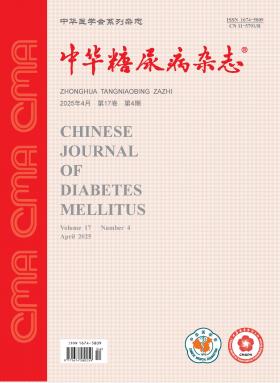
Volume 17 · Issue 04 · 2025
MedNexus
- Sections
- Criterion and Guide
- Perspective
- Original Article
- Case Report
- Review Article
The pathogenesis of type 2 diabetes mellitus (T2DM) is complex, and the combination therapy of hypoglycemic drugs with different mechanisms of action is of great significance to improve the blood glucose management level and clinical outcome of T2DM patients. The combination therapy of glucagon-like peptide-1 receptor agonist (GLP-1RA) and insulin can make up for many pathophysiological defects of T2DM, reduce daily insulin dosage while enhancing the hypoglycemic effect, and reduce adverse reactions such as hypoglycemia and weight gain. It is a commonly used clinical combination therapy for T2DM. How to standardize the combined treatment of GLP-1RA and insulin to obtain safe and effective therapeutic effect is an urgent problem to be solved. Based on this, a consensus expert group was established by the Diabetology Professional Committee of the Chinese Society of Research Hospitals to organize and write the Expert Consensus of Glucagon-like Peptide-1 Receptor Agonist Combined with Insulin in the Treatment of Type 2 Diabetes (2025 Edition). This consensus is based on the clinical research evidence of the efficacy and safety of various insulin hypoglycemic regimens combined with GLP-1RA therapy, and combined with the practical experience of experts to form the main recommendations, aiming to provide reference and guidance for the clinical work of grass-roots physicians.
Standardized management of diabetic complications is the key to improve patient prognosis. Aldose reductase is widely distributed in human body, and it is a key rate-limiting enzyme in the polyol pathway. Under hyperglycemia, aldose reductase is activated, and the polyol metabolism pathway can be disturbed. Aldose reductase inhibitors have the potential to delay the progression of diabetic complications by regulating the polyol pathway. In order to standardize the clinical application of aldose reductase inhibitors, the Neurological Complications Group of Diabetology Branch of Chinese Medical Association organized experts to set up a writing group to review the relevant literature. Based on the existing clinical research evidence at home and abroad and combined with practical experience, we wrote Expert Suggestions for Clinical Application of Aldose Reductase Inhibitors (2024 Edition), which systematically summarized the pharmacological mechanism, evidence-based medical evidence and safety data of aldose reductase inhibitors, and focused on their application principles in complications such as diabetic neuropathy, diabetic nephropathy and diabetic retinopathy, aiming at providing scientific basis for rational clinical drug use by endocrinologists, diabetes specialists and pharmacists, and improving the standardized treatment level of diabetic complications.
Diet control is the core treatment of type 2 diabetes, which needs to take into account weight loss, blood sugar regulation and complication prevention. The 2025 guidelines of the American Diabetes Association emphasize the importance of individualized dietary treatment, and explore the two dietary patterns of "food restriction" and "time restriction". The "food restriction" diet model believes that controlling total daily calories is the basis of dietary therapy, and negative energy balance can significantly promote diabetes remission. Restricting food types can also improve metabolism. For example, a low-carbohydrate diet can lower blood sugar, a low-glycemic index diet can improve blood sugar fluctuations, and a diet rich in whole grains and vegetables can reduce the risk of new diabetes. New "time-limited" diet patterns include intermittent fasting (such as 5:2 diet, fasting every other day) and restricted eating time (such as 8-h eating window), and achieve weight loss and blood sugar control by regulating metabolic rhythms. Clinical studies have shown that a time-limited diet can improve β cell function and insulin resistance, and exert metabolic regulatory effects independently of weight loss. Diet treatment needs to take into account both scientificity and flexibility, and achieve the dual goals of metabolic improvement and disease remission through calorie control and model innovation.
Low-carbohydrate diet and low-fat diet are two common diet patterns for weight loss in dietary intervention for adult obesity. Based on the existing research evidence, low-carbohydrate diet and low-fat diet can lead to weight loss and metabolic benefits in the short term, but there is no strong evidence to support which type of diet is better, and its long-term effectiveness and safety are insufficient. Clinicians should develop individualized dietary intervention programs based on the principle of limiting total energy intake, and emphasize the intake of high-quality nutrients to improve the overall quality of life and health of overweight/obese people.
To investigate the relationship between the triglyceride-glucose index (TyG), its derivative indices combined with obesity indicators, and the risk of malignant tumors.
It was a cohort study. A 10-year follow-up study was conducted using data from the Guizhou cohort of the “Risk Evaluation of cAncers in Chinese diabeTic Individuals: AlONgitudinal (REACTION study)”. Baseline data were collected from May to August 2011, including demographic characteristics, family history, and measurements of height, weight, waist circumference (WC), and hip circumference, body mass index (BMI), waist-to-hip ratio (WHR), and waist-to-height ratio (WHtR) were calculated. In addition, fasting plasma glucose, 2-hour postprandial plasma glucose (2hPG), serum creatinine (Scr), high-density lipoprotein-cholesterol (HDL-C), low-density lipoprotein cholesterol (LDL-C), total cholesterol (TC), glycated hemoglobin A1c (HbA1c), and other biochemical indicators were detected. The TyG and its derived indices were calculated in combination with obesity indicators, including TyG-BMI, TyG-WC, TyG-WHR, and TyG-WHtR. A total of 8 876 participants who met the inclusion criteria were followed for 10 years, resulting in a follow-up rate of 78.36%. Of the 6 955 participants who completed the follow-up, those who developed malignant tumors were categorized into a malignant tumor group and the others into a non-malignant tumor group. The baseline characteristics of the two groups were analyzed for differences. Baseline TyG, TyG-BMI, TyG-WC, TyG-WHR, and TyG-WHtR were further stratified into quartiles (Q1, Q2, Q3, and Q4 groups), and multivariate logistic regression analysis was employed to compare the odds ratios (OR) and 95%CI of each index relative to the Q1 group with respect to the occurrence of malignant tumors in the other groups. The receiver operating characteristic (ROC) curve was used to assess the predictive ability of each index for the risk of malignant tumors.
During a 10-year follow-up period, 217 of the 6 955 participants were diagnosed with malignancy. After adjusting for confounding factors such as sex, age, hypertension, diabetes, family history of cancer, smoking, alcohol consumption, 2hPG, Scr, HDL-C, LDL-C, TC, and HbA1c, the OR value (95%CI) for the risk of malignant tumors associated with TyG, TyG-BMI, TyG-WC, TyG-WHR, and TyG-WHtR were found to be 1.928 (95%CI 1.255-2.961), 1.004 (95%CI 1.001-1.008), 1.003 (95%CI 1.001-1.005), 1.357 (95%CI 1.109-1.661), and 1.588 (95%CI 1.228-2.054), respectively. In addition, among the quartile groups of the TyG and its derivative indices, the risk of malignant tumors in Q4 group was significantly higher than that in Q1 group (all P<0.05). The areas under the ROC curves for TyG-WC and TyG-WHtR in relation to the risk of malignant tumors were 0.601 (95%CI 0.563-0.639) and 0.600 (95%CI 0.563-0.637), respectively.
An increase in the TyG and its derived indices is associated with an increased risk of malignant tumors. In particular, TyG-WC and TyG-WHtR demonstrate a higher area under the curve when assessing the risk of malignant tumors and may serve as valuable indicators for identifying individuals at high risk.
To investigate the status of blood glucose monitoring among patients with type 1 diabetes (T1DM) in China, and to explore its influencing factors.
This multicenter, cross-sectional study enrolled T1DM patients registered at 24 centers across 5 provinces in China from July 2021 to September 2022. Data on age, diabetes duration, insulin treatment regimen, and glycated hemoglobin (HbA1c) levels were collected. The per capita disposable income of the patients′ residential cities was also recorded. Blood glucose control was defined as HbA1c<7.0%. Based on blood glucose monitoring in the three months prior to enrollment, patients were categorized into the self-monitoring of blood glucose (SMBG) group (those using only fingertip blood glucose monitoring) and the continuous glucose monitoring (CGM) group (those using CGM devices). Mann-Whitney U test and chi-square test were used for inter-group comparisons, and multivariate logistic regression was used to analyze the factors associated with the choice of blood glucose monitoring methods.
A total of 630 T1DM patients with a disease duration of at least three months were included, with a median age of 26.04 (13.16, 37.98) years and diabetes duration of 4.82 (1.89, 10.37) years. Among them, the utilization rates of SMBG and CGM were 62.86% (396/630) and 37.14% (234/630), respectively. Compared with the SMBG group, patients in the CGM group had lower HbA1c levels (Z=7.271) and a higher rate of achieving HbA1c target achievement rate (χ²=32.274) (both P<0.001). Multivariate logistic regression analysis revealed that younger age at enrollment was a significant predictor of CGM use (OR=0.965, 95%CI 0.952-0.979, P<0.001). Compared with T1DM patients receiving insulin pump therapy, those receiving multiple daily subcutaneous insulin injections (OR=0.488, 95%CI 0.325-0.732, P=0.001) or other insulin regimens (OR=0.215, 95%CI 0.098-0.470, P<0.001) were less likely to use CGM. In addition, compared with patients residing in cities with a per capita disposable income of <40, 000 CNY per year, those residing in cities with an annual per capita income between 40, 000 and <60, 000 CNY (OR=1.863, 95%CI 1.182-2.936, P=0.007) or ≥60, 000 CNY (OR=2.250, 95%CI 1.257-4.029, P=0.006) were more likely to use CGM.
SMBG remains the primary method of blood glucose monitoring among T1DM patients in China. Patients using CGM achieved better glycemic control than those using SMBG. Younger patients, those receiving insulin pump therapy, and those from regions with higher per capita income were more inclined to choose CGM for blood glucose monitoring.
To compare the different effects of neck circumference (NC), waist circumference and their changes on insulin resistance (IR) in patients with type 2 diabetes mellitus (T2DM).
This was a cohort study. A total of 417 T2DM patients who visited Shanghai General Hospital Affiliated to Shanghai Jiao Tong University School of Medicine from December 2018 to January 2021 and completed 1-year follow-up were assessed for blood pressure, height, weight, waist circumference, NC, and hip circumference. Their fasting plasma glucose, 2-hour postprandial plasma glucose, glycated hemoglobin A1c, total cholesterol (TC), triglycerides (TG), high-density lipoprotein cholesterol (HDL-C), low-density lipoprotein cholesterol (LDL-C) and fasting insulin were measured. Body mass index (BMI) and homeostasis model assessment of insulin resistance (HOMA-IR) were calculated. The above parameters were compared before and after 1 year and their changes were calculated. After natural logarithmic transformation of HOMA-IR, multiple linear regression was used to evaluate the effect of different parameters on the baseline value of HOMA-IR and its change, and Pearson correlation analysis was used to analyze and calculate the correlation with anthropometric parameters. Binary logistic regression was used to evaluate the influencing factors of HOMA-IR decline.
After one year, the patients were divided into NC unchanged group (179 cases), NC reduced group (200 cases) and NC enlarged group (38 cases) based on their NC changes. In the NC reduced group, blood pressure, all anthropometric parameters, TG, TC, LDL-C, and HOMA-IR decreased significantly one year later (all P<0.01), while in the NC enlarged group, only LDL-C decreased (P<0.01), but HOMA-IR increased (P<0.01). The baseline transformed HOMA-IR were positively correlated with NC (r=0.36), waist circumference (r=0.37), and BMI (r=0.38), there was no statistical difference among the three correlation coefficients (P>0.05). However, after one year, the correlation between the transformed HOMA-IR change and NC change (r=0.63) was stronger than that between waist circumference (r=0.30) and BMI changes (r=0.25) (P<0.01). Multiple linear regression analysis of the logarithmic transformed HOMA-IR baseline value showed that NC, waist circumference, and TG all entered the equation (R2=0.22, P<0.01), but only NC change entered the equation (R2=0.44, P<0.01) for HOMA-IR change value. Also only NC decline entered the equation (pseudo R2=0.47, P<0.01) for HOMA-IR decline in the logistic regression analysis.
NC reduction is associated with a decrease in waist circumference and BMI, as well as improved blood pressure, blood lipids and IR. Both NC and waist circumference are good indicators of IR, but NC change has a greater effect on IR than a change in waist circumference, and a reduction in NC can improve IR better.
To investigate the influence factors of pre-chronic obstructive pulmonary disease in patients with type 2 diabetes mellitus (T2DM) and its association with small airway function.
This was a cross-sectional study. Patients with T2DM who were hospitalized in the Department of Endocrinology, the First Affiliated Hospital of the Air Force Medical University from February 2023 to February 2024 were selected as the study subjects. Age, uric acid, complications of diabetic peripheral neuropathy (DPN), and erythrocyte distribution width variance (RDW-CV), forced vital capacity as a percentage of predicted value (FVC%), forced expiratory volume in 1 second as a percentage of the predicted value (FEV1%), and percentage of carbon monoxide dispersion to its projected value (DLCO%), the ratio of [forced expiratory volume in the first second (FEV1)/forced vital capacity (FVC)], carbon monoxide dispersion and alveolar ventilation to the predicted percentage (DLCO/VA)% of the study subjects were collected. The maximal expiratory flow after 75% of the FVC has not been exhaled (MEF75%), the maximal expiratory flow after 50% of the FVC has not been exhaled (MEF50%) and the maximal expiratory flow after 25% of the FVC has not been exhaled (MEF25%) were collected. Subjects were divided into normal lung function group (FEV1/FVC≥0.70, FEV1%≥80%), preserved ratio impaired spirometry (PRISm) group (FEV1/FVC≥0.7, FEV1%<80%) and airflow obstruction group (FEV1/FVC<0.7). Analysis of variance, Kruskal Wallis rank sum test and χ2 test were used to compare the groups. Ordered logistic regression was used to analyze the influencing factors of reduced pulmonary function in T2DM patients. Receiver operating characteristic (ROC) curve was used to analyze the diagnostic efficacy of small airway function on PRISm and airflow obstruction, and the area under curve (AUC) was calculated.
A total of 432 T2DM patients were included. Of these, 331 patients had normal lung function, 65 patients had PRISm and 36 patients had airflow obstruction. The prevalence of PRISm was 15.1% (65/432). The differences of FVC%, FEV1%, FEV1/FVC, MEF25%, MEF50%, MEF75%, DLCO% and (DLCO/VA)% among the 3 groups were statistically significant (all P<0.05). The results of orderly logistic regression analysis showed that, age ≥55 years, uric acid ≥320 μmol/L, RDW-CV≥0.132 fl and diabetic peripheral neuropathy (DPN) combined were independent influencing factors for PRISm and airflow obstruction in T2DM patients (all P<0.05). ROC curve analysis showed that MEF75% (AUC=0.794, 95%CI 0.733-0.853, P<0.001), MEF50% (AUC=0.842, 95%CI 0.792-0.892, P<0.001) and MEF25% (AUC=0.818, 95%CI 0.765-0.871, P<0.001) had certain diagnostic value for PRISm, and MEF75% (AUC=0.861, 95%CI 0.780-0.941, P<0.001), MEF50% (AUC=0.891, 95%CI 0.812-0.970, P<0.001), MEF25% (AUC=0.817, 95%CI 0.719-0.914, P<0.001) also had certain diagnostic value for airflow obstruction.
Age ≥55 years old, uric acid ≥320 μmol/L, RDW-CV≥0.132 fl, and DPN combined are independent influencing factors for PRISm and airflow obstruction in T2DM patients. Small airway function has some diagnostic value for PRISm and airflow obstruction in T2DM patients.
To investigate the correlation between age-associated skin autofluorescence index (SAF-AGEage) and stroke in the general Chinese communities.
This study was a cross-sectional study, with samples derived from the third follow-up of the REACTION prospective cohort study, which was conducted from September to December 2018 and included 5 806 Chinese community members aged over 40 years. The advanced glycation end products (AGE) fluorescence detector DM Scan, independently developed by Anhui Institute of Optics and Fine Mechanics, Chinese Academy of Sciences, was used to detect SAF among participants, and the SAF-AGEage was calculated. Participants were divided into Q1 group (SAF-AGEage≤40.755, 1 454 participants), Q2 group (40.755 <SAF-AGEage ≤46.532, 1 449 participants), Q3 group (46.532<SAF-AGEage ≤54.064. 1 452 participants) and Q4 group (SAF-Ageage>54.064, 1 451 participants) based on the quartiles of baseline SAF-AGEage. Multivariate logistic regression was applied to explore the association between SAF-AGEage and stroke after adjusting for confounding factors. Subgroup analysis was used to verify the stability of the assciation between SAF-AGEage and stroke.
A total of 281 (4.8%) of the participants had a stroke. Multivariate logistic regression analysis showed that SAF-AGEage was significantly associated with stroke. Compared with the reference Q1 group, the odds of stroke in Q2, Q3, and Q4 groups increased by 0.694 times [OR value (95%CI) was 1.694 (1.041-2.756), P<0.001], 1.187 times [OR value (95%CI) was 2.187 (1.364-3.507), P<0.001], and 1.797 times [OR value (95%CI) was 2.797 (1.709-4.577), P<0.001], respectively. In stratified analysis, the SAF-AGEage was significantly associated with the risk of stroke in subgroups with body mass index≥24 kg/m2, non-diabetes, hypertension, and dyslipidemia, and the risk of stroke increased with increasing SAF-AGEage quartiles. Notably, it was that the SAF-AGEage was significantly correlated with the risk of stroke, independent of sex or the presence of coronary heart disease. The risk of stroke increased with the increasing SAF-AGEage quartiles (P<0.05). Interaction analysis showed that there was an interaction between hypertension and SAF-AGEage in the risk of stroke (interactive P value=0.027).
In the general population of Chinese communities, the SAF-AGEage is associated with stroke. SAF is potentially important in the development of stroke and other cardiovascular diseases.
To explore the correlation between serum Sortilin and type 2 diabetes mellitus (T2DM) combined with metabolic associated fatty liver disease (MAFLD), insulin resistance (IR) and inflammatory response.
This was a cross-sectional study. T2DM patients hospitalized in the Department of Endocrinology of Gansu Provincial Hospital from January to August 2024 and healthy physical examination subjects matched for age, sex and body mass index (BMI) in the physical examination center during the same period were selected as the study subjects. According to the presence or absence of MAFLD, T2DM patients were divided into T2DM group alone group and T2DM combined with MAFLD group, healthy subjects in the same period were selected as negative control group (NC group). Fasting blood glucose (FPG), fasting insulin (FINS), glycated hemoglobin (HbA1c), hypersensitive C-reactive protein (hs-CRP), low-density lipoprotein cholesterol (LDL-C) and total cholesterol (TC) of the study subjects in each group were collected, and serum Sortilin was detected. The homeostasis model assesment of insulin resistance (HOMA-IR) was calculated based on FPG and FINS. One-way analysis of variance(ANOVA), Kruskal-Wallis H test or χ2 test were used for comparisons between groups, Spearman correlation analysis was used to analyze the correlation between Sortilin level and various indicators, and stepwise linear regression analysis was used to analyze the independent influencing factors of serum Sortilin level.
A total of 202 subjects were enrolled in the study, including 131 T2DM patients and 71 healthy controls. There were 63 cases in the T2DM alone group, 68 cases in the T2DM combined with MAFLD group, and 71 cases in the negative control group. Compared with NC group, serum Sortilin levels in T2DM group alone and T2DM combined with MAFLD group were decreased (P<0.05). Correlation analysis showed that serum Sortilin level was negatively correlated with FPG, FINS, HbA1c, HOMA-IR, hs-CRP and LDL-C (r=-0.206, -0.172, -0.361, -0.214, -0.434 and -0.383, all P<0.05). Stepwise linear regression analysis showed that LDL-C, TC and hs-CRP were independent influencing factors of serum Sortilin level (t=-3.197, 2.048, -3.801, respectively, all P<0.05).
Serum Sortilin is closely associated with T2DM combined with MAFLD, IR and inflammatory response.
To investigate the efficacy and dose-response relationship of tirzepatide, a dual glucose-dependent insulinotropic polypeptide (GIP)/glucagon-like peptide-1 (GLP-1) receptor co-agonist, in Asian patients with type 2 diabetes mellitus (T2DM) through a dose-response meta-analysis of randomized controlled trial (RCT).
We conducted a computerized search of PubMed, Embase, the Cochrane Library, Web of Science, Scopus, China national knowledge infrastructure (CNKI), Wanfang Data Knowledge Service Platform, and VIP for RCT evaluating the efficacy and safety of different doses of tirzepatide in Asian patients with T2DM. The search period was from the inception of each database to July 26, 2024. Two researchers independently screened the literature, extracted data [including glycated hemoglobin A1c (HbA1c), fasting plasma glucose (FPG), and body weight] and assessed the risk of bias. Data analysis was performed using Review Manager 5.3 and Stata 14.0.
A total of 5 RCT involving 2 058 patients with T2DM were included. In the Asian population, patients with T2DM treated with tirzepatide at weekly doses of 5 mg, 10 mg, and 15 mg showed significant reductions in HbA1c, FPG, and body weight compared with the control group (all P<0.001). Dose-response analysis revealed a linear relationship between tirzepatide dose and changes in HbA1c (B=-0.086 9, SE=0.020 6, Z=-4.221, P<0.001), FPG (B=-0.081 0, SE=0.018 8, Z=-4.311, P<0.001), and body weight (B=-0.125 5, SE=0.011 2, Z=-11.221, P<0.001). With regard to safety, the frequency of gastrointestinal adverse events was higher in the tirzepatide group than in the placebo/control group (P<0.05). However, there was no linear dose-response relationship between tirzepatide dose and hypoglycemia, nausea, or vomiting (P>0.05).
Tirzepatide is safe and effective for glycemic control and weight reduction in Asian patients with T2DM. Reductions in blood glucose and body weight increase linearly with increasing drug dose, while adverse effects do not increase significantly.
Exogenous insulin antibody syndrome (EIAS) is a rare immune disease caused by the use of exogenous insulin to induce the production of insulin antibodies. Most of them have recurrent hypoglycemia as the main clinical manifestation, and hyperglycemia and severe insulin resistance as the main manifestations are rare. This article reports the diagnosis and treatment of a patient with refractory EIAS. The patient was a middle-aged male who was admitted to the hospital mainly because of "13 years of blood sugar elevation found". In July 2017, the patient was hospitalized for the first time due to poor blood glucose control due to the use of a large amount of insulin. After examination, he was considered as EIAS. He was given methylprednisolone 500 mg intravenous drip for 3 consecutive days. After hormone shock therapy, his blood glucose was significantly controlled and the insulin dosage was significantly reduced. After discharge, he was regularly treated with insulin (88 U/d) and oral drugs for hypoglycemic treatment, and his blood glucose was well controlled. In 2019, I was hospitalized again due to poor blood sugar control. After admission, I checked my thyroid function, glutamate decarboxylase antibody, islet cell antibody, insulin-like growth factor-1, growth hormone, leptin, adiponectin, cortisol rhythm, blood lipids, sex hormone levels, and pancreatic CT. There was no history of autoimmune diseases, no history of sulfhydryl drug use, and no positive manifestations were found on physical examination. During my hospitalization, I was given a large amount of insulin (>3 U·kg-1• d-1), blood glucose was still poorly controlled, mainly hyperglycemia, and no improvement was seen after methylprednisolone shock treatment. Then, blood glucose was significantly reduced and insulin dosage was significantly reduced after plasma exchange, intravenous infusion of immunoglobulin, and oral administration of immunosuppressants.
With the development of social economy and the ageing of the population, the prevalence of diabetes in the elderly has increased significantly, and sarcopenia and cognitive dysfunction have gradually received attention as common complications of elderly diabetic patients. Diabetes can exacerbate age-related alterations in muscle mass and muscle function while accelerating the progression of cognitive dysfunction, and sarcopenia and cognitive dysfunction are interrelated. This paper reviews the research status of the interaction between sarcopenia and cognitive dysfunction in elderly patients with type 2 diabetes, summarizes the relationship and pathogenesis of the two, and hopes to provide supportive reference for the prevention and treatment of sarcopenia and cognitive health problems in elderly patients with type 2 diabetes.
Diabetic foot is one of the most serious complications of diabetes, and the persistence of diabetic foot ulcer (DFU) is the most important cause of diabetic foot deterioration and amputation. Therefore, promoting DFU healing is of great significance for reducing the risk of amputation and reducing the economic burden on society and health care systems. At present, DFU treatment mainly includes comprehensive metabolic control, surgical debridement, anti-infection, decompression and blood flow reconstruction, as well as various adjuvant therapies to promote wound healing. This article mainly reviews the new methods of diabetic wound treatment, including oxygen therapy, various new dressings, stem cell transplantation and exosome application.
Diabetic foot ulcer (DFU) is one of the serious complications of diabetic patients, with rapid progression, high clinical treatment cost, long time and unsatisfactory prognosis. In recent years, the treatment of DFU has made great progress with the deepening research. This paper reviews the characteristics of DFU, the positive effects of autologous platelet-rich plasma (PRP) and autologous fat transplantation (AFG) on wound healing, and the current research status at home and abroad, and expounds that PRP-assisted AFG may be an effective method for the treatment of DFU.
Diabetes-related podiatry (DF) is the most common lower extremity complication of diabetes, but it is preventable and treatable. It is very important to pay attention to early warning signals and improve the compliance of foot self-care in diabetic patients to prevent diabetic foot ulcer and reduce the amputation rate. This paper introduces the current situation of self-care compliance of DF patients, and summarizes the social and economic, treatment, patients, health system and disease factors that affect self-care compliance of DF patients with the five dimensions of compliance proposed by World Health Organization as a framework. This paper reviews the research progress of rational design of health education contents, educational tools, digital technology, motivational interviews, peer support, behavioral protocols and other methods to improve compliance from the level of improving patients' knowledge, skills and motivation of foot self-care. Future research should focus on improving the structured education management of diabetic foot, exploring interventions to promote patients to overcome obstacles, improve compliance, and prevent foot ulcers.
There is a two-way relationship between diabetes and oral health. Diabetes often causes oral diseases, most commonly including caries and periodontitis. When the microbes in the oral cavity are dysbiosis, it will not only cause oral diseases, but also promote the occurrence and development of systemic diseases. This paper introduces the interaction between diabetes and oral health, as well as the new treatment methods for diabetic patients suffering from periodontitis or dental caries-photodynamic therapy and probiotic therapy, aiming to provide theoretical basis and methods for the treatment of diabetes complicated with oral diseases.
CURRENT ISSUE