MedNexus
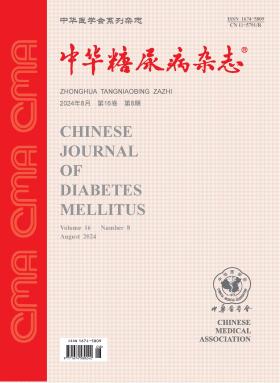
Volume 16 · Issue 08 · 2024
MedNexus
- Sections
- Clinical Progress of Diabetic Foot
- Original Article
- Experience Exchange
- Case Report
- Review Article
- Lecture
Since 1999, the International Diabetic Foot Working Group (IWGDF) has repeatedly published guidelines for the prevention and treatment of diabetic foot based on evidence-based medical evidence, among which there are iterations on the diagnosis and treatment of peripheral arterial disease (PAD). Based on the study of the 2023 IWGDF guidelines for the diagnosis and treatment of PAD in patients with diabetic foot ulcer, this article interprets the guidelines from three aspects: diagnosis, prognosis and treatment, including Doppler non-invasive diagnosis, prognosis evaluation system, surgical endovascular plasty and bypass surgery, and medical treatment, and looks forward to helping professionals engaged in diabetic foot and peripheral vascular lesions to understand and practice the guidelines.
To explore the efficacy and safety of Tonghua Dongbao (TD) liraglutide injection (Tongboli) versus Victoza in the treatment of type 2 diabetes mellitus (T2DM).
This was a multicenter, randomized, open-label, parallel, positive drug controlled phase Ⅲ clinical study with an equivalent design. Patients with T2DM who received metformin, sulfonylureas or a combination of metformin and sulfonylureas from 39 research centres in China from April 19, 2019 to March 19, 2021 were included. They were randomly assigned to TD liraglutide (Tongboli) group and Victoza group according to the ratio of 1∶1. After 26 weeks of treatment, the changes of glycated hemoglobin A1c (HbA1c), venous fasting plasma glucose (FPG), 7-point self-monitored blood glucose, incidence of hypoglycemic events and adverse events, and the incidence of anti-drug antibody (ADA) were compared between the two groups before and after treatment. The modified intention-to-treat (mITT) population and per protocol set (PPS) were used for efficacy index analysis, and the safety data set (SS) was used for safety analysis. Paired t-test was used to compare the differences in the respective before and after treatment indicatiors. Independent sample t-test, Wilcoxon rank sum test, χ2 test or Fisher exact test were used to compare the differences between groups. Repeated-measures mixed-effect model (MMRM) was used to compare the changes in HbA1c, FPG and 7-point self-monitored blood glucose from baseline at the 26th week. The Cochran-Mantel-Haenzel test was used to compare the proportions of HbA1c<7% in the two groups at the 26th week, and the 95%CI of the rate difference between the two groups was calculated. Pearson χ2 test was used to compare the incidence of treatment emergency adverse event (TEAE), hypoglycemic events and ADA between the two groups during treatment.
A total of 524 subjects were randomly enrolled and 482 subjects completed the study cases in the Tongboli group(n=243) and Victoza group (n=239). All 524 subjects were included in the mITT population, 434 subjects were included in PPS, and 262 patients were included in SS. After 26 weeks of treatment, the HbA1c of the two groups decreased by 1.640%±1.011% and 1.620%±1.106% in Tongboli group and Victoza, respectively. The difference in the least squares mean (95%CI) between the two groups was 0 (-0.18%-0.18%), and the difference was within the predetermined range of±0.4%. Tongboli and Victoza can be considered equivalent. At the 26th week, FPG decreased by (2.137±2.489) mmol/L and (2.004±2.331) mmol/L in the two groups, respectively. The difference in the least squares mean value (95%CI) between the two groups was 0.080 (-0.280-0.439) mmol/L, which was not statistically significant (P=0.663). There were 49.6% (130/262) and 50.8% (133/262) subjects in the two groups who achieved the target of HbA1c<7%, respectively. The difference in the rate (95%CI) between the two groups was -0.01% (-0.10%-0.07%, P=0.801). The incidence of TEAE in the two groups was 82.1% (215/262) and 79.0% (207/262), respectively, with no significant difference (χ2=0.78, P=0.377). There was no significant difference in the incidence of hypoglycemic events and ADA between the two groups (P>0.05).
The overall therapeutic effect of Tongboli and Victoza in controlling blood glucose is comparable, with good safety and clinical application value.
To investigate the factors influencing the QTc interval prolongation in patients with type 1 diabetes mellitus (T1DM), and to develop and to validate a predictive model.
This was a cross-sectional study, and 568 patients with T1DM who were hospitalized in the Department of Endocrinology of Gansu Provincial People′s Hospital from January 2016 to October 2023 were selected as study subjects. Based on the length of QTc interval measurement in 12-lead conventional electrocardiography, the study subjects were divided into the normal QTc interval group (423 cases) and the prolonged QTc interval group (145 cases), and the general data and laboratory test indexes of the patients were collected, including the duration of T1DM, urinary albumin-creatinine ratio (UACR), glycated hemoglobin A1c (HbA1c), high-density lipoprotein cholesterol (HDL-C) and serum creatinine (Scr), left ventricular ejection fraction (LVEF), diabetic peripheral neuropathy (DPN). LASSO regression was applied to optimize the screening variables, and a column-line graphical model of the risk of QTc interval prolongation in T1DM patients was constructed by multifactor Logistic regression analysis. Internal validation of the model was performed using 1 000 enhanced Bootstrap method, and the predictive value, calibration and clinical utility of the model were comprehensively assessed using receiver operating characteristic (ROC) curve, calibration curve, clinical decision curve (DCA) and clinical impact curve (CIC).
LASSO regression analysis was applied to screen seven predictor variables, including T1DM duration, UACR, HbA1c, LVEF, DPN, HDL-C, and Scr. Multifactorial logistic regression analysis further showed that T1DM duration≥10 years (OR=4.951), UACR>300 mg/g (OR=1.759), HbA1c≥7% (OR=7.988), LVEF≤50% (OR=8.501), DPN (OR=1.708), and HDL-C (OR=0.198) were the influencing factors for the occurrence of QTc interval prolongation in patients with T1DM (all P<0.05). The internal validation results of the established prediction model showed that the model fit was good, and the area under the ROC curve was 0.822 (95%CI 0.786-0.858), which was close to the actual prediction results. DCA showed that there was a maximum benefit in the threshold interval of 0-0.8. CIC showed that the prediction model could effectively distinguish high-risk of the occurrence of prolongation of the QTc interval in the threshold probability range of patients.
A column chart prediction model including six predictive variables (T1DM course, UACR, HbA1c, LVEF, DPN and HDL-C) can be used to predict the risk of QTc interval extension in T1DM patients, which has clinical implications for early detection of such high-risk populations.
To investigate the relationship between serum cholinesterase (ChE) levels and islet α-cell dysfunction in patients with type 2 diabetes mellitus (T2DM).
This was a cross-sectional study. T2DM patients were recruited for this study at the Department of Endocrinology of Nantong First People′s Hospital between July 2022 and December 2023. Anthropological parameters, including age, sex, blood pressure and body mass index (BMI) were collected. Duration of diabetes and the use of medications, including hypoglycemic agents and statins, were documented. Serum ChE, liver function indices, blood lipids, serum creatinine (SCr), uric acid (UA), cystatin C (CysC) and glycated hemoglobin A1c (HbA1c) were measured in all patients. 75 g oral glucose tolerance test was also performed to simultaneously detect glucose, insulin and glucagon (GLA) at fasting (0 min), 30, 60, 120 and 180 min. Insulin resistance was assessed using the homeostasis model assessment of insulin resistance (HOMA-IR). Overall glucose levels after glucose load were evaluated by the area under the curve (AUCglu). The indices of islet α-cell function included GLA0, GLA30, GLA60, GLA120 and overall glucagon levels after glucose load (area under the curve of glucagon, AUCgla). All patients were divided into three subgroups according to the tertiles of serum ChE levels: group T1 (range of ChE, 3.71-7.84 kU/L, 167 patients), group T2 (range of ChE, 7.85-9.44 kU/L, 168 patients) and group T3 (range of ChE, 9.45-17.94 kU/L, 167 patients). One-way analysis of variance (ANOVA) with linear polynomial contrasts, the Jonckheere-Terpstra test, or the χ2 test with linear-by-linear association was used to analyze the trend of clinical data between subgroups. Pearson′s correlation analysis was used to analyze the relationship between ChE and islet α-cell function, and multivariate linear regression analysis was used to analyze whether ChE was an independent factor for islet α-cell function.
A total of 502 eligible T2DM patients were recruited. From T1 to T2 to T3 of ChE, BMI, HOMA-IR, GLA0, GLA30, GLA60, GLA120 and AUCgla gradually increased (P for trend<0.001), but HbA1c did not. Pearson′s correlation analysis revealed that the serum ChE levels were significantly correlated with GLA0, GLA30, GLA60, GLA120 and AUCgla (r=0.264, 0.230, 0.217, 0.229 and 0.245, respectively; P<0.001). After adjusting for age, sex, BMI, blood pressure, diabetes duration, hypoglycemic agents, statins, liver function indices, blood lipids, UA, SCr, CysC, HbA1c, AUCglu, HOMA-IR and other clinical variables via multivariate linear regression, serum ChE levels were independently associated with GLA0 (β=0.196, t=4.333, P<0.001), GLA30 (β=0.188, t=4.309, P<0.001), GLA60 (β=0.175, t=3.936, P<0.001), GLA120 (β=0.186, t=4.195, P<0.001) and AUCgla (β=0.199, t=4.525, P<0.001).
Increased serum ChE levels were associated with increased fasting glucagon and postprandial glucagon levels in patients with T2DM and could be considered an independent risk factor for islet α-cell dysfunction.
To explore the association between abnormal N6-methyladenosine (m6A) modification of fatty acid synthase (FASN) mRNA with type 2 diabetes mellitus (T2DM).
A total of 40 T2DM patients and 50 healthy controls who underwent carotid endarterectomy in the Department of Neurointerventional Intervention, Xuanwu Hospital, Capital Medical University from December 2021 to December 2022 were selected for this study. Real-time fluorescence quantitative polymerase chain reaction (RT-qPCR) and RNA methylation immunoprecipitation quantitative polymerase chain reaction (MeRIP-qPCR) techniques were applied to determine the level of FASN mRNA expression and m6A modification of FASN mRNA in their adipose tissues. Subsequently, a nested case-control study design was used in “Functional Community Cohort” from 2018 to 2023 at the Health Management Center of Xuanwu Hospital of Capital Medical University. With 2018 as the baseline, new-onset T2DM patients after 5 years were used as the new-onset T2DM group (87 cases), and healthy controls were used as the control group according to the 1∶1 individual matching method, and the results were validated in peripheral blood. The t-test was used to compare the differences in the expression levels of FASN mRNA and the m6A modification levels of FASN mRNA between different groups, and Spearman correlation was used to analyze the correlation between them. Multifactorial binary logistic regression models were used to assess the strength of the association between the m6A modification level of FASN mRNA and T2DM. Receiver operating characteristic (ROC) curves were constructed to evaluate the ability of m6A modification levels of FASN mRNA to predict T2DM.
FASN mRNA was highly expressed in T2DM patients (1.30±0.38 vs. 0.70±0.30 for adipose tissue, P<0.001; 1.25±0.76 vs. 1.02±0.45 for peripheral blood, P<0.01), and the m6A modification level of FASN mRNA was low in T2DM patients (0.53±0.24 vs. 0.84±0.53 for adipose tissue, P<0.001; 0.67±0.55 vs. 1.54±0.87 for peripheral blood, P<0.001) both in adipose tissue and peripheral blood. FASN mRNA and m6A modification level of FASN mRNA were negatively correlated (adipose tissue r=-0.360, P<0.001; peripheral blood r=-0.192, P<0.05). Baseline low m6A modification level of FASN mRNA was a risk factor of T2DM in peripheral blood (OR=5.71, 95%CI 1.73-18.85). The ROC curve for the T2DM prediction model showed that the m6A modification level of FASN mRNA was a good predictor of T2DM (area under the ROC curve was 0.817, 95%CI 0.753-0.888).
Abnormal m6A modification of FASN mRNA was linked to T2DM, and the m6A modification level of FASN mRNA can predict the risk of developing T2DM.
To systematically evaluate the efficacy and safety of heparinoids in the treatment of patients with type 2 diabetic nephropathy.
Databases including PubMed, Embase, the Cochrane Library, China national knowledge infrastructure (CNKI), Wanfang, VIP and China biomedical literature (CBM) were searched for randomized controlled trials (RCT) and observational studies of the efficacy and safety of heparinoids in the treatment of type 2 diabetic nephropathy from inception to October 2023. Meta-analysis was performed using RevMan 5.3 and Stata 17.0 software after the literature was screened according to the exclusion criteria, data were extracted from the literature, and the risk of bias was evaluated.
A total of 22 trials with 3 800 patients were included. The results of the meta-analysis showed that heparinoids could significantly reduce urinary albumin excretion in patients with type 2 diabetic kidney disease (SMD=-0.65, 95%CI -0.98--0.31, P<0.001). Subgroup analysis showed that heparinoids had an advantage over the control group in reducing urinary albumin excretion in Asian patients (SMD=-0.48, 95%CI -0.72--0.24, P<0.001), while no such advantage was observed in Europeans (SMD=-0.25, 95%CI -0.62-0.13, P=0.190). There was no significant difference between the heparinoid group and the control group in serum creatinine (SMD=-0.08, 95%CI -0.31-0.16, P=0.520), blood pressure [systolic blood pressure: WMD=-1.56 mmHg (1 mmHg=0.133 kPa), 95%CI -3.66-0.55 mmHg, P=0.150, diastolic blood pressure: WMD=-0.16 mmHg, 95%CI -1.29-0.96 mmHg, P=0.780], fasting plasma glucose (SMD=-0.05, 95%CI -0.24-0.14, P=0.600) and glycated hemoglobin A1c (HbA1c) (WMD=-0.07%, 95%CI -0.24%-0.10%, P=0.420) in patients with type 2 diabetic nephropathy. In terms of safety, heparinoids did not increase the incidence of adverse events such as injection site hematoma and malignant cardiovascular events (RR=1.11, 95%CI 0.97-1.28, P=0.120).
Heparinoids can effectively reduce the level of urinary albumin in patients with type 2 diabetic nephropathy, particularly in Asian patients, and there are no obvious adverse effects during the treatment.
To systematically review the efficacy and safety of metformin extended-release (ER) (Ⅳ) in the treatment of type 2 diabetes mellitus (T2DM) via network meta-analysis (NMA).
Databases including PubMed, Embase, the Cochrane Library, China national knowledge infrastructure (CNKI), Wanfang Data and Food and Drug Administration (FDA) were searched to identify randomized controlled trial (RCT) from inception to 30 June 2023. After a thorough review of the literature based on exclusion criteria, data extraction, and assessment of study bias, WinBUGS 14.0 software was used to conduct the network meta-analysis (NMA).
A total of 7 RCT with 3 769 patients with T2DM were included. The results of NMA showed that, metformin ER(Ⅳ) group had a significant reduction in glycated hemoglobin (HbA1c), when compared with metformin ER (Ⅲ) group (MD=-0.62%, 95%CI -0.88%--0.36%, P<0.05), metformin ER (Ⅱ) group (MD=-0.46%, 95%CI -0.74%--0.19%, P<0.05), metformin ER group (MD=-0.39%, 95%CI -0.65%--0.14%, P<0.05) and metformin immediate release (IR) group (MD=-0.36%, 95%CI -0.59%--0.13%, P<0.05). In meta-regression analysis, metformin ER (Ⅳ) group also had an advantage in reducing HbA1c compared with the other four groups after controlling for baseline of HbA1c, body mass index (BMI) and follow-up time. Compared with metformin ER (Ⅲ) group, metformin ER (IV) group is more effective in reducing fasting plasma glucose (FPG) (MD=-0.66 mmol/L, 95%CI -1.31--0.01). In terms of safety, compared with other groups, metformin ER (Ⅳ) group had no significantly different in the withdrawal due to adverse event (WADE) and gastrointestinal adverse events (P>0.05).
Metformin ER (Ⅳ) might have beneficial effects on glycemic control in T2DM and has similar performance in WADE to the previous three generations of metformin ER and metformin IR.
To investigate the effect of sodium-glucose co-transporter 2 inhibitor (SGLT2i) on spermatogenesis and the quality of sperm in the mice with type 2 diabetes mellitus (T2DM).
Twenty-one 8-week-old male db/db mice were randomized into three groups (seven mice in each group) using a random number table method: db/db group (received vehicle), Dapa group [received dapagliflozin (1 mg·kg-1·d-1) ], and Cana group [received canagliflozin (10 mg·kg-1·d-1) ], orally daily for five weeks. Five littermate db/m mice were chosen as the normal control group. Body weight and the blood glucose levels were monitored in all mice. Sperm concentration and motility were analyzed using a computer-assisted semen analysis system. Testicular morphology was evaluated using HE staining, and testicular cell apoptosis was examined using terminal deoxynucleotidyl transferase-mediated dUTP nick end labeling (TUNEL) and immunohistochemistry staining. GC-2 spermatogonia cells, were divided into three groups: normal control (vehicle), PA group (100 μmol/L palmitic acid intervention), and PA+Dapa group (100 μmol/L palmitic acid combined with 30 μmol/L dapagliflozin intervention) and treated for 48 h. Oxidative stress levels and apoptosis-related indices were assessed using Western blotting, flow cytometry and test kits. One-way analysis of variance or Brown-Forsythe/Welch was used to compare between groups.
Compared with db/db mice, dapagliflozin and canagliflozin significantly reduced fasting and postprandial blood glucose levels and the area under the glucose curve (all P<0.05). Both interventions increased sperm viability and progressive motility, as well as curve velocity and mean path velocity (all P<0.05). They also decreased activated caspase-3 expression, TUNEL-positive spermatogenic tubule ratio, and cell ratio (all P<0.05). In GC-2 cells, intervention with dapagliflozin reduced intracellular reactive oxygen species levels, malondialdehyde content, increased superoxide dismutase activity, decreased apoptosis rate, and increased B-cell lymphoma 2 (BCL2) expression (all P<0.05) compared with the PA group.
SGLT2i provide additional protective effects on testicular structure and sperm quality in db/db mice with T2DM in addition to their hypoglycemic effects. SGLT2i may protect against diabetes-induced spermatogenesis impairment by attenuating testicular oxidative stress and apoptosis.
The proportion of diabetic patients in China is increasing year by year, and the current situation of blood glucose management is not optimistic. Poor blood glucose control in diabetic patients can cause a variety of acute and chronic complications, increase the disability rate and mortality rate. In the era of smart medical care, taking the all-round intelligent blood glucose management system as the starting point of diabetes prevention and control, relying on the "virtual ward" function in the blood glucose management system, is helpful to promote the new concept of surgical insulin pump management. Apply the all-round blood glucose management system and insulin pump to implement timely blood glucose monitoring and insulin pump intensive treatment for diabetic patients in the whole hospital, bring patients into the "virtual department", monitor patients' blood glucose curves in real time, realize online "no science" refinement and closed-loop management of the whole course of diabetic patients, so as to effectively and accurately control sugar, and achieve the ultimate goal of promoting health, delaying the process of diabetes, reducing complications, reducing disability rate, improving quality of life and reducing medical expenses.
Adolescent-onset adult diabetes mellitus (MODY) type 5 is relatively rare in the Chinese population, and its clinical manifestations are atypical. Clinicians have insufficient understanding of it, and it is easy to misdiagnose and miss diagnosis. This article reports a case of MODY5 patient with multiple renal cysts, pancreatic agenesis, hypokalemia and other clinical features. The patient was an 18-year-old male admitted for "dry mouth, polydipsia, polyphagia with fatigue for 9 months". After admission, peripheral blood hereditary diabetes-related gene sequencing was performed, and the heterozygous mutation of hepatocyte nuclear factor 1 β gene c.810-1G>C was detected. It is a special spontaneous gene mutation, which has not been reported at home and abroad. Neither his parents nor his sister carried this mutation. Combined with the patient's clinical manifestations and auxiliary examination, he was diagnosed as MODY5. Through the review of the diagnosis and treatment of this patient and the review of related literatures, genetic testing should be performed as soon as possible to confirm the diagnosis of adolescent diabetic patients with kidney and pancreas damage, so as to prevent missed diagnosis and misdiagnosis.
The diagnosis and treatment of a child with short arm deletion of chromosome 18 with type 1 diabetes mellitus (T1DM) was reported. The patient was a 14-year-old boy who was admitted to the hospital with "polyuria, polydipsia, and fatigue for 3 months". After admission, the islet function test was completed, and monogenic diabetes was excluded. He was diagnosed with T1DM and was given insulin-enhanced hypoglycemic therapy. Due to the abnormal growth and mental development of the patient, a 14.05 Mb deletion was found in the short arm of chromosome 18 after complete genetic testing. The short arm deletion of chromosome 18 combined with T1DM is rare both at home and abroad, and the mechanism may be related to protein tyrosine phosphatase non-receptor type 2 (PTPN2) Autoimmune abnormalities caused by gene deletion. The possibility of short arm deletion syndrome of chromosome 18 should be considered in children with diabetes mellitus combined with short stature and intellectual disability.
Diabetic nephropathy (DKD) is one of the main microvascular complications of diabetes, and has become the first cause of end-stage renal disease and renal replacement therapy. Heterogeneity in clinical presentation of DKD will result in a decrease in renal function [estimated glomerular filtration rate<60 ml·min-1· (1.73 m2)-1] while urinary albumin is still excreted normally (urinary albumin/creatinine ratio<30 mg/g) was defined as non-albuminuric diabetic nephropathy (NADKD). Patients with NADKD have a higher risk of progression to end-stage renal disease and cardiovascular adverse events, but they have not received sufficient clinical attention. In this paper, the clinical characteristics, influencing factors, pathogenesis and treatment of NADKD are reviewed.
Diabetic foot is one of the most serious complications of diabetes, with high treatment costs and poor prognosis. In recent years, incretin-based hypoglycemic drugs have become an important therapeutic strategy for type 2 diabetes. Previous studies have shown that incretin drugs have anti-inflammatory, antioxidant, angiogenesis-promoting, and tissue remodeling-enhancing effects, suggesting potential benefits for diabetic wound healing. At the same time, some incretin drugs have been shown to have anti-atherosclerotic and neuroprotective effects, so incretin drugs may become a new adjuvant treatment strategy for refractory diabetic foot ulcer. This article reviews the potential role and mechanism of incretin drugs in diabetic foot wound healing.
Diabetic nephropathy (DKD) and sarcopenia are closely related. DKD is an important risk factor for sarcopenia, and sarcopenia increases the risk of progression to end-stage renal disease in patients with DKD. Many pathophysiological mechanisms, such as insulin resistance, endothelial dysfunction, chronic non-specific inflammation, protein energy consumption, lead to the development of this vicious circle. Drugs for the treatment of DKD, including sodium-glucose cotransporter 2 inhibitors, glucagon-like peptide-1 receptor agonists, fenelidone, etc., will affect the occurrence and development of sarcopenia; On the contrary, management measures for sarcopenia, such as high-protein diet, will increase the risk of progression to end-stage renal disease in DKD patients, while appropriate exercise, vitamin D and its analogs can help delay the decline of renal function. Therefore, the treatment of patients with DKD complicated with sarcopenia needs comprehensive consideration and weighing the pros and cons to improve the quality of life and survival rate of patients.
There is a huge base of diabetic patients in China, so it is crucial to implement efficient and scientific diabetes management strategies. With the development of artificial intelligence technology, machine learning algorithms have been applied to early diagnosis of diabetes, blood glucose monitoring, complication prediction and health management, and have broad application prospects and innovation potential. This paper reviews the application status of machine learning in the field of diabetes management, in order to provide new ideas for community management and clinical decision-making of diabetes.
The prevalence of diabetes is on the rise worldwide. Recently, the American Diabetes Society released the 2024 Diabetes Diagnosis and Treatment Standards, which excerpts the chapters on chronic kidney disease and risk management, combines recent domestic and foreign guidelines and literatures, interprets the diagnosis, screening, monitoring, prevention and treatment of diabetic chronic kidney disease, and introduces the updated key points and expanded therapeutic drugs, aiming to provide clinical basis and practical suggestions for the prevention and treatment of diabetic chronic kidney disease.
CURRENT ISSUE