MedNexus
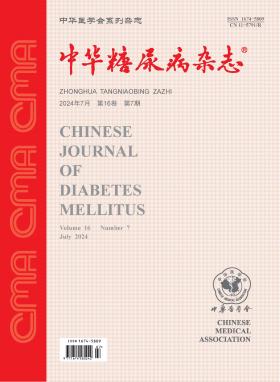
Volume 16 · Issue 07 · 2024
MedNexus
- Sections
- Special Article
- Original Article
- Review Article
- Lecture
Post-pancreatitis diabetes mellitus (PPDM) is a special type of diabetes mellitus secondary to acute and chronic pancreatitis. Its prevalence has surpassed type 1 diabetes to become the second most common type of diabetes in adults. However, there is still a lack of specific diagnostic markers and standardized and effective diagnosis and treatment procedures, and the rate of missed diagnosis and misdiagnosis is extremely high. This paper reviews the research progress of existing diagnostic methods, new diagnostic markers and diagnostic techniques of PPDM, in order to expand new ideas for early screening and early warning of high-risk groups of PPDM and formulate standardized diagnostic strategies.
Metformin has been in clinical use for more than 60 years. As a first-line hypoglycemic therapeutic drug, it plays an important role in diabetes management. With the accumulation of clinical evidence, there are continuous studies reporting the benefits of metformin in diabetes prevention, reduction of diabetic complications, anti-inflammatory, anti-aging and anti-tumor. The core of the action of metformin is the activation of adenylate-activated protein kinase (AMPK). In addition, it also plays a role directly or indirectly by regulating mitochondrial homeostasis, improving inflammation, autophagy and immune regulation, and reducing the damage of different diseases to target cells. This article summarizes and analyzes the research progress of the latest mechanism of action of metformin, and provides discussion and thinking for the characteristics behind its clinical benefits.
To investigate the association between serum myeloid-derived growth factor (MYDGF) levels and carotid atherosclerosis (CAS) in newly diagnosed type 2 diabetes mellitus (T2DM).
This cross-sectional study screened newly diagnosed T2DM patients admitted to the Endocrinology Department of Central Theater General Hospital between October 2022 and May 2023, and healthy physical examination subjects who underwent physical examination in the physical examination center of the hospital at the same time were chosen as the study subjects. The newly diagnosed T2DM patients were divided into non-carotid atherosclerosis (NCAS) group and CAS group according to the results of carotid artery color doppler ultrasound, and the healthy individuals who underwent physical examinations during the same period were included as the healthy control group. MYDGF, carotid intimedia thickness (CIMT), diastolic blood pressure (DBP), glycated hemoglobin A1c (HbA1c), fasting plasma glucose (FPG), 2 h-postprandial plasma glucose (2hPG), fasting insulin (FINS), total cholesterol (TC), high-density lipoprotein cholesterol (HDL-C), apolipoprotein A1 (Apo A1) were collected. FPG and FINS were used to calculate homeostasis model assessment of insulin resistance (HOMA-IR). Height and weight were measured and the body mass index (BMI) was calculated. One-way analysis of variance, Kruskal-Wallis H test or χ2 test were used to compare the groups, Spearman correlation analysis was used to analyze the correlation between CIMT and other indicators in newly diagnosed T2DM patients, and binary logistic regression analysis was used to explore the factors influencing newly diagnosed T2DM patients with CAS.
A total of 136 newly diagnosed T2DM patients were enrolled, including 62 in the NCAS group and 74 in the CAS group. The healthy control group consisted of 60 subjects. Serum MYDGF in newly diagnosed T2DM patients in both the NCAS group and the CAS group were elevated compared with healthy controls (both P<0.05). Among newly diagnosed T2DM patients, BMI, DBP, HbA1c, FPG, 2hPG, FINS, HOMA-IR, TC and CIMT were higher in CAS group than in NCAS group, and HDL-C, Apo A1 and MYDGF were lower, with statistical significance (all P<0.05). Spearman correlation analysis showed that CIMT in newly diagnosed T2DM patients was positively correlated with BMI (r=0.400, P<0.001), DBP (r=0.240, P=0.005), HbA1c (r=0.428, P<0.001), FPG (r=0.253, P=0.003), HOMA-IR (r=0.456, P<0.001) and TC (r=0.239, P=0.005), and negatively correlated with MYDGF (r=-0.789, P<0.001). Binary logistic regression analysis showed that DBP (OR=1.149, 95%CI 1.057-1.249, P=0.001), HbA1c (OR=1.604, 95%CI 1.060-2.427, P=0.025), HOMA-IR (OR=1.443, 95%CI 1.034-2.015, P=0.031), TC (OR=9.839, 95%CI 2.830-34.201, P<0.001), MYDGF (OR=0.935, 95%CI 0.906-0.964, P<0.001) were influential factors in newly diagnosed T2DM patients with CAS.
In newly diagnosed T2DM patients, serum MYDGF levels are negatively correlated with CIMT, and MYDGF is an influential factor in newly diagnosed T2DM complicated by CAS.
To investigate the interaction between mild decrease in estimated glomerular filtration rate (eGFR) and urinary albumin-to-creatinine ratio (UACR) on the 10-year risk of atherosclerotic cardiovascular disease (ASCVD) risk in patients with type 2 diabetes mellitus (T2DM).
This was a cross-sectional study. A total of 1 891 diabetic patients were randomly selected from four sampling sites in Shanxi Province (Xinghualing District, Taiyuan City; Yuci District, Jinzhong City; Huguan County, Changzhi City; and Jiangxian County, Yuncheng City) from June to August 2019 using the method of multi-stage stratification random sampling. Age, smoking status, history of dyslipidaemia, waist circumference, systolic blood pressure, fasting plasma glucose (FPG), total cholesterol (TC), estimated glomerular filtration rate (eGFR) and UACR were collected from study participants. The 10-year risk of ASCVD in T2DM patients was calculated based on the prediction for ASCVD risk in China (China-PAR) model, and the patients were categorized into ASCVD low-risk group (the 10-year risk of ASCVD<5.0%), ASCVD medium-risk group (5.0% ≤ the 10-year risk of ASCVD<10.0%), and ASCVD high-risk group (the 10-year risk of ASCVD≥10.0%). T2DM patients were divided into non-proteinuria group (UACR<30 mg/g) and proteinuria group (UACR ≥30 mg/g) according to UACR results. T2DM patients were divided into eGFR normal group [eGFR ≥90 ml·min-1·(1.73 m2)-1] and eGFR slightly decreased group [60 ml·min-1·(1.73 m2)-1 ≤eGFR<90 ml·min-1·(1.73 m2)-1] according to eGFR results, One-way analysis of variance (ANOVA), Kruskal-Wallis H test or χ2 test were used for between-group comparisons, binary logistic regression models were used to analyze the factors influencing the risk of high risk of ASCVD, and interaction models were used to explore the effects of eGFR and albuminuria on the risk of high risk of ASCVD.
A total of 875 T2DM patients with complete data were included, of whom 174 were in the ASCVD low-risk group, 193 in the ASCVD intermediate-risk group, and 508 in the ASCVD high-risk group. Compared with the ASCVD low-risk group, T2DM patients in the ASCVD high-risk group had lower eGFR levels and higher UACR levels (both P<0.001). Binary logistic regression analysis showed that age ≥60 years (OR=32.579, 95%CI 18.199-58.323), smoking (OR=3.297, 95%CI 1.906-5.701), history of dyslipidemia (OR=1.956, 95%CI 1.253-3.054), abdominal obesity (OR=1.712, 95%CI 1.136-2.580), systolic blood pressure ≥140 mmHg (1 mmHg=0.133 kPa) (OR=12.676, 95%CI 7.072-22.719), FPG>7.0 mmol/L (OR=1.739, 95%CI 1.048-2.885), TC≥5.18 mmol/L (OR=1.619, 95%CI 1.017-2.577), and mild decrease in eGFR (OR=3.219, 95%CI 1.932-5.361) were influential factors in the 10-year risk of high risk for ASCVD in T2DM patients (all P<0.05). There was an interaction between mildly decreased eGFR and albuminuria on 10-year risk of ASCVD (Pinteract=0.034). Compared with T2DM patients with normal UACR and eGFR, patients with albuminuria and mildly decreased eGFR had a 6.235-fold increased odds of having a high 10-year risk of ASCVD (ORinteract=7.235, 95%CI 1.548-33.815, P=0.012).
The risk of ASCVD in 10 years is increased synergistically by mild reductions in eGFR and albuminuria in patients with T2DM.
To analyze the association between metabolic score for insulin resistance (METS-IR) and cardiac remodeling in patients with type 2 diabetes mellitus (T2DM).
This study was a cross-sectional study that retrospectively selected the follow-up data of Beijing branch of the REACTION study conducted from April 2015 to September 2015, ultimately including a total of 2 495 T2DM patients. Height and weight were collected and body mass index was calculated. Fasting plasma glucose (FPG), 2-hour postprandial glucose (2hPG), triglycerides (TG), high-density lipoprotein cholesterol (HDL-C), γ-glutamyl transpeptidase (GGT) were determinded and METS-IR was calculated. Interventricular septal thickness (IVS), left atrial diameter (LAD), left ventricular end-diastolic diameter (LVEDD), and diastolic dysfunction were measured by color Doppler echocardiography. The participants were divided into four groups according to METS-IR quartiles: Q1 group (METS-IR<34.93, 622 cases), Q2 group (34.93≤METS-IR<39.60, 625 cases), Q3 group (39.60≤METS-IR<44.44, 624 cases) and Q4 group (METS-IR≥44.44, 624 cases). One-way analysis of variance was used for comparison between groups, and logistic regression was applied to explore the association between METI-IR and cardiac remodeling.
IVS, LAD and LVEDD increased with higher METS-IR (P<0.001), and METS-IR was an independent risk factor for IVS thickening and LAD dilation. Compared with the Q1 group, the risk of incident IVS thickening was 1.79 times (95%CI 1.21-2.65, P=0.004) and 2.45 times (95%CI 1.58-3.80, P<0.001) in Q3 and Q4 groups, respectively. Compared with the Q1 group, the risk of incident LAD widening was 2.84 times (95%CI 2.11-3.82, P<0.001), 4.01 times (95%CI 2.98-5.40, P<0.001), and 6.86 times (95%CI 5.03-9.36, P<0.001) in Q2, Q3 and Q4 groups, respectively. METS-IR was not an independent risk factor for increased LVEDD and reduced diastolic function (both P>0.05).
METS-IR is associated with cardiac remodeling, particularly IVS thickening and LAD widening.
To investigate the effects of a balanced nutrient diet combined with metformin on glucose and lipid metabolism in patients with polycystic ovary syndrome (PCOS).
This was a single-center, non-randomized controlled study. From January 2019 to June 2020, outpatients and inpatients diagnosed with PCOS in the Department of Endocrinology, Jingxi District of Beijing Chaoyang Hospital Affiliated to Capital Medical University were enrolled as the study subjects, and they were given a 6-month standardized balanced nutrient diet combined with metformin intervention. Height, weight, triglyceride (TG), high-density lipoprotein-cholesterol (HDL-C), low-density lipoprotein-cholesterol (LDL-C), fasting insulin (FINS), fasting plasma glucose (FPG), glycated hemoglobin A1c (HbA1c), glutamic pyruvic transaminase (ALT), glutamic oxaloacetic transaminase (AST), follicle-stimulating hormone (FSH), luteinizing hormone (LH), estradiol and testosterone were measured before and after the intervention. Body mass index (BMI), homeostasis model assessment of insulin resistance (HOMA-IR), homeostasis model assessment of β-cell function (HOMA-β), quantitative insulin sensitivity check index (QUICKI) and LH/FSH ratio were calculated. PCOS patients were divided into A group [hypoovulatory and/or anovulatory+clinical and/or biochemical signs of hyperandrogenism+ovarian polycystic], B group [hypoovulatory and/or anovulatory+clinical and/or biochemical signs of hyperandrogenism], C group [clinical and/or biochemical signs of hyperandrogenism+ovarian polycystic], and D group [hypoovulatory and (or) Anovulatory+ovarian polycystic] according to international guidelines. Paired t test or Wilcoxon signed rank test were used to compare the indexes before and after the intervention.
A total of 92 PCOS patients were enrolled in the study before intervention, and 71 patients completed the standardized treatment of balanced nutrient diet combined with metformin for 6 months, including 17 cases in group A, 29 cases in group B, 1 case in group C, and 24 cases in group D. Compared with before intervention, after 6 months of balanced nutrient diet combined with metformin intervention, the overall body weight, BMI, TG, LDL-C, FPG, HbA1c, HOMA-IR and HOMA-β, testosterone and LH/FSH ratio of 71 PCOS patients were decreased, while estradiol, HDL-C and QUICK index were increased (all P<0.05). The effects of the standardized treatment on different phenotypes were analyzed. The results showed that after 6 months of intervention, HDL-C of PCOS patients in groups A, B and D were all increased compared with before intervention, while LDL-C of group A was decreased. In group B, body weight, BMI, TG, FPG and HOMA-β were all decreased. In addition to reduced body weight and BMI, the liver enzymes ALT and AST were also decreased in type D group (all P<0.05).
A balanced nutrient diet combined with metformin can improve glucose and lipid metabolism disorders in PCOS patients, and promote the recovery of hormone levels. The therapeutic effect varied in PCOS patients with different phenotypes.
To investigate the relationship between osteocalcin and sarcopenia in patients aged ≥60 years with type 2 diabetes mellitus (T2DM).
This was a cross-sectional study. T2DM patients aged ≥60 years were consecutively recruited from the inpatient population of the Department of Endocrinology at Changzhi Medical College Affiliated Heji Hospital, between September 2021 and October 2023. Total osteocalcin (tOC), undercarboxylated osteocalcin (ucOC), simple five-item questionnaire (SARC-F) scale score, calf circumference and sarcopenia-related parameters [skeletal muscle mass index (SMI), handgrip strength, 6-m walking speed] were collected. According to the diagnostic criteria of the Asian Working Group for Sarcopenia (AWGS), all subjects were divided into three groups: controls, pre-sarcopenia, sarcopenia. One-way analysis of variance, Kruskal-Wallis H test or χ2 test were used for comparisons between groups. Pearson correlation analysis was used to analyze the correlation between osteocalcin and sarcopenia. Binary logistic regression analysis was used to analyze the influencing factors of sarcopenia. Receiver operating characteristic curve (ROC) was used to analysis the diagnostic value of osteocalcin for sarcopenia in T2DM aged ≥60 years.
A total of 225 subjects were enrolled in the study. There were 106 cases in the control group, 44 cases in pre-sarcopenia group, and 75 cases in sarcopenia group. Compared with control group, tOC, ucOC, SARC-F scale were higher in sarcopenia group (P<0.05), and the calf circumference was smaller (P<0.05). Pearson correlation analysis showed that tOC was negatively correlated with SMI and handgrip strength (r=-0.303 and -0.164, respectively, both P<0.05), and ucOC was negatively correlated with SMI, handgrip strength, and 6 m walking speed (r=-0.365, -0.139, and -0.155, respectively, all P<0.05). Logistic regression analysis suggested that increased ucOC (OR=1.576, 95%CI 1.350-1.840) was an influencing factor of sarcopenia in T2DM. ROC curve showed that serum ucOC had a higher diagnostic value for sarcopenia compared to tOC in patients aged ≥60 years with T2DM, with an area under the curve of 0.79.
Serum ucOC is associated with the development of sarcopenia and has certain diagnostic value in patients aged ≥60 years with T2DM.
To investigate the relationship between early diabetic kidney disease (DKD) and ectopic fat deposition in kidney in patients with type 2 diabetes mellitus (T2DM).
A cross-sectional study was used to collect 375 T2DM patients with complete data who were hospitalized from July 2021 to July 2023 at Tianjin Medical University Chu Hsien-I Memorial Hospital, among which there were 226 males, 149 females. Patients were divided into early DKD group (129 cases) and normoalbuminuria group (246 cases). Biochemical indicators including glycated hemoglobin A1c (HbA1c), triglyceride (TG), low-density lipoprotein cholesterol (LDL-C), very low-density lipoprotein cholesterol (VLDL-C), high-density lipoprotein cholesterol (HDL-C), soluble CD36 (sCD36) and renal tubular function indicators such as retinol binding protein (RBP), β2 microglobulin (β2-MG) and N-acetyl-β-D-glucosa minidase (NAG) were detected. The homeostasis model assessment of insulin resistance (HOMA-IR) and arteriosclerosis index (AI) were calculated. Twenty patients were selected in each group according to the method of random number table. MR mDixon-Quant technique was used to detect renal fat content and renal fat fraction (RFF) was calculated. Independent sample t test or χ2 test was used for comparison between the two groups. Binary logistic regression analysis was performed to evaluate influencing factors on early DKD.
The levels of HbA1c and HOMA-IR in early DKD group were significantly higher than those of normoalbuminuria group [(8.1±2.0)% vs. (7.7±1.7)%, 4.0±1.1 vs. 3.1±1.0, t=2.03, 7.99, all P<0.05]. Compared to normoalbuminuria group, the levels of TG, LDL-C, VLDL-C, sCD36, AI were significantly higher and HDL-C was significantly lower in early DKD group (t=3.14, 2.20, 3.07, 18.39, 2.50, 2.72, all P<0.05). The RFF in early DKD group was (3.8±0.7)%, higher than that in the normal albuminuria group (3.1±0.5)% (t=10.09, P<0.05). The levels of RBP, β2-MG, NAG and the proportion of two and three abnormalities of renal tubular function indictors in early DKD group were higher than those in normoalbuminuria group (t=24.66, 25.50, 4.09, χ2=22.27, 8.42, all P<0.05). Binary logistic regression analysis showed that early DKD was related to HbA1c, sCD36, LDL-C and RFF (OR=1.241, 1.006, 1.005, 5.035, all P<0.05).
Early DKD may be associated with dyslipidemia and ectopic fat deposition in kidney in patients with T2DM.
To investigate the characteristics and clinical significance of CD19+CD27+CD39hi regulatory B cells (Breg) in patients with type 1 diabetes mellitus (T1DM).
This was a case-control study. A total of 49 T1DM patients and 20 healthy controls were recruited from the First Affiliated Hospital of Nanjing Medical University from January to August 2022. General information and medical history of the subjects were collected. Fasting plasma glucose, glycated hemoglobin A1c (HbA1c), serum insulin and C-peptide, islet autoantibodies and other clinical indicators were measured in T1DM patients. The proportion of CD19+B cells, CD19+CD27+CD39hi Breg and the expression of interleukin (IL)-10 and programmed death ligand 1 (PD-L1) were analyzed by flow cytometry. Serum levels of IL-1β, IL-6 and tumor necrosis factor-α (TNF-α) were determined by enzyme-linked immunosorbent assay. Independent samples t-test, Mann-Whitney U test or χ2 test was used for comparison between groups. Spearman correlation analysis was used to evaluate the correlation between the proportion of Breg and inflammatory cytokine levels.
Compared with healthy controls, the proportion of total CD19+B cells in peripheral blood of T1DM patients did not change, the proportion of CD19+CD27+CD39hi Breg increased significantly [3.45% (1.80%, 7.96%) vs. 1.28% (1.04%, 2.17%), P<0.001], but the expression level of intracellular IL-10 decreased (4.96%±3.15% vs. 9.47%±6.52%, P=0.007), and the expression of PD-L1 did not change significantly. Further analysis showed that the proportion of CD19+CD27+CD39hi Breg was higher in patients with age of onset≥18 years [6.42% (2.89%, 11.53%) vs. 2.37% (1.42%, 5.26%), P=0.004], duration≤1 year [5.74% (2.60%, 12.58%) vs. 2.95% (1.47%, 5.83%), P=0.026] or peak C-peptide>3.30 pmol/L [5.27% (2.19%, 10.38%) vs. 2.39% (1.14%, 5.42%), P=0.029], and was positively correlated with serum IL-1β levels (r=0.360, P=0.011). However, intracellular IL-10 expression in Breg was not associated with clinical features or inflammatory cytokine levels (P>0.05).
The number and function of CD19+CD27+CD39hi Breg in the peripheral blood of T1DM patients are abnormal, supporting clinical evidence of immune imbalance in T1DM.
To systematically evaluate the efficacy of antibiotic bone cement in the treatment of diabetic foot ulcers (DFU).
The Chinese databases China national knowledge infrastructure (CNKI), Wanfang, Wipro Chinese Technology Publications (VIP) numerical database, and China biomedical literature database, and the English databases PubMed, Web of science, and the Cochrane library were searched to collect randomized controlled trials on the efficacy of antibiotic bone cement in the treatment of DFU from the time of database construction to April 2023. Two researchers independently screened the literature, extracted data and evaluated the risk of bias, and performed meta-analysis using RevMan 5.4 software.
Twenty-one papers were finally included, including a total of 1, 409 patients with DFU, of whom 761 were treated with antibiotic bone cement and 648 with other conventional therapies. Meta-analysis showed that antibiotic bone cement shortened the wound healing time of patients with DFU compared with other traditional therapies (SMD=-1.59, 95%CI -2.04--1.15, P<0.001), days to bacterial conversion (MD=-4.62, 95%CI -5.78--3.46, P<0.001), and shorter hospital stay (SMD=-2.10, 95%CI -2.78--1.42, P<0.001), increased its clinical effectiveness (OR=5.26, 95%CI 3.03-9.12, P<0.001), and reduced the number of surgeries (SMD=-1.74, 95%CI -2.40--1.09, P<0.001), reduced the visual analogue scale (VAS) pain score (SMD=-1.52, 95%CI -2.37--0.66, P<0.001), but the difference between antibiotic bone cement and other conventional therapies was not statistically significant in terms of amputation rate in patients with DFU (RR=0.54, 95%CI 0.24-1.23, P=0.140).
The clinical efficacy of antibiotic bone cement for treating diabetic foot ulcers may be superior to other conventional treatments.
To assess whether berberine could alleviate pyroptosis in glomerular endothelial cells and the possible molecular mechanism.
Thirty Sprague-Dawley rats were randomly divided into 3 groups: normal control rats (NC group), diabetic kidney disease without drug treatment (DKD group), diabetic rats treated with berberine (BBR group) for 12 weeks. The DKD model was established using a high-sugar and high-fat diet and a small amount of streptozotocin injection. At the end of the study, blood glucose, glycated hemoglobin A1c, total cholesterol, triglycerides, serum creatinine, 24-hour urine protein and kidney weight index (KWI) were determined, and pathological morphology and kidney fibrosis were quantified by hematoxylin and eosin (HE) and Masson′s staining. The expression of pyroporin D (GSDMD) in glomerular endothelial cells was observed by immunohistochemistry and immunofluorescence staining. The expressions of Collagen Ⅳ, fibronectin (FN), cleaved caspase-1, NOD-like receptor protein 3 (NLRP3), caspase-1, interleukin-1β (IL-1β) were detected by real-time polymerase chain reaction (RT-PCR) and Western blotting analysis. Glomerular endothelial cells were divided into six groups: normal control group (NG group, 5.6 mmol/L glucose); osmotic pressure control group (OP group, 5.6 mmol/L glucose+24.4 mmol/L mannitol); high glucose group (HG group, 30 mmol/L glucose); different concentrations of BBR (1, 10 or 100 μmol/L)+high glucose group (BBR+HG group). The expressions of GSDMD, NLRP3, cleaved caspase-1, IL-1β were detected by RT-PCR and Western blotting analysis. The concentration of IL-1β and interleukin-18 (IL-18) in the cell supernatant was determined by enzyme-linked immunosorbent assay. Statistical analysis was performed using analysis of variance (ANOVA) to compare differences among three and more groups and unpaired Student′s t-tests to compare differences between two groups.
The blood glucose, 24-hour urine protein, and renal weight index of rats in the DKD group were significantly higher than those in the NC group (all P<0.05). The 24-hour urine protein and renal weight index in BBR group were significantly reduced (all P<0.05). The pathological examination results of renal tissues showed that the glomeruli were enlarged, the basement membrane thickened, and the glomerular mesangial hyperplasia were observed in DKD rats. After BBR intervention, the above pathological changes were significantly alleviated. Western blotting and RT-PCR results showed that the expression of GSDMD-N, NLRP3, caspase-1, IL-1β increased in DKD group compared with the NC group, and after 12 weeks of BBR treatment, the expression of GSDMD-N, NLRP3, caspase-1, IL-1β were significantly reduced (all P<0.05). In vitro, BBR also significantly decreased the expression of GSDMD-N, NLRP3, cleaved caspase-1, IL-1β (all P<0.05).
BBR may ameliorate renal injury, the mechanism of which may be related to the amelioration of pyroptosis in glomerular endothelial cells involving the inactivation of the NLRP3 inflammasome.
Diabetic nephropathy (DKD) is a common diabetic microvascular complication and a leading cause of end-stage kidney disease and death in diabetic patients. The pathogenesis of DKD is complex, and there is still a lack of effective treatment to prevent or reverse the progression of DKD. Exosomes are tiny vesicles secreted by various cells, which can carry a variety of biologically active substances such as proteins and nucleic acids. Recent studies have found that exosomes can be used as carriers to participate in the communication between cells and participate in the process of DKD occurrence and development, and the proteins in exosomes play an important role in the diagnosis and treatment of DKD. This paper reviews the research progress of exosomes and their proteins in DKD.
The pathophysiological changes of diabetes mellitus and its complications are influenced by genetic and environmental factors. Histone post-translational modification (HPTM) is a major epigenetic type and an important bridge for environmental factors to influence gene expression. In recent years, more and more novel HPTM have been identified by mass spectrometry, and studies have found that they are closely related to the occurrence and development of diabetes and its complications. This paper summarizes the research progress of novel HPTM (mainly focusing on β-hydroxybutyrylation, butyrylation, propionylation, malonylation, succinylation and crotonylation) in diabetes mellitus and its complications, and provides a new perspective for further exploring the prevention and treatment of diabetes mellitus and its complications.
As one of the most common metabolic diseases, diabetes can damage multiple organs, including the brain, and has become an important public health problem worldwide. About 60% ~70% of diabetic patients have cognitive impairment, and the cognitive impairment caused by diabetes is closely related to the disorder of substance metabolism in brain tissue. Astrocytes, as the most abundant glial cells in the brain, support the normal function of neurons in many aspects, such as glucose metabolism, lipid metabolism, amino acid metabolism and neurotrophic factor metabolism. This article reviews the abnormal neuron-astrocyte metabolic coupling in diabetic cognitive impairment, providing a new target for accurate prevention and treatment of diabetic cognitive impairment.
Decompression therapy is one of many important interventions to cure diabetes-related foot ulcers. The relevant chapters of the 2023 edition of the International Diabetic Foot Working Group (IWGDF) Guidelines for the Decompression Treatment of Diabetic Foot Ulcers, compared to the 2019 edition of the guidelines, follow the level of best practice developed by the guidelines to consider all new evidence and important outcomes, thereby providing evidence-based recommendations and justification for the decompression of diabetes-related foot ulcers. This article compares and interprets the two editions of the guide from seven aspects, including decompression devices, shoes, other decompression interventions, surgical decompression interventions, other ulcers, general problems and future research.
Metformin is widely used in the treatment of type 2 diabetes mellitus (T2DM). The gastrointestinal reaction of metformin is relatively common, and its exact mechanism is still unclear. It may be related to its transporter, increased intestinal glucose uptake and lactate level, increased intestinal bile acid pool, intestinal flora, etc. Metformin sustained-release tablets have similar hypoglycemic efficacy to metformin immediate-release tablets, and can effectively reduce the occurrence of gastrointestinal reactions. The manufacturing process of metformin sustained-release tablets mainly includes hydroxypropyl methylcellulose (HPMC) gel framework structure, microporous or single-porous osmotic pump technology and gastric floating technology. In this paper, the gastrointestinal reaction of metformin and related mechanisms, the types of metformin sustained-release tablets, and the comparison of efficacy between metformin sustained-release tablets and metformin immediate-release tablets are described.
CURRENT ISSUE