MedNexus
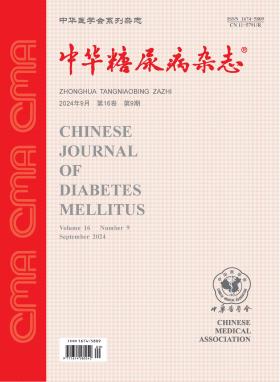
Volume 16 · Issue 09 · 2024
MedNexus
- Sections
- Special Article
- Criterion and Guide
- Original Article
- Short Paper
- Case Report
- Review Article
Diabetes has become a public health problem that seriously threatens human health and needs to be contained urgently. In the past 40 years, the prevalence of type 2 diabetes in China has been increasing continuously, and the current situation of adult diabetes control in China is not optimistic. According to the idea of "treating disease before disease" in traditional Chinese medicine and combined with the concept of modern preventive medicine, this paper puts forward a "five-level prevention and treatment strategy of diabetes (one palm and five fingers)", that is, according to the whole population, the whole life cycle, and the law of disease development and change, the diabetic population is divided into five levels: general population (no disease), high-risk population (no disease), prediabetes (desire to be sick), diabetic stage (already sick) and diabetic complication stage (change of disease). Emphasize government-led, integration of medical and prevention, integration of traditional Chinese and western medicine and integration of physical medicine, and adopt different strategies and measures for systematic, accurate and dynamic comprehensive prevention and treatment at different stages; Prevent and control major diseases from the source, and realize the shift from treating diseases as the center to health as the center.
Obesity is a metabolic disease caused by genetic factors and poor lifestyles, and it is a high-risk factor for many chronic diseases. Overweight and obesity has become a major public health problem in China. The means of weight management include lifestyle intervention, drugs and metabolic surgery. Currently, a number of glucagon-like peptide-1 receptor agonists (GLP-1RA) drugs are approved for weight management. Lifestyle modification is the concerstone for all weight management, and it should run through other management methods such as GLP-1RA drug treatment. How to combine the drugs with lifestyle intervention scientifically and effectively has become an important clinical problem. Experts in endocrinology, nutrition, public health, and other relevant fields were invited to contribute to this consensus, which is based on evidence from both domestic and international clinical studies, as well as practical clinical experience. This expert consensus covers the definition, diagnosis, epidemiology, related complications, weight management objectives for overweight/obesity, weight loss strategies, and the management process for patients using GLP-1RA drugs to lose weight.
Weight management has become an important component and foundation of comprehensive management of diabetic patients. Diabetic patients need to undergo early weight assessment and active management in order to realize the broad benefits of weight management. Lifestyle interventions, drugs and metabolic surgery are currently the main means of weight management in overweight or obese diabetic patients. The advent of hypoglycemic drugs with weight benefits, especially the new generation of incretin drugs, brings new hope for weight management of diabetic patients. In order to further standardize the weight management of diabetic patients, the Obesity Diagnosis and Treatment Alliance of the Department of Endocrinology and Metabolism invited experts in related fields in China to jointly write the Expert Consensus on Weight Management of Diabetic Patients (2024 Edition) based on the latest concept of weight management and evidence-based evidence, which gave recommendations from multiple levels such as comprehensive assessment of overweight and obesity, setting of personalized weight loss goals and hierarchical management strategies, so as to provide comprehensive guidance for the weight management of diabetic patients in clinical diagnosis and treatment, and help diabetic patients realize the sustained benefits of weight management.
To clarify the relationship between mucosa-associated invariant T (MAIT) cells and the development of diabetic kidney disease (DKD) in type 2 diabetes mellitus (T2DM) patients.
This was a cross-sectional study. Consecutive patients aged 18-60 years with untreated T2DM who attended outpatients clinics or wards in People′s Hospital of Zhejiang Province were included as study subjects. Their urinary albumin and creatinine were collected and the urinary albumin-to-creatinine ratio (UACR) was calculated, and their peripheral blood total MAIT cell ratio, granzyme B (Grmz-b)+ MAIT cell ratio, and activation index CD69+ MAIT cell ratio were detected. Comparisons between the two groups were made using two independent samples t-test or χ2 test, and the correlation between the proportion of Grmz-b+ MAIT cells in peripheral blood individual cells and UACR was analyzed using Spearman′s correlation analysis.
A total of 129 untreated T2DM patients were included, including 70 patients with simple T2DM group and 59 patients with DKD (DKD group). There has significant difference in the total proportion of MAIT cells in peripheral blood between the DKD group and the T2DM group [(3.27%±2.27%) vs (7.08%±5.05%), t=5.37, P<0.001], and the proportions of CD69+MAIT cells [(21.64%±10.13%) vs (15.82%±6.64%), t=2.47, P=0.014] and Grmz-b+MAIT cells [(31.63%±10.00%) vs (10.21%±6.63%), t=14.04, P<0.001] were significantly higher in the DKD group than in the T2DM group. Correlation analysis found that the proportion of Grmz-b+MAIT cells was significantly positively correlated with the UACR (r=0.242, P=0.001).
The increased activation rate of mucosa-associated invariant T cells is closely related to the occurrence and development of DKD in patients with T2DM. The high secretion of Grmz-b may be related to its pathogenesis.
To investigate the relationship between age at diagnosis of type 2 diabetes mellitus (T2DM) and diabetes distress (DD) in adults with T2DM.
This study was a prospective cohort study. A total of 3 354 T2DM patients were enrolled at Taiwan Li′s United Clinic from January 1, 2002. According to the age of T2DM diagnosis, the patients were divided into<40 years old group (young group, 488 cases), 40-59 years old group (middle-aged group, 2 055 cases), and≥60 years old group (elderly group, 811 cases). General data (age, sex, smoking history, drinking history, family history, diabetes course, economic income, educational level, marital status, and physical activity) and clinical indicators [body mass index (BMI), systolic blood pressure (SBP), diastolic blood pressure (DBP), hemoglobin (Hb), glycated hemoglobin A1c (HbA1c), etc.] of the patients were collected. And the characteristics of the disease (whether there are sleep disorders, DD, complications) and medication (antihypertensive drugs, lipid-regulating drugs, hypoglycemic drugs, insulin). The problem areas in diabetes (PAID) scale was used to determine whether T2DM patients had DD. One-way analysis of variance (ANOVA), Kruskal-Wallis H rank sum test and χ2 test were used to compare between groups. Cox regression analysis was used to analyze the influencing factors of DD and the relationship between age at diagnosis and DD.
There were no significant differences in family history of diabetes, sleep status and proportion of lipid-regulating drugs used among the three groups (P>0.05). Compared with the middle-aged group and the elderly group, T2DM patients in the young group had a longer duration of diabetes, a higher proportion of insulin use, smoking history and drinking history, and a higher level of BMI, HbA1c and Hb with statistical significance (P<0.05). Multivariate Cox regression analysis was conducted with age at diagnosis, sex, disease course, BMI, economic status, exercise habits, HbA1c, hemoglobin, marital status, education level and drug use as independent variables and whether DD occurred as dependent variables. The results showed that, younger age at diagnosis, female, and BMI were independent risk factors for the development of DD (HR=0.962, 1.820, 1.037, all P<0.05). After follow-up, the number of DD cases in the young, the middle-aged and elderly groups was 41, 96 and 23 cases, respectively. Cox regression analysis showed that after adjusting for disease course, sex, income, education, marital status, BMI, HbA1c, drug use, hemoglobin, sleep and complications, the risk of DD in the young group was 3.260 times that of the elderly group (95%CI 1.728-6.151, P<0.05).
Patients diagnosed with T2DM at an earlier age have a higher risk of DD, indicating the need for age-appropriate psychosocial support.
To investigate the influencing factors of major amputation in patients with diabetes foot.
This was a cross-sectional study. Patients with diabetic foot who were hospitalized in Shandong Provincial Hospital from January 1, 2012 to December 31, 2020 were selected as the study subjects. Sex, albumin, hemoglobin, site of foot ulcer (dorsum of foot, toe, sole, ankle, heel), peripheral artery disease (PAD) score and TEXAS scale results were collected. According to the period of hospitalization, diabetic foot patients were divided into 2012-2014 group, 2015-2017 group and 2018-2020 group. The influencing factors of diabetic foot patients were analyzed by binary logistic regression analysis.
A total of 1 767 patients with diabetic foot were included, including 1 120 males and 647 females. Binary logistic regression analysis showed that albumin (OR=0.855, 95%CI 0.834-0.940, P<0.001), hemoglobin (OR=0.980, 95%CI 0.966-0.993, P=0.004) and PAD score (OR=1.649, 95%CI 1.489-1.826, P<0.001), ulceration occurred in the dorsal part of the foot (OR=2.678, 95%CI 1.290-5.559, P=0.008), TEXAS grade (OR=1.649, 95%CI 1.122-2.424, P=0.011) were influencing factors of major amputation. The results of the 2012-2014 group showed that albumin (OR=0.777, 95%CI 0.628-0.962, P=0.021), foot and ankle ulcer (OR=52.339, 95%CI 1.978-1 384.918, P=0.018), PAD score (OR=1.703, 95%CI 1.157-2.506, P=0.007) were the influencing factors of major amputation in diabetic foot patients. The results of the 2015-2017 group showed that albumin (OR=0.855, 95%CI 0.776-0.941, P=0.001), hemoglobin (OR=0.965, 95%CI 0.944-0.987, P=0.002) and PAD scores (OR=1.475, 95%CI 1.270-1.713, P<0.001), TEXAS grade (OR=1.727, 95%CI 1.042-2.864, P=0.034) were the influential factors for major amputation in diabetic foot patients. The results of the 2018-2020 group showed that albumin (OR=0.888, 95%CI 0.806-0.979, P=0.017), hemoglobin (OR=0.974, 95%CI 0.949-0.999, P=0.043), white blood cells (OR=1.153, 95%CI 1.035-1.283, P=0.010), PAD score (OR=2.142, 95%CI 1.747-2.627, P<0.001), plantar ulcer (OR=3.317, 95%CI 1.041-9.448, P=0.042) were influential factors for major amputation in diabetic foot patients.
Albumin, hemoglobin, PAD score and TEXAS grade are the influential factors of diabetic foot amputation. Over time, the proportion of PAD score in the major amputation factors first decreased and then increased, but the overall trend was increasing. The proportion of albumin and hemoglobin in the influence factors of diabetic foot amputation increased slowly.
To systematically review the risk of fracture in type 2 diabetes mellitus (T2DM) patients induced by different receptor-selective sodium-glucose co-transporter 2 inhibitors (SGLT2i).
A systematic search of the National Library of Medicine database (PubMed), the Embase database, Clinical trials, and the Cochrane Library was conducted from the inception of each database until June 30, 2023 to identify all randomized controlled trials in T2DM patients using SGLT2i drugs that reported fracture outcomes. After a selection process, data were extracted from the trials. A traditional meta-analysis was performed based on the data. Subsequently, the included trials were categorized into two groups based on the selectivity of the drugs for their receptor sites: high selectivity [the drug has an IC50 ratio of ≥900 at the sodium-glucose cotransporter (SGLT) 1/2 site] and low selectivity [the drug has an IC50 ratio of <900 at the SGLT 1/2 site]. Control groups were further categorized into other anti-hyperglycemic medications and placebo. A network meta-analysis was performed with these four groups.
A total of 44 trials were included in this study, with a total sample size of 52 276 cases. The results of traditional meta-analysis showed that there was no statistically significant difference in the risk of fracture in T2DM patients caused by SGLT2i drugs compared with non-SGLT2i interventions (OR=1.07, 95%CI 0.88-1.30). The network meta-analysis results indicated that compared with placebo, neither high-selectivity SGLT2i (OR=0.94, 95%CI 0.64-1.38) nor low-selectivity SGLT2i (OR=1.19, 95%CI 0.76-1.88) showed a statistically significant difference in the risk of fracture in T2DM patients, and there was no statistically significant difference in the risk of fracture between the high-selectivity and low-selectivity SGLT2i groups (OR=0.79, 95%CI 0.44-1.40).
The use of SGLT2i drugs in T2DM patients does not increase the risk of fracture, and the fracture risk associated with SGLT2i drugs is not influenced by the differences in the receptor site selectivity of these drugs.
To investigate the expression levels of serotonin in islets under hypoxic conditions and its regulatory mechanisms.
Human islets cultured in vitro were divided into control group and the hypoxia mimetic compound cobalt chloride (CoCl2) treatment group, and 3 parallel groups were set in each group. The expression levels of serotonin in human islets were detected through immunofluorescence staining. NIT-1 cells were divided into 7 groups: control group, CoCl2 group, hypoxia (1% O2) group, hypoxia inducible factor 1 alpha (Hif1α) activator dimethyloxalylglycine (DMOG) treatment group, small interfering RNA control (siCtrl) group, siCtrl+CoCl2 group and siHif1α+CoCl2 group, and 3 parallel groups were set in each group. Expression levels of the serotonin synthesis rate-limiting enzyme Tph1 were assessed by real-time quantitative polymerase chain reaction (qRT-PCR) and Western blotting. The independent sample t test was used to compare the results between two groups.
The expression levels of serotonin significantly decreased in human islets treated with CoCl2 compared with control group (P<0.001). In NIT-1 cells, treatment with CoCl2 and hypoxia (1% O2) both significantly inhibited the expression of Tph1 (P<0.05). The activation of Hif1α by DMOG increased the expression level of Hif1α (P<0.05), while simultaneously inhibiting the expression level of Tph1 (P<0.05). Tph1 protein expression in siCtrl+CoCl2 group was significantly down-regulated than that in siCtrl group (P<0.05), but that in siHif1α+CoCl2 group was significantly up-regulated than that in siCtrl+CoCl2 group (P<0.05).
Under hypoxic conditions, Hif1α inhibits the expression of Tph1, thereby reducing the expression level of serotonin in the islets.
To investigate the effect of empagliflozin plus insulin on glucose variability in non-obese adults with type 1 diabetes mellitus (T1DM).
This study was a prospective, randomized controlled, and open-label clinical trial. From November 2019 to December 2022, a total of 60 non-obese adult patients with T1DM from the Second Xiangya Hospital of Central South University were enrolled. They were randomly assigned in a 1∶1 ratio using random numbers generated by SPSS 26.0 software to receive either empagliflozin combined with insulin (intervention group) or insulin alone (control group) for 6 months, with 30 patients in each group. The primary outcome indicator was glycemic variability, which was assessed by mean amplitude of glucose excursions (MAGE), standard deviation (SD), and coefficient variation (CV). The secondary outcome indicator was glycemic control, which was assessed by clinically meaningful glycated hemoglobin A1c (HbA1c) reduction rate, HbA1c level, the rate of achieving the HbA1c target, daily insulin dose, time above/below/in range, and glycemia risk index. Safety was assessed based on the incidence of hypoglycemic events and adverse events. The clinically meaningful HbA1c reduction was defined as a reduction in HbA1c greater than 0.3%. A mixed-effects model and generalized estimating equation were used to compare between groups, and a paired t test was used to compare within groups.
A total of 59 cases were included in the analysis, with 29 in the intervention group and 30 in the control group [male: 58.62% (17/29) vs. 36.67% (11/30), respectively, P=0.091]. There was no significant difference between the intervention group and the control group in the glycemic variability indicators. The proportion of patients with a clinically meaningful reduction in HbA1c was significantly higher in the intervention group than in the control group [61.54% (16/26) vs. 28.00% (7/25), respectively, P=0.016]. The safety analysis showed no significant difference in hypoglycemia between the two groups in non-obese adults with T1DM [85.71% (24/28) vs. 81.48% (22/27), respectively, P=0.729], and no ketoacidosis events were reported during the trial.
Empagliflozin combined with insulin in non-obese T1DM patients was safe and did not significantly increase the risk of hypoglycemia and ketoacidosis. Empagliflozin may improve glycemic control status in non-obese patients with T1DM, and did not significantly improve glycemic variability in non-obese adults with T1DM.
To investigate the association between the triglyceride-glucose index (TyG index) and non-alcoholic steatohepatitis (NASH) in obese patients.
This cross-sectional study included obese patients who underwent liver biopsy at Nanjing Drum Tower Hospital, Affiliated Hospital of Medical School, Nanjing University from January 2016 to July 2023. Fasting plasma glucose (FPG) and triglycerides (TG) were measured to calculate the TyG index. Characteristics of liver histology, including steatosis, lobular inflammation, ballooning, and fibrosis scores, were assessed. Based on liver pathology, patients were categorized into control, non-NASH, and NASH groups. Patients were also divided into quartiles of the TyG index: Q1 (TyG index<8.48), Q2 (8.48≤TyG index≤8.85), Q3 (8.86≤TyG index≤9.27), and Q4 (TyG index>9.27). A simple random sampling method was used to divide the subjects into a training set and a validation set in a 7∶3 ratio. Linear regression was used to evaluate the trends in the TyG index across the control, non-NASH, and NASH groups. Linear-by-linear association chi-square tests investigated the associations between the quartiles of the TyG index and liver histological characteristics. Spearman′s correlation was used to analyze the relationship between the TyG index and histological parameters. Binary logistic regression was used to analyze the risk factors for NASH. The diagnostic value of the model for NASH was evaluated using the area under the receiver operating characteristic (ROC) curve.
A total of 1 130 obese patients undergoing liver pathology were included: 126 in the control group, 715 in the non-NASH group, and 289 in the NASH group. Patients were divided into quartiles of the TyG index: 282 in Q1, 283 in Q2, 283 in Q3, and 282 in Q4. In addition, 802 patients were assigned to the training set and 328 to the validation set. The TyG index progressively increased across the control, non-NASH, and NASH groups [8.55 (8.18, 8.84), 8.90 (8.54, 9.27), and 9.12 (8.68, 9.52); P for trend<0.001]. Spearman′s correlation indicated that the TyG index positively correlated with scores of liver steatosis, lobular inflammation, and fibrosis (r=0.230, 0.152, and 0.093, respectively; P<0.05). The prevalence of NASH significantly increased across the Q1, Q2, Q3, and Q4 groups (P for trend<0.001). Binary logistic regression revealed that the TyG index was an independent predictor of NASH (OR=1.825, 95%CI 1.021-3.262, P=0.043). The area under the ROC curve for predicting NASH risk was 0.783 (95%CI 0.747-0.818) in the training set and 0.759 (95%CI 0.703-0.814) in the validation set.
The TyG index is a significant predictor of NASH. A composite index based on the TyG index effectively predicts the risk of NASH.
To explore differences in clinical characteristics and adverse maternal-fetal outcomes between women with type 1 diabetes mellitus (T1DM) and type 2 diabetes mellitus (T2DM), diagnosed before pregnancy and using insulin during pregnancy, as well as their influencing factors, in order to better manage different types of diabetes complicated by pregnancy.
This was a 12-year (from July 2010 to September 2022) retrospective cohort study of women with T1DM and T2DM using insulin throughout the entire pregnancy from Department of Obstetrics the First Affiliated Hospital of Nanjing Medical University. Their height and weight were collected to calculate body mass index (BMI).Women′s systolic and diastolic blood pressure, diabetes duration, hemoglobin, glycated hemoglobin A1c (HbA1c), adverse maternal outcomes of pregnancy (postpartum hemorrhage) and adverse neonatal outcomes [macrosomia or large for gestational age (LGA), neonatal hypoglycemia] were collected. According to the type of diabetes mellitus, pregnant women were divided into T1DM group and T2DM group. Two independent samples t-tests, Mann-Whitney U test, χ2 test or Fisher′s exact test were used to compare between groups, and multivariate logistic regression analysis was used to analyse the affecting factors of neonatal hypoglycemia and macrosomia/LGA.
Finally, 171 study subjects were included, including 46 women in the T1DM group and 125 women in the T2DM group. Compared with women with T1DM, women with T2DM had higher BMI, antenatal hemoglobin, systolic and diastolic blood pressure, shorter diabetes duration, and fewer women had diabetes for 10 years (all P<0.05). The results of maternal adverse outcomes of pregnancy showed that postpartum bleeding [14.4% (18/125)] was higher in T2DM group than in T1DM group [2.2% (1/46)](χ2=5.089, P=0.024). The results of adverse neonatal outcomes showed that T2DM group had a higher incidence of macrosomia/LGA [23.9% (11/46) and 40.8% (51/125), χ2=4.149, P=0.042] and lower incidence of neonatal hypoglycemia [39.1% (18/46) and 13.6% (17/125),χ2=13.464,P<0.001)]. The results of multivariate logistic regression analysis showed that diabetes duration influenced the occurrence of neonatal hypoglycemia (OR=1.113,95%CI 1.012-1.223,P=0.027). BMI (OR=1.166, 95%CI 1.076-1.263, P<0.001) and HbA1c≥6% (OR=2.220,95%CI 1.079-4.568,P=0.030) were influencing factors for the occurrence of macrosomia/LGA.
Pregnancy with T1DM and T2DM significantly increased adverse maternal and neonatal outcomes. The incidence of neonatal hypoglycemia was higher in T1DM group, and fetuses in T2DM group were more likely to be overgrown. The duration of diabetes mellitus, prenatal BMI and HbA1c levels in late pregnancy were influencing factors for the occurrence of adverse maternal and infant outcomes.
To investigate the association between baseline systemic immune inflammation index (SII) and all-cause and cardiovascular disease (CVD) mortality in adults with diabetes mellitus.
This study was a cohort study. A retrospective study of 3 170 adults with diabetes mellitus from the 2005—2018 National Health and Nutrition Examination Survey was included, the clinical data such as sex, age, race, body mass index, smoking status, duration of diabetes mellitus, alanine aminotransferase, serum creatinine, estimated glomerular filtration rate, triglyceride, total cholesterol, low-density lipoprotein cholesterol, glycated hemoglobin A1c, hypertension, cardiovascular disease, chronic obstructive pulmonary disease, and diabetic renal disease were collected, and mortality outcomes were determined by the National Death Index as of 31 December 2019. A Cox risk model was constructed to examine the association between SII and all-cause and CVD mortality, using restricted cubic spline to explore non-linear correlations and constructing segmented linear regressions on either side of the inflection point for validation. Weighted Kaplan-Meier curves and subgroup analyses to characterise the association of SII with all-cause and CVD mortality.
During a median follow-up of 6.58 years, there were 632 deaths from all causes and 179 deaths from CVD. After adjusting for covariates including sex, age, race, body mass index, smoking status, duration of diabetes mellitus, alanine aminotransferase, serum creatinine, estimated glomerular filtration rate, triglyceride, total cholesterol, low-density lipoprotein cholesterol, glycated hemoglobin A1c, hypertension, cardiovascular disease, chronic obstructive pulmonary disease, and diabetic renal disease, the Cox regression analysis results showed that higher SII was associated with the risk of all-cause and CVD deaths associated. For each 1-unit increase in lnSII, the risk of all-cause and CVD mortality was elevated by 40% (HR=1.40) and 123% (HR=2.23), respectively (P<0.05). There was a U-shaped correlation between SII and all-cause and CVD mortality, with thresholds of 6.528 and 6.124 for lnSII, respectively, and a positive correlation with mortality when lnSII was higher than the thresholds (all-cause mortality HR 3.03, 95%CI 2.29-4.00, CVD mortality HR 3.07, 95%CI 2.12-4.44, P<0.001). Weighted Kaplan-Meier curves showed that individuals with higher SII had a significantly higher risk of all-cause and CVD mortality (P<0.001).
The SII may be a valuable potential tool for predicting the risk of all-cause and CVD mortality in adults with diabetes mellitus. The relationship between SII and mortality showed a U-shaped correlation, especially for the diabetic population with basic glycemic control, SII as an inflammatory marker is more predictive of CVD risk.
The diagnosis and treatment of a patient with MCLMR syndrome due to diabetes was reported. The patient was a 15-year-old male who was admitted for "dry mouth, polydipsia and polyuria for 3 d". After admission, the relevant examinations were completed, and the results showed that random peripheral blood glucose was 15.79 mmol/L, glycosylated hemoglobin (HbA1c) 9.2%, fasting venous blood glucose 12.99 mmol/L, C peptide release test results showed that fasting and 120 min postprandial C peptide were 0.59 and 1.08 nmol/L, respectively, fasting and 120 min postprandial blood glucose were 7.11 and 19.32 mmol/L, respectively; Pancreatic islet cell antibody, zinc transporter-8 autoantibody, anti-glutamate decarboxylase antibody and tyrosine phosphatase antibody were all negative, and the urine microalbumin/creatinine ratio was 46.44 mg/g; First-generation gene sequencing results suggest that patient kinetin family members 11 (KIF11A heterozygous insertion frameshift variant c.202_203insA:p.F68Yfs*2 (NM_004523.4) was detected in the gene, which was not detected in either parent of the patient. Combined with the medical history and examination results, the patient was diagnosed asKIF11MCLMR syndrome caused by an emerging genetic variant. During the admission to the hospital, the patient was given metformin 0.5 g twice a day and insulin glargine 12 U subcutaneously before bed. The patient's blood glucose fluctuated between 4.2 and 11.0 mmol/L. The treatment plan was adjusted and insulin was stopped. Only metformin 0.5 g twice a day, the patient's blood glucose fluctuated between 4.5 and 6.9 mmol/L, and the patient was discharged after his condition was stable. This article hopes to enhance the clinical understanding of MCLMR syndrome complicated with diabetes and put forward effective treatment measures through reporting the diagnosis and treatment process of this patient and reviewing the literature.
Diabetes and its complications and comorbidities have brought a huge burden to patients and society. Although the current status of diabetes management has improved compared with before, it is still challenging to better manage blood sugar and diagnose and treat diabetic complications and comorbidities. The American Diabetes Association (ADA) Working Group updated the 2023 edition of ADA: Criteria for the Diagnosis and Treatment of Diabetes, and developed and published new comprehensive evidence-based guidelines for the diagnosis and treatment of diabetes. The guidelines are specifically updated to supplement diabetes, screening and diagnosis of diabetic complications and its comorbidities, blood glucose monitoring, lifestyle/behavior style interventions, mental health, medication, blood glucose management goals, and more to improve the quality of management for all people with diabetes, pre-diabetes or those at high risk of diabetes.
Diabetic nephropathy (DKD) is one of the most common microvascular complications of diabetes, which can lead to severe renal fibrosis and renal failure in the late stage. Glomerular mesangial cells are inherent cells of kidney, and their functions include secretion of extracellular matrix, phagocytosis and elimination of macromolecules, regulation of smooth muscle contraction, and production of various cytokines through cell activation to participate in the occurrence and development of renal fibrosis. New mechanisms such as regulation of fibrosis signaling pathway and ferroptosis by traditional Chinese medicine have become hot spots in the treatment of diabetic nephropathy, among which there are still few studies on mesangial and mesangial cells. This article will review the role and research progress of mesangial cells in renal fibrosis in diabetic nephropathy, in order to provide new ideas for the prevention and clinical treatment of diabetic nephropathy.
CURRENT ISSUE