MedNexus
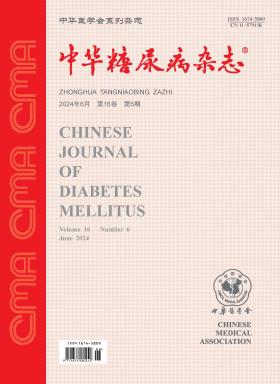
Volume 16 · Issue 06 · 2024
MedNexus
- Sections
- Special Article
- Criterion and Guide
- Original Article
- Review Article
- Lecture
The prevalence of diabetes in China is on the rise, and the large patient population and the current situation of disease management that needs to be improved have made it an important public health issue. The hierarchical diagnosis and treatment system can realize the rational allocation of medical resources and is suitable for the management of chronic diseases such as diabetes. This paper analyzes the current implementation status and challenges of hierarchical diagnosis and treatment in China, and proposes a hierarchical diagnosis and treatment strategy based on the "Internet plus" diabetes common care model, so as to explore how to build a data-driven regional hierarchical diagnosis and treatment system for diabetes, realize value-oriented diabetes management practice, and improve the level of diabetes management in China.
Diabetic peripheral neuropathy (DPN) is one of the most common chronic complications of diabetes and the most common cause and trigger of diabetic foot ulcer. It seriously affects the quality of life of patients, and its treatment has been a clinical difficulty. At present, it is believed that DPN treatment mainly includes strengthening blood sugar control and risk factor management, as well as pathogenesis treatment and symptomatic pain relief. This article mainly reviews the research progress of treatment methods based on the pathogenesis of DPN, including blood sugar control, anti-oxidative stress, nerve repair, improvement of microcirculation and metabolic disorders.
The glycemic control rate of patients with type 2 diabetes in China is only 16.5%. The low standard insulin therapy rate, clinical treatment inertia and insufficient long-term compliance of patients are one of the important reasons for poor blood glucose management in type 2 diabetes patients in China. The burden of insulin injection therapy and the complexity of treatment plan are important factors affecting treatment compliance. Insulin ecoic achieved once-weekly dosing by forming a reservoir of albumin in the circulation, significantly reducing the number of injections. Clinical research results show that compared with basal insulin daily preparation, insulin eco has better treatment satisfaction and treatment compliance, positive hypoglycemic efficacy and lower risk of hypoglycemia.
Exercise is one of the main forms of lifestyle intervention in the integrated management of patients with type 2 diabetes mellitus (T2DM). At present, there is still a lack of exercise therapy guidelines for T2DM that are in line with China's national conditions and incorporate the latest research evidence. To this end, the National Geriatric Center, the Diabetes Branch of Chinese Medical Association and the Chinese Sports Science Society jointly organized a team of domestic experts in endocrinology and metabolism, sports medicine, rehabilitation medicine, medical nutrition, geriatrics and other related fields, systematically sorted out high-quality literature at home and abroad in recent years, and compiled the Guidelines for Exercise Therapy of Type 2 Diabetes in China (2024 Edition), aiming at providing safe and effective T2DM exercise guidance for clinicians, diabetes education nurses and other diabetes prevention and control personnel. The guide includes the basic principles of exercise therapy for T2DM, acute and chronic complications, commonly used diseases, commonly used drugs, exercise timing, blood glucose monitoring during exercise, sports nutrition, sports injuries, exercise compliance and digital medicine, with a total of 76 recommendations. This guideline has strong practicality and operability, and it is expected to provide scientific and standardized exercise therapy programs for Chinese T2DM patients.
To investigate the association between islet α-cell and β-cell function and impaired renal tubular function in patients with type 2 diabetes mellitus (T2DM).
A cross-sectional study was used to collect the patients of T2DM with normoalbuminuria and complete data who were hospitalized at Tianjin Medical University Chu Hsien-I Memorial Hospital from January 2020 to July 2023. According to the renal tubular function, the subjects were divided into normal tubular function group and impaired tubular function group. The subjects′ glycosylated hemoglobin A1c (HbA1c) and 24h urinary glucose were collected. All subjects underwent oral glucose tolerance test (OGTT) and blood samples were taken at fasting and 30, 60, 120, 180 min after 75 g oral glucose load to detect blood glucose, insulin, C-peptide and glucagon. The homeostasis model assessment of insulin resistance (HOMA-IR), area under curve of glucagon(AUCG), area under curve of C-peptide (AUCC) and insulin sensitivity index (ISI) were calculated. Independent sample t test or χ2 test was used for comparison between groups. Binary logistic regression analysis was performed to evaluate influencing factors of impaired renal tubular function.
A total of 196 patients with T2DM were enrolled. Patients were divided into normal renal tubular function group (104 cases) and impaired renal tubular function group (92 cases). Compared to normal renal tubular function group, the levels of fasting glucose (t=2.00), HbA1c (t=3.58), 24 h urinary glucose (t=2.97), HOMA-IR (t=8.17), 180 min glucagon (t=1.98), AUCG (t=2.33) were significantly higher and ISI (t=2.80) and AUCC (t=2.52) were significantly lower in impaired renal tubular function group. Logistic regression analysis showed that renal tubular function impairment was positively related to HbA1c, HOMA-IR, AUCG[OR values (95%CI) were 4.705 (2.080-10.643), 4.055 (1.751-9.394) and 1.930 (1.324-2.812) respectively, all P<0.05] and negatively related to AUCC [OR value (95%CI) was 0.187 (0.059-0.589), P=0.004].
Impairment of renal tubular function may be associated with the function of the islet α-cell and β-cell in patients with T2DM.
To investigate the sole effect of biorhythm disturbances and its combined effect with a history of gestational diabetes mellitus (GDM) on postpartum cardiovascular metabolic indicators.
This was a cohort study based on the Ma′anshan birth cohort (MABC), a birth cohort established at Ma′anshan Maternal and Child Health Care Center from May 2013 to September 2014, where a 75 g oral glucose tolerance test was performed at 24—28 weeks of gestation to diagnose GDM. A total of 120 women and 240 women with and without a history of GDM were selected using the random number table method in a ratio of 1∶2. The participants were followed up from July 2021 to August 2022, and 307 study participants were eventually included in this study, including 99 women with a history of GDM and 208 women without a history of GDM. At the time of follow-up, basic information about the women was collected, including age, body mass index (BMI), education, job nature, marital status, gross after-tax income, alcohol consumption, smoking status, adverse pregnancy and childbirth history, gestational hypertension history, family history of diabetes, family history of cardiovascular disease, etc. Fasting blood samples were collected for measurement of the following biochemical indices: fasting plasma glucose (FPG), glycated hemoglobin A1c (HbA1c), triglycerides (TG), total cholesterol (TC), uric acid and creatinine. The Neuropsychiatric Assessment of Biorhythms Interview Questionnaire was used to assess the biorhythms of the study participants and scores were calculated using the median biorhythm score as the cut-off value, with less than the median indicating low level of biorhythm disturbance, and vice versa for high levels of biorhythm disturbance. Linear regression was used to analyze the associations between biorhythm disturbances and cardiovascular metabolic markers and their combined effect with a history of GDM on cardiovascular metabolic markers, Linear model was used to analyze the summation interaction of GDM history and biorhythms on metabolic indexes in the postpartum period, and P values were corrected for multiple tests using the Benjaminiand Hochberg method to control for the false discovery rate (FDR) and were considered to be statistically significant if the adjusted PFDR value<0.05.
Linear regression results showed that after adjusting for age, BMI, education, job nature, marital status, gross after-tax income, alcohol consumption, smoking status, adverse pregnancy and childbirth history, GDM, gestational hypertension, family history of diabetes, family history of cardiovascular disease, the degree of biorhythm disturbances was positively associated with the level of glycated haemoglobin (β=0.08, 95%CI 0.02-0.14, P=0.01), however, the FDR correction was not statistically significant (PFDR=0.13); compared with women with no history of GDM and a low degree of biorhythm disturbances, women with a prior GDM history and a high degree of biorhythm disturbances had a higher level of FPG (β=0.91, 95%CI 0.50-1.31, PFDR=0.001) and a higher level of HbA1c (β=5.26, 95%CI 2.70-7.83, PFDR=0.001). Interaction analysis showed that history of GDM and biorhythm disturbances had additive interaction on FPG (PInteraction=0.03), and HbA1c (PInteraction=0.03).
Our study showed that women with a history of GDM and a high degree of biorhythm disturbance had significantly higher levels of FPG and HbA1c, highlighting the importance of maintaining a healthy biorhythm in women with a prior GDM history.
To explore the efficacy and safety of beinaglutide injection twice daily in the treatment of Chinese patients with obesity.
A prospective, multicenter, open-label, before and after controlled study was conducted. From October 2017 to October 2018, obese patients in Department of Endocrinology of the Second Affiliated Hospital of Soochow University, Department of Endocrinology of Yifu Hospital Affiliated to Nanjing Medical University, Department of Endocrinology of Changzhou First People′s Hospital, Department of Endocrinology of Wuxi People′s Hospital, Department of Endocrinology of Taicang First People′s Hospital were selected as the research subjects. After enrolment, patients received 28 days of dietary control and exercise guidance, followed by 12 weeks of treatment with subcutaneous injections of beinaglutide 0.2 mg Bid, during which time patients′ weight and other metabolic indicators were monitored. The primary endpoint was the change in weight before and after beinaglutide treatment, and the secondary endpoint was the change in metabolic or cardiovascular risk factors (blood pressure, waist circumference, hip circumference) before and after beinaglutide treatment, as well as the proportion of patients with impaired glucose tolerance who returned to normal. Paired t test was used to compare the differences in the relevant indicators before and after treatment.
A total of 91 obese patients from 5 hospitals were enrolled in this study, and 64 patients (70.3%) completed the trial. After 12 weeks of treatment, the patients′ weight decreased from (93.15±15.39) kg at baseline to (89.30±14.52) kg (t=-9.03, P<0.001). 31.9% (29/91) of the subjects had a weight loss of ≥5%, and 6.6% (6/91) had a weight loss of ≥10%. After 12 weeks of treatment, the patients′ waist circumference decreased from (104.22±11.20) cm at baseline to (99.80±9.66) cm (t=-7.12, P<0.001), and hip circumference decreased from (110.80±8.432) cm at baseline to (107.10±7.89) cm(t=-6.39, P<0.001), and systolic blood pressure decreased from (129.66±14.89) mmHg at baseline to (125.60±11.39) mmHg (t=-2.96, P=0.004). At baseline, 36.3% (33/91) had impaired glucose tolerance, and at the 12-week follow-up, 24.2% (8/33) patients had returned to normal. In this study, the most common adverse reactions were nausea, vomiting and loss of appetite, with no serious adverse events were reported.
The twice-daily subcutaneous injection of beinaglutide combined with diet and exercise intervention for the comprehensive treatment of Chinese patients with simple obesity and combined metabolic abnormalities has therapeutic effects on weight loss and improvement of metabolic or cardiovascular-related risk factors, with good safety and tolerability.
To meta-analyze and systematically evaluate the incidence and influencing factors of impaired awareness of hypoglycaemia (IAH) in patients with type 1 diabetes mellitus (T1DM).
We searched PubMed, EMBASE, Web of Science, Cochrane Library, Scopus, CNKI, Chinese biomedical literature database, Wanfang data knowledge service platform and VIP for relevant studies on the incidence and influencing factors of hypoglycaemia in T1DM patients, from the date of database inception to August 2023. Literature screening, quality evaluation and data extraction were performed independently by 2 researchers according to the inclusion and exclusion criteria. Revman 5.4 was used for Meta-analysis.
A total of 18 articles were included, with a total sample size of 9 445 cases. Meta-analysis showed that the incidence of hypoglycemia in patients with T1DM was 29% (95%CI 24%-34%). In subgroup analysis, the incidence of IAH assessed by Gold scale, Clarke scale and Pedersen questionnaire was 28% (95%CI 20%-37%), 25% (95%CI 20%-29%) and 65% (95%CI 41%-89%), respectively. In subgroup analysis by region, the prevalence of IAH in Asia, Europe, North, Oceania and South was 31% (95%CI 4%-59%), 24% (95%CI 19%-28%), 48% (95%CI 29%-66%), 21% (95%CI 18%-23%) and 32% (95%CI 19%-44%), subgroup analysis by year showed that the IAH rates in 2006—2015, 2016—2020 and 2021—2023 were 29% (95%CI 11%-47%), 33% (95%CI 26%-40%) and 22% (95%CI 15%-29%), respectively. Impaired awareness of hypoglycemia was associated with age (OR=0.50, P<0.001), use of continuous glucose monitoring (OR=1.20, P=0.030), use of continuous subcutaneous insulin pump (OR=0.50, P=0.030), and peripheral neuropathy change (OR=2.94, P=0.001), the results of sensitivity analysis showed that the Meta-analysis was relatively stable.
The incidence of IAH is relatively high in patients with T1DM. Age, peripheral neuropathy, and continuous glucose monitoring are risk factors for impaired hypoglycemia perception in patients with T1DM; the use of continuous subcutaneous insulin pump is protective factor.
To investigate how a low-protein diet during pregnancy and lactation affects the islet function in the female offspring mice, and to explore the potential mechanisms using transcriptome sequencing technology.
Thirty-three female C57BL/6J mice were randomly divided into two groups according to a random number table method on the day of conception and given a control diet (22% protein) (13 mice) and a low-protein diet (9% protein) (20 mice) throughout pregnancy and lactation, respectively. After weaning, all offspring were given a standard diet. The female offspring were divided into the control diet group (CD group, 20 mice) and the low protein diet group (LPD group, 20 mice) based on their maternal diet. Body weight and fasting plasma glucose (FPG) data of the female offspring were collected. Intraperitoneal glucose tolerance test (IPGTT), simultaneous serum insulin release test (IRT) and intraperitoneal insulin tolerance test (IPITT) were performed to assess the function of the offspring islets and their insulin sensitivity. Long non-cody RNA (LncRNA) from the offspring primary islets were extracted for transcriptome sequencing. The bioinformatics analysis applied between the targeted genes and the differentially expressed messenger RNA (mRNA). Experimental verification of biosignature analysis was performed using quantitative real-time PCR (qRT-PCR) and Western blotting. To verify the expression of (lactate dehydrogenase A) Ldha, a common differential gene of mRNA and LncRNA predicted target genes, we performed immunofluorescence staining on paraffin sections of pancreatic tissue. Thereafter, LncRNA Gm38850 knockdown Min6 cell model was constructed to study the effect of Gm38850 on islet function and its regulatory relationship with Ldha. Group comparisons were conducted using either independent samples t-test or corrected t-test.
The LPD group showed impaired glucose tolerance (P<0.05) and reduced insulin release (P<0.05) at week 17 of age compared to the CD group. However, no significant differences were observed in FPG and blood glucose area under curve of IPITT. Whole transcriptome sequencing screened a total of 55 differentially expressed mRNAs (42 up-regulated and 13 down-regulated) and 4 differentially expressed LncRNA (all down-regulated) in islet cells between the two groups. The pathway enrichment analysis suggested that these differentially expressed RNAs were mainly involved in the biological functions of the pyruvate metabolism, interleukin-17 (IL-17) signaling pathway, glucagon pathway, advanced glycation end-products-receptor for advanced glycation end-products (AGE-RAGE) signaling pathway and hypoxia-inducible factor 1 (HIF-1) signaling pathway. The experimental validation results of pancreatic tissues were consistent with the trend of the biosignature analysis results. Among them, immunofluorescence staining showed that Ldha expression was up-regulated in the pancreatic islets of mice in the LPD group, and that cellular Ldha expression was up-regulated after knockdown of the LncRNA Gm38850 in Min6 cells. We also observed a significant reduction in glucose-stimulated insulin secretion in the Gm38850 knock-down cells.
A low-protein diet during pregnancy and lactation may impair islet function in the offspring female mice, possibly due to epigenetic changes in the islets.
To explore the effect of total flavones of Abelmoschus manihot (TFA) on renal glucose reabsorption.
A total of 24 C57BL/6 mice were assigned to control, high fat diet (HFD), and HFD+TFA groups using random number table method, 8 mice in each group. In vitro, HK2 cells were treated with palmitic acid (PA). The cells were divided into 3 groups: control group, PA group, and PA+TFA group. Oil red O staining was used to evaluate lipid accumulation. Immunofluorescence staining, quantitative real-time polymerase chain reaction (qRT-PCR), and Western blotting were used to evaluate glucose uptake and sodium glucose cotransporter 2 (SGLT2) expression. One-way analysis of variance (ANOVA) was used for comparison among groups.
Massive lipid deposition in renal tubules was observed in HFD group, whereas no lipid deposition was found in the control group. Compared with HFD group, red-stained lipid droplets were significantly decreased in HFD+TFA group (P<0.001). The immunofluorescence results showed that SGLT2 protein in renal cortex tissue was dectected in three groups. Compared with the control group, SGLT2 expressions were significantly increased in HFD group and HFD+TFA group (P<0.05). However, SGLT2 expression in HFD+TFA group was lower than HFD group (P=0.049). The qRT-PCR results showed that SGLT2 mRNA in HFD group was significantly higher than that in the control group (P<0.001), while decreased after TFA intervention. In addition, treatment with TFA resulted in significant amelioration of lipid accumulation induced by PA in HK2 cells. Accompanied with improvement of lipid deposition, SGLT2 expression and glucose uptake were attenuated (P<0.05).
TFA can ameliorate renal lipid deposition, thereby inhibiting glucose reabsorption. Its renal protective effect may be related to its role in inhibiting SGLT2 expression.
Diabetic encephalopathy (DE) is one of the most common chronic complications of diabetes, and its pathogenesis has not been fully elucidated at present. As a serious complication of central nervous system, DE is gradually becoming one of the hotspots at home and abroad. In recent years, with the research progress of scholars on DE, the pathogenesis of DE has become more and more clear, and a variety of treatment methods have been studied for different pathogenesis. This article reviews the existing literature and new progress on the pathogenesis and treatment of DE, in order to provide reference for the early prevention and treatment of DE.
Epidemiological studies have demonstrated a correlation between diabetes and neurodegenerative diseases, with similar pathophysiological processes and molecular pathways. Growing evidence suggests that glucagon-like peptide-1 receptor agonists (GLP-1RA) have the potential to treat neurodegenerative diseases, particularly diabetes-related cognitive dysfunction. Mammalian rapamycin target protein (mTOR) is a protein kinase involved in the regulation of the insulin pathway, energy metabolism, cell proliferation, and transcription and translation. mTOR is involved in the aberrant regulation of diabetes and cognitive impairment and mediates the role of GLP-1RA in the treatment of diabetes. Therefore, mTOR may be a key molecule that regulates GLP-1RA to improve cognitive dysfunction in diabetes. This paper reviews the pathogenesis of diabetes-related cognitive dysfunction, the role of mTOR in cognitive dysfunction, and the research status of GLP-1RA improving cognitive dysfunction through mTOR, so as to provide new ideas for the mechanism research and early prevention and treatment of diabetic cognitive dysfunction.
Diabetes mellitus is a systemic metabolic disease with chronic hyperglycemia as the main clinical characteristic. Diabetic foot (DFU) and refractory wounds are common complications. However, the previous treatment measures have not achieved good results, which makes the amputation rate of DFU remain high. Adipose-derived stem cells (ADSCs) have self-renewal ability and multidirectional differentiation potential. Because adipose tissue is easily obtained and from a wide range of sources, they are considered to be the best choice for bone marrow-derived stem cells (BMSCs). Experimental studies have also shown that ADSC can promote diabetic wound healing by promoting angiogenesis, reducing inflammatory response, and regulating fibroblast proliferation and migration, which guides a new method for exploring the cure of diabetic wounds. Proteomics can study and explore the pathogenesis of diabetes mellitus and the healing mechanism of diabetic wounds treated by ADSC from the protein level, which is helpful to further improve the clinical efficacy of diabetes mellitus. This paper reviews the mechanism and research progress of proteomics technology in ADSC treatment of diabetic wound healing, in order to provide reference for exploring the related mechanism of ADSC treatment of diabetic wound healing.
Diabetic nephropathy (DKD) is one of the main causes of end-stage renal disease, and its exact pathogenesis has not been fully elucidated. Complement hyperactivation is involved in the pathogenesis and progression of DKD. Recent studies suggest that complement regulatory proteins play an important role in the pathogenesis of DKD by affecting the activation of complement system. This article will review the role of complement regulatory proteins in the pathogenesis and progression of DKD.
Type 2 diabetes mellitus (T2DM) is a complex chronic progressive disease, involving a variety of pathophysiological mechanisms and blood glucose regulation pathways, and it is difficult to maintain blood glucose stability with single drug treatment. Early use of drug combination therapy can help to better cover a variety of pathological abnormalities, improve blood glucose compliance rate, and delay disease progression. Dipeptidyl peptidase IV inhibitor (DPP-4i) can protect β cell function by increasing β cell proliferation and differentiation and inhibiting β cell apoptosis. Receiving it as an early intervention in the early stage of diabetes with surviving β cell number and function can improve disease progression. Clinical research supports the combination therapy of DPP-4i with different types of hypoglycemic drugs, which shows good glycemic control in patients with early T2DM, and has significant advantages in improving β cell function and delaying disease progression, while being safe and reliable. This article describes the comprehensive benefits and clinical evidence of DPP-4i as an early combination strategy for T2DM, and discusses the future research direction of early combination therapy for T2DM, in order to further optimize the treatment strategy for T2DM.
CURRENT ISSUE