Infectious Diseases & Immunity
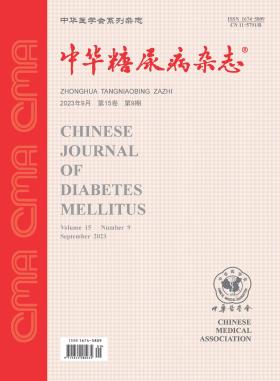
Volume 15 · Issue 09 · 2023
Infect Dis Immun
- Sections
- Special Article
- Criterion and Guide
- Pancreatic β-Cell Function
- Original Article
- Review Article
- Lecture
Pancreatic islet β cell dysfunction is one of the key pathophysiological mechanisms in the development of diabetes mellitus. The combined effects of metabolic homeostasis imbalances in the body eventually lead to beta cell dysfunction. Many important organs (tissues) such as pancreas, liver, and intestine can regulate the function of β cells by talking to pancreatic islets. In-depth understanding of the above regulatory effects and their mechanisms will help to further clarify the pathogenesis of diabetes and promote the research and development of new strategies for diabetes treatment.
Incretins mainly include glucagon-like peptide-1 (GLP-1) and glucose-dependent insulin-releasing polypeptide (GIP). Due to the difference in research and development progress, people have known far more about GLP-1 than GIP for a long time. With the recent research progress, the understanding of incretin has gradually improved. This paper expounds the biological activities, physiological effects, pathological changes and development progress of related drugs of these two incretins, introduces in detail the important roles of incretins such as GLP-1 and GIP in metabolism and energy regulation, and comprehensively and correctly evaluates the biological effects of incretin.
Diabetes significantly increases the risk of cognitive dysfunction, and about 1 in 10 dementias worldwide are related to diabetes. However, the onset of cognitive dysfunction is hidden and the harm is serious. At present, there is still a lack of therapeutic drugs that can effectively delay and reverse the progress of the disease. Therefore, early prevention and control is crucial. This paper focuses on the research progress of the relationship between diabetes and cognitive dysfunction, risk factors, early screening and early warning, and cognitive protection strategies in recent years, so as to provide ideas for early prevention and control of diabetes-related cognitive dysfunction.
With the increasing demand for diabetes treatment in China, the use of insulin pumps has increased greatly, especially in medical institutions, which has become an important means of blood sugar control. In order to assist medical institutions at all levels and departments in the whole hospital to ensure the treatment effect of insulin pump in hospital and patient safety, and to provide the basis for insulin pump quality management, the Diabetes Professional Committee of Chinese Nursing Association organized experts in this field to write the Expert Consensus on Nursing Quality Control of Insulin Pump in Hospital in China. The consensus provides detailed guidance on the personnel organizational structure, system, equipment and consumables, personnel training and assessment, document management, pump installation process, health education, effect evaluation and other quality management links in the use of insulin pumps in hospitals.
To investigate the relationship between pulse pressure levels and β-cell function in the patients with essential hypertension.
From January 2013 to December 2014, 736 patients with essential hypertension were continuously enrolled from the Zhongshan Hospital Hypertension Clinic, Fudan University. Clinical consultation, physical examination and biochemical analysis were collected. The correlation between homeostasis model assessment for β-cell function (HOMA-β) and levels of systolic blood pressure, diastolic blood pressure, and pulse pressure was analyzed using Spearman′s correlation analysis. According to HOMA-β quartile level, the total population was divided into Q1 group (HOMA-β<140.5%), Q2 group (140.5%≤HOMA-β<212.1%), Q3 group (212.1%≤HOMA-β<311.4%) and Q4 group (HOMA-β≥311.4%). Logistic regression was used to analyze the relationship between pulse pressure levels and HOMA-β.
The total hypertensive population with combined diabetes was approximately 27.0% (199/736), including 10.9% (80/736) of patients with newly diagnosed diabetes. There was no significant correlation between systolic blood pressure (r=-0.07, P=0.057), diastolic blood pressure (r=0.04, P=0.287) and HOMA-β in hypertensive patients. Pulse pressure levels were negatively and significantly correlated with HOMA-β (r=-0.12, P=0.001). Univariate logistic regression analysis showed that the level of pulse pressure in patients in the Q3 and Q4 groups was an influencing factor for HOMA-β (OR=0.98, 95%CI 0.97-0.99, P=0.002; OR=0.98, 95%CI 0.97-1.00, P=0.009). After further adjustment for sex, age, uric acid, body mass index, blood lipid, antihypertensive drugs and past history (cardiac insufficiency and cerebrovascular disease), pulse pressure levels of patients in the Q3 and Q4 groups remained an influencing factor for HOMA-β (OR=0.97, 95%CI 0.96-0.99, P=0.001; OR=0.98, 95%CI 0.97-1.00, P=0.023).
Hypertensive patients are prone to comorbid diabetes, and the level of pulse pressure was an influencing factor for β-cell function.
To investigate the effect of metformin plus insulin on β-cell function in non-obese patients with latent autoimmune diabetes in adults (LADA).
A LADA cohort established between 2008 and 2012 was studied retrospectively. Ten non-obese patients with LADA treated with insulin plus metformin (500-850 mg, twice daily) were screened from the cohort and matched 1∶1 with the insulin-treated control group. The retrospective cohort was followed up for a total of 3 years. Height, weight, waist and hip circumference, systolic blood pressure (SBP) and diastolic blood pressure (DBP) were measured, and body mass index (BMI) and waist-hip ratio (WHR) were calculated. Glycated hemoglobin A1C (HbA1c), fasting plasma glucose, 1 h postprandial plasma glucose, 2 h postprandial plasma glucose, blood lipids were measured at baseline and during follow-up. A mixed meal tolerance test was performed and C-peptide was measured. β-cell function was evaluated with fasting C-peptide (FCP), 1 h postprandial C-peptide (1hCP), 2 h postprandial C-peptide (2hCP), peak C-peptide (CPmax), variation in C-peptide (ΔCP) and area under the curve of C-peptide (AUCC). Insulin regimen and insulin dose were documented at each visit, and total daily insulin dose per kg was calculated. Differences in metabolic profiles and β-cell function during follow-up between the two groups were analyzed by repeated-measures analysis of covariance.
At the end of the three-year follow-up, the metformin group had an increase in SBP compared with baseline [(123±6) vs. (114±11) mmHg (1 mmHg=0.133 kPa), P=0.043], and there were no significant differences in BMI, waist circumference, WHR, blood glucose, blood lipids and other metabolic profiles, or insulin dose between the two groups compared with the baseline, nor were there any significant difference between the two groups at any time point (all P>0.05). 1hCP in the control group was significantly reduced from baseline [(462.1±378.9) vs. (923.6±895.7) pmol/L, P=0.039] at the 6th month, with a significant decline in islet function at follow-ups. Notably, a significant difference in FCP from baseline was observed only in the metformin group after 24 months of follow-up [(296.0±264.2) vs. (463.9±304.3) pmol/L, P=0.017], and other parameters of β-cell function decreased significantly from baseline at the end of follow-up (P<0.05). At the 12th month of follow-up, the metformin group had significantly better islet function than that of the control group (P<0.05). However, at the 24th and the 36th months of follow-up, there was no significant difference in comparison of C-peptide between the two groups (P>0.05).
This small retrospective study suggests that the combination of metformin and insulin may help slow down the decay rate of islet function in non-obese LADA patients, but larger-scale clinical trials are needed to confirm this.
To investigate the effect of treatment with dapagliflozin for different durations on pancreatic islet β-cell function and morphology in db/db mice.
Twenty male db/db mice (13-week-old) were randomly divided into four groups, and treated with dapagliflozin (1 mg/kg) or vehicle (water) via gavage daily for 6 or 12 weeks. The four groups were as follows: 6-week control treatment group, 6-week dapagliflozin treatment group, 12-week control treatment group and 12-week dapagliflozin treatment group, 5 mice in each group. Metabolic parameters, including body weight, fasting plasma glucose, oral glucose tolerance test (OGTT) and fasting plasma insulin levels were assessed. β-cell area and β-cell area/pancreatic area ratio were analyzed by using immunofluorescent quantification. Independent samples t-test was used for comparison between groups.
Different durations of dapagliflozin treatment had no significant effect on body weight when compared to the respective control group. Notably, dapagliflozin treatment significantly reduced the fasting blood glucose levels and post-load blood glucose levels during OGTT, with greater effects in the 12-week dapagliflozin treatment group than in the 6-week dapagliflozin treatment group. Meanwhile, the 12-week dapagliflozin treatment group significantly upregulated the fasting plasma insulin levels [(21.60±2.76) vs. (7.03±1.80) ng/ml, P=0.004], whereas the 6-week dapagliflozin treatment group did not show such an effect. Pancreatic immunofluorescent analysis showed that, compared with the control group, the 12-week dapagliflozin treatment group significantly increased the β-cell area [(14 554.5±1 426.5) vs. (11 165.0±379.8) μm2, P<0.05] and the β-cell area/pancreatic area ratio (0.27‰±0.04‰ vs. 0.15‰±0.02‰, P<0.05), whereas the 6-week dapagliflozin treatment group did not have these effects (P>0.05).
Both 6-week and l2-week treatment with dapagliflozin can lower the blood glucose levels in db/db mice. However, the long-term treatment shows more pronounced effects on glucose control and the improvement in β-cell mass and function than those in the short-term treatment.
To investigate the effect and mechanism of interleukin-1β (IL-1β) on proinsulin processing in islets β cells.
Mouse islets were divided into normal group and IL-1β group, rat β-cell line INS-1 cells were divided into control group (normal culture), IL-1β group, 15 μmol/L SKF9636 group, 15 μmol/L SKF96365+IL-1β group, 1 μmol/L Go6976 group, 1 μmol/L Go6976+IL-1β group, 10 μmol/L U0126 group, 10 μmol/L U0126+IL-1β group, 30 μmol/L phosphatidylinositol 3-kinase (PI3K) pathway inhibitor LY294002 group, 30 μmol/L LY294002+IL-1β group, 2 μmol/L nuclear factor-κB (NF-κB) inhibitors pathway BAY117082 group, 2 μmol/L BAY117082+IL-1β group. Three parallels were established for each group. The concentration of proinsulin and total insulin were determined by enzyme-linked immunosorbent assay, then the ratio of proinsulin to total insulin was calculated to analyze the proinsulin processing in islets β cells. The mRNA levels of Pcsk1 and Pcsk2 (encoding key enzymes for proinsulin processing) and the protein levels of prohormone convertase (PC) 1/3 and PC2 were then detected by quantitative real-time PCR and Western blotting, respectively. In addition, the signal pathway of IL-1β was detected through using of signal pathway inhibitors with quantitative polymerase chain reaction (qPCR) and Western blotting. Independent sample t test was used for comparison between two groups, and one-way analysis of variance was used for comparison between multiple groups.
Compared with the control group, IL-1β group increased the ratio of proinsulin to total insulin from 5.5%±0.8% to 31.5%±2.1% in the supernatant of isolated mouse islets in low-glucose incubation and from 7.2%±0.5% to 22.9%±3.2% in the supernatant of INS-1 cells (both P<0.01). In mouse islets, Pcsk1 and Pcsk2 mRNA levels were both significantly decreased in the IL-1β group compared with the control group (Pcsk1 mRNA: 0.40±0.06 vs. 1.00, Pcsk2 mRNA: 0.37±0.02 vs. 1.00, respectively); PC1/3 and PC2 protein levels were also significantly decreased in the IL-1β group compared with the control group (PC1/3: 0.38±0.08 vs. 0.87±0.05, PC2: 0.28±0.04 vs. 0.85±0.03, respectively), the differences were statistically significant (all P<0.01). In INS-1 cells, both Pcsk1 and Pcsk2 mRNA levels were significantly reduced in the IL-1β group compared with the control group (Pcsk1 mRNA: 0.52±0.06 vs. 1.00, Pcsk2 mRNA: 0.45±0.04 vs. 1.00, respectively); and PC1/3 and PC2 protein levels were also decreased in the IL-1β group compared with the control group (PC1/3: 0.41±0.06 vs. 0.88±0.05, PC2: 0.54±0.03 vs. 0.86±0.03, respectively), the differences were statistically significant (all P<0.01). Compared with the control group, the Pcsk1 mRNA and PC1/3 protein levels in 30 μmol/L LY294002+IL-1β group and the Pcsk2 mRNA and PC2 protein levels in 2 μmol/L BAY117082+IL-1β group showed no significant effect (P>0.05).
IL-1β could induce defective proinsulin processing by down-regulating of Pcsk1 and Pcsk2 expression through PI3K and NF-κB pathways, respectively.
To explore the influencing factors of urinary ascorbic acid and the association between urinary ascorbic acid positivity and diabetes.
Based on the “Research on the Prevention and Control of Major Chronic Noncommunicable Diseases” project of the National Key Research and Development Plan, a cross-sectional survey of permanent residents in 10 regions of 8 provinces in China was conducted from December 2016 to June 2017 using stratified and multi-stage cluster sampling method. Age, sex, ethnicity, blood pressure, high-density lipoprotein cholesterol (HDL-C), triglyceride (TG), smoking, tea drinking, alcohol consumption, fruit intake and urinary ascorbic acid of the subjects were collected, their height and weight were measured, and their body mass index (BMI) was calculated according the height and weight. Body type of the subjects was classified according to BMI. Overweight is 24 kg/m2≤BMI<28 kg/m2, obesity is≥28 kg/m2, normal is 18.5 kg/m2≤BMI<24 kg/m2, and underweight is <18.5 kg/m2. According to the results of urine ascorbic acid test, the study subjects were divided into urine ascorbic acid negative group and urine ascorbic acid positive group. The negative group′s urine ascorbic acid result was 0, and the positive group included 1+, 2+ and 3+. Diabetes was diagnosed according to the criteria of the Chinese Guidelines for the Prevention and Treatment of Type 2 Diabetes (2020 Edition), history of diabetes and history of hypoglycemic drugs. Logistic regression model was used to explore the influencing factors of urinary ascorbic acid positive and its correlation with diabetes.
A total of 11 215 subjects were included, of whom 1 014 were ascorbate-positive and 10 201 were ascorbate-negative. There were 172 diabetic patients in ascorbic acid positive urine. Multivariate logistic regression analysis showed that the influencing factors of urine ascorbic acid positive included nationality (Han nationality as the reference, Korean nationality: OR=1.59, 95%CI 1.30-1.95; Dai nationality: OR=1.23, 95%CI 1.01-1.49; Kazakh: OR=0.09, 95%CI 0.04-0.17; Uygur: OR=0.31, 95%CI 0.22-0.43; Zhuang nationality: OR=1.27, 95%CI 1.05-1.55), sex (female as reference, male: OR=0.63, 95%CI 0.50-0.79), age (OR=0.99, 95%CI 0.99-1.00), somatotype (non-overweight or obese as reference, overweight: OR=1.26, 95%CI 1.08-1.46; obesity: OR=1.38, 95%CI 1.13-1.68), HDL-C (OR=1.31, 95%CI 1.06-1.62), fruit intake (low intake as reference, general intake: OR=1.37, 95%CI 1.15-1.65, high intake: OR=1.48, 95%CI 1.17-1.87). After adjusting for sex, ethnicity, age, somatotype, hypertension, HDL-C, TG, smoking, tea consumption, alcohol consumption, and fruit intake, the prevalence of diabetes was increased by 81% in positive urine ascorbic acid subjects compared with negative subjects (OR=1.81, 95%CI 1.49-2.19).
Ethnicity, sex, age, somatotype, HDL-C and fruit intake are the influencing factors of urinary ascorbic acid positivity. There may be abnormal glucose metabolism in the urinary ascorbic acid positive population, and its positive status is closely related to diabetes.
To study the effect of nutritional diagnosis and treatment with “5∶2 intermittent fasting” diet as the core for obese population.
One hundred obese patients admitted to Endocrinology Department of Beijing Electric Power Hospital from January 2020 to January 2021 were selected as subjects. Patients were divided into control and observation groups according to a simple numerical table method, with 50 cases in each group. The control group was given a conventional diet, and the observation group was given a nutritional treatment with a 5∶2 intermittent fasting diet as the core. Blood pressure, C-reactive protein (CRP), body mass index(BMI), body fat percentage, fasting plasma glucose (FPG) and 2 h-postprandial plasma glucose, glycated hemoglobin A1c (HbA1c), total cholesterol (TC), triglyceride (TG), high-density lipoprotein cholesterol (HDL-C) and low-density lipoprotein cholesterol (LDL-C) were measured before and after treatment. The comparison between the two groups was performed using t-test.
Before treatment, there were no significant differences in blood pressure, CRP, BMI, body fat percentage, FPG, 2hPG, HbA1c, TG, and LDL-C between the control and observation groups (P>0.05). After treatment, the blood pressure, CRP, BMI, body fat percentage, FPG, 2hPG, HbA1c, TC, TG were lower in the observation group compared with the control group (P<0.05).
The nutritional treatment with “5∶2 intermittent fasting” diet as the core has a clear effect on weight loss in the obese group, and can effectively improve the stress condition, blood glucose and blood lipid levels of patients.
To explore the status of nurses′ knowledge, attitude and practices regarding insulin pump treatment, and their association and influencing factors.
This study was a cross-sectional study. It was based on the stratified sampling method with registered clinical nurses from Tongji Hospital, Tongji Medical College of Huazhong University of Science and Technology as research subject from June to July 2021. The research tools consisted of 19-item, independently created questionnaires that assess nurses′ knowledge, attitudes, and practices related to the use of insulin pumps. The results ranged from 9 to 55 points. The variance analysis or independent sample t test was used to compare the difference in scores between different nurses for their knowledge, attitudes, and practices regarding insulin pump treatment. At the same time, the total score of insulin pump treatment was taken as the dependent variable, and the statistically significant variables in the single-factor analysis results were included. Stepwise multiple linear regression analysis was used to examine the mediating role of attitude towards insulin pump treatment between knowledge and behavior.
One thousand eight hundred and forty-four valid questionnaires were collected. The nurses had a low awareness rate of the complete identification standard of insulin pump treatment (10.57%), drug characteristics in insulin pump (51.19%), methods to handle the alarm of insulin pump low battery/low volume (52.60%), and the time to disconnect the insulin pump from the body (59.44%). There were statistically significant differences between single-item scores and total scores for job title, manager′s cognition of insulin pumps, different specialties, and annual time spent attending insulin pump training and operation (P<0.05). The total score was (45.8±7.6), of which the total scores of knowledges, belief, and behavior were (6.7±1.6), (19.5±1.5) and (19.6±6.0), respectively. The score rate of knowledge, belief, and behavior was 67.0%, 97.5% and 78.4%, respectively. The independent factors influencing the total score of nurses′ knowledge, attitudes and practices related to insulin pump treatment were time spent attending insulin pump training, time spent using an insulin pump operation, pediatric department and emergency critical care department (with regression coefficients of 1.945, 1.782, -8.207, and -5.444, respectively, and mean P<0.001). Nurses′ knowledge of insulin pump treatment can indirectly and positively influence their practice through their attitudes, but direct and positive influenc was the main way.
Nurses′ knowledge and practices of insulin pump treatment need to be improved. There is a positive relationship between their knowledge, attitude and practice of the insulin pump treatment. Furthermore, their knowledge of insulin pump treatment can influence their practices through their attitudes, with direct and positive influence being the most important way.
To systematically evaluate the prevalence of methicillin-resistant Staphylococcus aureus (MRSA) in diabetic foot.
We searched the China national knowledge infrastructure (CNKI), China biomedical literature (CBM), Wanfang, VIP, PubMed, Web of Science, EmBase, the Cochrane Library, Scopus, Ovid and Proquest databases for literature on the detection rate of MRSA in diabetic foot patients from the inception of the database to May 16, 2022. Data were extracted from the included literature. In order to analyze the differences of MRSA detection rate in diabetic foot wounds in different regions and time, the detection rate of MRSA in total bacterial isolates, Gram-positive bacteria (GPB) and Staphylococcus aureus (SA) were analyzed by random effect model with Stata 17.0. Meanwhile, the detection rate of MRSA between the subgroup of 10 years ago (1998—2011) and the subgroup of last 10 years (2012—2022) were evaluated.
This study included 31 publications, 9 021 patients and 12 262 bacterial isolates. The detection rate of MRSA in total bacterial isolates was 8.00% (95%CI 6.77%-9.33%). It varied in different regional subgroups with Europe 10.09% (95%CI 7.22%-13.38%), Asia (other regions except China) 7.77% (95%CI 5.60%-10.25%), Africa 7.74% (95%CI 6.08%-9.58%) and China 7.31% (95%CI 4.53%-10.65%). The detection rate of MRSA in total bacterial isolates was 8.47% (95%CI 6.34%-10.87%) in the subgroup from 10 years ago and 7.71% (95%CI 6.23%-9.33%) in the subgroup from the last 10 years. The detection rate of MRSA in GPB was 18.96% (95%CI 16.65%-21.37%). In different regional subgroups, the detection rate of MRSA in GPB was 19.00% (95%CI 14.23%-24.26%) in Europe, 19.68% (95%CI 15.32%-24.41%) in Asia (other regions except China), 22.29% (95%CI 13.91%-31.94%) in Africa and 17.38% (95%CI 13.63%-21.47%) in China. In different time subgroups, the detection rate of MRSA in GPB was 20.64% (95%CI 16.71%-24.85%) in the subgroup from 10 years ago and 17.98% (95%CI 15.20%-20.93%) in the subgroup from the last 10 years. The detection rate of MRSA in SA was 36.97% (95%CI 32.72%-41.33%). In different regional subgroups, the detection rate of MRSA in SA in Europe, Asia (other regions except China), Africa and China was 39.14% (95%CI 28.83%-49.95%), 39.31% (95%CI 30.12%-48.88%), 34.52% (95%CI 20.75%-49.73%) and 37.03% (95%CI 28.99%-45.43%), respectively. In different time subgroups, the detection rate of MRSA in SA was 40.56% (95%CI 33.45%-47.86%) in the subgroup from 10 years ago and 34.84% (95%CI 29.53%-40.34%) in the subgroup from the last 10 years.
The detection rate of MRSA in total bacterial isolates, GPB and SA varies with different regions. Although there has been a decrease in the last 10 years compared to 10 years ago, MRSA is still one of the most common multidrug-resistant bacteria in the diabetic foot, which should not be underestimated.
Gamma-aminobutyric acid (GABA) acts as a neurotransmitter, which can also be produced by islet beta cells and regulates local islet cell function. Recent studies have shown that GABA can improve β cell function, promote β cell regeneration, increase insulin secretion, and reduce blood sugar by inhibiting immune response and inflammatory response, inhibiting β cell apoptosis, promoting β cell proliferation, and inducing the transformation of pancreatic islet α cells into β cells. GABAAand GABABReceptor subtypes may be involved in mediating the beneficial effects of GABA on islet cells. GABA and its receptor subtype agonists may be expected to be a potential new strategy for the treatment of diabetes. In this paper, the role of GABA in protecting β cell function and promoting β cell regeneration and its potential mechanism are reviewed.
High rate of Helicobacter pylori infection in diabetic patients. Studies have shown that diabetes increases the risk of H. pylori eradication failure, and H. pylori eradication rates tend to be less than ideal in people with diabetes. In this paper, we will summarize the relationship between diabetes and Helicobacter pylori, the influencing factors and mechanisms of Helicobacter pylori eradication rate in diabetic patients, and provide a reliable basis for improving Helicobacter pylori eradication rate in diabetic patients.
The increasing global incidence of diabetes and its complications poses a major threat to public health, and it is necessary to develop effective treatments for diabetes and its complications. The sphingosine kinase (SphK) /sphingosine 1-phosphate (S1P) signaling axis is an important signaling pathway in the sphingolipid metabolic pathway. Mounting evidence suggests that the SphK/S1P signaling pathway plays a critical role in diabetes and related complications. This paper reviews the research progress of SphK/S1P signaling pathway in diabetes mellitus and its complications, in order to provide ideas for its therapeutic targets.
The incidence and prevalence of diabetes is increasing year by year and is a major threat to global public health. Early intensive hypoglycemia can delay the progression of the disease and reduce the risk of diabetic complications. The "metabolic memory" hypothesis provides an explanation for the lasting benefits of early enhanced metabolic control. Glucagon-like peptide-1 receptor agonist (GLP-1RA) has been shown to be effective in improving blood glucose and reducing body weight in people with type 2 diabetes. Related cardiovascular outcome studies have also confirmed that most GLP-1RA can significantly reduce the risk of cardiovascular adverse events. This article summarizes the latest clinical research progress of early diabetes intervention and GLP-1RA in early hypoglycemic and cardiovascular benefits, analyzes the mechanism of GLP-1RA in hypoglycemic and cardiovascular endpoints, and provides clinical reference.
Solid organ transplantation is a life-saving and organ failure treatment. Organ transplantation requires the use of immunosuppressive therapy. Complete immunosuppressive therapy is divided into induction therapy and maintenance therapy. Induction therapy drugs include antithymocyte immunoglobulin, basiliximab, alemtuzumab and glucocorticoids. Maintenance therapy drugs include glucocorticoids, calcineurin inhibitors, mainly including cyclosporine and tacrolimus; Mammalian rapamycin target protein inhibitors mainly include sirolimus, everolimus and beracept; Antiproliferative and antimetabolic drugs include azathioprine and mycophenolate mofetil. Some immunosuppressive drugs are closely related to the occurrence of post-transplant diabetes mellitus (PTDM). Glucocorticoids, calcineurin inhibitors and mammalian rapamycin target protein inhibitors are risk factors for PTDM, while basiliximab may also be one of the risk factors for PTDM; Alemtuzumab or γ-antithymocyte immunoglobulin did not increase the risk of PTDM. PTDM will affect the prognosis of patients and the occurrence of cardiovascular and cerebrovascular diseases in the future, so it should be paid attention to clinically and timely intervention. This article describes the relationship between commonly used immunosuppressive agents and the risk of PTDM.
The number of papers in the field of diabetes nursing is increasing year by year, and the research on the same or similar clinical problems is increasing. However, the scientific conclusions are inconsistent and the quality of papers is uneven, which makes it difficult to guide clinical decision-making. Meta-analysis is the process of integrating and quantitatively analyzing multiple independent clinical studies with the same purpose, aiming to provide reliable evidence for clinical decision-making. At present, the meta-analysis research in the field of diabetes nursing has repeated topics, lack of retrieval strategies, incomplete literature retrieval, etc. The overall quality needs to be improved urgently. By searching four main Chinese databases (Chinese Journal Full Text Database, Wanfang Database, VIP and China Biomedical Literature Service System), this paper summarizes the common problems that may lead to the above situations in each implementation step of meta-analysis research, and provides targeted scientific countermeasures, in order to improve the quality of meta-analysis research in the field of diabetes nursing and lay a scientific foundation for clinical decision-making.
CURRENT ISSUE