Infectious Diseases & Immunity
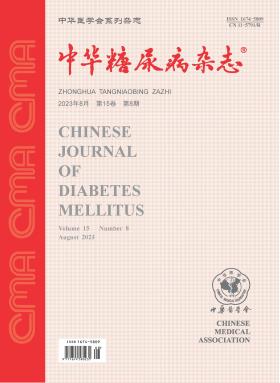
Volume 15 · Issue 08 · 2023
Infect Dis Immun
- Sections
- Criterion and Guide
- 专家建议
- Original Article
- Case Report
- Review Article
- Lecture
Self-management education and support is an important part of the treatment and management of type 1 diabetes mellitus (T1DM), which helps to promote the best effect of all treatment measures for T1DM. This consensus is based on the evidence and practical experience of T1DM self-management education and support at home and abroad, combined with the cultural, medical and educational background of our country, and expounds the objectives and principles, teams and qualifications, basic contents, forms and tools, implementation process and quality evaluation of T1DM self-management education and support. The purpose is to provide guidance for medical workers in China to implement and carry out T1DM self-management education and support, promote the improvement of T1DM education level in the industry, and thus help patients to improve their self-management ability and quality of life more effectively.
Diabetic nephropathy (DKD) is the leading cause of end-stage renal disease. More and more DKD patients seek integrated Chinese and Western medicine treatment. In view of the current lack of relevant diagnosis and treatment standards, the Expert Committee of Diabetic Nephrology of the Endocrinology Professional Committee of the Chinese Society of Integrated Chinese and Western Medicine and the Professional Committee of Traditional Chinese Medicine and Microcirculation of the Chinese Society of Microcirculation organized experts to refer to domestic and foreign guidelines, integrate relevant evidence-based evidence and combine clinical practice experience, and formulated the Expert Consensus on the Prevention and Treatment of Diabetic Nephrology with Integrated Chinese and Western Medicine (2023 Edition). On the basis of emphasizing DKD screening and diagnosis, metabolic control, treatment goals and drug selection, the consensus content of this edition includes disease differentiation-staging-syndrome differentiation, classic famous prescriptions, effective ready-for-use traditional Chinese medicine and other contents, and formulates a diagram of the diagnosis and treatment mode of integrated traditional Chinese and western medicine for the combination of traditional Chinese and western medicine, aiming at helping clinicians reasonably grasp the indications and improve clinical efficacy.
The pathophysiological mechanisms of type 2 diabetes mellitus (T2DM) are complex, involving dysfunction of multiple organs and tissues throughout the body and deficiency of hormone secretion. The glucokinase activator Dogliptin improves the dysglycemic homeostasis in patients with T2DM by increasing the activity of glucokinase (GK), providing a new option for the treatment of T2DM. In order to help the clinical application of Doglieptin more rational and standardized, the expert group formed this edition of "Expert Guidance on Clinical Application of Doglieptin" based on existing research evidence and clinical experience, and after many discussions, the mechanism of action, applicable populations and timing of use, hypoglycemic efficacy and safety, application and precautions in special populations of Doglieptin are explained, aiming at providing a reference for clinicians to use the drug rational.
To investigate the factors influencing the progression to pre-diabetes in a population with normal glucose tolerance using a nested case-control study.
Based on the Risk Evaluation of Cancers in Chinese Diabetic Individuals:a longitudinal(REACTION) study, a total of 2 649 subjects with normal baseline glucose tolerance who participated in the epidemiological survey from August to December 2011 in Dalian and branch and were followed up from July to December 2014 were selected as the study subjects. Questionnaire survey was conducted to collect the age, eating habits of beef and mutton, hypertension history, fatty liver history, diabetes family history and other information of the subjects, measure systolic blood pressure (SBP), detect fasting plasma glucose (FPG), fasting insulin (FINS), glycosylated hemoglobin (HbA1c) and calculate the homeostasis model assessment of insulin resistance (HOMA-IR). Finally, 2 649 subjects with normal baseline glucose tolerance were included. According to the nested case-control method, 401 patients newly diagnosed with pre-diabetes at the time of follow-up were included in the case group, and 2 005 subjects with normal glucose tolerance, of the same sex, and with an age difference of less than 3 years at the same time were included in the control group according to the ratio of 1∶5. The t-test was used for inter group comparison, and the multifactor conditional logistic regression model (forward LR method) was used to analyze the risk factors for pre-diabetes.
Compared with the control group, the case group had higher SBP, HbA1c, and HOMA-IR, and a higher proportion of beef and mutton eating habits, history of hypertension, history of fatty liver disease, and family history of diabetes mellitus (P<0.05), and the difference in age between the 2 groups was not statistically significant (P>0.05). The results of multivariate conditional logistic regression analysis (forward LR method) showed that age (OR=1.284, 95%CI 1.173-1.405, P<0.001), SBP (OR=1.010, 95%CI 1.005-1.014, P<0.001), HbA1c (OR=2.810, 95%CI 2.259-3.495, P<0.001), HOMA-IR (OR=1.200, 95%CI 1.098-1.311, P<0.001), eating habits of beef and mutton (OR=1.627, 95%CI 1.203-2.200, P=0.002), hypertension history (OR=1.257, 95%CI 1.014-1.559, P=0.037), fatty liver history (OR=1.632, 95%CI 1.200-2.218, P=0.002), and diabetes family history (OR=1.340, 95%CI 1.165-1.540, P<0.001) were all risk factors for pre-diabetes.
The higher the age, SBP, HbA1c, HOMA-IR of Dalian residents, the higher the risk of pre-diabetes. The habit of eating beef and mutton, history of hypertension, history of fatty liver disease and family history of diabetes are the risk factors of pre-diabetes in Dalian residents.
To investigate the status of insulin injection behavior in elderly patients with type 2 diabetes mellitus (T2DM) and its effect on lipohypertrophy (LH).
From January 2021 to July 2022, 196 elderly patients with T2DM who had been receiving insulin injection continuously for more than 6 months in the Department of Endocrinology of the First Affiliated Hospital of Nanjing Medical University were selected. The patients′ age, gender, daily storage method of insulin, injection sites rotation method, duration of insulin injection, total amount of daily insulin injection, number of daily injection needles, and whether the needles were reused, were collected. According to the results of ultrasound scanning, patients were divided into non-LH group and LH group. The t test, Mann-Whitney U test or χ2 test were used for comparison between groups, and binary logistic regression analysis was used to analyze the influencing factors of LH.
A total of 196 patients were included. There were 100 males and 96 females; 35 cases without LH and 161 cases with LH. In 44.90% (88/196) of the patients, the insulin pen for daily injection was incorrectly kept in the refrigerator, 83.67% (164/196) reused needles, the correct intra-site rotation rate of patients was only 24.49% (48/196), and 81.63% (160/196) of patients only injected insulin in the abdomen. The incidence of LH diagnosed by ultrasound was as high as 82.14% (161/196). Compared with the non-LH group, the duration of insulin injection in the LH group was longer, the total amount of daily insulin injection was greater, more injections per day, needle reuse and daily storage of insulin in the refrigerator were more frequent, and the rotation rate within and between the correct sites was lower (all P<0.05). Binary logistic regression analysis showed that the storage mode of insulin in use (OR=3.550, 95%CI 1.366-9.224, P=0.009), needle reuse (OR=4.824, 95%CI 1.992-11.684, P<0.001) and total insulin dosage per day (OR=1.051, 95%CI 1.014-1.089, P=0.006) were independent risk factors for LH.
Non-standard insulin injection behavior is common in elderly patients with T2DM, and it will affect the occurrence of LH.
To investigate the clinical characteristics of type 2 diabetes mellitus (T2DM) patients with severe novel coronavirus infection.
Patients with severe novel coronavirus infection who were admitted to the Department of Endocrinology, Second Affiliated Hospital of Ningxia Medical University (First People′s Hospital of Yinchuan City) from December 20, 2022 to January 20, 2023 were selected as research subjects. Gender, fasting plasma glucose (FPG), acid-base balance related indicators in arterial blood [pH, partial pressure of oxygen (PO2), partial pressure of carbon dioxide (PCO2), standard bicarbonate (SB), actual bicarbonate (AB), actual residual base (BD), lactic acid] and venous blood electrolyte related indicators (K+, Na+, Cl-, Ca2+, P3+) were collected. The patients were divided into diabetes group and non diabetes group according to whether they had T2DM. The diagnosis of T2DM was based on the Chinese guidelines for the prevention and treatment of type 2 diabetes (2020 Edition). Comparisons between the two groups were conducted using t-test, χ2-test or Fisher′s test. Multiple stepwise regression analysis was used to analyze the correlation between pH and PO2 with various clinical indicators.
A total of 61 patients were included, including 31 patients in the diabetes group, 11 males and 20 females; there were 30 cases in non diabetes group, 17 males and 13 females. Compared with the non diabetes group, the FPG in the diabetes group was higher (P<0.001). The results showed that the arterial blood PO2, SB, AB and BD of patients with diabetes were lower than those of patients without diabetes; arterial blood lactate was higher (P<0.05); and both groups of patients had lower levels of PO2 and PCO2 than normal, while arterial blood lactate levels were higher than normal. The water and electrolyte indexes of the patients were analyzed. The results showed that there was no statistically significant difference in K+, Na+, Cl-, Ca2+, P3+in venous blood between the two groups (P>0.05), but the Ca2+ in venous plasma of the two groups were lower than the normal level, the K+, Na+, P3+in blood were at the lower limit of normal, and the Cl- in blood was at the upper limit of normal. Multiple stepwise regression analysis showed that pH was independently and positively with SB (β=0.800 t=2.33, P=0.24) and BD (β=0.955 t=2.71, P=0.009), and independently and negatively with PCO2 (β=-0.785, t=-4.56, P<0.001), and K+(β=-0.112, t=-2.13, P=0.038); PO2 was independently positively correlated with Cl-(β=0.240, t=2.09, P=0.041), and independently negatively correlated with FPG (β=-0.266, t=-2.27, P=0.027).
T2DM patients with severe novel coronavirus infection have higher blood glucose and more severe electrolyte disorder. Hyperglycemia may be an important reason for the decrease of PO2.
To investigate the association between age at onset of type 1 diabetes mellitus (T1DM) and growth in pediatric T1DM subjects from the Second Xiangya Hospital of China and the T1DM Exchange Registry (T1DX) of America.
We conducted a cross-sectional study using first visit data from 536 Chinese T1DM cases (age≤18 years old) collected by the Second Xiangya Hospital of Central South University between September 2015 and January 2021, and 10 963 American T1DM cases (age≤18 years old) collected by the T1DX between September 2010 and August 2012. Gender, disease course, glycated hemoglobin A1c (HbA1c) level, insulin treatment, and incidence of diabetic ketoacidosis were collected. The age-specific height Z score (HAZ) and age-specific BMI Z score (BMIZ) of the subjects of different sexes were calculated according to the World Health Organization child growth and development evaluation criteria. The restricted cubic spline models were used to analyze the non-linear relationships between the age at onset and HAZ in children and adolescents with T1DM from China and America. Based on the non-linear research results, the Chinese and American subjects were divided into different groups according to the age of T1DM onset (<10 years group and ≥10 years group). Comparisons between groups were performed by t test, Wilcoxon rank sum test and χ2 test. Multiple linear regression models were also used to explore the potential effects of disease course, BMIZ, insulin treatment and occurrence of diabetic ketoacidosis on the growth of patients.
Growth retardation was present in 25 of 536 (4.67%) Chinese patients with T1DM and 183 of 10 936 (1.67%) American patients (P<0.001). Inverted U-shaped relationships between age at onset and HAZ score were observed in both cohorts, with minimal effects at the onset age of 10 years. Clear negative associations between age at onset and HAZ were observed in patients with age at onset≥10 years in both country cohorts (Chinese: β=-0.191, P<0.001; American: β=-0.039, P<0.001), whereas a positive association was only found in American patients with age at onset<10 years (American: β=0.056, P<0.001; Chinese: P=0.315), after controlling for potential confounders. Furthermore, multivariable regression analysis showed that T1DM duration, BMIZ and HbA1c were significantly associated with HAZ in American subjects with T1DM (β=-0.041, 0.135, -0.035, all P<0.001), but only BMIZ was marginally associated with HAZ in Chinese Xiangya subjects (β=-0.176,P=0.027).
Age at onset is the most important factor influencing linear growth in children with T1DM. Inverted U-shaped curves were found for the association between age at onset of T1DM and HAZ in both Chinese and American cohorts, with a turning point in the age at onset at around 10 years.
To analyze the prevalence of hypoglycemia in hospitalized children with type 1 diabetes mellitus (T1DM) and to explore its influencing factors.
The medical records of children with T1DM hospitalized at the Affiliated Children′s Hospital of Chongqing Medical University from January 1, 2016 to January 1, 2022 were retrospectively collected, including age, sex, education level of caregivers, disease course, insulin injection regimen, ketoacidosis, glycosylated hemoglobin, complications, hospitalization days, etc. The children with one or more blood glucose <3.9 mmol/L during hospitalization were divided into hypoglycemia group and non-hypoglycemia group. The characteristics of hypoglycemia were analyzed. Independent sample t test, χ2 test, Mann-Whitney U test and binary logistic regression analysis were used to analyze the influencing factors of hypoglycemia, and the stepwise method was used to screen variables.
A total of 854 children with T1DM were included in this study, including 414 boys and 440 girls with an average age of (7.41±3.89) years. The total number of blood glucose monitoring during hospitalization that met the inclusion criteria was 69 553 times, hypoglycemia occurred 3 863 times, and the occurrence density was 5.55% (3 863/69 553). Of these, grade 1 hypoglycemia accounted for 4.07% (2 828/69 553), whereas grade 2 hypoglycemia accounted for 1.49% (1 035/69 553). 80.21% (685/854) of the children had hypoglycemia at least once during hospitalization, with 16.51% (141/854) having a single hypoglycemia and 63.70% (544/854) having it more than twice. In terms of the occurrence of hypoglycemia, the prevalence of hypoglycemia was the highest at night. Multivariate logistic regression analysis showed that the age was 0-6 years old (OR=5.116, 95%CI 2.732-9.580, P<0.001), the treatment regimen was multiple daily subcutaneous injection (OR=1.997, 95%CI 1.212-3.290, P=0.007) and multiple daily subcutaneous injection plus continuous subcutaneous insulin infusion (OR=2.192, 95%CI 1.137-4.228, P=0.019), and the length of hospital stay (OR=1.125, 95%CI 1.173-1.332, P<0.001) are the influencing factors of hypoglycemia.
The prevalence of hypoglycemia in hospitalized children with T1DM is 80.21%, and the current situation needs to be improved. The occurrence of hypoglycemia is associated with age, initial diagnosis, mode of insulin injection, average daily insulin dose and hospitalization days.
To investigate the application value of cardiac magnetic resonance (CMR) endogenous contrast T1ρ technique in early screening of myocardial fibrosis in patients with type 2 diabetes mellitus (T2DM).
Twenty patients with T2DM (T2DM group) and 20 healthy controls matched in age, sex, body surface area and body mass index were prospectively enrolled. All subjects underwent CMR cine, T1 mapping, T1ρ (5 Hz and 400 Hz), and late gadolinium enhancement (LGE) sequence. The subject′s left ventricular cardiac function, native T1 values, T1ρ values, extracellular volume (ECV) and myocardial fibrosis index (mFI) were acquired. The differences between the two groups were compared by Student t-test, and the correlation between ECV, mFI, T1ρ, native T1, glycated hemoglobin A1c (HbA1c) and duration of diabetes in the T2DM group was analyzed.
The ECV [(31.90±2.28)%], T1ρ values [(50.35±1.91) ms], native T1 values [(1 075.25±9.22) ms] and mFI values [(7.22±2.33) ms] were higher in the T2DM group than controls [ECV (26.05±1.70)%, T1ρ (46.86±2.01) ms, native T1 values (1 052.15±25.25) ms, mFI values (5.45±2.78) ms] were significantly elevated (P<0.05). There was a positive correlation between ECV and mFI (r=0.62, P=0.003), T1ρ (r=0.59, P=0.005), native T1 (r=0.50, P=0.023), HbA1c (r=0.57, P=0.008) and duration of diabetes (r=0.48, P=0.030).
Magnetic resonance endogenous contrast T1ρ technology can early screening myocardial fibrosis in patients with T2DM, which has potential clinical application value in evaluating myocardial fibrosis.
To systematically evaluate the pooled prevalence of psychological distress in patients with type 2 diabetes mellitus (T2DM) in China.
CNKI, VIP, WanFang Database, CBM, PubMed, Embase, Web of Science were searched to collect studies from inception to January 2022 for all literature on the detection rate of psychological distress in patients with T2DM. Two researchers independently screened literature, extracted information and evaluated the quality of the studies based on inclusion and exclusion criteria. We used Stata 14.0 software to evaluate the meta-analysis, and the data were combined using a fixed-effects model or a random-effects model, publication bias was detected using funnel plots and Egger′s tests.
A total of 39 papers including 13 348 study subjects were included. The pooled prevalence of psychological distress in Chinese patients with T2DM was 54% (95%CI 45%-62%). Subgroup analysis showed that the psychological distress detection rates were 51.7% (95%CI 42.2%-61.1%) in 2012—2016 and 56.3% (95%CI 38.9%-73.6%) in 2017 and beyond. The detection rates of psychological distress were 50.9% (95%CI 39.5%-62.3%), 55.9% (95%CI 53.9%-58.0%), and 54.0% (95%CI 36.6%-71.3%) in the eastern, central, and western regions, respectively. The detection rates of psychological distress were 54.7% (95%CI 40.6%-68.8%) and 53.1% (95%CI 42.8%-63.4%) for community and inpatients. The detection rates of psychological distress according to the diabetes distress scale, and diabetes problem scale-5 were 53.4% (95%CI 43.8%-63.0%) and 50.4% (95%CI 39.6%-61.2%). The detection rates of mild to moderate and severe psychological distress were 41.5% (95%CI 32.3%-50.7%) and 13.4% (95%CI 10.6%-16.2%).
The detection rate of psychological distress in patients with T2DM in China is relatively high, and most of the patients have mild to moderate psychological distress.
To observe the changes in glycolipid metabolism and the morphology of multiple tissues and organs in mice with circadian rhythm disorder induced by constant light exposure, and to explore their internal relationship.
Sixty healthy male C57BL/6J mice without specific pathogen grade were divided into 12-h light-12-h dark cycle group (LD) and 24-h constant light group (LL) according to random number table. Intraperitoneal glucose tolerance test was performed to detect the fasting plasma glucose (FPG) of mice and measure the body weight of mice. The levels of free fatty acids (FFA), triglycerides (TG), cholesterol (TC), interleukin-6 (IL-6), tumor necrosis factor-α (TNF-α), fasting insulin (FINS) and urine 6-sulfatoxymelatonin (6-SML) were determined by enzyme linked immunosorbent assay (ELISA). The glucose area under the curve (AUCG) and homeostasis model assessment for insulin resistance index (HOMA-IR) were calculated. Body fat distribution was evaluated by magnetic resonance imaging. The mRNA of core circadian clock gene nuclear receptor subfamily 1,group D,member 1 (Rev-erbα) in skeletal muscle and liver were observed by real-time fluorescence quantitative PCR; the pathological microstructures of fat, skeletal muscle, myocardium and kidney in mice were observed by optical microscopy and transmission electron microscopy. Two-way analysis of variance (ANOVA) was used to compare the difference of circadian rhythm between the two groups, and the independent sample t-test was used to compare the other data between the two groups.
Compared with the LD group, the level of 6-SML in nocturnal urine of LL group was decreased (P<0.05); the expression rhythm of Rev-erbα mRNA in skeletal muscle and liver was changed; and the body weight, the level of serum FFA, TG, TC, IL-6, TNF-α, FPG, FINS, visceral fat volume, AUCG and HOMA-IR were significantly increased in LL group(P<0.05). Further observation by optical microscope and transmission electron microscope showed that continuous light could cause different degrees of pathological damage to fat, skeletal muscle, myocardium and kidney in LL group. Further light microscopy and transmission electron microscopy showed that constant light could cause pathological damage to fat, skeletal muscle, myocardium and kidney.
It is intuitively explained that continuous light leads to disorder of glucose and lipid metabolism and morphological changes of multiple organs in mice, suggesting that circadian rhythm disorder can adversely affect the body in many aspects.
The common causes of hemichorea are cerebrovascular accident, intracranial tumor, intracranial infection, hypothyroidism, etc. Hemichorea caused by diabetes is relatively rare, among which non-ketotic hyperglycemic hemichorea is common, while those caused by ketotic hyperglycemia are rare. A case of ketohyperglycemic hemichorea in an elderly was reported. The patient was an 83-year-old woman who had suffered from type 2 diabetes for more than 20 years. She was mainly manifested by involuntary movement of lateral limbs. The imaging findings were high-density shadow of the left lenticular nucleus on plain CT scan of the head, diffusion-weighted imaging of the left lenticular nucleus on magnetic resonance imaging of the head, and low signal of apparent diffusion coefficient. After active blood glucose control and administration of dopa antagonist for 5 d, the symptoms disappeared completely. After 3 months of follow-up, CT reexamination of the head showed that the lesion disappeared without recurrence. Combined with the relevant literature, the clinical and imaging manifestations of the disease were analyzed to further improve the understanding of the disease.
Olfactory receptor is a member of G protein-coupled receptor family, which is involved in regulating physiological and pathological processes such as metabolism, wound healing and tumorigenesis. Recent studies have shown that olfactory receptors located in liver, fat, pancreas, intestine, skeletal muscle and other tissues and organs play an important role in obesity and related metabolic diseases. In obese patients, olfactory receptors promote glucagon-like peptide-1 secretion, alleviate inflammation and resist obesity by regulating lipid metabolism and intestinal flora. In addition, olfactory receptors can also affect the occurrence and development of obesity-related metabolic diseases by regulating glucose homeostasis and inflammatory response. This article reviews the relationship between olfactory receptors and obesity, type 2 diabetes, nonalcoholic fatty liver disease and the related mechanisms, in order to provide new ideas for the diagnosis and treatment of obesity and related metabolic diseases.
Diabetic cardiomyopathy is a kind of cardiac dysfunction that occurs in diabetic patients and is not related to other cardiomyopathies such as coronary artery disease. It is an important cause of heart failure and eventual death in diabetic patients. The pathogenesis of diabetic cardiomyopathy mainly includes oxidative stress, inflammatory response, apoptosis and mitochondrial homeostasis dysregulation. Mitochondrial homeostasis mainly includes mitochondrial dynamics, mitochondrial oxidative metabolism and mitophagy, which are regulated by various signaling pathways and play an important role in maintaining the normal function of cardiomyocytes. If mitochondrial homeostasis is dysregulated, it will cause oxidative stress and even the mitochondrial network of cardiomyocytes will be broken, resulting in fatty acid accumulation and accelerating the development of diabetic cardiomyopathy. At present, the pathogenesis of diabetic cardiomyopathy is not clear, and there is a lack of effective prevention and treatment methods. This article expounds the pathogenesis of diabetic cardiomyopathy from the direction of mitochondrial homeostasis, and provides new ideas and strategies for clinical treatment.
Ferroptosis is an iron-dependent, non-apoptotic form of regulatory cell death caused by excessive accumulation of lipid peroxides, which is overall controlled by oxidative and antioxidant systems. Many metabolic pathways coordinate ferroptosis by directly or indirectly regulating iron accumulation or lipid peroxidation, and the effects of ferroptosis have been found in a variety of diseases involving iron or reactive oxygen species, such as cancer, inflammatory diseases, and diabetes. Many studies have shown that ferroptosis is involved in the progression of diabetes and diabetic complications, and its mechanisms include iron overload and impairment of lipid peroxide scavenging ability. By inhibiting ferroptosis, the progression of the disease can be effectively improved, which makes the regulation of ferroptosis a potential direction for the treatment of related diseases. This article reviews the regulatory mechanism of ferroptosis in diabetic complications, especially its potential therapeutic targets, in order to provide new ideas for the treatment of diabetes and its complications.
Nocturnal hypoglycemia is one of the main limiting factors for optimal glycemic control in patients with type 1 diabetes. Patients with type 1 diabetes have a high incidence of nocturnal hypoglycemia, which is often asymptomatic and difficult to identify. Recurrent episodes of nocturnal hypoglycemia can lead to cardiovascular and cerebrovascular diseases, epileptic seizures, coma and other adverse events. Therefore, how to identify and prevent nocturnal hypoglycemia is the key to achieving good glycemic control. According to the existing literature and guidelines, this paper systematically expounds the present situation, related risk factors and prevention and treatment strategies of nocturnal hypoglycemia, aiming at improving the understanding of nocturnal hypoglycemia and providing prevention and treatment suggestions for optimizing blood sugar management.
CURRENT ISSUE