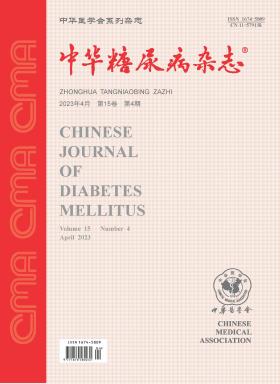
MedNexus
Volume 15 · Issue 04 · 2023
MedNexus
- Sections
- Original Article
- Case Report
- Review Article
- Lecture
To investigate the impact of phototherapy on lipohypertrophy (LH) induced by insulin injections.
Ninety-nine diabetes patients with LH who were admitted to the Endocrinology Department of the First Affiliated Hospital of Nanjing Medical University between April 2021 and February 2022 were selected as the study subjects. The length, width, and depth of each LH were measured, and the maximum LH, total LH, and average LH of the long, wide, and deep diameters were collected for all patients. SPSS 26.0 software was used to randomly allocate the subjects to the experimental group (50 cases) and the control group (49 cases). The control group received routine nursing care and avoided insulin injections at the LH site, while the experimental group received phototherapy based on the control group measures, twice a day, for 20 minutes each time for each LH site. Two independent sample t-tests, Mann-Whitney U tests, paired t-tests, and Wilcoxon signed-rank tests were used to compare the intergroup and intragroup differences in the length, depth, and width of the maximal LH, total LH, and average LH in the two groups before and after intervention.
There were 3 patients lost to follow-up in the experimental group and 2 patients in the control group, respectively, and 47 patients were included in both groups. After intervention, the length, depth, and width of the maximum LH, total LH, and average LH were all smaller in both the experimental and control groups than before intervention (all P<0.05). After intervention, the depth of the maximum LH and average LH were smaller in the experimental group than in the control group (both P<0.05). Compared with the control group, the percentage changes in the length and depth of the maximum LH, the length, depth, and width of total LH, and the length, depth, and width of average LH before and after intervention were greater in the experimental group (all P<0.05).
Avoiding insulin injections at the LH site during hospitalization is beneficial for the regression of LH in diabetes patients. Phototherapy can further reduce LH by stopping insulin injection at the LH site.
To evaluate the association between bone mass abnormality and mild cognitive impairment (MCI) in patients with type 2 diabetes mellitus (T2DM) aged over 60 years.
From January 2016 to March 2022, patients with T2DM aged over 60 years hospitalized in the Department of Endocrinology, Drum Tower Hospital affiliated to Nanjing University Medical School were retrospectively analyzed. Bone mineral density of the patients′ total hip, femoral neck and lumbar spine (L1-4) were collected and the T values were calculated. The assessments of global cognition and cognitive domains function, including immediate memory, visuospatial ability, language, attention, delayed memory, working memory, processing speed and executive function were conducted for patients enrolled. At the same time, the patients′ general clinical data and laboratory results were collected. According to the diagnostic criteria of MCI, the patients were divided into normal cognitive function group and MCI group. According to the results of bone density test, patients were divided into normal bone mass group, osteopenia group and osteoporosis group. The t test, Mann-Whitney U test, chi-square test, one-way analysis of variance and Kruskal Wallis H test were used to compare data between the groups. Multivariate logistic regression was used to analyze the risk factors of MCI in patients with T2DM over 60 years old.
A total of 267 patients with T2DM aged over 60 years were enrolled, including 165 patients with normal cognitive function and 102 patients with MCI; the cases in the normal bone mass, osteopenia and osteoporosis groups were 119, 108 and 40 respectively. The incidence of osteopenia and osteoporosis in the MCI group was significantly higher than that in cognitive normal group [48.0% (49/102) and 35.8% (59/165); 22.5% (23/102) and 10.3% (17/165) respectively, P<0.001]. There were significant differences in bone mineral density and T value of femoral neck, total hip and lumbar spine (L1-4) between the two groups (all P<0.05). The scores of immediate memory, delayed memory, working memory and processing speed of osteoporosis group were worse than those of normal bone mass group (P<0.05). Multivariate logistic regression analysis showed that after adjusting for covariates, osteopenia (OR=2.936, 95%CI 1.511-5.706) and osteoporosis (OR=4.347, 95%CI 1.600-11.808) were associated with higher risk of MCI.
Bone mass abnormality is associated with an increased risk of MCI in patients with T2DM aged over 60 years.
To analyze the trend of disease burden and risk factors of type 2 diabetes mellitus (T2DM) in Zhejiang province from 1990 to 2019.
Using 2019 Global Burden of Disease (GBD 2019) data, the disease burden was assessed using the years of life lost (YLL) rate, years lived with disability (YLD) rate and disability‐adjusted of life years (DALY) rate and a linear regression model with logarithmic transformation was used to describe and analyze the major risk factors of T2DM in Zhejiang province from 1990 to 2019. Meanwhile, we compared these findings to those in China and other socio‐demographic index regions in the world.
From 1990 to 2019, the YLL rate, YLD rate and DALY rate for T2DM in Zhejiang province showed an increasing trend and the rates of changes were 0.50%, 2.53% and 1.92%, respectively. In 2019, the YLL rate, YLD rate and DALY rate for T2DM in Zhejiang province were 152.90 per 100 000, 399.35 per 100 000 and 552.25 per 100 000, respectively, of which the group of people aged 70 years and older and above was the highest and the group of people aged 15-49 years was the lowest. In 2019, the YLD rate (403.30 per 100 000) and DALY rate (555.57 per 100 000) of male were higher than those of female (395.16 per 100 000, 548.74 per 100 000), while the YLL rate of male (152.26 per 100 000) was slightly lower than that of female (153.58 per 100 000). From 1990 to 2019, the standardized YLL rate, YLD rate and DALY rate in Zhejiang province were lower than the national level and different socio-demographic index regions in the world. In 2019, the most risk factors for T2DM were high fasting plasma glucose, high body mass index, ambient particulate matter pollution, smoking and secondhand smoke. Compared with 1990, the influence of environmental and behavioral risk factors has increased.
The disease burden of T2DM in Zhejiang province showed an overall upward trend, but the disease burden in the group of people aged 70 years and older is still severe.
To systematically review the efficacy and safety of IDegLira in the treatment of type 2 diabetes mellitus (T2DM).
Databases including PubMed, Embase, the Cochrane Library, Web of Science, Sinomed, CNKI, WanFang Data and VIP database were searched to collect randomized controlled trials (RCT) about the efficacy and safety of IDegLira (trial group) with placebo or other hypoglycemic agents (control group) in the treatment of T2DM from inception to August, 2022. Efficacy indicators included glycated hemoglobin A1c (HbA1c) level, HbA1c control (HbA1c<7%) rate, HbA1c control rate without weight gain, fasting plasma glucose (FPG) level, and body weight level. Safety indicators included the incidence of hypoglycemia, gastrointestinal adverse events, and serious adverse events. Two reviewers independently screened literature, extracted data, and assessed the risk of bias of included studies. Meta-analysis was performed using RevMan 5.4 software, and weighted mean difference (WMD) was used as effect analysis statistic for continuous variables. Odds ratio (OR) was used as effect analysis statistic for dichotomous variables, and 95%CI was provided for each effect size.
A total of 12 RCT involving 7 628 patients with T2DM were included. The results of meta-analysis showed that, compared with control group, IDegLira reduced the levels of HbA1c (WMD=-0.64%, 95%CI -0.80%--0.49%, P<0.01) and FPG (WMD=-0.91 mmol/L, 95%CI -1.40--0.43 mmol/L, P<0.01). Meanwhile, IDegLira increased the rate of achieving HbA1c target (OR=3.47, 95%CI 2.66-4.52, P<0.01) and the rate of achieving HbA1c target without weight gain (OR=2.98, 95%CI 1.66-5.33, P<0.01) in T2DM patients. In terms of safety, compared with control group, IDegLira treatment did not increase the incidence of hypoglycemic events (OR=1.51, 95%CI 0.81-2.81, P=0.19) and serious adverse events (OR=1.07, 95%CI 0.87-1.32, P=0.54). However, subgroup analysis showed that the incidence of nausea in the IDegLira group was higher than that in the insulin degludec group (OR=2.42, 95%CI 1.61-3.65, P<0.01) and insulin glargine group (OR=8.51, 95%CI 3.83-18.89, P<0.01), the incidence of diarrhea symptoms was higher than that in the insulin degludec group (OR=2.31, 95%CI 1.58-3.39, P<0.01).
IDegLira can reduce HbA1c, FPG, body weight, increase the rate of HbA1c compliance, without increasing the incidence of hypoglycemia events or serious adverse events.
To investigate the protective effect and potential mechanism of canagliflozin on apoptosis of renal tubular epithelial cell cultured with high glucose through long non-coding RNA (lncRNA) CO9.
Human kidney cells line-2 (HK-2) were cultured and divided into normal glucose (NG) group, high osmolar (HO) group, high glucose (HG) group, high glucose+dimethyl sulfoxide (DMSO) group (DMSO group), high glucose+canagliflozin (CANA) group (CANA group), HG+negative control small interfering RNA (si-NC) group (si-NC group), HG+lncRNA CO9 small interfering RNA (si-CO9) group (si-CO9 group), HG+negative control plasmid (PEX-NC) group (PEX-NC group), HG+lncRNA CO9 overexpression plasmid (PEX-CO9) group (PEX-CO9 group), HG+canagliflozin+PEX-CO9 group (CANA+PEX-CO9 group). Cell proliferation rate was detected by cell counting kit-8 (CCK-8) assay and methylthiazolyldiphenyl-tetrazolium bromide (MTT) assay, relative protein expression of apoptotic protein [B cell lymphoma-2-associated X (Bax), B cell lymphoma-2 (Bcl-2), Caspase-3, and Cleaved-caspase-3] and nuclear factor (NF)-κB p50 subunit and precursor p105 protein was detected by Western blotting, Bax/Bcl2 relative protein expression value was calculated, and cell apoptosis rate was detected by flow cytometry. Expression of lncRNA CO9 and NF-κB1 mRNA was verified by fluorescence quantitative real-time PCR (qRT-PCR). The subcellular localization of lncRNA CO9 was detected by fluorescence in situ hybridization, and its function was predicted by gene ontology (GO) and Kyoto encyclopedia of genes and genome (KEGG)analysis. Kidney samples from clinical normal controls (NC group, n=5) and patients with diabetic kidney disease (DKD group, n=5) were collected to detect lncRNA CO9 expression in proximal renal tubular epithelial cells. The t-test was used for comparison between the two groups, and the one-way analysis of variance was used for the comparison among multiple groups.
Compared with NG group, the cell viability in HG group was decreased, the protein expression of Bax/Bcl2, Caspase-3, Cleaved-caspase-3 and the cell apoptosis rate were significantly higher, and the expression level of lncRNA CO9 was significantly increased; while compared with HG group, the cell apoptosis rate and the expression level of lncRNA CO9 in CANA group were both decreased (P<0.05). LncRNA CO9 was located in the cytoplasm. GO and KEGG analysis showed that the main biological processes of lncRNA CO9 were associated with apoptosis pathway. LncRNA CO9 expression in proximal renal tubular epithelial cells was up-regulated in DKD group compared with NC group (P<0.05). Compared with HG group, the expression level of apoptotic protein, apoptosis rate and the expression of NF-κB1 mRNA and NF-κB p50 subunit and precursor p105 protein decreased in si-CO9 group, while increased in PEX-CO9 group (P<0.05). Compared with CANA group, the level of apoptotic protein, apoptosis rate and the expression of NF-κB1 mRNA and NF-κB p50 subunit and precursor p105 protein were significantly increased in CANA+PEX-CO9 group (P<0.05).
Canagliflozin alleviates renal tubular epithelial cell apoptosis induced by high glucose by inhibiting the expression of lncRNA CO9.
To investigate the effect of 7-ketocholesterol (7-KC) on apoptosis and to elucidate its underlying mechanism in pancreatic β-cells.
INS-1 cells were treated with 0, 0.25, 2.5 and 25 μmol/L 7-KC for 24 h, and the concentration inducing apoptosis of INS-1 cells was detected by western blotting. Furthermore, the cells were divided into four groups: blank group, 25 μmol/L 7-KC treatment group, 7-KC treatment and pretreated with 1 mmol/L endoplasmic reticulum (ER) stress inhibitor 4-phenylbutyric acid (4-PBA) group, and 1 mmol/L 4-PBA group. The expression of ER stress marker proteins [inosital-requiring enzyme-1α (IRE-1α), protein kinase R-like endoplasmic reticulum kinase (PERK), activating transcription factor 4 (ATF4), phosphorylated α subunit of eukaryotic initiation factor 2 (p-eIF-2α), α subunit of eukaryotic initiation factor 2 (eIF-2α), C/Ebp-homologous protein (CHOP), phosphorylated inosital-requiring enzyme-1 (p-IRE-1α), phosphorylated protein kinase R-like endoplasmic reticulum kinase (p-PERK), activating transcription factor 6α (ATF-6α)], apoptosis proteins [B-cell lymphoma-2 (Bcl-2), Bcl2-associated X (Bax), cleaved cysteinyl aspartate-specific proteinase-3 (cleaved-Caspase 3)], ER morphology and interaction proteins of ER [glucose regulated protein 78 (GRP78)] were elucidated via western blotting, flow cytometry and immunofluorescence, transmission electron microscopy and co-immunoprecipitation, in order to verify the role of ER stress in β-cell function impairment by 7-KC. Two-tailed Student′s t tests were performed to compare means between two groups. ANOVA followed by Bonferroni′s multiple comparisons was used to compare means from three or more groups.
The cleaved-Caspase3 was increased dose-dependently and upregulated obviously at 25 μmol/L 7-KC treatment group (P<0.01). Meanwhile, the dilation and vesiculation of ER, and ER stress-sensing proteins p-PERK, p-IRE-1α, ATF6, p-eIF-1, ATF4, and CHOP were dramatically upregulated at 25 μmol/L 7-KC treatment group. Compared with 25 μmol/L 7-KC treatment group, the further study showed that ER stress protein expressions were downregulated, and apoptosis proteins expressions were decreased at 25 μmol/L 7-KC treatment and pretreated with 1 mmo/L 4-PBA group (P<0.05). Co-immunoprecipitation demonstrated that the binding of molecular chaperones GRP78 and PERK was inhibited at 25 μmol/L 7-KC treatment group, and furthermore increased PERK autophosphorylation and then activated ER stress.
7-KC activates ER stress and promotes apoptosis by inhibiting the GRP78-PERK interaction in pancreatic β cells.
Mitochondrial neurogastrointestinal encephalomyopathy (MNGIE), an ultra-rare disease, is caused by the gene encoding thymine phosphorylaseTYMPCaused by mutations. This article reports the diagnosis and treatment of a patient with MNGIE-induced insulin resistance lipoatrophic diabetes. The patient was a 19-year-old female. He was admitted to the hospital with the main complaint of "numbness in both lower limbs and irregular menstruation for 4 years". Through clinical data analysis and whole exon gene testing, he was admitted to the hospital.TYMPTwo heterozygous variants were detected on the gene: c.T1364C:p.L455P and c.447dupG:p.H150fs, consistent with the diagnosis of MNGIE. The patient also had abnormal blood glucose, emaciation, hirsutism, amenorrhea, insulin resistance, acanthus nigricans manifestations, fatty liver, hypertriglyceridemia and low high density lipoprotein cholesterolemia. Through literature review, it was speculated that the patient was MNGIE-induced insulin resistant lipoatrophic diabetes. In this paper, the clinical characteristics and key points of diagnosis and treatment of MNGIE and lipoatrophic diabetes were discussed in combination with the diagnosis and treatment process of patients, in order to improve the clinical understanding of this disease.
Looking back at the century-old development of insulin, basal insulin has been continuously updated and iterated, and has become the preferred choice for initiating insulin therapy. The main obstacle to the clinical application of basal insulin daily preparations is the distress caused by daily injections to patients, thus reducing treatment compliance. Under such urgent clinical needs, the basal insulin weekly preparation Icodec insulin came into being. Icodec insulin not only has unique pharmacological and pharmacokinetic characteristics, but also its efficacy and safety have been preliminarily verified in phase II clinical trials.
Skin and soft tissue infection (SSTI) in diabetic patients is not uncommon in clinical practice, but there are few clinical studies related to it. The clinical complexity of SSTIs is a challenge for healthcare workers. Acute non-foot SSTI is more likely to occur in patients with multiple co-existing conditions, especially diabetic patients. This paper introduces the definition and epidemiology of acute bacterial SSTI, the clinical characteristics of diabetes mellitus complicated with SSTI, and the factors that may affect the clinical effect in the treatment, especially necrotizing fasciitis and multiple antibiotic resistance, and emphasizes the importance and urgency of timely and accurate diagnosis of SSTI. Delayed diagnosis can have serious consequences, such as increased amputation rates, resulting in serious consequences of disability and death. The diagnosis and treatment of diabetes complicated with SSTI involves many disciplines and many links from community to general hospital. Multidisciplinary cooperation to carry out specialized treatment, implementation of hierarchical management, teamwork and whole process management, these measures are beneficial to improving the adverse outcome of diabetes complicated with SSTI and saving medical expenses.
Vitamin D deficiency is widespread in diabetic patients, and the relationship between vitamin D and diabetic peripheral neuropathy has also attracted widespread attention in recent years. The relationship between vitamin D level and diabetic peripheral neuropathy, the possible mechanism of vitamin D affecting diabetic peripheral nerves and the effect of vitamin D supplementation on diabetic peripheral neuropathy were systematically expounded.
Diabetic gastroparesis is a serious complication of diabetic patients with the prolongation of the disease. The clinical symptoms mainly include nausea, vomiting, early satiety, postprandial fullness, abdominal distension and abdominal pain. The symptoms are diverse but none of them are specific. The diagnosis needs to exclude organic lesions and perform gastrointestinal function examination. If patients with diabetic gastroparesis are not diagnosed in time, they are likely to have malnutrition, large blood sugar fluctuations, early postprandial hypoglycemia and hyperglycemia before the next meal, which eventually promotes the occurrence and development of other chronic complications of diabetes. Therefore, early identification, early diagnosis and early intervention of gastroparesis are particularly important for stabilizing blood sugar and improving the prognosis of diabetic patients. This article will summarize the screening scales and diagnostic methods of diabetic gastroparesis, and explore the diagnostic process of such patients, in order to provide ideas for early diagnosis of diabetic gastroparesis patients in clinic.
With the improvement of the economic level of Chinese residents, the dietary habits have also changed, and the proportion of high-sugar and deep-processed foods in the dietary structure has increased. Long-term high sugar intake is believed to be associated with metabolic diseases such as obesity and diabetes. Based on the development of food industry, high fructose corn syrup, low energy sweetener and functional sweetener have partially replaced the traditional sweetener-sugar, and are widely used in processed food. However, the total production and consumption of sugar in the world still shows a steady and rising trend. The effects of various types of sweeteners on human health are heterogeneous, and their mechanisms have not been fully elucidated. Improving nutritional quality and metabolic environment early in life is considered a key link in breaking the intergenerational vicious cycle of diseases such as obesity and diabetes. Women in pregnancy and childbirth have special physiological and dietary characteristics, are highly susceptible to various metabolic diseases, and have important influences on early development and metabolic programming of offspring. However, the relevant research evidence of sweeteners in this group is not sufficient at present. This paper reviews the characteristics of sweeteners in the diet and their effects on metabolic health of pregnant women and offspring.
Diabetic cognitive dysfunction is an important central nervous system complication of diabetes. With the acceleration of population aging, the prevalence of diabetes and cognitive impairment is increasing, and the social and economic burden is increasing day by day. At present, the pathogenesis of cognitive dysfunction in type 2 diabetes is not well understood, and there is still a lack of specific biomarkers in the diagnosis of the disease. This article focuses on the pathogenesis of diabetic cognitive dysfunction, mainly reviews the relevant potential biomarkers from the aspects of Alzheimer's disease pathology, insulin signaling pathway, vascular pathology, abnormal glucose and lipid metabolism, inflammation and oxidative stress, brain parenchymal damage, etc., in order to expand new ideas for the diagnosis and treatment of this disease.
Islet cell transplantation (ICT) is limited by donor origin and immunosuppression, and is not widely used in clinical practice. Induced pluripotent stem cells (iPSCs) as an alternative source of islet cells are expected to solve the problems of ICT supply shortage and immunosuppression. Clinical trials have been conducted to confirm the safety and efficacy of insulin-secreting cells (IPC) after implantation. This paper focuses on the problems involved in iPSC-derived islet organoids and the difficulties that need to be solved in the future, and puts forward the optimal induction scheme, aiming at providing reference for iPSC induction. In addition, this article also describes the current clinical trials of iPSC-induced IPC in the treatment of type 1 diabetes.
As one of the common serious complications of diabetes, diabetic foot is often accompanied by various injuries such as vascular lesions, neuropathy, tissue destruction and inflammation. The above injuries further promote the prolonged wound of diabetic foot, forming a vicious circle. At present, common clinical therapies for the above problems include debridement, infection management, vascular reconstruction, decompression, maintenance of wound environment moisture through dressings and blood sugar management, etc. However, due to the problems such as ischemia, infection, neuropathy and metabolic disorders at the patient's lesion, all will lead to delayed wound healing and even develop into local tissue necrosis. In order to avoid secondary infection causing gangrene and bacteremia that threaten the patient's life, amputation has become a necessary choice to maintain the patient's health, so it is particularly urgent and important to find alternative new therapies to avoid amputation. Studies have shown that adult stem cells, as a promising treatment, may bring new hope for the treatment of diabetic foot. A large number of basic and clinical studies have shown that in diabetic foot animal models and patients, adult stem cells have the advantages of gathering in tissue injury areas, inducing angiogenesis, promoting epidermal regeneration and relieving tissue ischemic pain, etc., and show good therapeutic potential for diabetic foot wound healing. This paper will focus on the related progress of adult stem cells in the clinical treatment and basic research of diabetes mellitus, discuss the problems and difficulties that restrict its clinical application at present, and put forward possible countermeasures for the expansion of its clinical application.
With the continuous development of blood glucose monitoring technology and the emergence of new continuous glucose monitoring system (CGMS), the advantages of continuous glucose monitoring (CGM) are understood and accepted by more and more doctors and patients. At present, the application of CGMS in primary medical institutions is increasingly popular, and primary doctors have a certain understanding and perceptual understanding of the application of CGMS. However, there are still insufficient understanding and misunderstandings on how to use CGM tools to help patients better self-manage diabetes, which affects patients' self-management. Taking the most widely used scanning CGM at home and abroad as an example, this paper summarizes the applicable population of CGM, the precautions and common misunderstandings in clinical use, how to correctly interpret dynamic glucose map to guide clinical practice and the future development trend.
CURRENT ISSUE