MedNexus
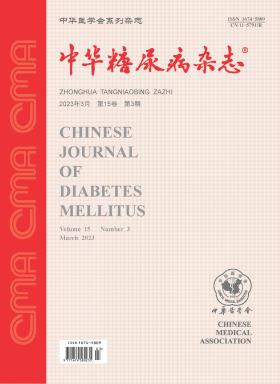
Volume 15 · Issue 03 · 2023
MedNexus
- Sections
- Criterion and Guide
- Original Article
- Experience Exchange
- Case Report
- Review Article
Insulin deglucide liraglutide injection is a combination of insulin deglucide and liraglutide. The two components play a synergistic role through various mechanisms to enhance the hypoglycemic effect, improve the blood glucose compliance rate, and reduce the risk of hypoglycemia and weight gain caused by insulin therapy and the gastrointestinal adverse reactions related to glucagon-like peptide-1 receptor agonist therapy. The drug is administered once daily at any time to improve treatment compliance. In order to help clinicians fully understand and better use the drug, expert groups in related fields systematically summarized the efficacy and safety evidence of the drug in different type 2 diabetes populations, and put forward clinical application suggestions for its applicable populations, dose adjustment methods and medication precautions.
To evaluate the similarity of efficacy and safety of two glargine insulins in Chinese patients with type 2 diabetes mellitus (T2DM) who had different baseline levels of glycated hemoglobin A1c (HbA1c).
The I4L-GH-ABET (ABET) study was a 24-week, randomized, controlled, open-label phase 3 study in China. The Chinese patients with T2DM that included 536 patients with T2DM from 32 centers in China were enrolled from March 22, 2018 to March 18, 2020. Patients were randomly assigned in a 2∶1 ratio to the LY IGlar group (insulin glargine LY2963016, 359 patients) or the IGlar group (insulin glargine Lantus®, 177 patients) using the interactive web response system method. This study was a subgroup analysis of the ABET study, in which the study subjects were stratified into baseline HbA1c<8.5% subgroup (319 cases, 214 cases in LY IGlar and 105 cases in IGlar group) and baseline HbA1c≥8.5% subgroup (217 cases, 145 cases in IGlar group and 72 cases in IGlar group) according to baseline HbA1c levels, to compare the similarity of LY IGlar and IGlar group in efficacy and safety. Efficacy endpoints included the change in HbA1c from baseline to 24 weeks, seven-point self-monitoring of blood glucose (7-SMBG) and fast plasma glucose (FPG), weight change from baseline and insulin dose at week 24. Safety endpoints included hypoglycemia, the incidence of treatment-emergent adverse events (TEAE), serious adverse events, and the proportion of patients with a treatment-emergent antibody response (TEAR). Repeated-measures mixed-effects models were used to assess efficacy endpoints. The Mantel-Haenszel test and Breslow Day test were used to assess safety.
Baseline characteristics of patients treated with LY IGlar and IGlar were similar in the baseline HbA1c<8.5% subgroup and baseline HbA1c≥8.5% subgroup. Compared to baseline HbA1c<8.5% subgroup, patients in the HbA1c≥8.5% subgroup had a higher decrease in HbA1c at week 24 compared to baseline, but the decrease in HbA1c was similar in both treatment groups [baseline HbA1c<8.5% subgroup: the least squares mean (LSM) of LY IGlar group and IGlar group were -0.82% and -0.75%, respectively, P=0.377; baseline HbA1c≥8.5% subgroup: LSM was -1.95% and -1.94%, respectively, P=0.932]. At week 24, 7-SMBG, FPG and weight change from baseline were similar in both HbA1c subgroups. At week 24, basal insulin dose was similar in both subgroups. During the 24-week treatment period, in both treatment groups, no significant statistical difference in the incidence of overall hypoglycemia [baseline HbA1c<8.5% subgroup: LY IGlar group was 56.1% (120/214), IGlar group was 60.0% (63/105), P=0.506; baseline HbA1c≥8.5% subgroup, LY IGlar group was 41.4% (60/145), IGlar group was 45.8% (33/72), P=0.533] and nocturnal hypoglycemia [baseline HbA1c<8.5% subgroup: LY IGlar group was 15.9% (34/214), IGlar group was 14.3% (15/105), P=0.710; baseline HbA1c≥8.5% subgroup: LY IGlar group was 7.6% (11/145), IGlar group was 9.7% (7/72), P=0.592], and no severe hypoglycemic events were reported. There was no significant difference between the two treatment groups in the incidence of TEAE and serious adverse events, as well as the proportion of patients with TEAR during treatment (P>0.05). There were no significant treatment-HbA1c subgroup interactions for clinical efficacy and safety outcomes between subgroups of HbA1c<8.5% and≥8.5% (P>0.05).
LY IGlar and IGlar have similar efficacy and safety in Chinese patients with T2DM who had difference baseline HbA1c level (<8.5% and ≥8.5%).
To investigate the correlation of peroxisome proliferator activated receptor-γ co-activator-1α (PGC-1α) with gestational diabetes mellitus and adverse pregnancy outcomes.
Pregnant women who underwent prenatal examination in Taizhou People′s Hospital from June 2020 to February 2022 were selected as the observation cohort. According to the results of 75 g oral glucose tolerance test at 24-28 gestational weeks, pregnant women with gestational diabetes mellitus (GDM) were included as GDM group. Pregnant women with normal glucose tolerance matched with age, gestational age and pre-pregnancy body mass index were selected as the control group. PGC-1α, fasting plasma glucose (FPG) and fasting insulin (FINS) were detected, homeostasis model assessment of insulin resistance (HOMA-IR) and homeostasis model assessment of β-cell function (HOMA-β) were calculated. The study subjects were followed up until delivery, and adverse pregnancy outcomes were collected. The Mann‐Whitney U test was used to compare PGC-1α level between the two groups. Spearman linear correlation was used to analyze the correlation between PGC-1α and glucose metabolism indexes. Multivariate logistic regression was used to analyze the relationship between PGC-1α and GDM and adverse pregnancy outcomes.
A total of 353 pregnant women were enrolled in the observation cohort, including 75 in GDM group and 75 in control group. The PGC-1α level was lower in the GDM group than that in the control group (Z=-3.483, P=0.001). Spearman correlation analysis showed that PGC-1α was negatively correlated with FPG (r=-0.233, P=0.004) and HOMA-IR (r=-0.171, P=0.036), and positively correlated with HOMA-β (r=0.165, P=0.044). Multivariate logistic regression analysis showed that decreased PGC-1α was associated with increased risks of GDM [OR (95%CI) 0.974 (0.954-0.993), P=0.008] and adverse pregnancy outcomes [OR (95%CI) 0.984 (0.968-0.999), P=0.036].
The serum PGC-1α level in patients with GDM in the second trimester was decreased, and the decreasing of PGC-1α could increase the risks of GDM and adverse pregnancy outcomes.
To explore the efficacy and safety of non-myeloablative autologous peripheral hematopoietic stem cell (HSC) and single allogeneic umbilical cord mesenchymal stem cell (MSC) transplantation in the treatment of patients with type 1 diabetes mellitus (T1DM).
This was a retrospective case-control study. Nine participants receiving HSC transplantation and 8 participants receiving MSC transplantation during August 2006 and December 2010 in Department of Endocrinology, Nanjing Drum Tower Hospital Clinical College of Xuzhou Medical University were selected for analysis, meanwhile 10 matched participants who received insulin therapy alone during the same time period were enrolled as the control. Insulin injection dose, glycated hemoglobin A1c (HbA1c), fasting C-peptide (FCP) and 2h-postprandial C-peptide (2hCP) were collected before and 12 months after transplantation, and the change range of each index was calculated. Clinical remission was defined as a 10% increase from baseline in the levels of FCP and/or 2hCP. The adverse reactions of patients during the two kinds of stem cell transplantation and follow-up were observed to judge their safety. T-test, one-way analysis of variance, Mann-Whitney U test, Kruskal-Wallis H test, Fisher′s exact test were used to compare between the groups.
At the 12th month of follow-up, the ratio of clinical remission in the HSC-treated, MSC-treated and control group were 7/9, 2/8, and 1/10 respectively, with HSC-treated group showing significantly higher ratio than that of control group (P=0.005). By the end of follow-up, the HbA1c of the three groups were (6.5±1.3)%, (7.7±1.5)% and (9.2±3.5)%, respectively. The decrease of insulin injection dose and increase of FCP in HSC transplantation group were significantly higher than those in control group, and the increase of 2hCP in HSC transplantation group was significantly higher than that in MSC transplantation group and control group (P<0.05). Two recipients of HSC-treated group achieved insulin independence, but none in the MSC-treated group or control group. Compared to baseline in each group, HbA1c (t=-3.85, P=0.008) and insulin injection dose (t=-2.47, P=0.039) were decreased and 2hCP (Z=-2.07, P=0.039) were increased at the end of follow-up in HSC-treated group, while HbA1c (t=-3.11, P=0.017) and 2hCP (Z=-2.38, P=0.016) were decreased in MSC-treated group. Considering the safety of stem cell transplantation, all recipients in the HSC-treated group experienced some adverse events, while none presented in the MSC-treated group.
Both stem cell therapies improved glycemic control and preserved residue β-cell function in T1DM patients. HSC transplantation had a tendency to be superior to MSC transplantation in improving β-cell function, while the latter presented a higher safety profile.
To investigate the correlation of sleep status and diabetes mellitus in aged 45 years old and above population in Guangdong province.
This study was a cross-sectional study, and the information used was obtained from the 2018 Guangdong Chronic Disease and Nutrition Surveillance Project. From September to October 2018 in 14 districts and counties of Guangdong Province (Chinese Adult Chronic Disease and Nutrition Surveillance sites), survey subjects were selected according to a multistage whole-group random sampling method, and 5 188 people aged ≥45 years were included in this study. General demographic characteristics (age, sex, marital status and education level, etc.), health behaviors (smoking, drinking, sleeping duration, sleep problems, etc.) and family history of chronic diseases of the subjects were collected. Height and weight were measured and body mass index (BMI) was calculated. Fasting blood glucose (FPG), oral glucose tolerance test 2 h blood glucose (2hPG), glycated hemoglobin A1c (HbA1c) were detected. A binary logistic regression model based on complex sampling was used to analyze the relationship between sleep status and diabetes mellitus prevalence. A linear regression model based on complex sampling was used to analyze the relationship between sleep problems and blood glucose indexes. A restricted cubic spline curve was drawn using R 4.0.5 software to analyze the dose-response relationship between sleep duration and blood glucose indexes.
The weighted prevalence of diabetes mellitus in aged ≥45 years population in Guangdong province was 11.8% (95%CI 10.5%-13.2%), and the sleep duration was (7.38±1.60) h, among which male sleep duration [(7.47±1.51) h] more than female [(7.31±1.67) h], and the difference was statistically significant (t=3.64, P<0.001); while female had difficulty falling asleep, intermediate awakenings ≥2 times, taking sleeping pills and waking up early than male, and the difference was statistically significant (all P<0.01). Multifactorial logistic regression analysis showed that after adjusting for confounding factors such as gender, urban/rural, age, marital status, education, occupation, smoking, alcohol consumption, BMI, central obesity, physical inactivity, and family history of diabetes mellitus, sleep duration >8 h (OR=1.230, 95%CI 1.008-1.502), intermediate awakenings ≥2 times (OR=1.277, 95%CI 1.111-1.469) were all influential factors for the prevalence of diabetes mellitus (P<0.05). The approximate U-shaped relationship between FPG and 2hPG and sleep duration was higher in the FPG and 2hPG for sleep duration <6 h or >8 h than in the normal sleep duration group (6-8 h) (all P<0.05). The results of linear regression models showed that after adjusting for confounding factors such as gender, urban/rural, age, marital status, education, occupation, smoking, alcohol consumption, BMI, central obesity, physical inactivity and family history of diabetes mellitus, intermediate awakenings ≥2 times were positively associated with 2hPG levels (β=0.343, 95%CI 0.080-0.605, P<0.05).
Excessive or insufficient sleep time, intermediate awakenings ≥2 times were positively associated with increased risk of diabetes mellitus in aged ≥45 years population in Guangdong province.
To systematically evaluate hypoglycemic risk prediction models in patients with type 2 diabetes mellitus (T2DM).
The Cochrane Library, PubMed, Embase, Web of Science, China national knowledge infrastructure (CNKI), and Wan Fang Databases were searched to collect the studies on T2DM hypoglycemia risk prediction model from inception to July 2022. The investigators independently screened the literatures and extracted the area under the curve (AUC) and its 95%CI, calibration method and predictors of the models involved in the literature using the prediction model risk of bias assessment tool (PROBAST) for quality evaluation. Meta-analysis of the predictive value of the predictors in the model was performed using Revman 5.3.
A total of 9 literatures containing 12 models were included, 11 of which had AUC>0.7, 7 models reported a 95%CI of AUC, and 7 models performed model calibration. PROBAST results showed that 1 of the 9 included literatures was at low risk of bias and the remaining 8 were at high risk of bias. Among the model applicability, only 1 was at low applicability. Meta-analysis showed that insulin use (OR=6.11, 95%CI 5.41-6.91), body mass index (OR=2.69, 95%CI 1.75-5.10), duration of diabetes (OR=3.39, 95%CI 2.37-4.85), previous history of hypoglycemia (OR=9.73, 95%CI 8.72-10.85), and sulfonylurea use (OR=1.30, 95%CI 1.30-1.31) were the top 5 predictors in the prediction model.
The prediction model of hypoglycemic risk in T2DM patients was still inadequate, and the future prediction model should focus on such predictors as insulin use, body mass index, duration of diabetes, previous history of hypoglycemia, and use of sulfonylureas.
To observe the changes of relevant indexes in the process of hepatic glycometabolism in rats under different exposure time at medium altitude.
Sixty specific pathogen free healthy male SD rats were divided into a low altitude control group (400 m above sea level, C group, 10 rats) and a medium altitude group (2 260 m above sea level, M group, 50 rats), and then the M group was divided into 1 d (M1), 3 d (M3), 7 d (M7), 15 d (M15) and 30 d (M30) groups according to the exposure time, 10 rats in each group. The contents of plasma glucose, alanine aminotransferase (ALT), blood lactate, hepatic lactate, hepatic adenosine triphosphate (ATP) and hepatic glycogen were measured. The mRNA expressions of hepatic isocitrate dehydrogenase (ICDH), glucose-6-phosphatase (G6Pase), adenylate-activated protein kinase (AMPK) and hypoxia-inducible factor-1α (HIF-1α) were measured by polymerase chain reaction, and the protein expressions of hepatic ICDH, G6Pase, AMPK and HIF-1α were detected by Western blotting. One-way analysis of variance (ANOVA) and Kruskal-Wallis H test were used for comparison between multiple groups.
Compared with C group, the differences in contents of plasma ALT, blood glucose, blood lactate and hepatic lactate in rats of M1, M3, M7, M15 and M30 groups were not statistically significant (P>0.05). The hepatic glycogen content and mRNA expressions of ICDH and G6Pase were higher in the M1, M3 and M7 groups than those in C group (P<0.05). The contents of hepatic ATP and ICDH proteins were higher in M3 group than those in C group (P<0.05). The G6Pase protein expression levels in the M3 and M7 groups were higher than those in C group (P<0.05), which were restored to the level of C group in the M15 and M30 groups. The expression levels of AMPK mRNA and protein in each exposure time group at medium altitude were lower than the level of C group (P<0.05). The mRNA expression levels of HIF-1α in the M1, M3, M7 and M15 groups were higher than those in C group (P<0.05), which decreased to the level of C group in M30 group. The expressions levels of HIF-1α protein in the M1 and M3 groups were higher than those in C group (P<0.05), and it was decreased to the level of C group in the M15 and M30 groups.
During medium altitude acute hypoxia period (1-7 days), glycometabolism indexes of SD rats changed rapidly, while these changes leveled off to the control group level with the extension of exposure time.
The high incidence of diabetes after liver transplantation is an important risk factor for long-term complications after liver transplantation, which seriously affects the quality of life of recipients. Early blood glucose screening and intervention can improve the prevention and treatment efficiency of post-transplantation diabetes and its complications. Therefore, standardized multidisciplinary blood glucose management can provide full-course health management for patients with abnormal blood glucose after liver transplantation, which is extremely important for their long-term prognosis.
Peripheral neuropathy induced by programmed death receptor-1 (PD-1) inhibitors is still relatively rare at present. It may be caused by autoimmune response caused by immunotherapy, or it may be related to the presence of common antigens in the nervous system and tumor cells. A case of PD-1 inhibitor-induced peripheral neuropathy complicated with pancreatic injury was reported. The patient was a young man who developed pancreatic injury, diabetic ketosis, and peripheral neuropathy after PD-1 inhibitor. Multiple peripheral nerve damage was seen on electromyography, protein-cell separation was seen in cerebrospinal fluid, and the ganglioside antibody spectrum was negative. He was given glucocorticoid and immunoglobulin shock therapy combined with insulin therapy and improved. This case started as an adverse neurological event, the symptoms lacked specificity, and the disease progressed rapidly and was dangerous. However, hormone and immunoglobulin shock therapy was effective, so clinicians should improve the recognition and treatment ability of PD-1 inhibitor-induced peripheral neuropathy.
This article reports the diagnosis and treatment of a child with diabetes mellitus complicated with rickets and cataract onset. The patient was a 12-year-old 10-month-old boy who was admitted to the hospital mainly because of "blurred vision for more than 10 days and easy hunger and eating for 6 days". After admission, the child's peripheral blood was tested by chip capture high-throughput sequencing technology for whole exome + mitochondrial genome sequencing. The results showed that the child's lipoprotein receptor-related protein 5 (LRP5There is a homozygous mutation in exon 23 of the gene, and the base G at position 4643 of the coding region of this gene is mutated to T (c.G4643T), which is a missense mutation. This gene plays an important role in bone formation and pathogenesis by regulating the Wnt signaling pathway, which can also affect insulin secretion and lead to abnormal blood sugar.LRP5Recessive mutations in Wnt can also lead to familial exudative vitreoretinopathy, which is also associated with the Wnt signaling pathway. Through reporting and studying the pathogenesis of related clinical phenotypes, this paper is expected to propose a more suitable diagnosis and treatment plan for children with diabetes mellitus complicated with rickets and cataract.
Leptin is a type of leptin produced byobThe gene encodes a polypeptide hormone secreted mainly by white adipose tissue. Leptin mainly acts on the hypothalamus to reduce appetite, promote energy consumption and reduce weight. In addition to the central system, leptin can also promote glucose uptake and utilization, promote lipolysis and fatty acid oxidation, reduce lipid deposition, inhibit the secretion of insulin and glucagon by pancreatic islets, promote the development of T and B cells in the immune system and the production of inflammatory factors through peripheral tissues and organs, such as adipose tissue, pancreas, liver, skeletal muscle, immune cells and cardiovascular system. Peripheral administration of leptin can improve metabolic abnormalities in patients with lipodystrophy, congenital leptin deficiency, and acquired leptin deficiency including anorexia nervosa. The study on the peripheral effects of leptin not only helps to further understand the function of leptin and deepen the understanding of leptin, but also provides the basis for the research and development of leptin-based weight loss drugs.
The progressive failure of islet β cell function is one of the important factors in the occurrence and development of type 2 diabetes. With the prolongation of the course of diabetes, the function and number of β cells gradually decline, the progressive secretion of insulin is insufficient, and the difficulty of blood sugar control increases. Therefore, studying the development, functional maintenance and quantitative regulation of β cells has positive significance for the prevention and treatment of diabetes in the future. This paper reviews the differentiation, function regulation, apoptosis and regeneration of pancreatic islet β cells.
Diabetes has become a serious public health problem, and the situation of diabetes in China is particularly severe. The application of Internet of Things technology provides new ideas and methods for further strengthening the management of diabetic patients and innovating management modes. This article summarizes the application status and obstacles of Internet of Things technology in diabetes management, in order to provide reference for the construction of new information management model of diabetes in China.
Cardiorenal complications are the main causes of disability and death in patients with type 2 diabetes. Patients with combined cardiorenal risk factors but no cardiorenal complications often do not pay enough attention to the management of risk factors. Diabetes self-management education and support (DSMES) is an effective means to improve patients' self-management ability and promote the control of metabolic indicators. Early improvement of cardiorenal risk factors through DSMES can help prevent cardiorenal complications and related adverse outcomes. The development of DSMES in China is still in the exploratory stage. This article reviews the necessity, benefits and implementation strategies of DSMES in patients with combined cardiorenal risk factors (including the components of DSMES, practical considerations for implementing DSMES and the application of emerging technologies), in order to provide reference for clinical targeted development of DSMES.
CURRENT ISSUE