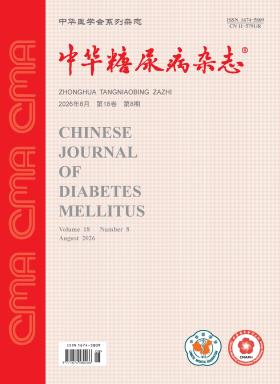
Infectious Diseases & Immunity
Volume 18 · Issue 08 · 2026
Infect Dis Immun
- Sections
- Special Article
- Perspective
- Original Article
- Review Article
The comorbidity of type 2 diabetes mellitus (T2DM) and metabolic dysfunction associated-steatotic liver disease (MASLD) significantly increases the risk of both hepatic and extrahepatic adverse outcomes, making standardized multidisciplinary management a global priority. This article systematically reviews and compares the newly released multidisciplinary management consensus guidelines for T2DM complicated with MASLD from China, the United States, France, and India. It compares the commonalities and differences among these four national guidelines across four dimensions: epidemiological background, intrahepatic screening and risk assessment, extrahepatic risk assessment, and therapeutic and management pathways. The results indicate a high degree of consistency in core principles, such as emphasizing non-invasive screening for early liver fibrosis, establishing lifestyle intervention as the cornerstone, prioritizing novel glucose-lowering medications with multiple metabolic benefits, and advocating multidisciplinary collaborative models. Meanwhile, distinct "localized" strategies emerge across the guidelines: the Chinese consensus introduces a locally developed "diabetes-liver score" and integrates traditional Chinese medicine therapy; the Indian consensus emphasizes sarcopenia assessment based on the "low body weight with high body fat" phenotypic characteristics of South Asian populations; and the US and French guidelines focus on embedding liver disease risk screening into primary care systems. This review aims to provide an international perspective and an evidence-based reference for establishing a standardized, efficient, and locally adapted multidisciplinary collaborative model for the integrated management of diabetes and liver disease in China.
With the sharp rise in global obesity prevalence, obesity-driven systemic metabolic diseases involving multiple organs have become a major public health challenge. This paper systematically interprets the core content of Clinical staging for the management of metabolic disorders and their sequelae: a European Atherosclerosis Society consensus statement.Based on the pathological mechanism of obesity-induced insulin resistance and multi-organ interactive injury, the consensus establishes a dynamic three-stage classification system of systemic metabolic disorders (SMD): Stage 1 is characterized by isolated metabolic abnormalities without organic visceral damage; Stage 2 is complicated by early target organ injuries such as diabetes and subclinical atherosclerosis; Stage 3 progresses to end-stage multi-organ lesions. This article summarized standardized quantitative diagnostic indicators, stepped regimens of lifestyle intervention, medication and surgical management for each stage. Cohort data from the UK Biobank confirm that the all-cause mortality risk of patients with SMD Stage 2 increases by 49% compared with healthy individuals, highlighting the value of early intervention. Compared with the cardiovascular-kidney-metabolic syndrome framework, this staging system adds the dimension of liver injury and more closely aligns with the interactive pathogenesis of multisystem metabolism. Taking into account the differences in cut-off values of body mass index, waist circumference, and heart failure with preserved ejection fraction specified in Chinese guidelines, localized recommendations for screening and stratified intervention are proposed. Establishing a multidisciplinary collaborative care model is also recommended, providing evidence-based references for standardized integrated clinical management of multi-organ metabolic complications in China.
To evaluate the efficacy and safety of a domestic semaglutide injection compared with the originator semaglutide injection for the treatment of adults with type 2 diabetes mellitus (T2DM).
This multicenter, randomized, open-label, parallel-group phase III equivalence study enrolled T2DM subjects from 46 research centers across China between 28 April 2023 and 3 April 2024. Eligible participants had inadequate glycemic control despite metformin monotherapy or combination therapy with metformin plus a sulfonylurea. Subjects were stratified based on background oral antidiabetic therapy and randomly assigned (1∶1) to receive either the domestic semaglutide injection (treatment group) or the originator semaglutide injection (control group). The primary efficacy endpoint was the change from baseline in glycated hemoglobin (HbA1c) after 32 weeks of treatment, with an equivalence margin of ±0.4%. Secondary efficacy endpoints included changes from baseline in fasting plasma glucose (FPG), fasting blood lipids, body weight, and the HbA1c target achievement rate. Safety endpoints comprised treatment-emergent adverse events (TEAE), hypoglycemic events, and incidence of anti-drug antibodies (ADA). Efficacy analyses were performed using both the full analysis set (FAS) and the per-protocol set (PPS), while safety analyses were performed using the safety set (SS). The primary endpoints were analyzed using an analysis of covariance (ANCOVA) model to estimate the least squares mean (LSM) and standard error (SE) for each group, and to calculate the between-group difference in LSM and its 95%CI. Secondary endpoints were compared between groups using ANCOVA, Hodges-Lehmann, and Cochran-Mantel-Haenszel methods.
A total of 492 subjects were randomly assigned to treatment (247 in the treatment group, 245 in the control group). The FAS included 490 subjects (245 in the treatment group, 245 in the control group), the PPS included 442 subjects (222 in the treatment group, 220 in the control group), and the SS included 490 subjects (245 in the treatment group, 245 in the control group). After 32 weeks, the LSM (SE) change from baseline in HbA1c was -1.74% (0.06%) for the treatment group and -1.84% (0.06%) for the control group. The between-group difference in LSM was 0.09% (95%CI -0.06%-0.25%), which fell within the predefined equivalence margin of ±0.4%. Changes from baseline in FPG, fasting blood lipids, body weight, and the HbA1c target achievement rate were similar between the two groups at week 32 (all P>0.05). The incidence of TEAE was 77.96% (191/245) in the treatment group and 82.04% (201/245) in the control group. The incidence of hypoglycemic events was 12.65% (31/245) and 11.02% (27/245) in the respective groups. No statistically significant differences were observed between the two groups for any of these safety endpoints. The ADA positivity rate was 2.04% (5/245) in the treatment group and 6.94% (17/245) in the control group (χ2=6.85, P=0.009).
The domestic semaglutide injection demonstrates equivalent overall glycemic efficacy and a comparable safety profile to the originator semaglutide injection.
To analyze the longitudinal association between famine exposure at different early-life stages and the incidence of diabetic microvascular complications (DMC) in patients with type 2 diabetes, and to explore the mediating effects of glucose and lipid parameters, urinary microalbumin, and composite lipid ratios.
This was a retrospective cohort study. Based on the specialized disease database of Chu Hsien-I Memorial Hospital, Tianjin Medical University, a total of 1 359 inpatients with type 2 diabetes hospitalized from June 2014 to June 2022 were retrospectively enrolled and divided into five groups according to date of birth: non-exposure group, fetal exposure group, early infancy exposure group, preschool exposure group and school-age exposure group. Multivariate Cox proportional hazards regression models were adopted to analyze the associations of famine exposure with the onset of DMC, diabetic retinopathy (DR), diabetic kidney disease (DKD) and diabetic neuropathy (DN). Mediating effect models were constructed to evaluate the mediating roles of total cholesterol (TC), triglyceride (TG), high-density lipoprotein cholesterol (HDL-C), low-density lipoprotein cholesterol (LDL-C), glycated hemoglobin (HbA1c), urinary microalbumin (UMA) and lipid ratios, and stratified analyses were performed by hypertension status.
A total of 1 359 patients were enrolled, including 715 males and 644 females, with a median age of 60 (56, 64) years. After adjustment for confounding factors, the HR values for DMC among patients with famine exposure during early infancy, preschool period and school age were 1.346 (95%CI 1.018-1.779), 1.477 (95%CI 1.016-2.145) and 1.765 (95%CI 1.086-2.867) respectively; the corresponding HR values for DR were 1.503 (95%CI 1.115-2.026), 1.786 (95%CI 1.200-2.659) and 2.056 (95%CI 1.225-3.453); the HR values of DKD for early infancy and school-age exposure were 1.622 (95%CI 1.047-2.512) and 2.422 (95%CI 1.131-5.187); the HR of DN for fetal exposure was 0.763 (95%CI 0.582-1.001). Mediation analysis showed that in the overall population, the HR values of LDL-C in the association between famine exposure during early infancy, preschool period, school age and DKD were -0.032 (95%CI -0.077--0.011), -0.077 (95%CI -0.112--0.019) and -0.151 (95%CI -0.316--0.034); the HR values of UMA were -2.414 (95%CI -7.005--0.001), -6.122 (95%CI -14.935--2.869) and -10.644 (95%CI -26.119--5.017), both exerting negative mediating effects. The LDL-C/HDL-C ratio also had mediating effects in the above three exposure stages. Stratified analysis revealed that LDL-C only presented a mediating effect in non-hypertensive population, whereas TC, TG, HDL-C, HbA1c and UMA showed no mediating effects in the association between famine exposure and DR.
Early-life famine exposure from early infancy to school age is longitudinally associated with the risk of secondary endpoints DR and DKD in patients with type 2 diabetes. LDL-C, UMA, and the LDL-C/HDL-C ratio mediate the association between famine exposure and DKD, and such mediating effects vary by hypertension status.
To investigate the relationship of glycemic variability (GV), time in range (TIR) with postoperative poor prognosis after intracranial hematoma clearance in patients with type 2 diabetes mellitus (T2DM) and spontaneous intracerebral hemorrhage (SICH), and to develop a prediction model.
This study was a retrospective cohort study. Consecutive patients with T2DM and SICH who underwent surgery at the Department of Neurosurgery, Affiliated Hospital of North China University of Science and Technology from June 2023 to June 2025 were enrolled. According to the modified Rankin scale (mRS) score at 90 days after the onset of cerebral hemorrhage, they were divided into a good-prognosis group (mRS≤2) and a poor-prognosis group (mRS≥3). General information and GV parameters were collected, including the coefficient of variation (CV), 24-h mean amplitude of glycemic excursions (MAGE), mean of daily differences (MODD), 72-h average glucose (GluAve), time below range (TBR), time above range (TAR), and time in range (TIR). Using multiple logistic regression analysis to identify the influencing factors on the prognosis of patients with T2DM complicated with SICH after intracranial hematoma clearance surgery; receiver operating characteristic (ROC) curve analysis was used to evaluate the predictive value of each parameter.
A total of 320 patients with T2DM complicated with SICH were included, comprising 161 with a poor prognosis and 159 patients with a good prognosis. Compared with the poor-prognosis group, the good-prognosis group had lower CV, MAGE, MODD, GluAve, TAR, and TBR, while TIR was higher (all P<0.001). Multiple logistic regression showed that CV (OR=1.12, 95%CI 1.02-1.22), MAGE (OR=1.15, 95%CI 1.04-1.28), GluAve (OR=1.19, 95%CI 1.05-1.34), TAR (OR=1.40, 95%CI 1.17-1.68), TBR (OR=1.52, 95%CI 1.16-2.00) and TIR (OR=0.88, 95%CI 0.83-0.94) were all the factors influencing the poor prognosis in patients with T2DM and SICH undergoing intracranial hematoma clearance surgery for 90 days.ROC curve analysis showed that the AUC of CV, GluAve, MAGE, TAR, TBR, and TIR for predicting adverse outcomes were 0.79 (95%CI 0.74-0.83), 0.78 (95%CI 0.73-0.82), 0.83 (95%CI 0.78-0.87), 0.67 (95%CI 0.62-0.72), 0.67 (95%CI 0.61-0.71), and 0.81 (95%CI 0.76-0.85), respectively.
CV, GluAve, TAR, TBR, and TIR are factors that affect the poor prognosis of patients with T2DM and SICH after intracranial hematoma clearance surgery.
To investigate the current status and influencing factors of parenting stress among parents of school-age children with type 1 diabetes mellitus (T1DM).
This was a cross-sectional study. A general information questionnaire (collecting the gender, job type, educational level, monthly family income of the primary caregivers among the parents of T1DM children, as well as the age of the children, insulin delivery method, and weekly frequency of hypoglycemia), the Parenting Stress Index-Short Form, the Social Support Rating Scale, and the General Self-Efficacy Scale were used to investigate primary caregivers of school-age T1DM children. Pearson correlation analysis was used to analyze the correlation of parenting stress with related variables. Multiple linear regression analysis was used to identify the influencing factors of parenting stress.
A total of 175 valid questionnaires were returned, and 175 parents of school-age T1DM children were included. Of these, 37 were fathers and 138 were mothers. Univariate analysis showed statistically significant differences in parenting stress scores by parental gender, place of residence, job type, educational level, monthly family income, child′s age, insulin delivery method, and weekly frequency of hypoglycemia (all P<0.05). The parenting stress score was (100.6±28.6) points, the social support score was (36.3±8.5) points, and the general self-efficacy score was (25.1±6.8) points. Pearson correlation analysis showed that parenting stress was negatively correlated with social support (r=-0.51, P<0.001) and general self-efficacy (r=-0.65, P<0.001). Multiple linear regression analysis showed that parental gender (male, B=7.657, 95%CI 0.424-14.891), frequency of hypoglycemia (6 episodes per week, B=19.257, 95%CI 2.706-35.808), social support (B=-0.765, 95%CI -1.141--0.389), and general self-efficacy (B=-1.900, 95%CI -2.381--1.420) were influencing factors of parenting stress, together explaining 62% of the total variance in parenting stress.
Parents of school-age T1DM children experience a relatively high level of parenting stress which is influenced by parental gender, frequency of hypoglycemia, social support, and general self-efficacy.
To investigate the association between dietary patterns and the incidence of type 2 diabetes mellitus (T2DM) among adults in China.
This was a cohort study. Using multistage stratified cluster sampling, adults with normal baseline blood glucose levels were selected from 18 monitoring sites across 10 provinces (Hebei, Jilin, Heilongjiang, Zhejiang, Jiangxi, Henan, Hunan, Sichuan, Guizhou, and Shaanxi) in the 2010 Chinese Adult Chronic Disease Risk Assessment System cohort. Baseline age and dietary information were collected from the participants. Participants were followed up from 2016 to 2017, with T2DM as the study outcome. Factor analysis was used to identify dietary patterns, factor scores for each dietary pattern were calculated, and participants were stratified into Q1, Q2, Q3, and Q4 groups according to quartiles of the factor scores. Multivariable ordinal logistic regression models were used to analyze the association between dietary patterns and the risk of incident T2DM, with subgroup analyses conducted according to baseline characteristics such as age.
A total of 4 764 adults completed follow-up with complete data. During follow-up, 15.2% (723/4 764) of participants progressed to prediabetes, and 5.2% (248/4 764) progressed to T2DM. Factor analysis identified 8 dietary patterns: namely the condiment pattern, the animal-based food pattern, the modern diet pattern, the sugar-sweetened beverage pattern, the animal fat-pork-braised cabbage pattern, the plant-based food pattern, the high oil-salt low starchy food pattern, and the soy products-fried food pattern. Results from the multivariate ordered logistic regression analysis showed that, after adjusting for confounding factors, compared with the Q1 group, the Q4 group had a 38% increased risk of T2DM for both the animal-based food pattern (OR=1.38, 95%CI 1.12-1.70) and the sugar-sweetened beverage pattern (OR=1.38, 95%CI 1.12-1.69). Subgroup analysis results showed that, compared with the Q1 group, the risk of developing T2DM among individuals aged 18-44 years in the Q4 group was more than doubled (OR=2.02, 95%CI 1.47-2.79) under the animal-based food pattern.
The Chinese population has an unbalanced diet: sugar-sweetened beverages and animal-based foods may be major dietary risk factors associated with T2DM, and age modifies the association between dietary patterns and the risk of T2DM.
To explore the predictive value of the cumulative body roundness index (CumBRI) for glycemic transitions in middle-aged and elderly individuals with prediabetes, and to compare its predictive performance with that of body mass index (BMI).
This was a cohort study. Based on the China Health and Retirement Longitudinal Study (CHARLS), two waves of data from 2011-2012 and 2015-2016 were selected as baseline and endpoint data respectively. A total of 2 404 middle-aged and elderly participants with baseline prediabetes were enrolled. All participants were divided into four groups according to CumBRI quartiles: quartile1 (Q1: 1.47-9.98, n=601), quartile2 (Q2: 9.99-12.61, n=601), quartile3 (Q3: 12.62-15.59, n=601), quartile4 (Q4: 15.60-28.26, n=601). Anthropometric, biochemical and demographic covariates were collected. Multivariable Cox regression and restricted cubic spline models were used to analyze the associations of CumBRI with progression to diabetes and regression to normal fasting glucose (NFG). Receiver operating characteristic (ROC) curves and the Delong test were used to compare predictive ability between CumBRI and BMI; stratified analyses were performed to detect interaction effects; and multiple imputation was applied to handle missing covariate data.
A total of 2 404 participants were enrolled, aged (59.0±8.7) years, including 1 110 males and 1 294 females. Over a median follow-up of 3 years, 362 participants (15.06%) progressed to diabetes, 513 (21.34%) reverted to normal fasting glucose (NFG), and 1 529 (63.60%) remained in the prediabetic state. The four groups were defined by CumBRI quartiles: Q1, 1.47-9.98 (n=601); Q2, 9.99-12.61 (n=601); Q3, 12.62-15.59 (n=601); and Q4, 15.60-28.26 (n=601). Restricted cubic spline analysis revealed a J-shaped nonlinear dose-response relationship between CumBRI and diabetes progression. Using the median CumBRI (12.62) as the reference, the HR increased progressively when CumBRI exceeded 12.62, reaching 2.70 (95%CI 1.50-3.00) at a CumBRI of 30. The area under the curve (AUC) for CumBRI in predicting diabetes progression was 0.631, significantly higher than that of BMI (0.595, P=0.001). Dyslipidemia significantly modified the predictive effect of CumBRI (P for interaction=0.045): among individuals without dyslipidemia, each 1-unit increase in CumBRI was associated with a 6% higher risk of diabetes progression (HR=1.06, 95%CI 1.03-1.09), whereas among those with dyslipidemia, the risk increased by only 2% (HR=1.02, 95%CI 1.01-1.03). No significant interactions were observed for other subgroups (age, sex, education level, marital status, household registration, hypertension, smoking, or alcohol consumption; all P for interaction>0.05). The AUCs of CumBRI and BMI for predicting reversion to NFG were 0.427 and 0.451, respectively, indicating no valid predictive value.
CumBRI outperforms BMI in predicting progression to diabetes among middle-aged and elderly adults with prediabetes and can serve as a risk stratification tool for incident diabetes, whereas it cannot predict glycemic regression.
To systematically evaluate the predictive performance of various machine learning (ML) models for gestational diabetes mellitus (GDM) and screen the core predictive indicators.
Eight databases including PubMed, Embase, Web of Science, Cochrane Library, CNKI, Wanfang, VIP and CBM were searched for relevant original studies from database establishment to May 2025. Literature screening and data extraction were conducted in accordance with the PRISMA-DTA statement and CHAR checklist. The PROBAST tool was used to assess the risk of bias of included studies. Stata MP 18.0 software was applied to pool the area under the curve (AUC), and subgroup and sensitivity analyses were carried out simultaneously.
A total of 16 original studies involving 193 496 subjects were enrolled, covering 22 machine learning algorithms and 141 prediction models. The pooled AUC of all models was 0.845 (95%CI 0.841-0.849). The pooled AUC values of Extreme Gradient Boosting (XGBoost) and Random Forest (RF) were both greater than 0.9. Frequency statistics identified fasting blood glucose, glycated hemoglobin (HbA1c), history of GDM, age and pre-pregnancy body mass index (BMI) as the core predictive indicators in sequence. Sensitivity analysis showed that the pooled AUC decreased to 0.771 after excluding reference [18]. Only three studies performed external validation, with a pooled external validation AUC of 0.796 and a pooled internal validation AUC of 0.846.
Machine learning models show acceptable predictive performance in internal validation yet are prone to overfitting with insufficient external verification. XGBoost and random forest exhibit promising predictive potential, while multi-cohort external validation is required to improve their clinical applicability.
To investigate the role of complement C3b-mediated excessive microglial synaptic engulfment in cognitive dysfunction in high-fat diet-induced type 2 diabetes mellitus (T2DM) mice.
Twenty 6-week-old male C57BL/6J mice were randomly divided into T2DM model group and normal control group (n=10 each), and were fed a high-fat diet or normal chow for 16 weeks, respectively. Body weight and glycemic metabolism were measured, and behavioral changes were assessed by open field test, Morris water maze test and novel object recognition test. Immunofluorescence staining was used to detect the expression of hippocampal neurons, synaptic markers, microglial markers and phagocytosis-related markers, and confocal laser scanning microscopy combined with three-dimensional reconstruction was applied to analyze microglial synaptic engulfment. Transcriptome sequencing was performed on hippocampal tissues of male mice, and hippocampal complement C3b levels were measured by enzyme-linked immunosorbent assay. Additionally, 20 6-week-old female C57BL/6J mice were divided similarly into T2DM model and normal control groups (n=10 each) for hippocampal C3b measurement. Furthermore, another 40 6-week-old male C57BL/6J mice were fed a high-fat diet for 12 weeks and then randomly allocated to T2DM+C3b neutralizing antibody group, T2DM+C3b neutralizing antibody control group, T2DM+CR3 neutralizing antibody group, and T2DM+CR3 neutralizing antibody control group (n=10 each); after a single intracerebroventricular injection, they continued on high-fat diet for 4 weeks, and cognitive function and hippocampal synaptic density were evaluated by Morris water maze, novel object recognition and immunofluorescence staining. Cerebrospinal fluid (CSF) samples were collected from 10 subjects in each of the non-diabetic, diabetic, and diabetic with mild cognitive impairment groups, who were treated at Nanjing Drum Tower Hospital, Affiliated Hospital of Medical School, Nanjing University, from January 2022 to September 2025, to measure C3b concentration.
Compared with the normal control group, male T2DM model mice showed significantly higher body weight, blood glucose levels and area under the curve of intraperitoneal glucose tolerance test (all P<0.05); no significant differences were found in platform escape latency in the cue water maze test or total distance traveled in the open field test (both P>0.05). In the Morris water maze, the T2DM group had longer escape latency in place navigation, lower percentage of time spent in the target quadrant, and lower novel object recognition time ratio (all P<0.05). Immunofluorescence staining revealed no significant difference in hippocampal neuron number between male T2DM and control mice (P>0.05), but significantly lower expression of presynaptic structural markers, fewer colocalized fluorescence signals of pre-and postsynaptic structures, and lower synaptic density (all P<0.05). Compared with controls, male T2DM mice exhibited higher expression of hippocampal microglial markers and phagocytosis-related markers, and a greater proportion of microglial synaptic engulfment (all P<0.05). Transcriptome sequencing results showed that complement C3 gene expression was increased in the hippocampus of male T2DM model mice; further assays revealed that hippocampal C3b levels in male T2DM model mice were higher than those in the normal control group (P<0.01). Female supplemental experiments also demonstrated that hippocampal C3b levels in female T2DM model mice were higher than those in the normal control group (P<0.01). Clinical sample validation showed statistically significant differences in cerebrospinal fluid C3b concentrations among the non-diabetic, diabetic, and diabetic with mild cognitive impairment groups; the diabetic group had higher levels than the non-diabetic group, and the diabetic with mild cognitive impairment group had higher levels than both the non-diabetic and diabetic groups (all P<0.05). Compared with their respective control antibody groups, the T2DM+C3b neutralizing antibody group and T2DM+CR3 neutralizing antibody group showed significantly shorter escape latency, higher percentage of time in the target quadrant and novel object recognition time ratio, and greater hippocampal synaptic density (all P<0.05).
In T2DM mice, hippocampal C3b levels are elevated, accompanied by microglial activation, increased synaptic engulfment and reduced hippocampal synaptic density. Complement C3b may mediate excessive microglial synaptic engulfment via the CR3-related pathway, participating in the development of T2DM-associated cognitive dysfunction. Targeting C3b and its downstream receptor 'CR3' may improve cognitive function and hippocampal synaptic density in T2DM mice.
Diabetes and obesity have a high prevalence and comorbidity rate, and weight loss and hypoglycemia are the core goals of treatment for these two groups of people. Amylin, as another type of hypoglycemic hormone secreted by pancreatic islet β cells, has the functions of reducing appetite, prolonging satiety, and regulating fat metabolism, providing an important direction for the research and development of new anti-diabetes and anti-obesity drugs. This paper focuses on the biological characteristics of amylin and the development of its analogs, focusing on summarizing the research progress of short-acting, long-acting and ultra-long-acting amylin analogs, combination preparations, selective amylin receptor agonists and single molecule double receptor agonists in diabetes and obesity, and comparing the differentiated characteristics of various drugs in weight loss, hypoglycemic, tolerability and muscle retention.
Mesenchymal stem cells (MSCs) have attracted much attention in the field of regenerative medicine due to their wide source, multidirectional differentiation potential and immunomodulatory properties. However, there is still room for improvement in the efficacy of natural MSC in promoting diabetic foot wound healing. Genetically engineered MSC is an engineering strategy to enhance the therapeutic potential by introducing foreign genes into MSC through viral or non-viral vectors to stably overexpress specific functional molecules or silence inhibitory genes. This article reviews genetic engineering strategies to enhance the therapeutic function of MSC, including expansion of cell source, improvement of survival after transplantation, enhancement of targeted homing ability, optimization of anti-inflammatory and immunomodulatory functions, promotion of angiogenesis, and discusses its safety issues. This paper focuses on the latest research progress of the above strategies and looks forward to their application prospects in cell therapy.
As the prevalence of diabetes continues to rise in China, the prevention of diabetic foot ulcer (DFU) is becoming more and more important. At present, DFU is prevented by strict blood glucose control, foot care and infection management in clinical practice, but the role of surgical techniques in DFU prevention still needs to be further clarified. In recent years, with the establishment of a multidisciplinary diabetic foot diagnosis and treatment model, some surgical methods have gradually changed from "treatment" to "prevention", showing potential value in the DFU population. This paper summarizes the mechanism, indication and clinical application of surgical technique in preventing DFU from three aspects: revascularization, nerve decompression and surgical decompression. Revascularization improves tissue oxygenation by restoring blood perfusion of the affected limb, and is suitable for ischemic or neuroischemic high-risk feet; Nerve decompression improves sensory and motor function by relieving peripheral nerve entrapment, and is suitable for patients with diabetic peripheral neuropathy with clear focal nerve entrapment; Surgical decompression (including metatarsal head resection, Achilles tendon lengthening, arthroplasty, flexor tendonectomy) reduces the risk of local stress injury by correcting structural abnormalities and abnormal pressure distribution in the foot. The three kinds of techniques complement each other and together constitute the surgical prevention system of DFU, which aims to provide reference and guidance for the comprehensive prevention of DFU.
CURRENT ISSUE