Infectious Diseases & Immunity
Volume 17 · Issue 12 · 2025
Infect Dis Immun
- Sections
- Editorial
- Special Article
- Criterion and Guide
- Original Article
- Experience Exchange
- Case Report
- Review Article
C-peptide detection is a key means to evaluate the function of pancreatic islet β cells and guide the classification and treatment of diabetes, and has important clinical value in the precise prevention and control of diabetes. However, at present, there is a lack of standardized management of C-peptide detection in China, and the results of different methods, reagents and laboratories differ significantly, resulting in an increased risk of clinical misjudgment and difficulty in mutual recognition of results across institutions. Advocate learning from international experience and the standardization path of glycosylated hemoglobin, and establish a standardized system with reference methods as the core, interchangeable reference materials as the bridge, supplement and optimize the inter-laboratory quality assessment mode and promote the traceability certification of manufacturers as quality assurance, so as to realize the accurate detection of C peptide on different systems as soon as possible. Promoting the standardization of C-peptide detection is of great significance to improve the diagnosis and treatment of diabetes in China, which requires multi-departmental coordination and phased implementation.
The disease burden of type 1 diabetes mellitus (T1DM) is severe, which seriously affects the survival and quality of life of patients, and brings a heavy economic burden. With the deepening of understanding of pathophysiology and clinical stage of T1DM, a new window of opportunity is provided for early screening and intervention of T1DM in clinic, and early screening is of great significance for the prevention and management of T1DM. Faced with the severe situation of T1DM prevention and control, the author advocates that the prevention and control barrier should move forward. This paper summarizes the practical progress of early screening for T1DM, including the importance of early screening for T1DM, the methods of early screening for T1DM, the screening population, the research progress, and puts forward the challenges faced by early screening for T1DM.
With the development of continuous glucose monitoring (CGM) technology and the popularization of clinical application, new progress has been made in the research and practice of dynamic glucose mapping (AGP) at home and abroad. In order to meet the needs of diabetes management brought by new technologies and new evidence, the Diabetes Nursing Professional Committee of Chinese Nursing Association and experts in related fields released the Expert Consensus on Nursing Application of Dynamic Glucose Atlas Report (2025 Edition). This article interpreted the consensus, systematically reported the process and method of interpretation and utilization of AGP report by nursing staff, interpreted the clinical application of AGP report in health education, detailed the application points of AGP in special populations, and the trend and prospect of AGP nursing application from the nursing perspective, in order to help clinical medical staff to use and popularize AGP report more effectively, so as to improve and improve the quality of diabetes nursing and management.
Pancreatogenic diabetes is a specific type of diabetes secondary to pancreatic exocrine diseases, primarily caused by pancreatic exocrine injury leading to secondary endocrine dysfunction. The etiological composition of pancreatogenic diabetes is multifaceted, and its clinical manifestations are highly heterogeneous due to different causes, making early identification difficult. The rates of missed diagnosis and misdiagnosis remain high in clinical practice. There is no internationally recognized diagnosis and treatment guideline for pancreatogenic diabetes, posing significant challenges in standardized prevention, diagnosis, and treatment. The Chinese Society of Endocrinology together with experts in endocrinology, gastroenterology, pancreatic surgery, oncology, radiology, and artificial intelligence, initiate and reach the《expert consensus on the diagnosis and treatment of pancreatogenic diabetes in China (2025 edition)》on the epidemiological features, risk factors, pathogenesis, screening and prevention strategies, key points of diagnosis and differentiation, therapeutic strategies, and prognosis of pancreatogenic diabetes based on the recent research both at home and abroad as well as Chinese clinical experiences. The objective is to guide and assist in the standardized comprehensive management of pancreatogenic diabetes, improving patient outcomes and quality of life.
Glucose monitoring plays a pivotal role in the diagnosis, treatment, and prognosis of diabetes. Non-invasive glucose monitoring (NGM), which utilizes emerging optical and electrical technologies to achieve glucose monitoring without blood sampling, offers advantages such as being painless and convenient for patients. However, current technologies still face potential challenges regarding accuracy, safety, and reliability. This expert consensus aims to clarify the clinical necessity, key evaluation indicators, technological advantages, and priority populations for the clinical application of NGM, providing reference for its translational development and practical implementation. Experts from endocrinology, laboratory medicine, and related engineering disciplines across China jointly initiated this consensus, which was developed through the Delphi method to systematically integrate expert opinions. The consensus indicates that NGM shows high application potential value in scenarios such as diabetes screening, lifestyle intervention, and monitoring of therapeutic efficacy, but its utility for diagnostic purposes remains limited. Evaluation of NGM technologies should primarily focus on accuracy and stability, while simplicity and safety should also be emphasized in specific clinical contexts. Technological development should prioritize clinical performance and intelligent system capability, while balancing patient experience and accessibility. Priority populations include children and adolescents with diabetes, patients with needle phobia or poor compliance, individuals with type 1 diabetes, and elderly patients with multiple comorbidities. Future technological development of NGM should fully take clinical performance and intelligent system integration as its foundation, while ensuring patient experience and economic accessibility.
To investigate the clinical characteristics and the incidence of complications among hospitalized patients with type 1 diabetes mellitus (T1DM) across different disease durations.
This research was a cross-sectional study. Research subjects were 353 T1DM patients admitted to the endocrinology ward of Peking University Third Hospital from January 2018 to December 2024. The patients were divided into three groups according to T1DM durations: newly diagnosed group (<1 year, 107 cases), short duration group (1-9 years, 118 cases) and long duration group (≥10 years, 128 cases). The demographic characteristics [gender, age, age of diagnosis, body mass index (BMI), blood pressure], laboratory indicators [fasting plasma glucose (FPG), glycated hemoglobin A1c (HbA1c), fasting C-peptide, blood urea nitrogen (BUN), serum creatinine (Scr), estimated glomerular filtration rate (eGFR), uric acid (UA), high-density lipoprotein cholesterol (HDL-C), low-density lipoprotein cholesterol (LDL-C)] and complications incidence [diabetic ketoacidosis (DKA), diabetic retinopathy, diabetic kidney disease, diabetic peripheral neuropathy], derived time in range (dTIR) and derived time above range (dTAR) of different groups were collected and compared. One-way analysis of variance (ANOVA), Kruskal-Wallis H test and χ2 test were used for comparisons among multiple groups. Multivariate binary logistic regression analysis was used to verify the impact of disease duration on chronic complications.
Among the 353 patients, 154 (43.6%) were male, with the average age of (45.4±16.5) years old, diagnosed age of (37.4±14.0) years old, and the average BMI of (22.3±3.5) kg/m2. The levels of HbA1c, fasting C-peptide and eGFR in the short duration group and the long duration group were significantly lower than those in the newly diagnosed group. The levels of BUN and HDL-C in the short duration group and the long duration group were significantly higher than those in the newly diagnosed group. The levels of UA in the long duration group were significantly higher than that in the newly diagnosed group. The level of LDL-C in the long duration group was significantly lower than that in the newly diagnosed group. The level of dTIR in the long duration group was significantly lower, and the level of dTAR in the long duration group were significantly higher than those in the newly diagnosed group and the short duration group, all with statistically significant differences (all P<0.05). In terms of complications, the hospitalization rate for DKA in the newly diagnosed group was significantly higher than that in the short duration group and the long duration group. The incidence of diabetes retinopathy, diabetic kidney disease and diabetic peripheral neuropathy in the long duration group were significantly higher than those in the newly diagnosed group and the short duration group (all P<0.05). Multivariate binary logistic regression analysis revealed that after adjusting age, systolic blood pressure, HbA1c, fasting C-peptide and BMI, the risk of diabetic retinopathy, diabetic kidney disease and diabetic peripheral neuropathy increased by 14.1% (OR=1.141, 95%CI 1.090-1.194, P<0.001), 4.3% (OR=1.043, 95%CI 1.001-1.088, P=0.045) and 10.3% (OR=1.103, 95%CI 1.053-1.156, P<0.001), respectively, with each additional year of diabetes duration.
In hospitalized T1DM patients, blood glucose level improves with longer disease duration; however, pancreatic islet cell function progressively declines, and the risk of chronic complications significantly increases. These findings highlight the need to strengthen long-term comprehensive management strategies.
To explore the value of the anatomical features of pancreaticobiliary junction in the early prediction of post-acute pancreatitis diabetes mellitus (PPDM-A) based on magnetic resonance cholangiopancreatography (MRCP).
This retrospective cohort study included acute pancreatitis (AP) patients diagnosed and treated at the Affiliated Hospital of North Sichuan Medical College from January 2017 to December 2021. All subjects were followed up once a year through telephone interview, outpatient visit or inpatient records until December 2023 or until the study end point was reached. The study outcome was PPDM-A. The type of pancreaticobiliary junction (TPJ) and angle of pancreaticobiliary junction (APJ) were measured using MRCP images. Baseline data including body mass index (BMI), inflammatory frequency, stress-induced blood glucose, and concomitant hypertension were collected. The research subjects were divided into the PPDM-A group and the non-PPDM-A group according to whether they had PPDM-A. Multivariate Cox proportional hazard analysis was used to evaluate the independent risk factors of PPDM-A, and the predictive power of independent risk factors was evaluated through receiver operating characteristic (ROC) and area under the curve (AUC). Furthermore, the relationship between the characteristics of pancreaticobiliary junction and PPDM-A was validated by balancing between-group confounders via propensity score matching (PSM).
A total of 241 AP patients were ultimately included, among whom 85 patients (35.27%) developed PPDM-A. Multivariate Cox regression analysis showed that B-P type pancreaticobiliary junction (HR=2.735, 95%CI 1.196-6.255, P=0.017), APJ (HR=1.802, 95%CI 1.024-3.175, P=0.041), BMI (HR=1.664, 95%CI 1.019-2.717, P=0.042), inflammatory frequency (HR=1.946, 95%CI 1.130-3.356, P=0.016), stress-induced blood glucose (HR=2.370, 95%CI 1.370-4.115, P=0.002), and concomitant hypertension (HR=2.817, 95%CI 1.590-5.000, P<0.001) were independent risk factors for PPDM-A. Among the risk factors, type of junction (AUC=0.741, 95%CI 0.676-0.805) and APJ (AUC=0.733, 95%CI 0.667-0.798) demonstrated greater early risk prediction efficacy. Based on this, the combination of metabolic syndrome and inflammation frequency could further improve prediction efficacy (AUC=0.873, 95%CI 0.827-0.919). After PSM, multivariate Cox regression analysis showed that B-P type pancreaticobiliary junction (HR=5.184, 95%CI 1.341-20.037, P=0.017) and a larger pancreaticobiliary junction angle (HR=2.740, 95%CI 1.186-6.329, P=0.018) remained independent risk factors for PPDM-A.
The anatomical features of the pancreaticobiliary junction (TPJ and APJ) are independent risk factors for PPDM-A, providing a high level of predictive accuracy.
To investigate the influencing factors and clinical significance of extremely low glycated hemoglobin A1c (HbA1c) levels (<4.0%).
This single-center, retrospective observational study analyzed 545 678 HbA1c tests performed at the Clinical Diagnostic Laboratory of Diabetes Institute, Shanghai Sixth People′s Hospital Affiliated to Shanghai Jiao Tong University School of Medicine between January 2015 and December 2024. Patients with HbA1c levels <4.0% and complete laboratory results and basic information were included. Data on sex, age, hemoglobin (Hb), HbA1c levels, and clinical diagnoses were collected. Multivariate logistic regression analysis was used to identify the factors influencing extremely and spuriously low HbA1c levels. Samples suspected of containing hemoglobin variants or hemoglobinopathies underwent further analysis using hemoglobin capillary electrophoresis and globin gene sequencing.
A total of 357 patients with HbA1c<4.0% were ultimately included. Of these, 141 were male and 216 were female, with a median age of 56 (34, 71) years and a median HbA1c level of 3.7% (3.5%, 3.9%). The primary causes of HbA1c<4.0%, in descending order of frequency, were diseases associated with abnormal red blood cell survival (including iron deficiency anemia, hemolytic anemia, cirrhosis, chronic liver disease, chronic kidney disease, advanced malignancy, or severe infection). These diseases accounted for 65.3% (233/357) of cases. The second most common cause was pregnancy-related physiological changes, accounting for 13.4% (48/357) of cases. The third most common cause was diabetes and other metabolic diseases, accounting for 13.2% (47/357) of cases. The fourth most common cause was hemoglobin variants/hemoglobinopathies, accounting for 4.5% (16/357) of cases. The fifth most common cause was surgery or acute blood loss, accounting for 3.6% (13/357) of cases. Capillary electrophoresis and globin gene sequencing identified that the main hemoglobin variants were Hb G-Coushatta,Hb G-Coushatta combined with β-thalassemia, Hb G-Taipei, Hb D-Los Angeles, and Hb E combined with β-thalassemia. Multivariate logistic regression analysis demonstrated that hemoglobin variants/hemoglobinopathies (OR=3.02, 95%CI 1.46-6.25), pregnancy-related physiological changes (OR=2.43, 95%CI 1.25-4.72), and diseases related to abnormal erythrocyte survival (OR=1.65, 95%CI 1.01-2.71) were all independent influencing factors for extremely low HbA1c. Using patients with normal hemoglobin as the reference, the OR for the impact of Hb <80 g/L on spuriously low HbA1c was 18.75 (95%CI 6.21-56.60).
The etiological spectrum of extremely low HbA1c is primarily dominated by abnormalities in red blood cell survival. However, the interfering effects of hemoglobin variants require particular attention.
To explore the comorbid molecular mechanisms of type 2 diabetes mellitus (T2DM) and sarcopenia, screen and validate key candidate genes, and to provide a basis for targeted interventions.
Transcriptomic datasets of T2DM (GSE18732, GSE22309) and sarcopenia (GSE144304, GSE104235) were integrated from the gene expression omnibus (GEO) database. Differentially expressed genes (DEG) were analyzed, followed by functional enrichment using gene ontology (GO), Kyoto encyclopedia of genes and genomes (KEGG), and gene set enrichment analysis (GSEA). A protein-protein interaction (PPI) network was constructed. Genotype-tissue expression (GTEx) data were utilized to analyze co-expression patterns and immune infiltration characteristics, and DrugBank was employed for drug prediction. Key gene expression changes was validated via quantitative real-time polymerase chain reaction (qRT-PCR) and Western blotting using a high-glucose-induced mouse C2C12 myoblast model. Statistical analyses were performed using GraphPad Prism 10.4 and R 4.4.3 software. P<0.05 was considered statistically significant.
A commonly upregulated DEG, synaptosomal-associated protein of 25 kDa (SNAP25), was identified across datasets. Functional enrichment highlighted its involvement in synaptic vesicle recycling, calcium homeostasis, and membrane fusion pathways. Genes downregulated in insulin signaling pathways and aging muscle tissues were significantly enriched in SNAP25-low muscle tissues. The PPI network revealed interactions with syntaxin 4 (STX4), syntaxin 1A (STX1A), and vesicle-associated membrane protein 2 (VAMP) genes. GTEx data demonstrated significant co-expression with neuromuscular junction-related genes. Immune infiltration analysis indicated that high SNAP25 expression correlated with increased fibroblasts and endothelial cells but decreased NK cells, osteoblasts, and neurons. Drug prediction identified 81 potential molecules, including thrombolytic agents like alteplase. In vitro experiments confirmed significant upregulation of SNAP25 mRNA and protein levels in high-glucose-treated C2C12 myoblasts (P<0.05).
Overexpression of SNAP25 may play a key role in the comorbid mechanisms of T2DM and sarcopenia, influencing disease progression through synaptic and metabolic pathways. These findings shed light on molecular crosstalk and inform targeted therapeutic strategies.
To systematically summarize the characteristics of existing diabetic foot risk screening tools and provide a reference for future scholars in their selection and development of appropriate tools.
A systematic search was conducted in PubMed, the Cochrane Library, Web of Science, Embase, SinoMed, China National Knowledge Infrastructure (CNKI), Wanfang Database, VIP Database, Google Scholar, and Open Grey for studies describing diabetic foot risk screening tools, covering the period from database inception to June 13, 2025. A scoping review approach was employed to extract and analyze the relevant literature, focusing on study characteristics, evaluation content, screening efficiency, and the application of screening tools, with results reported in a standardized manner.
A total of 32 articles were included, covering 14 scale assessment tools and 13 auxiliary assessment tools. The scale-based tools were multidimensional tools, such as the international diabetic foot risk classification system and Inlow′s 60-second screening scale, primarily focusing on the evaluation of peripheral neuropathy, peripheral vascular disease, and foot status. The auxiliary assessment tools included measurement technologies and monitoring apparatus, including one electronic assessment tool and 12 auxiliary detection tools. These were designed to evaluate areas such as neurosensory function, vascular pathology, and foot temperature, with tools like the Semmes-Weinstein Monofilament and the smart temperature-sensing mats.
Currently, there is a wide variety of diabetic foot risk screening tools, which are marked heterogeneity, and pose challenges for clinical practice. Future studies are recommended to focus on independently researching and optimizing specific diabetic foot risk screening tools tailored to China′s national conditions, in order to effectively identify and manage patients at risk of diabetic foot at the early stage.
To investigate the effects of type 2 diabetes mellitus (T2DM) on atrial myocardial gap junctions function, electrical conduction, and the occurrence of atrial fibrillation in mice.
db/db mice (T2DM group) aged 4-5 weeks and their littermate wild-type m/m mice (control group) were selected. After 8 weeks, various cardiac function indexes, including left ventricular end-systolic internal diameter, ejection fraction, and fractional shortening were detected by echocardiography in both groups. Resting and induced electrocardiograms were recorded using a small animal electrocardiograph. Electrical mapping techniques were employed to assess electrical conduction, and conduction velocity and dispersion were statistically compared. Mouse atrial muscle tissue proteins were extracted, and Western blotting was performed to detect the expression of connexin 43 (Cx43). Atrial myocytes were acutely isolated from both groups, and cellular immunofluorescence techniques were used to observe the expression and distribution of Cx43 in these cells. In addition, mouse atrial myocytes (HL-1 cells) were divided into a normal control group (Con group) and a high glucose treatment group (HG group). A fluorescent yellow dye transfer assay was conducted to evaluate the effect of high glucose on gap junction function. Comparisons between the two groups were performed using two independent samples t-test.
Compared with the control group, the T2DM group showed an increase in left ventricular end-systolic internal diameter (P<0.05). Resting electrocardiograms revealed that the P-wave duration and PR interval were significantly prolonged in the T2DM group compared to the control group. Induced electrocardiograms demonstrated a significant increase in the incidence and duration of atrial fibrillation in the T2DM group compared to the control group. Electrical mapping results indicated that the conduction velocity of atrial myocytes was significantly slower in the T2DM group than in the control group, and conduction dispersion was markedly increased (P<0.05). Western blotting revealed a significant downregulation of Cx43 protein expression in the atrial muscle of the T2DM group compared to the control group. Cellular immunofluorescence experiments showed that the normal distribution of Cx43 at the intercalated discs was reduced, while abnormal distributions such as internalization and lateralization increased in acutely isolated atrial myocytes from the T2DM group compared to the control group. The fluorescent yellow dye transfer assay indicated a significant decrease in gap junction function in HL-1 cells of the HG group compared to the Con group.
T2DM impairs gap junction function in atrial myocardium, leading to abnormal electrical conduction and ultimately promoting the occurrence of atrial fibrillation.
The global obesity epidemic has caused serious health and economic burden, and the existing management model has defects such as insufficient multidisciplinary collaboration, limited attention to the body mass index of managed objects, and single evaluation dimension. Based on the experience of diabetes common care in multidisciplinary collaboration mechanism, full-cycle management path and intelligent support platform, this paper innovatively proposes a posture care mode, and builds a four-dimensional integrated framework of weight load management, physical fitness optimization, functional rehabilitation and psychological homeostasis with "posture" as the core. Relying on an intelligent platform, this model is implemented by specialists in conjunction with multidisciplinary teams such as nutrition department, sports medicine department and psychology department, and out-of-hospital follow-up is provided by caregivers to realize personalized management of the whole life cycle. Its final landing still requires policy support and cross-domain collaboration to improve the effectiveness of obesity prevention and control.
The status and role of traditional Chinese medicine in China's diabetes prevention and treatment system are increasingly prominent. The Guidelines for the Prevention and Treatment of Diabetes in China (2024 Edition) encourages the development of a collaborative diagnosis and treatment model of "three divisions co-managed" with endocrinologists, traditional Chinese medicine practitioners and health managers, and explains the treatment of prediabetes, diabetes and diabetic complications with traditional Chinese medicine. Based on the Guidelines for the Prevention and Treatment of Diabetes in China (2024 Edition), this article discusses the synergistic comprehensive prevention and treatment strategies of diabetes with traditional Chinese and western medicine, in order to provide guidance and reference for the prevention and treatment of diabetes with traditional Chinese medicine.
A child with Alström syndrome (AS) with liver cirrhosis complicated with esophageal and gastric variceal hemorrhage was reported to improve clinicians' understanding of AS and clinical diagnosis and treatment ability. A 13-year-old male child was seen with "blood glucose increase found for 4 years". Previous vision decreased several months after birth, complete blindness at age 8, and a history of thrombocytopenia. The examination found that the body shape was obese, and obvious black acanthus was visible on the neck, armpits and groin. Platelet count, blood glucose, insulin, glycosylated hemoglobin, triglycerides and liver function were all abnormal. Abdominal enhanced CT showed cirrhosis, splenomegaly, portal hypertension with open collateral circulation and a small amount of ascites. Genetic testing suggestsALMS1The compound heterozygous variants of c.9442_9445dup (p.Ser3149LysfsTer2, NM_001378454.1; exon10) and c.5512C>T (p.Gln1838Ter, NM_001378454.1; exon8) in the gene confirmed the diagnosis of AS. One month later, the child developed a critical condition of esophageal and gastric variceal bleeding, which developed rapidly. Emergency gastroscopy was used to stop hemorrhage and supportive treatment, and the child was turned into a safe situation.
With the global pandemic of overweight and obesity, obesity has become a serious public health problem. As a chronic metabolic disease, obesity is also a major risk factor for type 2 diabetes, metabolic dysfunction-related fatty liver disease and cardiovascular disease. However, the biological mechanism of obesity and related metabolic diseases has not been fully elucidated. Proteins are the direct executors of biological functions. In recent years, with the rapid development of proteomics technology, the application of blood proteomics in the field of obesity has made great progress, which not only helps to characterize the changes and interactions of blood protein levels in obese people, but also provides important clues for us to understand the pathogenesis of obesity and related metabolic diseases and find biomarkers and intervention targets with potential in early warning, typing diagnosis, therapeutic intervention and prognosis evaluation. This paper reviews the research progress of proteomics in obesity and related metabolic diseases in recent years, and summarizes protein markers with clinical translation prospects and application value, hoping to provide strong support for early prevention and precise diagnosis and treatment of obesity.
Metabolic dysfunction-associated fatty liver disease (MASLD) has become the most common chronic liver disease globally. Clinical studies have shown that the prevalence of MASLD in men and postmenopausal women is significantly higher than that in premenopausal women; Animal experiments have also confirmed that male mice are more prone to liver steatosis and inflammation than female mice after being fed a high-fat diet. These results suggest that sex-related physiological factors (such as sex hormone levels) may play an important regulatory role in the development of MASLD. By systematically combing the recent clinical research and animal experiment results, this paper reveals that estrogen plays a protective role on MASLD, androgen has a protective effect on hepatic steatosis in men, but it may become a risk factor for MASLD in women. Possible molecular mechanisms involve regulating lipid metabolism and transport in the liver, improving insulin resistance, anti-inflammation, anti-fibrosis, and regulating anti-oxidative stress capacity. The differential effects of estrogen and androgen in the development of MASLD and their molecular mechanisms were reviewed.
Insulin resistance or deficiency accompanying type 2 diabetes mellitus (T2DM) easily leads to an increase in the level of free fatty acids in the body, causing lipid metabolism disorder, forming ectopic fat deposition, and increasing the risk of cardiometabolic diseases. Recent studies have found that incretin plays an important role in regulating blood lipids and balancing fat distribution. Drugs developed based on incretin can effectively regulate the blood lipid profile of patients with T2DM, reduce ectopic fat deposition, and have significant benefits for T2DM and its comorbidities. This article will summarize the mechanism of action and clinical benefit of incretin drugs in blood lipid profile and fat distribution of patients with T2DM, in order to provide reference for lipid management of T2DM.
Exosomes are small extracellular vesicles widely present in various bodily fluids, with a diameter of about 40-160 nm. It mediates intercellular communication by carrying active substances such as lipids, proteins, and nucleic acids. Recent studies have found that non-coding RNA (including microRNA, long-chain non-coding RNA, and circular RNA) in exosomes play an important role in the development of type 2 diabetes mellitus (T2DM). The non-coding RNAs carried by these exosomes have received wide attention from precision medicine research because of their stability, transmittability, cell specificity, and spatiotemporal expression specificity, and have been used in the prevention, diagnosis, disease monitoring and treatment of T2DM. Exhibit great potential. This article reviews the research progress of exosome non-coding RNA as a potential biomarker and therapeutic target of T2DM, aiming to provide a new direction for the accurate diagnosis and treatment of T2DM.
Macrophages play an important role in the regulation of wound healing, and they are polarized into M1 and M2 phenotypes under different microenvironments and stimuli. Studies have shown that 25% of diabetic patients will have refractory skin ulcers. Macrophage phenotype imbalance is an important factor affecting diabetic wound healing. Intervention in macrophage phenotype imbalance can promote wound healing. This review systematically summarizes the regulatory mechanisms of macrophage polarization in diabetic wound healing, focusing on the molecular basis of M1/M2 phenotype dynamic transition and the association of macrophages with chronic inflammation. By combing the interaction of Notch, Toll-like receptor/nuclear factor-κ B, phosphatidylinositol 3-kinase/protein kinase B, transforming growth factor-β and other signaling pathways, and exploring the role of epigenetic modifications such as DNA methylation, histone modification and non-coding RNA in macrophages, it was revealed how high glucose microenvironment causes macrophage polarization imbalance through multiple pathways and epigenetic levels, which in turn affects the wound healing process.
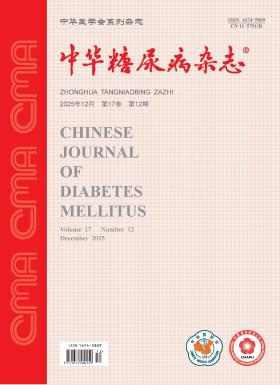
CURRENT ISSUE