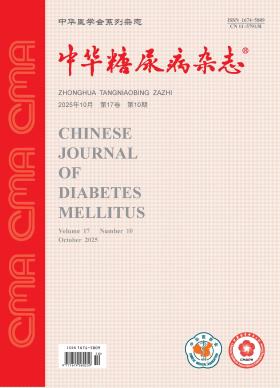
Infectious Diseases & Immunity
Volume 17 · Issue 10 · 2025
Infect Dis Immun
- Sections
- Special Article
- Criterion and Guide
- Perspective
- Original Article
- Case Report
- Review Article
- Lecture
In the context of the evolving treatment concept of type 2 diabetes mellitus (T2DM), achieving T2DM remission has become the focus of clinical treatment. Lifestyle interventions are the basic therapeutic strategy to achieve T2DM remission. The American Society of Lifestyle Medicine (ACLM) issued relevant position statements and expert consensus in 2020 and 2022, emphasizing that in the treatment management of T2DM, lifestyle interventions with appropriate intensity to achieve remission should be the primary treatment goal, and diet therapy should be the primary intervention. On this basis, in June 2025, ACLM officially released the Clinical Practice Guidelines for Lifestyle Intervention to Treat and Relieve Type 2 Diabetes and Prediabetes in Adults (referred to as the Guidelines), which placed lifestyle intervention at the core of pre-diabetes, gestational diabetes, and T2DM management for the first time, and proposed six pillars of lifestyle intervention such as nutrition, exercise, stress management, sleep, social connection, and avoiding risk substances as the first-line management methods. This article combs and interprets the highlights of the guidelines, and compares them with ACLM's 2020 Position Statement, 2022 Expert Consensus, with a view to providing a reference for diabetes treatment and mitigation.
With the rapid development of diabetes management technology, the application of emerging technologies in patients with type 1 diabetes (T1DM) has significantly improved the accuracy and efficiency of disease management. The National Clinical Medical Research Center for Metabolic Diseases (Changsha) and China Type 1 Diabetes Alliance took the lead in organizing relevant expert systems to integrate new technologies such as continuous glucose monitoring (CGM), insulin infusion, and intelligent assistance, as well as the progress of emerging treatments such as islet transplantation, cell and immunotherapy, and evidence-based evidence of their effectiveness and safety. This consensus was written and 10 recommendations were formed, aiming at helping endocrinologists and related practitioners master the key points of technology application and treatment adjustment, and improve the accuracy and effect of treatment. This consensus emphasizes the importance of safety assessment, cost-benefit analysis and patient education for technology implementation, and proposes hierarchical management recommendations for different populations, with a view to promoting the popularization and application of technology in the medical environment.
The treatment pathway for type 2 diabetes recommended in the Guidelines for the Prevention and Treatment of Diabetes in China (2024 Edition) emphasizes the development of initial hypoglycemic treatment plan with cardiorenal complications as the leading factor, and reduces metformin to second-line treatment. Based on the existing evidence-based medical evidence, the multiple benefits of metformin for the treatment of type 2 diabetes include hypoglycemic efficacy, durability, and target organ protection. Metformin also has beneficial effects on decreasing the risk of new-onset diabetes, improving cognitive function, reducing total cancer risk, improving osteoarthritis, and aging in prediabetic patients. Metformin also has good pharmacodynamic effects and wide drug accessibility. Therefore, metformin should not be withdrawn from first-line therapy. For patients with cardiorenal complications or high-risk factors, metformin can be used as a basic treatment, in combination with sodium-glucose cotransporter 2 inhibitors and glucagon-like peptide-1 receptor agonists; If obesity is present at the same time, triple therapy with metformin, sodium-glucose cotransporter 2 inhibitor, glucagon-like peptide-1 receptor agonist may be preferred.
To investigate the impact of gestational diabetes mellitus (GDM) on the risk of postpartum metabolic syndrome (MetS) in women with twin pregnancies.
This cohort study enrolled 66 women with twin pregnancies complicated by GDM who delivered at Peking University Third Hospital between January 2018 and December 2022. For comparison, 66 women with twin pregnancies and normal glucose tolerance (NGT), and 50 women with singleton pregnancies and GDM were matched to them by age at delivery and pre-pregnancy body mass index (BMI). Postpartum follow-up was conducted for all participants. General characteristics and metabolic indicators during pregnancy, including age at delivery, height, pre-pregnancy weight, pre-pregnancy BMI, weight gain during pregnancy, plasma glucose and lipid profiles were collected. During follow-up visit, weight, blood pressure, waist circumference, and abdominal circumference were measured. Fasting plasma glucose, lipid profiles, uric acid were assessed, and a 75-g oral glucose tolerance test was performed. Triglyceride-glucose index (TyG) was calculated. Multivariate logistic regression analysis was used to evaluate the risk factors for postpartum MetS in women with twin pregnancies.
The incidence of MetS tended to be higher in the twin GDM group than in the twin NGT group [16.7% (11/66) vs. 7.6% (5/66) respectively, P>0.05]. No statistically significant difference in MetS incidence was observed between the twin GDM group and the singleton GDM group [16.7% (11/66) vs. 12.0% (6/50) respectively, P>0.05]. The higher pre-pregnancy BMI (OR=1.686, 95%CI 1.171-2.428), higher TyG level in early pregnancy (OR=23.094, 95%CI 1.704-313.033) and greater postpartum weight gain (OR=1.321, 95%CI 1.072-1.628) were identified as risk factors for postpartum MetS in women with twin pregnancies.
In twin pregnancies, women with GDM exhibit a higher incidence of postpartum MetS compared to those with NGT. An elevated pre-pregnancy BMI, increased TyG in early pregnancy and higher postpartum weight gain have been identified as potential risk factors for the development of postpartum MetS. It is crucial to emphasize the importance of weight management during both the pre-pregnancy and postpartum for women of childbearing age.
To investigate the differences in the expression of peptidase M20 domain 1 (PM20D1) among obese children with varying glucose metabolism levels, and to evaluate its diagnostic significance for pre-diabetes in this population.
This was a case-control study. Obese children hospitalized in the Department of Endocrinology, Women and Children′s Hospital Affiliated to Ningbo University from January 2023 to September 2024 were enrolled as the case group. Healthy children who underwent physical examinations during the same period were selected as the normal control group. Data on PM20D1 and glycated hemoglobin A1c (HbA1c) of the subjects were collected. According to the criteria of the American Diabetes Association, obese children were divided into the normal glucose tolerance group, pre-diabetes group, and type 2 diabetes mellitus (T2DM) group. Inter-group comparisons were performed using analysis of variance (ANOVA)/independent samples t-test, Kruskal-Wallis H test/Mann-Whitney U test, or chi-square test. Spearman correlation analysis was used to explore the correlation between PM20D1 and HbA1c. Receiver operating characteristic (ROC) curve analysis was applied to evaluate the diagnostic value of PM20D1, HbA1c alone, and their combination for pre-diabetes. The area under the curve (AUC) was calculated.
A total of 148 obese children and 69 healthy children who underwent physical examination were included. Among the 148 obese children, 67 cases (45.3%) were in the normal glucose tolerance group, 63 cases (42.6%) in the pre-diabetes group, and 18 cases (12.1%) in the T2DM group. The results of the analysis on the differences in PM20D1 among groups showed that the level in the obese group was higher than that in the normal control group. Statistically significant differences were observed between the following group pairs: normal control group vs. the pre-diabetes group, normal control group vs. T2DM group, normal glucose tolerance group vs. the pre-diabetes group, and normal glucose tolerance group vs. T2DM group (all P<0.05). However, no statistically significant differences were found between the normal control group and the normal glucose tolerance group, or between the pre-diabetes group and the T2DM group (all P>0.05). The results of Spearman correlation analysis showed a positive correlation between PM20D1 and HbA1c (r=0.478, P<0.001). For the diagnostic value of PM20D1 for pre-diabetes, the AUC of the ROC curve was 0.775, with an optimal cut-off value of 6.72, yielding a sensitivity of 0.714 and a specificity of 0.761. For HbA1c in diagnosing pre-diabetes, the ROC curve AUC was 0.904; at the cut-off point of 5.65, the sensitivity and specificity were 0.978 and 0.657, respectively. When PM20D1 and HbA1c were combined for diagnosis, the AUC was 0.932, with a sensitivity of 0.889 and a specificity of 0.821.
PM20D1 expression is elevated in obese children with abnormal glucose metabolism and is closely associated with glucose metabolism indicators. PM20D1, either alone or in combination with HbA1c, may serve as a valuable index for the diagnosis of prediabetes in obese children.
To investigate the correlation between serum hyodeoxycholic acid (HDCA) levels and type 2 diabetes mellitus (T2DM) in patients with metabolically associated fatty liver disease (MAFLD).
This was a cross-sectional study. T2DM patients who were hospitalized in the Department of Endocrinology of Gansu Provincial People′s Hospital from January to August 2024 were enrolled. Based on the presence of MAFLD, participants were divided into T2DM group and T2DM combined with MAFLD group. Healthy individuals undergoing routine physical examinations during the same period were selected as normal control (NC) group. General clinical data of all study subjects were collected, including age, sex, height, weight, body mass index (BMI), disease duration of diabetes, long-term medication history, past medical history, fasting plasma glucose (FPG), homeostasis model assessment of insulin resistance (HOMA-IR), glycated hemoglobin A1c (HbA1c), triglyceride (TG), total cholesterol (TC), low-density lipoprotein cholesterol (LDL-C), C-reactive protein (CRP) and other laboratory test indicators. Imaging data were also collected, and serum HDCA levels were detected by enzyme-linked immunosorbent assay (ELISA). Chi-square test, one-way analysis of variance (ANOVA), and Kruskal-Wallis test were employed for intergroup comparisons. Spearman correlation analysis was adopted to analyze the correlation between serum HDCA and other indicators. Multiple linear regression analysis was utilized to determine the influencing factors of serum HDCA. A multivariate logistic regression model was applied to analyze the influencing factors of T2DM combined with MAFLD.
A total of 243 participants were included: 82 cases in the NC group, 81 cases in the T2DM group, and 80 cases in the T2DM combined with MAFLD group. Serum HDCA decreased successively in the NC group, the T2DM group, and the T2DM combined with MAFLD group (P<0.05). Spearman′s correlation analysis revealed that after adjusting for age, sex, BMI, and the duration of diabetes, serum HDCA was negatively correlated with FPG, HOMA-IR, HbA1c, TG, TC, LDL-C, and CRP (r values were -0.196, -0.267, -0.244, -0.150, -0.133, -0.285, and -0.427, respectively, all P<0.05). Multiple linear regression analysis indicated that CRP and LDL-C were influencing factors of serum HDCA (t values were -8.031 and -4.054, respectively, both P<0.05). Multivariate logistic regression analysis demonstrated that serum HDCA was an influencing factor for T2DM combined with MAFLD (OR=0.971, 95%CI 0.951-0.992, P=0.007).
Serum HDCA level is decreased in patients with T2DM combined with MAFLD, which may be related to insulin resistance, inflammatory response and dyslipidemia.
To investigate the characteristics of cerebral hemodynamic changes in patients with type 2 diabetes mellitus (T2DM) complicated with orthostatic hypotension (OH) by supine-standing transcranial Doppler (TCD).
T2DM patients diagnosed in the Department of Health Checkup and Health Care, Jilin Province FAW General Hospital from June 2023 to November 2024 were recruited using convenience sampling. General clinical data were collected, including duration of diabetes mellitus and comorbidities (diabetic kidney disease, diabetic foot). Systolic blood pressure, diastolic blood pressure and heart rate were measured at 1, 3, 5 and 10 minutes in both supine and standing positions, and the corresponding changes in systolic blood pressure, diastolic blood pressure and heart rate were calculated. Cerebral hemodynamic parameters were assessed using a supine-standing TCD test, including cerebral blood flow, disappearance of W waves, and supine-standing pulsatility index. The differences of mean cerebral blood flow velocity (mCBFV) between supine and standing positions at 1, 3 and 5 minutes, as well as orthostatic cerebral blood flow velocity score, supine-standing pulsatility index and W wave disappearance rate, were calculated. According to the presence or absence of OH, the study subjects were divided into simple T2DM group and T2DM with OH group. Two independent samples t test or chi-square test was used to compare the two groups.
A total of 135 patients with T2DM were enrolled, including 73 cases in simple T2DM group and 62 cases in T2DM with OH group. Comparison of general clinical data showed that compared with simple T2DM group, patients in the T2DM with OH group had a longer duration of diabetes mellitus and higher prevalence of diabetic kidney disease and diabetic foot (P<0.05). Analysis of supine-standing heart rate and blood pressure revealed that the T2DM with OH group had higher supine systolic blood pressure, as well as higher heart rate at 3, 5 and 10 minutes of standing than those in simple T2DM group. In addition, differences in supine-standing systolic blood pressure and supine-standing diastolic blood pressure were greater, while systolic and diastolic blood pressures at 1, 3, 5 and 10 minutes of standing were lower in the T2DM with OH group(P<0.05). Comparison of cerebral hemodynamic parameters indicated that T2DM with OH group had higher orthostatic cerebral blood flow velocity scores and a higher W wave disappearance rate, as well as greater differences in supine-standing pulsatility index and mCBFV at 1, 3 and 5 minutes (P<0.05).
Under supine-standing TCD evaluation, patients with T2DM complicated with OH were found to be prone to supine hypertension, and a more obvious decrease in orthostatic blood pressure and abnormal automatic regulation of cerebral blood flow.
To develop a risk perception assessment scale for subcutaneous lipohypertrophy (LH) and to test its reliability and validity.
Based on the Health Belief Model as the theoretical framework, a draft questionnaire was developed through literature analysis, group discussions, Delphi expert consultation, and preliminary surveys. Using a convenience sampling method, 223 diabetic patients who had been receiving insulin injection treatment for ≥6 months at the Endocrinology Department of the First Affiliated Hospital with Nanjing Medical University were recruited between January and April 2024 for item screening and reliability and validity testing. Between May and September 2024, an additional 330 diabetic patients who had been receiving insulin injection treatment for ≥6 months at the Endocrinology Departments of the First Affiliated Hospital with Nanjing Medical University and Nanjing Children′s Hospital were recruited to validate the questionnaire structure.
The insulin injection-related LH risk perception assessment scale included three dimensions: perceived susceptibility, perceived severity, and perceived self-efficacy for behavior change, with a total of 17 items. Exploratory factor analysis extracted three factors, with a cumulative variance contribution rate of 87.615%. The overall Cronbach′s α coefficient of the questionnaire was 0.976, with a split-half reliability of 0.898 and a test-retest reliability of 0.906. The scale-level content validity index (S-CVI) was 0.958. Confirmatory factor analysis indicated that all fit indices of the formal questionnaire model met acceptable standards. All 17 items had factor loadings greater than 0.70 on their respective factors and were aligned within the predetermined three dimensions, indicating good structural validity.
This study developed an insulin injection-related LH risk perception assessment scale with satisfactory reliability and validity.
To investigate the diagnostic value of urinary haptoglobin (UHP) and its combination with urinary microalbumin (UMA) and estimated glomerular filtration rate (eGFR) in the diagnosis of early diabetic kidney disease (DKD).
This was a cross-sectional study, and patients with type 2 diabetes mellitus (T2DM) who were hospitalized in the First Affiliated Hospital of Anhui Medical University from March 2023 to December 2024 were continuously collected. Serum creatinine, sex, age, UHP, UMA, and urine creatinine were collected, and urine albumin/creatinine ratio (UACR) and eGFR were calculated. According to the Guidelines for the Prevention and Treatment of Diabetic Nephropathy in China (2021 Edition), the subjects of the study were divided into early DKD group (UACR of 30-299 mg/g) and non-DKD group (UACR <30 mg/g). The two-independent samples t-test, Mann-Whitney U test or chi-square test were used for comparison between the two groups, the effect of UHP combined with traditional diagnostic indicators on early DKD was analyzed by binary logistic regression analysis, and the receiver operating characteristic (ROC) curve was used to analyze UHP, UMA, eGFR alone, UHP combined with UMA, UHP combined with eGFR, the specificity and sensitivity of UMA in combination with eGFR for predicting early DKD and calculating the area under the curve (AUC).
A total of 131 patients with T2DM were enrolled. Among them, there were 68 cases in the early DKD group and 63 cases in the non-DKD group. Compared with the non-DKD group, the early DKD group had higher UHP, UMA, and UACR, and lower eGFR (all P<0.05). The results of binary logistic regression analysis showed that the increase in UHP (OR=1.013, 95%CI 1.007-1.020, P<0.001) and UMA (OR=1.060, 95%CI 1.021-1.101, P=0.003) were the influencing factors in the diagnosis of early DKD. When UHP and eGFR were combined to diagnose early DKD, the increase in UHP level (OR=1.015, 95%CI 1.009-1.022, P<0.001) or the decrease in eGFR level (OR=0.971, 95%CI 0.949-0.995, P=0.017) were the influencing factors. When UMA and eGFR were combined in the diagnosis of early DKD, the increase of UMA level (OR=1.084, 95%CI 1.045-1.125, P<0.001) or the decrease of eGFR level (OR=0.958, 95%CI 0.935-0.983, P=0.001) were the influencing factors. The results of ROC curve analysis showed that the AUC of UHP, UMA and eGFR alone in identifying early DKD was 0.851 (95%CI 0.783-0.918, P<0.001) and 0.849 (95%CI 0.785-0.914, P<0.001) and 0.668 (95%CI 0.576-0.760, P=0.001), the sensitivities were 70.6%, 77.9% and 70.6%, respectively. The specificities were 90.5%, 79.4% and 58.7%, respectively. The AUC of UHP combined with UMA, UHP combined with eGFR, and UMA combined with eGFR in the identification of early DKD were 0.920 (95%CI 0.875-0.966, P<0.001), 0.873 (95%CI 0.814-0.932, P<0.001), and 0.889 (95%CI 0.834-0.945, P<0.001), respectively. The sensitivities were 79.4%, 70.6%, and 77.9%, respectively. The specificities were 92.1%, 92.1% and 88.9%, respectively.
UHP shows a strong correlation with early DKD, and demonstrates higher specificity than traditional diagnostic indicators such as UMA and eGFR. When combined with UMA or eGFR, UHP provides greater discriminatory efficiency for early DKD.
To systematically evaluate the prevalence and modifiable risk factors of pre-frailty in older adults with diabetes mellitus.
We systematically searched PubMed, Embase, Web of Science, Cochrane Library, CINAHL, CNKI, CBM, Wanfang, and VIP from database inception to April 15, 2025 to identify studies on the prevalence and influencing factors of pre-frailty in older adults with diabetes mellitus. Two researchers independently screened the literature, assessed quality, and extracted data. Meta-analysis was performed using Stata 15.0 software.
A total of 34 studies involving 30 729 participants were included. Quality assessment revealed that 9 studies were high-quality and 25 were moderate-quality. Meta-analysis showed that the overall prevalence of pre-frailty in older adults with diabetes mellitus was 47.1% (95%CI 43.3%-50.9%). Subgroup analysis demonstrated a higher prevalence of pre-frailty among patients assessed using the Fried frailty phenotype (48.9%, 95%CI 42.5%-55.4%), community-dwelling individuals (51.1%, 95%CI 45.9%-56.3%), Europeans (51.4%, 95%CI 36.7%-66.0%), and females (47.5%, 95%CI 42.3%-52.6%). Modifiable risk factors for pre-frailty included: socioeconomic factors [low monthly income (OR=2.50, P<0.001), low education level (OR=1.45, P=0.003), divorced/widowed (OR=1.78, P=0.003)]; physiological factors [low body mass (OR=1.75, P=0.040), mobility impairment (OR=2.44, P<0.001), poor nutritional status (OR=1.80, P<0.001)]; disease-related factors [long disease duration (OR=1.37, P=0.001),≥1 comorbidity (OR=1.86, P<0.001), cardiovascular disease (OR=1.82, P=0.045), hospitalization within 1 year (OR=2.29, P<0.001)]; behavioral factors [physical inactivity (OR=1.94, P<0.001), poor diabetes self-management (OR=5.88, P=0.016)] and psychological factors [depression (OR=2.82, P=0.003)].
Older adults with diabetes mellitus exhibit a high prevalence of pre-frailty and numerous modifiable risk factors. Greater attention should be given to the pre-frailty stage and a multidisciplinary approach may be employed to provide individualized, targeted interventions for modifiable risk factors, thereby improving outcomes or delaying the progression of frailty.
The diagnosis and treatment of a patient with diabetic myocardial infarction (DMI) was reported. The patient was a 59-year-old woman who was admitted to hospital because she was "found to have increased blood sugar for more than 5 years and pain in both calves for more than 1 month". She had a history of diabetes for more than 5 years. She was treated with oral drugs and had poor blood sugar control. Physical examination found non-depressed swelling of her right calf. Magnetic resonance showed that the subcutaneous soft tissue of the right calf, the gastrocnemius muscle of the right calf and the soleus muscle of both calves were swollen, and large patches of lipid suppression images were high signal. Muscle biopsy showed disappearance, degeneration and necrosis of the transverse striations of muscle fibers, and the diagnosis was confirmed as DMI. After intensive blood sugar control, rest, improvement of circulation and other treatments, he improved and was discharged from hospital. After 18 months of follow-up, there was no recurrence. This article emphasizes the importance of early diagnosis and correct treatment for the prognosis of DMI by reporting the clinical manifestations, auxiliary examinations, diagnosis and treatment suggestions of DMI, so as to improve clinicians' understanding of the disease.
The diagnosis and treatment of 3 patients with Klinefelter syndrome were reported. The three patients in this article were all adults, all came to the doctor due to poor blood sugar control, and the laboratory examination showed hypergonadotropic hypogonadism, and the karyotype analysis was 47, XXY, and all had incomplete virilization, infertility and anorchidism-like body proportions. However, the clinical manifestations of the three patients were significantly different. In case 1, the patient had initial onset diabetes, obesity, mainly metabolic syndrome, breast development, no osteoporosis, depression, poor school performance and learning disability; Case 2: The patient had a history of diabetes for 5 years, diabetic retinopathy and peripheral neuropathy, breast development, lean body, muscle weakness and osteoporosis, obvious dental caries, partial tooth loss, chronic leg ulcer, and learning disability when attending school; Case 3 had a 2-year history of diabetes mellitus, complicated with diabetic peripheral vascular disease and diabetic nephropathy, obesity, breast development, tremor and osteoporosis of both hands, and ischemic heart disease. Unlike the patient in Case 1 or Case 2, the patient in Case 3 had no learning disability and psychosocial abnormalities, and was married, and gave birth to a daughter through donor sperm. Combined with the characteristics of medical history and the results of chromosome karyotype analysis, all 3 patients were diagnosed with Klinefelter syndrome. The symptoms of 3 patients were improved to a certain extent by hypoglycemic and testosterone replacement therapy, and the quality of life was improved. The clinical manifestations of Klinefelter syndrome are highly heterogeneous. The prepubertal phenotype is occult, and most patients are recognized only when they are adults. The diagnosis depends on the clinician's experience in diagnosis and treatment, endocrine laboratory examination and karyotype analysis. This article hopes that the report of these three patients will improve the clinical understanding and diagnosis and treatment of Klinefelter syndrome.
A case was reviewedZMPSTE24Diagnosis and treatment of patients with mandibular dysplasia with type B lipodysplasia (MADB) caused by gene homozygous variation in order to improve clinicians' understanding of this disease. The patient was a 24-year-old female with characteristic lipoatrophy, insulin resistance, lipid metabolism disorder and kidney damage. At the same time, the leptin level was low, and the adiponectin level was significantly low. The quantitative detection of fat by diffusion-weighted magnetic resonance imaging indicated that the patient had multiple subcutaneous fat atrophy. Whole exome gene sequencing existsZMPSTE24Homozygous mutation of gene isotope, the mutation site is c.743C>T (p.Pro248Leu); Through sequencing verification and analysis of family origin, it was confirmed that the mutation was inherited from the mother and father with normal phenotype, respectively. The patient was finally diagnosed with lipodystrophic syndrome, MADB (diabetes, mesangial proliferative glomerulonephritis, hypertension, hyperlipidemia, fatty liver, abnormal liver function), and was given pioglitazone hydrochloride tablets 15 mg, once a day orally, and gradually increased to 45 mg, once a day orally after 1 week. At 3-month follow-up, blood glucose control was stable, leptin and adiponectin levels increased, insulin resistance and blood lipid metabolism improved, and 24-h urine protein quantification level decreased.
The prevalence of gestational diabetes mellitus (GDM) is increasing year by year, which seriously threatens the near-and long-term health of mothers and children. Based on a number of recent blood and urine metabolomics studies, it has been found that tryptophan metabolism pathway disorders exist in pregnant women with GDM. Tryptophan metabolites are expected to be novel biomarkers for early prediction and diagnosis of GDM. In recent years, supplementation with tryptophan metabolites has shown great potential in improving glycolipid metabolism. This paper summarizes the research progress of tryptophan metabolites in GDM, in order to provide new ideas for the prediction, diagnosis and treatment of GDM.
The prevalence of obesity type 2 diabetes has increased sharply. In the treatment plan, drugs with hypoglycemic and weight loss benefits are preferred. At present, hypoglycemic drugs with clear weight loss efficacy, such as glucagon-like peptide-1 receptor agonist (GLP-1RA), sodium-glucose cotransporter 2 inhibitor (SGLT2i), etc., may bring some loss to muscle function and quantity while playing an excellent role. Skeletal muscle, as the main part of dealing with glucose and energy metabolism, is equally important for metabolic health and immune regulation, while the decline of muscle mass will have a negative impact on human health. This article describes the effects of hypoglycemic drugs with weight loss benefits on skeletal muscle, in order to draw clinicians' attention to drug-induced muscle loss.
There is a dramatic increase in diabetic patients worldwide and a heavy economic burden, and research on diabetes self-management education and support is increasing day by day. Health economics evaluation models can assess the economic cost-effectiveness of various interventions, and there is a lack of review and summary of the models used in diabetes self-management education and support. This paper systematically reviews the definition, origin and development of health economics evaluation models, focuses on the structural characteristics of common models and their application status in diabetes self-management education and support, and also summarizes the long-term cost-effectiveness of diabetes self-management education and support, aiming to provide reference for health economics research in this field.
Type 2 diabetes mellitus (T2DM) remission is a current research hotspot. It is of great significance to explore the predictors of T2DM remission and build accurate prediction models, which will help promote the individualization and precision of diabetes management models. This paper combs the multivariate predictors of T2DM remission in metabolic surgery and non-surgical therapy, and introduces in detail the cutting-edge prediction models such as ABCD, DiaRem, IMS, ACF, ABID, DiaBetter, DRS, and 5y-Ad-DiaRem score, and analyzes the unique value and potential of each prediction model in T2DM remission. At the same time, this paper also summarizes the shortcomings of the current prediction model, and looks forward to the future, so as to further verify and optimize the existing prediction model, so as to provide scientific basis for early identification of T2DM, prediction of intervention effect and adjustment of long-term management strategy.
Type 2 diabetes with cognitive dysfunction (T2DM-CI) is a common central nervous system complication of diabetes. With the increasing elderly population in China, the prevalence of T2DM-CI is also increasing year by year, which not only has a serious impact on the quality of life of patients, but also brings a heavy economic burden to the society. Therefore, early diagnosis and intervention of T2DM-CI is particularly critical. The hematological and imaging markers of T2DM-CI and their potential value in the diagnosis of T2DM-CI are systematically reviewed. The internal relationship between biomarkers and the pathogenesis of T2DM-CI was discussed in depth, which provided new ideas and directions for screening T2DM-CI biomarkers suitable for clinical application.
In April 2024, the American Endocrinology Society released the latest Multidisciplinary Clinical Practice Recommended Guidelines for the Integrated Management of Diabetes-Cardiac-Renal-Metabolic Diseases (DCRM), version 2.0. The new version of the guidelines focuses on the multidisciplinary management of diabetes, cardiorenal and metabolic diseases and related comorbidities, covering the basic elements of management, focusing on improving overall health and controlling cardiorenal risk factors. The significance of weight loss to improve the progress of DCRM was emphasized, and the effects of weight loss in different ways were compared. For the first time, pulmonary disease was included in the associated comorbidities of DCRM. The new version of the guidelines highlights the practicality and standardization of clinical practice, and aims to provide a multidisciplinary and international management plan for DCRM. This article summarizes and reviews the key points of the guide.
CURRENT ISSUE