Infectious Diseases & Immunity
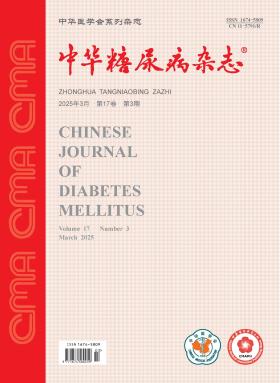
Volume 17 · Issue 03 · 2025
Infect Dis Immun
- Sections
- Criterion and Guide
- Perspective
- Original Article
- Experience Exchange
- Review Article
- Lecture
- Historical Perspective
Hyperglycemia in hospitalized patients is a risk factor for a variety of adverse outcomes such as infection, cardiovascular events, and delayed wound healing, which can lead to increased complication rates and prolonged hospital stay. At present, the intelligent blood glucose monitoring system combined with the hospital blood glucose management based on the guidance of a professional team has achieved good results, but it also faces many difficulties. In order to standardize intelligent in-hospital blood glucose management and improve the clinical outcome of hospitalized hyperglycemia patients. Initiated by Guangdong Endocrinology Society, a consensus guidance expert group and a writing committee were established. Referring to the latest guidelines and research progress at home and abroad, and combined with China's reality, the Expert Consensus on Intelligent Blood Glucose Comprehensive Management in Virtual Wards in Hospitals (2025 Edition) was compiled. Form key recommendations on the construction of intelligent in-hospital blood glucose management platform, team formation, process management and content implementation. The release of the consensus aims to use intelligent progress to empower in-hospital blood glucose management, effectively protect people's health, and provide guidance for the establishment of in-hospital blood glucose management platform and in-hospital blood glucose management in China.
With the widespread application of continuous glucose monitoring in diabetic blood glucose management, systematic analysis of dynamic glucose map (AGP) reports and comprehensive evaluation of patients' blood glucose control have become essential skills for clinical medical staff. Nursing staff play an important role in patients' blood glucose management. In order to standardize their analysis and application of AGP, the Diabetes Nursing Professional Committee of Chinese Nursing Association and the National High-Performance Medical Device Innovation Center joined forces with clinical medical and nursing experts in the field of endocrine metabolism, and combined with repeated discussions on clinical practice experience, wrote the Expert Consensus on Nursing Application of Dynamic Glucose Map Report (2025 Edition). The content covers the core parameters and significance of AGP report, interpretation path, nursing application and its nursing application points in special populations, etc., aiming to promote the application of AGP report in clinical nursing.
As a highly heterogeneous disease, the classification and diagnosis of diabetes is crucial to achieve precise treatment. Type 1 diabetes (T1DM), type 2 diabetes (T2DM) and monogenic diabetes often have overlapping clinical manifestations, high misdiagnosis rate, and may lead to serious consequences. Islet autoantibody and islet function are two key indicators in the differential diagnosis of diabetes mellitus, and their relative importance is controversial in clinical practice. Islet autoantibody can reveal the autoimmune destruction of islet β cells, is a humoral marker of autoimmune diabetes, has etiological directivity in early diagnosis, and plays an important role in differentiating T1DM from T2DM and monogenic diabetes; C-peptide reflects the function of islet β cells, and its dynamic changes also play a key role in the differential diagnosis of diabetes mellitus. However, the standardization and popularity of islet autoantibody detection need to be improved; At the same time, C-peptide is affected by various factors such as blood sugar level and the use of hypoglycemic drugs, which limits its wide application. Therefore, in the future, diabetes classification should combine clinical characteristics, improve the accuracy and popularity of antibody and C-peptide detection, establish a perfect standardized system for islet function assessment, and deeply explore the potential of genetic analysis and other biomarkers to promote diabetes. Progress in accurate classification.
To explore the correlation between different urine albumin-to-creatinine ratios (UACR) and the function of pancreatic α and β cells in patients with type 2 diabetes mellitus (T2DM).
This cross-sectional study included 458 T2DM patients, who were admitted to Tianjin Medical University Chu Hsien-I Memorial Hospital from March 2018 to October 2023. Patients were divided by their UACR into normal albuminuria group (UACR<30 mg/g), microalbuminuria group (30 mg/g≤UACR≤300 mg/g), and macroalbuminuria group (UACR>300 mg/g) according to their UACR. Height, weight and blood pressure were measured, and body mass index (BMI) was calculated. Glycated hemoglobin A1c (HbA1c), fasting plasma glucose (FPG), estimated glomerular filtration rate (eGFR) and other data of the patients were detected. All patients underwent an oral glucose tolerance test (OGTT) and had their blood glucose, insulin, C-peptide, and glucagon levels measured at fasting and 30, 60, 120, and 180 minutes after taking orally 75 g of glucose. The homeostatic model assessment for insulin resistance (HOMA-IR) and β-cell functions (HOMA-β) were calculated. Meanwhile, areas under the curve of glucose (AUCG), areas under the curve of insulin (AUCI), the insulin sensitivity index (ISI), the early insulin secretion index (ΔI30/ΔG30), and the glucose disposal index (DI) were calculated. Repeated measures ANOVA was adopted for data analysis. One-way analysis of variance (ANOVA) was used for comparisons among different groups. Pearson correlation analysis was employed to examine the relationship between glucagon levels and UACR with related indices. Multiple stepwise regression analysis was used to analyze the influencing factors of UACR.
A total of 458 T2DM patients were included, with 184 in the normal albuminuria group, 161 in the microalbuminuria group, and 113 in the macroalbuminuria group. Compared with the normal albuminuria group, microalbuminuria and macroalbuminuria groups had higher glucagon levels, larger AUCG values and glucagon/insulin ratios at all tested time points (P<0.05). The peak glucagon level was delayed from 60 minutes to 120 minutes after glucose taking. The microalbuminuria and macroalbuminuria groups had a significantly higher HOMA-IR and a lower ISI than the normal albuminuria group (P<0.05). Pearson correlation analysis revealed that, the macroalbuminuria group had a higher AUCI value and a lower DI than normal albuminuria and microalbuminuria groups (P<0.05). Glucagon levels were correlated negatively with eGFR, BMI, and ISI (r values were -0.229, -0.153, and -0.144, respectively, all P<0.05) and positively with FPG, AUCG, HbA1c, UACR, and disease duration (r values were 0.549, 0.476, 0.275, 0.216, and 0.193, respectively, all P<0.05). UACR was positively correlated with disease duration, systolic blood pressure, fasting glucagon/insulin ratio, HOMA-IR, and AUCI (r values were 0.402, 0.379, 0.216, 0.204, and 0.192, respectively, all P<0.05) and negatively with ISI (r=-0.145, P<0.05). The multivariate stepwise regression analysis showed that there was a positive correlation between UACR and disease duration, systolic blood pressure, fasting glucagon/insulin ratio, and HOMA-IR (β values were 0.326, 0.302, 0.225, and 0.198, respectively, all P<0.05).
T2DM patients with diabetic nephropathy show deterioration in both pancreatic α and β cell function. Glucagon levels are associated with urinary albumin, and these factors may interact in the development and progression of diabetic nephropathy.
To analyze the correlation between upper and lower limb fat ratio, limb and trunk muscle ratio and insulin resistance (IR) in patients with early type 2 diabetes mellitus (T2DM).
A cross-sectional study was used to collect the patients of early-stage T2DM with complete data who were hospitalized in the Department of Metabolic Diseases, Chu Hsien-I Memorial Hospital of Tianjin Medical University from August 2016 to March 2023. The patients′ fasting plasma glucose (FPG), fasting insulin (FINS), fasting C-peptide (FCP), upper limbs fat and muscle, lower limbs fat and muscle, trunk fat and muscle were collected, and the upper and lower limb fat ratio, the limb and trunk muscle ratio were calculated. The patients were divided into IR group [homeostasis model assessment of insulin resistance (HOMA-IR) ≥3.39] and non-IR group(HOMA-IR<3.39) according to HOMA-IR which was calculated by FPG and FINS. Independent sample t test, Mann-Whitney U test or χ2 test were used for comparison between groups, binary logistic regression analysis was performed to evaluate influencing factors of IR, the area under curve (AUC) of receiver operating characteristic (ROC) was performed to test the predictive value of the upper and lower limb fat ratio, the limb and trunk muscle ratio for IR.
A total of 260 patients with early stage T2DM were enrolled, with 96 patients in the IR group and 164 patients in the non-IR group. The differential analysis showed that compared with non-IR group, patients in IR group had higher FPG (t=5.425), FCP (Z=8.439), and upper and lower limb fat ratio (Z=5.267), and lower limb and trunk muscle ratio (Z=8.356) (P<0.001). Binary logistic regression analysis showed that FPG (OR=1.894,95%CI 1.451-2.472), FCP (OR=10.759,95%CI 4.428-26.145), upper and lower limb fat ratio(OR=2.407,95%CI 1.478-3.918), lower limb and trunk muscle ratio (OR=0.422,95%CI 0.256-0.697) were the influencing factors of IR. ROC curve showed that the AUC of upper and lower limb fat ratio, limb and trunk muscle ratio were 0.712 (95%CI 0.649-0.774) and 0.809 (95%CI 0.759-0.860) respectively.
The distribution of body composition is associated with IR in patients with type 2 diabetes; the upper and lower limb fat ratio, limb and trunk muscle ratio are the influencing factors of IR. The upper and lower limb fat ratio, limb and trunk muscle ratio have predictive value for IR.
To explore sublingual microcirculation as a non-invasive approach for early screening of lower extremity arterial ischemia risk in patients with type 2 diabetes mellitus (T2DM).
A retrospective study was conducted on the general medical records of patients with T2DM (174 cases) and healthy volunteers (51 cases) admitted to the Department of Hypertension and Endocrinology of the Daping Hospital from January 2023 to March 2024. Records included sex, age, body mass index (BMI), systolic blood pressure, diastolic blood pressure, glycated hemoglobin A1c (HbA1c), diabetes duration, fasting plasma glucose (FPG), aspartate aminotransferase (AST), alanine aminotransferase (ALT), four lipid parameters, estimated glomerular filtration rate (eGFR), urine albumin-to-creatinine ratio (UACR), high-sensitivity C-reactive protein (hs-CRP), and primary hypoglycemic and lipid-lowering medication. Diabetic peripheral neuropathy was excluded in all enrolled T2DM patients. All particpants underwent sidestream dark field (SDF) imaging to assess sublingual microcirculation, ankle-brachial index (ABI), and brachial-ankle pulse wave velocity (ba-PWV). Microcirculation assessment parameters included total vessel density (TVD) and perfused vessel density (PVD). T2DM patients were divided into pure T2DM group (103 cases) and T2DM with arteriosclerosis (AS) group (71 cases) based on the presence or absence of AS. The pure T2DM group was further stratified into a group with early ischemic symptoms (52 cases) and a group without early ischemic symptoms (51 cases) based on the presence or absence of such symptoms. Analysis of variance (ANOVA), Kruskal-Wallis H test, and χ2 test were used for comparisons among multiple groups, whereas t test, Wilcoxon signed-rank test, and χ2 test were applied for comparisons between two groups. Pearson correlation analysis was employed to examine the realationship among TVD, PVD and the dinical indices. The random forest algorithm was applied to identify key indicators for assessing the risk of lower limb ischemia in T2DM patients, and the receiver operating characteristic (ROC) curve was used to determine the diagnostic cut-off point.
Compared to controls, T2DM patients had significant sublingual microcirculatory impairment, which positively correlated with age and duration of diabetes. Patients in the T2DM with AS group showed further impairment of sublingual microcirculation perfusion. Sublingual microcirculation parameters (TVD, PVD) were significantly negatively correlated with ba-PWV (TVD: r=-0.490, P<0.001; PVD: r=-0.480, P<0.001), whereas there was no correlation with ABI. Random forest classifiers identified PWV, TVD, and PVD as the most important features for AS classification in all T2DM patients and early lower extremity ischemia symptoms in pure T2DM patients. ROC curves for sublingual microcirculation-based models showed good sensitivity in assessing lower extremity microcirculatory lesions in T2DM [pure T2DM vs.T2DM with AS: area under the ROC curve was 0.952 (95%CI 0.912-0.991), cutoff 5.180, sensitivity 88.73%, specificity 98.02%; pure T2DM group: area under the ROC curve was 0.780 (95%CI 0.690-0.870), cutoff 9.350, sensitivity 88.24%, specificity 56.00%].
Sublingual microcirculatory impairment in T2DM patients is closely associated with lower extremity arterial disease. The use of a composite index combining TVD, PVD, and ba-PWV to assess lower extremity arterial disease in T2DM patients is expected to be an effective method for early screening of lower extremity ischemia risk.
To investigate the impact of family caregiving burden on the general and disease-specific quality of life in children with type 1 diabetes mellitus (T1DM) and whether it is mediated by family caregiving ability.
This was a cross-sectional study. We recruited children with T1DM and their primary caregivers who were treated in three tertiary hospitals (the First Affiliated Hospital of Xinjiang Medical University, Urumqi Children's Hospital and Children's Hospital of Xinjiang Uygur Autonomous Region) in Xinjiang from January 2023 to February 2024. A field paper questionnaire survey method was used to collect sex, age, glycated hemoglobin A1c (HbA1c), frequency of insulin injection, use of insulin pump, and who was the primary caregiver of the children, and to collect data on the burden of family caregivers and caregiving ability of the children. Data on general quality of life (including 4 dimensions of physiological condition, emotional state, social condition and role integration) and disease-specific quality of life (including 4 dimensions of disease-related symptoms, treatment compliance, disease worry, communication and communication) were collected. Pearson correlation analysis was used to analyze the relationship between family caregiving burden, family caregiving ability and quality of life of T1DM children. A structural equation model was constructed to verify the mediating role of family caregiving ability in the influence of family caregiving burden on the universal and disease-specific quality of life of children. Bootstrap method was used to examine the mediating effects of family caregiving ability between family caregiving burden and the general quality of life, disease-specific quality of life, as well as various dimensions of the quality of life of children respectively.
Two hundred and fifty-nine valid questionnaires were collected. Of these, 123 were male children (47.49%). The mean age of these children was (10.64±3.11) years. The rate of achieving the standard HbA1c level was 17.37% (45/259). In addition, 53.67%(139/259) of children injected insulin four times a day or less, 15.06%(39/259) of children injected insulin over four times a day and 31.27%(81/259) of them used an insulin pump. The proportion of mothers as the primary caregivers was 79.92% (207/259). The results of Pearson correlation analysis show that the family caregiving burden is negatively correlated with the disease-specific quality of life, the general quality of life, and the family caregiving ability (r=-0.431, -0.306, -0.311, P<0.001). Family caregiving ability was positively correlated with both disease-specific quality of life and general quality of life (r=0.275, 0.331, P<0.001). HbA1c was negatively correlated with family caregiving ability (r=-0.137, P=0.028). The study results indicated that family caregiving ability played a partial mediating role between family caregiving burden and the child′s general quality of life, with the mediating effect of emotional state being -0.081 (95%CI -0.135--0.039) and that of role integration being -0.066 (95%CI -0.112--0.031). It also played a partial mediating role between family caregiving burden and the child′s disease-specific quality of life, with the mediating effects of disease-related symptoms being -0.048 (95%CI -0.090--0.013), adherence to treatment being -0.094 (95%CI -0.148--0.052), and communication and interaction being -0.065 (95%CI -0.112--0.027).
Family caregiving burden may indirectly and negatively affect the emotional state, role integration, disease-related symptoms, adherence to treatment, communication and interaction of children with T1DM through the caregiving ability.
To discuss the current status, hot topics in research, and future trends in the field of machine learning for type 2 diabetes mellitus (T2DM) from 2010 to 2023 based on Web of Science.
Articles related to machine learning for T2DM from 2010 to 2023 were retrieved from the Science Citation Index-Expanded database within the Web of Science Core Collection. The retrieved data, including the number of published articles, countries, research institutions, authors, keywords, and related citations, were analyzed using Excel, CiteSpace, VOSviewer, the R software package "bibliometrix", and the online analysis platform of literature metrology.
A total of 636 articles were collected. The number of publications has increased dramatically from 2021 to 2023. The United States was the country most frequently involved in international collaborations. Harvard University emerged as the most productive institution. The co-citation keyword clustering analysis revealed 7 main clusters: screening, decision support systems, diabetic kidney disease, gut microbiome, mild cognitive impairment, medical diagnosis, differentially expressed genes. Keyword burst analysis indicated that risk prediction, predictive model, metagenome and interventions were the research hot topics with high strength.
Machine learning is now being increasingly applied in the fields of T2DM. Currently, the hot topics in this field are mainly focused on the prediction and screening of T2DM, while intervention and the prediction of complications, may become future research trends.
To estimate the willingness-to-pay (WTP) of patients with type 2 diabetes mellitus (T2DM) for oral antidiabetic drugs (OAD) using discrete choice experiments (DCE) and to investigate the heterogeneity of WTP in different subgroups.
The attributes and levels were identified for this study through literature review, qualitative research, and expert consultation. From May to August 2023, a questionnaire survey, including demographic and clinical items, and DCE choice tasks, was conducted among T2DM patients in 16 provinces/municipalities in China using both online and offline sampling methods. A conditional logit model was constructed using Stata 17.0 software to estimate WTP. Subgroup analyses based on demographic and clinical characteristics was conducted to explore WTP heterogeneity among various respondent groups.
A total of 741 T2DM patients were included in the analysis, with 456 cases from online and 285 cases from offline surveys. The WTP results showed that for each 1 mmol/L reduction in blood glucose levels, respondents were willing to pay RMB ¥5.77 yuan per day. To reduce the frequency of medication from three times per day and once per day to once every two weeks, respondents were willing to pay RMB ¥23.20 yuan/day and RMB ¥12.06 yuan/day, respectively. Subgroup analyses showed that respondents with higher annual income, higher education level, living in first-tier or new first-tier cities, living in urban areas, and with a lower medication burden generally had higher WTP for most attributes and levels (all P<0.05).
Patients with T2DM are willing to pay a certain fee for OAD that offer better glycemic control, less frequent dosing, fewer gastrointestinal side effects, and no dose adjustment required for patients with hepatic or renal insufficiency, in order to achieve related health benefits and medication convenience. Patients with higher income, higher education, and lower medication burden tend to have a relatively higher WTP for these attributes.
To elucidate the regulation and mechanisms of methyltransferase-like 3 (METTL3) on the wound healing process in diabetic rats through N6-methyladenosine (m6A) modification of C-X-C motif chemokine receptor 4 (CXCR4).
A total of 36 Sprague-Dawley rats were classified into control, dibetes mellitus, overexpression control (oe-NC), overexpression METTL3 (oe-METTL3), overexpression METTL3 and suppression control (oe-METTL3+sh-NC) and overexpression METTL3 and suppression CXCR4 (oe-METTL3+sh-CXCR4) groups. Diabetes mellitus models were induced by streptozotocin injection and high-glucose/high-fat diet. A wound was made on the back of a diabetic rat into which adenovirus of METTL3 overexpression and/or CXCR4 suppression was injected. The wound healing process of diabetic rats on the post-operative 0, 7, 14 and 21 days was observed and photographed to calculate the wound healing rate. Hematoxylin and Eosin staining, Masson staining, TUNEL staining and transmission electron microscope were used to assess the inflammatory cell infiltration, collagen deposition, apoptotic cell number and autophagosome. Immunohistochemical staining was used to detect the expression of inflammatory factors tumor necrosis factor-ɑ (TNF-ɑ) and interleukin-1β (IL-1β), and methylated RNA immunoprecipitation kits were used to detect the m6A expression level of CXCR4 in different groups of rats. RNA immunoprecipitation assay was performed to verify the binding of methylation reader proteins (YTHDF) 1 and YTHDF2 with CXCR4 mRNA in wound tissue. Real-time quantitative polymerase chain reaction was used to measure the mRNA expression levels of METTL3 and CXCR4. Western blotting was employed to detect the expression of METTL3, CXCR4, and autophagy-related proteins [microtubule-associated protein light chain 3 (LC3), myosin-like Bcl-2 interacting protein (Beclin1), and autophagy receptor SQSTM1 (p62)]. The t-test was used for comparisons between two groups, while one-way analysis of variance (ANOVA) was used for comparisons among multiple groups.
In the diabetic rat wound models, METTL3 protein expression was decreased (P<0.05), along with decreased levels of m6A-modified CXCR4 (P<0.05). Following METTL3 overexpression in diabetic rats, the mRNA and protein expression levels of METTL3 and CXCR4 significantly increased (P<0.05). The binding level of CXCR4 mRNA with YTHDF1 was significantly higher than that with YTHDF2 (P<0.05). Overexpression of METTL3 enhanced wound healing rates in diabetic rats (P<0.05), increased fibroblast proliferation (P<0.05), reduced levels of TNF-ɑ and IL-1β (P<0.05), mitigated inflammatory cell infiltration and apoptosis (P<0.05), elevated autophagosome numbers (P<0.05), and upregulated LC3 and Beclin1 expression while downregulating p62 expression (P<0.05). However, downregulation of CXCR4 reversed the wound healing-promoting effects of METTL3 overexpression (P<0.05).
METTL3 increases m6A CXCR4 levels to upregulate CXCR4 expression, which in turn increases autophagy and inhibits cell apoptosis in the wound tissues of diabetic rats, thereby accelerating the diabetic wound healing process in rats.
Diabetic retinopathy (DR) is one of the main causes of visual impairment in diabetic patients. Timely early screening and intervention can significantly improve the prevention and treatment effect of DR. Following the guiding principles of "Expert Consensus on Workflow and Management Standards for Screening of Diabetic Retinopathy in Community Medical Institutions (2023 Edition)", under the model of a close medical consortium hospital, a DR community screening project based on artificial intelligence was implemented, that is, a management model with the endocrinology team as the lead, the community medical institution as the executive body, the ophthalmology team as the auxiliary support, and the diabetes project as the link. The implementation results show that the model is highly feasible and practical in practical application.
The population of diabetic patients in my country is huge, and the overall disease management level needs to be improved. With the continuous deepening of new drug research and development, the treatment strategy for type 2 diabetes (T2DM) has been upgraded from simple blood sugar control to multi-dimensional comprehensive management, including blood sugar control, weight management, cardiovascular risk reduction, and clinical outcome optimization. Tilpotide is a long-acting glucose-dependent insulinotropic polypeptide (GIP) and glucagon-like peptide-1 (GLP-1) receptor agonist. The SURPASS series of studies has demonstrated its efficacy and safety in patients with T2DM. In patients with T2DM, tilpotide does not increase the risk of hypoglycemic events while significantly lowering glucose and weight. At present, tilpotide has been approved in many countries and regions to improve blood glucose control in adult patients with T2DM. This article will review the clinical research progress of tilpotide in T2DM patients, and deeply analyze its clinical application value and significance in T2DM management.
Type 1 diabetes mellitus (T1DM) is a chronic disease caused by autoimmune destruction of beta cells in the pancreas. Despite increased awareness of the etiology and pathogenesis of the disease, including interactions between genetic, immune, and environmental factors, and great advances in treatment and management, T1DM still poses a significant burden on individuals and society. Butyrate has shown promise in the treatment of T1DM, but the mechanism of its effect on the expression of T1DM-related genes, immuno-inflammatory response and gut microbiota remains unclear. This review aims to summarize current possible associations between butyrate and T1DM, revealing new potential for prevention or treatment of T1DM.
Diabetic gastroparesis is a common and refractory complication of diabetic patients, which seriously affects the quality of life of patients. Based on the phenomenon of intestinal flora imbalance in patients with diabetic gastroparesis, this paper discusses the relationship between the microbial-intestinal-brain axis and the occurrence and development of diabetic gastroparesis, and introduces the two-way communication between intestinal microorganisms and the center through their metabolites, as well as the research progress of strategies such as regulating intestinal microbiota, repairing intestinal barrier and improving intestinal-brain axis function in the treatment of diabetic gastroparesis.
The 2022 consensus on the management of hyperglycemia in patients with type 2 diabetes (T2DM), jointly released by the American Diabetes Society and the European Association for Diabetes Research, states that sleep health is an important part of lifestyle management in T2DM. Sleep disorders mainly based on sleep duration, sleep quality and sleep pattern can lead to the occurrence and progression of T2DM, and are closely related to cardiovascular risk and mortality. Hormone level disorders and circadian rhythm disorders are potential association mechanisms between sleep disorders and T2DM. Treatment strategies for sleep disorders will help prevent the occurrence and progression of T2DM, optimize blood glucose management and improve quality of life.
Professor Wu Hanwen (1925-2019) is a pioneer of metabolic endocrinology in China, an expert in internal medicine and medical genetics, and the chief physician, professor and doctoral supervisor of the Second Xiangya Hospital of Central South University. Professor Wu Hanwen is the founder of metabolic endocrinology in Xiangya Medical College, and has a profound influence on medical genetics, clinical nutrition and other disciplines. He devoted his life to the research of endocrine and metabolic diseases and osteoporosis, creating a new era of metabolic bone disease research in China. 2025 marks the 100th anniversary of the birth of Professor Wu Hanwen. His spirit and thoughts shine brightly in history. I would like to write this article to recall the sages and encourage those who come later to inherit and carry forward.
CURRENT ISSUE