Infectious Diseases & Immunity
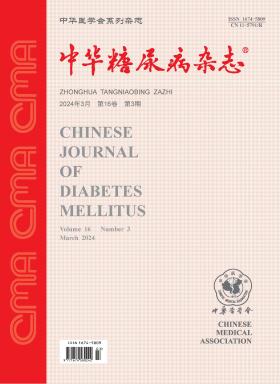
Volume 16 · Issue 03 · 2024
Infect Dis Immun
- Sections
- Clinical Progress of Diabetic Foot
- Original Article
- Experience Exchange
- Case Report
- Review Article
- Lecture
The rate of disability, mortality and recurrence of diabetic foot are high, and multidisciplinary cooperation in diagnosis and treatment is urgently needed. Diabetic Foot Multidisciplinary (MDT) teams and centers are constantly emerging and are in urgent need of accreditation, supervision and evaluation. The updating of various guidelines and concepts requires the MDT team to learn and practice together, and this practice will trigger more in-depth clinical research. Standardized treatment of diabetes-related podiatry is the focus of medical and prevention integration. Diabetic Foot Alliance and Diabetic Foot MDT Standardized Diagnosis and Treatment Base can provide a platform for certification, training and communication of diabetic foot MDT team and community medical staff. The combination of community chronic disease prevention and treatment and diabetes-related podiatry screening and prevention is conducive to solving the current dilemma of serious shortage of diabetic podiatry in China, and is conducive to early accurate identification and two-way referral of diabetes-related podiatry, which is expected to reduce the incidence, amputation rate and treatment cost of diabetic foot.
Diabetic foot ulcers are a serious complication of diabetes. Foot ulcer prevention has long been a top priority of the International Diabetic Foot Working Group. This article interprets the foot ulcer prevention section of the 2023 Diabetic Foot Diagnosis and Treatment Guidelines of the International Diabetic Foot Working Group. There are many measures to prevent ulcers. This interpretation focuses on the relevant research evidence of foot ulcer prevention, and is classified and summarized according to the grouping method of the study. It focuses on the influence of different shoes on the incidence/recurrence rate of ulcers and plantar pressure in the study, and also pays attention to mortality, adverse events, compliance, etc., aiming to provide a reference for clinical workers' diagnosis and treatment practice.
To construct a clinical prediction model for diabetic retinopathy (DR) based on machine learning and to analyze the factors influencing DR in the windy desert area and loess hilly area of Gansu province.
This study was a cross-sectional study. Modeling and validation based on epidemiologic data from Gansu province of the China national diabetic complications study (CNDCS). The included type 2 diabetes mellitus (T2DM) patients were cut into training and test sets at a ratio of 7∶3 using multistage stratified random sampling. Collection of concomitant DR in patients with T2DM in windy desert area and loess hilly area. The recursive feature elimination (RFE) method was used to screen the optimal variables for the two regions. Five machine algorithms, logistic regression (LR), decision tree (DT), support vector machines (SVM), random forest (RF) and eXtreme gradient boosting (XGBoost) were selected to train the model. Five machine algorithms were compared using the area under the curve (AUC) of the subjects and the optimal model was selected. And the Shapley additive explanation (SHAP) analysis was further used to visually interpret the results of the optimal machine learning model.
A total of 1 739 patients with T2DM were enrolled. Of these, 23.63% (411/1 739) had concurrent DR. The results of the RFE method showed that 8 and 14 optimal variables were finally screened for the windy desert area and the loess hilly area, respectively. According to the comprehensive evaluations, the RF model was identified as the best prediction model (AUC of the train set=0.874, AUC of the validation set=0.737) in windy desert area. The XGBoost model was identified as the best prediction model (AUC of train set=0.899, AUC of validation set=0.783) in loess hilly area. The results of further SHAP analysis method showed that the top five important distinguishing features of RF model were glycated hemoglobin A1c (HbA1c), duration of diabetes, heart rate, urine microalbumin and systolic blood pressure. The top five important distinguishing features of XGBoost model were duration of diabetes, urine microalbumin, blood albumin, blood urea nitrogen and HbA1c.
RF and XGBoost model had high reliability in assessing risk indicators of DR. Duration of diabetes, HbA1c, and urine microalbumin are influential factors in DR.
To investigate the expression of serum Hsa_circ_0057362 in patients with diabetic foot ulcer (DFU) and its value in predicting the severity and prognosis.
This study was a case-control study. A total of 116 patients with DFU admitted to the Third People′s Hospital of Hainan Province from January 2020 to March 2023 were retrospectively selected as the DFU group, 90 patients with simple type 2 diabetes mellitus (T2DM) admitted to our hospital during the same period were selected as the T2DM group, and 60 normal people who came to our hospital for physical examination during the same period were selected as the control group. According to Wagner′s grading standard, 116 patients with DFU were divided into 25 cases of grade 1, 54 cases of grade 2-3, and 37 cases of grade 4-5. According to the severity of DFU infection, 55 cases were classified as 1-2 levels (no or mild infection), and 61 cases as 3-4 levels (moderate to severe infection). According to the prognosis of DFU patients, they were divided into a good prognosis group (68 cases) and a poor prognosis group (48 cases). Real-time fluorescent polymerase chain reaction was used to detect Hsa_circ_0057362 levels, chemiluminescence immunoassay was used to detect procalcitonin (PCT) levels, and enzyme-linked immunosorbent assay was used to detect serum interleukin-6 (IL-6) levels. The levels of serum IL-6, CRP and Hsa_circ_0057362 in each group were compared by ANOVA, SNK-q test and t test. Binary logistic regression was used to analyze the risk factors for poor prognosis in patients with DFU. Receiver operating characteristic (ROC) curve was drawn to analyze the value of Hsa_circ_0057362, CRP and IL-6 in predicting poor prognosis of DFU patients. Spearman correlation was used to analyze the correlation between serum Hsa_circ_0057362 expression level and infection grade and Wagner grade in DFU patients.
The serum PCT, IL-6 and Hsa_circ_0057362 levels in DFU and T2DM groups were significantly higher than those in control group, and those in DFU group were higher than those in T2DM group (P<0.05). The DFU course, Wagner grade, serum creatinine, uric acid, PCT, IL-6 and Hsa_circ_0057362 levels in the poor prognosis group were significantly higher than those in the good prognosis group (P<0.05). The serum Hsa_circ_0057362 expression level in patients with DFU infection of grade 3-4 (4.36±2.08 vs. 3.25±1.57) was significantly higher than that of grade 1-2 (P<0.001). The expression level of Hsa_circ_0057362 in DFU patients increased with the increase of Wagner grade (grade 4-5 was 4.95±2.37, grade 2-3 was 3.56±1.79, grade 1 was 2.70±0.95, P<0.001). Multivariate Logistic regression analysis showed that the duration of PCT (OR=2.793, 95%CI 1.966-7.104), IL-6 (OR=2.376, 95%CI 1.584-5.710) and Hsa_circ_0057362 (OR=3.106, 95%CI 2.624-10.248) high level was a risk factor for poor prognosis in DFU patients (P<0.05). ROC curve showed that Hsa_circ_0057362≥3.80 had the highest AUC (0.891, 95%CI 0.828-0.953) in predicting poor prognosis in DFU patients, sensitivity was 88.4%, specificity was 86.2%. Spearman correlation analysis showed that serum Hsa_circ_0057362 expression level of DFU patients was positively correlated with Wagner grade (r=0.782, P<0.001).
Hsa_circ_0057362 is highly expressed in patients with DFU, and its elevated level is associated with disease severity and poor prognosis, making it a useful index for predicting poor prognosis in patients with DFU.
To explore the predictive value of hemoglobin glycation index (HGI) and monocyte to high-density lipoprotein-cholesterol ratio (MHR) in type 2 diabetes mellitus (T2DM) with cerebral small vessel disease (CSVD).
This was a cross-sectional study. Patients with T2DM who were hospitalized in the Department of Endocrinology and Department of Neurology of Suqian First Hospital from January 2020 to December 2022 were enrolled as the subjects. Patients were divided into T2DM alone group and T2DM with CSVD group according to whether they were combined with CSVD. Monocyte counts, high-density lipoprotein-cholesterol (HDL-C), glycated hemoglobin A1c (HbA1c), fasting plasma glucose (FPG) were collected, and MHR and HGI were calculated. Two independent sample t test, the Mann-Whitney U test, or the χ2 test were used for the comparisons between the two groups. Spearman correlation was used to analyze the correlation between HGI and MHR and T2DM with CSVD. Multivariate logistic regression analysis was used to determine the influencing factors of T2DM with CSVD. Receiver operating characteristic (ROC) curve was used to assess the diagnostic value of HGI and MHR for T2DM with CSVD.
A total of 361 patients with T2DM were included. There were 170 patients in the T2DM alone group and 191 patients in the T2DM with CSVD group. Compared with T2DM alone, patients in T2DM with CSVD group had higher MHR and HGI (P<0.001). Spearman correlation analysis showed that both HGI (r=0.196, P<0.001) and MHR (r=0.349, P<0.001) were positively correlated with T2DM and CSVD. Multivariate logistic regression analysis showed that both HGI (OR=1.314, 95%CI 1.052-1.642, P=0.016) and MHR (OR=1.056, 95%CI 1.039-1.073, P<0.001) were the influencing factors of T2DM with CVSD. The results of ROC curve analysis showed that the areas under the HGI and MHR were 0.613 (95%CI 0.555-0.671, P<0.001) and 0.702 (95%CI 0.649-0.755, P<0.001), respectively. The area under the curve predicted by HGI and MHR was 0.729 (95%CI 0.678-0.780, P<0.001).
HGI and MHR are closely related to the onset of CSVD in T2DM patients, and have certain value in predicting T2DM with CSVD, their combined diagnostic value is higher.
To explore the clinical manifestations, genetic characteristics, and treatment of progeria.
Clinical data of 11 progeria patients treated at Peking Union Medical College Hospital from August 2012 to June 2023 were collected, and clinical and genetic features were summarized, including pubertal development, glucose metabolism, lipid metabolism, previous cardiovascular lesions (atherosclerosis, cardiac arrhythmia, valvular disease, and cardiomyopathy) and treatment. Early clinical manifestations and gene mutation characteristics, laboratory tests, pubertal development, and assessment of glucose and lipid metabolism and cardiovascular disease in patients with progeria were analyzed.
Of the 11 patients, 7 were female and 4 were male, with ages ranging from 9 to 37 years. One case had adult onset, while the rest had onset at birth or during childhood and adolescence. Majority of the patients had varying degrees of delayed puberty, and more than half had abnormalities in glucose and lipid metabolism, particularly insulin resistance, and markedly low high-density lipoprotein-cholesterol levels. Cardiovascular abnormalities were common, with 3 patients experiencing extensive myocardial damage leading to heart failure, 3 patients presenting with arrhythmia, and 2 patients showing atherosclerosis. Of the 5 patients who underwent comprehensive genetic testing, 4 had Lamin A/C (LMNA) gene mutations at non-typical mutation sites, namely c.139G>T, c.1444C>A, c.398G>T, and c.1045C>T. The c.1444C>A mutation has not been reported before, and 1 patient had a WRN gene c.3913C>T mutation. Treatment focused primarily on symptomatic interventions for abnormalities in glucose and lipid metabolism and cardiovascular diseases.
Progeria patients present with a variety of clinical manifestations. Adolescents and adults with progeria should pay attention to the assessment of puberty development, glucose and lipid metabolism, and cardiovascular abnormalities, and early intervention with targeted treatments is recommended.
To explore the intestinal function, serum-related antibodies, expression of the spleen cytokine profile and intestinal flora evolution in streptozotocin (STZ)-induced type 1 diabetes mellitus (T1DM) mice at different stages.
Twenty-eight male C57BL/6 mice aged 3-4 weeks were randomly divided into control group (NC group, 13 mice) and streptozotocin group (STZ group, 15 mice). The STZ group was injected intraperitoneally with STZ 50 mg·kg-1·d-1 for 5 consecutive days on a fasting state, and the NC group was injected with an equal volume of solvent. In the third week of the experiment, the random blood glucose>16.7 mmol/L was determined as the successful modeling, which was defined as the baseline level. Six mice in each group were sacrificed, and the remaining mice were observed for 4 weeks, i.e. the remaining mice were sacrificed at the seventh week of the experiment (the end of the experiment). Body weight, random blood glucose and daily water intake were measured weekly. The expression of cytokines in spleen [tumor necrosis factor-α (TNF-α), interferon-γ (IFN-γ), interleukin (IL)-6, IL-17, IL-4, IL-10, transforming growth factor-β (TGF-β)], serum-related antibodies [islet cell antibody (ICA), insulin autoantibody (IAA) and glutamic acid decarboxylase antibody (GADA)] and colonic tight junction protein 1 (ZO-1) were detected by enzyme-linked immunosorbent assay (ELISA). The level of CD4+FoxP3+Treg in spleen was determined by flow cytometry. Faeces were subjected to 16SrRNA flora sequencing analysis. Differences in expression between groups were compared using a two-sided unpaired t test. Spearman correlation analysis was used to compare the correlation between CD4+FoxP3+Treg cells and various immune biochemistry of intestinal flora.
The results of flow cytometry and ELISA showed that at the baseline level, compared with the NC group, the expression of CD4+FoxP3+Treg, TGF-β, TNF-α, IFN-γ, IL-6, IL-17 in spleen and serum ICA and IAA increased (all P<0.05), and the expression of IL-4 and IL-10 in spleen decreased (all P<0.05). At the end of the experiment, the expression of TNF-α, IFN-γ, IL-6 in spleen, GADA, ICA in serum and ZO-1 in colon increased in STZ group (all P<0.05). The results of 16 SrRNA sequencing showed that compared with the NC group, the abundance of Lactobacillus in the STZ group was significantly decreased (P<0.05), and the abundance of Bacteroides, Akermansia, Prevotella and Oscillatoria was significantly increased (all P<0.05). Spearman correlation results showed that the abundance of Lactobacillus was positively correlated with IL-10 level (r=0.65, P<0.05), and negatively correlated with TNF-α, IFN-γ, IL-6, IL-17 and GADA levels (r=-0.61--0.58, all P<0.05). The abundance of Oscillatoria was positively correlated with the levels of TGF-β, TNF-α, IL-6 and IAA (r=0.55-0.72, all P<0.05), and negatively correlated with the level of IL-10 (r=-0.59, P<0.05).
Multiple low-dose STZ-induced T1DM mice may have negative immune regulation mediated by CD4+Foxp3+Treg and TGF-β and intestinal regulation to increase the expression of ZO-1 in the colon. Among these, the changes in the abundance of Oscillatoria and Lactobacillus may be involved in immune regulation.
One patient was treated with hepatocyte nuclear factor 1 β (HNF1 βThe clinical data of new adolescent-onset adult diabetes mellitus (MODY) type 5 patients with renal cyst as prominent manifestation caused by mutation were retrospectively analyzed, and the clinical characteristics of MODY5 patients published in China were summarized.
A patient with MODY5 diabetes who visited the Department of Endocrinology and Metabolism of Shanghai Public Health Clinical Center in July 2021 was selected as the study subject. The patient's clinical data, visit and follow-up and genetic test results were described in detail, and all case reports on MODY5 patients in China were retrieved from the National Library of Medicine database (PubMed), Chinese Journal Full-Text Database (CNKI) and Wanfang database from the date of database establishment to August 15, 2022, and the relevant clinical data of the obtained patients were comprehensively analyzed and retrieved. Patients were divided into heterozygous mutants and deletion mutants by gene mutation type, and Mann-Whitney was usedUThe test compared the correlation indicators between the two types of patients.
A 19-year-old MODY5 patient from the Department of Endocrinology and Metabolism, Shanghai Public Health Clinical Center, had diabetes onset. All diabetic autoimmune antibodies were negative, and he was complicated with renal cyst, hyperuric acid, renal dysplasia, pancreatic atrophy, and carriedHNF1 βDeletion mutation of intron 2 c.544+3_544+6del, which is derived from its mother. A total of 32 MODY5 patients were included in the literature search, including this MODY5 patient in the Department of Endocrinology and Metabolism of Shanghai Public Health Clinical Center. The onset of diabetes was mostly young [84.4% (27/32)], the prevalence of renal cysts was high [84.4% (27/32)], and hyperuricemia was frequent [60.9% (14/23)]. A total of 27 gene mutation types were involved in 32 patients, including 14 heterozygous mutant types and 13 deletion mutations. Body mass index (BMI) and estimated glomerular filtration rate (eGFR) were lower in patients with heterozygous mutants than in patients with deletion mutations [BMI 14.57 (11.80, 32.79) and 16.97 (13.85, 22.30) kg/m, respectively2, the eGFR was 43.31 (15.43, 129.23) and 73.29 (53.76, 146.27) ml·min, respectively-1· (1.73 m2)-1, bothP<0.05]。
For early-onset diabetic patients with negative diabetic autoimmune antibodies and renal cysts, MODY5 may be considered,HNF1 βThe population was susceptible to lower body weight and eGFR.
Adolescent-onset adult-type diabetes mellitus (MODY) is one of the most common types of monogenic diabetes, in which MODY12 and MODY13 are generated by genes encoding ATP-sensitive potassium channels [i.e., ATP-binding transporter subfamily member 8 genes (ABCC8) and rectifying potassium channel J family 11 factor genes (KCNJ11)] caused by mutations. For such diseases, sulfonylureas can effectively control blood sugar for a long time without obvious adverse reactions. Therefore, early diagnosis of such diseases will help patients get optimal treatment. This article reports three cases of adult monogenic diabetes mellitus caused by ATP-sensitive potassium channel mutation after genetic testing, with an obvious family history of diabetes mellitus, misdiagnosed as other types of diabetes mellitus at the initial diagnosisABCC8Due to mutation (reported sites), 2 cases wereKCNJ11Caused by mutation (new mutation). We tried to treat 3 patients with repaglinide and achieved good therapeutic results, suggesting that repaglinide has certain potential in the treatment of such diseases.
The diagnosis and treatment of a patient with diabetic striatosis (DS) accompanied by bilateral chorea in the Department of Endocrinology of Linyi People's Hospital was reported. DS is a rare diabetic complication that is more common in older female diabetic patients with poor glycemic control. The patient was an 81-year-old woman who was admitted due to "limb mobility disorder for 1 month". After admission, her condition aggravated with rapid, irregular and involuntary twitches of both upper limbs. The examination results suggested non-ketotic hyperglycemia, and the cranial magnetic resonance showed bilateral striatal T1The hyperintensity of WI was changed, which was consistent with the diagnosis of DS. It was improved after the combined treatment with insulin and haloperidol.
A patient with POEMS syndrome complicated with Castleman's disease with peripheral neuropathy as the first symptom is reported. The patient was a 55-year-old woman. She was found to have increased blood sugar 1 year ago, numbness and tingling in her lower limbs 4 months ago, unstable gait in the past 1 month, and repeated cerebral infarction during the course of the disease. The admission examination showed systemic manifestations such as skin changes, edema, splenomegaly, lymph node enlargement, pericardial effusion, optic disc edema, M proteinemia, significantly increased vascular endothelial growth factor level, and lymph node biopsy supporting Castleman's disease. The diagnosis was POEMS syndrome. The symptoms were significantly relieved after chemotherapy with daratumumab combined with dexamethasone.
Digital healthcare is a diagnosis and treatment method based on big data and artificial intelligence, providing patients with machine learning models based on their data or artificial intelligence principles to prevent, manage or treat diseases. Digital healthcare is increasingly used in diabetes management, including disease risk and complication risk prediction, clinical decision support, exercise, diet management and patient education. Although digital healthcare faces challenges such as information security, data standardization, equipment and network construction in diabetes management, with the development of artificial intelligence and machine deep learning, digital healthcare will play a greater role in diabetes prediction, complication risk prediction, and diagnosis and treatment plan formulation.
Metabolic associated fatty liver disease (MAFLD) is a disease characterized by liver fat accumulation, and is an important cause of end-stage liver disease, primary liver cancer, and liver transplantation. MAFLD affects approximately 1/4 of the global population and imposes a significant burden on public health. Genetic factors and environmental factors play a role in the development of MAFLD, among which patatin-like phospholipase domain protein 3 (PNPLA3The polymorphism of rs738409 gene is one of the decisive genetic factors in the development of MAFLD. The article deals withPNPLA3The mechanism of rs738409 polymorphism in the development of MAFLD, and its application in the prediction, diagnosis and treatment of MAFLD are described.
Diabetic nephropathy (DKD) is an important complication of diabetes, which can develop into end-stage renal disease. Its occurrence and development are related to renal fibrosis caused by hyperglycemia, oxidative stress, inflammation, etc. Early diagnosis and intervention can delay the progression of DKD, but there are still many limitations. In recent years, the search for DKD-specific biomarkers to assist in early diagnosis and explore new therapeutic targets has become a research hotspot. Krüppel-like transcription factor (KLF) family is a transcription family closely related to the transcriptional regulation of eukaryotic cells, and is involved in the regulation of many life processes such as cell proliferation, differentiation and apoptosis. Its family member KLF9 is a transcription factor that can regulate many pathways of the body and play different biological roles, and is involved in the occurrence and development of many systemic diseases. More and more studies have shown that KLF9 can regulate a variety of pathways related to diabetes/obesity-induced kidney disease and its apoptosis, inflammation, oxidative stress, etc., and play a key regulatory role in diabetes and its complications. However, at present, the related research of KLF9 in DKD has not been reported in a systematic review. This article focuses on the pathophysiological processes such as glucose and lipid metabolism disorder, oxidative stress and immune inflammation, and systematically reviews the research progress of KLF9 in DKD, so as to improve the clinical understanding of the correlation between KLF9 and DKD.
Type 1 diabetes mellitus (T1DM) is a complex disease caused by autoimmune reaction. The core mechanism of pathogenesis lies in the destruction of pancreatic islet β cells by autoimmune antibodies produced by the body. At present, it mainly relies on insulin therapy, but insulin therapy cannot fundamentally cure T1DM. Most patients still face problems such as poor blood sugar control and chronic complications. This article expounds and introduces the current research progress and hot drugs in the treatment of T1DM from the aspects of immunomodulatory therapy, beta cell regeneration and replacement.
Polycystic ovary syndrome (PCOS) is one of the most common endocrine diseases in women of childbearing age. Most patients with PCOS have abnormal glucose and lipid metabolism, and the risk of hypertension, fatty liver and cardiovascular diseases is significantly increased. Therefore, PCOS patients need to pay attention to metabolic abnormalities besides reproductive abnormalities. All patients with PCOS should be assessed for the presence of metabolic abnormalities, especially glucose metabolism, at the time of their visit. Lifestyle intervention and management are the most basic and important non-pharmaceutical measures to improve metabolic abnormalities in PCOS patients. Among drug therapies, drug therapies such as metformin, thiazolidinediones and α-glucosidase inhibitors have corresponding recommendations in many guidelines. In recent years, it has been reported in the literature that new hypoglycemic drugs glucagon-like peptide-1 receptor agonists and sodium-glucose cotransporter 2 inhibitors also have the effect of improving metabolic abnormalities in women with PCOS.
CURRENT ISSUE