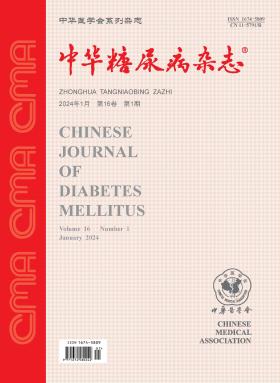
Infectious Diseases & Immunity
Volume 16 · Issue 01 · 2024
Infect Dis Immun
- Sections
- Special Article
- Criterion and Guide
- Clinical Progress of Diabetic Foot
- Original Article
- Case Report
- Review Article
- Lecture
The blood glucose profile, islet beta cell function (BCF) and insulin sensitivity (IS) are all dynamic, and the blood glucose value at any point on the blood glucose profile depends on the BCF and IS at that time point. Blood glucose values are the "gold standard" for judging whether BCF is normal. The ideal BCF index should reflect whether BCF is normal, the degree of compensation or the degree of damage; IS IS the biological effect of glucose metabolism produced by the subject's quantitative insulin acting on target cells in a certain state per unit time; The glucose disposal index (DI) is the actual glucose metabolic biological effect of plasma insulin production in a subject under a certain test state. This paper describes the fluctuation of blood glucose, the dynamic changes of BCF and IS, the characteristics of existing BCF index, IS or insulin resistance index, and the application of DI, and several common problems in the application of BCF and IS index in clinical research, and puts forward the characteristics of new BCF and IS index that should be developed in clinic. To use BCF and IS indexes correctly, we must adhere to the dynamic view of glucose metabolism, keep in mind the regulation principle between blood glucose, BCF and IS, and clarify the characteristics and pathophysiological significance of various BCF and IS indexes.
Early screening and prevention of diabetic retinopathy (DR) is crucial. Telemedicine using digital imaging provides convenient conditions for community medical institutions with weak ophthalmology technology or lack of ophthalmology to carry out DR hierarchical diagnosis and treatment. In order to provide process guidance and case management reference for grassroots active screening of DR in urban areas with telemedicine conditions, the Diabetology Professional Committee of China Research Hospital Association organized relevant professional experts, based on the current situation and needs of DR in community medical institutions, and based on the latest authoritative DR management guidelines at home and abroad and combined with the experience of Shenzhen, the Expert Consensus on Workflow and Management Standards of Diabetic Retinopathy Screening in Community Medical Institutions (2023 Edition) was drafted. Under the guidance of the Diabetes Prevention and Treatment Center, with the help of the telemedicine artificial intelligence information platform, the DR screening, graded referral and multidisciplinary project co-management process of "taking alliance hospitals as the center, taking endocrinology as the lead, relying on primary medical institutions and assisted by ophthalmology" will be coordinated, so as to standardize the early screening and prevention of DR and the construction of multidisciplinary management system, and provide data-driven continuous and dynamic management for type 2 diabetes patients, so as to finally achieve the goal of delaying the occurrence and development of DR, reducing the blindness rate and improving the quality of life of patients. This consensus includes the basic conditions of DR community screening, DR clinical grading and community work mode, DR community active screening, DR grading referral criteria, DR project management, training assessment and quality management, etc.
Oral hypoglycemic drugs (OAD) combined with insulin therapy is one of the important methods for blood glucose control in patients with type 2 diabetes mellitus (T2DM). A novel OAD sodium-glucose cotransporter 2 inhibitor (SGLT2i) can effectively lower glycemic acid while also exerting cardiorenal protection. In recent years, SGLT2i has been widely used in patients with T2DM. How to safely and effectively combine this new type of OAD with insulin has become a problem that needs attention in the clinical management of T2DM. This consensus combs the evidence on the use principles of SGLT2i combined with insulin, patient population selection, combination drug initiation process, treatment advantages, safety and precautions of combination therapy, and puts forward 13 recommendations based on my country's actual clinical drug use experience. The aim is to guide the majority of clinicians to standardize and rational drug use, so as to improve the clinical outcome of T2DM patients in China.
The 9th International Diabetic Foot Forum (ISDF) was held in The Hague, Netherlands from May 9 to 13, 2023. This article focuses on the construction and development of diabetic foot centers and multidisciplinary cooperation. Combined with the clinical practice of multidisciplinary cooperation and hierarchical management in diabetic foot prevention and treatment at home and abroad, the working mode, process, seamless effectiveness, quality construction standards and their importance and necessity of diabetic foot centers are discussed, and the content of interdisciplinary diabetic high-risk foot services of the Australian National Diabetes Center Society is introduced and sorted out.
The situation of diabetic foot prevention and treatment in China is grim. With the joint efforts of government departments and medical units at all levels, it is feasible to establish a graded diagnosis and treatment system for diabetic foot in China. This article explores the model of grading patients and medical institutions separately, and then using the digital referral system as a media platform to implement the graded diagnosis and treatment of diabetic foot, hoping to play a role in attracting advice and causing widespread discussion. It is also expected that the graded diagnosis and treatment model of diabetic foot of "first diagnosis at the grass-roots level, referral on demand, division of acute and slow treatment, and linkage between upper and lower levels" will be formed in China as soon as possible.
International Diabetic Foot Working Group (IWGDF) /American Society of Infectious Diseases (IDSA), Guidelines for the Diagnosis and Treatment of Foot Infections in Diabetic Patients (2023 Edition) is based on high-quality research results as evidence and centered on the important prognosis of patients, and after a more refined application of the GRADE framework. This article compares this guideline with IWGDF "Guidelines for the Diagnosis and Treatment of Foot Infection in Diabetic Patients (2019 Update)", expounds the diagnosis (including clinical diagnosis and laboratory and imaging-assisted diagnosis) and treatment (including antibiotic use, surgery and adjuvant treatment) of diabetic foot soft tissue and bone infection, analyzes the new points and highlights of the 2023 edition of the guideline, and also puts forward individual contradictions between the guideline and clinical practice, in order to provide more reference and thinking about the new guideline for clinical practice.
Peripheral arterial disease is a common complication of diabetes and is most commonly found in lower extremity arteries. Compared with those without diabetes, patients with lower extremity arterial disease with diabetes have a longer course of disease, more diffuse lesions and more severe calcification. The clinical manifestations of diabetic patients with lower extremity arterial disease are usually atypical, and their prognosis is often poor if they are not diagnosed and treated in time. For such patients, a preliminary diagnosis can be made through clinical physical examination, various non-invasive and invasive examination methods. Then, under the joint management of a multidisciplinary team, confirm whether the patient needs surgical intervention and determine the opportunity of intervention, choose the appropriate surgical method to reconstruct the patient's blood flow, and finally improve the ulcer healing rate and reduce the probability of amputation.
The 9th International Diabetic Foot Forum 2023 was held in The Hague, The Netherlands. As an important part, diabetic foot infection was presented at the conference through keynote presentations, workshops, paper exchanges and other forms. After four years, based on new evidence and using evidence-based medicine, the new editorial board of diabetic foot infection updated the 2019 edition of the Guidelines for Diagnosis and Treatment of Diabetic Foot Infection. This article introduces and interprets the hot spots, research progress and guidelines of the conference, and provides a reference for the majority of medical staff engaged in diabetic foot work.
The treatment of diabetic foot infection is the focus and difficulty of diabetic foot treatment. The treatment of diabetic foot infection requires not only rational and standardized use of antibiotics, but also surgical debridement and toe amputation and revascularization if necessary, which requires correct judgment and multidisciplinary cooperation. This article interprets the 2023 edition of the Guidelines for Diagnosis and Treatment of Diabetic Foot Infection and introduces the treatment progress, providing guidance for the majority of medical staff engaged in diabetic foot work.
To investigate the clinical characteristics and current management of hospitalized patients with type 1 diabetes mellitus (T1DM) in Zhejiang province.
A cross-sectional study of T1DM patients hospitalized in 10 hospitals in Zhejiang province from October 2016 to July 2022 to collect general clinical data (age at onset, sex, number of days in hospital, duration of illness), laboratory indicators [biochemistry, glycated hemoglobin A1c, 2-hour postprandial glucose, insulin, C-peptide, glutamic acid decarboxylase antibody (GADA), protein tyrosinephosphatase antibody (IA-2A), islet cell antibody (ICA), insulin autoantibody (IAA)], screening for complications (urine albumin/creatinine ratio, fundus photography, electromyography, carotid ultrasound, bilateral lower extremity arterial ultrasound and extremity Doppler ultrasound screening), and treatment protocols (insulin regimens and co-administration of hypoglycemic agents). The two groups were divided into October 2016 to August 2019 group and September 2019 to July 2022 group according to the time of visit, and the screening rate, detection rate and antibody detection rate of chronic complications management were compared between the two groups. The χ2 test was used to compare between groups.
A total of 564 patients with T1DM aged from 1 to 84 years were enrolled, including 390 adults (≥18 years) and 174 children and adolescents (<18 years). The mean days of hospitalization, age of onset and duration of T1DM were 7 (6, 10) days, 29 (16, 45) years and 3 (0, 8) years, respectively. Of these, 319 patients (56.6%) with T1DM had acute complications and 280 patients (49.6%) had chronic complications. More than half of the patients [56.9% (321/564)] had comorbidities, including dyslipidemia [25.7% (145/564)], hypertension [12.2% (69/564)], hyperuricemia [8.2% (46/564)], autoimmune thyroid disease [9.0% (51/564)], and obesity [4.8% (27/564)]. The screening rates for diabetic nephropathy, diabetic retinopathy, diabetic neuropathy, and diabetic vasculopathy were 71.5% (403/564), 58.9% (332/403), 55.5% (313/564), and 80.7% (455/564), respectively, with corresponding detection rates of 21.6% (87/403), 27.4% (91/332), 47.0% (147/313) and 31.6% (144/455). Screening rates for chronic complications and the detection of diabetes antibodies have increased in recent years. The majority of T1DM patients [99.5% (561/564)] used insulin therapy. The most commonly used therapy was multiple daily insulin injections [78.7% (444/564)]. In addition to insulin, 192 (34.0%) patients with T1DM used non-insulin drugs in combination. Glucosidase inhibitors were the most commonly used drugs [53.6% (103/192)]. The detection rates of GADA, IA-2A, ICA and IAA in September 2019 to July 2022 group were higher than those in October 2016 to August 2019 group (P<0.05). In the screening of complications, except for diabetic kidney disease, the screening rate of chronic complications in September 2019 to July 2022 group was higher than that in October 2016 to August 2019 group, and the screening rate of retinopathy, peripheral neuropathy and peripheral vascular disease was significantly increased (P<0.05).
Patients with T1DM in Zhejiang province are mainly adult-onset. In recent years, the screening rate of diabetic complications and antibody detection rate of T1DM patients in Zhejiang province have increased, reflecting that the management of T1DM hospitalized patients in Zhejiang province is more standardized than before, but the diabetic antibody detection rate and the screening rate of complications are still low and need to be further improved.
To investigate the association between serum melanin-concentrating hormone (MCH) and type 2 diabetes mellitus (T2DM) and overweight/obesity.
A cross-sectional study was conducted. Outpatients and inpatients with T2DM in the Department of Endocrinology and metabolic Disease of the Affiliated Hospital of Zunyi Medical University from June 2021 to April 2022, and those who underwent health examinations in the physical examination center of the hospital during the same period were selected as the research subjects. The height and weight of the study subjects were measured, and the body mass index (BMI) was calculated, and their MCH, fasting plasma glucose (FPG), fasting insulin (FINS), glycated hemoglobin A1c (HbA1c), triglyceride (TG), leptin were measured, and the homeostasis model assessment of insulin resistance (HOMA-IR) was calculated. According to the BMI of the study participants and their glycometabolic status, they were divided into normal control group (BMI<25 kg/m2, normal glucose metabolism), overweight/obese group (BMI≥25 kg/m2, normal glucose metabolism), and normal weight T2DM group (BMI<25 kg/m2) and T2DM combined with overweight/obese group (BMI≥25 kg/m2). One-way analysis of variance, Kruskal-Wallis H-test, or chi-square test were used for comparisons between groups. Spearman correlation analysis was used to analyze the correlation between MCH and other variables, and multivariate logistic regression analysis was used to explore the relationship between MCH and overweight/obesity and T2DM.
A total of 236 patients with T2DM and 244 patients with physical examination were included. There were 160 cases in the normal control group, 84 cases in the overweight/obese group, 93 cases in the normal weight T2DM group, and 143 cases in the T2DM combined with overweight/obese group. The level of MCH was the highest in the normal weight T2DM group (14.18±2.28) ng/ml, and the lowest in the normal control group was (9.37±2.18) ng/ml (P<0.001). Compared with the normal control group, the MCH of overweight/obese group, normal weight T2DM group and T2DM combined with overweight/obese group were all higher (P<0.05). However, there was no significant difference in MCH between normal weight group T2DM group and T2DM combined with overweight/obese group (P>0.05). The results of Spearman correlation analysis showed that serum MCH levels were positively correlated with HOMA-IR (r=0.285), FPG (r=0.551), HbA1c (r=0.569), TG (r=0.317) and leptin (r=0.511) (all P<0.001). The results of multivariate logistic regression analysis showed that MCH the risk of overweight/obesity, normal weight T2DM, T2DM combined overweight/obesity remained higher in those with high MCH compared with the normal control group after adjusting for multiple confounding factors, with OR values (95%CI) of 1.336 (1.031-1.733), 2.095 (1.594-2.752), and 1.858 (1.402-2.463), respectively.
Serum MCH is closely related to T2DM and overweight/obesity.
To investigate differences in the relationship between degree and type of obesity and serum amino acids in type 2 diabetes (T2DM).
This was a cross-sectional study. T2DM patients who visited Endocrinology Department in the First People′s Hospital of Yunnan Province from December 2016 to June 2018 were retrospectively enrolled. Waist circumference, height and weight were collected, and body mass index (BMI) was calculated. Serum branched chain amino acids (BCAA) and aromatic amino acids, glycosylated hemoglobin A1c (HbA1c), high-density lipoprotein cholesterol (HDL-C), uric acid, triglycerides (TG), fasting plasma glucose (FPG), and fasting insulin (FINS) were measured, and homeostasis model homeostasis model assessment of insulin resistance (HOMA-IR) was calculated. T2DM patients were divided into normal weight, overweight and obese groups based on BMI; additionally, T2DM patients were divided into non abdominal obesity (NAO) and abdominal obesity (AO) groups based on waist circumference. Using t-test/one-way analysis of variances (ANOVA), non-parametric rank sum test, χ2 tests for inter group comparison. Pearson/Spearman correlation analysis was used to analyze serum amino acid levels and metabolic indicators, as well as pancreatic islets β cell function and insulin resistance. Multiple linear regression analysis was used to analyze the relevant influencing factors of tryptophan. The predictive effect of serum amino acids on the degree and type of obesity was analyzed by means of the receiver operating characteristic (ROC) curve.
A total of 97 T2DM patients were included. Among them, there were 33 cases in the normal weight group, 42 cases in the overweight group, and 22 cases in the obese group. There were 41 cases in the NAO group and 56 cases in the AO group. Compared with normal weight group, T2DM patients in obese group had significantly lowered levels of HbA1c and HDL-C; elevated levels of uric acid, TG, HOMA-IR, serum concentrations of BCAA isoleucine, aromatic amino acids tryptophan and tyrosine (P<0.05). T2DM patients in AO group had significantly lower levels of HDL-C and higher levels of TG, serum concentrations of tryptophan than those in NAO group (P<0.05). Serum levels of BCAA leucine, isoleucine, valine and aromatic amino acids tryptophan, tyrosine and phenylalanine were all positively correlated with BMI (P<0.05), whereas serum tryptophan level was also positively correlated with waist circumference (P=0.036) in patients with T2DM. In addition, multiple linear regression analysis showed that waist circumference was the influencing factor of serum tryptophan (P=0.048). ROC analysis showed that serum tryptophan had a certain predictive value for obesity and AO, and the areas under the curve were 0.645 (95%CI 0.533-0.758, P=0.019) and 0.629 (95%CI 0.517-0.742, P=0.029), respectively.
There is a difference between degree and type of obesity with serum BCAA and aromatic amino acids in T2DM patients. Tryptophan is not only related to the accumulation of body fat, but also may be related to the pattern of fat deposition.
To investigate the association between continuous glucose monitoring (CGM) during pregnancy and antepartum glucose with the risk of neonatal hypoglycemia in women with type 1 diabetes mellitus (T1DM).
This study was a multicenter, prospective, observational cohort study. Pregnant women with T1DM from 11 hospitals nationwide were enrolled from January 2015 to December 2017. CGM was used for glycemic control in pregnancy. Antepartum 2-hour capillary blood glucose and neonatal outcomes were recorded. A total of 73 women who used CGM during pregnancy were included in the study and divided into the neonatal hypoglycemia group (14 cases) and the neonatal normoglycemia group (59 cases) based on neonatal capillary glucose (neonatal hypoglycemia defined as<2.2 mmol/L) after delivery. Data on maternal glycated hemoglobin A1c (HbA1c), CGM metrics [mean blood glucose, time in range (TIR), time above range (TAR1>7.8 mmol/L, TAR2>13.9 mmol/L), time below range (TBR), standard deviation of blood glucose (SDBG), mean amplitude of glucose excursions (MAGE), coefficient of variation (CV)] during pregnancy, antepartum 2-hour blood glucose levels, gestational age at delivery, and neonatal obstetric outcomes [birth weight, birth length, premature delivery, neonatal intensive care unit (NICU) admission] were compared between groups. Comparisons between groups were made using the two independent samples t test, rank sum test, χ2 test and Fisher exact test. The influencing factors of neonatal hypoglycemia were analyzed by multivariate logistic regression models.
Compared with neonatal normoglycemia group, women in the neonatal hypoglycemia group had higher mean blood glucose [(6.91±0.71) vs. (6.38±0.81) mmol/L, t=2.041, P<0.05], TAR2 [0.81% (0, 4.36%) vs. 0 (0, 0.64%), Z=2.064, P<0.05], and MAGE [(6.42±3.24) vs. (4.60±1.67) mmol/L, t=2.137, P<0.05] in the first trimester (P<0.05). Antepartum 2-hour blood glucose was higher in the neonatal hypoglycemia group [(7.75±2.22) vs. (6.13±2.10) mmol/L, t=2.324, P<0.05]. The incidences of preterm birth [35.71% (5/14) vs. 11.86% (7/59), χ2=4.686, P<0.05] and NICU admission [71.43% (10/14) vs. 32.20% (19/59), χ2=5.725, P<0.05] were higher in the neonatal hypoglycemia group than in the neonatal normoglycemia group (P<0.05). The multivariate logistic regression analysis revealed that antepartum 2-hour blood glucose was the independent influencing factor of neonatal hypoglycemia (OR=2.23, 95%CI 1.09-4.54, P<0.05).
Increased mean blood glucose, TAR, and MAGE in the first trimester were associated with a higher risk of neonatal hypoglycemia in pregnant women with T1DM. Antepartum 2-hour blood glucose was independently associated with the risk of neonatal hypoglycemia.
To investigate whether shikonin can regulate autophagy and promote wound healing in diabetic rats by upregulating C-X-C chemokine receptor type 4 (CXCR4).
A total of 24 Sprague-Dawley (SD) rats were assigned to control, diabetic, diabetic+Shikonin, and diabetic+Shikonin+sh-CXCR4 groups (6 rats in each group) using random number table method. A diabetic rat model was established by intraperitoneal injection of streptozotocin, and a 1 cm-diameter skin punch was used to create an ulcer model on the back of the rat. Wound healing rates were calculated on days 0, 7, 14, and 21 after wounding. On day 21 after wounding, skin tissues were collected for hematoxylin & eosin and Masson trichrome staining to analyze the pathological changes of the wound. CD31 immunohistochemistry was performed to analyze the microvascular density of the wound and Western blotting was used to detect the expression of CXCR4 and cell autophagy-related proteins microtubule-related proteins light chain 3 (LC3)Ⅱ/LC3Ⅰ, Beclin1, and soluble p62 in the wound tissue. Autophagosomes were observed by transmission electron microscopy. One-way analysis of variance was used for comparison between groups.
Compared with the control group, the diabetic group had reduced wound healing rate (on day 21: 72.44%±6.21% vs. 93.71%±6.76%), neovascularization, collagen deposition, microvascular density, levels of CXCR4, LC3Ⅱ/LC3Ⅰ, and Beclin, and increased p62 levels in the wound tissue, as well as decreased autophagosomes (P<0.05). Compared with the diabetic group, wound healing rate (on day 21: 86.74%±4.86% vs. 72.44%±6.21%), neovascularization, collagen deposition, microvascular density, levels of CXCR4, LC3Ⅱ/LC3Ⅰ, and Beclin, and autophagosomes were increased, but p62 levels were decreased in the diabetic+Shikonin group (P<0.05). Compared with the diabetic+Shikonin group, the diabetic+Shikonin group had decreased wound healing rate (on day 21: 76.15%±3.85% vs. 86.74%±4.86%), neovascularization, collagen deposition, microvascular density, levels of CXCR4, LC3Ⅱ/LC3Ⅰ, and Beclin, and autophagosomes in the wound tissue, as well as increased p62 levels (P<0.05).
Shikonin promotes the healing of diabetic ulcer wounds by upregulating CXCR4 expression and activating cell autophagy.
Steroid diabetes mellitus (SDM) is a glucose metabolism disorder syndrome caused by excessive glucocorticoids in the body. Compared with the common type 2 diabetes complicated with diabetic foot ulcer (DFU), patients with steroid-related DFU have long-term excessive glucocorticoids in their bodies, their skin atrophy, severely weakened skin barrier function, obvious decrease in body immunity, opportunistic bacteria or fungal infection further increases, the wound healing of patients is more difficult, and the mortality and disability rate are higher. This paper reports two patients with steroid-related DFU, aiming to improve clinicians' attention to definite diabetes classification in DFU patients and be vigilant against SDM. For patients with steroid-related DFU, perioperative glucocorticoid supplementation is required, and postoperative glucocorticoid replacement should be individualized to understand the complexity of wound management with steroid-related DFU.
Non-hyperglycemic diabetic ketoacidosis (euDKA) refers to DKA that occurs when blood glucose is in a normal or mildly elevated state. The widespread use of sodium-glucose cotransporter 2 inhibitors (SGLT2i) makes it the most common trigger of euDKA. However, euDKA can also be secondary to other more insidious diseases or conditions. This article reports a case of a young man suffering from type 2 diabetes, who suffered from repeated episodes of euDKA with nausea and vomiting after substantial weight loss and application of SGLT2i, but did not alleviate after timely discontinuation of SGLT2i. After further examination and diagnosis of gastroparesis, the gastrointestinal symptoms have been completely relieved and DKA has not occurred again after insulin control of blood sugar, gastric motility stimulation and acid suppression treatment and dietary adjustment.
Type 1 diabetes mellitus (T1DM) is a chronic autoimmune disease mediated by T cells characterized by the destruction of pancreatic beta cells. At present, the treatment of T1DM is limited. Conventional methods include insulin injection and islet/pancreas transplantation, but none of them have fundamentally solved the problem of islet hypofunction. Etiology-based therapy-immunotherapy is expected to prevent or delay the damage of beta cells, protect residual islet function to prevent or even reverse T1DM, and over the years, including immunotherapy against T cells, B cells, inflammatory cytokines, and microbial origin began to yield results. In this paper, the progress of immunotherapy for T1DM in recent years is summarized and prospective.
As one of the serious complications of diabetes, diabetic foot needs comprehensive management by multidisciplinary team. This article takes diabetic foot rehabilitation as the starting point, firstly summarizes the development history of foot rehabilitation, and further summarizes the importance of foot structured education, exercise, physical rehabilitation and assistive aids in the prevention and treatment of diabetic foot. With the advancement of science and technology, intelligent technology has also been integrated into the field of diabetic foot rehabilitation. In the future, we should attach importance to and continue to practice the concept of diabetic foot rehabilitation to prevent the occurrence and recurrence of diabetic foot, better restore the physical function of patients and improve the quality of life.
Gestational diabetes mellitus (GDM) affects maternal health and offspring growth and development, and its pathogenesis is complex, including oxidative stress, inflammation, apoptosis and energy metabolism. Mitochondria, as multifunctional organelles, respond to a wide range of stimuli through fusion or fission, increase/decrease in number, oxidative phosphorylation, and cellular signaling. Previous studies have shown that mitochondrial dysfunction is closely related to GDM. Therefore, this article reviews the relationship between GDM and mitochondrial dysfunction, influencing factors and influencing factors of clinical treatment methods on mitochondrial dysfunction, in order to provide reference for the prevention and treatment of GDM.
Cardiovascular disease (CVD) is currently considered to be the leading cause of death in diabetic patients. It is of great public health significance to focus on the prevention and control of CVD while preventing and treating diabetes. CVD prediction model can conduct comprehensive assessment of CVD risk. Studies have shown that CVD prediction models that may be suitable for diabetic patients include models established in diabetic patients, or models established in the general population that use diabetes as a predictor. However, whether the model established in patients with type 2 diabetes is suitable for patients with type 1 diabetes, and the accuracy of the predictive model established in the general population to be applied in patients with diabetes need to be further explored. Because the accuracy of CVD prediction models is different in different populations, the CVD prediction models suitable for local populations should be explored. This paper reviews the research status of CVD prediction models in diabetic patients.
High-quality disease database, as an important support for the analysis and utilization of single disease big data, has become an important way to improve the quality of clinical research and the level of disease diagnosis and treatment. This paper takes the construction of the special disease database of the Sixth People's Hospital affiliated to Shanghai Jiaotong University School of Medicine as an example, summarizes the ideas and key technologies in the construction process, combs the management norms of the special disease database, and expounds the clinical research and application of the database with the special disease database of diabetes as an example. From the three dimensions of construction, management and application, this paper summarizes the construction path and management process of special disease database in comprehensive public hospitals, and provides reference for building high-quality clinical special disease database and carrying out clinical research and application in comprehensive public hospitals in China.
Post-transplantation diabetes is one of the common postoperative complications and complications in solid organ transplantation recipients. Because of the existence of many risk factors, the prevalence of post-transplantation diabetes is significantly higher than that of common type 2 diabetes. Post-transplant diabetes can lead to an increased risk of infection, loss of graft function, and incidence of cardiovascular disease in the recipient, thus affecting the prognosis of the recipient. Therefore, the clinical management of post-transplantation diabetes is very important. This article focuses on the risk factors, diagnostic criteria and clinical treatment of diabetes after organ transplantation, aiming to improve the prognosis of diabetes patients after organ transplantation.
CURRENT ISSUE