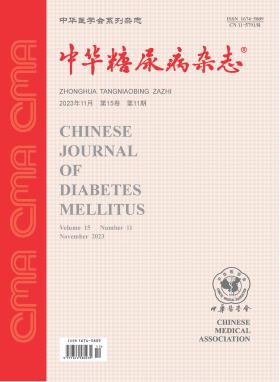
Infectious Diseases & Immunity
Volume 15 · Issue 11 · 2023
Infect Dis Immun
- Sections
- Special Article
- Clinical Progress of Diabetic Foot
- Original Article
- Case Report
- Review Article
The World Health Organization Diabetes Etiology Classification System (1999) is the most widely used classification system at present. If factors such as biomarkers, genotypes and genetic risks are considered, diabetes should be further subdivided into more types. The existing diabetes classification cannot fully meet the clinical needs, and more simple and effective diabetes classification methods with direct guiding significance for clinical treatment are needed. This paper combs the definition and epidemiology of hyperglycemia, reviews and summarizes various existing classification methods at home and abroad, and combines the previous clinical research results and diagnosis and treatment experience on this basis, proposes a "Zou's fine classification method of hyperglycemia" based on the existing classification method, which divides hyperglycemia into three states: stress hyperglycemia, prediabetes and diabetes, and then makes fine classification according to different characteristics of diabetes, in order to provide reference for the follow-up clinical precision treatment.
Obesity is highly heterogeneous, and the relationship between sarcopenic obesity and metabolic disorders has been gradually paid attention to. Sarcopenia and obesity are not uncommon in type 1 diabetes, so type 1 diabetes is a potential high-risk group for sarcopenia obesity. Sarcopenic obesity is significantly associated with insulin resistance and increased risk of cardiometabolic disorders and macrovascular and microvascular complications in type 1 diabetes mellitus. To explore the interaction and mechanism between sarcopenic obesity and type 1 diabetes is of great significance to guide the precise treatment of type 1 diabetes.
On June 23-26, 2023, the 83rd Annual American Diabetes Society (ADA) Scientific Meeting was held in San Diego, USA. This ADA conference focuses on the frontier of the field, covering acute and chronic complications of diabetes, behavioral medicine, clinical nutrition, education and exercise, clinical diabetes and therapeutics, epidemiology and genetics, immunology and beta cell replacement, insulin action and molecular metabolism, obesity and comprehensive physiology, islet biology and insulin secretion and many other hot issues. Many Chinese scholars shared their new research, new progress and new achievements at this ADA annual scientific meeting. We sorted out the research results of Chinese scholars at this annual meeting, and summarized the research progress from eight aspects: the regulation mechanism of glucose metabolism, different types of diabetes, diabetes management mode, indicators for evaluating blood glucose management, hypoglycemic treatment, diabetic complications, diabetes and other diseases, and other metabolic diseases. It is hoped that with the further deepening of international exchanges and cooperation in the future, more outstanding achievements of China can be seen on the international stage.
The guidelines for the prevention and treatment of diabetes-related podiatry were updated again by the International Diabetic Foot Working Group in 2023. In view of the relevant contents of the guidelines on interventions to promote the healing of diabetes-related foot ulcers, combined with relevant research, this paper interprets 29 recommendations put forward by the 2023 edition of the guidelines on nine clinical issues of diabetes-related foot ulcers: debridement, dressing selection, gas therapy, wound physiotherapy, skin substitutes, cell products, drug therapy, negative pressure wound therapy, and health education, aiming to provide clinical basis and practical suggestions for promoting the healing of diabetes-related foot ulcers.
To establish a prediction model for short-term mortality in adult patients with type 2 diabetes mellitus (T2DM) and community-acquired pneumonia (CAP).
From January 1, 2015 to December 31, 2020, 223 patients diagnosed with T2DM and CAP admitted to the Department of Endocrinology of 900 Hospital of the Joint Logistics Team were recruited into this study. Clinical data such as age, sex, temperature, blood routine, liver function, renal function, albumin, left ventricular ejection fraction (LVEF), use of oral antidiabetic drugs, number of involved lobes and history of cerebrovascular disease were included in the analysis. The sample function of R software was used to randomly divide the enrolled population into a training set and a validation set in a ratio of 7∶3. The training set was divided into a survival group and a death group according to the occurrence of outcome events. Risk factors were selected by univariate and multivariate logistic regression analysis to develop a new prediction model and a prediction line graph. The predictive efficiency and accuracy of the new model were evaluated by comparison with the CURB-65 score model, which was used to assess the prognosis of pneumonia. The clinical significance of the new prediction model was evaluated by clinical decision curve analysis and clinical impact curve evaluation.
A total of 223 patients were incorporated into the statistical analysis, including 156 in the training set and 67 in the validation set. In the training set, the clinical data of 127 patients in the survival group and 29 patients in the death group were used for the between-group difference analysis. Multivariate logistic regression analysis showed that after adjustment for changes in consciousness, urea nitrogen and neutrophil counts, temperature (OR=3.05, 95%CI 2.80-3.48), albumin (OR=0.61, 95%CI 0.36-0.77), LVEF (OR=0.61, 95%CI 0.37-0.82), number of involved lobes (OR=6.29, 95%CI 2.43-6.45) and history of cerebrovascular disease (OR=2.23, 95%CI 1.09-4.65) were independent risk factors for short-term mortality in T2DM inpatients with CAP. In the training set, compared with CURB-65 score, the area under the curve (AUC) of the new model [0.898 5 (95%CI 0.838 8-0.958 1)] in this study was higher than CURB-65 score [0.752 5 (95%CI 0.655 7-0.849 4), P<0.05]. Clinical decision curve analysis and clinical impact curve evaluation of the new model were better than CURB-65 scores. The AUC of the new model in the verification set was 0.928 8 (95%CI 0.850 3-1.000 0), and the fitting effect was good.
The prediction model in this study, which included temperature, albumin, LVEF, number of involved lobes and history of cerebrovascular disease, was effective in predicting short-term mortality in T2DM patients with CAP.
To investigate the glucose metabolic status in patients with previous gestational diabetes mellitus (GDM) in the 5-6 years after delivery, and to explore the changes in insulin resistance and islet β cell function from postpartum short-term (6-12 weeks) to the long-term (5-6 years) after delivery, as well as the relationship with glucose metabolic status.
A total of 72 patients with a history of GDM who delivered in Peking University First Hospital and had complete short-and long-term postpartum follow-up data were included. They were divided into normal glucose metabolism (NGT) and abnormal glucose metabolism (AGT) groups according to their glucose metabolism status in 5-6 years after delivery. Pre-pregnancy, pregnancy, perinatal, short-and long-term postpartum clinical data were collected and compared between the two groups, including demographic indicators, glucose and lipid metabolism indicators [oral glucose tolerance test (OGTT) fasting blood glucose (FPG), 1-hour blood glucose (1hPG), 2-hour blood glucose (2hPG), 3-hour blood glucose (3hPG), total cholesterol, triglycerides (TG), high-density lipoprotein cholesterol, low-density lipoprotein cholesterol], insulin use ratio, fasting insulin (FINS), OGTT 2-hour insulin (2hINS), insulin sensitivity index (ISI), homeostasis model assessment of insulin resistance index (HOMA-IR) and homeostasis model assessment of β cell function index (HOMA-β) were calculated. The comparison between the two groups was conducted using independent sample t-test, rank sum test χ2 test or Fisher′s exact probability test. Multivariate logistic regression analysis was used to analyze the influence factors of abnormal glucose metabolism.
There were 38 (52.78%) cases in NGT group and 34 (47.22%) cases in AGT group. Compared with the NGT group, there are differences in related metabolic indicators in AGT group from pregnancy to long-term postpartum period: During pregnancy, 3hPG in 75 g OGTT and the proportion of insulin users were higher in AGT group. As for 6-12 weeks postpartum, OGTT 2hPG and the incidence of blood glucose abnormalities and the proportion of hypertriglyceridemia were higher (all P<0.05). However, there was no statistically significant difference in HOMA-IR and HOMA-β between the two groups(P>0.05). At 5-6 years postpartum, FPG, OGTT 2hPG, and FINS were all higher, with a higher degree of insulin resistance and lower insulin sensitivity (ISI) in AGT group (all P<0.05). Compared with short-term postpartum period (6-12 weeks), FPG, FINS, HOMA-IR, HOMA-β were all significantly increased regardless of glucose metabolic status at 5-6 years postpartum, while OGTT 2hPG and 2hINS increased further in the AGT group (all P<0.05). OGTT 2hPG and insulin use during pregnancy were risk factors for abnormal glucose metabolism 5-6 years postpartum according to multivariate logistic regression analysis, with OR values (95%CI) of 1.646 (1.015-2.671) and 3.570 (1.009-12.624), respectively.
The incidence of AGT was still high in patients with previous GDM 5-6 years after delivery. Insulin resistance progressed gradually after delivery regardless of glucose metabolism, especially in patients with abnormal glucose metabolism. OGTT 2hPG and insulin use in pregnancy were risk factors for abnormal glucose metabolism in postpartum 5-6 years, suggesting that there is continuity in time and similarity in pathogenesis between GDM and T2DM.
To investigate the association between serum exosomal miR-9-3p levels and mild cognitive impairment (MCI) in patients with type 2 diabetes.
This cross-sectional study collected type 2 diabetic patients who visited the Endocrinology Department of Nanjing Drum Tower Hospital, Affiliated Hospital of Medical School, Nanjing University, from February 2016 to March 2021. Cognitively normal healthy controls matched for age, sex, and education level were recruited. Levels of serum exosomal miR-9-3p, fasting C-peptide (FCP), fasting insulin and fasting plasma glucose (FPG) were measured. The homeostasis model assessment for insulin resistance index (HOMA-IR) was calculated. Mini-mental state examination (MMSE), Montreal cognitive assessment (MoCA) and 3.0 T high-resolution magnetic resonance imaging scan were performed. According to the diagnostic criteria of MCI, patients with type 2 diabetes were divided into cognitively normal group and MCI group. One-way ANOVA was used to compare serum exosomal miR-9-3p levels between groups. Relationships between serum exosomal miR-9-3p and cognitive function or grey matter volume were assessed using partial correlation analysis. Associations between serum exosomal miR-9-3p and risk of MCI were analyzed using logistic regression analysis. Receiver operating characteristic curves were used to assess the predictive value of serum exosomal miR-9-3p.
Seventy subjects were included in the study. There were 23 healthy controls, 35 cognitively normal type 2 diabetics, and 12 type 2 diabetics with MCI. Serum exosomal miR-9-3p levels were significantly higher in type 2 diabetics with MCI [(2 111.9±722.7) fM] than in cognitively normal type 2 diabetics [(1 264.6±699.3) fM] or healthy controls [(586.3±275.3) fM] (P<0.001). After adjusting for age, sex and years of education, serum exosomal miR-9-3p was negatively associated with MMSE score, MoCA score, and grey matter volume (r=-0.390, -0.322, and -0.549, respectively, all P<0.05) in patients with type 2 diabetes. Serum exosomal miR-9-3p was an independent influencing factor for MCI (OR=1.241, 95%CI 1.033-1.490, P=0.021) after adjusting for age, sex, years of education, FCP and HOMA-IR. The area under the receiver operating characteristic curve was 0.824. Sensitivity and specificity were 91.7% and 68.6%, respectively.
Increased levels of serum exosomal miR-9-3p are associated with an increased risk of mild cognitive impairment in patients with type 2 diabetes.
To explore the prevalence and influencing factors of diabetic peripheral neuropathy (DPN) in the plain sand and loess hilly area of Gansu Province.
This study was a cross-sectional study. Type 2 diabetes mellitus (T2DM) patients in the plain sand and loess hilly area of Gansu Province were selected as the subjects. Educational level, age, course of diabetes, family history of diabetes and foot chaps were collected. The diagnostic criteria for DPN are based on the Expert Consensus on Diagnosis and Treatment of diabetes Neuropathy (2021 Edition). χ² test was used to compare the DPN prevalence between patients in plain sandstorm and loess hilly area, and a multivariate logistic regression model was used to analyze the influencing factors of DPN.
A total of 1 532 T2DM patients were included in the study, including 729 T2DM patients in the plain sandstorm area and 803 patients in the loess hilly area. The overall prevalence of DPN in the plain sandstorm and loess hilly areas of Gansu Province was 53.7 % (822/1 532). Compared to the loess hilly area, the incidence rate of DPN in the plain sandstorm area was higher, 42.3% (340/803) and 66.1% (482/729), respectively. The logistic regression model showed that high education level (OR=0.218, 95%CI 0.215-0.382, P<0.001) was a protective factor for DPN, and the high-risk risk of DPN increased with age (χ2=86.671, P<0.001). The course of disease ≥10 years (OR=1.562, 95%CI 1.230-1.984, P<0.001), HbA1c≥7% (OR=1.300, 95%CI 1.028-1.645, P=0.029), diabetes family history (OR=1.320, 95%CI 1.052-1.654, P=0.016), presence of foot chaps (OR=1.374, 95%CI 1.069-1.766, P=0.013), and high altitude (2 700 m) (OR=2.733, 95%CI 2.172-3.438, P<0.001) were independent risk factors for DPN.
The incidence of DPN in the plain sandstorm area of Gansu Province was significantly higher than that in the loess hilly area. In addition to factors such as age, course of disease, education level, and HbA1c, altitude also increased the risk of DPN occurrence.
To discuss the research situation, hot spots and future trends in diabetes nursing nationally and internationally over the last decade based on bibliometrics.
Research papers on diabetes care, included in China National Knowledge Infrastructure (CNKI) and Web of Science (WOS), were retrieved from 2013 to 2022. CiteSpace 6.1.R6 was used to analyze the distribution of publishing institutions, high-frequency keywords, keyword clustering, keyword time zone graph and emergent words. VOSviewer was used to analyze the network of authors.
A total of 2 979 articles were included. Of these, 2 155 were in English and 824 were in Chinese. The annual publication volume of diabetes care was stable both nationally and internationally, and the number of publications in the top 10 journals accounted for 29.71% (885/2 979) of the total. There were a number of high-yield authors (more than 10 articles) who continued to devote themselves to diabetes care research at home and abroad. The most frequent keywords at home and abroad were “diabetic foot”, “health education”, “self-management” or “management”, “glycemic control”, “self-management”. In the last 3 years (from 2020 to 2022), the keywords with the longest emergence time and the highest emergence intensity were “validity (3.54)” and “reliability (2.64)” of CNKI and “weight (3.52)” and “clinical trial (3.36)” of WOS.
Diabetes nursing research is progressing at a steady rate. Over the past decade, research has focused on topics related to diabetes self-management, glycemic control, quality of life, and diabetic foot. Among these, diabetes-related scales, weight management, and clinical trials have received considerable attention in the last three years.
To investigate the overall blood glucose control and self-management status of patients with type 1 diabetes (T1DM) in structured training who participated in a summer camp.
A cross-sectional study was conducted in patients of all ages diagnosed with type 1 diabetes mellitus (T1DM) at the National Clinical Research Center for Metabolic Diseases, Second Xiangya Hospital of Central South University from August 2012 to August 2019. The participating group included T1DM patients who voluntarily participated in an annual recreational camp activity ("summer camp"), while the non-participating group consisted of T1DM patients diagnosed at the same time at the center who did not participate in the camp. According to the propensity scoring method, gender and age were included with a 1∶2 propensity score, and the caliper value was taken as 0.03. Data on blood glucose monitoring methods [glycaemic meters, flash glucose monitoring system (FGM), and/or continuous glucose monitoring (CGM)], frequency of daily self-glucose monitoring, current insulin treatment plan, and glycosylated hemoglobin (HbA1c) levels were collected for all patients. The self-management level of patients was assessed using self-report measure of self-management of type 1 diabetes for adolescents (SMOD-A), which included five subscales related to cooperation between adolescents and parents in diabetes management, daily diabetes care behavior, problem-solving skills related to diabetes management, communication with others affected by diabetes, and goals for diabetes management; and self-management scale of type 1 diabetes for chinese adults (SMOD-CA), which included four dimensions related to daily behavioral performance, disease management cooperation, coping strategies for disease-related problems, and goals for disease management. Statistical analysis was performed using t-tests, Mann-Whitney U tests or χ2 tests for comparisons between groups.
A total of 299 patients with T1DM who participated in a recreational camp were included, with an average age of 15.0 (10.0, 25.0) years and disease duration of 35.0 (17.0, 69.0) months. 44.8% (134/299) were male. Five hundred and twenty-seven patients who did not participate in recreational camp were successfully matched by a 1∶2 comparative propensity score. Compared with the results of the non-participating group, the rate of HbA1c reaching the standard in the participating group [25.9% (131/505) vs. 50.5% (139/275)], use of FGM and / or CGM [15.4% (22/143) vs. 48.5% (94/194)], adherence to daily self-glucose monitoring≥4 times [20.5% (30/146) vs. 62.8% (125/199)], use of insulin pump therapy [16.2% (77/475) vs. 24.2% (71/293)] were significantly higher, and the differences were statistically significant (P<0.05). In addition, the participation group were significantly higher than the non-participation group in daily care behaviors, solving related problems and grasping the ability to grasp diabetes management goals, with statistical significance (P<0.001), but there was no statistical significance in the ability to collaborate in disease management between the two groups (P>0.05).
The HbA1c compliance rate of T1DM patients who participated in the leisure camp was generally higher. Although their daily care behaviors, problem-solving abilities, and mastery of diabetes management goals were better than those in the non-participating group, there were still shortcomings in disease management collaboration.
To analyze the use of medical insurance expenses of diabetic patients with osteoarthritis (OA) in Beijing, and to explore the impact of OA on the economic burden of diabetes patients.
Diabetic patients aged>16 years with complete outpatient medical records from 2016 to 2018 in Beijing medical insurance were included, excluding those with less than 2 months of follow-up and no prescription records. Information was collected from the Beijing medical insurance database, including the international disease classification of diabetes and its complications and comorbidities, age, sex, disease course, drug (hypoglycemic and non-hypoglycemic drugs) treatment plan, and medical insurance costs. Multivariate regression model was used to control confounding factors, and Wilcoxon rank sum test, χ2 test or Fisher exact test were used to compare the differences in various indicators between the patients with diabetes without OA and those with diabetes with OA.
A total of 2 853 036 diabetic patients were included, of whom 673 251 patients (23.60%) had OA. Stratified by age, the proportion of diabetics with OA was higher in the 45-84 age group, 92.73%, 92.43% and 92.29% in 2016, 2017 and 2018, respectively. According to gender distribution, there were more females in diabetics with OA, 55.17%, 54.41% and 53.37% in 2016, 2017 and 2018, respectively. Compared with diabetics without OA, diabetics with OA had significantly more related to complications and comorbidities (P<0.001). Compared with diabetics without OA, the total annual drug cost/drug number of diabetics with OA in 2018 was higher at (2 511±2 526) and (2 608±2 155) yuan/drug, respectively, of which the cost/drug number of hypoglycemic drugs and non-hypoglycemic drugs was higher. From 2016 to 2018, the types of drugs for diabetics with OA (especially the types of hypoglycemic drugs) showed an increasing trend year by year, while the total annual drug cost (including hypoglycemic drugs and non-hypoglycemic drugs) showed a decreasing trend, and the total annual drug cost/drug number of medications also showed a decreasing trend.
Diabetics with osteoarthritis have more diabetes complications and related comorbidities, and require more hypoglycemic drugs and medical expenses. Osteoarthritis significantly increases the medical expenses of diabetics.
To explore the changes in bile acids of rats on a long-term dieting and the mechanisms involved.
The 20 healthy male Wistar rats were divided into normal control group and dieting group, with 10 rats in each group. The rats in the control group were fed with 50% of the normal diet, anesthesia after 12 weeks, serum, bile, liver and ileal tissue samples were collected, abdominal fat was separated and weighed, and the ratio of abdominal fat to body weight was calculated. Bile flow rate was calculated. The concentration of total bile acids (TBA) and β-muricholic acid (β-MCA), taurine-β-muricholic acid (Tβ-MCA), cholic acid (CA), taurine-cholic acid(TCA), glycine-cholic acid (GCA), chenodeoxycholic acid (CDCA), glycine-chenodeoxycholic acid (GCDCA), deoxycholic acid (DCA), taurine-deoxycholic acid(TDCA), glycine-deoxycholic acid (GDCA), lithocholic acid (LCA), glycine-lithocholic acid (GLCA), taurine-hyodesoxycholic acid (THDCA), taurine-ursodeoxycholic acid (TUDCA), and glycine-ursodeoxycholic acid (GUDCA) were determined using high performance liquid chromatography tandem mass spectrometry. Real-time quantitative polymerase chain reaction was used to determine the mRNA expression of bile acid-associated nuclear receptors, metabolic enzymes and transporters along the "gut-liver axis" pathway of the liver and ileal tissue farnesol X receptor (Fxr): small heterodimer partner (Shp), fibroblast growth factor 15 (Fgf15), cholesterol 7α-hydroxylase (Cyp7a1), sterol 12α-hydroxylase (Cyp8b1), bile salt export pump (Bsep), multidrug resistance protein 2 (Mrp2), apical sodium-dependent bile acid transporter (Asbt). The t tests were used for between-group comparisons.
Compared with the control group, the weight of rats in the dieting group had a significant decrease in body weight, abdominal fat and body weight ratio (P<0.01). Serum TBA level, bile flow rate and bile acid excretion were significantly increased (all P<0.05); the concentrations of β-MCA, CA, GCA, CDCA, GCDCA, DCA, GDCA, LCA, GLCA, TUDCA and GUDCA were significantly increased (all P<0.05), while the concentrations of TCA, TDCA and THDCA were significantly decreased (all P<0.05). The concentrations of Tβ-MCA, TCA, DCA and TDCA in ileal tissue were significantly reduced (all P<0.05). The concentration of secondary bile acids and unconjugated bile acids in the liver was significantly increased (all P<0.05), and the concentration of conjugated bile acids in the ileum was significantly reduced (all P<0.05). After dieting, the expression of Fgf15 gene in the ileum and liver of rats was significantly reduced, the expression of ileal Asbt gene was significantly upregulated, the mRNA expression levels of Shp and Cyp7a1 in the liver were significantly upregulated, and the mRNA expression of Cyp8b1 was significantly reduced (all P<0.05).
The change of dietary structure of dieting rats promoted obvious characteristic changes in bile acids in vivo, and the mechanism may be related to the adaptive regulation of Fxr "gut-liver axis".
The treatment of diarrhea and blood glucose in patients with type 2 diabetes mellitus (T2DM) complicated with Clostridium difficile infection (CDI) was improved by washing flora transplantation (WMT). The patient was a 58-year-old male admitted for "dry mouth, polydipsia and polyuria for 20 years and repeated diarrhea for 4 months". Four months ago, the patient developed diabetic foot ulcer infection due to poor blood sugar control. After treatment with antibiotics, he developed diarrhea and watery stool 20 times/d. Later, he changed to other drugs for anti-infection treatment, and watery stool still reached 20~40 times/d. After admission, the patient was treated with WMT. On the fifth day after transplantation, the patient's diarrhea symptoms were significantly improved, the stool was formed, 2~3 times/d, and the blood glucose was also stable. And at 2 months postoperative follow-up, the condition was stable.
A case of heterozygous regulator X6 in Chinese Han nationality (RFX6) Diabetic families with genetic mutations. The proband was admitted to the hospital with the main complaint of "dry mouth, polyuria, polydipsia for 13 years, and poor blood sugar control for 1 week". Through the analysis of family clinical data and genetic tests, it was found that three members of the family (the proband and his mother and uncle) carriedRFX6Exon 17 of the gene c.2176C>T, p.Arg726*Heterozygous mutation, the main cause of diabetes in this family was diagnosed as heterozygousRFX6Gene mutation, the etiology and blood glucose characteristics of proband were analyzed, and intensive insulin therapy was given to control blood glucose. heterozygousRFX6Diabetic families caused by gene mutation are relatively rare at home and abroad. They have similar clinical characteristics to type 1 diabetes, and are easily misdiagnosed as type 1 diabetes, which needs attention.
A case of type 1 diabetes mellitus induced by exogenous insulin was reported. This disease is rarely reported in clinic, and its etiology and pathogenesis are not fully clear. The patient was diagnosed with type 2 diabetes before pregnancy. After being given subcutaneous insulin injection to control blood sugar during pregnancy, he experienced transient skin allergic reaction. After discontinuing insulin twice after delivery, he experienced diabetic ketoacidosis, accompanied by loss of pancreatic islet β cell function and positive insulin autoantibody. After being treated with subcutaneous insulin injection multiple times a day, his blood sugar was well controlled and he was discharged from hospital.
Exogenous insulin autoimmune syndrome (EIAS) is a clinical syndrome of insulin antibody-related dysglycemia in diabetic patients after using exogenous insulin, including severe hyperglycemia and spontaneous hypoglycemia related to insulin resistance. This article reports the diagnosis and treatment of an elderly patient with EIAS with atypical clinical manifestations. The patient was a 90-year-old male with a history of diabetes for more than 30 years. After using premixed insulin in the same dosage form for nearly 20 years, he developed alternating spontaneous hypoglycemia and postprandial hyperglycemia. The serum insulin level was mildly to moderately elevated, and the phenomenon was separated from C peptide. At the same time, insulin autoantibody was positive. Two weeks after the change of insulin dosage form, the patient's blood glucose improved significantly compared with before, the fasting insulin level decreased significantly, and the C peptide level increased compared with before. Combined with relevant literature at home and abroad, this paper systematically reviewed the disease, aiming at improving the knowledge and understanding of EIAS, reducing missed diagnosis and misdiagnosis, and providing useful experience for clinical diagnosis and treatment.
Diabetes has become an important public health problem that threatens people's health. Advanced glycosylation end product (AGE) is an irreversible end product generated by a series of reactions between aldehyde or ketone groups of glucose or other reducing sugars and free amino groups of some macromolecular substances such as proteins, nucleic acids and lipids in the body. It can cause a series of oxidative cascades in the body, and then induce tissue damage. Studies have shown that the clinical detection of AGE plays an important role in the early diagnosis and prognosis of chronic complications of diabetes. Among them, AGE measured by skin autofluorescence spectroscopy (SAF) is combined with a new parameter SAF-AGEageIt may have good clinical application prospect in predicting macrovascular complications of diabetes mellitus. In addition, recent studies have found that AGE is closely related to cognitive dysfunction in diabetic patients. This article reviews the formation of AGE, measurement methods, the relationship between AGE and adverse outcome of diabetes mellitus, and the research progress related to AGE intervention treatment.
Solid organ transplantation (SOT) patients are prone to glucose metabolism disorders due to immunosuppressants and other factors, which makes the treatment of diabetes in this population difficult. Glucagon-like peptide-1 receptor agonist (GLP-1RA) has the effect of improving blood glucose and diabetes-related complications in patients with type 2 diabetes. At present, there are studies that have attempted to use GLP-1RA in SOT patients with diabetes, and observed the effects of lowering glucose, weight loss and improving islet cell function, and did not affect the immunosuppression regimen of this population, suggesting that GLP-1RA has a good application prospect in the treatment of diabetes in SOT patients. This article reviews the related research of GLP-1RA in the treatment of diabetes mellitus in patients with SOT.
Mitochondria are not only energy-producing factories, but also key organelles that regulate oxidative stress and hypoxic damage. Mitochondrial biosynthesis, mitochondrial dynamics (fusion/fission), and mitophagy form a complete process that constitutes mitochondrial homeostatic regulation. There is now increasing evidence that the renal tubules play a key role in the initiation and progression of diabetic nephropathy. In diabetic state, renal tubular epithelial cells are exposed to hypoxic environment, which causes mitochondrial homeostasis to lose control and participate in programmed death of renal tubular epithelial cells (such as apoptosis, ferroptosis, etc.), leading to the development of diabetic nephropathy. Existing studies have shown that sodium-glucose cotransporter 2 inhibitors (SGLT2i) can regulate mitochondrial homeostasis in different disease models and different tissue classes. This article reviews the current research progress of SGLT2i on mitochondrial regulation, and provides more research ideas for SGLT2i to protect diabetic renal tubular injury.
The annexin A (AnxA) family is a member of the calcium-dependent phospholipid-binding protein annexin superfamily and is involved in a variety of cellular functions such as membrane transport. Studies have shown that AnxA is closely related to inflammation, cell differentiation and proliferation, and plays an important role in the occurrence and development of metabolic diseases such as obesity and diabetes. This paper focuses on the role of major members of AnxA family in metabolic diseases such as diabetes, obesity, atherosclerosis and metabolic-related fatty liver disease, and discusses the mechanism and potential therapeutic prospects of AnxA family.
Diabetic peripheral neuropathy (DPN) is a common diabetic complication, and its occurrence is closely related to neuromicrovascular dysfunction. Evidence suggests that the development of neuromicrovascular lesions in DPN precedes alterations in the function of neural structures. Early neuromicrovascular changes are manifested as basement membrane thickening, endothelial cell proliferation and hemorheological abnormalities, etc. These lesions induce neuromicro-circulation disorders, resulting in intraneural ischemia and hypoxia, resulting in energy metabolism disorders, sorbitol accumulation and oxidative stress, which lead to the occurrence and development of DPN. Angiogenesis is an important way for tissues to restore blood supply. The angiogenesis of DPN is inhibited, and peripheral nerve tissues cannot restore blood supply and repair damaged nerves through normal angiogenesis process. Based on the above research, the method of inducing angiogenesis to promote nerve blood flow recovery is proposed for the treatment of DPN. This paper emphasizes the importance of microvessels to peripheral nerves, discusses the angiogenesis inhibition phenomenon and possible mechanism of DPN, and summarizes the current research progress of therapeutic angiogenesis in DPN, in order to provide reference for follow-up research and clinical application.
Diabetic nephropathy (DKD) is a prevalent microvascular complication in diabetic patients and one of the leading causes of death in diabetic patients. In recent years, a large number of in vivo and in vitro experiments have confirmed that DNA methylation plays a certain role in the occurrence and development of DKD. New differentiated methylation sites have been discovered continuously, but the related mechanisms still need to be further explored. The discovery of new differentiated methylation sites provides new ideas for the early detection and diagnosis of DKD, and also has the prospect of being a therapeutic target. This paper reviewed the recent research on DNA methylation and DKD, and discussed the possibility of DNA methylation as a biological marker for early diagnosis of DKD and as a therapeutic target.
CURRENT ISSUE