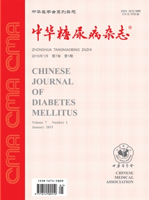
Chinese Journal of Diabetes MellitusVol.03,No.052011
DOI: 10.3760/cma.j.issn.1674-5809.2011.05.001
Abstract
Professor Qian Yijian, a famous expert in cardiovascular diseases and geriatrics in China, honorary president of Beijing Hospital, outstanding member of the Communist Party of China, and outstanding editor-in-chief of Chinese Medical Association series magazines, died in Beijing on July 6, 2011 at the age of 86. In the early morning of July 12th, representatives from all walks of life and editors of Chinese Medical Association series magazines went to Beijing Hospital to bid farewell to Mr. Qian. In the farewell room, wreaths sent by Chinese Medical Association, Chinese Medical Association magazines and many Chinese Medical Association series magazines were placed. On July 21st, Beijing Hospital held a grand symposium in memory of Professor Qian Yijian. Nearly 100 people, including Huang Jiefu, Vice Minister of Health, Lin Jiabin, President of Beijing Hospital, and the author attended the symposium.
Chinese Journal of Diabetes MellitusVol.03,No.052011
DOI: 10.3760/cma.j.issn.1674-5809.2011.05.002
Abstract
Islet transplantation is an effective treatment for insulin-dependent diabetes[1]The quantity and quality of isolated islets determine the success or failure of islet transplantation. Although isolation and purification of pancreatic islets was performed in Ricordi et al.[2]It is developed on the basis of the established islet isolation method and is considered to be a relatively mature technique, but there are so few islet transplantation centers that can really master this technique so well that the Edmonton islet transplantation protocol cannot be perfectly replicated in most islet transplantation centers[3,4]。 Therefore, further improvement of islet separation and purification technology is a subject that needs to be continuously explored in each islet center.
SHENG Li, LIU Jun, XU Jiong, WANG Fang, DING He-yuan, ZHA Ying, CHEN Zao-ping, ZHAO Yan-ping
Chinese Journal of Diabetes MellitusVol.03,No.052011
DOI: 10.3760/cma.j.issn.1674-5809.2011.05.003
Abstract
Objective
To analyze the relationship between serum ferritin level and clustering of metabolic disorders excluded diabetes in individuals aged 60 years or above.
Methods
A total of 3416 subjects from Jiangchuan Community of Shanghai were enrolled in this study. Blood pressure (BP), serum lipid profiles, blood glucose (BG), body mass index (BMI), fasting insulin (FINS), urinary album/creatinine ratio (UACR) and serum ferritin (SF) were tested. Homeostasis model was used to evaluate insulin resistance (HOMA-IR) and beta cell function (HOMA-β). Insulin sensitive check index (QUICK) and deposition index (DI) were calculated. Those with normal glucose tolerance were assigned to 4 groups(SF1, SF2, SF3 and SF4)according to the results of HOMA-IR and HOMA-β.χ2 test and Spearman analysis were used for data comparison.
Results
The levels of LnSF, BMI, systolic blood pressure (SBP), diastolic blood pressure (DBP), total cholesterol (TC), Ln triglyceride (TG), LnFINS, body fat content (BFC), LnHOMA-IR, and UACR were significantly increased while LnQUICK and LnDI were decreased when the number of metabolic disorders were increased. The patients in the high triglyceride group and obesity group showed higher SF level than in normal TG group and normal weight group (P<0.05). The male patients in the metabolic disorder group (high TG, high cholesterol, high BP and obesity) were found to have higher SF level than female patients (P<0.05). Spearman correlation showed that fasting blood glucose (FBG), 2-h BG, LnFINS, BMI, TG, TC, LnHOMA-IR, and LnHOMA-β were positively related to LnSF, while LnDI and LnQUICK were negatively related to SF (P<0.01). Stepwise regression analysis showed that LnHOMA-IR, TC, BMI, and TG were dependent risk factors of LnSF.
Conclusions
Elevated serum level of ferritin in adults aged 60 years or above may be significantly related to the clustering of metabolic disorders. Dyslipidemia, obesity and insulin resistance could be important contributors of higher SF in this population.
Chinese Journal of Diabetes MellitusVol.03,No.052011
DOI: 10.3760/cma.j.issn.1674-5809.2011.05.004
Abstract
Objective
To investigate the relation of plantar pressure or foot type with diabetic peripheral neuropathy.
Methods
A total of 540 diabetic inpatients and outpatients (DM group, male 227, female 313, average age (59±12) years old, body mass index (BMI) (24±4) kg/m2) from Endocrinology Department of West China Hospital were enrolled with cluster sampling and examined by using Michigan Neuropathy Screening Instrument (MNSI). Matched healthy subjects (control group, male 84, female 147, average age (64±11) years old, BMI (23±4) kg/m2) were also enrolled in this study. All of the subjects were measured for foot type and relative peak plantar pressure in static state by plantar image scanner and plantar pressure measurement instrument. Chi-square test or t test was used for data analysis.
Result
There was no difference in mean relative peak plantar pressure (36±21 vs 36±22, t=-0.544, P=0.587) and relative peak plantar pressure of every site in static state between the two groups (P>0.05). Body weight and BMI were matched among three diabetic groups (the MNSI scores of group A were below 4; the MNSI scores of group B were between 4.5 and 6.5; the MNSI scores of group C were above 7) and the normal group. Compared to the control group, there was no difference in the relative average peak plantar pressure and relative peak plantar pressure of every site in static state (P>0.05). In the diabetic group, the incidence of hammer toes was twice as it in the control group (8.7% (47/540) vs 4.3%(10/231)). The mean MNSI scores of the diabetics with hammer toes (6.2±2.0 vs 5.4±1.2,t=2.145, P=0.032) and the diabetics with platypodia (6.6±2.1 vs 5.4±1.2, t=2.339, P=0.02) were higher, when compared to all of the diabetics.
Conclusions
MNSI shows little value in predicting plantar pressure; diabetics with hammer toes and platypodia may have higher MNSI scores.Patients who suffer from diabetic peripheral neuropathy and foot deformity or high plantar pressure are at higher risk of developing diabetic foot.
QIAN Li, XU Kuan-feng, LIU Xuan, SHAN Shan, YANG Tao
Chinese Journal of Diabetes MellitusVol.03,No.052011
DOI: 10.3760/cma.j.issn.1674-5809.2011.05.005
Abstract
Objective
To evaluate the relationship between SLC30A8 gene rs13266634 C/T polymorphism and type 1 diabetes mellitus (T1DM).
Methods
A total of 351 T1DM patients and 429 healthy subjects were enrolled in this case-control study from September 2008 to November 2010. The T1DM group included 183 males and 168 females, aged (20±11) years; and the control group included 201 males and 228 females, aged (23±4) years. All the participants underwent genotyping of the SLC30A8 gene rs13266634 polymorphism. In addition, systematic review and meta-analysis of the publishing literature on genetic association of SLC30A8 rs13266634 polymorphism and T1DM were performed in Pubmed and CNKI.
Results
Our case-control study showed that rs13266634 C/T polymorphism was not associated with T1DM (odds ratio=0.96, 95% confidence interval (95% CI)=0.79 to 1.18, P=0.71). The literature search identified 5 studies that analyzed the association of the SLC30A8 gene rs13266634 polymorphism with T1DM, including 10 646 T1DM patients and 10 207 healthy controls. Since I2=0% and Pheterogeneity=0.595, all the studies were combined with fixed effects model. Odds ratios of C allele to T allele was 1.02 (95% CI: 0.98 to 1.06, P=0.38), and Begg's test revealed no significant publication bias.
Conclusion
Our results indicate that SLC30A8 gene rs13266634 polymorphism is not associated with increased risk of T1DM.
LIAO Huan, SU Qing, JIN Jie, YANG Tao, SHEN Bei, WANG Jian, WANG Yang-tian, CHENG Xing-bo, XIE Yun, SHAN Zhong-yan, et al.
Chinese Journal of Diabetes MellitusVol.03,No.052011
DOI: 10.3760/cma.j.issn.1674-5809.2011.05.006
Abstract
Objective
To compare the efficacy and safety of isophane insulin injection 30R and isophane protamine biosynthetic human insulin injection 30R in patients with type 2 diabetes mellitus poorly controlled with oral hypoglycemic agents.
Methods
One hundred and forty patients with type 2 diabetes mellitus poorly controlled with oral hypoglycemic agents from June, 2009 to June, 2010 were divided randomly in a ratio of 1∶1 into group A and group B. There was no differences in age, gender, height, weight between the two groups. The group A and group B were given isophane protamine insulin injection 30R and isophane protamine biosynthetic human insulin injection 30R respectively. All the patients were injected insulin before breakfast and supper together with previous oral agents for 12 weeks. Insulin dosage was determined and adjusted according to blood glucose. At the end of the 12 week, the two groups exchanged the insulins and continued the therapy for another 12 weeks. The glycated hemoglobin A1c(HbA1c), fasting blood glucose(FBG), 2 h postprandial blood glucose (PBG) and insulin autoantibody (IAA) were investigated at the end of the treatments. Paired t test and Wilcoxon test were used in the data analysis.
Results
After 12 weeks, there were no significant differences in HbA1c ((7.7±1.3)% vs (7.5±0.9)%, t=1.24, P>0.05), FBG((8.0±2.0) vs (7.4±1.6)mmol/L,t=1.05, P>0.05) and PBG ((13±4) vs (12±4)mmol/L,t=0.90, P>0.05) in group A and group B. After 24 weeks, no significant differences in the above-mentioned indexes was found between the two groups either: HbA1c ((8.3±1.5)% vs (7.5±1.0)%, χ2=0.01, P>0.05), FBG ((7.8±2.0) vs (7.9±2.1) mmol/L, χ2=0.04, P>0.05) and PBG ((12±4) vs (12±4)mmol/L, χ2=0.82, P>0.05). The levels of IAA were comparable between the two groups at the end of the 12th week ((19±12) vs (19±13) mU/L,t=0.11, P>0.05) and at the end of the 24th week ((19±11) vs (18±12) mU/L, χ2=1.26, P>0.05). The incidence of hypoglycemia in group A was 16.4% before insulin-exchanging and 6.4% after, and that was 15.0% and 2.9% in Group B. No hypersensitivity reaction in local skin, lipoatrophy or subcutaneous nodule occurred during the investigation.
Conclusion
The results suggest that isophane insulin injection 30R has the same efficacy and safety as isophane protamine biosynthetic human insulin injection 30R.
Chinese Journal of Diabetes MellitusVol.03,No.052011
DOI: 10.3760/cma.j.issn.1674-5809.2011.05.007
Abstract
Objective
To analyze and compare the safety and efficacy of insulin aspart versus regular human insulin in pregnant women with abnormal glucose metabolism.
Methods
In this study, the data of 77 pregnant women with pre-pregnant diabetes mellitus(DM, n=22) or gestational diabetes mellitus(GDM, n=55) treated from January 2004 to May 2010 with insulin aspart (Asp group) were investigated. And 77 pregnant women with abnormal glucose metabolism using regular human insulin in the mean time were selected as control (HI group) in a ratio of 1∶1. The changes of glucose levels, time for reaching glucose targets, incidence of hypoglycemia and pregnancy outcomes after the treatment were compared between the two groups by using t or rank test.
Results
One week of treatment after, the 2 h post-breakfast and post-supper glucose levels in DM women in Asp group were (6.5±1.1) and (7.1±1.1) mmol/L and those were (8.0±1.1) and (7.8±0.8) mmol/L DM women in HI group; the 2 h post-breakfast, post-lunch and post-supper glucose levels in GDM women in Asp group were (6.5±0.7), (6.8±0.7) and (6.7±0.7) mmol/L, and those were (7.1±0.9), (7.3±0.9) and (7.4±0.8) mmol/L in GDM women in HI group. The postprandial glucose levels were all lower in Asp group than those in the HI group (all P<0.05). The time for 2 h post-breakfast glucose level to reach standard in DM women in Asp group was (3.0±2.2) d, and it was (5.0±2.1)d in DM women in HI group; and those were (2.3±1.6) and (4.3±2.6)d in GDM women in Asp group and in HI group, respectively. The time for reaching glucose targets in Asp group were all shorter than those in HI group(P<0.05). The incidence of hypoglycemia in Asp group was 3.9% (1 case of DM and 2 cases of GDM) and it was 24.7% in HI group (8 and 11 cases of DM and GDM, respectively)(P<0.05). The incidence of neonatal hypoglycemia and referral to Pediatrics in DM women in Asp group were 4.5% and 36.4%, and those were 18.2% and 50.0% in DM women in HI group; the prevalence of macrosomia, the neonatal hypoglycemia and referral to Pediatrics in GDM women in Asp group were 10.9%, 3.6% and 25.5%, and those were 18.2%, 10.9% and 38.2% in GDM women in HI group; it seemed that insulin aspart brought more benefits than human insulin, but there was no significant differences between the two groups(allP>0.05).
Conclusions
Insulin aspart is safer and more effective than human insulin when used in pregnant women with DM or GDM; it brings better pregnancy outcomes than human insulin without significant differences.
YANG Yu-zhi, XU Li-juan, FENG Kun, WANG Dan, JIANG Hong
Chinese Journal of Diabetes MellitusVol.03,No.052011
DOI: 10.3760/cma.j.issn.1674-5809.2011.05.008
Abstract
Objective
To investigate the relationship between glycemic fluctuation and serum level of connective tissue growth factor (CTFG) in patients with diabetic cardiomyopathy (DC).
Methods
Twenty healthy controls (male 11, famale 9, aged (40±5) years old) and 50 patients with type 2 diabetes mellitus (T2DM) whose HbA1c were less than 7% were enrolled in this investigation. T2DM patients were further assigned to the non-DC group (n=25, male 13, female 12, aged (41±5) years old) and the DC group (n=25, male 12, female 13, aged (43±6) years old). All the participants underwent continuous glucose monitoring for 3 days to evaluate mean amplitude of glycemic excursion (MAGE) and the absolute mean of daily differences (MODD). Serum CTGF levels were measured by enzyme-linked immunosorbent assay. Analysis of variance and multiple stepwise regression analysis were used for data comparison.
Results
CTGF levels were significantly increased in DC group ((311±32) ng/L) than in non-DC group ((211±29) ng/L) and normal control group ((181±38) ng/L) (F=81.53, P<0.05). MAGE and MODD in DC group were significantly higher than non-DC group (MAGE: (7.1±1.0) mmol/L vs (6.0±1.0) mmol/L; MODD: (2.56±0.38) mmol/L vs (1.37±0.26) mmol/L;F values were 25.46 and 66.13, respectively; both P<0.05). Serum CTGF levels were positively correlated with 2-h postprandial blood glucose, 24-h urinary albumin, MAGE and MODD (r values were 0.759, 0.655, 0.491 and 0.617, respectively; all P<0.05).
Conclusions
These findings suggest that increased glycemic fluctuation may play a role in the development of DC. Increased serum CTGF level may be an important factor in the diagnosis and prognosis of DC.
Chinese Journal of Diabetes MellitusVol.03,No.052011
DOI: 10.3760/cma.j.issn.1674-5809.2011.05.009
Abstract
Objective
To discuss the risk factors of post-transplant diabetes mellitus (PTDM) in patients undergoing liver transplantation, especially donor liver steatosis.
Methods
Retrospectively analyze the data of 438 patients who received orthotopic liver transplantation from April, 2001 to December, 2008. The grade of donor liver steatosis was measured by histopathologic grading of non-alcoholic fatty liver disease in the guideline issued by Chinese Society of Hepatology. The donor liver function was evaluated by Child-Pugh grade system. According to the level of fasting plasma glucose after the operation, the patients were divided into non-PTDM group (n=298, 250 males and 48 females, mean age 48 years) and PTDM group (n=140, 120 males and 20 females, mean age 50 years). Univariate analysis was used to analyze the possible risk factors of PTDM, such as age, gender, fasting plasma glucose, body mass index, liver function before operation, steatosis of donor liver, anti-rejection drug, interleukin-2 receptor antagonist (IL-2RA) use. Multivariate logistic regression was employed based on the univariate analysis.
Results
There were 103 cases of donor liver steatosis in 298 non-PTDM patients (34.6%), and 62 donor liver steatosis in 140 PTDM patients (44.3%), no significant differences was found between the two groups(χ2=3.83, P=0.05). Univariate analysis showed that fasting plasma glucose before operation(F=23.38, P<0.05), liver function before operation, the use of IL-2RA and calcineurin inhibitor were significantly related to PTDM(χ2 values was 7.69, 8.30, 0.02, respectively; all P<0.05), but donor liver steatosis was at the critical level in relation to PTDM(χ2=3.83, P=0.05). While multivariate logistic regression indicated abnormal fasting plasma glucose before operation and donor liver steatosis had a positive relation with PTDM, the odds ratio (OR) value was 1.853 (P<0.01) and 1.80 (P<0.05), respectively. And the use of IL-2RA was negatively related with PTDM with aOR value of 0.43 (P<0.01).
Conclusions
Abnormal fasting plasma glucose before operation and donor liver steatosis are risk factors of PTDM, and use of IL-2RA can reduce the risk of PTDM; abnormal liver function before operation may increase the risk of PTDM, while the correlation between calcineurin inhibitor and PTDM needs further study.
Chinese Journal of Diabetes MellitusVol.03,No.052011
DOI: 10.3760/cma.j.issn.1674-5809.2011.05.010
Abstract
Objective
To investigate the effects of dietary intervention on body weight and metabolic profiles in patients with polycystic ovary syndrome (PCOS).
Methods
A total of 31 PCOS patients aged 19 to 30 years were assigned to group A (n=17, body mass index (BMI)≥25 kg/m2) or group B (n=14, BMI<25 kg/m2). Anthropometric measurements and hormonal and metabolic profiles were compared in each group before and after the intervention.
Results
Body weight, BMI and waist circumference of group A were significantly decreased at 1 month (t values were 4.82, 4.79 and 3.32, respectively; all P<0.05), and fasting plasma insulin ((13±6) mU/L vs (21±7) mU/L) and HOMA-IR (0.9±0.5 vs 1.5±0.5) were largely improved (t values were 4.75 and 5.92, respectively; both P<0.01). At 3 months, body weight, BMI and fasting plasma insulin were still decreased (t values were 4.41, 4.28 and 5.92, respectively; all P<0.05). Body weight, BMI and waist circumference of group B were significantly decreased at 1 month (t values were 4.41, 4.28 and 5.14, respectively; all P<0.01), and fasting plasma insulin ((7.1±2.5) mU/L vs (15.2±1.5) mU/L) and HOMA-IR (0.42±0.38 vs 1.16±0.09) were improved (t values were 4.44 and 3.27, respectively; both P<0.05) at 3 months.
Conclusion
Dietary intervention could improve anthropometric measurements and metabolic profiles in non-obese or obese women with PCOS.
SUN Hui-lin, LIU Hai-ming, ZHANG Zhen, YANG Li, SUN Jia, YANG Rui, CHEN Rong-ping, CHEN Hong, SUN Er-wei, CAI De-hong, et al.
Chinese Journal of Diabetes MellitusVol.03,No.052011
DOI: 10.3760/cma.j.issn.1674-5809.2011.05.011
Abstract
Objective
To explore a simple and effective method for isolating and purifying rhesus monkeys pancreatic islets.
Methods
Three adult rhesus monkeys were used for this experiment. Pancreas tissue of rhesus monkey was digested with collagenase P by using a semi-automated pancreas-digestion system followed by purification with discontinuous gradients of citrate and puring hyperosmotic solution- Ficoll solution(HCA-Ficoll). After isolation, the islet cell yield and purity was evaluated with light microscope with diphenylthiocarbazne staining, and the islet function was assessed by insulin release assay in vitro. The data were analyzed by using paired t test.
Results
The number of the islets collected from each pancreas averaged (101 420±12 054) islet equivalents (IEQ) before and (71 480± 8054) IEQ after purified with discontinuous gradient centrifugation. From each gram of the pancreatic tissue, (2310±252) IEQ were obtained with an average purity of (89.8±8.7)%. The purified islets responded well to high-concentration glucose stimulation(16.7 mmol/L) with a 5.93-fold increase in insulin secretion over the basal level (3.3 mmol/L, t=45.2, P<0.01). The glycemia decreased to normal level after grafted the isolated islets under kidney capsule in diabetic rat.
Conclusion
High quality islets of rhesus monkeys with good function and shape can be procured by using the method of injecting collagenase into pancreatic duct and the semi-automated pancreas-digestion system followed by purification in a discontinuous gradient of HCA-Ficoll.
Chinese Journal of Diabetes MellitusVol.03,No.052011
DOI: 10.3760/cma.j.issn.1674-5809.2011.05.012
Abstract
Objective
To compare the effects of fluctuated and sustained high glucose on the factor of total superoxide dismutase (SOD) and the levels of malondialdehyde(MDA), glutathione(GSH) in human retinal pigment epithelial cells (HRPE).
Methods
HRPE cells were randomly exposed to seven groups for 72 h: N group(5.5 mmol/L glucose group), H1 group (25 mmol/L of glucose group), H2 group(33 mmol/L of glucose group), F1 group (intermittent exposure for 25 mmol/L and 5.5 mmol/L glucose), F2 group (intermittent exposure for 33 mmol/L and 5.5 mmol/L glucose), P1 group (25 mmol/L of osmotic pressure), P2 group(33 mmol/L of osmotic pressure). The activity of total superoxide(T-SOD), the levels of malondialdehyde(MDA) and glutathione(GSH) were measured. The measurement data of multiple groups were compared with single factor analysis of variance, and the comparison between two groups was performed with LSD test.
Results
(1)Compared with N group ((32.1±5.0)mU/L, (135±18)mg/L, (3.3±0.9)mmol/L), the activity of SOD decreased in H1, H2, F1 and F2 groups ((19.9±2.4), (20.5±1.7), (12.8±2.5), (10.9±1.7)mU/L respectively, F=31.56, all P<0.01). The level of GSH decreased in H1, H2, F1 and F2 groups ((97±6), (92±7), (70±7), (71±7)mg/L respectively, F=36.368, all P<0.01). The level of MDA increased in H1, H2, F1 and F2 groups ((13.0±2.0), (11.2±3.3), (17.0±1.4), (19.5±0.5)mmol/L respectively, F=75.642, all P<0.01). The changes were greater in F1 and F2 group (P<0.01). (2)Compared with H1 group, the activity of SOD decreased ((12.8±2.5) vs (19.9±2.4)mU/L, P<0.01), the level of GSH decreased ((69.6±6.7) vs (97.2±6.2)mg/L,P<0.01), the level of MDA increased ((17.0±1.4) vs (13.0±2.0)mmol/L,P<0.01) in F1 group. (3)Compared with H2 group, the activity of SOD decreased ((10.9±1.7) vs (20.5±1.6)mU/L), the level of GSH decreased ((71±7) vs (92±7)mg/L), the level of MDA increased ((19.5±0.5) vs (11.2 ± 3.3)mmol/L, all P<0.01) in F2 group. (4)There was no significant difference between osmotic pressure group and normal glucose group (all P>0.05).
Conclusion
Fluctuated high glucose may cause a more significant damage to HRPE than the sustained high glucose.
WANG Hai-rong, CHEN De-liang, HU Wei, CAO Jian-lei, CHAO Sheng-ping, GAN Xue-dong, ZHANG Lin, XIONG Shi-xi
Chinese Journal of Diabetes MellitusVol.03,No.052011
DOI: 10.3760/cma.j.issn.1674-5809.2011.05.013
Abstract
Objective
To study the effect of fosinopril on the expression of thrombospondin-1 of cardiomyocytes in experimental diabetic rats.
Methods
A total of 30 SD rats models with diabetes were established by intraperitoneal injection of STZ, and then divided into: diabetes group and fosinopril treatment group. Another 8 healthy rats were set as control group. Collagen typeⅠ, collagen type Ⅲ, transforming growth factor-β1(TGF-β1), angiotensinⅡ, tumor growth factor-β1(TGF-β1) and thrombospondin-1 protein expression were determined by ABC immunohistochemical staining respectively, and the expression of TSP-1 mRNA was determined via RT-PCR. Also we evaluated the expression of TSP-1 in microvascular walls in cardiac.
Results
Compared with the control group, the expression of collagen typeⅠ(0.36±0.02 vs 0.17±0.02, P<0.05), collagen type Ⅲ(0.35±0.03 vs 0.15±0.02,P<0.05), TGF-β1(0.39±0.04 vs 0.17±0.02, P<0.05), and levels of Ang Ⅱ (11.33±0.97 vs 6.11±0.48,P<0.05)were increased significantly in cardiac interstitial. In addition, TSP-1 was increased significantly in diabetic group when compared to the control group, and fosinopril suppressed these effects(TGF-β1 0.24±0.07 vs 0.49±0.05, P<0.05). But there was no significant difference in expression of TSP-1 in microvascular walls among these groups. The numbers of microvascular walls were decreased in diabetic group, but fosinopril increased the number.TSP-1 mRNA were highly expressed in the diabetic group compare with the control group( 2.01±0.41 vs 0.95±0.01,P<0.05), but fosinopril treatment decreased this high expression (1.02±0.01 vs 2.25±0.21,P<0.05).
Conclusion
Compared with the control group, fosinopril inhibited the expression of Collagen typeⅠ, Collagen type Ⅲ, TGF-β1 and TSP-1. Fosinopril decreased the cardiac fibrosis through lowering the levels of Ang Ⅱ and TSP-1, which may suppressed the activity of transformation-β1 and increased the metabolism of cardiomyocytes.
CHEN Yan, WU Chen-guang, CHEN Yu-ning, WANG Li, XU Zhi-gang, LI Wen
Chinese Journal of Diabetes MellitusVol.03,No.052011
DOI: 10.3760/cma.j.issn.1674-5809.2011.05.014
Abstract
Objective
To evaluate the effect of asiatic acid (AA) on renal oxidative stress and apoptosis in streptozotocin (STZ)-induced diabetic rats.
Methods
After the diabetic models were successfully established by intraperitoneal injection of 65 μg/g STZ, 24 living SD rats were randomly assigned to 4 groups, including diabetes mellitus group (DM group), 10 μg·g -1·d-1 AA group, 20 μg·g -1·d-1 AA group, and 40 μg·g -1·d-1 AA group. Another 6 healthy SD rats were used as normal controls (NC group). At 8 weeks, urinary albumin excretion rate (UAER), blood glucose (BG), blood urea nitrogen (BUN), serum creatinine (SCr), superoxide dismutase (SOD) activity, and malondialdehvde (MDA) level were tested. Apoptotic cells in the kidneys were observed by TdT-mediated dUTP nick end labeling (TUNEL), the expression of poly-ADP-ribose polymerase (PARP) was detected by immunohistochemistry, and the apoptosis-related protein cystein asperate proteinase-3 (Caspase-3) was tested by Western blot. One-way of variance and LSD t test were used for data analysis.
Results
Compared with the NC group, the levels of UAER, BG, BUN, SCr, and MDA were significantly increased, the activity of SOD was significantly decreased, and the number of apoptotic cells and the expression of PARP and Caspase-3 were significantly increased in DM group (31.0%±5.5% vs 5.0%±1.2%, 3.9±0.5 vs 1.7±0.6, 1.7±0.4 vs 0.4±0.3, respectively; all P<0.01). Compared with DM group, UAER, BUN and SCr were improved, the activity of SOD was significantly increased, the level of MDA was reduced, and the number of apoptotic cells (DM group: 31.0%±5.5%; 10 μg·g-1·d-1 AA group: 20.6%±4.7%; 20 μg·g -1·d-1 AA group: 15.8%±2.6%; 40 μg·g -1·d-1 AA group: 10.3%±3.3%) and the expressions of PARP (DM group: 3.9±0.5; 10 μg·g -1·d-1 AA group: 3.0±0.2; 20 μg·g -1·d-1 AA group: 2.6±0.4; 40 μg·g -1·d-1 AA group: 2.0±0.3) and apoptosis-related protein Caspase-3 (DM group: 1.7±0.3; 10 μg·g -1·d-1 AA group: 1.0±0.2; 20 μg·g -1·d-1 AA group: 0.7±0.2; 40 μg·g -1·d-1 AA group: 0.5±0.3) were reduced in all 3 AA intervention groups.
Conclusion
AA may play a protective role in STZ-induced diabetic nephropathy, which could be related to the inhibition of oxidative stress and apoptosis.
ZHANG Peng-yu, QIN Gui-jun, WANG Shou-jun, ZHANG Ying-hui, MA Xiao-kun, FAN Da-bei
Chinese Journal of Diabetes MellitusVol.03,No.052011
DOI: 10.3760/cma.j.issn.1674-5809.2011.05.015
Abstract
Objective
To study the effect and mechanism of forkhead transcription factor (FoxO1) and pioglitazone on the glucose utilization in HepG-2 cell line induced by high-level insulin.
Methods
HepG-2 cells were induced by exposure to 1×10⁻⁶ mol/L insulin for 24 hours. HepG-2 cells were divided into control group, blank plasmid group, FoxO1 small interfering RNA(siRNA) vector group, and pioglitazone medium group. The blank control group was cultured with normal medium. At 37 ℃, 5% CO2 for 24 hours, the glucose consumption was detected by glucose oxidase method, the expression levels of FoxO1 mRNA and peroxisome proliferator-activated receptors-gamma(PPAR-γ) mRNA were analyzed by RT-PCR, and the protein expression of PPAR-γ was determined by Western blot.Single factor analysis of variance and SNK or Dunnet's test were used for statistic analysis.
Results
Compared with blank control group, the glucose consumption((1.36 ± 0.03)vs(2.93 ± 0.05)mmol/L, P<0.01), FoxO1 mRNA(0.260±0.025 vs 0.441±0.012,P<0.05)and protein expressions of PPAR-γ decreased(0.312±0.032 vs 0.600±0.046,P<0.05), and the expression of FoxO1 mRNA increased (0.513±0.016 vs 0.425±0.011,P<0.05); there was no difference between FoxO1 siRNA vector group, pioglitazone medium group and blank control group in these indices(P>0.05). After inhibiting FoxO1 by small interference RNA or induced by pioglitazone, these indices were closed to the indices of blank control group. The expressions of FoxO1 mRNA, PPAR-γ mRNA and PPAR-γ protein were highly correlated with the glucose consumption.
Conclusions
Inhibiting and increasing the expression of FoxO1 could produce adverse effects on glucose metabolism. Up-regulation PPAR-γ expression could improve insulin sensitivity.
Chinese Journal of Diabetes MellitusVol.03,No.052011
DOI: 10.3760/cma.j.issn.1674-5809.2011.05.017
Abstract
Recent studies have shown that adipose tissue has active endocrine function, and its secreted factors are collectively called adipocytokines. Adipocytokines discovered at present include tumor necrosis factor-α, interleukin-6, adiponectin, resistin, leptin, etc. It has been reported in the literature that there is a close association between adipocytokines and insulin resistance. Retinol-binding protein-4 is a newly discovered adipocytokine, which is mainly secreted by the liver and adipose tissue, and is closely related to insulin resistance[1]。 This paper will introduce the research progress of the relationship between retinol-binding protein-4 and insulin resistance, and discuss the relationship between retinol-binding protein-4, insulin resistance and human metabolic diseases.
Chinese Journal of Diabetes MellitusVol.03,No.052011
DOI: 10.3760/cma.j.issn.1674-5809.2011.05.018
Abstract
In recent years, with the improvement of people's living standards and the acceleration of population aging, the incidence of diabetes has shown a rapid upward trend, becoming the third largest chronic non-communicable disease that seriously affects human health after cardiovascular diseases and tumors. In 1995, there were 135 million people with diabetes worldwide. In just a decade, the number grew to 150 million, and it is expected to reach 300 million by 2025. Type 2 diabetes mellitus (T2DM) has a large number of patients and a complicated course, which seriously affects the quality of life of patients. The surge in the incidence of T2DM has stimulated people's enthusiasm for the research of the pathogenesis and drug treatment of diabetes, but it is still difficult to find an animal research model that can completely replace human diabetes. How to choose suitable animal models for diabetes research has been an important issue in diabetes research for a long time. In this paper, the research progress of streptozotocin (STZ) -induced animal models mimicking T2DM is reviewed.
Chinese Journal of Diabetes MellitusVol.03,No.052011
DOI: 10.3760/cma.j.issn.1674-5809.2011.05.019
Abstract
According to the International Diabetes Federation (IDF), there are currently 285 million people with diabetes worldwide, about 6.6% of the world's population, and it is expected to reach 440 million by 2030[1]。 In China, the situation is also not optimistic. China has become the second largest diabetic country in the world, with more than 90 million diabetic patients[2]。 Long-term hyperglycemic status can lead to severe microvascular and macrovascular complications, while effective glycemic control can reduce the incidence and mortality of diabetic complications[3]。 Insulin resistance runs throughout the course of diabetes. Chronic persistent hyperglycemia and free fatty acids, cytokines, adipokines and metabolites in the blood damage islet cells, resulting in a progressive decline in the number and function of islet β cells, and insulin secretion disorder after glucose loading[4]。 On the other hand, the glucose-mediated inhibition of glucagon in diabetic patients with hyperglycemia is weakened, and glucagon secretion increases, which leads to an increase in liver glucose output and further aggravates hyperglycemia[5]。 Incretin acts on a series of pathophysiological processes in type 2 diabetes mellitus (T2DM), thus better exerting a hypoglycemic effect.
Chinese Journal of Diabetes MellitusVol.03,No.052011
DOI: 10.3760/cma.j.issn.1674-5809.2011.05.103
Abstract
Previous studies have shown that patients with type 2 diabetes have higher bone mineral density and a higher incidence of fractures. This study aimed to investigate the association of hip and non-spinal fractures with bone mineral density (BMD) and the Fracture Risk Assessment Tool (FRAX) in elderly patients with type 2 diabetes.
Chinese Journal of Diabetes MellitusVol.03,No.052011
DOI: 10.3760/cma.j.issn.1674-5809.2011.05.104
Abstract
Among obese type 2 diabetic patients undergoing gastric bypass surgery, it has been reported that 40% of patients have a recurrence of diabetes within 5 years after surgery. Metformin is a first-line treatment for diabetes and is usually absorbed in the upper part of the small intestine. The purpose of this study was to investigate the relationship between gastric bypass and metformin absorption rate and bioavailability.
Chinese Journal of Diabetes MellitusVol.03,No.052011
DOI: 10.3760/cma.j.issn.1674-5809.2011.05.101
Abstract
Bisphenol A is an important organic chemical raw material. Previous studies have shown that bisphenol A exposure is associated with an increased risk of developing type 2 diabetes. The aim of this study was to evaluate the association between early exposure to bisphenol A and the development of metabolic syndrome.
Chinese Journal of Diabetes MellitusVol.03,No.052011
DOI: 10.3760/cma.j.issn.1674-5809.2011.05.102
Abstract
Lifestyle interventions in newly diagnosed patients with type 2 diabetes may improve their prognosis, but there are no large-sample clinical trials comparing the advantages and disadvantages of different life interventions. This study aimed to observe the effects of different dietary and exercise interventions on blood pressure and blood glucose in newly diagnosed patients with type 2 diabetes.
Chinese Journal of Diabetes MellitusVol.03,No.052011
DOI: 10.3760/cma.j.issn.1674-5809.2011.05.107
Abstract
Acromegaly is an abnormal proliferative disease of skin and bone caused by excessive secretion of growth hormone caused by hyperplasia or tumor of the pituitary gland, and is related to excessive secretion of growth hormone (GH) and insulin-like growth factor-1 (IGF-1). Previous studies have shown that the mortality rate of cardiovascular and cerebrovascular diseases in patients with acromegaly is higher than that in the general population. This study aimed to investigate the association of high GH and high IGF-1 with cardiovascular and cerebrovascular comorbidities in patients with acromegaly.
Chinese Journal of Diabetes MellitusVol.03,No.052011
DOI: 10.3760/cma.j.issn.1674-5809.2011.05.106
Abstract
Recent studies have shown that farnesol X receptor (FXR) is widely involved in bile acid and glycolipid metabolism. The expression of FXR was abnormally increased in obesity. However, there are no reports on the association of FXR with obesity complications. This study aimed to investigate whether FXR deletion is associated with insulin resistance and abnormal lipid metabolism in an obese mouse model.
Chinese Journal of Diabetes MellitusVol.03,No.052011
DOI: 10.3760/cma.j.issn.1674-5809.2011.05.105
Abstract
Previous studies have shown that vitamin D is closely related to the occurrence of diabetic vascular complications, and may play a certain role in vascular calcification. The aim of this study was to investigate the association of vitamin D deficiency with the development of retinopathy in juvenile patients with type 1 diabetes.
Chinese Journal of Diabetes MellitusVol.03,No.052011
DOI: 10.3760/cma.j.issn.1674-5809.2011.05.108
Abstract
Intensive insulin therapy can improve blood sugar control in diabetic patients. Previous studies have pointed out that the stricter blood sugar control is when receiving drug treatment, the more likely diabetic patients are to have hypoglycemic reactions. If hypoglycemia cannot be treated in time, it is easy to induce cardiovascular diseases and even life-threatening. Therefore, the nursing work of hypoglycemia for elderly diabetic patients is of great significance.
Chinese Journal of Diabetes MellitusVol.03,No.052011
DOI: 10.3760/cma.j.issn.1674-5809.2011.05.109
Abstract
Diabetes not only affects the body's sugar, fat and protein metabolism, but also affects bone metabolism. The purpose of this study was to investigate the correlation between different clinical indicators and fracture occurrence in postmenopausal diabetic women.


 No Data