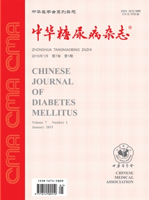
Chinese Journal of Diabetes MellitusVol.02,No.062010
DOI: 10.3760/cma.j.issn.1674-5809.2010.06.001
Abstract
Diabetes mellitus is one of the main chronic diseases that endanger human physical and mental health, and hyperglycemia is the main cause of chronic complications of diabetes mellitus[1]。 The main cause of hyperglycemia in patients with type 1 diabetes is the absolute deficiency of insulin caused by autoimmune destruction of pancreatic islet β cells, so patients with type 1 diabetes need insulin injection to maintain life and control hyperglycemia. Hyperglycemia in type 2 diabetes is related to insulin resistance and/or progressive decrease in pancreatic islet β cell function. Patients with type 2 diabetes have relative or absolute deficiency in insulin secretion levels. Many patients with type 2 diabetes need insulin injection to control hyperglycemia in the late stage of the disease[2]。 However, at present, insulin therapy cannot achieve ideal control of blood sugar in all patients. Besides inconvenience and injection pain, insulin therapy also has side effects such as hypoglycemia and weight gain. Therefore, insulin therapy is not an ideal means for treating diabetes[3]。 In normal people, since islet β cells can automatically adjust the insulin secretion level according to the change of blood glucose level, and the blood glucose can be controlled at a normal level without the risk of hypoglycemia, reconstructing the total amount of functional islet β cells in diabetic patients is an ideal goal for the treatment of diabetes.
Chinese Journal of Diabetes MellitusVol.02,No.062010
DOI: 10.3760/cma.j.issn.1674-5809.2010.06.003
Abstract
With the development of epidemiology, the definition of epidemiology is constantly evolving. Currently, the more accepted definition of epidemiology is to study the distribution and determinants of health-related states and events in a specific population and the application of such findings to the control of health problems[1]。 It can be seen that epidemiology is a science that studies the distribution (time, space and population) and pathogenic factors of diseases, as well as disease prevention and treatment. As the human disease spectrum changes, the focus of epidemiological research should also change. Research shows that the leading cause of death in China has shifted from respiratory diseases and infectious diseases to chronic diseases such as cardiovascular diseases and malignancies[2]。 Diabetes is an important risk factor for cardiovascular disease and kidney disease. With the development of China's economy and the change of national lifestyle, the prevalence of adult diabetes in China is in a rapid growth stage. The results of the National Study on Diabetes and Metabolic Diseases from 2007 to 2008 show that 9.7% of Chinese adults (equivalent to about 92 million people) suffer from diabetes; 15.5% of adults (equivalent to 148 million people) are prediabetic[3]。 Diabetes control in China is facing enormous challenges. Like other chronic diseases, the epidemiological study of diabetes will run through the research process of etiology, investigation of population incidence and disease and control, implementation of population intervention measures, and application and evaluation of clinical treatment methods. Therefore, the correct application of epidemiological research methods to design and carry out epidemiological research of diabetes is very important for the prevention and treatment of diabetes. This article will give an overview of commonly used epidemiological research methods and common problems.
JIN Nan, DOU Jing-tao, WANG Shu-yu, ZHANG Bao-jing, DONG Li-guang, LI Jing, KANG Yi, YAN Shuang-tong, LU Ju-ming
Chinese Journal of Diabetes MellitusVol.02,No.062010
DOI: 10.3760/cma.j.issn.1674-5809.2010.06.004
Abstract
Objective
To investigate the epidemiologic profile of diabetes mellitus and metabolic syndrome in Beijing.
Methods
Using cluster random sampling method, three communities were selected representing urban, peri-urban and rural areas of Beijing respectively. From Septmber to November 2007, 3484 individuals of 20 years old and above participated in our study. Each participant underwent interview for disease history, physical examination, fasting plasma glucose and serum lipid tests, and oral glucose tolerance test was done among subjects without diabetes history. Diabetes mellitus and metabolic syndrome were diagnosed by WHO (1999) and IDF (2005) criteria.
Results
The age standardized prevalence of diabetes mellitus was 10.16% in Beijing (10.97%, 11.95% and 6.86% among urban, peri-urban and rural populations respectively). Among those, the age standardized prevalence of diagnosed diabetes mellitus was 5.02%(6.14%, 6.62%, 1.71% among urban, peri-urban and rural populations respectively)(χ2=54.06, P<0.01); whereas the prevalence of undiagnosed diabetes was 5.14%(4.83%, 5.33%, 5.15% among urban, peri-urban and rural populations respectively)(χ2=2.35, P>0.05). The age standardized prevalence of impaired fasting glucose was 1.35%(0.58%, 2.26%, 1.43% among urban, peri-urban and rural populations respectively)(χ2=12.97, P<0.01); the prevalence of imgaired glucose tolerance was 9.84%(10.52%, 9.68%, 9.27% among urban, peri-urban and rural populations respectively)(χ2=3.99, P>0.05). The prevalence of metabolic syndrome was 20.39% (17.34%, 23.30% and 20.78% among urban, peri-urban and rural populations respectively). In all, 50.15% of diabetic patients were unaware of their disease.
Conclusion
The prevalence of diabetes mellitus and metabolic syndrome increased rapidly, especially in peri-urban and rural area.
CHEN Kai-ting, LI Qiang, WU Nan-nan, FENG Yan, LIU Xiao-ying, LI Shan-zhong, ZHANG Jin-chao
Chinese Journal of Diabetes MellitusVol.02,No.062010
DOI: 10.3760/cma.j.issn.1674-5809.2010.06.005
Abstract
Objective
To comprehend the abnormal glucose metabolism of residents in Heilongjiang province, analyze their epidemiological factors, to further improve the prevention and treatment of diabetes.
Methods
A survey on diabetes was carried out with multi-stage stratified and cluster sampling method. Analysis of the relationship between abnormal glucose metabolism and age, gender was conducted among 3058 residents (including 1219 male and 1839 female) aged from 20 to 74 years. All the respondents were divided into isolated impaired fasting glucose (IFG, n=143), isolated impaired glucose tolerance (IGT, n=333), combined IFG and IGT (IFG+ IGT, n=113), diabetes (DM, n=265), and normal people (NGR, n=2204).
Results
Females were at high risk of developing diabetes disease at 60-74 years of age, and the age-adjusted prevalence was 15.08%. However, the peak of the prevalence of diabetes occurred earlier in males, at 50-59 years, the age-adjusted prevalence was 21.23%. The peak of the prevalence of impaired glucose regulation(IGR) was in the 60-74 age group both in male and female, it was 30.48% and 32.69% after standardized by age, respectively. The ageing-specific prevalence of IGR, DM and IFG+ IGT increased in both male and female residents. While the prevalence of IFG in both male and female and IGT in male was independent to patient′s age.
Conclusion
Gender and age are two relative risk fators of abnormal glucose metabolism in residents. It is necessary to take comprehensive measures to prevent and control diabetes in the aged, especially in the male.
WANG Lei, LI Xiao-mei, MA Yi-tong, LIU Fen, YUAN Shan, PAN Shuo, PENG Xiao, SUN Ming-hui
Chinese Journal of Diabetes MellitusVol.02,No.062010
DOI: 10.3760/cma.j.issn.1674-5809.2010.06.006
Abstract
Objective
To investigate the prevalence of impaired fasting glucose (IFG) and diabetes mellitus(DM) in the Hazakh population from Fuhai area of Xinjiang. The rates of awareness, treatment and control rate in DM were analyzed also.
Methods
A Hazakh sample of 3840 adults, 35 years of age or older, from Fuhai area of Xinjiang participated in the study. The prevalence rates of IFG and DM for male, female and all subjects were calculated respectively. The relationship between the prevalence and age was analyzed by trend χ2 test; the difference of the prevalence between male and female in same age group was analyzed by χ2 test.
Results
The prevalence rates of IFG for male, female and all subjects were 6.94%(128/1845), 6.07%(121/1995) and 6.48% (249/3840) respectively. The prevalence rates of DM were 3.96%(73/1845), 2.61%(52/1995) and 3.26%(125/3840). The rates of awareness, treatment and control rate in DM were 14.40%(18/125), 10.40%(13/125) and 4.80%(6/125) respectively while the treatment rate among those who knew the disease was 72.22%(13/18).
Conclusion
The prevalence of IFG and DM Hazakh residents in Fuhai area is lower than the national average level.
XIE Xiao-hua, XIE Yan, LU Hua-lin, CAO Li-sheng, GAN Yi, TIAN Hao-ming, RAN Xing-wu, CHEN Tao, GAO Yun, LI Jun-ru, et al.
Chinese Journal of Diabetes MellitusVol.02,No.062010
DOI: 10.3760/cma.j.issn.1674-5809.2010.06.007
Abstract
Objective
To investigate the prevalence and characteristics of diabetes and impaired glucose regulation (IGR) in individuals of Yi nationality aged 20-74 years in Liangshan Zhou.
Methods
A population-based, cross-sectional survey on diabetes mellitus and IGR was carried out in local Yi Nationalities Region from June 2007 to August 2007 by using stratified cluster sampling method and 1999 WHO criteria.
Results
The prevalence of diabetes and IGR were 6.7% and 17.1%, respectively. The prevalence of diabetes and IGR in the city were higher than thase in the village (diabetes, 9.1% vs 4.4%, P=0.001; IGR, 23.1% vs 12.6%, P<0.001). There was higher prevalence of diabetes in male than in female (9.2% vs 4.9%, P<0.05). The prevalence of diabetes of Yi nationality in the city gradually increased along with the growing age, while that in the village reached its peak in the age of 60-69 years. The prevalence of IGR of Yi nationality in the city and village was higher in the two age stages of 50-59 years and 70-74 years.
Conclusions
The epidemiological characteristics of diabetes and IGR of Yi nationality in the city and village are similar with that in all over the nation. The regional characteristics, however, are also obviously observed. It is necessary for us to consider both the national epidemic trend and regional characteristics in order to control the spread of diabetes mellitus.
HU Rong, MA Chang-sheng, LÜ Qiang, KANG Jun-ping, NIE Shao-ping, DU Xin, LIU Xin-min, LIU Xiao-hui, CHEN Fang, ZHOU Yu-jie, et al.
Chinese Journal of Diabetes MellitusVol.02,No.062010
DOI: 10.3760/cma.j.issn.1674-5809.2010.06.008
Abstract
Objective
This study was conducted to assess the prevalence, characteristics, in-hospital and long term prognosis of coronary artery disease (CAD) with metabolic syndrome(MS), and to determine the factors that influencing the CAD prognosis most.
Methods
The DESIRE (drug-eluting stent impact on revascularization) registry represents a database of 2368 patients with CAD between July 2003 and September 2004. Median long-term follow-up was 3.5 years(293-1855 days). The diagnosis of MS was based on the modified Adult Treatment Panel (ATP) Ⅲ Definition of the MS in 2005, using body mass index (BMI) instead of waist circumference. We tested the ability of MS and its components in predicting the incidence of major adverse cardiac and cerebral events (MACCE) in a large cohort of patients undergoing revascularization.
Results
Presence of MACCE was predicted only by MS(adjusted odds ratio (OR)=1.319, 95%CI 1.020-1.706, P=0.035) but not other risk factors of cardiovascular (such as old age, male, smoking, high LDL cholesterol, CAD family history). MS was present in 45.6% (high FG 44.5%; high TG 45.0%; low HDL-C 50.8%; high BP 61.4%; high BMI 60.7%). After a follow-up of 3.5 ys, the ratio of MACCE in CAD patients with metabolic syndrome increased significantly (18.9%vs15.6%, P=0.036). In multivariable model of five factors of MS, MACCE was predicted by high FG(fasting glucose) (OR=1.047, 95%CI 1.005-1.091, P<0.05) and low HDL-C (OR=0.777, 95% CI 0.610-0.989, P<0.05). MS confers a higher risk of long-term MACCE in CAD patients with (OR=1.258, 95% CI 1.010-1.607, P<0.05)or without diabetes(OR=1.139, 95%CI 1.004-1.505, P<0.05).
Conclusions
MS has primary predictive ability for MACCE in CAD patients, carried primarily by high FG and low HDL. MS confers a higher risk of long-term MACCE in CAD patients with or without diabetes.
LI Xue-feng, QIN Gui-jun, RAO Xiao-juan, LI Zhi-zhen, MA Xiao-jun
Chinese Journal of Diabetes MellitusVol.02,No.062010
DOI: 10.3760/cma.j.issn.1674-5809.2010.06.009
Abstract
Objective
To observe the expression of glucose transporter 4(GLUT4) mRNA 1 and protein in the visceral adipose tissues of the obese patients after forkhead transcription factor O1 (FOXO1) were inhibited and to explore the effect of FOXO1 in insulin resistance.
Methods
Construct and identify the specificity of siRNA carrying transcription factor FOXO1 (FOXO1-siRNA); Five obese patients freshly visceral adipose tissues of omentum majus were transfected with FOXO1-siRNA and liposome; The mRNA expression of FOXO1 in adipocytes was measured by RT-PCR; The protein and mRNA expression of GLUT4 in adipocytes were measured by Western blot and RT-PCR. The t test was used for data analysis.
Results
The expression of plasmid FOXO1-siRNA was successfully constructed; After transfected with FOXO1-siRNA, the mRNA expression of FOXO1 decreased obviously compared with control group ( P=0.000), approximately 49% depletion of FOXO1mRNA was achieved; The mRNA expression of GLUT4 in adipocytes increased by 1.33 folds compared with control group (P=0.001), the protein expression of GLUT4 in adipocytes increased by 1.25 folds compared with control group (P<0.05).
Conclusion
FOXO1 knock-down in the visceral adipose tissues of the obese patients increases the mRNA and protein levels of the GLUT4.
WANG Yue, XU Xiao-yun, JIN Hua, FENG Bo, WANG Yi-bin, ZONG Gen-lin, CHANG Shi-xin
Chinese Journal of Diabetes MellitusVol.02,No.062010
DOI: 10.3760/cma.j.issn.1674-5809.2010.06.010
Abstract
Objective
To investigate the relationship between cognitive function and cerebral metabolic changes measured by proton magnetic resonance spectroscopy in patients with type 2 diabetes.
Methods
Eighty-four cases of patients with type 2 diabetes and controls were matched 1∶1 for research. Mini-mental state examination (MMSE) and the Montreal Cognitive Assessment Scale (MOCA) were used for assessment. STEAM 1H-MRS was performed in the left hippocampus and left basal ganglia on 3.0 T MR. Metabolic peaks of N-acetylasparte(NAA), creatine(Cr), choline-containing compounds (Cho), myo-inositol (mI)and glutamate complex-α (Glx-α) were analyzed. We studied the correlation between the metabolic peak areas and the sub-scale indicators of MOCA in those patients. Enumeration data between the type 2 diabetes group and the control group were assessed by Wilcoxon test.
Results
In both MMSE and MOCA, the scores in type 2 diabetes group (median(interquartile range) are 26.00(5.00) and 19.50(7.00)) were significant lower than those in control group (29.00(3.00) and 23.50(5.00), P<0.05). In the left hippocampus, the peak areas of Cr, mI and Glx-α in type 2 diabetes group (median(interquartile range) were 96.40(201.00), 71.25(98.90) and 57.40(108.10)) were significant higher than those in control group (53.20(51.50), 40.15(62.25) and 45.20(40.50, P<0.05). The reruas no significant differences in peak areas of NAA and Cho statistic different between the two groups (P>0.05). The following parameters demonstrated close relationship with the peak area of Cr in the left hippocampus of patients with type 2 diabetes: execute and vision score (r=-0.219, P=0.031), language score (r=-0.239, P=0.018) and memory score (r=-0.268, P=0.009).
Conclusions
Type 2 diabetes mellitus may damage the cognitive function. The metabolic abnormalities exist in the left hippocampus of patients with type 2 diabetes. The close relationships exist between the peak area of Cr and the cognitive dysfunction in patients with type 2 diabetes.
Chinese Journal of Diabetes MellitusVol.02,No.062010
DOI: 10.3760/cma.j.issn.1674-5809.2010.06.011
Abstract
Objective
To investigate the effects of gliquidone on glucose uptake and the expression of glucose transporter 4 (GLUT4) in C2C12 myotubes.
Methods
Cultured C2C12 myotubes were used for glucose consumption studies. The groups were as follows: control group, 1×10⁻⁵ mol/L gliquidone group, 1×10⁻⁷ mol/L insulin group and 1×10⁻⁵ mol/L gliquidone+ 1×10⁻⁷ mol/L insulin group. Glucose concentrations in medium were determined by the glucose oxidase method. The amount of glucose consumption was calculated by the glucose concentrations of blank wells subtracting the remaining glucose in cell plated wells. Scintillation was used to detect the glucose uptake of C2C12 myotubes. The expression of GLUT4 mRNA was tested by real-time PCR (RT-PCR). One-way ANOVA was used for data analysis.
Results
Glucose consumption of C2C12 myotubes was significantly increased with 1×10⁻⁵ mol/L gliquidone ((11.0±0.5) vs (7.9±0.6) mmol/L, q=0.36, P<0.01). With the existence of gliquidone, the glucose-lowering effect of 1×10⁻⁷ mol/L insulin was strengthened. Compared to the control cells, insulin, gliquidone, gliquidone+ insulin, and glibenclamide increased 2-deoxyglucose uptake (q values were 14.78, 11.30 and 5.00, all P<0.01) in C2C12 myotubes after incubation for 12 h with the indicated drug concentrations. The gliquidone-stimulated glucose uptake of mytubes was higher than that with the glibenclamide-stimulated (q=6.30, P<0.01), and the insulin-stimulated glucose uptake was distinctly elevated in the presence of gliquidone (q=5.43, P<0.01). Gliquidone did not enhance the expression of GLUT4 mRNA in C2C12 myotubes.
Conclusion
Gliquidone stimulates glucose uptake, increases the insulin-stimulated glucose uptake in C2C12 myotubes, but has no effect on the expression of GLUT4 mRNA.
Chinese Journal of Diabetes MellitusVol.02,No.062010
DOI: 10.3760/cma.j.issn.1674-5809.2010.06.012
Abstract
Objective
To evaluate the inhibitory effect of simvastatin on glucose-stimulated insulin secretion (GSIS) and its mechanisms from pancreatic islet beta-cells in rats.
Methods
Eight-week-old male Wistar rats weighing 250 to 300 g were fed in a specific pathogen-free laboratory and killed within 1 week to isolate pancreatic islets. According to the average volume, freshly isolated or 24-hour cultured pancreatic islets were divided into the control group(incubated with Kreb-Ringer bicarbonate buffer, n=60) and the simvastatin group(incubated with 100 μmol/L simvastatin, n=60). Stimulated by 2.8, 5.5, 11.1, 16.7 and 25.0 mmol/L glucose respectively, the effect of 100 μmol/L simvastatin on ATP content and GSIS was compared in the two groups. GSIS was performed by the 37 ℃ batch incubation method and ATP content was measured by chemiluminescence method. t test was used for data analysis.
Results
Incubated with 100 μmol/L simvastatin for 30 minutes, in the presence of 25 mmol/L glucose, the ATP content was significantly reduced in comparison with the control group ((9.2±1.6) vs (12.1±1.9) pmol/islet, t=2.97, P<0.05), and the GSIS was significantly inhibited (2.31±0.38 vs 3.19±0.41, t=3.154, P<0.05). Cultured with 100 μmol/L simvastatin for 24 hours, when the glucose was higher than 11.1 mmol/L, simvastatin exerted a significant inhibition on ATP content compared with the control group ((9.2±1.4) vs (11.9±2.0) pmol/islet, t=2.514, P<0.05). The inhibition on GSIS was found even in 2.8 mmol/L glucose (0.28±0.03 vs 0.47±0.05, t=2.460, P<0.05). When >30 μmol/L, simvastatin showed a dose-dependent suppression in GSIS (2.49±0.21 vs 3.17±0.23, t=2.445, P<0.05).
Conclusion
At a higher concentration, simvastatin may inhibit GSIS by decreasing ATP content in pancreatic islet beta-cells.
Chinese Journal of Diabetes MellitusVol.02,No.062010
DOI: 10.3760/cma.j.issn.1674-5809.2010.06.013
Abstract
Objective
To investigate the biological effects of Forskolin on insulin resistant porcine granulosa cells.
Methods
Porcine ovarian granulosa cells were cultured in medium added with 50 μmol/L dimethyl sulfoxide (DMSO) or 250 nmol/L PI-3K inhibitor Wortmannin (WT) for 48 hours. Granulosa cells in DMSO medium were added with 20 μmol/L Forskolin or blank agent for another 48-hour incubation, which were defined as the control group induced by Forskolin and the control group without Forskolin. Similarly, granulosa cells in WT medium were also added with 20 μmol/L Forskolin or blank agent for the next 48 hours, which were defined as the insulin-resistant group induced by Forskolin and the insulin-resistant group without Forskolin. The level of progesterone, testosterone and estradiol were detected by chemoluminescence. The mRNA expression of 17 alpha-hydroxylase( CYP17 ) and aromatase cytochrome P450 (P450arom) were assessed by RT-PCR. t test was used for data analysis.
Results
The secretion of progesterone in both insulin-resistant group and control group induced by Forskolin showed no statistical significance (P>0.05), and the levels of CYP17 and P450arom genes were elevated. Compared the insulin-resistant group with control group, the level of testosterone was obviously elevated (P<0.01). The levels of testosterone and CYP17 gene were elevated, while P450arom expression was decreased in insulin-resistant group induced by Forskolin. Compared the insulin-resistant group with control group, there was no statistical significance (P>0.05).
Conclusions
The luteinizing hormone effects of Forskolin were amplified, whereas the follicle stimulating hormone effects were inhibited, which may help to increase androgen secretion in insulin resistant granulosa cells.
Chinese Journal of Diabetes MellitusVol.02,No.062010
DOI: 10.3760/cma.j.issn.1674-5809.2010.06.014
Abstract
According to the International Diabetes Federation (IDF), the current global incidence of diabetes is 7%, that is to say, there are nearly 250 million diabetic patients worldwide; With the aging of the population, changes in lifestyle and the increase in the incidence of obesity, the number of diabetic patients worldwide will rise to 380 million in 2025; Among them, the increase in diabetes incidence in Asia and South America is particularly prominent[1]。
Chinese Journal of Diabetes MellitusVol.02,No.062010
DOI: 10.3760/cma.j.issn.1674-5809.2010.06.015
Abstract
peripheral arterial disease (PAD) is an integral part of peripheral arterial disease and is a local clinical manifestation of systemic atherosclerosis. After the formation of intima atheromatous plaque, it can gradually develop into the vascular lumen, narrowing or even occluding the lumen, or interruption of blood flow due to intraplaque bleeding or local thrombosis[1]。 Compared with non-diabetic patients, PAD in diabetic patients is more likely to involve small and medium arteries such as deep femoral artery and anterior tibial artery[2]。 The prevalence of PAD in the general population ranges from 3% to 10% and increases with age. More than 15% of people over the age of 60 are reported to suffer from PAD[3]。 At the same time, the prevalence of PAD is expected to increase further in the future as the risk factors associated with PAD (such as population aging, diabetes, obesity and hypertension, etc.) continue to increase. Patients with chronic PAD were divided into asymptomatic and symptomatic PAD, with a ratio of 3:1 to 4:1[4]。 PAD is a serious diabetic complication with a prevalence of 20% to 40%[4,5,6]。 Lower limb artery stenosis and occlusion caused by PAD have local effects on the body as lower limb ischemia, which eventually leads to lower limb ulcer and amputation. The incidence of ulcer is about 1.4%, the rate of lower limb revascularization is 4.1% ~8.7%, and the rate of amputation is 1.6% ~4.1%[7,8]。 The harm of PAD to the body not only leads to lower limb ischemic ulcer and amputation, but more importantly, PAD patients have a higher risk of cardiovascular events and mortality[7,8,9]。 The leading cause of death in patients with PAD is cardiovascular events. One year after diagnosis, the incidence of cardiovascular events in PAD patients was as high as 21.14%[8]The risk of recurrence is comparable to that of patients with cardiovascular and cerebrovascular lesions, and the 5-year mortality rate is as high as 38.36%[7]。 The lower the ankle brachial index (ABI), the worse the prognosis of PAD patients[10]And the prognosis of patients with multiple vessels involved in lower limbs is worse than that of patients with single vessels involved[11]。
Chinese Journal of Diabetes MellitusVol.02,No.062010
DOI: 10.3760/cma.j.issn.1674-5809.2010.06.016
Abstract
Diabetes has become a global public health problem, and the prevalence of diabetes is increasing year by year, both among adults and children and adolescents[1]。 The prevalence of diabetes among adults over the age of 20 in China has risen to 9.7%[2]。 In the past, it was believed that type 2 diabetes mellitus (T2DM) was an adult disease, and the diabetes that occurred in children and adolescents was mainly type 1 diabetes mellitus (T1DM). However, in recent years, with the change of lifestyle and the increase of obesity, the incidence of T2DM in children and adolescents has increased rapidly, which has attracted widespread attention all over the world.
Chinese Journal of Diabetes MellitusVol.02,No.062010
DOI: 10.3760/cma.j.issn.1674-5809.2010.06.017
Abstract
Diabetes mellitus is a common metabolic disease that seriously endangers human health, and its prevalence is increasing rapidly in recent years. With the progression of the disease, the patient's islet β cell function is progressively lost. Traditional oral hypoglycemic drugs and insulin therapy cannot fundamentally cure the disease, nor can it completely prevent the occurrence and progression of chronic complications. Islet transplantation can reconstruct the total number of functional islet β cells in patients, but insufficient islet source and immune rejection limit its widespread development. The rise of stem cell research provides new ideas for solving the above problems. Expansion of stem cells and induction of differentiation into islet-like cells in vitro will be the hope to solve the insufficient source of donor islets, while the treatment strategy of patient-specific stem cells is expected to overcome the problem of immune rejection.
Chinese Journal of Diabetes MellitusVol.02,No.062010
DOI: 10.3760/cma.j.issn.1674-5809.2010.06.018
Abstract
In China, about 9.7% of adults have type 2 diabetes[1]。 Various complications triggered by high blood sugar are the leading causes of death or disability in diabetic patients. Because type 2 diabetes has the characteristics of continuous progression, patients usually need to change their diet and lifestyle and single oral drug treatment, gradually upgrade to multiple drug combination therapy, and finally need insulin injection to achieve the goal of blood sugar control. Due to the different conditions of patients and the different mechanisms of action and side effects of diabetes drugs, doctors often need to make personalized plans when treating diabetes. Recently, the emergence of incretin drugs has provided new options for the treatment of type 2 diabetes. Compared with traditional drugs for the treatment of diabetes, this class of drugs has obvious advantages in protecting pancreatic islet β cells and controlling body weight. The basic and clinical application of incretin drugs will be reviewed in this article.
Chinese Journal of Diabetes MellitusVol.02,No.062010
DOI: 10.3760/cma.j.issn.1674-5809.2010.06.019
Abstract
The occurrence of type 2 diabetes is mainly caused by insulin resistance and the relative insufficiency of insulin secretion by islet β cells. Among them, the basic function and compensatory ability of islet β cells play an extremely important role. Once islet beta cells fail to secrete enough insulin to overcome insulin resistance, normal blood sugar levels cannot be maintained, and the occurrence of diabetes will be inevitable. Studies have found that blood sugar increases only occur when beta cell mass decreases by more than 90% in patients with type 1 diabetes[1]In patients with type 2 diabetes, abnormal blood sugar occurs when the amount of beta cells decreases by 50%[2,3]。 It indicates that a considerable part of the remaining beta cells in patients with type 2 diabetes have abnormal function, that is, the amount of functional beta cells is significantly reduced. Maintaining sufficient functional islet β cells is the most important mechanism to compensate for insulin resistance. So far, drugs for the treatment of diabetes have rarely protected the number of functional islet β cells for a long time, but studies have shown that incretin can significantly reduce the apoptosis of islet β cells, promote the proliferation of β cells, and protect the number of functional β cells. In this paper, the protective effects of functional islet β cell number and glucagon-like polypeptide-1 (GLP-1) on functional islet β cell number and their mechanisms will be introduced.
Chinese Journal of Diabetes MellitusVol.02,No.062010
DOI: 10.3760/cma.j.issn.1674-5809.2010.06.020
Abstract
Effective control of glycosylated hemoglobin (HbA1c) levels is the main therapeutic goal of diabetic patients. The prestigious UK Prospective Diabetes Study (UKPDS) revealed[1]: Any reduction in HbA1c levels helps to reduce the risk of complications. While the cost of treatment for diabetic patients is highly correlated with the number of complications[2]。 The annual direct medical costs of patients with type 2 diabetes with complications were 3.71 times higher than those of patients without complications. The annual direct medical expenses of type 2 diabetes patients with large and small vessel complications are 10.35 times that of non-complications[1]。 From this, it can be seen that the blood sugar control level of diabetic patients not only affects the treatment effect, but also affects the economic burden of patients. However, a domestic survey of 2,729 diabetic patients (97% were type 2 diabetic patients) showed[3]: Only 11.5% of patients achieved glycemic control (HbA1c<6.5%), the vast majority of patients' blood glucose control is very poor. If the blood sugar level of substandard patients can be effectively controlled, it will save huge medical expenses for patients or the country.
Chinese Journal of Diabetes MellitusVol.02,No.062010
DOI: 10.3760/cma.j.issn.1674-5809.2010.06.104
Abstract
Currently, the gold standard for diagnosing diabetes is the oral glucose tolerance test (OGTT). However, in clinical practice, OGTT is limited due to various drawbacks.
Chinese Journal of Diabetes MellitusVol.02,No.062010
DOI: 10.3760/cma.j.issn.1674-5809.2010.06.103
Abstract
Glycosylated hemoglobin (HbA1c) is recommended by the American Diabetes Association (ADA) for the diagnosis of diabetes and prediabetes. Glycosylated albumin (GA) has also recently been used to assess short-term blood glucose levels. This study aimed to observe the effects of thyroid hormone therapy on HbA1c and GA in non-diabetic patients with hypothyroidism.
Chinese Journal of Diabetes MellitusVol.02,No.062010
DOI: 10.3760/cma.j.issn.1674-5809.2010.06.101
Abstract
The relationship between 25-hydroxyvitamin D (25-OHD) concentration and newly diagnosed type 2 diabetes mellitus has been rarely reported. Researchers conducted a nested case-control study of the Nurse Health Study (NHS) and found that low plasma levels of 25-OHD are a risk factor associated with newly diagnosed type 2 diabetes in women.
Chinese Journal of Diabetes MellitusVol.02,No.062010
DOI: 10.3760/cma.j.issn.1674-5809.2010.06.102
Abstract
Type 1 diabetes is considered to be an autoimmune disease mediated by T cells, but B cells also play an important role in it. Recently, a clinical trial confirmed that rituximab is effective in the treatment of early type 1 diabetes.
Chinese Journal of Diabetes MellitusVol.02,No.062010
DOI: 10.3760/cma.j.issn.1674-5809.2010.06.105
Abstract
There is currently no sufficient evidence to suggest that periodontal disease is associated with diabetic neuropathy. This study aimed to investigate whether the development of periodontal disease (PD) in patients with type 2 diabetes mellitus is associated with diabetic neuropathic foot ulcer (DM-NFUR).
Chinese Journal of Diabetes MellitusVol.02,No.062010
DOI: 10.3760/cma.j.issn.1674-5809.2010.06.107
Abstract
FTY720 is a novel immunosuppressant that can inhibit T cell nesting and is clinically used to treat autoimmune diseases and reduce transplant rejection. The non-obese diabetic mouse (NOD) is a classic model for studying spontaneous type 1 diabetes, characterized by disorders in insulin secretion by islet beta cells caused by autoimmune system disruption.
Chinese Journal of Diabetes MellitusVol.02,No.062010
DOI: 10.3760/cma.j.issn.1674-5809.2010.06.108
Abstract
There are currently a variety of methods to detect blood glucose and assess blood glucose fluctuations, but these methods are rarely compared with each other. The purpose of this study was to observe the association between postprandial blood glucose, blood glucose fluctuations, hyperglycemic status, and glycosylated hemoglobin (HbA1c), and to explore which index could be used to judge daily mean blood glucose.
Chinese Journal of Diabetes MellitusVol.02,No.062010
DOI: 10.3760/cma.j.issn.1674-5809.2010.06.110
Abstract
Increased expression of connective tissue growth factor (CTGF) in the retina plays an important role in the development of diabetic retinopathy. SERPINA3K is a serine protease inhibitor whose levels are reduced when diabetic retinopathy occurs.
Chinese Journal of Diabetes MellitusVol.02,No.062010
DOI: 10.3760/cma.j.issn.1674-5809.2010.06.109
Abstract
Advanced glycation end product receptor (RAGE) can induce the production of adhesion molecules and inflammatory cytokines and increase the occurrence of diabetic cardiovascular disease (CVD). Plasma soluble advanced glycation end product receptor (sRAGE) levels are associated with large and small vessel lesions. However, the association of sRAGE with fatal or non-fatal CVD and all-cause death in patients with type 1 diabetes has not been reported. This study aimed to reveal whether plasma sRAGE is associated with cardiovascular disease development and all-cause death in type 1 diabetes mellitus, and to explore its possible mechanism.


 No Data