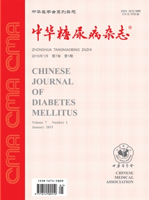
Chinese Journal of Diabetes MellitusVol.02,No.012010
DOI: 10.3760/cma.j.issn.1674-5809.2010.01.001
Abstract
The fundamental purpose of diabetes immunology research is to reveal the etiology and pathogenesis of diabetes from the perspective of immunology, so as to gain insight into the essence of clinical phenotype of diabetes, provide theoretical basis and practical strategies for diabetes classification diagnosis and immune intervention, and finally realize effective prevention and treatment. Since the discovery of pancreatic islet autoantibody, under the background of rapid development of science and technology, the research of diabetic immunology has made important progress after more than 30 years, especially in recent years, presenting a prosperous scene and entering a new development stage. For our domestic counterparts, opportunities and challenges coexist. We should solve problems in a way that assesses the situation, carry forward our characteristics, be courageous in innovation and make contributions.
Chinese Journal of Diabetes MellitusVol.02,No.012010
DOI: 10.3760/cma.j.issn.1674-5809.2010.01.005
Abstract
type 1 diabetes mellitus (T1DM) is an organ-specific autoimmune disease mediated by T lymphocytes (T cells), mainly due to the immune destruction of pancreatic islet cells in the body, resulting in absolute insulin deficiency and resulting in sustained increase in blood sugar[1]。 T1DM is the most common endocrine disease in children and adolescents, accounting for 5% ~10% of diabetic patients.
Chinese Journal of Diabetes MellitusVol.02,No.012010
DOI: 10.3760/cma.j.issn.1674-5809.2010.01.003
Abstract
At present, we still lack a standard immunological treatment to prevent the occurrence of type 1 diabetes, which just indicates that our understanding of the immunological mechanism of type 1 diabetes is not thorough enough. We are only able to show a partial framework of the pathogenesis of type 1 diabetes, the most fundamental of which is the balance between regulatory T lymphocytes (T cells) and effector T cells in the pathogenesis of type 1 diabetes. An important cause of type 1 diabetes is the presence of specific T cells in the body that can recognize islet autoantigen molecules. When specific T cells are activated by receptors, they can lead to the occurrence of islet autoimmunity through their corresponding attack targets, while other non-specific T cells, including systemic T cells or T cells in islets, can inhibit or enhance this autoimmune response. The activation process of a T cell involves many different cell types and genes.
Chinese Journal of Diabetes MellitusVol.02,No.012010
DOI: 10.3760/cma.j.issn.1674-5809.2010.01.004
Abstract
type 1 diabetes mellitus (T1DM) is one of the most common chronic diseases of pediatric endocrine. Every year, around 70,000 children under the age of 15 are found to have T1DM worldwide[1]。 Looking at the incidence of T1DM in the past few decades, the incidence of T1DM in different regions and different ethnicities in the world has increased significantly. How do we see this changing trend? What should we do?
Chinese Journal of Diabetes MellitusVol.02,No.012010
DOI: 10.3760/cma.j.issn.1674-5809.2010.01.006
Abstract
nonalcoholic fatty liver disease (NAFLD) is a metabolic stress-induced liver injury closely related to insulin resistance (IR) and genetic susceptibility. Its pathological changes are similar to those of alcoholic liver disease (ALD), but the patients have no history of excessive alcohol consumption. The disease spectrum includes nonalcoholic simple fatty liver (NAFL), nonalcoholic steatohepatitis (NASH) and their associated cirrhosis and hepatocellular carcinoma[1,2]。 NAFLD is one of the important public health problems in the world in the 21st century, and it is also an increasingly important chronic liver disease problem in China[3]。 In order to further standardize the diagnosis and treatment of NAFLD, the Fatty Liver and Alcoholic Liver Disease Group of the Hepatology Branch of the Chinese Medical Association organized relevant experts to refer to the latest research results at home and abroad and the consensus on related diagnosis and treatment[4,5,6,7,8,9]According to the principle of evidence-based medicine, the Guidelines for the Diagnosis and Treatment of Non-alcoholic Fatty Liver Disease formulated in 2006[10]Make an update. The level of evidence on which the recommended opinion is based is divided into 3 levels and 5 grades[11]In the text, Roman numerals in parentheses (Table 1)。
Chinese Journal of Diabetes MellitusVol.02,No.012010
DOI: 10.3760/cma.j.issn.1674-5809.2010.01.007
Abstract
Objective
To investigate the association of small ubiquitin-like modifer 4 (SUMO4) gene polymorphism in Chinese children with type 1 diabetes.
Methods
A total of 165 Chinese children with type 1 diabetes were selected from Beijing Children′s Hospital, all meeting with 1999 WHO diagnostic criteria.One hundred sixty healthy adult blood donors were selected as normal controls. Saturated salting-out method technique was used to extract genomic DNA from peripheral white blood cells, then PCR-RFLP techniques were used to determine SUMO4 A/G163 polymorphism in patients and controls.
Result
The frequency of SUMO4 G163 allele was significantly increased in type 1 diabetes patients (38.2% vs healthy control subjects 28.7%, P<0.05,OR=1.51, 95%CI 1.03-2.13), the differences of SUMO4 A/G163 genotypes GG in patients and controls had statistical significance (17% vs healthy control subjects 8%, P<0.05). According to different clinical status such as residual islet function, onset age, gender of patients, course of disease onset, ketosis-onset-situations, and so on, the patients were divided into different groups and the difference of SUMO4 A/G163 alleles in different groups showed no statistical significance (P>0.05).
Conclusions
SUMO4 gene A/G163 polymorphism is related to genetic susceptibility of type 1 diabetes in Chinese children. But it has no relationship with different clinical status on diagnosis of type 1 diabetes.
SONG Xiao-guo, ZHANG He-qiu, WANG Guo-hua, CHU Xiao-yan, LIU Xi-ming, CHEN Kun, ZHU Cui-xia, DAI Zhen-hua, FANG Ping, FENG Xiao-yan
Chinese Journal of Diabetes MellitusVol.02,No.012010
DOI: 10.3760/cma.j.issn.1674-5809.2010.01.008
Abstract
Objective
To obtain different fragments of human glutamic acid decarboxylase 65 and to evaluate the diagnostic application for type 1 diabetes mellitus of the recombination human glutamic acid decarboxylase 65.
Methods
The coding gene of the glutamic acid decarboxylase 65 was obtained by RT-PCR. The corresponding prokaryotic expression vectors pBVIL1/GAD65 were constructed and transformed into E. coli HB101 to inducing the expression of the recombination human glutamic acid decarboxylase 65. Using these antigen fragments as the coating antigens, the enzyme-linked immunosorbent assay (ELISA) was established for the detection of the glutamic acid decarboxylase autoantibody.
Results
The obtained four fragments of human glutamic acid decarboxylase 65 could react with the serum of type 1 diabetes mellitus patients. Because the specificity of the fragment of GAD65(180-585) was the highest and the detection rate of this fragment was 55.3%, the fragment of GAD65(180-585) became the preferred antigen.
Conclusion
Because of the favourable antigenicity of the selected recombination human GAD65(180-585), the GAD65(180-585) could be the candidate antigen for developing the diagnostic reagent for type 1 diabetes mellitus.
HAN Bei, SHI Xing, SUN Wen, PENG Quan, GAO Wen-tao
Chinese Journal of Diabetes MellitusVol.02,No.012010
DOI: 10.3760/cma.j.issn.1674-5809.2010.01.009
Abstract
Objective
To screen whether microRNA miR-541 has T1DM associated genetic variation.
Methods
From January 2006 to August 2009, sixty-nine type 1 diabetes children (T1DM group) and 46 healthy volunteers (control group) were selected in Nanjing Children Hospital of Nanjing Medical University. PCR amplification and direct sequencing were used to screen genetic variations within -1084~+ 167 region of pre-miR-541 gene. RFLP and RNA fold were used for the candidate genetic variation.
Results
One SNP database reported SNP (rs12893725) and three unreported genetic variation were found. Two of them (-284 heterogeneous C→T and -569 heterogeneous G→A) were found in both diabetes patients and healthy volunteers, there were no significant difference for their genetic frequency and clinical parameters between T1DM and control group. But 1 genetic variation (-404 heterogeneous G→T) was found only in 3 diabetes children. Then RFLP was used in additional 105 healthy volunteers. The genetic frequency was significant different between T1DM(3/69)and healthy volunteers 1/(105+ 46). In addition, -404G→T variation was found by the second structure analyzing webserver RNAfold could alter the second structure of pre-miR-541 significantly, which may influence its processing and transcription.
Conclusion
There are genetic variations in microRNA miR-541 and -404 G→T is potential T1DM associated genetic variation.
LIU Fang, ZENG Hui, SHEN Juan, ZHAO Jun-gong, ZHAO Jun, BAO Yu-qian, JIA Wei-ping
Chinese Journal of Diabetes MellitusVol.02,No.012010
DOI: 10.3760/cma.j.issn.1674-5809.2010.01.010
Abstract
Objective
To screen the prevalence of lower extremity artery disease (LEAD) in diabetic outpatients through examining the ankle-brachial index(ABI), and investigate its relationship with diabetic foot.
Methods
ABI was determined by Nicolet ultrasonography and quantitative sensation tester in 1010 type 2 diabetic outpatients with positive symptom of lower extremity, and clinical characterristics such as BMI, plasma glucose, HbA1c, glycolated albumin(GA) and blood pressure were collected. Patients were divided into five groups based on ABI, ABI >1.3 as group A( n=35), 0.91-1.3 as group B(n=708), 0.71-0.9 as group C(n=118), 0.41-0.7 as group D(n=115), and ≤0.4 as group E(n=34), their clinical features were compared, and the correlation and Logistic regression analysis of ABI were performed.
Results
Total ABI of these 1010 diabetics were 0.95±0.23(0.01-2.08), and the prevalence of LEAD was 26.44%(267/1010) diagnosed by ABI<0.9, and another 3.5%(35/1010)with ABI>1.3. Eighty three cases (8.02%) were diagnosed as foot disease including 50 cases of ulcer(4.95%), 13 cases of gangrene (1.29%), 20 cases of infection(1.98%). The correlation analysis inolicated that ABI was associated negatively with age, SBP, duration, HbA1c and GA, and ther value was -0.201, -0.113, -0.171, -0.160, -0.137, respectively. The Logistic regression analysis revealed that ABI was independent risk factors of foot problem (t=6.805, P=0.00).
Conclusions
The prevalence of lower extremity artery disease and diabetic foot is 26.4% and 8.02% in type 2 diabetes outpatients with symptoms, respectively. Age, diabetic duration, and glucose control are key risk factors of ABI. The reduction of ABI is associated nearly with the onset of diabetic foot.
MENG Zuo-long, LI Kun-shan, FANG Ying, ZHOU Ying, ZHAO Yan, HAN Yue-xiang, WANG Xiao-min
Chinese Journal of Diabetes MellitusVol.02,No.012010
DOI: 10.3760/cma.j.issn.1674-5809.2010.01.011
Abstract
Objective
To investigate the correlation of glycosylated hemoglobin (HbA1c) and impaired glucose regulation(IGR).
Methods
Seventy-five g oral glucose tolerance test(OGTT)and HbA1c levels were carried out among our hospital staffs. The subjects were determined fasting plasma glucose(FPG), oral glucose 2 h plasma glucose(2 h PG)and HbA1c, plasma glucose levels and HbA1c levels were determined by glucose oxidase method and high performance liquid chromatogram(HPLC). The inclusion criteria of subjects was FPG<7.0 mmol/L and 2 h PG<11.1 mmol/L, without diabetes, hemoglobin disease, hepatopathy and renopathy. The selected object contained 726 subjects (197 male, 529 female, mean age (39±10)), including NGT 636 subjects(87.6%), IGR 90 subjects(12.4%). The diagnostic criteria of IGR selected 1999 WHO diagnostic criteria for diabetes.χ2 test was used for rate comparison. Pearson correlation analysis was used for bivariate analysis selected.
Results
(1)2.3% occurred IGR among HbA1c≤5.7% subjects, while 89.3% occurred IGR among HbA1c≥5.8% subjects. When HbA1c ≥ 5.8%, the sensibility, specificity, PV+ , and PV-were 83%, 99%, 0.89, 0.98, respectively. (2)Between HbA1c level 5.8% group and HbA1c 5.7% group, the difference of prevalence of the OGTT diagnosed IFG, IGT, IGR had statistically significance(χ2 value was 10.077, 22.219 and 27.780, P<0.01 orP<0.001), (3)HbA1c levels was significant positive correlation with the prevalence of IFG, IGT, IGR(r ralue was 0.957, 0.928 and 0.936, all P<0.01).
Conclusions
(1)Compared with OGTT, HbA1c had consistency for predicting IGR, and the optimal critical value of HbA1c with OGTT diagnosed IGR was 5.8%.(2)HbA1c levels was significant positive correlation with the blood sugar level of the OGTT diagnosed IFG, IGT, IGR, and when HbA1c=5.8%, its relevance is most closely. The present study suggests that the HbA1c≥5.8% patients should be examined OGTT in order to identify whether the IGR.
BI Yan, SUN Wei-ping, CAI Meng-yin, LIANG Hua, ZHU Yan-hua, CHEN Xiang, LI Ming, WENG Jian-ping
Chinese Journal of Diabetes MellitusVol.02,No.012010
DOI: 10.3760/cma.j.issn.1674-5809.2010.01.012
Abstract
Objective
To investigate the effect of early insulin treatment on sterol regulatory elementbinding protein-1c (SREBP-1c) in skeletal muscle of diabetic rats.
Methods
24 male Sprague-Dawley rats were randomly assigned into 4 groups of 6 animals each: normal control, untreated diabetic rats, diabetic rats treated with NPH insulin, or diabetic rats treated with gliclazide. Sterol regulatory element-binding protein 1c (SREBP-1c) messenger RNA (mRNA) expression, protein expressions of SREBP-1c, tumor necrosis factor-α (TNF-α), Tyr705 phosphorylation of signal transducer and activator of transcription 3 (p-STAT3) in skeletal muscle of diabetic rats were assayed by Western blot and real time PCR.
Results
Compared to normal rats, untreated diabetic rats had higher SREBP-1c mRNA (7.3±2.6) and nuclear protein expressions(3.3±0.4), tumor necrosis factor α (TNF-α) (0.44±0.03), and Tyr705 phosphorylation of signal transducer and activator of transcription 3 (STAT3) (0.50±0.08), which all were downregulated following insulin treatment (SREBP-1c mRNA: 4.1±1.8, SREBP-1c nuclear protein: 2.7±0.3, TNF-α: 0.19±0.22, p-STAT3: 0.29±0.03, P<0.05 for all).
Conclusion
Early insulin exerts its anti-lipotoxicity effect in skeletal muscle of diabetic rats potentially through amelioration of inhibition of lipogenesis.
XU Gang, LIU Mao-lin, FU Zhen-chun, FAN Chao-ming, HUANG Miao-zhen, LAI Deng-pan, NING Li, ZHANG Qiu-ling
Chinese Journal of Diabetes MellitusVol.02,No.012010
DOI: 10.3760/cma.j.issn.1674-5809.2010.01.013
Abstract
Objective
To investigate the effect of combined treatment with panax notoginseng saponins (PNS) and aminoguanidine (AG) on oxidative stress in kidney of diabetic rats as well as possible mechanism.
Methods
The rat diabetic model was induced by intraperitoneal injection of STZ in the left lower abdomen of the rats. A total of 48 model rats were randomly divided into diabetic group (n=12), PNS treatment group (n=12), AG treatment group (n=12), and PNS+ AG treatment group (n=12). Another 12 rats were used as normal controls. Serum and renal cortex superoxide dismutase (SOD) and malondialdehyde (MDA) were measured by colorimetric assay. Advanced glycation end products (AGEs) were determined by spectrum law of fluorescence in the 4 and 8 weeks. The mean glomerular area (MGA) and mean glomerular volume (MGV) were measured by image analysis system. The changes of the blood glucose levels, urine amount, urine albumen, the renal function, body weight (BW), kidney weight (KW) and KW to BW ratio were observed.
Results
In comparison with the diabetic group, AGEs(F=36.017, P<0.01;F=8.213, P<0.01) and MDA(F=8.683, P<0.01;F=14.615, P<0.01) in serum and renal cortex, creatinine clearance rate (F=7.233, P<0.01), MGA(F=24.317, P<0.01), MGV(F=26.145, P<0.01), urinary excretion of protein(F=17.108, P<0.05), KW(F=5.182, P<0.05) and KW to BW ratio(F=50.169, P<0.01) were decreased significantly in the PNS+ AG treatment group , and SOD(F=6.260, P<0.01;F=7.666, P<0.01)in serum and renal cortex and BW were increased significantly (F=10.449, P<0.05). Decreased serum MDA was observed in PNS+ AG treatment group compared with AG treatment group(F=8.683, P<0.05), although renal cortex MDA was significantly lower than that of PNS treatment group and AG treatment group(F=14.615, P<0.05). Serum AGEs was decreased significantly in PNS+ AG treatment group compared with AG or PNS treatment group (F=36.017, P<0.01 or ﹤0.05), and renal cortex AGEs was significantly lower than that of AG or PNS treatment group(F=8.213, P<0.05). At 8 weeks, lower MGA(F=24.317, P<0.05)and MGV(F=26.145, P<0.05)were found in the PNS+ AG treatment group.
Conclusion
Combined treatment with PNS and AG may possess renoprotective effect on STZ-induced diabetic rats, and the possible mechanism could be associated with reduced oxidative stress and inhibited overproduction of AGEs in renal tissue.
YOU Ting-ting, CHEN Gang, LIN Xu, QIAO Yu-fang, LIN Li-xiang
Chinese Journal of Diabetes MellitusVol.02,No.012010
DOI: 10.3760/cma.j.issn.1674-5809.2010.01.014
Abstract
Objective
To study the role of Wnt/β-catenin signal pathway in high free fatty acid (FFA)-induced apoptosis in human umbilical vein endothelial cell (HUVEC) by RNA interference (RNAi).
Methods
A recombinant adenovirus containing an RNAi cassette targeting the GSK-3β gene was produced and its silencing effect on GSK-3β gene was detected by Western blot analysis in HUVECs. The effect of the RNAi on the protein level of β-catenin was explored by transfecting the RNAi adenovirus to inhibit the expression of GSK-3β protein. The subsequent effect on the Wnt/GSK-3β/β-catenin signal pathway and on apoptosis of HUVECs cultured with FFAs was analyzed by the flow cytometer and Hoechst 33258 in order to explore the possible connection between the signaling pathway and FFA-induced apoptosis. The experimental cells were divided into four groups as followed: 0.75 mmol/L FFA group; RNAi adenovirus (Ad-640)+ FFA group; RNAi adenovirus without recombination (Ad-DEST)+ FFA group; normal cell group.
Results
The Western blot results showed that the expression of GSK-3β protein in HUVECs was inhibited by the RNAi adenovirus and the protein level of β-catenin was increased by RNAi adenovirus transfection. Apoptosis was observed in HUVECs exposed to 0.75 mmol/L FFAs for 72 h. The apoptotic rate of the Ad-640+ FFA group was significantly reduced with respect to that of the Ad-DEST+ FFA and FFA groups whereas there was no significant difference between the Ad-DEST+ FFA and FFA groups.
Conclusion
RNAi adenovirus specific to GSK-3β may partly protect HUVECs from apoptosis induced by FFAs.
Chinese Journal of Diabetes MellitusVol.02,No.012010
DOI: 10.3760/cma.j.issn.1674-5809.2010.01.015
Abstract
Objective
To investigate whether G-pretein-couple receptor 40 (GPR40) mediates the effects of free fatty acid (FFA) on proliferation of mouse insulin NIT-1cells.
Methods
The expression of GPR40 in NIT-1 cells was inhibited by siRNA, and the effects of 12 or 48 h incubation with saturated fatty acid (SFA) and unsaturated fatty acid (UFA)on proliferation of NIT-1 cell transfected with GPR40 siRNA were observed. Cell proliferation was detected by cell counting kit-8 and Brdu-ELISA methods. The expression of Egr-1 in NIT-1 cells transfected with GPR40 siRNA or treated with FFAs was examined by Western blot. Analysis of variance was used for data analysis.
Results
A 12-h exposure to different groups of FFA and 48-h exposure to oleate or linoleic acid stimulated the proliferation of NIT-1 cells, whereas 48-h exposure to palmitate or sterate inhibited the proliferation of NIT-1 cells. After co-incubation with palmitate and oleate for 48 h, the proliferation of NIT-1 cells was significantly increased when compared with that in palmitate or sterate treated cells. The mock-, control siRNA-, and GPR40 siRNA-transfected cells were supplemented with saturated fatty acids (palmitate or sterate), no significant difference in the absorbance values was indicated between the GPR40 siRNA tranfected cells and mock. Incubated with oleate or linoleic acid for 12 and 48 h, the absorbance values of GPR40 siRNA tranfected cells were less than that of the mock. After co-incubation with palmitate and oleate for 12 and 48 h, the absorbance values of GPR40 siRNA tranfected cells were less than that of mock (CCK-8: q was 7.834 and 8.236, P<0.05; Brdu-ELISA:q was 7.981 and 5.376, P<0.05). Western blot showed that Egr-1 was markedly activated by oleate, which was significantly inhibited by transfection with GPR40 siRNA.
Conclusion
The bilateral effects of SFA may be GPR40 independent. UFA promotes islet beta-cell proliferation, and counteracts the negative effects of SFA, which is mediated at least in part through GPR40; the process is accompanied by increased expression of Egr-1. Our data suggest that GPR40 might be implicated in the control of beta-cell compensation and GPR40 probably provide a link between obesity and type 2 diabetes mellitus.
Chinese Journal of Diabetes MellitusVol.02,No.012010
DOI: 10.3760/cma.j.issn.1674-5809.2010.01.002
Abstract
It was on a snowy winter day in 2007. I led a child named Xiaoyu to ask the director for consultation. Xiaoyu was wearing a dark blue down jacket, and the big hat on the down jacket tightly covered his head. He lowered his head and didn't say anything, while his simply dressed mother was telling the director. It turned out that Xiaoyu was found to have diabetes when she was 3 years old, and her blood sugar fluctuated high and low, basically fluctuating between 20 and 30 mmol/L. Due to the long-term poor control of blood sugar, the growth of Xiaoyu has been seriously affected. At the age of 15, he is only the height of an ordinary 10-year-old child. The director suggested that Xiaoyu take an insulin pump for treatment, but how could a poor family afford the expensive cost of an insulin pump? After Xiaoyu's mother asked the director to simply help adjust the insulin dose, she hurried away with Xiaoyu. After that, for nearly a year, Xiaoyu never came for a follow-up visit.
Chinese Journal of Diabetes MellitusVol.02,No.012010
DOI: 10.3760/cma.j.issn.1674-5809.2010.01.016·
Abstract
On November 4, 2009, the first plenary meeting of the first editorial committee of Chinese Journal of Diabetes was held in Zhengzhou. Luo Ling, deputy secretary-general of Chinese Medical Association, and You Suning, president and editor-in-chief of Chinese Medical Association Magazine, made a special trip to congratulate and make a report. Professor Yang Wenying, editor-in-chief of the magazine, delivered a speech on behalf of the editorial board.
Chinese Journal of Diabetes MellitusVol.02,No.012010
DOI: 10.3760/cma.j.issn.1674-5809.2010.01.017
Abstract
Type 2 diabetes is a complex chronic metabolic disease, which involves a variety of genes and proteins in its occurrence and development. The discovery of endogenous small RNA (MicroRNA) has opened up a new perspective for the research of diabetes. miRNA is a non-coding short sequence RNA with gene function regulation produced in vivo, and has a length of 20 to 23 nucleotides; Its high degree of conservation in evolution and its specificity in expression time and space imply that it plays an important role in regulating the growth, development and tissue function of organisms. More than 3% of the genes in the human genome encode miRNA, but researchers expect it to regulate more than 30% of the body's genes. The miRNA negatively regulates the transcribed mRNA by binding to the ribonucleoprotein of the RNA-induced silencing complex (RISC), and then complementarily pairs with the 3' untranscribed region of the target mRNA, which ultimately leads to degradation or translation blockage of the target mRNA. Since Victor Ambros of the University of Massachusetts School of Medicine and others first identified nematode lin-4 miRNA as regulating the development of larvae at the translational level in 1993, a series of new experimental studies have shown that miRNA can be involved in regulating the development, proliferation and apoptosis of pancreatic islet cells, as well as regulating the production, secretion and signal transduction of insulin, so it is closely related to the occurrence, development and complications of diabetes[1,2]。 In this paper, the research progress of miRNA in diabetes related fields is reviewed.
Chinese Journal of Diabetes MellitusVol.02,No.012010
DOI: 10.3760/cma.j.issn.1674-5809.2010.01.018
Abstract
Obstructive sleep apnea (OSA) is common in patients with type 2 diabetes[1]Similarly, OSA patients are about 3 times more susceptible to type 2 diabetes than normal people[2]。 Recent research results show that even excluding obesity as a factor, these two diseases may have a significant correlation. Treating OSA effectively contributes to diabetes prevention and control, including reducing complications.
Chinese Journal of Diabetes MellitusVol.02,No.012010
DOI: 10.3760/cma.j.issn.1674-5809.2010.01.019
Abstract
For patients who use insulin to treat diabetes, it is very important to choose basal insulin therapy with stable effect, small variability and good safety. At present, basal insulin can be provided mainly by continuous subcutaneous infusion of short-acting insulin or insulin analogues by insulin pump, and subcutaneous injection of medium-acting or long-acting insulin or long-acting insulin analogues. Traditional long-acting human insulin has withdrawn from the medical market due to its large absorption variability. The extensive and long-term use of insulin pump is limited because of its high cost, certain ability requirements for users, and influence on daily life. Present dosage forms that can be injected to provide basal insulin need include primarily neutral protamine zinc insulin (NPH), insulin glargine, and insulin detemir.
Chinese Journal of Diabetes MellitusVol.02,No.012010
DOI: 10.3760/cma.j.issn.1674-5809.2010.01.101
Abstract
The Fifth International Working Conference on Gestational Diabetes recommended that women with gestational diabetes should undergo oral glucose tolerance test (OGTT) at 6 to 12 weeks, 1 year and every 3 years after delivery. However, in fact, for various reasons, the proportion of women who undergo OGTT examination after delivery is very low. More precise quantitative methods in women with high-risk gestational diabetes may increase compliance and effectiveness of OGTT testing and reduce the chance of missed diagnosis in women with persistent postpartum glucose tolerance impairment. This study aimed to establish a risk assessment model using the concept of risk factors to distinguish between women at high, medium and low risk of developing diabetes 1 year postpartum.
Chinese Journal of Diabetes MellitusVol.02,No.012010
DOI: 10.3760/cma.j.issn.1674-5809.2010.01.102
Abstract
At present, most guidelines recommend aspirin for the primary prevention of cardiovascular events in diabetic patients. However, a meta-analysis of 157 randomized controlled trials questioned this.
Chinese Journal of Diabetes MellitusVol.02,No.012010
DOI: 10.3760/cma.j.issn.1674-5809.2010.01.103
Abstract
Studies have shown that insufficient social support is closely related to death from multiple chronic diseases, while social support for diabetes is closely related to blood sugar control level and knowledge of common knowledge of diseases. The theory of interpersonal communication provides theoretical basis and evaluation possibility for the tendency and ability of individuals to contact with the outside world. A US study showed that the type of interpersonal communication is closely related to the mortality rate of diabetic patients. The researchers included a total of 3535 patients with type 1 and type 2 diabetes for 5-year follow-up observation. The researchers assessed the types of interpersonal communication of the subjects through a relationship scale, classifying contempt and fear as independent relationship models, and safe and pouring as communicative relationships. The relatively independent personality of the former is difficult to build trust in others, and may get less social support; The latter is more dependent on others in character and shows the characteristics of being easy to get along with. The results showed that the relationship type was more common in men, Caucasians, people with higher educational level, unmarried and people with high body mass index. The 5-year mortality rates were 3.9% and 2.9% in patients with independent and communicative relationships, respectively. After excluding many influencing factors, independent relationship type remained an independent risk factor for 5-year death in diabetic patients.
Chinese Journal of Diabetes MellitusVol.02,No.012010
DOI: 10.3760/cma.j.issn.1674-5809.2010.01.106
Abstract
Depression, anxiety and diabetes-specific emotional problems are more common in patients with type 2 diabetes. However, at present, this problem has not attracted enough attention, and many patients have not been diagnosed in time and treated effectively.
Chinese Journal of Diabetes MellitusVol.02,No.012010
DOI: 10.3760/cma.j.issn.1674-5809.2010.01.107
Abstract
Studies have shown that depression in diabetic patients will increase the difficulty of blood sugar control and the risk of chronic complications, and intervention of social psychological factors in diabetic patients plays an important role in diabetes treatment. In order to further understand the relationship between glycemic control and depression in diabetic patients, American scholars conducted a cross-sectional study of 2832 Indians in 13 communities in three different regions of their country, and analyzed the relationship between glycemic control and depression in Indians over the age of 15. The results showed that the prevalence of depression in diabetic patients was significantly higher than that in non-diabetic people; Every 1 unit increase in glycated hemoglobin increases the risk of severe depression by 22%; Women and abnormal body mass index are important risk factors for developing major depression (especially women, who are 2.94 times more likely to develop major depression than men). It can be seen that the risk of depression in diabetic patients is significantly increased, and the severity of depression is positively correlated with the level of glycosylated hemoglobin in patients. The results suggest that it is a very important measure to screen and diagnose the psychosocial problems of patients while diagnosing diabetes, and long-term intervention to these psychosocial problems should be a necessary measure in the comprehensive treatment of diabetes. — Translated from Relationship between glycemic control and depression among American Indians in the Strong Heart Study. J Diabetes Complications, 2009, Epub ahead of print.
Chinese Journal of Diabetes MellitusVol.02,No.012010
DOI: 10.3760/cma.j.issn.1674-5809.2010.01.104
Abstract
Previous studies have shown that about 90% of critically ill patients have elevated blood sugar. Dynamic blood glucose monitoring has been gradually used in critically ill patients, and some results have been achieved. A randomized controlled trial from the Medical University of Vienna reported the use of real-time ambulatory blood glucose monitoring in blood glucose control in critically ill patients.
Chinese Journal of Diabetes MellitusVol.02,No.012010
DOI: 10.3760/cma.j.issn.1674-5809.2010.01.105
Abstract
The pathogenesis of type 1 diabetes is associated with T lymphocyte autoimmunity. However, there is increasing evidence that B lymphocytes play a role in many T lymphocyte-mediated diseases. To this end, the researchers evaluated the role of B lymphocyte depletion in the pathogenesis of type 1 diabetes.
Chinese Journal of Diabetes MellitusVol.02,No.012010
DOI: 10.3760/cma.j.issn.1674-5809.2010.01.109
Abstract
Nowadays, obesity-related metabolic disorders have become one of the public problems that endanger human health, and have attracted increasing attention. Studies have confirmed that the relationship between host and intestinal flora is related to the occurrence of obesity. Intestinal flora can regulate host energy balance and systemic inflammation, and may be involved in the pathogenesis of metabolic disorders such as obesity, diabetes and non-alcoholic fatty liver disease.
Chinese Journal of Diabetes MellitusVol.02,No.012010
DOI: 10.3760/cma.j.issn.1674-5809.2010.01.108
Abstract
People with type 2 diabetes are known to have a higher risk of developing vertebral fractures than those without type 2 diabetes. Previous studies have shown that pentose is associated with vertebral fractures in patients with type 2 diabetes. However, the relationship between endogenous secreted glycosylation end product receptor (esRAGE) and vertebral fractures in patients with type 2 diabetes remains unclear.


 No Data