MedNexus
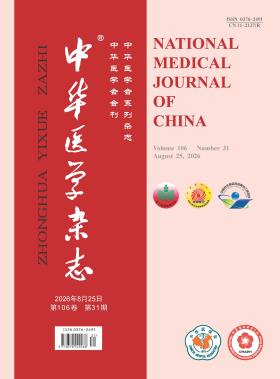
2026年 · 第106卷第31期
MedNexus
- 全部
- 专家论坛
- 专题笔谈
- 标准与规范
- 临床研究
- 基础研究
- 短篇论著
- 病例报告
- 综述
- 医学人文
In ocean ships hundreds of years ago, scurvy was the fierce god of the sea that took the lives of countless sailors. The crew members' gums were festering, their bodies were covered with ecchymosis, and their wounds did not heal for a long time. Countless people did not dock alive. At that time, there were all kinds of folk remedies circulating, such as vinegar, seawater, herbs, sour wine…, but I don't know which one could really work. Scottish naval surgeon James Lind made an attempt in the cabin of the HMS Salisbury on May 20, 1747. He selected 12 sick sailors with similar symptoms, divided them into six groups, unified their daily diet, and only gave each group of sailors a control observation with different therapies. Some drank sour wine, some drank dilute sulfuric acid, some drank bitter seawater, and another group received oranges and lemons every day. In just six days, the two citrus-eating sailors were able to get up and work, while the other 10 were still suffering. This crude but rigorous trial is the starting point of modern human clinical trials and is the earliest well-documented randomized controlled trial. By dividing the subjects into groups and giving different dietary interventions, doctors confirmed that citrus fruits have a significant curative effect on scurvy, and their active ingredient is L-ascorbic acid, which was later isolated and identified. After that, lemon juice was popularized in the fleet, and scurvy, which had been rampant for a hundred years, gradually disappeared. Since then, humans have struggled with diseases, no longer relying on vague experience and folk rumors, but trying to find answers by comparing real human bodies. In order to remember this history, in 2005, the World Health Organization and the European Clinical Research Basic Network jointly initiated the establishment of May 20th every year as the "International Clinical Trial Day", hoping to inherit the scientific research values of rigorous, realistic and life-respecting. "520" is given a double meaning in the Chinese context: it is not only a well-known emotional confession, but also a silent but powerful commitment of the subject to the latecomer-"Don't be afraid, I tried it, and this road can go!"
本期目次