MedNexus
2026年 · 第29卷第01期
MedNexus
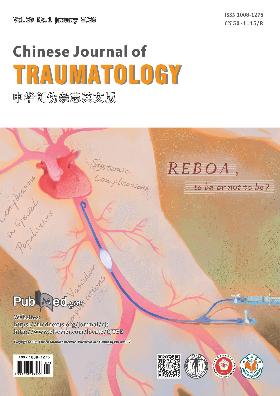
Resuscitative endovascular balloon occlusion of the aorta (REBOA) has emerged as a critical intervention for managing severe hemorrhagic shock in trauma patients. By temporarily occluding the aorta, REBOA aims to stabilize hemodynamics and prevent cardiovascular collapse until definitive hemorrhage control can be achieved. However, the clinical efficacy and optimal use of REBOA remain subjects of ongoing debate. This narrative review synthesizes the latest evidence on clinical outcomes, complications, and patient selection to provide a comprehensive assessment of REBOA's role in trauma resuscitation. This review is based on a selective analysis of the current literature, including clinical studies, randomized controlled trials, and meta-analyses, to evaluate the benefits and risks associated with REBOA in trauma settings. While REBOA technology has advanced significantly and its use has expanded across trauma centers, evidence-based guidelines for its application remain limited. The optimal indications and target populations for REBOA have yet to be clearly defined. Recent studies, including the only randomized controlled trial on REBOA to date, suggest that its use in hemodynamically unstable patients does not confer a mortality benefit and may even increase mortality compared to standard care alone. Furthermore, REBOA is associated with substantial risks, including ischemia-reperfusion injury, acute kidney injury, arterial injury, arterial embolism, limb ischemia, and even amputations. These complications highlight the need for careful patient selection and procedural refinement. Current evidence does not support the routine use of REBOA in trauma patients with hemorrhagic shock. Further research is essential to identify specific subpopulations that may benefit from this intervention and to optimize its application to maximize survival while minimizing complications. Until more robust data are available, REBOA should be employed judiciously, with careful consideration of its risks and benefits in individual cases.
Sonic weapons are non-lethal weapons that some countries around the world are actively developing and equipping in their troop. Its injury to the human body is increasingly valued. Given that previous research on the injury, prevention, and treatment of sonic weapons to the human body were not systematic and comprehensive, after explaining certain acoustic concepts, these authors introduce infrasonic and intense sound weapons from aspects of weapon types and applications, injury mechanisms and characteristics, injury thresholds, biological effects, injury diagnosis, and injury prevention and treatment. Finally, ultrasonic weapons are briefly introduced, based on a small amount of public literature reports both domestically and internationally. This study aims to provide a reference for future prevention, and treatment of sonic weapons injury.
Rhabdomyolysis (RM) is a multifactorial clinical syndrome characterized by the disintegration and necrosis of muscle tissue, leading to the release of cellular contents into the circulation. One of the most severe complications of RM is acute kidney injury, with a mortality rate of 20%-50%. Early and timely diagnosis is the key to improving the prognosis of patients with RM. The etiology of RM is complex and associated with various trauma drugs, medications, and hereditary diseases, and the clinical symptoms are nonspecific. Therefore, its diagnosis highly relies on the doctor's experience and the level of medical equipment. However, RM often occurs in situations with limited medical resources, such as natural disasters, battlefields, and large-scale traffic accidents. In these scenarios, the varying levels of expertise among rescue personnel can lead to delays in diagnosis and treatment, thereby increasing the risk of mortality. This article provides a comprehensive review of the etiology, pathogenesis, complications, diagnostic, and treatment methods of RM. It also aims to offer new perspectives on the diagnosis and prognosis of RM by integrating machine learning and artificial intelligence. It is believed that this article can help pre-hospital rescuers and in-hospital doctors have a comprehensive understanding of RM to improve the patients' outcomes and overcome the challenges.
Autologous platelet-rich plasma (PRP) injections are widely used in regenerative medicine, including the knee osteoarthritis (OA) therapy. This study reviewed methods to enhance PRP therapy for knee OA, aiming to boost articular cartilage recovery.
The search was conducted in the eLIBRARY, PubMed (MEDLINE), Ovid, ScienceDirect, and Google Scholar databases extracting publications available by the end of 2023. Studies were included if they simultaneously met the following criteria: (1) effect of using PRP in the recovery of hyaline cartilage damage after OA; (2) at least one way to modify the PRP protocol aimed to increase its efficiency; (3) data on the molecular mechanisms underlying the increase in efficiency of the modified PRP therapy in OA.
The findings of this study highlight the significant role that the composition and modification of PRP protocols play in enhancing chondrogenesis for cartilage repair. Beyond the activation or non-activation of platelets or the inclusion or removal of leukocytes, which are factors that could some-how affect the effectiveness of PRP formulations, the elimination of growth factors such as vascular endothelial growth factor and epidermal growth factor, which negatively influence cartilage regeneration, offers a promising approach to optimize PRP therapy. While growth factors like transforming growth factor-β3, platelet-derived growth factor, and insulin-like growth factor have been shown to promote chondrogenesis, the removal of detrimental factors that could contribute to chronic inflammation or OA progression could significantly improve treatment outcomes. Practices such as combining with hyaluronic acid, pre-injection PRP activation, and multiple administrations are clinically common, while other methods like adjusting growth factors concentration are still in development.
Various modifications of this technology allow to use molecular mechanisms involved in the restoration of hyaline cartilage and improve the effectiveness of PRP for the treatment of OA. However, significant challenges remain in standardizing PRP preparation and administration protocols. Variability in platelet concentration, growth factor composition, and activation methods complicate the assessment of efficacy and reproducibility.
Pyogenic flexor tenosynovitis is one of the most severe purulent diseases of the hand and is characterized by a high level of development of stiffness and contractures.
This is a retrospective study conducted on patients hospitalized in our center in 2022. Patients diagnosed with pyogenic flexor tenosynovitis, aged from 18 to 90 years were included. Exclusion criteria are pregnancy or breastfeeding, concomitant oncological diseases, and collagen diseases. All patients were operated on urgently. Debridement, drainage and irrigation were performed. On the 4th-5th day after the operation, when the inflammation subsided, rehabilitation began. The long-term outcome was assessed throughout 3-12 months after discharge and was based on the restoration of the volume of active movements. The results are assessed according to the total active motion scale. Continuous variables were presented as median (Q1, Q3), and were compared using the Mann-Whitney U test. Categorical variables were expressed as n (%), and comparisons were made between the 3 groups using the Spearman's rank correlation coefficient. Statistical significance was defined as a 2-sided p < 0.05.
The results of the examination and treatment of 60 patients were analyzed. The frequency of pyogenic flexor tenosynovitis was 5.3% among all patients with purulent diseases of the hand during this period. Tendon necrosis was noted in 8 (13.3%) cases. Surgical treatment in 37 (61.7%) patients was completed with drainage and primary suture. The rest of the patients (23, 38.3%) underwent repeated debridement, which ended in 10 (16.7%) cases with the imposition of secondary sutures. The best recovery of function was noted in cases of maintaining the viability of the tendon.
Timely diagnosis and provision of comprehensive surgical care for patients with pyogenic flexor tenosynovitis in combination with early rehabilitation should be considered the key to successful treatment of this complex category of patients.
Organ damage caused by electric shock has attracted great attention. Some animal investigations and clinical cases have suggested that electric shock can induce liver injury. This study aimed to investigate the potential mechanism of liver injury induced by electric shock.
Healthy male C57BL/6J mice aged 6-8 weeks were romandly divided into 2 groups: control group and electric shock group. Mice in the electric shock group were shocked on the top of the skull with an electric baton (20 kV) for 5 sec, while mice in the control group were exposed to only the acoustic and light stimulation produced by the electric baton. The effect of electric shock on liver function was evaluated by histological and biochemical analysis, and a metabolomics and transcriptomics study was performed to investigate how electric shock might induce liver damage. All data of this study were analyzed using a 2-tailed unpaired Student's t-test in SPSS 22.0 Statistical Package.
The electric shock group had significantly higher serum aspartate aminotransferase and alanine aminotransferase levels than the control group (p < 0.001), and the shock notably caused cytoplasmic swelling and vacuolization, mild inflammatory cell (mainly macrophages and monocytes) infiltration and acute focal necrosis in hepatocytes (p < 0.001). A total of 47 differential metabolites and 249 differentially expressed genes (DEGs) were detected using metabolomic and transcriptomic analyses. These differential metabolites were significantly enriched in primary bile acid biosynthesis (p < 0.05). Gene ontology functional analysis of the DEGs revealed that electric shock disturbed a key biological process involved in the inflammatory response in the mouse liver, and a significant number of DEGs were enriched in Kyoto Encyclopedia of Genes and Genomes-identified pathways related to inflammation, such as the interleukin-17, tumor necrosis factor and mitogen-activated protein kinase signalling pathway. Transcriptomic and metabolomic analyses revealed that bile acid metabolism disturbance including up-regulation of the taurochenodesoxycholic acid, chenodeoxycholic acid and taurocholic acid, and down-regulation of chenodeoxycholic acid clycine conjugate may contribute to the electric shock-induced inflammatory response.
Electric shock can induce liver inflammatory injury through the interleukin-17, tumor necrosis factor, and mitogen-activated protein kinase signaling pathway, and the bile acid metabolism disturbance including up-regulation of the taurochenodesoxycholic acid, chenodeoxycholic acid and taurocholic acid, and down-regulation of chenodeoxycholic acid clycine conjugate may contribute to inflammatory liver injury following electric shock.
Infection after ankle fracture fixation is a serious complication, leading to a prolonged healing period and dysfunction in a long-term follow-up. Identifying risk factors for ankle fracture-related infection (FRI) is beneficial in preventing complications and reducing the risk of treatment. The study aims to retrospectively analyze clinical risk factors for ankle FRI.
A cross-sectional retrospective study of operatively treated ankle fractures was conducted at 2 medical centers from March 2020 to March 2023. Patients with open or pathological conditions were excluded, and 298 patients who underwent surgical treatment for ankle fractures were included. Risk factors of the patients who were diagnosed of FRI were analyzed using univariate analysis and binary logistic regression. Regression coefficients were used to calculate statistical probabilities of FRI.
Of the 298 patients, 21 (7.1%) were diagnosed infection. On univariate analysis, soft tissue bloody blisters (p=0.002) and ankle dislocation (p=0.001) were associated with a significantly higher incidence of infection. On binary logistic multifactorial regression analysis, the risk factors for FRI were ankle dislocation (p<0.001, odd ratio (OR)=11.799, 95% confidence interval (CI): 3.307-42.135), soft tissue bloody blisters (p=0.045, OR=8.004, 95% CI: 1.045-61.340), Langer-Hans typing pronation-abduction (p=0.033, OR=1.746, 95% CI: 1.183-27.766), and smoking (p=0.037, OR=4.948, 95% CI: 1.105-22.162).
The risk factors of FRI were soft tissue conditions including bloody blisters and ankle dislocation, when dealing with ankle fractures. The results of this study will inform surgeons and patients factors for the risk factors for FRI and guide surgeons in mitigate these risks preoperatively.
In the literature, the number of studies on cases of injury due to isolated head trauma is limited. In addition, there are very few studies and publications on skull base and vault fractures in the forensic literature. This study aims to investigate the frequency and pattern of skull base and vault fractures in individuals exposed to isolated fatal and non-fatal head trauma.
This retrospective cross-sectional and descriptive study includes 1260 cases who were injured due to isolated head trauma during the 10-year period between Jan 1, 2010 and Nov 30, 2019. In cases of fatal head trauma, only cases in which isolated head injury was reported as the cause of death in the autopsy report were included. In cases of non-fatal head trauma, cases with life-threatening injuries in areas other than the head (such as chest, abdomen, and extremities), and cases without cranial CT images and reports on the Hospital Information Management System were excluded from the study. Our cases were divided into 2 groups: fatal head trauma (n = 783) and non-fatal head trauma (n = 477). All cases (n = 1260) were evaluated retrospectively in terms of age, gender, cause of trauma, skull base fracture, skull vault fracture, facial bone fracture, intracranial injury, and scalp injury. While examining the distribution of categorical variables, Chi-square tests were applied and the appropriate one was reported from Pearson Chi-square test, Yates Chi-square test, Fisher's exact test, and likelihood ratio test. The coefficients of the models, the odds ratio of the factors in the model, 95% confidence interval, Hosmer-Lemeshow statistics, and the correct classification rate were accorded. The statistical significance level in the study was accepted as p < 0.05.
Base fractures were observed in 87.5% of cases with fatal head trauma and in 32.3% of cases with non-fatal head trauma. Vault fracture was observed in 88.4% of cases with fatal head trauma and in 75.3% of cases with non-fatal head trauma. The middle fossa was more fractured than the anterior and posterior fossa. Anterior and middle fossa combined fracture and anterior, middle, and posterior fossa combined fracture were significantly higher in the fatal head trauma than in the non-fatal head trauma. Base fracture was strongly associated with death (odd ratio = 15.253, p < 0.001) and vault fracture did not have a statistically significant effect on death (odd ratio = 1.052, p = 0.805). While intracranial injury was found to be significantly higher in patients with base fractures (p < 0.001), no significant difference was found in patients with vault fractures (p = 0.229).
In conclusion, it was observed that skull base fractures were frequently associated with especially fatal head traumas and this fracture was strongly associated with death. In the antemortem and postmortem examination of cases injured due to head trauma, skull base fracture should be investigated with high care. In cases with fractures, a detailed examination should be performed in terms of the size and type of the fracture and intracranial lesions that may be associated with the fracture.
Endoscopic techniques have been widely used in orthopedic surgery, such as arthroscopy and transforaminal endoscopy, but the application in fracture is rarely reported. We reported a case of a 69-year-old male with pelvic fracture (AO/OTA type B2.1) who underwent successful laparoscopy-assisted pubic ramus plate fixation without auxiliary incision. We designed and applied a separate custom-made lengthening surgical instrument for internal fixation installation suitable for laparoscopic surgery, and the entire reduction and internal fixation installation were performed under laparoscopy. The patient could sit up 1 day after surgery, and the reported pain visual analogue scale score decreased from 5 points before surgery to 1 point. At 2 weeks after surgery, the patient could walk with a single crutch. At 4 weeks after surgery, the Majeed score was 73 points, and at 10 weeks after surgery, the Majeed score increased to 81 points. Twelve weeks after surgery, the patient was able to walk independently without pain, with normal defecation and urination function, and the Majeed score was 87. Laparoscopic surgery is a new strategy for treating pelvic ring fractures. The case proves that full laparoscopic-assisted closed reduction and internal fixation of pelvic fractures is feasible.
我们饶有兴趣地阅读了Naveen等人的一篇文章。
本期目次