MedNexus
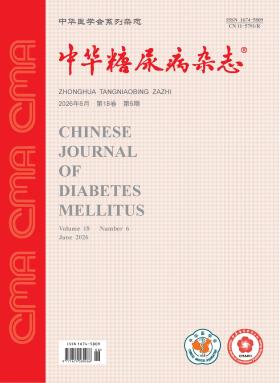
Volume 18 · Issue 06 · 2026
MedNexus
- Sections
- Original Article
- Short Paper
- Case Report
- Review Article
To investigate the dynamic trajectory characteristics of psychological status and population heterogeneity in patients with diabetes under continuous glucose monitoring (CGM).
A prospective, single-group, self-controlled design was used. A total of 311 adult diabetic patients wearing CGM equipment were consecutively enrolled in the outpatient clinic of Department of Endocrinology, Beijing Hospital from April to May 2025. Psychological status was assessed using the Problem Areas in Diabetes-20 (PAID-20) scale and Hospital Anxiety and Depression Scale (HADS). Linear mixed-effects model was used to test the overall change trend, and latent class growth analysis (LCGA) was used to identify psychological trajectory subgroups, and baseline characteristics of each subgroup were compared.
A total of 311 diabetic patients were enrolled, with a median age [M(Q1, Q3)] of 61 (51, 69) years, 172 males (55.3%), mainly type 2 diabetes (286 cases, 92.0%). The baseline scores of PAID-20, HADS-A and HADS-D were 23 (11, 29), 4 (3, 6) and 7 (4, 10) respectively. PAID-20 scores showed a trend of first increasing and then decreasing [baseline, short-term follow-up, long-term follow-up scores were 23 (11, 29), 43 (27, 51), 33 (19, 40), time main effect F=6 325.35, P<0.001], while HADS-A and HADS-D scores decreased significantly with follow-up [HADS-A: from 4 (3, 6) to 2 (1, 4), HADS-D: from 7 (4, 10) to 4 (2, 6), F values were 192.28 and 270.79 respectively, both P<0.001]. LCGA showed that four different change trajectories were identified for PAID-20, HADS-A and HADS-D. Baseline characteristic analysis showed that diabetes distress trajectories were associated with age (χ²=11.21, P=0.01) and area under the curve for hypoglycemia (χ²=9.17, P=0.03); anxiety trajectories were associated with disease duration (χ²=9.21, P=0.03); no stable predictors of depression trajectories were found (all P>0.05).
Diabetic patients present diverse dynamic trajectories and obvious heterogeneity in psychological status during CGM use, which provides a basis for implementing individualized CGM management and tailored psychological support across different psychological trajectory subgroups.
To investigate the prevalence trends, associated factors, and longitudinal associations of sarcopenic obesity (SO) with multiple chronic diseases among middle-aged and older adults in China.
This was a study combining cross-sectional analyses with a cohort design, using nationally representative data from the China Health and Retirement Longitudinal Study (CHARLS) from 2011 to 2020 in adults aged ≥45 years. The cross-sectional analyses included data from 2011 (Wave 1), 2013 (Wave 2), and 2015 (Wave 3). Variables such as age, sex, body mass index (BMI), waist-to-height ratio (WHtR), the current situation of smoking and alcohol consumption, glycated hemoglobin A1c (HbA1c), estimated glomerular filtration rate (eGFR), and high-density lipoprotein cholesterol (HDL-C) were collected. The prevalence of SO (diagnosed based on either BMI or waist-to-height ratio criteria) in the entire population across three rounds of surveys were described. Cochran-Armitage trend tests were used to analyze age-specific trends in SO prevalence. Multivariable logistic regression models based on the 2011 data were used to identify factors associated with SO. For the longitudinal analysis, baseline data from 2011 was linked to follow-up outcomes in 2020 (Wave 5), with incidence of 14 chronic diseases as endpoints. Multivariable logistic regression was employed to assess the association between baseline SO status and chronic disease incidence.
In the cross-sectional study, 12 643, 12 192, and 14 791 participants were included for BMI-defined SO in 2011, 2013, and 2015, respectively; the corresponding numbers for WHtR-defined SO were 12 587, 12 173, and 14 769. The overall prevalence of BMI-defined SO in the three waves was 3.8% (95%CI 3.5%-4.1%), 4.1% (95%CI 3.8%-4.5%), and 5.6% (95%CI 5.2%-6.0%), respectively, with a significant increasing trend by age (all P for trend <0.001). The prevalence of WHtR-defined SO was 12.8% (95%CI 12.2%-13.4%), 14.3% (95%CI 13.7%-14.9%), and 14.7% (95%CI 14.1%-15.3%), also with an upward trend with age (all P for trend <0.001). Multivariable logistic regression using 2011 data showed that for BMI-defined SO, age, female sex, current smoking, HbA1c, eGFR, specific chronic conditions (hypertension, stroke, chronic kidney disease), current drinking and HDL-C were all influencing factors with SO [OR (95%CI) 1.72 (1.50-1.97), 1.40 (1.05-1.89), 1.60 (1.13-2.30), 1.13 (1.03-1.23), 1.25 (1.09-1.44), 1.94 (1.51-2.51), 2.00 (1.20-3.20), 1.92 (1.27-2.81), 0.54 (0.38-0.75) and 0.58 (0.49-0.69)]. For WHtR-defined SO, age, female sex, eGFR, hypertension, memory-related disease, and current drinking were all influencing factors [OR (95%CI) 3.24 (2.97-3.55), 2.30 (1.95-2.71), 1.23 (1.13-1.34), 1.23 (1.06-1.42), and 2.23 (1.39-3.51), and 0.74 (0.61-0.88)]. The longitudinal analysis showed that baseline BMI-defined SO was associated with higher risks of hypertension, diabetes, stroke, and arthritis/rheumatism [OR (95%CI) 1.74 (1.16-2.60), 1.46 (1.01-2.07), 1.59 (1.07-2.30), and 1.54 (1.05-2.23)], whereas WHtR-defined SO was associated with higher risks of diabetes, stroke, and stomach/digestive diseases [OR (95%CI) 1.14 (1.04-1.25), 1.28 (1.02-1.61), and 1.18 (1.03-1.35)].
The prevalence of SO among middle-aged and older adults in China is relatively high, with an overall upward trend with increasing age. The development of SO in this population is influenced by multiple factors, including age, sex, HbA1c level, eGFR, and specific chronic diseases. Moreover, SO significantly increases the risk of incident chronic diseases such as diabetes and stroke.
To analyze the epidemical trends in incidence, mortality, and disability-adjusted life-years (DALY) of type 1 diabetes mellitus (T1DM) among children and adolescents in China and globally from 1990 to 2021, and to predict the age-standardized incidence rate (ASIR) and age-standardized mortality rate (ASMR) for T1DM in China and the world from 2022 to 2032.
This study was a cross-sectional study. Based on the Global Burden of Disease (GBD) 2021 study database, data on the incidence, mortality, and DALY of T1DM among children and adolescents younger than 20 years in China and globally from 1990 to 2021 were obtained, which the results are presented as point estimates along with their 95% uncertainty intervals (UI), and total percentage changes were calculated. Subjects were stratified by sex and age (<5, 5-9, 10-14, and 15-19 years), and trends from 1990 to 2021 were analyzed by total percentage change across sex and age strata. The Bayesian age-period-cohort (BAPC) model was employed to predict the ASIR and ASMR of T1DM.
From 1990 to 2021, BAPC models were used to predict the ASIR and ASMR of T1DM. In 2021, compared with 1990, the incidence rate of T1DM in China increased by 20.87%, whereas the mortality rate and DALY rate decreased by 75.90% and 69.20%, respectively. The declines in mortality and DALY rates were greater than the global average. In 2021, the incidence rates of T1DM among Chinese females were lower than those among males in all age groups except the 10-14 years age group [incidence rates for females in the <5, 5-9, 10-14, and 15-19 years old age groups were 2.71/100 000 (95%UI 1.19/100 000-4.53/100 000), 4.20/100 000 (95%UI 2.03/100 000-7.02/100 000), 4.60/100 000 (95%UI 1.75/100 000-7.68/100 000), and 4.26/100 000 (95%UI 1.65/100 000-7.38/100 000), respectively; while the incidence rates for males were 2.84/100 000 (95%UI 1.08/100 000-5.02/100 000), 5.46/100 000 (95%UI 3.08/100 000-8.51/100 000), 3.67/100 000 (95%UI 1.41/100 000-6.46/100 000), and 4.63/100 000 (95%CI 1.82/100 000-7.91/100 000), respectively], whereas both mortality rates and DALY rates were higher in females than in males across all age groups. In 2021, compared to global averages, the incidence, mortality, and DALY rates in China were all lower. In both China and globally, children aged 5-9 years had the relatively highest incidence rate. The BAPC model predicted that from 2022 to 2032, the ASIR of T1DM among children and adolescents in both China and globally would show an increasing trend, whereas the ASMR would show a significant decreasing trend. In China, the ASIR was predicted to be higher in males than in females across all age groups, with the largest increase observed in boys younger than 5 years. The predicted ASMR in males was slightly lower than that in females, with the most pronounced decrease seen in the <5-year age group.
The incidence rate of T1DM among children and adolescents younger than 20 years in China is showing an increasing trend, whereas the mortality rate and DALY rates are both showing decreasing trends. Moreover, the increase in the incidence rate is lower than the global average, whereas the decreases in mortality and DALY rates are greater than the global average.
To evaluate the intervention effects of health education based on micro-videos and social media in patients with type 2 diabetes mellitus (T2DM).
A comprehensive search combining MeSH terms and free-text terms was conducted in PubMed, Embase, Cochrane Library, Web of Science, China National Knowledge Infrastructure(CNKI), Wanfang Data, VIP Database, and China Biology Medicine disc(SinoMed). Randomized controlled trials evaluating the effects of micro-video- and social media-based health education on disease knowledge, self-management behaviors, and glycemic outcomes in T2DM patients were included. The search period was from database inception to February 1, 2026. Two reviewers independently performed literature screening and data extraction. Methodological quality was assessed using the Cochrane Handbook 5.1.0, and Meta-analysis was conducted using RevMan 5.4 software.
A total of 15 literatures were included, involving 1 697 patients, with 849 cases in the intervention group and 848 cases in the control group. The quality evaluation results showed that 9 studies were rated as Grade A (indicating low risk of bias) and 8 as Grade B (indicating moderate risk of bias). The meta-analysis showed that micro-video and social media-based health education significantly improved patients′ disease knowledge (SMD=1.72, 95%CI 0.42-3.01, P<0.05), self-management behaviors (SMD=0.93, 95%CI 0.78-1.09, P<0.01), glycated hemoglobin (HbA1c) (MD=-0.81, 95%CI -1.18--0.44, P<0.01), and fasting plasma glucose (FPG) (MD=-0.96, 95%CI -1.06--0.86, P<0.01).
Health education based on micro-videos and social media is superior to traditional health education in improving disease knowledge, self-management behavior, and glycemic control in patients with T2DM.
To investigate the role and underlying mechanism of inflammatory cell-derived Metrnl in metabolic dysfunction-associated steatotic liver disease (MASLD) in mice.
To observe changes in Metrnl and metabolic inflammatory indicators in a high-fat diet (HFD)-induced MASLD model, 8-week-old male wild-type (WT) mice were fed either a normal chow diet (NCD) or an HFD for 12 weeks and assigned to the WT+NCD and WT+HFD groups. To evaluate the effect of inflammatory cell-derived Metrnl deficiency, inflammatory cell-specific METRNL knockout (CKO) mice and littermate METRNLflox/flox control (FLOX) mice were fed an HFD for 12 weeks and assigned to the CKO+HFD and FLOX+HFD groups, respectively. Each group included 6 mice. Serum Metrnl, inflammatory cytokines, glucose and lipid metabolism, liver function, and liver histomorphological parameters were measured, and glucose tolerance test (GTT) and insulin tolerance test (ITT) were performed. To verify the effect of restoring inflammatory cell-derived Metrnl, bone marrow cells (BMC) from WT or global METRNL knockout (GKO) donor mice were transplanted into recipient GKO mice. The mice were assigned to the GKO+WT BMC and GKO+GKO BMC groups, with 6 mice in each group, and were fed an HFD for 12 weeks before the above indicators were detected. In vitro, primary hepatocytes were isolated from WT mice and assigned to the WT blank control group, WT+0.4 mmol/L palmitate (PA) treatment for 24 h group, and WT+0.4 mmol/L PA+100 ng/ml recombinant Metrnl (rMetrnl) group. Lipid deposition, triglyceride (TG), inflammatory cytokines, and phosphorylated p65 (P-p65) expression were detected.
Compared with the WT+NCD group, the WT+HFD group had lower serum Metrnl levels, higher serum levels of tumor necrosis factor-α (TNF-α), interleukin-1β (IL-1β), interleukin-6 (IL-6), insulin, TG, total cholesterol (TC), free fatty acids (FFA), low-density lipoprotein cholesterol (LDL-C), alanine aminotransferase (ALT), and aspartate aminotransferase (AST), higher area under the curve (AUC) values for GTT and ITT, lower high-density lipoprotein cholesterol (HDL-C) levels, and higher numbers of hepatic lipid droplets and lipid droplet areas (all P<0.05). Compared with the FLOX+HFD group, the CKO+HFD group had lower serum Metrnl and HDL-C levels, and higher levels of TNF-α, IL-1β, IL-6, insulin, TG, TC, FFA, LDL-C, ALT, and AST, higher AUC values for GTT and ITT, and higher numbers of hepatic lipid droplets and lipid droplet areas (all P<0.05). Compared with the GKO+GKO BMC group, the GKO+WT BMC group had higher serum Metrnl and HDL-C levels, and lower levels of TNF-α, IL-1β, IL-6, insulin, TG, TC, FFA, LDL-C, ALT, and AST, lower AUC values for GTT and ITT, and lower numbers of hepatic lipid droplets and lipid droplet areas (all P<0.05). Compared with the WT+0.4 mmol/L PA treatment for 24 h group, the WT+0.4 mmol/L PA+100 ng/ml rMetrnl group had lower hepatocyte lipid deposition area, TG concentration, and supernatant concentrations of TNF-α, IL-1β, and IL-6 (all P<0.05). Western blotting showed that P-p65 expression was lower in the WT+0.4 mmol/L PA+100 ng/ml rMetrnl group than in the WT blank control group (P<0.05).
Inflammatory cell-derived Metrnl may exert its protective effects by inhibiting the NF-κB signaling pathway, thereby reducing serum levels of inflammatory cytokines, improving glucose and insulin tolerance and lipid metabolism, and ultimately mitigating hepatic steatosis and showing the progression of MASLD.
To investigate the effects of vitamin D3 on myocardial fibrosis in diabetic mice and the underlying signaling pathway mechanisms.
Six-week-old db/db mice were divided into three groups: vitamin D deficiency group (LVD 25 U VD3/3 600 kcal)vitamin D normal group (NVD 1 000 U VD3/3 600 kcal), and the vitamin D supplementation group (HVD 5 000 U VD3/3 600 kcal). Non-diabetic littermate db/m mice were selected as the normal control group (NC), Eight mice per group, After 12 weeks of continuous feeding the mice were sacrificed and their cardiac tissues were collected. Masson staining was used to evaluate the degree of myocardial fibrosis in mice. Hematoxylin-eosin staining (HE staining) was employed to examine the morphological changes of myocardial tissue. TUNEL staining was applied to detect the apoptosis of ventricular myocardial cells. An automatic biochemical analyzer was used to determine the levels of lactate dehydrogenase (LDH) mitochondrial malondialdehyde (MDA) and superoxide dismutase (SOD) in the tissue. Immunohistochemical staining was performed to observe the degree of myocardial fibrosis. Western Blot (WB) was used to detect the protein expression levels of solute carrier family 7 member 11 (SLC7A11) glutathione peroxidase 4 (GPX4) transforming growth factor-β1 (TGF-β1), and connective tissue growth factor (CTGF) in the myocardium.
Masson and HE staining results showed that compared with the NVD group, the LVD group presented severer myocardial fibrosis, abnormal overall myocardial tissue structure and disordered arrangement of myocardial fibers. In contrast, the HVD group exhibited milder fibrosis, basically normal myocardial tissue structure and relatively regular myocardial fiber arrangement.TUNEL staining indicated that the degree of cardiomyocyte apoptosis and the number of apoptotic cardiomyocytes in the LVD group were significantly higher than those in the NVD group; whereas the apoptosis level and apoptotic cell number in the HVD group were markedly lower than those in the NVD group (all P<0.05).The levels of LDH and MDA were higher, and SOD content was lower in db/db mice than in NC group. Compared with the NVD group, the LVD group had elevated LDH and MDA levels as well as reduced SOD level, whereas the HVD group showed the opposite trend (P<0.05).Immunohistochemical staining revealed that the positive staining intensity in the myocardial tissue of db/db mice was stronger than that of db/m mice, with obvious tan positive staining. The staining intensity of the LVD group was higher than that of the NVD group, whereas the HVD group showed lower staining intensity.The expression levels of SLC7A11 and GPX4 were decreased, whereas TGF-β1 and CTGF were increased in db/db mice relative to NC group. Compared with the NVD group, the LVD group had lower expressions of SLC7A11 and GPX4 and higher expressions of TGF-β1 and CTGF; the HVD group showed an opposite expression pattern (P<0.05).
Supplemental vitamin D3 alleviates myocardial fibrosis and inhibits ferroptosis-related signaling pathways in diabetic mice.
To analyze the clinical characteristics and molecular genetic characteristics of Chinese patients with insulin resistance syndrome A (TAIRS). The clinical data of three TAIRS families diagnosed in Yantai Yuhuangding Hospital from April 2023 to July 2025 were selected, peripheral venous blood was drawn for whole exome sequencing, candidate variants were screened, and probands and their family members were verified by Sanger sequencing technology. One case was due to secondary amenorrhea and virilization, one case was due to polydipsia with acanthosis nigricans, and one case was due to polyuria with acanthosis nigricans. A total of 6 cases of insulin receptors were diagnosed in 3 families (INSR) Patients with TAIRS caused by genetic mutations. The age of diagnosis ranged from 10 years 9 months to 63 years. Of 3 familiesINSRGenetic testing revealed 2 cases of new mutation c.3682G>C (E1228Q), c.951dup (G318RfsTer63) and 1 reported mutation c.3224C>A (A1075D). Refer to relevant ACMG guidelines, M1 proband carriesINSRGene c.3224C>A (A1075D) variant rated as probable pathogenic variant (PS3_P + PM2_P + PP1+ PP2+ PP3_M), carried by M2 probandINSRGene c.3682G>C (E1228Q) variant rated as probable pathogenic variant (PM2_Supporting + PP2+ PP3_Strong), carried by M3 probandINSRThe gene c.951dup (G318RfsTer63) variant was rated as probably pathogenic variant (PSV1+ PM2_Supporting). Patients with hyperandrogenemia or hyperinsulinemia inconsistent with the degree of obesity, especially young patients, should be aware of the possibility of this disease.
Exogenous insulin autoimmune syndrome (EIAS) is a rare immune disease that uses exogenous insulin to induce the production of insulin antibodies. Such patients often experience repeated hypoglycemia or abnormal blood glucose fluctuations. This article reports a rare patient with EIAS characterized by severe hyperinsulinemia and infertility. The patient's hyperinsulinemia improved after glucocorticoid treatment, followed by spontaneous pregnancy, and the EIAS presented spontaneous remission during pregnancy. Given that EIAS leads to hyperinsulinemia and that hyperinsulinemia may adversely affect female fertility, clinicians should pay close attention to developing and adjusting treatment regimens for women of childbearing age.
The diagnosis and treatment of a patient with tropical diabetic hand syndrome (TDHS) in temperate region of northern China was reported. The patient was a 41-year-old male with 12 years of type 2 diabetes and 20 years of smoking history. He went to the Department of Endocrinology and Metabolism of the First Affiliated Hospital of Xi' an Medical College for minor post-traumatic infection of his right thumb. Poor blood glucose control at admission (randomized blood glucose: 16.6 mmol/L), elevated infection indicators, nutritional screening suggesting malnutrition, and imaging suggesting subcutaneous abscess and periostitis in the right thumb; Through blood glucose regulation, surgery (proximal phalangectomy of the thumb), negative pressure closed drainage (VSD) and anti-infective treatment, the patient's condition was controlled, the wound healed, and the fasting blood glucose decreased to 7.1 mmol/L at discharge. Hand movement was mildly limited at follow-up, and the overall condition was stable. Through the report of this patient, this article hopes to emphasize the possibility of occurrence of TDHS in temperate regions and the importance of early identification and intervention.
The clinical characteristics and family genetic profile of a diabetic patient with recurrent abdominal pain and deafness were reported. The patient was a 37-year-old woman who was admitted for "hearing loss for 22 years, blood sugar increase for 3 years, and recurrent abdominal pain for half a year". The clinical manifestations were emaciation, short stature, neurological deafness, family history of maternal inheritance of diabetes, recurrent abdominal pain during the course of the disease, combined with decreased blood pressure and muscle strength, examination showed decreased pancreatic islet function, increased blood lactate and creatine kinase levels, and gene sequencing showed mitochondrial gene (3243A-G) mutation. The diagnosis of mitochondrial disease, mitochondrial diabetes, mitochondrial cardiomyopathy and mitochondrial myopathy is clear. The current treatment of this disease is mainly to promote energy metabolism and symptomatic treatment. The prognosis varies greatly, and the prognosis of patients with multi-system impairment is poor. Early recognition and avoidance of triggers are the key to improve the prognosis.
Calcium channels are the core molecules that regulate neuronal excitability and pain signaling, and play an important role in the occurrence, development, diagnosis and treatment of diabetic peripheral neuropathological pain (DPNP). Although the mechanism of action of calcium ion channels in DPNP has been understood in clinical practice, due to the diversity of its subtypes and the complexity of its functions in pain pathways, the specific regulatory mechanisms for its different subtypes still need to be further explored. In addition, the current treatment mostly focuses on the symptomatic treatment of DPNP, and precise targeted therapy strategies based on specific channel subtypes are relatively lacking. Although the guidelines have included calcium channel modulators such as gabapentin and pregabalin as recommended drugs for the treatment of DPNP, some of these new drugs have not been approved for DPNP indications in my country, and there are still many limitations in the domestic research evidence on calcium channel modulators for DPNP treatment. This article systematically reviews the relevant literatures published at home and abroad in recent years on the possible mechanisms and limitations of the existing calcium channel for DPNP treatment, and looks forward to the future research and development of more accurate new potential calcium channel drugs, which will provide reference for future clinical research and practice in this field.
O-linked β-N-acetylglucosamine (O-GlcNAc) glycosylation is an important post-translational modification of proteins, which widely affects cell signal transduction and gene expression by directly regulating protein function. In the diabetic state, persistent hyperglycemia leads to an increase in hexosamine biosynthetic pathway flux, which in turn causes an abnormal increase in the overall intracellular O-GlcNAc glycosylation level. This modification, as a "nutritional sensor" for glucose flux, plays a key role in the progression of diabetes by affecting insulin signaling pathways, inducing insulin resistance, and promoting islet β cell dysfunction. Diabetic retinopathy (DR) is one of the common microvascular complications of diabetes, and its pathological process involves inflammation, oxidative stress, apoptosis and vascular dysfunction. Recent studies have found that O-GlcNAc glycosylation is involved in the pathological process of DR by modifying transcription factors, signaling molecules and functional proteins. The molecular mechanism of O-GlcNAc glycosylation modification in DR was reviewed.
Sarcopenic obesity is a pathological condition in which skeletal muscle loss coexists with fat gain, and has a high incidence in patients with type 2 diabetes. Recent studies have found that its pathogenesis may be related to inflammatory response, insulin resistance, muscle fat infiltration and other factors. This paper expounds the research progress of T2DM with sarcopenia obesity from the aspects of epidemiology, pathogenesis and management strategy, and provides reference for follow-up research and clinical management.
Diabetes is a major global public health problem. The awareness rate, treatment rate and control rate of diabetic patients in China are at a low level, and efficient management methods are urgently needed. Virtual reality technology, as an emerging artificial intelligence auxiliary tool, has been initially applied to the prevention and management of diabetes, but there is still a lack of systematic review. This paper introduces the origin, development and characteristics of virtual reality technology, focusing on the application mode and application effect of virtual reality technology in diabetes prevention and management, in order to provide reference for diabetic patients to apply virtual reality technology to prevent and manage diabetes.
CURRENT ISSUE