MedNexus
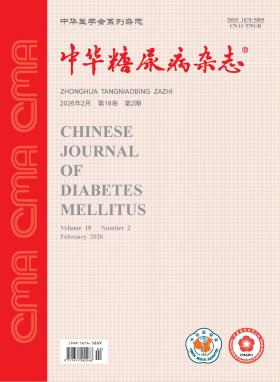
Volume 18 · Issue 02 · 2026
MedNexus
- Sections
- Special Article
- Criterion and Guide
- Perspective
- Original Article
- Review Article
Diabetes is one of the most important chronic non-communicable diseases in China, characterized by a large number of patients, rapid growth rate, heavy burden of complications, and long management cycle. Against the backdrop of an accelerating aging population and the prevalence of "modern" lifestyles, China′s diabetes prevention and control efforts are facing unprecedented challenges. This article systematically integrates epidemiological research on diabetes in 2025, national chronic disease surveillance data, and nationwide registry study results to comprehensively review the latest progress in China′s diabetes epidemic trends, regional distribution, risk factors, complication spectrum, clinical management status, and policy responses. Based on current scientific frontiers, it also analyzes and forecasts the key directions and development paths for future diabetes prevention and control in China, aiming to provide evidence-based support for clinical practice, public health decision-making, and research planning.
Children and adolescents with type 1 diabetes mellitus (T1DM) face significant challenges in self-management due to insufficient cognitive abilities, developmental changes, and psychosocial impacts. Currently, the self-management level among children and adolescents with T1DM in China remains moderate, which is closely associated with low rates of glycemic control attainment. To enhance the self-management capabilities of T1DM patients, establish a patient-and family-centered support system, standardize daily care practices, and help address diabetes management-related issues, National Clinical Research Center for Endocrine and Metabolic Diseases and the China Alliance for Type 1 Diabetes organized relevant experts. Drawing upon the latest domestic and international research advances and related guidelines, and integrating the current status of T1DM among children and adolescents in China, they jointly developed this edition of the Expert consensus on self-management education and support for type 1 diabetes mellitus in children and adolescents (2026 edition). The consensus covers the goals and principles, teams and qualifications, basic content, stage-specific priorities, forms and tools, implementation processes, and quality evaluation of self-management education and support for children and adolescents with T1DM. It aims to provide systematic guidance for healthcare professionals in conducting self-management education and support for this patient population.
Hyperinsulinemia is a key feature of diabetes mellitus and related metabolic disorders and can be classified into endogenous and exogenous forms, which differ substantially in their underlying mechanisms and clinical implications. Endogenous hyperinsulinemia is mainly driven by insulin resistance and is closely associated with obesity, cardiovascular disease, and an increased risk of several cancers, whereas exogenous hyperinsulinemia is primarily induced by insulin therapy, and its long-term safety remains controversial. This article provides a systematic review of the physiological characteristics and potential risks of endogenous and exogenous hyperinsulinemia, with a particular focus on the associations between exogenous hyperinsulinemia and cardiovascular events as well as cancer incidence, critically evaluating evidence from large randomized controlled trials, cohort studies, and meta-analyses, including ORIGIN, ACCORD, and UKPDS. Current evidence indicates that, when used at appropriate doses and with proper management, exogenous insulin therapy does not significantly increase the risk of cardiovascular events, all-cause mortality, or overall cancer incidence, and risk signals observed in early observational studies are largely attributable to confounding factors. Newer long-acting insulin analogues can achieve effective glycemic control while reducing adverse effects such as hypoglycemia and weight gain. Overall, available evidence does not support an increased cardiovascular or cancer risk associated with treatment-related exogenous hyperinsulinemia under standardized insulin therapy, and clinically, individualized treatment should be emphasized, with optimization of dosing and regimens to achieve a balance between glycemic control and long-term safety.
To explore the potential association between alcohol consumption and the risk of type 2 diabetes mellitus (T2DM) under different dietary patterns.
This study is a multicenter cross-sectional study. Data were collected from research subjects in the Nantong City chronic disease screening project between 2022 and 2023 using the multistage stratified cluster sampling method. Information on the research subjects′ dietary patterns and alcohol consumption (type, daily average alcohol intake, single-occasion alcohol intake, drinking frequency, and drinking duration) was collected. Cluster analysis was employed to categorize dietary patterns. A multivariate unconditional logistic regression model was used to analyze the association between alcohol type, alcohol intake, and T2DM risk. Restricted cubic spline (RCS) regression was applied to examine the dose-response relationship between daily average alcohol intake of high-proof baijiu or rice wine and T2DM risk under different dietary patterns. Additionally, sensitivity analysis was conducted using incorporating survey data from 2021.
A total of 51 993 participants were included in the study. Among them, 5 553 participants were diagnosed with T2DM, resulting in a prevalence of 10.68%. 729 subjects were excluded from the clustering analysis, and the remaining 51 264 subjects were clustered into two categories: 39 159 cases with a light diet and 12 105 cases with a high-salt and high-fat diet. Multivariate unconditional logistic regression analysis showed that high-proof baijiu consumption was positively associated with the risk of T2DM both in the light diet (OR=1.26, 95%CI 1.09-1.44) and the high-salt and high-fat diet (OR=1.28, 95%CI 1.10-1.49). However, only in the light dietary pattern, rice wine consumption (OR=0.71, 95%CI 0.51-0.99) was negatively associated with the risk of T2DM. Further analysis among high-proof baijiu consumers revealed that, for participants with a light diet: daily alcohol intake ≥40.0 g (OR=1.35, 95%CI 1.12-1.61), single-occasion alcohol intake ≥40.0 g (OR=1.28, 95%CI 1.10-1.49), drinking frequency ≥7 times/week (OR=1.34, 95%CI 1.12-1.61), or drinking duration ≥20 years (OR=1.25, 95%CI 1.08-1.45) were all positively associated with an increased T2DM risk. For participants with a high-salt and high-fat diet, daily alcohol intake ≥20.0 g (when the alcohol intake was 20.0-39.9 g, the OR was 1.46, with a 95%CI of 1.12 to 1.90; when the alcohol intake was ≥ 40.0 g, the OR was 1.26, with a 95%CI of 1.05 to 1.50), single-occasion alcohol intake 20.0-39.9 g (OR=2.28, 95%CI 1.69-3.07), drinking frequency ≥7 times/week (OR=1.65, 95%CI 1.37-1.98), or drinking duration ≥20 years (OR=1.30, 95%CI 1.11-1.53) were positively associated with an elevated T2DM risk. By contrast, among participants with a light diet, rice wine consumption with a daily alcohol intake of 0.1-19.9 g (OR=0.65, 95%CI 0.43-0.98) was associated with a negative association with T2DM risk. RCS analysis results indicated: among individuals with a high-salt and high-fat dietary pattern, the daily average alcohol intake of high-proof baijiu showed an inverted U-shaped association with T2DM risk. Among individuals with a light dietary pattern, the daily average alcohol intake of rice wine exhibited a U-shaped association with T2DM risk. Sensitivity analysis confirmed the consistency of the main findings.
High-proof baijiu consumption is significantly associated with an increased risk of T2DM. Notably, this association is stronger among individuals following a high-salt and high-fat dietary pattern. By contrast, moderate rice wine consumption among those with a light diet is associated with a reduced risk of T2DM.
To investigate the glycemic effectiveness of open-source Loop automated insulin delivery (AID) system among Chinese participants with type 1 diabetes mellitus (T1DM).
This cross-sectional study enrolled individuals with T1DM who used the Loop AID system and were recruited from an online T1DM community between September 2021 and July 2023. Demographic data, physical examination results, and clinical data were collected. Participants were divided into the minor group (<18 years old) and the adult group (≥18 years old) based on age. Key continuous glucose monitoring (CGM) metrics [time in range (TIR, 3.9-10.0 mmol/L), time in tight range (TITR, 3.9-7.8 mmol/L), time above range (TAR1, >10.0 mmol/L and TAR2, >13.9 mmol/L), time below range (TBR,<3.9 mmol/L)] were compared between baseline (the first week of use) and follow-up (the first week post-90 days of use). Between-group comparisons were conducted using the independent samples t test, Mann-Whitney U test. Within-group comparisons were performed using the paired t test and Wilcoxon signed-rank test. Categorical data were compared using the χ2 tests and Fisher exact test. The influencing factors of improvement in TIR were analyzed by multivariate logistic regression models.
A total of 81 eligible patients with T1DM were included, with 41 (50.62%) adults and 40 (49.38%) minors. Compared with baseline, minors with T1DM showed significantly higher TIR [75.18% (67.71%, 84.52%) vs. 72.93% (62.37%, 82.79%), P<0.01] and TITR (54.17%±14.02% vs. 48.43%±15.97%, P<0.01), and lower TAR1 (39.81%±14.46% vs. 44.64%±18.44%, P<0.05) and TAR2 [18.43% (9.91%, 26.42%) vs. 19.50% (11.73%, 30.38%), P<0.05]. Among adults with T1DM, TIR [83.21% (77.20%, 90.38%) vs. 79.74% (70.98%, 88.40%), P<0.05] and TITR (65.70%±12.35% vs. 56.44%±17.63%, P<0.01) significantly increased after follow-up compared with baseline, while TAR1 (26.82%±12.42% vs. 36.89%±18.37%, P<0.01) and TAR2 [8.48% (4.09%, 13.49%) vs. 11.32% (6.49%, 22.04%), P<0.01] were significantly decreased. The multivariate logistic regression analysis revealed that lower baseline TIR (OR=8.14, 95%CI 2.64-29.59) and a higher level of urban development (OR=3.16, 95%CI 1.12-9.99) were influencing factors associated with improvement in TIR.
The application of the Loop AID system in Chinese patients with T1DM significantly improves TIR and TITR levels, reduces TAR, without increasing the risk of hypoglycemia. Furthermore, baseline TIR level and urban development level are associated with improvements in TIR.
To evaluate the association between heart rate variability (HRV) and the severity of white matter hyperintensities (WMH) in middle-aged and elderly patients with type 2 diabetes mellitus (T2DM), and to develop a nomogram prediction model integrating autonomic function and metabolic indicators.
This was a cross-sectional study. Patients with T2DM (middle-aged and elderly) were recruited from the Department of Neurology, Chu HsienI Memorial Hospital, Tianjin Medical University, via convenience sampling over the period from January 2021 to December 2024. Data collected included age, blood pressure, triglycerides (TG), and HRV parameters [24-hour standard deviation of NN intervals (SDNN), mean of the standard deviations of NN intervals for all 5-minute segments(SDNN index), high-frequency power (HF), low-frequency power (LF), and very low-frequency power (VLF)]. Participants were categorized into no/mild WMH (Fazekas score 0-2) and moderate/severe WMH (Fazekas score 3-6) groups based on total Fazekas scores. Differences between groups were assessed using independent samples t-tests, Mann-Whitney U tests, or χ² tests. Spearman correlation analysis assessed the relationship between HRV indices and other variables. Binary logistic regression identified the influencing factors of WMH. Receiver operating characteristic (ROC) curves with area under the curve (AUC) were plotted to evaluate the discriminatory ability of different HRV indices for moderate-to-severe WMH. Bootstrap methods performed internal validation of the models, generating calibration curves and decision curves under uncertainty (DCA).
A total of 223 middle-aged and elderly T2DM patients were ultimately included, consisting of 122 patients in the no or mild WMH group and 101 patients in the moderate or severe WMH group. Compared to the no or mild WMH group, several HRV indices, including SDNN, SDNN index, HF, LF, LF/HF, and VLF, were significantly lower in the moderate or severe WMH group (all P<0.05). Spearman correlation analysis revealed that SDNN (r=-0.391, P<0.001), SDNN index (r=-0.336, P<0.001), LF (r=-0.359, P<0.001), and VLF (r=-0.386, P<0.001) were all negatively correlated with WMH severity. Binary logistic regression analysis confirmed that SDNN (OR=0.966, 95%CI 0.953-0.979), SDNN index (OR=0.966, 95%CI 0.942-0.990), LF (OR=0.996, 95%CI 0.994-0.999), and VLF (OR=0.997, 95%CI 0.996-0.998) were the influencing factors for moderate-to-severe WMH. ROC curve analysis showed that the combination of HRV indicators had an AUC of 0.743 (95%CI 0.680-0.807) for discriminating moderate-to-severe WMH, with a sensitivity of 86.1% and a specificity of 57.4%. The C-index of the integrated model incorporating age, systolic blood pressure, TG, SDNN, and VLF reached 0.833 (95%CI 0.793-0.872), with well-fitted calibration curves. Decision curve analysis demonstrated significant clinical net benefit.
HRV indicators (SDNN, SDNN index, LF, and VLF) were influencing factors for the severity of WMH in middle-aged and elderly T2DM patients. This study developed and validated a nomogram that integrates autonomic function and metabolic markers. The nomogram demonstrated excellent discriminatory ability, good calibration, and significant clinical net benefit.
To explore the correlation between triglyceride-glucose (TyG) index combined with serum leptin levels and the risk of hepatic fibrosis in patients with newly diagnosis of type 2 diabetes mellitus (T2DM).
This study was a case-control study. A total of 146 patients with newly diagnosed T2DM who attended the outpatient clinic of the Department of Endocrinology and Metabolism at the Affiliated Hospital of Zunyi Medical University between August 2021 and August 2022 were enrolled as the case group. During the same period, 141 healthy individuals undergoing physical examinations were recruited as the control group. Clinical data were collected for all participants. Serum leptin levels were measured, and TyG index and fibrosis-4 (FIB-4) index were calculated. Partial correlation analysis (controlling for sex, age, and body mass index) was used to explore the correlation between FIB-4 index and TyG index and leptin. Binary logistic regression was applied to analyze the influencing factors of the risk of hepatic fibrosis (FIB-4 index≥1.30). TyG index, leptin, and their combined indexes were evaluated by the subjects′ work characteristic curves (ROC) for the patients with first diagnosis of T2DM. This assessed the predictive value of liver fibrosis risk.
Serum leptin levels were significantly higher in the T2DM group than in the NC group (P<0.001). Partial correlation analysis showed that FIB-4 index was significantly and positively correlated with TyG index (r=0.385, P<0.001) and leptin (r=0.353, P<0.001). Binary logistic regression analysis showed that TyG index (OR=8.852, 95%CI 3.600-21.763), leptin (OR=1.751, 95%CI 1.408-2.177) and age (OR=1.159, 95%CI 1.100-1.220) were the independent risk factors for the risk of hepatic fibrosis.The analysis of ROC curves showed that TyG index [area under the curve (AUC)=0.804, 95%CI 0.752-0.855, P<0.001] and leptin (AUC=0.825, 95%CI 0.778-0.871, P<0.001) had good efficacy in predicting the risk of hepatic fibrosis individually, and the efficacy of the combination of the two was even better (AUC=0.865, 95%CI 0.823-0.907, P<0.001), corresponding to a critical value of 29.080, with a sensitivity of 100% and a specificity of 85.5%.
In patients with newly diagnosed T2DM, both TyG index and serum leptin level were significantly and positively correlated with FIB-4 index, which reflects liver fibrosis, and both were independent risk factors for the risk of liver fibrosis. Moreover, the combined application of TyG index and leptin levels significantly improved the predictive performance for liver fibrosis risk in patients with newly diagnosed T2DM.
To investigate the renoprotective effect of polyethylene glycol losenatide (PEG-Loxe) on renal function in patients with early diabetic kidney disease (DKD).
This was a randomized controlled study. The study examined DKD G1A2-G3aA2 stage patients who attended the inpatient department and outpatient clinic of the Department of Endocrinology of a tertiary hospital in Wuhan city from October 2022 to September 2023. These patients were selected as the study subjects. Subjects were randomly assigned to the PEG-Loxe group, the dulaglutide group, and the control group in a 1∶1∶1 ratio using the randomized numeric table method, and were treated for 6 consecutive months. The subjects′ sex, age, blood creatinine (Scr), urinary albumin, urinary creatinine, and serum Rho-associated coiled-coil containing protein kinase (ROCK) were collected before, and 3 and 6 months after treatment, and estimated glomerular filtration rate (eGFR) and urinary albumin-to-creatinine ratio (UACR) were calculated. The primary efficacy endpoint of the study was the change in UACR of the three groups of subjects after 3 and 6 months of treatment compared to pre-treatment, and the secondary efficacy endpoint was the change in Scr, eGFR, and serum ROCK levels of the three groups of subjects after 3 and 6 months of treatment compared to pre-treatment. Multivariate analysis of variance (ANOVA), Kruskal-Wails H test, and χ2 test were used for between-group comparisons of differences, and repeated-measures ANOVA, Friedman rank-sum test, and χ2 test were used for within-group comparisons of differences.
A total of 206 subjects were ultimately enrolled, including 66 in the PEG-Loxe group, 68 in the dulaglutide group, and 72 in the control group. After 3 and 6 months of treatment, UACR, Scr, and ROCK decreased and eGFR increased compared with baseline in all groups (all P<0.05). After 3 and 6 months of treatment, UACR, ROCK were decreased and eGFR was increased in the PEG-Loxe and dulaglutide groups compared with the control group (P<0.05). However, no statistically significant differences in UACR, Scr, ROCK, or eGFR were observed between the PEG-Loxe and dulaglutide groups after 6 months of treatment (all P>0.05).
PEG-Loxe effectively reduces UACR levels in patients with early-stage DKD. Its effects on reducing urinary albumin excretion and protecting renal function are comparable to those of dulaglutide, and may be related to the inhibition of serum ROCK levels.
To explore the correlation between red blood cell survival (RBCS) and glycated hemoglobin A1c (HbA1c) in populations residing at high-altitude areas.
This case-control study enrolled 94 patients with type 2 diabetes mellitus (T2DM) who visited the People′s Hospital of Xizang Autonomous Region from January to June 2024 as the T2DM group, and 32 healthy individuals undergoing physical examination during the same period as the control group. Demographic information, including sex and age, was collected for both groups. Red blood cell survival (RBCS), fasting plasma glucose (FPG), red blood cell count (RBC), hemoglobin (HBG), and HbA1c were performed. Inter-group comparisons were conducted using the Mann-Whitney U test. The T2DM group was further divided into three subgroups according to HbA1c levels: HbA1c≤10% (26 cases), 10%<HbA1c≤12% (30 cases), and HbA1c>12% (38 cases). Differences in age, RBCS, RBC, HBG, and FPG among the three subgroups were compared using the Kruskal-Wallis H test. Spearman correlation analysis was applied to assess the correlations of age, RBCS, RBC, HBG, and FPG with HbA1c in both groups.
The level of HbA1c in the T2DM group was significantly higher than that in the control group [11.6% (9.9%, 13.5%) vs. 5.7% (5.4%, 5.9%), respectively, Z=71.045,P<0.001]. In the control group, HbA1c was positively correlated with age and FPG (r=0.560 and 0.411, respectively; both P<0.05), and negatively correlated with RBCS (r=-0.375, P=0.035). In the T2DM group, HbA1c was positively correlated with FPG (r=0.700, P<0.05) but showed no significant association with RBCS (P=0.761). When patients with T2DM were stratified according to HbA1c levels, only FPG exhibited a significant increasing trend with rising HbA1c levels (H=41.801, P<0.001).
No significant difference in RBCS was observed between the high-altitude T2DM group and the control group. At high altitudes, HbA1c measurement is not affected by RBCS but is associated with various other factors. Therefore, HbA1c should be used in combination with FPG for the diagnosis and management of diabetes in high-altitude populations.
As an increasingly severe chronic metabolic disease in the world, diabetes is becoming a major public health problem that threatens human health. Serum C-peptide, as a key biomarker to assess the function of pancreatic islet β cells to secrete endogenous insulin in diabetic patients, plays an irreplaceable role in the diagnosis and treatment of diabetes. However, at present, there are significant differences in serum C peptide detection results between different laboratories and different detection systems, which lack comparability, which will affect the accuracy of clinical diagnosis and treatment. Therefore, it is of great significance to promote the standardization process of serum C-peptide detection and establish a complete reference traceability chain for achieving comparable mutual recognition of test results in different medical institutions. This review systematically summarizes the current status of standardization and uniformity of serum C-peptide detection, and expounds the progress of its standardization. This paper summarizes the relevant work of the Serum C-peptide Standardization Committee and other institutions in recent years. In particular, each link in the traceability chain, including the establishment and verification of reference methods, the development and application of reference substances, etc., was deeply analyzed, and a complete standardized implementation path of serum C-peptide detection was proposed, and the follow-up steps were clarified.
In recent years, white adipose tissue browning has attracted much attention because of its important role in regulating energy metabolism and preventing and treating obesity-related metabolic diseases. As a current research hotspot in the field of metabolic diseases, it is of great significance to explore the key regulatory mechanism of white fat browning and develop targeted drugs. It is worth noting that the weight-loss effect of sodium-glucose cotransporter 2 inhibitor (SGLT2i) may be related to the promotion of white fat browning in addition to promoting osmotic diuresis, inducing metabolic reprogramming, and accelerating lipolysis. This paper focuses on the role of SGLT2i in promoting white fat browning by various mechanisms, including activating adenylate-activated protein kinase (AMPK) signaling pathway, specifically regulating adipokine secretion profile, selectively inducing M2 macrophage polarization and promoting adipose tissue angiogenesis. These findings provide a new perspective for a deeper understanding of the weight loss mechanism of SGLT2i, and also provide a theoretical basis for the development of anti-obesity drugs targeting white fat browning.
Type 2 diabetes mellitus (T2DM) is an important risk factor for cognitive dysfunction. Epidemiological studies show that about 10% of dementia worldwide is related to diabetes, and there are limited drugs to treat cognitive dysfunction, putting a heavy burden on families and society. At present, it is believed that the pathogenesis of T2DM-related cognitive dysfunction involves multiple factors such as insulin resistance, hyperglycemia-induced accumulation of advanced glycation end products, chronic inflammation, obesity, etc. Glucagon-like peptide-1 receptor agonist (GLP-1RA) is a new hypoglycemic drug widely used in the treatment of T2DM. Studies have shown that GLP-1RA can play a neuroprotective role through various pathways and is a potential therapeutic agent for improving T2DM patients related to cognitive dysfunction. This paper reviews the mechanism of GLP-1RA in improving cognitive dysfunction in patients with T2DM, the differences in the effects of different structures of GLP-1RA in improving cognitive dysfunction in patients with T2DM and the possible reasons for the differences, and provides theoretical basis for the application of this class of drugs.
Wolfram syndrome type 1 (WS1) is a rare neurodegenerative disease caused by a mutation in the WFS1 gene. It is also known as DIDMOAD syndrome because of its typical manifestations such as diabetes insipidus (DI), diabetes mellitus (DM), optic atrophy (OA) and deafness (D). The pathogenic mechanism of WS1 involves endoplasmic reticulum stress, calcium homeostasis imbalance and mitochondrial dysfunction, leading to multi-system progressive damage. The rarity of WS1 limits its research progress, and there is no effective treatment at present, but advances in genetic diagnostic technology provide the possibility of early intervention. In recent years, a large number of studies have explored the correlation between WFS1 gene mutation and clinical phenotype, but its genotype-phenotype association is still controversial due to the rarity and clinical heterogeneity of the disease. This paper systematically reviews the molecular mechanism of WFS1 mutation and its influence on clinical phenotype, and points out that early diagnosis is helpful for standardized genetic counseling and long-term follow-up, and guides clinicians to systematically screen and manage related complications.
Obesity and type 2 diabetes mellitus (T2DM) are major global public health challenges, and their pathogenesis is closely related to intestinal dysbiosis. Medium chain fatty acids (MCFA), as a class of dietary lipids with unique metabolic properties, can effectively improve the metabolic abnormalities of obesity and T2DM by remodeling intestinal microecology. Studies have shown that MCFA can be quickly absorbed by the intestine and metabolized by β-oxidation in the liver, reducing insulin dependence and accelerating ketone body production. At the same time, by enhancing the abundance of lactobacilli, bifidobacteria and short-chain fatty acid (SCFA) -producing bacteria, it can improve SCFA production and regulate the bile acid-farnesol X receptor/fibroblast growth factor 15 axis, optimize intestinal microecology, reduce potential harmful bacteria such as macrococcus, thereby reducing chronic inflammation and insulin resistance, and improve blood sugar regulation and lipid metabolism. This paper reviewed the research progress of MCFA in improving obesity and T2DM by regulating intestinal flora, explored its potential mechanism and application prospect, and provided theoretical basis for new nutritional intervention strategies.
CURRENT ISSUE