MedNexus
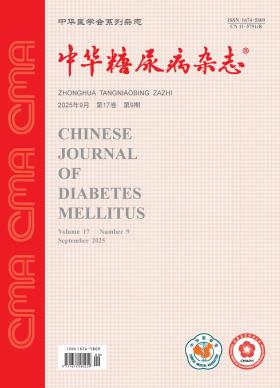
Volume 17 · Issue 09 · 2025
MedNexus
- Sections
- Special Article
- Criterion and Guide
- Perspective
- Original Article
- Experience Exchange
- Case Report
- Review Article
- Lecture
In recent decades, microalbuminuria (MAU) has been recognized as an important indicator for screening, diagnosis and follow-up of diabetic nephropathy (DKD). However, with the deepening of research on the pathological association between the mechanism of albuminuria and DKD and the correlation between dynamic changes of MAU and clinical outcomes, people's cognition of diabetic MAU in the past is facing increasing challenges. By combing the literature, the author re-evaluates the clinical value of MAU in DKD screening, diagnosis and follow-up, in order to guide clinical practice. The dynamic changes of MAU in diabetic patients showed different patterns, progressing to proteinuria, maintaining MAU for a long time or reversing to normoalbuminuria. It is worth noting that the glomerular filtration rate (GFR) of some patients with MAU reversal can continue to deteriorate and even progress to end-stage renal disease (ESRD). Some DKD patients experienced a decrease in GFR to<60 ml·min-1• (1.73 m²)-1MAU and/or albuminuria are not associated with the process. Therefore, MAU is not a reliable indicator for predicting, diagnosing and following up DKD, and exploring new screening, diagnosis and follow-up methods for DKD has become an important clinical need.
In recent years, the prevalence of overweight/obesity in solid organ transplant recipients has increased rapidly, and the clinical research evidence of obesity in solid organ transplant recipients is increasing day by day, but there is a lack of corresponding standardized diagnosis and treatment and comprehensive management paths to guide clinical practice. Based on this, the Expert Consensus on Weight Management of Solid Organ Transplant Recipients in Overweight or Obese Adults (2025 Edition) was compiled by experts organized by the Diabetology Professional Committee of China Research Hospital Society. The consensus mainly focuses on the epidemiological data, diagnostic criteria, screening and evaluation methods, management paths, intervention strategies and other aspects of overweight/obesity in solid organ transplant recipients, so as to further improve the management level of the majority of medical workers engaged in the whole process of organ transplant management for overweight/obesity people in solid organ transplant, standardize clinical diagnosis and treatment, improve patients' prognosis and quality of life.
Insulin therapy is an effective means of controlling hyperglycemia. The long-acting basal insulin weekly preparation achieves a reduction in the injection frequency from once a day to once a week. While achieving similar hypoglycemic efficacy and safety as the basal insulin daily preparation, the number of injections is fewer, and patient compliance is better, providing more choices for clinical simplified treatment options. Insulin ecoic is a basal insulin weekly preparation, which has been approved for marketing in my country. In order to help clinicians apply insulin ecoic more reasonably and standardizedly, the expert group, based on existing research evidence and clinical experience, has formed the "Expert Guidance and Recommendations for the Clinical Application of Basal Insulin Weekly Preparation Insulin ecoic in the Treatment of Type 2 Diabetes Mellitus (2025 Edition)" after many discussions, which explains the long-acting mechanism and pharmacological characteristics, hypoglycemic efficacy and safety, applicable populations and methods of use, application in special populations, adverse reactions and treatment of common wrong injections of insulin ecoic, aiming at providing a reference for clinicians to use this drug rationally.
The incidence of diabetic foot in China remains high, and the incidence areas are widely distributed and scattered, and there are great differences in clinical management level between regions. The International Working Group on Diabetic Foot recommended that all countries should establish three-tier institutions for the diagnosis and treatment of diabetic foot, and divide them according to the interdisciplinary expert team established by medical institutions. In 2023, the Diabetology Branch of the Chinese Medical Association introduced an exploratory hierarchical diagnosis and treatment model to better manage diabetic foot patients in its Clinical Pathway on Diagnosis and Treatment of Diabetic Foot. Based on this, the Executive Committee of the Yangtze River Delta Ecological Green Integrated Development Demonstration Zone and its Yangtze River Delta Integrated Diabetic Foot Alliance organized experts in relevant fields, referred to relevant diagnosis and treatment guidelines and consensus at home and abroad, and based on the previous practical experience and the actual situation in China, jointly formulated this consensus. The consensus mainly discusses the standards of diabetic foot centers of different grades from the aspects of functional positioning, qualification allocation, diagnosis and treatment ability, operation management, core technology and quality evaluation indicators, aiming at providing guidance for the construction of diabetic foot centers of various grades.
The pain brought to patients with diabetic peripheral neuropathy seriously affects their quality of life, and it is also an important reason for patients to come to see a doctor. Therefore, it is extremely important to improve the symptoms and alleviate the suffering of patients. At present, the symptomatic treatment of diabetic neuropathy is mainly for the treatment of neuropathic pain and symptoms related to autonomic neuropathy, but the efficacy of symptomatic treatment is very limited. Therefore, it is often necessary to combine various drug treatments for the pathogenesis of diabetic neuropathy to further improve the symptoms. Unfortunately, for some patients, even if the above-mentioned methods are used in combination, the improvement effect of their symptoms is still not good. Therefore, we need to move forward the time of treatment of neuropathy and actively prevent the occurrence of neuropathy. Studies have shown that controlling blood sugar, blood lipids, blood pressure, weight and appropriate exercise can better prevent and reduce the occurrence of diabetic peripheral neuropathy. One point of prevention is better than ten points of treatment. Once the patient has symptoms, it is necessary to combine treatment for pathogenesis and symptomatic treatment on the basis of controlling blood sugar and other pathogenic factors to improve the symptoms and improve the quality of life of the patient. It can be seen that diabetic neuropathy requires both active prevention and symptomatic treatment. Only early prevention, early intervention, multi-pronged approach and comprehensive management can achieve better results.
To develop and validate a predictive model for identifying significant fibrosis in patients with type 2 diabetes mellitus (T2DM) combined with metabolic dysfunction-associated steatotic liver disease (MASLD).
This cross-sectional study enrolled 450 patients with T2DM combined with MASLD who underwent liver biopsy from January 2016 to September 2023 at Nanjing Drum Tower Hospital. Clinical data including body mass index (BMI), glycated hemoglobin A1c (HbA1c), homeostasis model assessment-2 insulin resistance (HOMA2-IR), platelet (PLT), alanine transaminase (ALT), aspartate transaminase (AST), gamma-glutamine transpeptidase (γ-GT), conjugated bilirubin (CB), albumin (ALB), high-density lipoprotein cholesterol (HDL-C) and other relevant variables were collected. The fibrosis-4 (FIB-4) index and non-alcoholic fatty liver disease fibrosis score (NFS) were calculated. Pathological results of liver biopsy were collected. The examined liver tissues were classified into non-significant fibrosis (F0/F1 stage) and significant fibrosis (≥F2 stage) according to the US Non-Alcoholic Steatohepatitis Clinical Research Network scoring system. Patients were randomly assigned to the training group (360 cases) or the validation group (90 cases) in an 8∶2 ratio based on the R caret package. In the training group, univariate and multivariate logistic regression analyses were performed to identify variables associated with significant fibrosis and construct the predictive model. The model performance was evaluated using receiver operating characteristic (ROC) curves and area under the curve (AUC). DeLong′s test was used to compare the performance of the different models.
HbA1c, HOMA2-IR, PLT, γ-GT, CB and HDL-C were included into the final model. The AUC values for the training and validation sets were 0.73 (95%CI 0.67-0.78) and 0.70 (95%CI 0.58-0.81), respectively. With two cut-off points (-1.75 and -0.40), the sensitivity and specificity for predicting significant fibrosis was 89.9% and 90.4% in the training group, 86.4% and 83.8% in the validation group, respectively. The Delong′s test showed that the diagnostic performance of the prediction model developed in this study was significantly better than that of the FIB-4 index and NFS (both P<0.01).
We developed a prediction model with good diagnostic performance for identifying significant liver fibrosis in patients with T2DM combined with MASLD.
To investigate the effect of gestational diabetes mellitus (GDM) on the perinatal outcomes in twin pregnancies.
This was a retrospective cohort study. Pregnant women with twin pregnancies who underwent nutritional assessment in the Department of Nutrition, Women and Children′s Hospital Affiliated to Qingdao University from November 2019 to January 2024 and gave birth in the hospital were selected as the subjects of this research. The height, weight, age and family history of diabetes of the subjects before pregnancy were collected, and the pre-pregnancy body mass index (BMI) was calculated. The glycated hemoglobin (HbA1c) of the research subjects in the third trimester of pregnancy was collected, and the oral glucose tolerance test (OGTT) was performed from 24 to 28 weeks of pregnancy. Follow-up was conducted to access the adverse perinatal outcomes of pregnant women with twin pregnancies (preterm birth, gestational hypertension, preeclampsia, hypothyroidism, intrauterine infection, postpartum hemorrhage, anemia during pregnancy, thrombocytopenia, intrahepatic cholestasis) and adverse neonatal outcomes (neonatal respiratory distress syndrome, fetal developmental abnormalities, fetal growth restriction, low birth weight of the offspring). According to the OGTT results, the research subjects were divided into the GDM group and the normal glucose tolerance group. The research subjects were divided into the FPG1 group (<4.2 mmol/L), the FPG2 group (4.2-4.4 mmol/L), the FPG3 group (4.5-4.7 mmol/L), the FPG4 group (4.8-4.9 mmol/L), and the FPG5 group (5.0-5.2), FPG6 group (5.3-5.5 mmol/L), and FPG7 group (≥5.6 mmol/L) based on the OGTT FPG levels. Intergroup comparisons were conducted using the Mann-Whitney U test, χ2 test, trend test or Fisher′s exact probability method. Binary logistic regression was used to analyze the correlation between blood glucose levels and perinatal outcomes.
A total of 1 282 pregnant women with twin pregnancies were ultimately included. Among them, there were 337 cases (26.3%) in the GDM group and 945 cases in the normal glucose tolerance group. Compared with the normal glucose tolerance group, the GDM group had a higher proportion of participants with a pre-pregnancy BMI and family history of diabetes, and were older (all P<0.05). There were no statistically significant differences in the incidences of preterm birth, gestational hypertension, preeclampsia, hypothyroidism, intrauterine infection, postpartum hemorrhage, gestational anemia, thrombocytopenia and intrahepatic cholestasis between the two groups of twin pregnant women. Moreover, no statistically significant differences were observed in the incidence of neonatal respiratory distress syndrome, fetal developmental abnormalities, fetal growth restriction, and low birth weight in the offspring (all P>0.05). After adjusting for confounding factors such as age and BMI, the binary logistic regression results showed that elevated HbA1c in pregnant women with GDM in twin pregnancies in the third trimester did not affect the outcomes of preterm birth and preeclampsia (P>0.05). However, compared with the FPG1 group, the incidence of preterm birth and gestational hypertension in the FPG7 group increased by 1.315 times (OR=2.315, 95%CI 1.057-5.703) and 3.666 times (OR=4.666, 95%CI 1.211-17.978), respectively.
GDM does not increase the adverse perinatal outcomes for both mothers and infants in twin pregnancies. The increase of HbA1c in pregnant women with GDM in the third trimester dose not have a significant impact on the outcomes of preterm birth or preeclampsia.
To establish a diagnostic model for diabetic retinopathy (DR) in patients with type 1 diabetes mellitus (T1DM) based on the levels of retinol binding protein 4 (RBP4).
This was a cross-section study. Data were collected retrospectively from T1DM patients who visited the Department of Endocrinology at the First Affiliated Hospital of Nanjing Medical University between January 2010 and December 2022. Patients were divided into two groups based on the diagnostic criteria for DR: the no diabetic retinopathy (NDR) group and the DR group. Baseline data, including gender, age, height, weight, diabetes duration, comorbidities, and other clinical indicators, were collected. Serum levels of RBP4, glycated hemoglobin A1c (HbA1c), triglycerides, total cholesterol, serum creatinine, urinary albumin-to-creatinine ratio (UACR), and other parameters were measured. Body mass index (BMI) and the estimated glomerular filtration rate (eGFR) were calculated. The t-test, Mann-Whitney U test, and χ2 test were used to compare clinical data between the two groups. Multivariate logistic regression analysis was performed to identify influencing factors for DR, and a nomogram-based diagnostic model was constructed. The diagnostic value of the indicators was analyzed using receiver operating characteristic (ROC) curve analysis. Calibration curve and decision curve were conducted to evaluate the calibration and clinical utility of the model.
A total of 718 T1DM patients were included, with 632 in the NDR group and 86 in the DR group. Compared with the NDR group, the DR group had older patients, a longer duration of diabetes, and a higher incidence of hypertension, diabetic nephropathy, diabetic peripheral neuropathy, and cardiovascular diseases. Serum RBP4 levels and UACR levels were significantly higher in the DR group (both P<0.05). Multivariate logistic regression analysis revealed that, after adjusting for confounding factors including BMI, triglyceride, total cholesterol, UACR, HbA1c and eGFR, RBP4 (OR=1.060, 95%CI 1.027-1.094, P<0.001), UACR (OR=1.003, 95%CI 1.000-1.006, P<0.001), and diabetes duration (OR=1.083, 95%CI 1.040-1.128, P<0.001) were independent risk factors for DR. ROC curve analysis showed that RBP4, UACR, and diabetes duration had good diagnostic performance for DR in T1DM patients. The area under the curve of the combined model of the three indicators was 0.813 (95%CI 0.693-0.804), with a sensitivity of 78.7% and a specificity of 70.5%, indicating better performance. The calibration curve analysis showed that the predicted probability of the model was consistent with the actual probability, and the decision curve analysis showed that the model had a high clinical applicability.
A diagnostic model based on serum RBP4 levels and other variables, such as UACR and diabetes duration, demonstrates good efficacy in diagnosing DR in T1DM patients.
To explore the relationship between different obesity indicators and left ventricular hypertrophy (LVH) in patients with type 2 diabetes mellitus (T2DM).
This was a cross-sectional study. Patients with T2DM who attended Department of Endocrinology at the Affiliated Hospital of Integrated Traditional Chinese and Western Medicine of Nanjing University of Chinese Medicine, and the Affiliated Changzhou No.2 People′s Hospital of Nanjing Medical University were consecutively enrolled between June 2018 and July 2022. The following demographic and metabolic parameters were collected: age, height, weight, neck circumference (NC), waist circumference (WC), hip circumference (HC), subcutaneous fat area (SFA), triglycerides (TG) and high-density lipoprotein cholesterol (HDL-C). The body mass index (BMI), waist-to-hip ratio (WHR), waist-to-height ratio (WHtR), body adiposity index (BAI), body roundness index (BRI), Chinese visceral adiposity index (CVAI), visceral adiposity index (VAI), cardiometabolic index (CMI), lipid accumulation index (LAP), and weight-adjusted-waist index (WWI) were calculated. The study participants were categorized into three age groups according to World Health Organization criteria: young group (18-44 years), middle-aged group (45-59 years), and elderly group (60-75 years). Multivariate binary logistic regression analysis was used to explore the associations of different obesity indicators with LVH. The predictive value of different obesity indicators for LVH in T2DM patients was evaluated by receiver operating characteristic (ROC) curve, and the area under the ROC curve (AUC) was calculated.
Ultimately, a total of 2 589 patients with T2DM were included in the study, comprising 630 young group, 1 440 middle-aged group, and 519 elderly group. Logistic regression analysis showed positive correlations between NC, WC, WHR, WHtR, WWI, CVAI, BAI, BRI, LAP, SFA and LVH in T2DM patients (all P<0.05). According to the age stratification, WHR, WHtR, WWI in young group, NC, WC, HC, WHR, WHtR, WWI, VAI, CVAI, BAI, BRI, CMI, SFA in middle-aged group, WHR, LAP in elderly group had positive associations with LVH in T2DM patients (all P<0.05). BAI had the largest AUC value (AUC=0.703, 95%CI 0.670-0.735). The prediction effect of BAI on LVH was better than BRI, WHtR, and LAP (P<0.001). WWI had the largest AUC value in young group (AUC=0.698, 95%CI 0.611-0.784). BAI had the largest AUC value in middle-aged group (AUC=0.732, 95%CI 0.687-0.777) and its predictive value was better than that of WWI, VAI, WHtR, BRI, CMI and SFA (all P<0.05).
BAI, WWI, BRI, WHtR, and LAP demonstrated significant predictive value for LVH in patients with T2DM. Among these, BAI exhibited comparatively higher predictive performance.
To investigate the correlation between triglyceride-glucose (TyG) index and kidney stones (KS) in adult type 2 diabetes mellitus (T2DM) patients, and to construct a prediction model.
This was a cross-sectional study. Five hundred and seventeen adult T2DM patients who were admitted to the Department of Endocrinology of the 900th Hospital of Joint Logistics Support Force from 1 January 2022 to 31 December 2023 were included in the study. General data of the patients were collected, including medical history, body mass index (BMI), systolic blood pressure (SBP), diastolic blood pressure (DBP), serum urea nitrogen (BUN), serum creatinine (Scr), serum uric acid (SUA), calcium (Ca2+), total cholesterol (TC), triglycerides (TG), low-density lipoprotein cholesterol (LDL-C), high-density lipoprotein cholesterol (HDL-C), glycated hemoglobin A1c (HbA1c), fasting plasma glucose (FPG), fasting insulin (FINS), fasting C-peptide (FCP), urinary pH and urine albumin/creatinine ratio (UACR), imaging and ultrasonographic findings. TyG index, homeostasis model assessment of insulin resistance index (HOMA-IR), triglyceride-glucose-BMI and estimated glomerular filtration rate (eGFR) were calculated. The presence or absence of hypertension, diabetic retinopathy (DR), diabetic peripheral neuropathy (DPN), coronary heart disease (CHD), peripheral arterial disease (PAD), and diabetic kidney disease (DKD) was collected from the enrolled patients. The group was divided into KS group (84 cases) and NKS group (433 cases) according to the presence or absence of the KS combination. The group was also divided into Q1 group (TyG<8.88, 173 cases), Q2 group (8.88≤TyG<9.58, 176 cases) and Q3 group (TyG≥9.58, 168 cases) according to the third quartile of the TyG index. The group was divided into the group of BMI<24 kg/m2 (226 cases) and the group of BMI≥24 kg/m2 group (291 cases). The correlation and predictive efficacy of TyG index with KS were assessed by Spearman′s correlation analysis (calculation of correlation coefficient r-value), binary logistic regression analysis (adjusting for confounders), and ROC curves. Non-linear relationships were analysed using restricted cubic spline. A column-line graphical prediction model was constructed and the reliability of the results was verified using BMI stratification and sensitivity analyses, while the mediating role of BMI was assessed using mediation analyses.
The TyG index of patients in the combined KS group was significantly higher than that in the group without combined kidney stones (P<0.001). After adjusting for the confounders of BMI, SBP, Scr, UA, FPG, TC, TG, UACR, eGFR, HbA1c, FINS, duration of diabetes mellitus, DR, DKD, PAD, hypertension, and urine pH, TyG index showed a nonlinear positive correlation with KS (P<0.05). Multifactorial logistic regression analysis showed that Scr, HbA1c, TyG index, diabetes duration, and urine pH were associated with the risk of KS. A prediction model was constructed based on these five variables, and the goodness of fit of the model was verified by a goodness-of-fit test (χ2=7.21) and the area under the curve was 0.766 (95%CI 0.706-0.825, P<0.05). Stratified analysis showed that TyG index was significantly associated with the risk of KS after adjusting for confounders at BMI≥24 kg/m2 (OR=3.35, 95%CI 1.23-9.14). Mediation analyses showed that TyG index was significantly associated with BMI (β=1.366, P<0.001), BMI was significantly associated with KS (β=0.011, P<0.001), and that BMI partially mediated the association between TyG index and KS (mediation effect accounted for 17%).
Elevated levels of TyG index indicate an increased risk of KS. The prediction model constructed in this study effectively predicted the risk of kidney stones in patients with T2DM, with BMI acting as a partial mediator.
To explore the underlying mechanism by which evodiamine (EVO) exerts a protective effect on renal injury in diabetes nephropathy (DN) rats.
In the animal experiment section, 70 male SPF grade SD rats weighing 230-250 g were randomly divided into a control group (NC group, 10 rats) and an experimental group (60 rats) using a random number table method. The experimental group rats were intraperitoneally injected with streptozotocin to construct a DN model, and were randomly divided into a model group, low-dose (10 mg/kg) EVO (EVO-L) group, high-dose (40 mg/kg) EVO (EVO-H) group, positive control (85.71 mg/kg metformin) group, and high-dose EVO+Yes-associated protein 1(YAP) activator XMU-MP-1 (EVO-H+XMU-MP-1, 40 mg/kg EVO and 1 mg/kg XMU-MP-1) group using a random number table method. Each group consisted of 10 only. The pathological changes of renal tissue were observed using hematoxylin eosin staining method. Renal tissue fibrosis was observed using Masson staining method. TUNEL staining mediated by deoxyribonucleotide end transferase was used to observe apoptosis of podocytes in renal tissue. Fasting blood glucose (FPG), blood urea nitrogen (BUN), serum creatinine (SCr), interleukin-1α (IL-1α), tumor necrosis factor-α (TNF-α), interleukin-18 (IL-18) levels, as well as urinary microalbumin and creatinine levels, were measured using a blood glucose meter, a fully automated biochemical analyzer, enzyme-linked immunosorbent assay (ELISA), and transmission immunoturbidimetry. The urinary microalbumin/creatinine ratio (UACR) was calculated. In the cell experiment section, rat podocytes were cultured and randomly divided into a normal group (5.0 mmol/L glucose), a high glucose group (30.0 mmol/L glucose), a low-dose EVO group (30.0 mmol/L glucose+20.0 mmol/L EVO), a high-dose EVO group (30.0 mmol/L glucose+40.0 mmol/L EVO), and a YAP activator XMU-MP-1 group (30.0 mmol/L glucose+40.0 mmol/L EVO+2.0 mmol/L XMU-MP-1) using a random number table method. The survival rate of podocytes in each group was detected using the CCK-8 cell counting reagent analysis. Western blotting was used to detect the expression of YAP/transcriptional co-activator with PDZ-binding motif (TAZ) signaling pathway related proteins in podocytes and kidney tissues of each group. Single factor analysis of variance is used for multiple comparisons between groups.
The results of animal experiment showed that compared with the NC group, the model group rats had enlarged glomeruli with irregular contours, accumulation of mesangial matrix, and infiltration of inflammatory cells in the renal interstitium. This resulted in extensive fibrosis. Pathological scores, SCr, BUN, UACR, FPG levels, podocyte apoptosis rate, serum IL-1α, TNF-α, IL-18 expression levels, and YAP and TAZ expression levels in renal tissue were all increased (all P<0.05). Compared with the model group, the EVO-L group and EVO-H group showed reduced renal tissue lesions, reduced podocyte swelling, decreased inflammatory cells infiltrating the renal interstitium, reduced fibrosis area, and pathological scores. The levels of SCr, BUN, UACR, the apoptosis rate of podocytes, and the expression levels of serum IL-1α, TNF-α and IL-18, and the relative expression levels of YAP and TAZ in renal tissue gradually decreased (P<0.05). Compared with the EVO-H group, the levels of SCr, BUN, UACR, apoptosis rate, serum IL-1α, TNF-α, IL-18 levels, YAP, and TAZ in the EVO-H+XMU-MP-1 group increased again (P<0.05). The cell experiment results showed that compared with the normal group, the cell survival rate of the high glucose group decreased (P<0.05), while the expression levels of YAP and TAZ in the cells increased (P<0.05). Compared with the high glucose group, the cell survival rate gradually increased in the low-dose EVO group and high-dose EVO group, while the expression levels of YAP and TAZ gradually decreased (P<0.05). Compared with the EVO-H group, the expression levels of YAP and TAZ in the EVO-H+XMU-MP-1 group increased again (P<0.05).
EVO can alleviate renal injury in DN rats, and its mechanism of action may be related to the inhibition of the YAP/TAZ signaling pathway.
To study the effect and mechanism of the mutant proinsulin-C(A7) Y on the insulin signaling in β cells.
Akita mice expressing a mutant proinsulin C(A7)Y and C57BL/6J mice (6 mice per group) were used for analysis of insulin signaling by Western blotting. This included phosphor-protein kinase B (p-Akt), phosphor-insulin receptor (p-IR), total-IR and precursor of insulin receptor (ProIR)/IR in pancreatic islets. The localization of ProIR and IR in the cells was observed by western blotting in the pancreatic islets, which were subjected to endoglycosidase H (EndoH) deglycosylation treatment. The levels of phosphorylated eukaryotic initiation factor-2α (p-eIF2α), p-Akt, p-IR, and ProIR/IR were examined in rat β-cell line INS-1 cells treated with endoplasmic reticulum stress inducer thapsigargin. In human embryonic kidney 293T (HEK293T) cells, co-transfections were performed with the plasmids encoding the human insulin receptor (hIR) and the human wild-type proinsulin (Proins-WT), as well as the hIR and the human mutant proinsulin C (A7) Y (Proins-Akita), respectively. The interactions between Proins-WT and ProIR and IR, as well as between Proins-Akita and ProIR and IR, were evaluated through co-immunoprecipitation. The interactions between Proins-Akita and ProIR was also evaluated by immunofluorescence in the African chlorocebus aethiops kidney fibroblast-like cell line COS7 cells, which were co-transfected with plasmids encoding green fluorescent protein tagged human IR (GFP-hIR) and empty vector (EV), or human Proins-WT, or human Proins-Akita plasmids. Independent sample t-test was used for comparisons between two groups, and one-way analysis of variance (ANOVA) was used for comparisons between multiple groups.
Compared with WT mice, Akita mice showed decreased levels of p-Akt, p-IR and total IR in the pancreatic islets (all P<0.05), while elevated ratio of ProIR/IR (P<0.05). Following EndoH treatment, the molecular weight of ProIR in the pancreatic islets of WT and Akita mice changed similarly, while the molecular weight of IR remained unchanged. Compared with the thapsigargin-untreated group, the levels of p-IR and p-Akt in INS-1 cells of thapsigargin treated groups decreased (P<0.05), and the ratio of ProIR/IR decreased (P<0.05). Compared with Proins-WT, co-immunoprecipitation results showed that anti-IR antibody could pull down Proins-Akita, while anti-Proins antibodies could only pull down ProIR in the Proins-Akita group. Compared with the EV and Proins-WT groups, immunofluorescence results showed that the green fluorescence around the nucleus of Proins-Akita group disappeared and dispersed within the cells, overlapping with the red fluorescence.
The mutant proinsulin C(A7)Y can interact with ProIR in the endoplasmic reticulum. This impairs the intracellular processing of ProIR, thereby reducing the number of IR on the cell membrane. This results in defective insulin signaling, which may contribute to β-cell failure caused by misfolded proinsulin. These findings provide new insights into the pathogenesis of the special type of diabetes caused by ins gene mutations.
Traditional inpatient intensive glucose management faces challenges such as inadequate resources and low patient acceptance. This paper proposes a virtual home ward management model for diabetes, which aims to provide a new path of home treatment for diabetic patients who need to strengthen blood glucose management, and explore its feasibility, implementation path and potential value. Through literature review and team's previous research, combined with dynamic blood glucose monitoring (CGM) technology and digital medical means, this paper proposes a diabetes virtual home ward management framework, including patient screening criteria, personalized treatment plan, remote monitoring and emergency mechanism, and simulates the hospitalization management environment to ensure blood glucose achievement and treatment safety. This model can improve the efficiency of blood glucose management, reduce hospitalization costs, and improve patient experience and medical resource allocation. In order to promote the implementation of the model, it is necessary to start from various aspects such as policy support, technology integration, medical training and patient education, in order to provide a reference path for innovative diabetes management.
Adolescent-onset adult diabetes mellitus (MODY) has a hidden onset, the onset age is often less than 25 years old, and diabetes-related antibodies are negative. Its clinical symptoms and characteristics overlap with type 1 diabetes and type 2 diabetes, which is easy to cause misdiagnosis. This article reports the diagnosis and treatment of 2 cases of different subtypes of MODY (MODY5 and MODY9), in order to improve clinicians' awareness of this disease.
This paper reports the diagnosis and treatment of the first patient with type 1 diabetes mellitus (T1DM) treated with tilizumab in China. The patient was a 22-year-old woman who was admitted to hospital for more than 1 year because of the discovery of abnormal blood sugar. The patient was screened for 2 islet autoantibodies and had normal glucose metabolism more than 1 year ago. After 7 months of follow-up, he developed impaired glucose tolerance and progressed to T1DM stage 2. The patient had a family history of T1DM. After admission, oral glucose tolerance test showed that glucose tolerance was impaired, and glycosylated hemoglobin was 5.7%. The islet autoimmune-related antibodies were detected, and the glutamate decarboxylase antibody (GADA) was positive (+), the zinc transporter 8 antibody (ZnT8A) was positive (+), and the rest of the antibodies were negative. Diagnosis of autoimmune T1DM stage 2 (prediabetes). To delay the progression to symptomatic diabetes, the patient was treated with tilizumab, intravenously dripped for 14 days according to the standard treatment regimen. During the treatment period, the main adverse reactions were lymphopenia and rash. During the follow-up period, acute suppurative tonsillitis and acute lymphadenitis occurred. No serious adverse reactions such as cytokine release syndrome and liver function damage occurred, and the infusion was successfully completed. For patients with stage 2 T1DM, tilizumab treatment is important for delaying disease progression and protecting islet beta cells. Clinical application requires strict evaluation, prevention and monitoring of adverse reactions, and its long-term efficacy and safety remain to be verified.
As a major global public health problem, one of the core pathological mechanisms of type 2 diabetes is insulin resistance. Accurate assessment of insulin resistance is of great significance for early recognition of prediabetes and diagnosis and treatment management of diabetic patients. In recent years, non-insulin-dependent replacement indicators of insulin resistance, represented by triglyceride-glucose index (TyG), insulin resistance metabolic index (METS-IR), and triglyceride/HDL cholesterol ratio (TG/HDL-C), have received extensive attention due to their convenience and economy. This article reviews the progress of the above indicators and discusses their correlation with prediabetes, diabetes mellitus and its complications.
Diabetic retinopathy (DR), characterized by retinal vascular damage and neurodegenerative lesions that can lead to irreversible visual impairment, has become the leading cause of preventable visual impairment and blindness in working-age populations worldwide. Recent studies have found that overactivation of renin-angiotensin-aldosterone system (RAAS) plays a key role in the development of DR. Targeted inhibition of key molecular targets of RAAS shows significant anti-inflammatory, antioxidant and vasoprotective effects, and has great potential in the prevention and treatment of DR. This article reviews the pathogenesis of DR and the research progress of DR treatment based on RAAS, in order to open up new ideas for DR prevention and treatment.
Glucose and lipid metabolism disorders are the main risk factors of metabolic diseases, which increase the risk and poor prognosis of metabolic diseases such as cardiovascular disease, type 2 diabetes mellitus (T2DM), metabolic dysfunction related fatty liver disease (MASLD), etc. As the core hub of biological energy metabolism, the dysfunction of mitochondria has been confirmed to be closely related to the occurrence and development of abnormal glucose and lipid metabolism diseases. In pathological settings, mitophagy maintains cellular homeostasis by removing damaged or dysfunctional mitochondria. In this paper, the research on the mechanism of mitophagy-based treatment of glycolipid metabolism diseases in recent years was reviewed, so as to provide reference for the prevention and treatment of this disease.
The construction of disease database is the key infrastructure to improve the quality of disease diagnosis and treatment and clinical research. As an important tool of medical informatization and clinical research, it plays an irreplaceable role in promoting the development of precision medicine and improving the quality of medical services. However, with the deepening of medical research and the advancement of medical technology, its application process faces many challenges. This paper takes the construction of the diabetes database of the Sixth People's Hospital affiliated to Shanghai Jiaotong University School of Medicine as an example, and improves the scalability of the data set by customizing and optimizing the structured indicators of electronic medical records and establishing the standardized interface of laboratory information system. Innovatively introduced the active quality control management mode to systematically solve the problem of data acquisition quality control; Improve the management system of scientific research data platform and implement the confidential inspection system to ensure the security of data storage and access; Build a systematic drug classification index and connect with mainstream statistical analysis tools to improve the consistency and efficiency of data processing. The above measures have effectively promoted the construction of the database, and provided support for the advancement of diabetes prevention and treatment and the full-cycle management.
CURRENT ISSUE