MedNexus
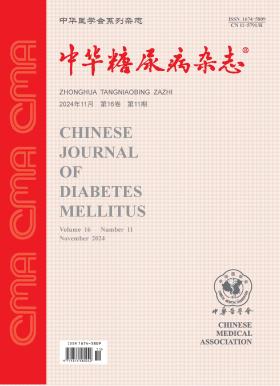
Volume 16 · Issue 11 · 2024
MedNexus
- Sections
- Special Article
- Criterion and Guide
- Original Article
- Short Paper
- Experience Exchange
- Case Report
- Review Article
June 2024 The European Society for Liver Research (EASL), the European Society for Diabetes Research (EASD) and the European Society for Obesity Research (EASO) have jointly published the latest clinical practice guidelines for the management of metabolism-related fatty liver disease (MASLD) (the "2024 edition of the guidelines"). Different from the guidelines for non-alcoholic fatty liver disease (NAFLD) promulgated by other countries and the improved version of MASLD guidelines in China, the 2024 version of the guidelines closely follows MASLD, and has made a major update on the disease spectrum from fatty liver to cirrhosis and liver transplantation, expounding the latest concepts and management recommendations for the definition, prevention, screening, diagnosis and treatment of MASLD. The 2024 edition of the guidelines begins with the end and manages the assessment of diabetes, cardiovascular and metabolic risk, and liver-related outcomes throughout. The significance of weight loss for improving the disease course of MASLD was emphasized and weight loss targets were set for overweight/obese patients. For the first time, an exhaustive recommendation was made for the landmark drug remetilol for the treatment of fibrosis. The 2024 edition of the guidelines highlights the practicality and normative nature in clinical practice, and aims to provide a multidisciplinary and international management scheme for MASLD.
Gestational diabetes mellitus (GDM) has attracted much attention due to its high prevalence and its tremendous impact on the short-term and lifelong metabolic health of mother and child. The risk factors of GDM, screening strategies, lifestyle interventions, drug treatments and the impact of GDM on maternal and infant health are still controversial, especially in China, there is a lack of evidence of high-quality evidence-based medicine. This paper makes a series of analysis and research on the birth registration database of pregnant women and children in Xiamen, Fujian Province. Combining with the project and the new progress of research at home and abroad, it analyzes the obstacles existing in the transformation of GDM management from research evidence to daily practice, and puts forward the prospect of future research and management of GDM.
With the rising prevalence of type 2 diabetes in China, the whole hospital blood glucose management plays a crucial role in the hospital management system. This paper analyzes the current situation and challenges of blood glucose management in the whole hospital, introduces the practical case of Tongji Hospital affiliated to Tongji Medical College of Huazhong University of Science and Technology, and puts forward a blood glucose management model based on the concept of information aggregation. This model integrates data from different departments and medical links through multidisciplinary blood glucose management teams, establishes standardization of blood glucose monitoring in the hospital and informatization of blood glucose management in the hospital, so as to build advantage projects and extension projects of blood glucose management in the whole hospital, and provide patients with more efficient and better medical services. Blood glucose management strategy based on information aggregation mode is an effective management strategy worthy of popularization and application.
Type 1 diabetes (T1DM) is a serious threat to human health. Combined with genetic risk assessment, islet autoantibody and glucose metabolism index detection, screening and monitoring of high-risk groups of T1DM, and early and timely intervention can help predict the incidence and reduce the incidence of ketoacidosis, alleviate the disease and improve the quality of life of patients. Initiated by the National Clinical Medical Research Center for Metabolic Diseases (Changsha), in conjunction with Diabetes Branch of Chinese Medical Association, Pediatrics Branch of Chinese Medical Association, Endocrinology Branch of Chinese Medical Association and Endocrinology and Metabolism Physicians Branch of Chinese Medical Doctors Association, a consensus academic steering committee and a consensus writing committee were established. Referring to the latest guidelines and research progress at home and abroad, and combined with China's actual situation, the Expert Consensus on Screening, Monitoring and Management of High-risk Populations with Type 1 Diabetes in China (2024 Edition) was formed, which formed key recommendations for the screening, monitoring and management of high-risk populations with T1DM. The screening flow chart of high-risk populations with T1DM was also put forward, and detailed suggestions were given for the monitoring frequency and detection content of different T1DM populations. The release of the consensus aims to explore screening strategies for high-risk groups of T1DM, promote the standardization of screening, monitoring and management, and promote scientific research and clinical application of early prevention and treatment of T1DM.
Accurate diagnosis and standardized treatment are the core strategies to improve the management level of type 1 diabetes mellitus (T1DM), and building a standardized T1DM clinic and providing standardized diagnosis and treatment for patients is an important way to improve the management status of T1DM patients. In order to promote the standardization and homogenization management of T1DM in China and improve the medical service system of T1DM, the National Clinical Medical Research Center of Metabolic Diseases (Changsha) and China Type 1 Diabetes Alliance organized experts in related fields to jointly formulate and write the Construction Code of Type 1 Diabetes Clinic (2024 Edition) according to the construction mode of T1DM outpatient clinics at home and abroad, based on the previous practical experience, and based on the actual situation in China. In view of the particularity and professionalism of T1DM diagnosis and management, it is suggested that T1DM outpatient clinics should be set up in tertiary medical institutions, which are divided into two different levels: specialized outpatient clinics and management centers. The outpatient clinic construction is standardized from the aspects of functional positioning, personnel and equipment configuration, operation standards, diagnosis and treatment technology and quality management indicators, so as to improve the quality of life of patients and reduce the burden of diseases.
In order to standardize blood glucose monitoring in high-altitude areas in China and improve the level of diabetes management, the Endocrinology and Diabetes Branch of Tibet Medical Association and the Endocrinology and Diabetes Professional Branch of Qinghai Medical Association organized experts in relevant fields to set up the "Expert Consensus on Clinical Application of Blood Glucose Monitoring in High-altitude Areas in China" compiling committee. Based on evidence-based medical evidence, according to the latest research results at home and abroad, focusing on the "Guidelines for Clinical Application of Blood Glucose Monitoring in China (2021 Edition)", combined with clinical practice in high-altitude areas, and fully considering local culture, economy and medical conditions, we wrote the "Expert Consensus on Clinical Application of Blood Glucose Monitoring in High-altitude Areas in China (2024 Edition)", with a view to supplement the "Guidelines for Clinical Application of Blood Glucose Monitoring in China". This consensus emphasizes the necessity, feasibility and particularity of blood glucose monitoring in high altitude areas, and discusses the influence of special environmental factors and adaptability of equipment technology on blood glucose monitoring. The consensus covers the precautions of venous blood glucose monitoring, the selection of blood glucose monitoring instruments, the monitoring frequency, the selection and application of continuous glucose monitoring system and non-invasive blood glucose monitoring, etc. The applicability of glycosylated hemoglobin detection technology in high altitude areas is explained. The consensus provides comprehensive guidance and suggestions for blood glucose monitoring in people in high-altitude areas, so as to improve the management level of diabetes and the quality of life of patients in high-altitude areas.
The "three divisions co-management" diagnosis and treatment mode of diabetes refers to a multidisciplinary team composed of endocrinologists, traditional Chinese medicine practitioners and health managers, aiming at prediabetes, diabetes and related complications and/or comorbidities, a new diagnosis and treatment mode that carries out collaborative diagnosis and treatment of traditional Chinese and western medicine, online and offline continuous management, and takes into account metabolic indicators and quality of life. In order to ensure the standardized implementation of the "three divisions co-management" diagnosis and treatment mode, the Diabetes Branch of Chinese Society of Traditional Chinese Medicine took the lead, and the Grassroots Diabetes Prevention and Treatment Expert Steering Committee of Chinese Society of Traditional Chinese Medicine organized the drafting of the Application Guide of the "three divisions co-management" diagnosis and treatment mode of diabetes. This guide is formulated based on the consensus of experts, aiming to standardize and standardize the diagnosis and treatment model of "three divisions co-management", provide clinical procedures for endocrinologists, Chinese medicine practitioners and health managers to jointly care for diabetic patients, and achieve the purpose of optimizing patients' metabolic indicators, improving the quality of life and preventing and treating complications.
To evaluate the efficacy and safety of the domestic liraglutide injection (RD12014) in patients with type 2 diabetes mellitus (T2DM) using the imported liraglutide injection (Victoza®) as a control.
A multicenter, randomized, open-label, parallel, positive-controlled phase Ⅲ clinical trial was conducted. From August 20, 2020 to July 18, 2022, a total of 468 T2DM patients with poor glycemic control after using metformin hydrochloride were enrolled from 41 centers nationwide. They were then randomly assigned to the RD12014 group or Victoza® group in a 1∶1 ratio for 29 weeks using a stratified block randomization method. Glycated hemoglobin A1c (HbA1c), fasting plasma glucose, 2-hour postprandial glucose, fasting lipid profile body weight, HbA1c compliance rate, the incidence of adverse events (including gastrointestinal reactions and hypoglycemic events) were compared between the two groups before and after treatment. The primary efficacy endpoint was the change from baseline in HbA1c after 29 weeks of treatment; the secondary efficacy endpoints were the change from baseline in fasting plasma glucose, 2-hour postprandial plasma glucose, fasting lipid profile, and body weight after 29 weeks of treatment, the proportion of subjects with HbA1c<7%, HbA1c≤6.5%, and the proportions of subjects with HbA1c<7%, HbA1c≤6.5% without hypoglycemic events after 29 weeks of treatment. The mixed effects model for repeated measures was used to evaluate quantitative efficacy endpoints, and the HbA1c compliance rate between groups was analyzed using logistic regression models; descriptive statistical analysis was used for safety evaluation.
A total of 468 T2DM patients (RD12014 group: 233 cases, Victoza® group: 235 cases) were enrolled. After 29 weeks of treatment, the least-squares mean (95%CI) in the changes from baseline in HbA1c for the RD12014 group and the Victoza® group were -1.42% (-1.54%--1.29%) and -1.41% (-1.54%--1.29%), respectively. The least squares mean difference (95%CI) in the change from baseline between the two groups was -0.01% (-0.18%-0.17%), with the 95%CI within the equivalence margin of -0.4%-0.4%, indicating that the efficacy of RD12014 was similar to Victoza®. Changes from baseline in fasting blood glucose, 2-hour postprandial blood glucose, and body weight, and the rate of HbA1c compliance were similar in both groups (P>0.05). The incidence of adverse events [81.4% (188/231) vs. 80.0% (188/235), respectively] and gastrointestinal reactions [45.5% (105/231) vs. 39.1% (92/235)] were similar in the RD12014 group and the Victoza® group, while the incidence of hypoglycemic events in the RD12014 group [4.3% (10/231)] was slightly lower than those in the Victoza® group [8.9% (21/235)].
Domestic liraglutide injection RD12014 is as effective and safe as Victoza® in the treatment of T2DM and has value in clinical use.
To investigate the association between serum regenerating protein Ⅰα (REG Ⅰα) and the progression of renal function in patients with diabetic kidney disease (DKD).
This was a prospective cohort study. DKD patients with estimated glomerular filtration rate (eGFR)>15 ml·min-1·(1.73 m2)-1 who presented to the Department of Endocrinology of Zhongda Hospital of Southeast University from January 2022 to September 2023 and were not on renal replacement therapy were included in the study. The age, sex, duration of diabetes mellitus, red blood cell count, serum creatinine, hemoglobin, urinary albumin-to-creatinine ratio (UACR), and, serum REG Ⅰα concentrations were collected, and regular follow-up was performed. The endpoint event was progression of renal function, defined as eGFR decline slope≥3 ml·min-1·(1.73 m2)-1/y, new entry into end-stage renal disease (ESRD), and death due to renal or cardiovascular events. Restricted cubic spline plots were drawn to analyze the curve inflection points, and based on the inflection points, the patients were divided into the low-level REG Ⅰα group (serum REG Ⅰα≤87.39 ng/ml) and the high-level REG Ⅰα group (serum REG Ⅰα>87.39 ng/ml). Kaplan-Meier survival analysis was used to compare the differences in cumulative renal survival rate between the two groups. Cox regression analysis was used to explore the influencing factors associated with the progression of renal function in DKD patients.
A total of 401 patients were included in the final analysis, including 203 in the low-level REG Ⅰα group and 198 in the high-level REG Ⅰα group. Compared with the group with low-level REG Ⅰα group, the high-level REG Ⅰα group had higher blood creatinine and UACR, lower hemoglobin and eGFR (all P<0.050). During a median follow-up of 12 (7, 17) months, 20.45% (82/401) of DKD patients experienced outcome events, 13.22% (53/401) in the high-level REG Ⅰα group and 7.23% (29/401) in the low-level REG Ⅰα group. Survival analysis by the Kaplan-Meier method showed that the cumulative survival rate of kidney disease in the high-level group was significantly lower than in the low-level group (log-rank χ2=8.917,P=0.003). After correcting for age, sex, duration of diabetes, systolic blood pressure, red blood cell count, blood creatinine, and UACR, high levels of REG Ⅰα remained a risk factor for the development of renal progression (HR=1.372, 95%CI 1.005-2.193, P=0.037).
Serum REG Ⅰα is associated with the progression of renal function in DKD patients, which is a potential risk factor for the progression of renal function in patients with DKD.
To investigate the correlation between skin temperature at insulin injection sites and lipohypertrophy (LH) in patients with type 2 diabetes mellitus (T2DM).
This was a cross-sectional study. Outpatients or inpatients with T2DM who visited the Department of Endocrinology of the People′s Hospital Affiliated to Ningbo University from April to October 2023 were selected for the study. The skin at the injection site and at the patient′s normal site was examined using high-frequency ultrasound, while thermocouple point temperature measurement was employed to determine the average skin temperature at these sites and calculate the temperature difference. Additionally, LH presence in the patient was determined based on the results of the high-frequency ultrasound and thermal imaging. The paired samples t-test was used to compare the differences in skin temperature and temperature variation between the normal and the LH regions, while Cohen′s kappa coefficient was used to assess the consistency of LH diagnosis by infrared thermal imaging and ultrasound.
A total of 92 patients with T2DM were included, of whom 81 had comorbid LH. Among the LH patients, decreased skin temperature at the ulcer site was observed in 71 cases, while increased temperature was observed in 10 cases. The abdominal skin temperature at the LH site was significantly lower than the normal site, with average temperatures of (32.40±1.12) ℃ and (33.13±1.16) ℃ (t=-9.039, P<0.001). Additionally, the skin temperature difference at the LH part was significantly higher than that at the normal part, with average temperature differences of (1.50±0.55) ℃ and (0.44±0.20) ℃ (t=15.749, P<0.001). Meanwhile, Cohen′s kappa coefficient of LH lesions indicated by thermal imaging and ultrasound was 0.897 (95%CI 0.756-1.038, P<0.001).
LH decreases local skin temperature. There are some clinical applications of thermography for diagnostic screening for LH and for guiding rotation of the insulin injection site.
To explore the feasibility of negative pressure wound therapy (NPWT) technology combined with platelet rich plasma (PRP) technology in the treatment of diabetic foot ulcer (DFU).
A retrospective study was conducted. DFU patients who visited the Department of Foot and Ankle surgery at Yantaishan Hospital from May 2018 to May 2021 were selected as the study subjects. According to the treatment method, they were divided into an experimental group and a control group. The control group was treated with debridement combined with NPWT treatment, while the study group were treated of NPWT treatment combined with PRP treatment after debridement. After wound stabilization, skin grafting treatment was performed. Wound healing time, hospitalization time, pain level [assessed by visual analogue scale (VAS)], serum inflammatory factors [procalcitonin (PCT), interleukin-6 (IL-6), and C-reactive protein (CRP)] levels, skin graft survival rate, scar quality [modified Vancouver scar scale (mVSS)] and quality of life (SF-36 health assessment scale) were compared between the two groups of patients to comprehensively evaluate the treatment effect. Two independent samples t-test, Mann Whitney U test, and χ2 were used to compare between groups, and paired sample t-test and Wilcoxon signed rank test were used to compare preoperative and postoperative related indicators within the same group.
A total of 42 DFU patients were included, including 20 in the control group and 22 in the experimental group. Compared with the control group, the healing time of DFU patients in the experimental group [(32.72±7.25) d and (25.58±6.47) d, respectively, t=3.373, P=0.002] and hospitalization time [(28.26±6.84) d and (17.62±5.37) d, respectively, t=5.563, P<0.001] were shorter, and the survival rate of skin grafts at 10 days after skin grafting [(79.04±7.32)% and (93.57±5.80)%, respectively, t=7.163, P<0.001] was higher; within one week after surgery, the experimental group showed a faster decrease in serum inflammatory factors PCT, IL-6, and CRP (all P<0.001). The VAS scores in both groups were significantly improved compared with those in the control group. Compared with the control group, the experimental group had lower VAS scores at 1 week after surgery (5.34±2.14 and 2.25±1.04, respectively, t=5.859, P<0.001) and 2 weeks after surgery (4.53±1.58 and 1.35±0.50, respectively, t=8.617, P<0.001); scar thickness of experimental group was moderate and texture was softer 10 months after surgery [mVSS total score was 4.25 (3.00, 7.25) and 2.00 (2.00, 4.50), Z=12.06, P=0.005]. At 10 months after surgery, compared with the control group, the experimental group had higher scores in social function [67 (62, 75) and 78 (72, 84), Z=1.056, P=0.025], emotional function [72 (65, 85) and 85 (75, 92), Z=2.305, P=0.043], and mental health [70 (64, 78) and 87 (82, 92), Z=0.251, P=0.016].
NPWT technology combined with PRP technology can accelerate wound healing and reduce pain in the affected limbs in patients with DFU. After healing, the scar thickness is moderate, the texture is soft, and quality of life was higher after surgery.
To investigate the role of the stimulation of interferon genes (STING) pathway in retinal vascular endothelial cells damage and inflammation under the condition of hyperglycemia.
The retinal flatmounts from 6 db/db mice and 6 non-diabetic control (db/m) mice were divided into 4 groups. The retinal flatmounts of db/db mice and non-diabetic control mice were stained to detect the activation of STING pathway and inflammation by detecting STING pathway activation downstream molecule phospho-TANK binding kinase 1 (p-TBK1) and the inflammatory marker glial fibrillary acidic protein (GFAP) (n=3). Human retinal vascular endothelial cells (HRVEC) were treated with methylglyoxal (MGO), a mimic of the hyperglycemic condition, in a time-and dose-dependent manner. The components of the STING signaling pathway [phospho-interferon regulatory factor 3 (p-IRF3), p-TBK1] and endothelial cell tight junctions [vascular endothelial-cadherin (VE-cadherin), platelet endothelial cell adhesion molecule-1 (CD31), zonula occluden-1 (ZO-1)] at protein levels were determined by Western blotting (n=3). Quantitative real-time polymerase chain reaction (RT-qPCR) was used to detect the gene expression of pro-inflammatory cytokines [interferon-1 beta (IFN-1β), interleukin-1 beta (IL-1β)] in HRVEC (n=3). We also investigated the role of STING in HRVEC by generating STING-deficient (STINGCRISPR HRVEC) HRVEC using the CRISPR/Cas9 system. After treatment with MGO in the control group (vector) and STINGCRISPR HRVEC, immunofluorescence staining was performed using anti-translocase of the outer mitochondrial membrane 20 (TOM20) antibody and anti-double-stranded DNA (dsDNA) antibody (n=3). Simultaneously, the nuclear translocation level of IRF3 in HRVEC was determined by immunofluorescence to identify the activation of the STING pathway (n=4). The components of the STING signaling pathway [phospho-interferon regulatory factor 3 (p-IRF3), p-TBK1] and endothelial cell tight junctions (VE-cadherin, CD31, ZO-1) at protein levels were determined by Western blotting (n=3). Finally, RT-qPCR was used to detect the gene expression of IFN-1β, IL-1β in STINGCRISPR HRVEC (n=3). All these treatments and methods were validated using the STING siRNA (n=3). Student′s t-test was used to testify the statistical significance between group comparisons.
The fluorescent intensity of TBK1 and GFAP in the retinas of db/db mice was higher than that of control mice (P<0.001). In HRVECs, when treated with MGO, the protein levels of the STING signaling components (p-IRF3, p-TBK1) were increased in a time-and dose-dependent manner (P<0.01, P<0.05) and nuclear translocation of IRF3 was promoted by immunofluorescence detection (P<0.001), suggesting the activation of the STING pathway, accompanied by down-regulation of endothelial tight junctions (the protein levels of CD31, VE-cadherin, and ZO-1 was lower than that of control groups, (P<0.01, P<0.05, P<0.001) and increased transcription of inflammatory genes (IFN-1β and IL-1β, P<0.05, P<0.001). Furthermore, the increased transcription levels of IFN-1β, IL-1β (P<0.01, P<0.001) and decreased expression levels of ZO-1, VE-cadherin, CD31 (P<0.05, P<0.01, P<0.05) caused by MGO were significantly suppressed when the STING gene was deleted. In the siRNA-mediated STING-knockdown HRVEC (si-STING), the increased transcription levels of IL-1β (P<0.01) and decreased expression levels of VE-cadherin (P<0.01) caused by MGO were also suppressed.
STING deficiency ameliorates the damage to the retinal vascular endothelium caused by MGO by suppressing the levels of inflammatory factors.
To investigate the changes of serum standard deviation score (Z-value) of insulin-like growth factor-1 (IGF-1) in newly diagnosed patients with type 2 diabetes mellitus (T2DM) before and after intensive treatment with short-term continuous subcutaneous insulin infusion (CSII) and its relationship with various biochemical indexes. This study was a single-center non-randomized controlled trial. Thirty-five newly diagnosed patients with T2DM who were hospitalized in the First Affiliated Hospital of Sun Yat-sen University from August to December 2020 were enrolled and treated with CSII intensive therapy. After blood glucose reached the standard, they were maintained for 1 week. The serum IGF-1 levels, fasting blood glucose and glycosylated hemoglobin (HbA) were measured before and after intensive therapy1c), glycated albumin (GA), area under the glucose curve of standard meal tests (AUCglu), steady-state model to evaluate pancreatic islet beta cell function index (HOMA-β), insulin sensitivity index (Matsuda index) and other indicators, and the calculation of each IGF-1Z value is based on the serum IGF-1 level of healthy adults in southern China by Lambda-Mu-Sigma (LMS) method. Use a paired sampletTest or Wilcoxon rank sum test were used to analyze the differences of various indexes before and after CSII intensive therapy, and the correlation between IGF-1Z value and clinical indexes was studied by Pearson correlation analysis or Spearman correlation analysis. Multiple linear regression analysis was used to study the relationship between the changes of IGF-1Z value and other biochemical indexes before and after intensive treatment. The results showed that the serum IGF-1 level of newly diagnosed patients with T2DM increased from (135.43±37.71) μ g/L to (156.87±47.33) μ g/L after 1 week of CSII intensive therapy to maintain the blood glucose target (P<0.001), the IGF-1Z value increased from-0.40±0.87 to 0.08±1.01 (P=0.003)。 Pre-treatment IGF-1Z values and HbA1c, GA, and AUCgluThere was a negative correlation (r= -0.340, -0.413 and-0.345,P<0.05), while positively correlated with HOMA-β (r=0.426,P=0.011)。 Multiple linear regression analysis showed that changes in IGF-1Z values after CSII intensive therapy were inversely correlated with changes in Matsuda index (β = -0.008,P=0.002)。
The newly diagnosed T2DM patients with higher blood glucose had lower IGF-1 levels than healthy people of the same sex and age, and IGF-1Z values were negatively correlated with blood glucose levels and positively correlated with islet beta cell function. After one week of CSII intensive therapy, the serum IGF-1 level was significantly increased, and the IGF-1Z value returned to the level of healthy people.
To observe the clinical effect of autologous platelet-rich plasma (PRP) gel in diabetic refractory wounds and discuss its treatment strategy.
A retrospective observational study method was used. Patients with diabetes mellitus and different types of refractory wounds who attended the Department of Burn and Wound Repair of Maoming People's Hospital from January 2018 to December 2022 were selected as the research subjects. The study subjects were divided into the following groups according to the characteristics of wounds: (1) superficial ulcerative wounds, with deep and full skin thickness, characterized by large skin defect area and relatively superficial layer, with an area of 3.0 cm ×3.0 cm ~7.0 cm ×7.0 cm; (2) Sinus tract lacunar wound, deep wound and deep fascia or muscle, characterized by small external mouth and large inner diameter, often combined with subcutaneous sinus tract and lacunar , 2.0 cm ×2.0 cm ×3.0 cm ~4.0 cm ×3.0 cm ×5.0 cm; (3) Complex wounds, characterized by exposed tendons and bones, cannot be repaired by simple skin grafting surgery, and need to be repaired by skin flap surgery. 2.5 cm ×3.0 cm ~10.0 cm ×10.0 cm. All wounds were thoroughly debrided by routine dressing change or surgery until there was no obvious necrotic tissue, then treated with negative pressure closed drainage (VSD), and then treated with autologous PRP gel. The wound healing time and surgical treatment were collected, and the wound was observed for infection and skin allergy and other adverse reactions.
A total of 20 patients were included with 21 wounds. Among them, 12 were males and 8 were females, aged (54.23 ± 16.32) years. Among the 20 patients, there were 10 cases of superficial ulcer wounds, 7 cases of sinus lacunar wounds, and 3 cases of complex wounds. Of the 10 patients with superficial ulcer type wounds, 9 wounds healed after PRP treatment, and 1 was repaired by skin grafting, with an average healing time of 44.1 d. Among the 7 patients with lacunar sinus wounds, 6 cases healed after PRP treatment, with an average healing time of 35.6 days; Failure of PRP treatment in a patient with nephrotic syndrome. Three cases of complex wounds with exposed tendon and bone were treated with PRP. Granulation tissue covered the exposed tendon and bone tissue. Two cases of 3 wounds were repaired by skin grafting, and one case of wound was repaired by local skin flap combined with skin grafting. There were no adverse reactions such as wound infection and skin allergy in 20 patients during PRP treatment.
For diabetic small area superficial ulcer type and sinus tract lacunar type wounds, autologous PRP gel can directly repair the wounds by shrinking the wounds, promoting granulation tissue to seal the sinus tract and epithelialization. For complex wounds with large areas of exposed tendons and bones, autologous PRP gel can be used as a method of wound bed preparation, promoting granulation tissue to cover exposed tendons and bones, and creating opportunities and conditions for secondary simple surgery to repair complex wounds. Patients with diabetes complicated with nephrotic syndrome should be treated with autologous PRP gel with caution.
A case of neurodifferentiation factor 1 (NEUROD1) Diagnosis and treatment of adult diabetes type 6 (MODY6) patients with adolescent onset caused by gene mutation. The patient was a 17-year-old male with onset at 12 years of age, multiple complicated diabetic ketoacidosis, early diabetic nephropathy, combined with low bone mass, and dependent on insulin therapy after onset. Genetic testing results showed that the patientNEUROD1The frameshift mutation c.681delC (p.Ser228fs) occurred in the second exon region of the gene. Sanger sequencing verified that the patient's father had the same site mutation, and genetic software predicted that the mutation was pathogenic. MODY6 is easy to be complicated by diabetic ketoacidosis, diabetic nephropathy and low bone mass. Through the report of this patient, we hope to provide some experience and basis for the future study of clinical characteristics of MODY6 cases.
A case of mitochondrial diabetes mellitus complicated with deafness was reportedGJB2Diagnosis and treatment of patients with genetic mutations. The patient had a young onset, was thin, had decreased pancreatic islet function, accompanied by hearing impairment, had a family history of maternal diabetes with deafness, and had suffered from "gestational diabetes". After sequencing of peripheral blood related genes, it was detected that he carried the mitochondrial gene m.3243A>G mutation, but also the deafness gene GJB2c.109G>A mutation. By analyzing the clinical characteristics of this patient, this paper hopes to improve the early recognition and diagnosis and treatment level of clinicians for this type of patients, and at the same time, be alert to whether there are other mutations in deafness-causing genes in this type of patients.
Obesity is one of the risk factors for diabetic ketoacidosis (DKA). Lipid metabolism disorders due to obesity, chronic inflammation, and treatment options for obesity such as metformin, sodium-glucose cotransporter 2 inhibitors, glucagon-like peptide-1 receptor agonists, and bariatric surgery may have driven the progress of DKA. Insights into the effects of obesity on DKA will help prevent the occurrence of DKA. Based on this, this paper reviews the influencing factors and mechanisms of DKA in obesity.
Most patients with post-pancreatitis diabetes, pancreatic cancer-related diabetes and cystic fibrosis-related diabetes have been treated with hypoglycemic drugs, but the therapeutic effect is not satisfactory. It may be that the pathophysiological characteristics of their own pancreatic exocrine diseases are not fully considered in the treatment. This article reviews classical drugs, new drugs and based on the latest clinical evidence to provide recommendations for the management of diabetes patients associated with exocrine pancreatic diseases. In addition, the paper also introduces several emerging directions to provide references for the discovery and development of new drugs.
Diabetes is a group of metabolic diseases characterized by hyperglycemia. Long-term chronic hyperglycemia will stimulate pathological processes such as oxidative stress, chronic inflammation and programmed cell death, which will lead to progressive lesions, functional decline and failure of different organs. Thioredoxin-interacting protein (TXNIP) will bind nucleotides to oligomerization domain-like receptor thermal protein domain containing protein 3 (NLRP3) under hyperglycemia and oxidative stress conditions, and then activate NLRP3 inflammasome to cause a series of inflammatory responses and participate in the occurrence and development of diabetes mellitus and its chronic complications. The research progress of TXNIP/NLRP3 signaling pathway in diabetes mellitus and its chronic complications will be reviewed.
CURRENT ISSUE