MedNexus
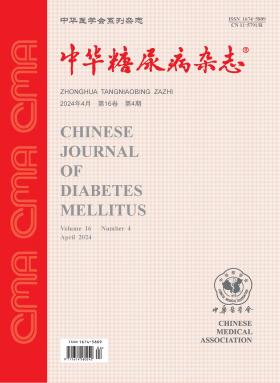
Volume 16 · Issue 04 · 2024
MedNexus
- Sections
- Special Article
- Criterion and Guide
- Clinical Progress of Diabetic Foot
- Original Article
- Case Report
- Review Article
Obesity is closely related to diabetes and its complications, so weight loss is very important to prevent the occurrence and development of diabetes. The efficacy of bariatric surgery is definite, but there are still some limitations. In recent years, the weight loss effect of new hypoglycemic drugs has been particularly bright. Can drug treatment replace bariatric surgery? This article expounds the advantages and disadvantages of bariatric surgery and new hypoglycemic drugs respectively. It is believed that both medicine and surgery are effective methods in weight loss and hypoglycemic treatment at present, and the safe and effective weight loss treatment method that is most suitable for patients should be selected according to the actual situation.
Diabetes is a significant independent risk factor for atherosclerotic cardiovascular disease (ASCVD), with dyslipidemia playing a critical role in the initiation and progression of ASCVD in diabetic patients. Currently in China, the prevalence of dyslipidemia in diabetes is high, while the control rate remains low. Therefore, to enhance lipid management in patients with diabetes, the Endocrinology and Metabolism Physician Branch of Chinese Medical Doctor Association, in collaboration with the Experts′ Committee of National Society of Cardiometabolic Medicine, has convened experts to develop a consensus on the management of dyslipidemia in patients with type 1 or type 2 diabetes. The development of this consensus is informed by the existing practices in lipid management among Chinese diabetic patients, incorporating contemporary evidence-based findings and guidelines from national and international sources. The consensus encompasses the lipid profile characteristics, the current epidemiological status of dyslipidemia, ASCVD risk stratification, and lipid management procedures in diabetic patients. For the first time, both low-density lipoprotein-cholesterol (LDL-C) and non-high-density lipoprotein-cholesterol (non-HDL-C) have been recommended as primary targets for lipid intervention in diabetic patients. The consensus also includes a summary and recommendations for lipid management strategies in special diabetic populations, including children and adolescents, individuals aged 75 years and older, patients with chronic kidney disease, metabolic-associated fatty liver disease, as well as those who are pregnant. This comprehensive consensus will contribute to the dissemination of key clinical advancements and guide clinical practice, aiming to improve cardiovascular outcomes in diabetic patients.
In recent years, the clinical evidence on the diagnosis and treatment of post-organ transplantation diabetes mellitus (PTDM) is increasing day by day, especially the continuous advent of new hypoglycemic drugs and new blood glucose monitoring technology, which further promotes the diagnosis and treatment of PTDM. In order to elaborate the application of hypoglycemic drugs in PTDM, the Diabetology Professional Committee of China Research Hospital Association, the Diabetology Branch of Chinese Medical Association and the Diabetology Branch of Beijing Medical Association jointly organized experts to compile the Expert Consensus on the Application of Hypoglycemic Drugs in Diabetic Patients after Solid Organ Transplantation (2024 Edition), which mainly focuses on the hypoglycemic mechanism, recommended strength, clinical application precautions and their interaction with immunosuppressants, so as to further improve the clinical management level of PTDM patients and improve their outcomes. The release of this consensus will help standardize the clinical diagnosis and treatment of PTDM.
Introducing the central report delivered by Prof. Andrew Boulton at the 9th International Diabetic Foot Congress held in The Hague, The Netherlands, in May 2023, on the progress of clinical research on diabetic foot in Europe and the United States over the past 40 years. On the basis of translating and arranging this report, the author further reviewed the relevant literature, and expounded the relationship between neuropathy and the occurrence and development of foot disease, the causes of foot ulcer, the role of multidisciplinary cooperative team in reducing the amputation rate of diabetic foot, the improvement of foot disease by special dressing and adjuvant treatment, the rational application of antibiotics, and the prevention of diabetic foot.
The "Systematic Review of the Diagnosis and Treatment of Active Charcot Neuroosteoarthropathy in Diabetic Patients" (hereinafter referred to as the systematic review) forms the basis of the 2023 edition of the "Guidelines for the Diagnosis and Treatment of Active Charcot Neuroosteoarthropathy in Diabetic Patients" issued by the International Diabetic Foot Working Group. The systematic review includes clinical studies that meet the inclusion criteria, and presents them in the form of clinical questions from four perspectives: diagnosis (skin temperature, imaging changes), treatment (decompression, drugs and surgery), identification of remission (skin temperature and imaging), and prevention of recurrence, answered using evidence-based medical evidence. This article excerpts and interprets the whole text, so that readers can better understand the article, and provide guidance for clinical practice and enlightenment for scientific research.
To evaluate the impact of comprehensive in-hospital and outpatient management using a smartphone application (APP) on glycemic control and pregnancy outcomes in women with gestational diabetes mellitus (GDM).
This was a retrospective cohort study. GDM patients who delivered at the Department of Obstetrics, the First Affiliated Hospital of University of Science and Technology of China from January to December 2022, and were registered in the TangMama APP (first internet service platform for GDM management inside and outside hospitals in China) were selected as study subjects. GDM patients were divided into a high-active group and a low-active group based on their overall activity of using the APP (including frequency of blood glucose monitoring, frequency of online communication, and frequency of course learning). Data on age, education level, management of diagnosis, parity, weight, height, pre-pregnancy body mass index (BMI), glycated hemoglobin (HbA1c), HbA1c level in the third trimester<6%, maternal outcomes [gestational weight gain (GWG), cesarean section], neonatal outcomes [large for gestational age (LGA), macrosomia, neonatal hyperbilirubinemia] and neonatal hospitalization costs were collected. Independent sample t-tests, Mann-Whitney U tests, chi-square tests, and Fisher′s exact tests were used for intergroup comparisons. Logistic regression models were used to analyze the association between overall APP usage activity and adverse pregnancy outcomes.
A total of 616 GDM patients were included, with 308 in the high-activity group and 308 in the low-activity group. Compared with the low-active group, the high-active group demonstrated a lower HbA1c level in the third trimester [(5.6±0.4)% vs. (5.5±0.4)%, t=-2.341, P=0.020], a higher rate of HbA1c level in the third trimester <6% [81.1% (154/190) vs. 89.9% (186/207), χ2=6.243, P=0.012], and lower GWG [(12.7±5.7) vs. (11.1±5.7) kg, t=-3.469, P=0.001). The rates of cesarean section [53.9% (166/308) vs. 45.1% (139/308), χ2=4.734, P=0.030], LGA [23.1% (71/308) vs. 11.7% (36/308), χ2=13.855, P<0.001], macrosomia [14.3% (44/308) vs 8.8% (27/308), χ2=4.601, P=0.032], and neonatal hyperbilirubinemia [14.9% (46/308) vs. 9.1% (28/308), χ2=4.976, P=0.026] were lower in the high-active group. The cost of pediatric hospitalization was lower [RMB 5 740.0 (4 465.8, 7 292.6) Yuan vs. RMB 5 304.9 (4 219.0, 5 901.2) Yuan, Z=-2.383, P=0.017] in the high-active group. After adjustment for maternal age, pre-pregnancy BMI, educational level, management of diagnosis and parity, higher overall activity was associated with an increased rates of HbA1c level in the third trimester<6% (OR=2.20,95%CI 1.17-4.12, P=0.014), and decreased rates of LGA (OR=0.43,95%CI 0.27-0.68, P<0.001), macrosomia (OR=0.59,95%CI 0.35-0.99, P=0.044), and neonatal hyperbilirubinemia (OR=0.56,95%CI 0.34-0.93, P=0.025) in the logistic regression.
Higher frequency of TangMama APP use was associated with better maternal glycemic control and a reduced risk of adverse pregnancy outcomes in women with GDM.
To investigate the association between serum apolipoprotein A1 (ApoA1) levels and the risk of diabetic kidney disease (DKD) in hospitalized patients with newly diagnosed type 2 diabetes mellitus (T2DM).
This cross-sectional study included 670 newly diagnosed T2DM patients who were hospitalized at the Department of Endocrinology of Xuzhou Municipal Hospital, affiliated to Xuzhou Medical University from January 2018 to May 2022. Patient data including age, sex, smoking, alcohol consumption, duration of diabetes mellitus, body mass index (BMI), previous medical history, previous medication history, diabetes complications, ApoA1, triglycerides (TG), total cholesterol (TC), low-density lipoprotein cholesterol (LDL-C), high-density lipoprotein cholesterol (HDL-C), lipoprotein a (LPa), apolipoprotein B (ApoB), apolipoprotein E (ApoE), fasting plasma glucose (FPG), glycated hemoglobin A1c (HbA1c), estimated glomerular filtration rate (eGFR), and urinary albumin-to-creatinine ratio (UACR) were collected. Patients were categorized into DKD (233 patients) and non-DKD (437 patients) groups according to the presence or absence of DKD. The t test, rank sum test and χ2 test were used for between-group comparisons of quantitative and qualitative variables, respectively. The correlation between serum ApoA1 levels and DKD risk was assessed by multivariate logistic regression.
Serum ApoA1 levels were significantly lower in the DKD group when compared to the non-DKD group [(1.36±0.40) vs. (1.53±0.35) g/L, respectively, t=5.22, P<0.010]. After adjusting for age, sex, smoking, alcohol consumption, duration of diabetes, BMI, hypertension, antihypertensive medication, TG, TC, LDL-C, HDL-C, LPa, ApoB, ApoE, FPG, HbA1c, eGFR, and UACR, a significant correlation was found between the serum ApoA1 level and the risk of DKD in logistic regression (OR=0.24, P=0.010).
Among newly diagnosed T2DM patients, serum ApoA1 levels were significantly lower in those with DKD than in those without DKD, and serum ApoA1 levels were significantly and negatively associated with the risk of DKD.
To investigate the association between cognitive function and brain structure changes in overweight and obese patients with type 2 diabetes mellitus (T2DM).
This was a cross-sectional study. T2DM patients who visited the Endocrinology Department of Nanjing Drum Tower Hospital, Affiliated Hospital of Medical School, Nanjing University, from February 2016 to July 2023 were collected. T2DM Patients were divided into normal weight T2DM group, overweight and obese T2DM group according to body mass index (BMI). At the same time, we recruited healthy people who visited the Health Management Center of Nanjing Drum Tower Hospital, Affiliated Hospital of Medical School, Nanjing University, matched for age and education level, and whose 18.5 kg/m2 ≤BMI<24.0 kg/m2 served as the healthy control group. The age, education level, height and weight of the three groups were collected, and BMI was calculated. The fat mass in android area was measured to calculate the fat mass index (FMI). Immediate memory was assessed using Repeatable Battery for the Assessment of Neuropsychological Status. Left and right hippocampal volumes were measured. Independent-samples t test and one-way analysis of variance were used to compare data between the groups. Covariance one-way analysis of variance was used to compare cognitive function, the volume of total brain and subcortical nuclei. The mediation effect model was used to analyze the mediating effect of brain structure on the relationship between body fat distribution, brain structure and cognitive function.
A total of 350 people were enrolled, including 50 healthy controls, 100 normal weight T2DM patients, 200 overweight and obese T2DM patients. Compared with normal weight T2DM group, overweight and obese T2DM patients have higher FMI in android area (t=11.90,P<0.001). The results of covariance one-way analysis of variance showed that compared with healthy controls and normal weight T2DM patients, overweight and obese T2DM patients have lower immediate memory score (P values were 0.048 and 0.041, respectively) and significantly reduced left and right hippocampal volume (P values were 0.002 and 0.036 on the left side and P values were 0.004 and 0.022 on the right side, respectively). Mediation effect model analysis showed that in patients with T2DM, the volume of left hippocampus partially mediated the association between FMI of android area and immediate memory score (β=-0.313, 95%CI -0.695--0.076).
Cognitive impairment and hippocampal volume atrophy were more significant in overweight and obese T2DM patients than in normal weight T2DM patients. Increased abdominal fat in T2DM patients is associated with cognitive impairment and hippocampal volume atrophy.
To evaluate the efficacy and safety of transitioning from twice-daily long-acting insulin to once-daily degludec in adult patients with type 1 diabetes mellitus (T1DM).
This was a single-center, open, prospective, non-randomized controlled study. From November 6, 2019 to October 30, 2021, patients with T1DM were recruited from the Endocrinology Department outpatient clinic of Peking Union Medical College Hospital. T1DM patients receiving twice-daily long-acting insulin therapy were switched to once-daily degludec and the intervention period lasted for 12 weeks. Baseline demographic data including age and duration of diabetes were collected. Continuous glucose monitoring (CGM) [including mean blood glucose level (MBG), time in range (TIR), time above target glucose range (TAR), time below target glucose range (TBR), standard deviation of blood glucose (SDBG) and mean amplitude of glycemic excursion (MAGE)], self-monitoring of blood glucose (SMBG) (including pre-dinner blood glucose, fasting blood glucose, pre-lunch blood glucose and bedtime blood glucose), glycated hemoglobin A1c (HbA1c) levels, fasting plasma glucose (FPG), hypoglycemic events, insulin doses and weight were recorded at baseline and after 12 weeks of once-daily degludec insulin treatment. Paired-sample t-test or Wilcoxon signed-rank test was used to compare pre-and post-treatment data.
A total of 22 T1DM patients were enrolled in the study, with an average age of (48.1±16.6) years and an average duration of diabetes of 12.00 (6.75, 18.25) years. Compared with T1DM patients receiving twice-daily long-acting insulin, after 12 weeks of once-daily degludec insulin treatment, there was no statistically significant difference in pre-dinner blood glucose levels as measured by SMBG (P>0.05), although a decreasing trend was observed with values of (10.1±2.7) mmol/L and (9.2±2.7) mmol/L, respectively. Other SMBG indices (including fasting, pre-lunch, and bedtime blood glucose) also showed no statistically significant differences (P>0.05). Regarding the CGM results, there were no statistically significant differences before and after the transition in MBG, TIR, TBR, TAR, SDBG, or MAGE (P>0.05). However, there was a decreasing trend in TBR with levels of 3.0% (0.5%, 9.9%) and 3.0% (0.5%, 6.0%), respectively. The differences in HbA1c, FPG, basal insulin dose, and total daily insulin dose before and after the transition therapy were not statistically significant (P>0.05); however, they all showed a decreasing trend, with values of (7.7±1.3)% and (7.5±1.1)%, (12.3±5.5) mmol/L and (10.3±4.6) mmol/L, (20.3±11.6) U and (18.6±7.7) U, (48.3±22.9) U and (44.9±16.7) U, respectively. There was no significant difference in the frequency of hypoglycemic events and the weight before and after the transition (P>0.05).
Compared to twice-daily long-acting insulin, once-daily degludec insulin has shown efficacy and safety in adult T1DM patients, and reduces the number of insulin injections.
Pendred syndrome is caused bySLC26A4Autosomal recessive genetic diseases caused by pathogenic variants mostly start in neonatal or childhood, and hereditary deafness is one of its characteristics. When Pendred syndrome is combined with diabetes, the clinical presentation is similar to that of mitochondrial diabetes. This article reports the case of a 66-year-old woman presenting with diabetes mellitus, deafness and goiter, initially thought to be mitochondrial diabetes mellitus. Genetic testing did not reveal pathogenic variants in the mitochondrial genome, whileSLC26A4There were two compound heterozygous variants in the gene, and it was finally diagnosed as Pendred syndrome with type 2 diabetes. Delayed onset in this patient is clinically rare. Therefore, for patients with diabetes with hereditary deafness, clinicians should not only pay attention to mitochondrial diabetes, but also consider the possibility of combined Pendred syndrome. Genetic testing can help to make a clear diagnosis early.
Diabetic foot is one of the serious complications of diabetes, which can rapidly progress to necrotizing fasciitis if not diagnosed in time. The disease is relatively rare in clinical practice. Once it occurs, the treatment is difficult, costly and the prognosis is extremely poor. When diabetic foot is combined with necrotizing fasciitis, the condition is more complex, further aggravating the risk of amputation and death. This paper reports two patients with diabetic foot complicated with necrotizing fasciitis, in order to provide a reference for clinicians to understand the clinical characteristics of diabetic foot complicated with necrotizing fasciitis, so as to actively manage it, so as to reduce the amputation rate, improve its prognosis and delay the progression of the disease.
Extremely low-calorie diets have been used to treat obesity and obese type 2 diabetes for more than 50 years. With the continuous improvement of extremely low-calorie diet regimen and the accumulation of clinical evidence on its effectiveness and safety in the treatment of obese type 2 diabetes, especially its outstanding performance in relieving type 2 diabetes in recent years, at present, relevant experts at home and abroad have successively recommended that extremely low-calorie diet can be used as the initial treatment for relieving type 2 diabetes. Combined with the previous research of our research group, this paper will explain the development history, clinical evidence, and consensus recommendation of this dietary pattern in detail.
Medical nutrition therapy is the key to achieving good control of diabetes. At present, there are still many obstacles in the long-term implementation of medical nutrition treatment programs for diabetic patients. Therefore, it is urgent to seek new nursing intervention strategies to improve and maintain positive therapeutic effects. Intuitive eating is an emerging adaptive eating concept that promotes and maintains physical and mental health in the long term. This article reviews the concept of intuitive diet and its related research on blood sugar control, body weight related indexes and mental health in diabetic patients, in order to provide reference for developing adaptive dietary management strategies for diabetes.
Painful diabetic peripheral neuropathy is one of the most common complications of diabetes. At present, after treatment with conventional methods such as drugs, some patients have poor curative effect, which seriously affects their quality of life. As a kind of neuromodulation therapy, spinal cord electrical stimulation has the advantages of minimally invasive, less complications, and can be regulated. It has become an effective method for controlling chronic pain for a long time. Combined with the latest literature, this article reviews the clinical progress and possible mechanism of spinal cord electrical stimulation in the treatment of painful diabetic peripheral neuropathy, in order to provide reference for clinical application.
Intestinal flora is closely related to the occurrence and development of metabolic diseases such as type 2 diabetes mellitus (T2DM), but the specific mechanism is not clear. With the deepening of epigenetics research and the development of high-throughput sequencing technology, epigenetics has been proposed as one of the important mechanisms that bacteria influence the occurrence and development of T2DM. N6-methyladenosine (m6A), as the most common epigenetic modification of RNA methylation, can explain changes in physiology and overall metabolic capacity in disease states from the perspective of genome post-transcriptional modification. Intestinal flora and its metabolites, as environmental factors, affect the level of host m6A methylation modification in order to provide important methylation donors for the body, which may be related to special methylation changes in T2DM and its complications. This paper summarizes the recent research progress of m6A methylation in T2DM and its complications, sorts out the possible mechanisms and pathways of intestinal flora affecting glucose metabolism by regulating m6A methylation level, and puts forward the scientific problems that need to be solved at present in this research field.
CURRENT ISSUE