MedNexus
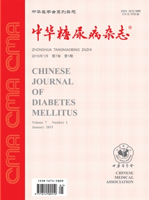
Volume 08 · Issue 08 · 2016
MedNexus
- Sections
- Editorial
- Special Article
- Original Article
- Review Article
- New Perspective
- International Communication
With the intensification of the global epidemic trend of diabetes, the metabolic disorders caused by diabetes and the vascular complications caused by it have brought a heavy social and economic burden. Among them, diabetic microvascular complications can involve almost all organs in the body, the most common are diabetic nephropathy, diabetic neuropathy and retinopathy. Adverse outcomes include renal failure, blindness and amputation. The epidemiological survey of type 2 diabetes in big cities in China shows that the prevalence of microvascular complications is: 39.7% of diabetic nephropathy, accounting for 7.0% of patients with renal failure; Diabetic retinopathy 31.5%, accounting for 1.5% of blind patients; The patients with central and peripheral neuropathy were about 61.8%, and 30% ~40% of them were asymptomatic[
On the morning of June 12, 2016, Professor Barbara B Kahn, Vice Chair of Research Strategy, Department of Medicine, Beth Irsael Deaconess Medical Center, Harvard Medical School, was honored with the Banting Medical Achievement Award at the 76th Annual Scientific Meeting of the American Diabetes Association (ADA) at the International Convention and Exhibition Center in New Orleans, USA. Professor Kahn is a world-renowned medical scientist who studies the molecular mechanisms of obesity and diabetes. Her research has improved people's understanding of obesity as the main risk factor for diabetes from the perspective of molecular biology, pioneering the proposal that the "communication" between fat and other tissues regulates the sensitivity of systemic insulin, and surprisingly found that adenylate-activated protein kinase (AMPK) is a key substance that regulates the body's energy metabolism; Glucose transporter 4 (GLUT-4) in adipose tissue can also regulate adipokine secretion, including retinol binding protein 4 (RBP-4) and a class of new lipids related to insulin sensitization and anti-inflammatory effects in the body. These new lipids can even affect glucagon-like peptide 1 (GLP-1) and insulin secretion. Her research further strengthens the clinical concept that adipose tissue is also an endocrine organ, and lays the theoretical foundation for the development of new drugs for a variety of diseases. Kahn, who suffered from type 1 diabetes as a girl, is both a doctor and a patient; She is both a pioneering experimental scientist and a very active clinical diabetes expert. She is among the top 1% in the field of diabetic metabolic diseases in the United States. In his award-winning speech, Professor Kahn reviewed a series of studies exploring adipose tissue leading to diabetes in the past 20 years, which once again aroused the academic resonance of more than 10,000 participating scholars on today's hot research topics, and fully felt the rigor and infinite charm of medical science from his scientific research idea of "research-problem-hypothesis-verification-new problem-hypothesis-verification...". The main content of the speech is now introduced as follows.
To investigate the diagnostic value of corneal confocal microscopy in diabetic peripheral neuropathy (DPN) and the best diagnostic cut-off point in type 2 diabetes.
From September 2015 to February 2016, a total of 95 inpatients with type 2 diabetes were enrolled, including 56 males and 39 females, mean age (57±14) yrs. All the subjects were divided into DPN group and non-DPN group according to nerve conduction velocity(NCV), and received in vivo corneal confocal microscope examination(IVCCM). The corneal nerve fiber density (CNFD), corneal nerve branch density (CNBD), corneal nerve fiber length(CNFL) were recorded. The correlations between corneal nerve parameters and NCVs were analyzed. Receiver operating characteristic(ROC) curve was used for assessment of the values of corneal nerve parameters in diagnosis of DPN and finding best diagnostic cut-off point.
The values of corneal nerve parameters in DPN group were significantly decreased than those in non-DPN group. The values of CNFD, CNBD, CNFL were positively correlated with motor nerve conduction velocity of median nerve, tibial nerve and peroneal nerve (r= 0.348-0.453, all P<0.01), and also positively correlated with sensory nerve conduction velocity of all the sensory nerve(r=0.203-0.478, all P<0.05). The areas under curve(AUC) in ROC curve of CNFD, CNBD and CNFL were among 0.7-0.9. In consistency test, Kappa value of CNFL was the highest. Taking CNFL≤20.6 mm/mm2 as the diagnostic cut-off point for DPN got the better sensitivity(82.4%) and specificity (85.7%).
IVCCM has a certain diagnostic value in diagnosis of DPN of type 2diobetes. CNFL≤20.6 mm/mm2 as the diagnostic cut-off point for DPN may have better sensitivity and specificity.
To investigate the relationship between different medical payment methods and control rate of glucose, blood lipid and blood pressure, and to analyze its influence on the prevalence of microvascular complications in patients with type 2 diabetes mellitus (T2DM) in communities.
A total of 2 213 patients with T2DM from 27 community clinics in Beijing were enrolled in this study. For each patient, the information of medical history, physical examination, blood biochemistry parameter, and medical insurance status were collected. The glycated hemoglobin A1c<7%, systolic blood pressure<140 mmHg (1 mmHg=0.133 kPa), diastolic blood pressure<80 mmHg, and low-density lipoprotein<2.6 mmol/L were set as the target goals. The patients were divided into good medical care group(reimbursed by government/company or citizen medical insurance) and poor medical care group(self-paid or paid in other ways) according to the medical payment methods. The control rates of blood glucose, blood lipid and blood pressure were compared separatedly and integratedly between the two groups. The association of diabetic complications, including diabetic neuropathy, diabetic retinopathy and diabetic nephropathy, with medicine payment status was evaluated. The single factor variance analysis,t test, Chi square test and Logistic regression analysis were used for statistical analysis.
Among the 2 213 patients with T2DM, 1 419 (64.1%) belonged to good medical care group, and 794 (35.9%) belonged to poor medical care group. The average age and the duration of diabetes were (61±9) vs (58±9) years and (8±6) vs (7±5) years, respectively (t=6.644, 5.237, both P<0.05). The control rates of blood glucose, blood pressure, blood lipids and integrated of above all were 52.9%(750/1 419), 38.8%(551/1 419), 44.7%(635/1 419) and 9.7%(138/1 419) in the good medical care group , and 41.3%(328/794), 21.7%(172/794), 39.0% (310/794) and 3.7%(29/794) in the poor medical care group, respectively (χ2=27.160, 68.220, 6.780 and 26.910, all P<0.01). The prevalence of diabetic complications of peripheral neuropathy, retinopathy and nephropathy were 20.4%, 31.6% and 34.3% in poor medical care group, and 12.4%, 21.7% and 27.8% in good medical care group, respectively (χ2=25.180, 26.470 and 10.200, all P<0.01).
The control of T2DM and its complications is better in patients with good medical care.
To estimate the diagnostic value of pancreatic regenerating protein(Reg) in type 2 diabetic (T2DM) patients with diabetic kidney disease (DKD).
According to diagnostic criteria and exclusion criteria, a total of 138 subjects admitted to in Zhongda Hospital Southeast University from February 2011 to February 2012 were included for the study. They were divided into four groups: 50 healthy patients (group A, 26 males and 24 females, mean age (54 ± 9) yrs), 36 newly diagnosed T2DM patients (group B, 21 males and 15 females, mean age(56±8) yrs), 25 long-term T2DM patients (group C, 15 males and 10 females, mean age(55±8) yrs), 27 DKD patients(group D, 13 males and 14 females, mean age (55 ± 11) yrs). Enzyme linked immunosorbent assay was used to determine the fasting serum Reg levels. Differences between groups were determined by one-way analysis of variance. Correlations of Reg and clinical parameters were performed using Spearman and Pearson correlation coefficient and the sensitivities of Reg were evaluated by receiver operating characteristic (ROC) curve in diagnosis of diabetic nephropathy.
The level of serum Reg in group D (57±21) μg/L was significantly higher than that in the group A (14±3) μg/L, B (18±7 ) μg/L or C (24±7 ) μg/L ( t= 14.41, 11.29, 6.78, all P<0.01). Reg level was positively correlated with systolic pressure, fasting plasma glucose, 2-hour postprandial blood glucose and glycosylated hemoglobin A1c (r=0.136, 0.215, 0.198, 0.382, all P<0.01) and negatively with glomerular filtration rate (GFR) and creatinine clearance rate (r= -0.533, -0.421, all P<0.01). The area under curve of Reg diagnosing DKD was 0.902 (95% CI(0.737-0.959)), and the optimum cut-off point was 32 μg/L, with sensitivity, specificity, positive likelihood ratio and negative likelihood ratio (69% , 93% , 2.09, 0.73, respectively).
The level of Reg up-regulated in type 2 diabetic patients, especially in DKD. Serum Reg level may serve as a molecular diagnostic marker for DKD.
To explore the association between the presence of albuminuria and serum thyroid hormone concentrations among hospitalized patients with type 2 diabetes mellitus (T2DM).
Data from 1 170 patients with T2DM aged ≥18 yrs admitted to the Department of Endocrinology and Metabolism in Peking University People' s Hospital from January, 2012 to March, 2015 were collected. The concentrations of thyroid stimulating hormone (TSH) were within the reference interval (0.55-4.78 mU/L). Albuminuria was defined as urine albumin to creatinine ratio(ACR) ≥30 mg/g. Logistic regression was used to analyze the association between serum thyroid hormone concentrations and the presence of albuminuria.
The prevalence of albuminuria was 20.0%(234/1 170). The level of free triiodothyronine (FT3) was (4.4±0.5) pmol/L in patients with albuminuria and (4.6±0.5)pmol/L in patients without albuminuria (t=3.866, P<0.001), and free thyroxine (FT4) was (15.5 ± 2.2) pmol/L and (15.4 ± 2.2) pmol/L (t=-0.336, P>0.05) in patients with and without albuminuria, respectively. Median of TSH (25th,75th) was 1.59(1.10, 2.28)mU/L and 1.63(1.15, 2.34)mU/L (Z=-0.707, P>0.05), respectively. FT3 was significantly associated with albuminuria (OR(95%CI): 0.59(0.42-0.84)). The risk of albuminuria was significantly reduced in the highest quartile of FT3 compared with the lowest quartile (OR(95%CI) : 0.57(0.35-0.94)). There was no significant association between albuminuria and FT4 or TSH.
Low FT3 may be an independent risk factor for the presence of albuminuria in hospitalized T2DM patients with normal thyroid function.
To investigate the association between ambulatory blood pressure rhythm and impaired renal tubular function in patients with type 2 diabetes.
A total of 412 patients with type 2 diabetes and normoalbuminuria were included from January 2012 to July 2015, among which male were 228, female 184 and average age was (53 ± 8) yrs. Patients were divided into normal renal tubular function group(288 cases) and impaired renal tubular function group(124 cases). Biochemical indicators were detected and 24 h ambulatory blood pressure monitoring was performed. Biochemical indicators, mean blood pressure, the circadian rhythm of blood pressure and blood pressure variation were compared between the two groups. Logistic regression analysis was performed to evaluate risk factors on renal tubular function.
The levels of estimated glomerular filtration rate (eGFR) and glycosylated hemoglobin (HbA1c) in impaired renal tubular function group were significantly higher than that of normal renal tubular function group((131±24) vs (109±13)ml/min, (8.0±2.4)% vs (7.5±2.2)%, t=12.147, 2.058, both P<0.05). Compared to normal renal tubular function group, 24 h systolic variation coefficient were significantly higher and the percentage of decreased systolic blood pressure at night was significantly lower in impaired renal tubular function group ((11 ± 5)vs(10 ± 4) mmHg (1 mmHg=0.133 kPa), (8.9 ± 2.7)% vs(9.5 ± 2.8)%, t=2.046, 2.553, both P<0.05). Logistic regression analysis showed that renal tubular function impairement was positively related to eGFR and HbA1c, and negatively related to the percentage of decreased systolic blood pressure at night (OR=1.645, 1.597, 0.736, all P<0.05).
Renal tubular function impairement occurs earlier than the change of blood pressure circadian rhythm in patients with type 2 diabetes.
To investigate changes of serum microRNA(Mir)-124-3p and silent information regulator 1(Sirt1) levels in type 2 diabetic patients with different stages of diabetic nephropathy.
Total of 508 cases with type 2 diabetes treated from September 2013 to September 2015 were divided into three groups according to the urinary albumin excretion rate: normoalbuminuric(D1, n=193), microalbuminuric(D2, n=175), macroalbuminuric group(D3, n=140). Serum levels of Mir-124-3p were validated by real-time polymerase chain reaction. Serum Sirt1, hypoxia-inducible factor-1α(HIF-1α), tumor necrosis factor-α(TNF-α) and fibronectin(FN) were determined by enzyme-linked immunosorbent assay (ELISA). One-way analysis of variance, Pearson correlation and multiple stepwise regression analysis were used for statistical analysis.
The level of serum Mir-124-3p in type 2 diabetic patients (2.85 (2.78-2.92)ng/mg) was significantly higher than that in control group (0.91(0.87-0.95)ng/mg), and with the increase of urinary albumin excretion rate, the levels of serum Mir-124-3p in group D1, D2 and D3 increased gradually(F=1348.7, P<0.001). Compared with control, serum Sirt1 level decreased significantly in type 2 diabetic patients and decreased gradually in patients of D1, D2 and D3 groups(F=44.5, P<0.001). According to Pearson correlation analysis, age, diabetes duration, fasting plasma glucose, fasting insulin, homeostasis model assessment for insulin resistance(HOMA-IR), glycated hemoglobin A1c(HbA1c), low-density lipoprotein-cholesterol(LDL-C), total cholesterol(TC), triglyceride(TG), serum creatinine(Scr), blood urea nitrogen(BUN), uric acid(UA), HIF-1α, Mir-124-3p, FN and TNF-α were positively correlated with Ln(ACR) (r=0.105-0.813, P<0.05); high-density lipoprotein-cholesterol(HDL-C) and Sirt1 were negatively correlated with Ln(ACR) (r=-0.113,-0.360, both P<0.05). According to multiple stepwise regression analysis, Mir-124-3p, FN, TNF-α, HIF-1α, TC, diabetes duration, BUN, Sirt1, UA and age were independent factors that significantly influenced Ln(ACR), the equation was Ln(ACR)=-3.617+1.005×Mir-124-3p+0.002×FN+ 0.014×TNF-α+0.035×HIF-1α+0.131×TC+0.016×diabetes duration+0.148×BUN-0.031×Sirt1+0.001×UA+ 0.008 × age.
Serum Mir-124-3p may be a new biomarker of early diagnosis of diabetic nephropathy, and it may involve in the development of diabetic nephropathy by promoting chronic inflammatory reaction and renal fibrosis.
To observe the winter and summer seasonal variation of hemoglobin A1c (HbA1c)in Beijing residents.
Two thousand four hundred thirty-eight subjects who visiting Beijing Hospital from 2013 to 2015 were enrolled, including normal glycemia persons and diabetes mellitus patients whose blood glucose was controlled stable during last 2 years. HbA1c values were measured both in winter (December-March) and in summer (July-October) to compare in paired method. The result of HbA1c in February and September is considered as winter and summer respectively, when repeat test was done for the same person. The data was grouped by season and age to compare the difference of HbA1c values in different season and different age. The HbA1c values in different seasons were analyzed with paired-sample t test.
HbA1c was higher in winter than that in summer independent of gender(6.8±1.3)% vs (6.6±1.1)%, t=11.45, P<0.01). The seasonal variation of HbA1c could be observed in different HbA1c levels, including HbA1c<5.7%, 5.7%-6.4% and ≥6.5% (t=2.48,8.44,9.96, respectively, all P<0.05). In different age groups, age≤30, 31-40, 41-50, 51-60, 61-70, 71-80, >80 yrs, respectively, we also found HbA1c values were higher in winter than that in summer (t=2.26-7.01, P<0.05). 312 subjects had a 2-year consecutive observation of HbA1c both in summer and in winter. The HbA1c values in winter were also higher than that in summer statistically(t=3.11-3.16, all P<0.05).
In Beijing residents, HbA1c values are higher in winter than that in summer, independently of HbA1c level, age and gender.
To investigate the prevalence of osteoporosis in elderly women with type 2 diabetes mellitus(T2DM) and associated factors.
From January 2011 to February 2012, 167 elderly women with T2DM and 138 healthy elderly women (controls) were enrolled in this study. The medical history, bone densitometry and biochemical indicators were recorded in the two groups. Data were analyzed with multivariate logistic regression and multiple regression analysis to identify the impacting factors of the osteoporosis in the elderly female patients with T2DM.
There were 167 elderly women in T2DM group, aged 60-78 years; and 138 elderly women in control group, aged 60-80 years. Total incidence of osteopenia and osteoporosis in T2DM group (85.6% (143/167)) was lower than that in control group(97.1% (134/138)) (χ2=11.929, P=0.001). The risk of developing low bone mass and fracture in T2DM group was 0.178 and 1.776 times of that in control group, respectively. Set low bone mass as dependent variable, the variables of frequency of physical exercise, duration of physical exercise and body mass index(BMI) entered the logistic regression equation, and the regression coefficients B were -0.438, -0.840 and -0.297, respectively, all P<0.05. T2DM was excluded from this equation, but it entered the logistic regression equation with fracture as dependent variable. The levels of tartrate-resistant acid phosphatase 5b and urinary hydroxyproline/creatinine were higher in T2DM group than those in control group(adjusted for BMI and life style, F=3.818, 1.541, both P<0.05). While the levels of bone glaprotein and bone-specific alkaline phosphatase were lower in T2DM group than those in control participants (adjusted for BMI and life style, F= 0.407, 0.920, both P<0.05).
The risk of developing low bone mass is lower in elderly women with T2DM than the control participants, but the risk for fracture is higher, and the osteoporosis in these patients is more difficult to be identified.
Studies have found that vascular endothelial dysfunction (VED) is a common early stage of diabetic vascular complications such AS diabetic retinopathy (DR), diabetic nephropathy, and atherosclerosis (AS). It is related to diabetic hyperglycemia, lipid metabolism disorder, upregulation of renin-angiotensin system and other factors. Among them, VED is closely related to the elevation of free fatty acids (FFA), which has attracted increasing attention. This paper summarizes the relationship between the two and the related mechanism.
Abnormal glucose metabolism is a serious risk to human health, and hyperglycemia is associated with adverse clinical outcomes such as death, infection, poor wound healing, and cardiovascular complications and increased hospital stay[
Type 2 diabetes is a chronic disease in which the body's ability to regulate glucose metabolism decreases, thus causing patients' blood sugar to rise. In the past, it was believed that the occurrence of type 2 diabetes was mainly related to the decrease of insulin secretion by pancreatic islet β cells, the decrease of glucose uptake by muscle tissue, and the increase of liver glucose output. In the past decade, with the continuous deepening of clinical scientific research, the role of kidney in glucose metabolism has been gradually re-recognized by everyone, and the role of renal sodium-glucose co-transporter 2 (SGLT-2) in the pathophysiological mechanism of type 2 diabetes can not be ignored.
Dipeptidyl peptidase IV (DPP-4) inhibitors can inhibit DPP-4 activity, effectively reduce the inactivation of glucagon-like peptide 1 (GLP-1), and promote insulin release in a glucose concentration-dependent manner, thereby lowering blood glucose[
When I first arrived in Rochester, Minnesota, USA, where Mayo Clinic is located on June 25, 2016, I didn't feel that there was the world's number one hospital here in the quiet street and in the comfortable small hotel. After a short break, the short Mayo Clinic learning journey of the Chinese Diabetes Management Program began. The trip, arranged by Professor Rita Basu, included visits to St. Mary's Hospital of Mayo Clinic, Methodist Hospital and Mayo Clinical Clinic.
CURRENT ISSUE