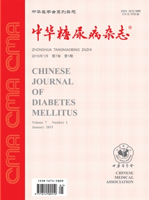
MedNexus
Volume 07 · Issue 10 · 2015
MedNexus
- Sections
- Editorial
- Special Article
- Guideline and Consensus
- Original Article
- 临床经验交流
- Review Article
- 会议纪要
Blood glucose monitoring is an important part of diabetes management, which runs through the whole process of diabetes treatment and efficacy evaluation, and plays an important role in the prevention and treatment of acute and chronic complications of diabetes. In 2011, the Blood Glucose Monitoring Group of Diabetes Branch of Chinese Medical Association issued the "Guidelines for Clinical Application of Blood Glucose Monitoring in China (2011 Edition)" (hereinafter referred to as the "Guidelines") in line with China's national conditions.[
Blood glucose monitoring is an important part of diabetes management. Several large clinical studies have confirmed that glycosylated hemoglobin (HbA1c) is associated with the occurrence of chronic complications of diabetes, and HbA1cLevel control within an appropriate range can effectively reduce the risk of chronic complications, therefore, HbA has long been1cIt has been regarded as the gold standard for evaluating long-term glycemic control in diabetic patients[
At present, the current situation of blood glucose monitoring in hospitals in China is not satisfactory, and the education of blood glucose monitoring guidelines needs to be popularized urgently. In practical clinical work, the related management regulations and management modes of in-hospital blood glucose monitoring have attracted more and more attention of hospital management. Not only have the management and operation specifications of portable blood glucose meter used in medical institutions been promulgated, but many standardized management systems of in-hospital blood glucose monitoring have been established, which will help improve the quality control of in-hospital blood glucose monitoring by hospital managers. However, at present, the standards implemented by hospitals at all levels in China are not uniform, resulting in uneven results. At the same time, with the rise of in-hospital blood glucose data management modes such as mobile medical care and information management system, the development of in-hospital blood glucose monitoring will also enter the era of Internet plus.
Since the publication of milestone studies in the field of diabetes, such as the Diabetes Control and Complications Study (DCCT) and the UK Prospective Diabetes Study (UKPDS), a large amount of evidence-based medical evidence has fully demonstrated that blood sugar control can effectively reduce the risk of diabetes complications. Blood glucose monitoring has become an important part of the "five carriages" of modern diabetes treatment. It has not only become the basis for adjusting doctors' treatment strategies, but also played an important role in patient education and self-management, changing lifestyle and reducing the risk of hypoglycemia and late complications. It has been praised by academic circles as one of the main achievements in the field of diabetes since the discovery of insulin. In the past 30 years, the technology and means of blood glucose detection have made rapid development. Capillaries, intertissue fluid and even tear glucose can be detected; The monitoring time can be from time point to 3 consecutive days and reflect the mean blood glucose level of 2-3 weeks or 2-3 months; Glycosylated hemoglobin (HbA1c) detection achieves standardization. Convenience, speed and accuracy are the never-ending pursuit of blood glucose detection technology.
To investigate the optimal cut- off point of glycated albumin for abnormal glucose metabolism and diabetes postpartum with previous gestational diabetes mellitus (GDM).
75 g oral glucose tolerance test (OGTT) was underwent at 6-8 weeks after delivery in 241 GDM patients from Apr 2012 to Oct 2014. Diagnosis of GDM was based on International Association of Diabetic Pregnancy Study Group criteria. The clinical and biochemical characteristics were compared among normal glucose tolerance(NGT group), impaired glucose regulation(IGR group) and diabetes mellitus(DM group). Comparisons between three groups were performed using analysis of variance test (ANOVA) or Kruskal Wallis test. Chi square test was used in comparisons between proportions. The optimal cut- off point of glycated albumin(GA) for abnormal glucose metabolism(IGR+ DM) and diabetes were obtained by drawing receiver operating characteristic (ROC) curve.
(1)We found that the rates of NGT (n=128), IGR (n= 66) and DM (n=47) were 53.1%, 27.4% and 19.5%, respectively.(2)GA was negatively correlated with weight, including pre-pregnancy weight(r=- 0.226, P<0.05) and weight at follow- up time (r=- 0.198, P<0.05). However, GA was positively correlated with blood glucose, including fasting blood glucose(r=0.582,P<0.001) and postprandial glucose(r=0.479,P<0.001). (3)GA was significant differences among three groups(F=34.1, P<0.001).Comparing with NGT, the GA/HbA1c rate significantly increased in DM group (2.2±0.7 vs 1.8±0.9, t=3.015, P<0.05). (4) The cut- off point of GA for abnormal glucose metabolism(IGR+ DM) postpartum was 12.70%. The sensitivity, specificity and area under the curve(AUC) were 62.8%, 66.4% and 0.685, respectively. The cut- off point of GA for postpartum diabetes was 13.03%. The sensitivity, specificity and area under the curve(AUC) were 66.7%, 72.0% and 0.769, respectively.
Nearly half of GDM patients remained abnormal glucose level at 6-8 weeks after delivery. OGTT test was strongly recommended in women whose level of GA was more than 12.7%, especially more than 13.03% at 6-8 weeks after delivery to determine the glucose metabolism status.
To assess the efficacy of sensor- augmented insulin- pump (SAP) during the perioperative period of cesarean delivery in patients with gestational diabetes mellitus(GDM).
GDM patients with indications of cesarean section were randomized into experimental group and control group according to table of random number between April 2012 to December 2013. The experimental group was treated with continuous subcutaneous insulin infusion (CSII) titrated based on real-time continuous glucose monitoring system (RT-CGMS), while the control group was treated with CSII adjusted by point of care testing (POCT). The level of blood glucose, insulin dosage, incidence of hypoglycemia, incision healing time and neonatal adverse outcomes were compared between two groups. Covariance analysis was used for the related indicators at the day of surgery, and descriptive analysis was used for the analysis of the postoperative related indicators.
(1) A total of 56 patients were enrolled, 30 in control group and 26 in experimental group. Baseline characteristics of the patients were comparable between two groups. (2) On the day of surgery, basal rate was adjusted more frequently in experimental group according to RT- CGMS. The dose of basal insulin in the experimental group was significantly lower than in the control group ((0.31 ± 0.09) vs (0.38 ± 0.11) U/kg, t=2.62, P=0.03). The frequency of basal rate adjustment was more in the experimental group (56 vs 22, P<0.01). The frequency and incidence of hypoglycemia were lower in the experimental group than in the control group (5 vs 15, 15.4% vs 30%, χ2=4.60, 2.61, both P<0.05). (3) The 24 h insulin dose decreased significantly after childbirth in both groups. Insulin use was ceased in 14 patients of experimental group and 11 of control group. (4) No significant difference were observed in incision healing time and neonatal adverse outcomes between the two groups.
Sensor-augmented insulin-pump demonstrates unique advantage in controlling blood glucose of perioperative GDM patients.
To investigate the association between blood glucose fluctuation and microvascular complications in type 2 diabetes mellitus patients complicated with obstructive sleep apnea hypopnea syndrome(OSAHS).
55 patients(34 males and 21 females,with an average of (61±6) years old) complicated with OSAHS were enrolled as case group,and 55 patients (30 males and 25 females, with an average of (60±5)years old) without OSAHS were enrolled as control group.Blood glucose, blood lipid, glycosylated hemoglobin A1c (HbA1c),and 24 h urinary microalbumin (24 hUMA) was detected. Dynamic glucose monitoring system(CGMS) was used to monitor the values of mean amplitude of glycemic excursions (MAGE),standard deviation of blood glucose (SDBG), mean of daily differences (MODD),largest amplitude of glycemic excursions (LAGE),the low blood glucose time percentage(<3.9 mmol/L), high blood glucose time percentage(>7.8 mmol/L), high blood glucose time percentage(>11.1 mmol/L) and blood glucose fluctuation coefficient.Apnea hypopnea index (AHI) was monitored by polysomnography (PSG), microvascular complications of all patients were also detected.t test, χ 2 test,variance analysis, Pearson product moment correlation analysis and Logistic multivariate analysis were used to evaluate the data.
(1)The values of MAGE,SDBG, MODD,LAGE,low blood glucose time percentage(<3.9 mmol/L) and blood glucose fluctuation coefficient(F=28.137,26.226,19.802,17.734,29.132,29.404,all P<0.05) were significantly increased with the increase of AHI.(2)AHI was positively related with MAGE,SDBG, and blood glucose fluctuation coefficient (r=0.465,0.696,0.533,all P<0.05). (3) The incidence of microvascular complications in case group (81.8%) was significantly higher than that in control group (32.7%, χ2=27.08, P <0.05).(4) Logistic analysis showed that HbA 1c(OR=9.646,95%CI:2.381-39.076), AHI(OR=7.435,95%CI:1.834-30.134), MAGE(OR=10.052, 95%CI:1.057-95.622), SDBG(OR=6.435,95%CI:1.414-29.287), LAGE(OR=12.199,95% CI:2.322- 99.613), blood glucose fluctuation coefficient (OR=8.511,95% CI:2.012- 35.787), the duration of diabetes (OR=11.769,95% CI: 3.642- 43.005) was the risk factor of T2DM compliaced with microvascular complication.
The merger of OSAHS could increase blood glucose fluctuation and frequency in T2DM patients.Nocturnal glucose fluctuation was associated with microvascular complications in T2DM patients complicated with OSAHS.
To observe the effect of different exercise intensity on quality of life in patients with type 2 diabetes.
Eighty four patients with type 2 diabetes were selected since July 2013 to November 2014, and were divided into 2 groups by sequence number: group A and B. Assessments of quality of life were conducted with the MOS 36 item short form health survey(SF-36) in all patients. Heart rate corresponding to 40%-60% of maximum oxygen consumption was set as target heart rate. Group A and B exercised half an hour and one hour a day respectively. The changes of metabolic indices, body fat percentage and quality of life in the two groups after 12 weeks of exercise were recorded and compared between the two groups. The enumeration data were compared with χ 2 test between the two groups.
Total of 43 cases (23 males and 20 females) and 41 patients(27 males and 14 females) were enrolled in group A and group B respectively; and 39 cases(21 males and 18 females) and 37 cases(25 males and 12 females) finished the study in the two groups respectively. There was no significant differences in all the baseline indexes between the two groups. Compared with those before exercise, waist circumference in all the subjects and in males and females in group A reduced significantly after exercise for 12 weeks(in all: (91±9) vs (87±8) cm, in male: (93±8) vs (88±6) cm, in female:(90±10) vs (85±9) cm, t=4.454, 2.232, 4.430, all P< 0.05). In group B, the high density lipoprotein-cholesterol(HDL-C) increased significantly after exercise (t=- 2.470, P<0.05). Compared with those before exercise, the general health, vitality and mental health in quality of life in group A increased significantly after 12 weeks of exercise (t=-5.475, -3.897, - 5.241, all P<0.05). Physical function, general health, vitality and mental health of group B after exercise improved significantly too(t=- 2.073, - 3.506, - 3.777, - 3.215, all P<0.05). After 12 weeks of exercise, no statistical difference was found in blood glucose, blood lipid and quality of life score between group A and group B on the analysis of covariance. Waist circumference and body fat percentage of group A reduced significantly when compared with group B after the study(F=544.982, 545.049, P<0.05).
Taking exercise at least half an hour a day can improve obdominal obesity and quality of life in patients with type 2 diabetes, especially in terms of general health,vitality and mental health. One hour of exercise a day can increase the serum level of HDL-C in those patients.
To investigate the effects of MicroRNA-126 on glucose metabolism in the human liver cells.
The immortal liver-derived cell line Chang liver cell was taken as the object. Chang liver cells were transfected with MicroRNA-126 mimic, MicroRNA-126 inhibitor and relative negative control respectively, meanwhile the normal control group and Lipofectamine 2000 group were set too. The expression level of MicroRNA-126 was detected by reverse transcription-polymerase chain reaction (RT-PCR), and the protein expression of insulin receptor substrate-1(IRS-1), phosphatidylinositol 3-kinase p85β(PIK3R2), protein kinase B-2 (Akt- 2) and phosphorylated Akt- 2 (P- Akt- 2) were detected by using Western blotting. Data were analyzed with one-way ANOVA ort test.
The expression of MicroRNA- 126 was significantly increased in MicroRNA- 126 mimic group compared with that in normal control group (799.70±66.46 vs 1.00±0.00, t=20.82, P<0.05). Compared with the normal control group, the protein expression of IRS- 1, PIK3R2 decreased in MicroRNA- 126 mimic group(0.41±0.04 vs 1.09±0.02, 0.41±0.03 vs 0.89±0.01,t=-25.53,-26.63, both P<0.05).The differences in the expression of Akt-2 among the 6 groups was not statistically significant(F=0.35, P>0.05). Compared with that in the normal control group, the P-Akt-2/Akt-2 decreased in MicroRNA-126 mimic group (0.53±0.07 vs 0.88±0.09,t=-5.298, P< 0.05).
MicroRNA-126 may affect glucose metabolism in human liver cells by inhibiting IRS-1/PIK3R2/Akt-2 signaling pathway.
To investigate the effect of pioglitazone on serum adiponectin (ADP), urinary albumin creatinine ratio (UACR) and renal pathology of KKAy mice, and discuss the mechanism of pioglitazone preventing and treating diabetic nephropathy(DN).
Sixteen male KKAy mice (12 weeks old) were randomly divided into 2 groups according to blood glucose: diabetes mellitus group (D group) and pioglitazone treatment group (P group), which were fed with high lipid chow. Meanwhile, eight male C57BL/6 mice as the control group (C group) which were fed with ordinary chow for 12 weeks. Serum ADP, UACR were assayed in each group. Renal pathology was observed by light microscope and electron microscope. Wilms tumor 1, zonula occludens-1 (ZO-1), AMP activated protein kinase (AMPK) and NADPH oxidase-4 (NOX-4) were positioned and evaluated by immunohistochemistry in each group. The data of three groups were analyzed by single factor analysis of variance, and the data of two groups were compared with independent samples t test.
The level of UACR in P group ((75±9) μg /mg) was lower than that before therapy ((121±19) μg /mg) and that in D group((159±20) μg /mg, t=3.864, 4.975, both P<0.01). The serum ADP in P group ((67±6) μg/ml) was higher than that in D group((39±14) μg/ml,t=4.087, P<0.01). Renal pathology was significantly alleviated. The podocyte number, ZO-1 and AMPK in P group were higher than that of D group(t=2.036, 2.585, 2.947, all P<0.05). NOX-4 in P group was lower than that of D group(t= 3.612, P<0.01).
One of the possible mechanism of pioglitazone preventing and treating DN may be to increase the level of ADP, up-regulate AMPK, inhibit NOX-4, relieve oxidative stress and repair injured podocyte.
To evaluate the effects of periodontal basic therapy on hemoglobin (HbA1c) and periodontal status of diabetic patients, a total of 102 patients with type 2 diabetes mellitus combined chronic periodontitis, which included male 58 and female 44 with average age (45±9)yrs, were enrolled from January 2011 to December 2013. The patients were randomly divided into two groups. The intervention group of 51 patients received hypoglycemic therapy and systemic periodontal therapy. The control group only received hypoglycemic therapy. Periodontal clinical examination indexes included the probing depth(PD), clinical attachment loss(CAL) and aspartate transaminase(AST) in gingival crevicular fluid. Glycemic control was measured as glycosylated hemoglobin(HbA1c). After supragingival scaling for 3 months and subgingival curettage for 3 months, periondontal indexes of fixed tooth position in the same site and the corresponding HbA1c were recorded in periodontal treatment group. Same indexes were recorded in the control group, too. Independent sample t test was used for the difference between groups. Chi square test was used for the comparison of categorical data. P <0.05 was considered as statistically significant difference. After subgingival curettage for 3 months, PD(1.92±0.62)mm, CAL(1.79±0.72)mm, AST(364.0±105.2)mmol/L, in intervention group were significantly lower than those in the control group: PD(2.56±0.65)mm, CAL (2.15± 0.57)mm, AST (532.3±112.5)mmol/L ( t=2.438, 3.375, 3.591, all P<0.05). In addition, HbA1c (7.3±1.9)% of intervention group was much lower than that (8.1±1.9)% of control group (χ2=2.831, P<0.05). The results suggest supragingival scaling combined with subgingival curettage not only alleviated significantly inflammation of periodontal tissues, but also improved glycemic control of type 2 diabetic patients.
There are two kinds of pregnancy complicated with diabetes, one is that diabetes has been diagnosed before pregnancy or blood sugar is increased for the first time during pregnancy and has reached the diagnostic criteria for diabetes, which is diabetes complicated with pregnancy; The other is abnormal glucose tolerance that occurs or is first detected during pregnancy, which is gestational diabetes mellitus (GDM)[
Recently, Yi et al.[
The 7th International Forum on Blood Glucose Monitoring, the Cross-Strait and Three-place Summit Forum and the Annual Meeting of CDS Blood Glucose Monitoring Group, sponsored by Diabetes Branch (CDS) of Chinese Medical Association and hosted by CDS Blood Glucose Monitoring Group and the Second Affiliated Hospital of Harbin Medical University, were held in Harbin on July 4, 2015. The opening ceremony was presided over by Professor Li Qiang, executive chairman of the conference. Professor Chen Liming, the current leader of blood glucose monitoring group, Professor Ji Linong, former chairman of CDS, Zhang Bin, president of the Second Affiliated Hospital of Harbin Medical University, and Wei Xingang, deputy director of Heilongjiang Provincial Health Department, delivered speeches successively, explaining the great significance of blood glucose monitoring and congratulating the successful convening of the conference. The theme of this conference is "Unity of Knowledge and Action, Gathering in Ice City", which means that blood sugar monitoring leads treatment, and the two are closely integrated to prevent and control diabetes.
CURRENT ISSUE