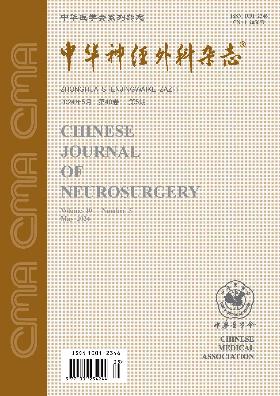
MedNexus
Volume 40 · Issue 05 · 2024
MedNexus
For a long time, clinicians have used the Glasgow Coma Score as the standard to classify craniocerebral trauma injuries. The defects of this classification have become increasingly prominent in the context of current precision medicine. To this end, the international neurosurgical community has made efforts to promote a new classification of craniocerebral trauma characteristics. According to the CBI-M classification scheme, the baseline indicators of patients are included in the aspects of clinical symptoms, serum biomarkers, imaging, and corrective factors, so as to assess the injury and guide the follow-up treatment. The new classification method of craniocerebral trauma will profoundly affect the development process of specialties, promote the promotion of specialties all over the world, and is worthy of learning and popularization by domestic colleagues.
To explore the application value of a machine learning model based on CT radiomics features in predicting the pressure amplitude correlation index (RAP) and pressure-reactivity index (PRx) in patients with severe traumatic brain injury (TBI).
The clinical and imaging data of 36 patients with severe TBI admitted to the Department of Neurosurgery of Shanghai General Hospital, Shanghai Jiao Tong University School of Medicine from January 2019 to December 2020 were retrospectively analyzed. The admission Glasgow Coma Scale (GCS) score [M (range)] of the included patients was 6 (3 to 8) points. All patients underwent surgical treatment, continuous intracranial pressure monitoring, and invasive arterial pressure monitoring. The RAP and PRx were collected within 1 h after surgery. Then one volume of interest (VOI) was selected from the craniocerebral CT images of patients within 1 h after surgery, and a total of 93 radiomics features were extracted from the VOI for predicting RAP and PRx. The recursive feature elimination method was used for feature selection to obtain the optimal feature subset. The random forest algorithm was used to train the classifier to predict PRx and RAP respectively, and a prediction model was constructed based on CT radiomics features. The accuracy, precision, recall rate, F1 score, and receiver operating characteristic (ROC) curve and area under curve (AUC) of models were used to evaluate the predictive performance of CT radiomics features.
The optimal number of features for predicting PRx and RAP was 12 and 15, respectively. The accuracy of predicting PRx by CT radiomics features was 72%, the precision was 85%, the recall rate was 68%, the F1 score was 0.61, and the AUC was 0.79. The accuracy of predicting RAP by CT radiomics features was 63%, the precision was 78%, the recall rate was 63%, the F1 score was 0.61, and the AUC was 0.80.
The prediction model based on CT radiomics features can effectively predict PRx and RAP in patients with severe TBI, which could help guide treatment and assess the patient prognosis.
To explore the effect of neuroendoscopic-assisted postauricular question mark incision large bone flap decompression in the treatment of patients with acute severe traumatic subdural hematoma by comparing with standard large bone flap decompression.
The clinical data of 137 patients with acute severe traumatic subdural hematoma diagnosed and treated in the Neurosurgery Department of Siping Central People′s Hospital from January 2017 to December 2022 were retrospectively analyzed. All patients underwent intracranial pressure monitoring and external ventricular drainage. Among them, patients treated with neuroendoscopic-assisted postauricular question mark incision large craniectomy decompression were included in the experimental group (n=77), and patients treated with standard large bone flap decompression were included in the control group (n=60). There was no statistically significant difference in baseline data such as gender and age between the two groups of patients (all P>0.05). The differences in Glasgow Coma Score (GCS), surgery-related complications 1 week after surgery, Glasgow Outcome Scale (GOS), good outcome (GOS level Ⅳ and Ⅴ) rate and mortality rate 3 months after surgery were compared between the two groups.
Both groups of patients successfully underwent the surgery. Compared with the control group, the patients in the experimental group had higher GCS 1 week after surgery [(14.33±2.95) points vs. (11.53±3.12) points], and the difference was statistically significant (t=5.37, P<0.001). There was no statistically significant difference in the incidence of surgery-related complications such as intraoperative malignant encephalocele, postoperative bleeding, intracranial infection, wound non-healing, epileptic seizures, and hydrocephalus between the two groups (all P>0.05). At the 3-month follow-up after surgery, the difference in GOS between the two groups of patients was statistically significant (Z=-4.40, P<0.001); the favorable outcome rate of patients in the experimental group was higher than that in the control group [83.1% (64/77) vs. 51.7% (31/60), χ2=15.69, P<0.001], while the difference in case fatality rate was not statistically significant [1.3% (1/77) vs. 8.3% (5/60), corrected χ2=2.48, P=0.115].
Compared with standard large bone flap decompression, neuroendoscope-assisted postauricular question mark incision large bone flap decompression in the treatment of patients with acute severe traumatic subdural hematoma can achieve better clinical outcome without increasing the risk of surgery-related complications.
To analyze the relevant factors affecting the prognosis of patients with severe traumatic brain injury (TBI) with preoperative mydriasis.
The clinical data of 173 patients with preoperative secondary mydriasis after severe TBI admitted to the Neurosurgery Department of South Taihu Hospital Affiliated to Huzhou University from May 2019 to May 2023 were retrospectively analyzed. Six months after surgery, patients were divided into a good outcome group (GOS Ⅳ to Ⅴ) and a poor outcome group (GOS Ⅰ to Ⅲ) based on the Glasgow Outcome Scale (GOS). We compared the gender and age of the two groups of patients, whether the preoperative mydriasis was unilateral or bilateral, Glasgow Coma Scale (GCS), circumferential cistern status, midline structural shift, pupil dilation to surgical decompression time, operation time, operation method, ICP probe type, initial intracranial pressure (ICP), immediate postoperative ICP, perioperative hypotension and/or hypoxemia, and multiple injuries. The above factors with statistically significant differences were incorporated into the multivariate logistic regression model to analyze the independent risk factors affecting the poor prognosis of patients with secondary mydriasis before severe TBI surgery.
Among the 173 patients, 46 (26.6%) were in the good outcome group; 127 (73.4%) were in the poor outcome group, of which 54 (31.2%) died. The results of univariate analysis showed that compared with the group with better outcome, the group with poor outcome had higher proportions of patients with preoperative bilateral pupil dilation, preoperative GCS of 3 to 5 points, pupil dilation to surgical decompression time ≥ 1 hour, and initial ICP ≥ 40 mm Hg (1 mm Hg=0.133 kPa), immediate postoperative ICP≥12 mm Hg, and perioperative hypotension and/or hypoxemia, and the differences were statistically significant (all P< 0.05); the differences in other indicators were not statistically significant (all P>0.05). Multivariate logistic regression analysis showed that preoperative GCS of 3-5 points (OR=5.13, 95%CI: 1.89-13.92, P=0.001), mydriasis to surgical decompression time ≥1 hour (OR=3.15, 95%CI: 1.26-7.87, P=0.014), immediate postoperative ICP≥12 mm Hg (OR=4.77, 95%CI: 1.21-18.84, P=0.026) and perioperative hypotension and/or hypoxemia (OR=3.30, 95%CI: 1.33-8.18, P=0.010) were independent risk factors affecting the prognosis of patients with mydriasis secondary to severe craniocerebral trauma.
The prognosis of patients with preoperative mydriasis secondary to severe TBI is affected by multiple factors, including preoperative GCS of 3 to 5 points, time interval from mydriasis to surgical decompression ≥1 hour, immediate postoperative ICP ≥12 mm Hg, and perioperative hypotension and/or hypoxemia are important risk factors leading to relatively poor patient prognosis.
To preliminarily explore the effective diagnosis and treatment for traumatic subarachnoid hemorrhage(tSAH) combined with arterial aneurysm.
A retrospective analysis was conducted on clinical data of patients with tSAH combined with arterial aneurysm admitted to the Department of Neurosurgery of Shenzhen Second People′s Hospital from November 2013 to May 2021, which accounted for 3.24% (11/339) of the patients with tSAH admitted in the same period. The aneurysms were located in the extracranial segment of the internal carotid artery in 1 case, the cavernous sinus segment of the internal carotid artery in 3, the ophthalmic segment of the internal carotid artery in 5, the middle cerebral artery in 1, and the anterior cerebral artery in 1. The diagnosis was confirmed preoperatively by CT angiography (CTA) or digital subtraction angiography (DSA) examination. Based on the location of the bleeding and its positional relationship to the aneurysm, patients were classified into those with aneurysmal subarachnoid hemorrhage (aSAH, 6 cases) and non-aneurysmal subarachnoid hemorrhage (non-aSAH, 5 cases), and then different therapeutic regimens were implemented. Of the 6 patients with aSAH, craniotomy for aneurysm clipping was performed in 1 case and endovascular embolization in 5 cases. Conservative treatment was performed in 5 non-aSAH cases. Postoperative complications were documented and evaluated. Clinical follow-up was performed. The outcomes of the patients were evaluated using the Glasgow Outcome Scale (GOS), and the aneurysm was assessed by imaging follow-up.
Among 6 patients with aSAH, 1 patient treated with aneurysm clipping had complete aneurysm clipping without intraoperative complications. DSA examination 12 d after surgery revealed recurrence and the aneurysm was completely embolized after endovascular embolization. The aneurysms were completely occluded in the other 5 patients treated with endovascular embolization (Raymond grade Ⅰ) and none had surgery-related complications. All 6 patients were followed up for 6 months. CTA showed no recurrence. GOS grade was Ⅱ in 1 case, Ⅲ in 1 and Ⅴin 4. Five patients with TBI with non-aSAH underwent digital re-examination and no aneurysmal rupture during the follow-up period was found. At the last follow-up, there was 1 case of GOS grade Ⅳ and 4 cases of grade Ⅴ.
Preliminary study shows that the incidence of SAH combined with an aneurysm after TBI is low. Early diagnosis, management of risk factors and active treatment can help improve the patients′ outcomes.
To explore the predictive value of peripheral blood leukocyte levels for hematoma progression in patients with cerebral contusion and laceration.
A retrospective analysis was conducted on clinical data of 248 patients with cerebral contusion and laceration who were admitted to the Department of Neurosurgery at Affiliated Hospital of Yangzhou University from January 2021 to January 2023. Hematoma progression was determined based on CT scan results within 24 hours after injury (hematoma volume increased by more than 25% or new intracranial hematoma). Gender, age, Glasgow Coma Scale (GCS) at admission, hematoma type (subdural hematoma or epidural hematoma), hematoma location, medical history, surgical intervention, and peripheral blood laboratory parameters within 24 hours post-onset [including white blood cells, neutrophils, lymphocytes, monocytes, platelets, creatinine, D-dimer levels, prothrombin time (PT), activated partial thromboplastin time (APTT), neutrophil-to-lymphocyte ratio (NLR), systemic immune-inflammatory index (SII), monocyte-to-lymphocyte ratio (MLR), platelet-to-lymphocyte ratio (PLR), derived NLR (dNLR)] were compared between the non-progression group and progression group. Factors with a significance level of P<0.1 were included in a multivariate logistic regression model to analyze the impact of leukocyte levels on hematoma progression. Receiver operating characteristic (ROC) curves were generated, and the area under the curve (AUC) was calculated to assess the predictive value of leukocyte levels for hematoma progression in cerebral contusion patients.
Among the 248 patients, 142 were in the non-progression group and 106 in the progression group. The white blood cell count [M(Q1, Q3)] was 12.53 (9.19, 15.45) ×109/L in the non-progression group and 13.01 (10.83, 15.76) ×109/L in the progression group, with a statistically significant difference (P=0.043). Multivariate logistic regression analysis showed that, in addition to low GCS at admission (OR=0.84, 95% CI: 0.73-0.96) and a history of anticoagulant or antiplatelet use (OR=1.34, 95% CI: 1.12-1.97), an increase in white blood cell count (OR=1.16, 95%CI: 1.01-1.32) and a decrease in MLR (OR=3.55, 95%CI: 1.19-10.60) were independent factors influencing hematoma progression in cerebral contusion (all P<0.05). The ROC curve model constructed based on these parameters showed an AUC of 0.60 for predicting hematoma progression with GCS at admission and a history of anticoagulant or antiplatelet use. When white blood cell count and MLR were added to the model, the AUC increased to 0.75.
The level of peripheral blood leukocytes is an important factor influencing the progression of hematoma in patients with cerebral contusion and laceration, and has predictive value for the progression of hematoma in patients.
To investigate the effect of unilateral MR-guided focused ultrasound (MRgFUS) thalamotomy on ipsilateral hand tremor in patients with essential tremor (ET) and its possible mechanism.
A retrospective analysis was conducted on clinical data of ET patients who received unilateral MRgFUS thalamotomy at the Department of Neurosurgery, First Medical Center of PLA General Hospital from January 2019 to June 2022. The linear mixed-effect model (LMM) was used for the analysis of tremor scores and non-decussating dentato-rubro-thalamic tract (nd-DRTT) at 1, 3, 6 and 12 months after surgery, as compared to those before surgery. The mediation effect of nd-DRTT in the alteration of ipsilateral tremor scores was also explored.
Ipsilateral tremor scores of 50 ET patients decreased from 16.1±5.5 to 12.6±6.0, 12.5±6.5, 12.6±6.1 and 12.8±6.9 at 1, 3, 6 and 12 months post operation respectively (all P<0.001). Contralateral tremor scores decreased from 21.5±4.0 to 4.1±3.8, 4.9±4.5, 6.2±5.5 and 6.9±5.7 at 1, 3, 6 and 12 months post operation respectively (all P<0.001). Compared with preoperative level (150.4±89.9), there was a significant decrease in the number of ipsilateral nd-DRTT both at 1 month (38.9±38.0) and 3 months (69.2±61.7) after thalamotomy (both P<0.05), while no statistically significant decrease was observed at 6 and 12 months (both P>0.05). Compared with preoperative level (132.6±75.6), the number of contralateral nd-DRTT after thalamotomy at different time points showed a decreasing trend, but did not reach statistical significance (all P>0.05). The decrease of nd-DRTT after thalamotomy (β=-18.64, P=0.001) had a mediation effect (β=0.01, P=0.007) in the decrease of ipsilateral tremor score (β=-4.39, P<0.001).
Preliminary results show that unilateral MRgFUS thalamotomy could partially mediate the relief of ipsilateral tremor via reducing ipsilateral nd-DRTT.
To explore the clinical efficacy and safety of transcranial magnetic resonance-guided focused ultrasound (tcMRgFUS) in the treatment of essential tremor (ET).
The clinical data of 12 ET patients who underwent tcMRgFUS treatment at the Department of Neurosurgery, Neuromedicine Center, the University of Hong Kong-Shenzhen Hospital from September 2022 to June 2023 were retrospectively analyzed. The patient′s age was 53.9±14.8 years (26-70 years); the disease duration was 26.2±15.6 years (6-50 years). The preoperative Clinical Rating Scale for Tremor (CRST) score of right hand[M(Q1, Q3)] was 15.0 (11.3, 22.3) points, and the Quality of Life in Essential Tremor Questionnaire (QUEST) score was 46.5 (31.3, 65.5) points. The effective skull area, skull density ratio (SDR), and the number of effective elements were evaluated before surgery; Spearman correlation analysis was used to evaluate the correlation between the skull area and the number of effective elements. All 12 patients had the ventral intermediate nucleus of the thalamus as the treatment target. Under MR thermal imaging monitoring, the preset focal spot temperature was 40 ℃to 45 ℃ to align the target location and size, 45 ℃ to 50 ℃ to verify effectiveness and safety, and 50 ℃ to 60 ℃ for ablation with a duration of 15-30 s. We observed and documented surgery-related complications. CRST was evaluated and head MR was reviewed on the 1st day, 1 month, and 3 months after operation; QUEST was evaluated at 1 and 3 months after operation; and the improvement rate of the two scores was calculated.
There was a positive correlation between the effective skull area (362±22 cm2) and the number of effective elements [M(Q1, Q3): 948 (927, 978)] in 12 patients (r=0.63, P=0.029). The SDR value was 0.46±0.13. The operations were all completed successfully. The ablation temperature of 12 patients was (57.5±2.5)°C. The effective rate of treatment of tremor symptoms was 12/12. MR of 12 patients showed damaged lesions and surrounding edema 1 d after surgery. The center point of the edema region accurately matched the planned target point, and there was no deviation in position. A total of 15 mild adverse events occurred in 7 patients. Except for 1 patient whose taste change and numbness at the corners of the mouth did not improve, the symptoms of the other patients were relieved within 1 month after surgery. The follow-up time of 12 patients was 3 months. Compared with pre-operation, the CRST scores at 1 day after operation [M(Q1, Q3): 1.5 (0, 2.0) points], 1 month post operation [2.0 (0, 2.0) points], and 3 months post operations [2.0 (1.0, 2.0) points] were significantly different (χ2=27.87, P<0.001); the improvement rates were (90.8±8.7)%, (85.8±15.8)% and (77.5±21.6)% respectively. Compared with those before surgery, the difference in QUEST scores at 1 month [21.5 (12.5, 43.5) points] and 3 months [16.5 (6.5, 34.3) points] after surgery were statistically significant (χ2=20.47, P<0.001). The improvement rates were (49.5±29.0)% and (58.0±25.8)% respectively. All 12 patients underwent regular follow-up cranial MR after surgery, and it was found that the abnormal signals gradually shrank, indicating that the edema zone was gradually absorbed, and the diameter of the damaged lesions also gradually shrank.
The approach of tcMRgFUS can improve patients′ tremor symptoms when treating ET. Surgery-related complications usually resolve within 1 month after surgery. The technology is relatively safe and effective.
To observe the ultrastructure of the middle cerebral artery (MCA) in patients with moyamoya disease (MMD) using Transmission electron microscopy, and to explore the differences in the ultrastructure of blood vessels of different types and different Suzuki stages of MMD.
The clinical data of 52 patients with MMD and their MCA specimens who were diagnosed and treated at the Neurosurgery Department of Henan Provincial People′s Hospital from December 2021 to December 2022 were collected for retrospective research. Among them, there were 33 cases of ischemic MMD, 6, 7, 18, and 2 cases of Suzuki stage Ⅱ, Ⅲ, Ⅳ, and Ⅴ respectively; 19 cases of hemorrhagic MMD, and 1, 4, 10, 4 cases of Suzuki stage Ⅱ, Ⅲ, Ⅳ, and Ⅴ respectively. The ultrastructure of the blood vessel wall was observed under a transmission electron microscope, and the degree of rupture of the internal elastic membrane under a 1 000× electron microscope was scored (the higher the score, the more severe the rupture). Image J software was used to measure the area of endothelial cells under a 3 000× electron microscope. We then compared the ultrastructural differences of MCA of different types and different Suzuki stages of MMD.
With the progression of Suzuki stage, the degree of endothelial cell necrosis and exfoliation, the thinning and rupture of the internal elastic membrane of MCA intimal layer in hemorrhagic MMD showed a trend of aggravation, and smooth muscle migration was observed throughout the whole Suzuki stage. Additionally, there was an abundance of smooth muscle cells in the tunica media, a large number of fibroblasts in the tunica adventitia, and organelle dissipation in the tunica adventitia. Notably, there were no significant differences in the morphology of the nucleus or endoplasmic reticulum among different Suzuki stages. Conversely, the alterations in endothelial cells and the internal elastic membrane of the MCA in ischemic MMD did not manifest distinctly with the advancement of Suzuki stages, and smooth muscle cells migrated to the intima layer consistently across different Suzuki stages, with abundant presence in the media layer. Extensive fibroblast disintegration and organelle dispersion occurred in the adventitia layer. There was no significant difference in nuclear morphology or endoplasmic reticulum morphology among different Suzuki stages. The area of MCA endothelial cells [M(Q1, Q3)] in hemorrhagic MMD was 12.67 (1.08, 20.90) μm2, and 16.42 (10.20, 23.36) μm2 in ischemic MMD, the difference was statistically significant (P=0.045). The rupture degree of internal elastic membrane of MCA [M(Q1, Q3)] was 1(0, 2) points in ischemic MMD, and 2 (1, 3) points in hemorrhagic MMD, and the difference was statistically significant (P=0.013).
There were differences in the ultrastructure of MCA in different Suzuki stages and different types of MMD. The degree of vascular ultrastructure damage had a tendency to aggravate with the progression of Suzuki stages, with hemorrhagic MMD exhibiting greater severity compared to the ischemic MMD.
To preliminarily explore the application and efficacy of hybrid surgery in the treatment of spinal cord vascular malformations.
A retrospective analysis was performed on the clinical data of 26 patients with spinal cord vascular malformations who underwent hybrid surgery [digital subtraction angiography (DSA) combined with microsurgery] at the Department of Neurosurgery, the First Affiliated Hospital of Zhengzhou University, from November 2019 to June 2023, including 11 cases of spinal dural arteriovenous fistulas (SDAVF), 11 cases of peri-medullary arteriovenous fistula (PMAVF) and 4 cases of spinal arteriovenous malformation (SAVM). Neuroelectrophysiological monitoring was performed on patients with PMAVF and SAVM during surgery. The patients were followed up through outpatient or hospitalization, and spinal cord DSA examination was reviewed; the modified Aminoff-Logue disability score was used to evaluate spinal cord function (a score decrease of ≥1 was considered improvement).
All 26 patients had their lesions resected according to the preoperative plan. No significant decrease in amplitude was found in the intraoperative neuroelectrophysiological monitoring of 15 patients. Eleven cases of SDAVF and 10 cases of PMAVF all had a single fistula. The DSA results immediately after surgery showed that the lesion was not visualized and normal blood vessels in the spinal cord were preserved. In one case of PMAVF with multiple fistulas, only one lesion causing symptoms was removed according to the preoperative plan and immediate postoperative DSA showed that the lesion was not visualized. In 4 patients with SAVM, the lesions were completely removed, and the immediate postoperative DSA results showed that the malformed vascular mass was not visualized. On the 2nd day after surgery, the sensory impairment of 25 patients was improved compared with that before surgery, but the movement and sphincter function did not improve significantly. In another patient, sphincter dysfunction worsened after surgery. None of the patients had postoperative complications such as bleeding and infection. The postoperative follow-up time [M (Q1, Q3)] of 26 patients was 21 (8, 35) months. By the last follow-up, the spinal cord function of all 26 patients had improved, with the modified Aminoff-Logue disability score decreasing by 1 point in 6 cases, by 2 points in 11 cases, and by 3 points in 9 cases. No recurrence of spinal vascular malformation at the surgical site was found in the DSA review.
Preliminary observations show that in patients with spinal cord vascular malformations, including SDAVF, PMAVF and SAVM, hybrid surgery can be performed to accurately resect the lesions with good safety and no short-term recurrence.
To explore the correlation between the posterior fossa pressure and lateral ventricular pressure in patients with cerebellar infarction and obstructive hydrocephalus after craniotomy, and to compare and analyze the outcomes of patients who undergo monitoring of intraventricular pressure and simultaneous monitoring of lateral ventricular and posterior fossa pressure.
A retrospective analysis was performed on 50 patients with cerebellar infarction combined with obstructive hydrocephalus who underwent posterior fossa craniotomy, decompressive craniectomy and external ventricular drainage at the Emergency Neurosurgery Department of Qilu Hospital of Shandong University from August 2018 to March 2023. According to clinical data, 28 patients underwent postoperative intraventricular and posterior fossa pressure monitoring at the same time (as the joint monitoring group), and 22 patients only underwent intraventricular pressure monitoring (as the lateral ventricular pressure monitoring group). A simple linear regression model was used to analyze the correlation between intraventricular pressure in the joint monitoring group and pressure in the posterior fossa at the same time. Outpatient or telephone follow-up was conducted 6 months after discharge, and patients were divided into poor outcome (grade Ⅰ to Ⅲ) and good outcome (grade Ⅳ to Ⅴ) according to the Glasgow Outcome Scale (GOS). The Glasgow Coma Score (GCS), length of external ventricular drainage tube indwelling, length of hospitalization and outcomes of the two groups of patients were compared 7 days after surgery and before discharge.
A total of 3 370 intracranial pressure data were collected from 28 patients in the joint monitoring group; the postoperative intraventricular pressure [8.53±4.48 mm Hg (1 mm Hg=0.133 kPa)] was lower than the pressure in the posterior fossa (13.47±4.12 mm Hg), and the difference was statistically significant (paired t value=104.41, P<0.001). The simple linear regression model analysis results showed that there was a positive correlation between the pressure in the lateral ventricles and the posterior fossa (R2=0.64), and the linear regression equation was fitted as Y=0.87X-3.19 (Y: lateral ventricular pressure, X: posterior fossa pressure; P<0.001). Comparing the joint monitoring group with the lateral ventricular pressure monitoring group, there were no statistically significant differences in the length of external ventricular drainage tube indwelling, length of hospitalization, or GCS 7 days after surgery and discharge (all P>0.05). At the 6-month follow-up after surgery, 19 cases (67.9%) in the joint monitoring group had a good outcome and 9 cases (32.1%) had a poor outcome; in the lateral ventricular pressure monitoring group, 14 cases (63.6%) had a good outcome and 8 cases (36.4%) had a poor outcome. Comparing the two groups, the difference of the outcomes was not statistically significant (χ2=0.16, P=0.977).
There is a difference between the pressure in the posterior fossa and intraventricular pressure in patients with cerebellar infarction and obstructive hydrocephalus, and the two are positively correlated. Similar clinical outcomes can be obtained by guiding postoperative treatment based on monitoring of lateral ventricular pressure or monitoring of both lateral ventricular and posterior fossa pressure.
To construct a prediction model for the prognosis of cerebral venous and dural sinus thrombosis (CVST) based on least absolute shrinkage and selection operator (Lasso) regression and to verify its effectiveness.
The clinical data of 98 CVST patients admitted to the Neurosurgery Department of the First Affiliated Hospital of Chongqing Medical University from December 2012 to May 2023 were retrospectively analyzed. The patients’ outcomes were assessed based on the modified Rankin Scale (mRS). We compared the baseline data, symptoms at onset, and symptoms on admission of patients in the good prognosis group (mRS <3 points, 81 cases) and the poor prognosis group (mRS ≥ 3 points, 17 cases) based on the International Study on Cerebral Vein and Dural Sinus Thrombosis-Risk Score (ISCVT-RS), cerebral venous and dural sinus thrombosis grading scale (CVT-GS) on admission, Glosgow Coma Scale (GCS) score at admission, treatment plan, mRS score on discharge, imaging data and laboratory test data. Binary logistic regression was used to screen out predictors to build a prognosis prediction model 1, and then Lasso regression was used to screen out predictors to build a prediction model 2. The receiver operating characteristic curve (ROC) and area under the curve (AUC) were used to evaluate and compare the performance of the two prediction models. Calibration curves are used to evaluate the calibration of a predictive model. The model was internally verified using Bootstrap self-sampling method. Decision curve analysis (DCA) was used to evaluate the clinical benefit of predictive models.
Compared with the good prognosis group, the poor prognosis group had higher proportions of patients with consciousness disorder, limb weakness, cerebral parenchymal hemorrhage, venous infarction, sigmoid sinus thrombosis, transverse sinus thrombosis and internal jugular vein thrombosis, and ISCVT-RS score on admission, CVT-GS score, GCS, white blood cell count, neutrophil count, blood glucose concentration, and D-dimer were all increased, while lymphocyte count and serum albumin concentration were all decreased, and the differences were all statistically significant (all P<0.05). Multivariate logistic regression analysis showed that limb weakness (OR=9.40, 95%CI: 1.13-78.42), elevated peripheral blood neutrophil count (OR=1.70, 95%CI: 1.18-2.44) and elevated blood glucose concentration (OR=1.36, 95%CI: 1.03-1.79) were risk factors for the prognosis of patients with CVST, while increased peripheral blood lymphocyte count (OR=0.05, 95%CI: 0.01-0.19) and serum albumin concentration (OR=0.82, 95%CI: 0.70-0.96) were protective factors for the prognosis of patients with CVST. The prediction model 1 was constructed based on the above five predictors. Prediction model 2 was constructed based on six predictors: venous infarction, peripheral blood neutrophil count, lymphocyte count, serum albumin concentration, blood glucose concentration and D-dimer. The AUCs of the two prediction models were 0.95 (95%CI: 0.90-1.00) and 0.94 (95%CI: 0.89-0.99) respectively. The calibration curve showed good homogeneity between predictions and actual observations. DCA showed that prediction model 2 had a larger normalized net benefit.
The Lasso regression model based on venous in farction, peripheral blood neutrophil caunt, lymphocyte count, serum albumin concentration, blood glucose concentration and D-dimer provides a more clinically realistic prognosis prediction for CVST patients, and can more quickly and accurately assess the prognosis of CVST patients, thereby guiding clinical treatment.
To investigate the factors associated with short-term survival in patients with aneurysmal subarachnoid hemorrhage (aSAH).
The clinical data of 407 patients with aSAH treated by the Department of Neurosurgery of Weifang People′s Hospital from June 2019 to March 2022 were retrospectively analyzed, including patients′ clinical data, imaging data and survival outcomes. The log-rank test was used for univariate analysis of survival outcome of aSAH patients, and variables with P<0.05 were included in the multivariate Cox proportional risk regression model for multivariate analysis of survival.
The follow-up time [median (Q1, Q3)] for 407 patients was 9.2 (6.5, 18.7)months. By the final follow-up, there were 121 deaths (29.7%). The results of univariate analysis showed that patients who were males, ≥60 years of age, had a history of smoking, alcohol consumption, history of primary hypertension, history of ischemic stroke, Glasgow Coma Score (GCS) on admission of 3-8, Hunt-Hess classification Ⅳ-Ⅴ, modified Fisher Scale score of 3-4, concomitant cerebral vasospasm, and concomitant pulmonary infections had lower survival rate, and those with aneurysms that were saccular and treated with endovascular embolization had higher survival rate, and the differences were statistically significant (all P<0.05). Analysis of the multivariate Cox proportional risk regression model showed that age ≥60 years (HR=2.14, 95%CI: 1.44-3.19, P<0.001), history of primary hypertension (HR=1.83, 95%CI: 1.19-2.82, P=0.006), history of ischemic stroke (HR=1.71, 95%CI: 1.02-2.87, P=0.043), Hunt-Hess classification Ⅳ-Ⅴ at admission (HR=2.45, 95%CI: 1.25-4.79, P=0.009), modified Fisher Scale score of 3-4(HR=1.80, 95%CI: 1.11-2.90, P=0.017), and concurrent cerebral vasospasm (HR=2.59, 95%CI: 1.58-4.25, P<0.001), and concomitant pulmonary infection (HR=1.72, 95%CI: 1.02-2.90, P=0.042) were all risk factors affecting patients′ short-term survival, whereas a GCS score of 13-15 (HR=0.48, 95%CI: 0.25-0.93, P=0.030) and endovascular embolization therapy (HR=0.55, 95%CI: 0.31-0.97, P=0.039) were protective factors affecting patients′ short-term survival.
Patients with aSAH who were ≥60 years of age, had a history of primary hypertension, a history of ischemic stroke, Hunt-Hess classification grades Ⅳ-Ⅴ, modified Fisher Scale score of 3-4, concomitant cerebral vasospasm and pulmonary infections have an increased risk of short-term mortality, whereas patients with aSAH who have a GCS of 13-15 points and who are treated with endovascular embolization have a relatively low risk of short-term mortality.
To investigate the expression of dihydropyrimidine dehydrogenase (DPYD) in brain gliomas of mice with depressive state and its role in the malignant progression of gliomas.
Chronic social defeat stress experiments (ten 14-week-old CD-1 mice were rotated to attack C57BL/6J mice for 10 days) were used to construct a depression model of 6-week-old C57BL/6J mice (depression group, n=5). The social interaction test, sugar water preference test, and tail suspension test were used to evaluate the C57BL/6J mice in the depression group and the control group (n=5) to determine whether the depression model was successfully constructed. GL-261 mouse-derived glioma cells were injected into the head of caudate nucleus of C57BL/6J mice in both groups using stereotactic technology (n=5 in each group) to construct an orthotopic brain glioma model, and the in situ growth of the tumor was observed by 7.0 T MRI. RNA sequencing was used to detect differentially expressed genes in the tumors of the two groups of mice, determine the target gene, and verify its expression by immunohistochemical staining. The expression of the target gene was knocked down in both LN229 and HG9 cell lines by transfection of siRNA. The transfected siRNA was defined as knockdown groups #1, #2, and #3 and their respective control groups. The effects of knocking down the target gene on glioma cell invasion, proliferation and migration were verified in LN229 and HG9 cell lines using CCK-8, Transwell chambers, and wound healing assays(n=3).
Behavioral experiments showed that mice in the depression group spent more time in the corner, had reduced sugar water intake compared to the control group, and increased immobile time in the tail suspension position (all P<0.05), indicating successful construction of the depression model. Head MRI on the 20th day after tumor implantation showed that the brain tumor volume in the depression group (292.41±8.88 cm3) was significantly larger than that in the control group (223.22±41.44 cm3) (t=2.79, P=0.026). Transcriptome sequencing of mouse brain tissue from both groups revealed that among 1 528 differentially expressed genes, 670 genes, including DPYD (fold change: 14.51, P=0.012; designated as the target gene), were upregulated. Immunohistochemical staining results showed that the positive expression rate of DPYD in tumors of mice in the depression group was higher than that in the control group (t=4.44, P=0.016). In both LN229 and HG9 cell lines, compared with the control group, the expression level of DPYD was decreased in the DPYD knockdown groups #1, #2, and #3 (all P<0.001), with the knockdown group #1 being the most significant. In both LN229 and HG9 cell lines, compared with the control group, the wound healing rate was decreased, the absorbance value at 60 h was lower, and the number of transmembrane cells was reduced in the knockdown group #1 (all P<0.05).
Glioma progression may be related to depressive mood, and increased expression of DPYD in a depressive state. The invasive, proliferative, and migratory abilities of glioma cells can significantly reduce by knocking down DPYD.
To establish a fusion cell model between glioma cells and macrophages to explore the polarization characteristics of glioma-macrophage fusion cells and their effects on the proliferation and invasive capabilities of glioma cells.
Mouse-derived glioma cells GL261 and macrophages RAW264.7 were used to construct and screen the GL261xRAW264.7 fusion cells. GL261, RAW264.7, and GL261xRAW264.7 fusion cells were cultured separately to collect their supernatants, and the respective conditioned media were obtained (CM, namely GL261-CM, RAW264.7-CM, GL261xRAW264.7-CM). Flow cytometry was employed to detect the chromosomal content of GL261xRAW264.7 fusion cells and their expression levels of macrophage markers CD86 and CD206. The differences in proliferation and migration abilities between GL261xRAW264.7 fusion cells and their parent cells (GL261 and RAW264.7 cells) were evaluated using CCK-8, Transwell, and scratch assays. Additionally, the effects of GL261xRAW264.7-CM, compared with parent cell CMs, on the proliferation, migration, and invasion capabilities of cultured GL261 cells were assessed. Immunomagnetic bead flow cytometry was utilized to detect differences in the secretion of macrophage M1-type cytokines TNF-α, IL-1β, IL-6, and IL-23 and M2-type cytokines IL-10, TGF-β between RAW264.7 and GL261xRAW264.7 fusion cells.
The GL261xRAW264.7 fusion cells were successfully constructed, and flow cytometry confirmed a significant increase in their chromosomal content (right shifts in G1 and G2/M peaks compared to parent cells). CCK-8 assays showed that the proliferation ability of GL261xRAW264.7 fusion cells was stronger than that of GL261 and weaker than that of RAW264.7 with significant differences (all P<0.05). Transwell assays demonstrated that the migration ability of GL261xRAW264.7 fusion cells was enhanced compared with the parent cells with significant differences (all P<0.001). Flow cytometry revealed statistically significant differences in the expression rate of CD206 between GL261xRAW264.7 fusion cells and RAW264.7 cells [(75.80±2.31)% vs. (4.72±0.47)%, P<0.001]. However, there were no significant differences in CD86 expression [(4.27±0.40)% vs. (4.18±0.41)%, P>0.05]. Immunomagnetic bead flow cytometry showed that compared with RAW264.7, GL261xRAW264.7 fusion cells exhibited increased expression of IL-10 and TGF-β, decreased expression of TNF-α and IL-1β with significant differences (all P<0.01). However, there were no significant differences in the expression of IL-6 and IL-23 (all P>0.05). CCK-8, Transwell and scratch assays all indicated that the proliferation, migration and invasion of GL261 cells cultured in GL261xRAW264.7-CM were enhanced compared with those cultured in parent cell CM with significant differences (all P<0.01).
The in vitro constructed GL261xRAW264.7 fusion cells possess M2-type macrophage immune characteristics and can promote the proliferation, migration and invasion capabilities of glioma cells.
Stress cardiomyopathy (TTS) is an acquired, transient, localized left ventricular dysfunction without obstructive coronary artery disease, less frequent in children and more rare in pediatric patients induced by surgery. This paper reports a patient with TTS induced by surgery of bulbar tumor. The main manifestation is unexplained acute heart failure 4 hours after surgery. The child's cardiac function began to improve after 4 days of supportive treatment such as cardiotonic, diuretic and ventilator assistance, and he recovered and was discharged from hospital on the 21st day after operation.
Arteriovenous fistula of the scalp is a rare vascular malformation of the scalp. Current treatment modalities include surgical resection, endovascular embolization and combined surgery. In February 2020, the Department of Neurosurgery of Liaocheng Second People's Hospital completely resected a case of giant scalp arteriovenous fistula by microsurgery alone. The patient had no obvious bleeding during the whole operation, and there was no recurrence until the last follow-up.
Sleep-related hyperactivity epilepsy (SHE) is a group of syndromes with diverse etiologies and manifestations and an unsatisfactory overall prognosis. For drug-refractory SHE, the diagnostic sensitivity of scalp EEG and imaging examinations is low, and the preoperative assessment is difficult. In May 2022, a patient with drug-refractory SHE was admitted to the Department of Neurosurgery, the First Affiliated Hospital of Chongqing Medical University, and was treated with stereoscopic electroencephalogram-guided radiofrequency thermocoagulation damage. Follow-up was 1 year and seizure-free.
The perivascular space is the extension of the subarachnoid space with perforating vessels into the brain parenchyma, which belongs to the normal anatomical structure of the brain, and its diameter<2 mm. Large perivascular space (>15 mm in diameter) is rare in clinic, easily confused with intracranial cystic tumors, and difficult clinical differential diagnosis. The Department of Neurosurgery of the First Affiliated Hospital of Nanjing Medical University treated a patient with cystic giant perivascular space in the frontal lobe in February 2021. The tumor was excluded by pathological examination, and the final diagnosis was cystic giant perivascular space in the frontal lobe after multidisciplinary discussion. The patient developed grand mal seizure at 5-month follow-up after biopsy, and the symptoms improved after adjusted antiepileptic drug treatment.
Central nervous system dysfunction due to traumatic craniocerebral injury (TBI) is one of the main causes of long-term disability. TBI is a highly heterogeneous injury that can cause a range of neurological changes. TBI is characterized by initial primary injury and delayed secondary injury. Primary injury refers to direct injury caused directly by mechanical force; Secondary injury refers to the long-term neuroinflammatory response caused by pathological and physiological changes caused by primary injury, while chronic neuroinflammation can become a high risk factor for diseases such as Alzheimer's disease, Parkinson's disease, depression and anxiety. Therefore, controlling the inflammatory response after central nervous system injury is of great significance for promoting functional recovery after TBI. CCR5 is mainly expressed in the congenital immune cells-microglia in the brain, which may play an important role in regulating the inflammatory response of the central nervous system. It is expected to become an important target for the treatment of central nervous system dysfunction after TBI.
Secondary normal pressure hydrocephalus (sNPH) is a communicating hydrocephalus caused by intracranial diseases such as subarachnoid hemorrhage, craniocerebral injury, intracranial infection, or intracranial space-occupying lesions. Its intracranial pressure is usually within the normal range, and its main clinical manifestations are gait disturbance, dementia, and urinary incontinence. However, compared with idiopathic normal pressure hydrocephalus, there are fewer studies on sNPH patients, and the mechanism of its formation and development is still not completely clear. Moreover, the clinical manifestations of sNPH patients are often atypical and easily masked by the primary disease, making the diagnosis more difficult, easy to miss and misdiagnose, thus delaying the treatment opportunity. Therefore, this article reviews the literature on the pathophysiological mechanism and clinical diagnosis and treatment of sNPH, in order to provide reference for the clinical diagnosis and treatment of sNPH.
Dear Editorial Department of Chinese Journal of Neurosurgery:
Dear Comrades Chen Qiurong and Zhang Yaming:
CURRENT ISSUE