

COLLECTIONS
Subject

CAR-T Cell Therapy: Technological Advances, Clinical Applications and Challenges
Chimeric antigen receptor T-cell (CAR-T) therapy has emerged as a major advance in cancer immunotherapy, demonstrating substantial clinical benefits in hematologic malignancies and expanding into solid tumors and autoimmune diseases. This collection highlights technological innovations, clinical applications, efficacy evaluation, safety management, and emerging indications. It brings together original research, clinical guidelines, expert consensus, and practical experience to support evidence-based clinical practice and further innovation.
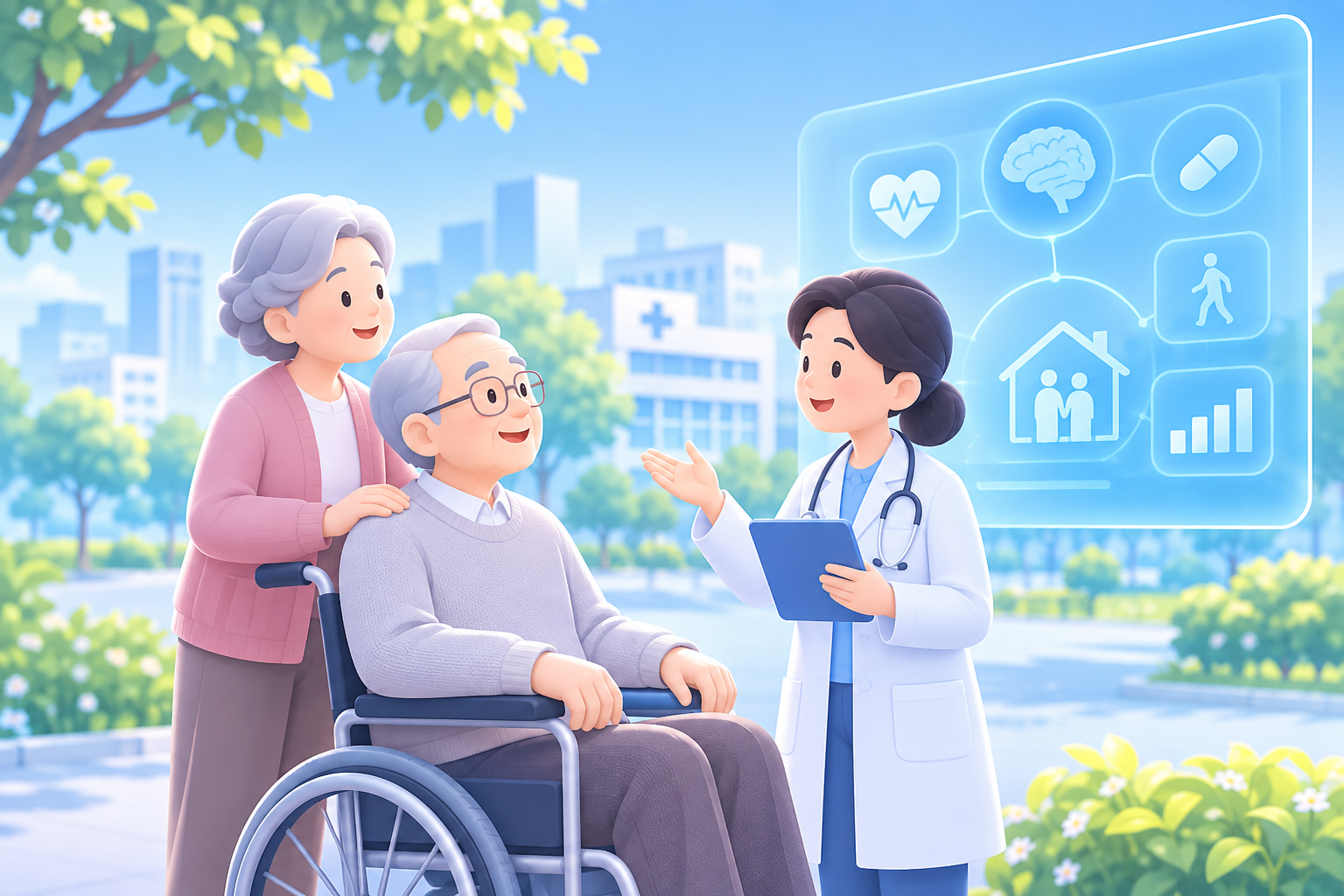
Responding to Population Ageing: Health Promotion, Disease Prevention and Management, and Functional Preservation
Population ageing presents new challenges for disease prevention, clinical care, rehabilitation, nursing, and health services. This collection brings together research and practice on the mechanisms of ageing, geriatric assessment, major diseases and multimorbidity, cognitive and mental health, patient safety, functional preservation, and continuity of care. It aims to promote interdisciplinary exchange and provide evidence to support longer healthy lives, functional independence, and better quality of life for older people.

Compendium of Pediatrics Guidelines (2020–2022)
This special topic collects and categorizes guidelines, expert consensuses, guideline interpretations and translated overseas guidelines in pediatrics included in the Chinese Medical Journal Full-text Database from January 2020 to the present. All these papers have achieved high download volumes and great academic influence, attracting widespread attention from the industry. They have advanced the development of pediatrics in China and standardized the clinical diagnosis and treatment of pediatric patients. The compiled guidelines are presented below for readers' reference.

Guidelines for Rational Medication Use of Common Diseases at Grassroots Medical Institutions
Since the deepening of medical reform, in accordance with the principle of "ensuring basic healthcare, strengthening grassroots services and improving relevant mechanisms", the grassroots medical and health service network has been continuously improved, and a contingent of grassroots medical workers has taken initial shape, gradually undertaking the important role of health gatekeepers for residents. Meanwhile, grassroots medical institutions still face challenges including inadequate service capacity and non-standard medication practices. To implement the new-era health work policy that prioritizes grassroots development, the Department of Grassroots Health of the National Health Commission has entrusted the Chinese Medical Association to compile guidelines on rational medication use for grassroots medical and health institutions.

Compendium of Hematology Guidelines (2020–2022)
This special topic selects guidelines, expert consensuses, guideline interpretations and translated overseas guidelines in the field of hematology published in the journals of the Chinese Medical Association over the past three years. These articles standardize the diagnosis and treatment of patients in clinical hematology departments and promote the development of hematology in China. The compiled guidelines are presented below for readers' reference.

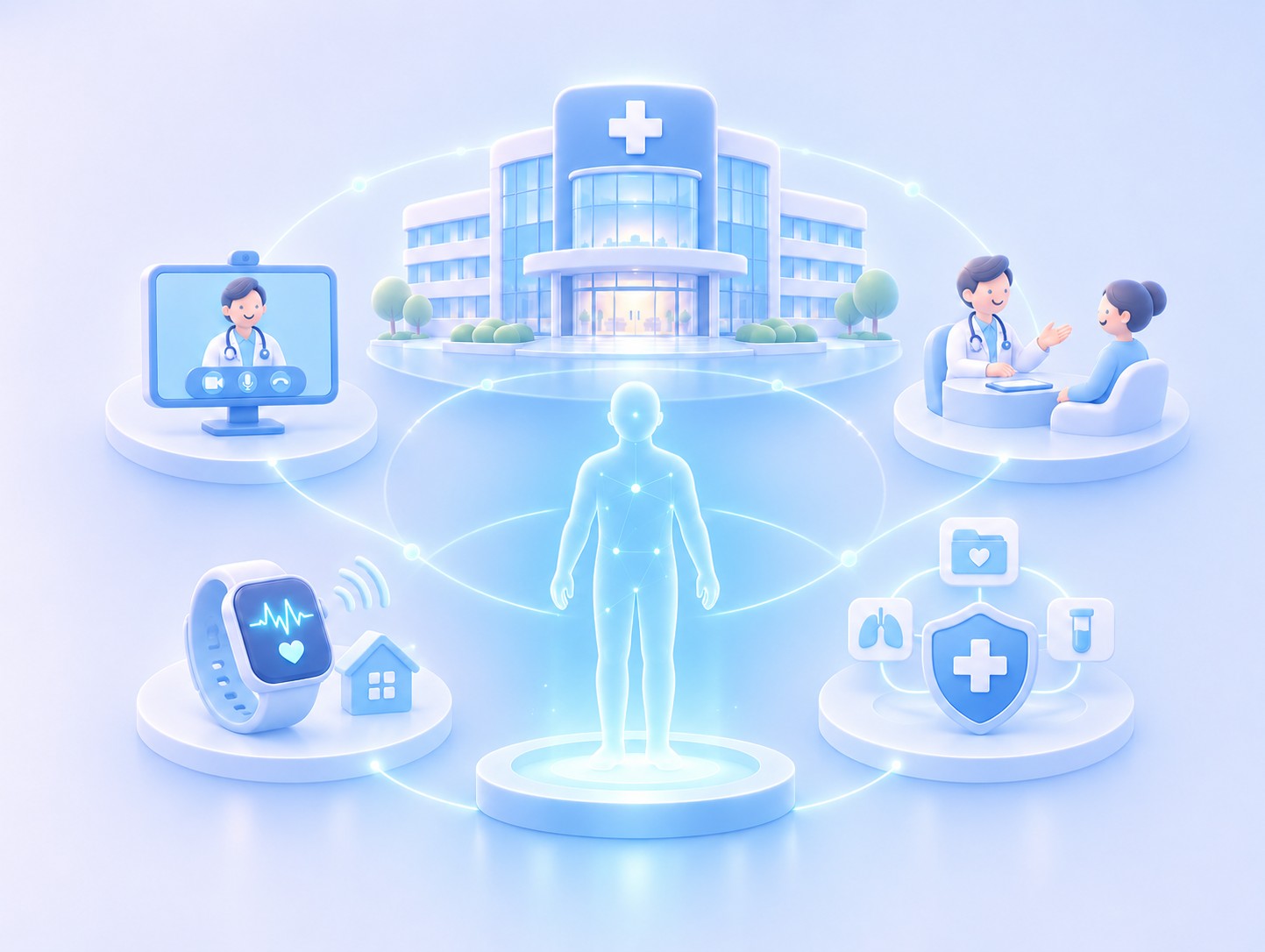
Intelligent Healthcare: Innovation, Clinical Translation and Governance
Artificial intelligence, big data, the Internet of Things, robotics, and digital communication technologies are rapidly reshaping the full continuum of healthcare—from disease prevention and diagnosis to treatment, rehabilitation, and health management—advancing more precise, continuous, coordinated, and intelligent care.The Intelligent Healthcare Virtual Collection brings together high-quality articles published in the Chinese Medical Association journal series. It covers medical AI and clinical decision support, intelligent imaging and digital pathology, precision medicine, telemedicine and digital therapeutics, intelligent surgery and medical robotics, smart hospitals, healthcare data infrastructure, and the ethics, safety, and governance of AI in healthcare.