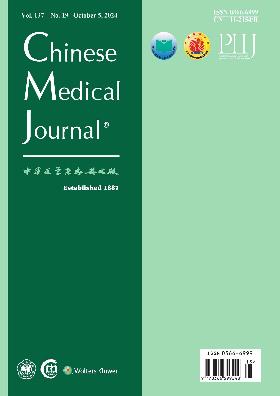
中华糖尿病杂志
2024年 · 第137卷第19期
中华糖尿病杂志
Clinical practice guidelines (referred to as "guidelines" hereafter), are crucial for guiding the diagnostic and treatment decisions of clinical physicians and standardizing related clinical practices. High-quality guidelines are essential in the following senses: improving diagnosis and treatment levels, enhancing the scientific basis of clinical decision-making,[
Biliary tract carcinoma (BTC) is relatively rare and comprises a spectrum of invasive tumors arising from the biliary tree. The prognosis is extremely poor. The incidence of BTC is relatively high in Asian countries, and a high number of cases are diagnosed annually in China owing to the large population. Therefore, it is necessary to clarify the epidemiology and high-risk factors for BTC in China. The signs associated with BTC are complex, often require collaborative treatment from surgeons, endoscopists, oncologists, and radiation therapists. Thus, it is necessary to develop a comprehensive Chinese guideline for BTC.
This clinical practice guideline (CPG) was developed following the process recommended by the World Health Organization. The Grading of Recommendations Assessment, Development, and Evaluation approach was used to assess the certainty of evidence and make recommendations. The full CPG report was reviewed by external guideline methodologists and clinicians with no direct involvement in the development of this CPG. Two guideline reporting checklists have been adhered to: Appraisal of Guidelines for Research and Evaluation (AGREE) and Reporting Items for practice Guidelines in Healthcare (RIGHT).
The guideline development group, which comprised 85 multidisciplinary clinical experts across China. After a controversies conference, 17 clinical questions concerning the prevention, diagnosis, and treatment of BTC were proposed. Additionally, detailed descriptions of the surgical principles, perioperative management, chemotherapy, immunotherapy, targeted therapy, radiotherapy, and endoscopic management were proposed.
The guideline development group created a comprehensive Chinese guideline for the diagnosis and treatment of BTC, covering various aspects of epidemiology, diagnosis, and treatment. The 17 clinical questions have important reference value for the management of BTC.
Stevens–Johnson syndrome (SJS) and toxic epidermal necrolysis (TEN) are life-threatening conditions characterized by extensive detachment of the epidermis and mucous membranes. These severe disorders carry a high mortality rate, and their pathogenesis remains largely unclear. Furthermore, optimal therapeutic strategies for SJS/TEN remain a subject of ongoing debate. Early diagnosis of SJS/TEN is challenging, and reliable biomarkers for diagnosis or severity prediction have not been firmly established. Certain drugs, such as carbamazepine and allopurinol, have shown a strong association with specific human leukocyte antigen (HLA) types. Recently, the potential benefits of HLA screening prior to administering these drugs to reduce the incidence of SJS/TEN have been explored. Epidermal cell death in SJS/TEN lesions is caused by extensive apoptosis, primarily through the Fas–Fas ligand (FasL) and perforin/granzyme pathways. Our findings suggest that necroptosis, a form of programmed necrosis, also contributes to epidermal cell death. Annexin A1, released from monocytes, interacts with the formyl peptide receptor 1 to induce necroptosis. Several biomarkers, such as CC chemokine ligand (CCL)-27, interleukin-15, galectin-7, receptor-interacting protein kinases 3 (RIP3), and lipocalin-2, have been identified for diagnostic and prognostic purposes in SJS/TEN. Supportive care is recommended for treating SJS/TEN, but the efficacy of various therapeutic options–including systemic corticosteroids, intravenous immunoglobulin, cyclosporine, and tumor necrosis factor-α antagonists–remains controversial. Recent studies have investigated the potential benefits of tumor necrosis factor-α antagonists. In this review, we discuss recent advances in the understanding and management of SJS/TEN.
Natural killer/T cell lymphoma (NKTCL) is a malignant tumor originating from NK or T cells, characterized by its highly aggressive and heterogeneous nature. NKTCL is predominantly associated with Epstein–Barr virus infection, disproportionately affecting Asian and Latin American populations. Owing to the application of asparaginase and immunotherapy, clinical outcomes have improved significantly. However, for patients in whom first-line treatment fails, the prognosis is exceedingly poor. Overexpression of multidrug resistance genes, abnormal signaling pathways, epigenetic modifications and active Epstein–Barr virus infection may be responsible for resistance. This review summarized the mechanisms of resistance for NKTCL and proposed potential therapeutic approaches.
Non-communicable diseases (NCDs) are the primary causes of disability and death. The aim of this study is to analyze the disease burden of NCDs in China from 1990 to 2021.
This study used data on NCDs in China and its provinces from the Global Burden of Diseases, Injuries, and Risk Factors Study (GBD) 2021. The study analyzed the disease burden of NCDs in 2021 and its changes from 1990 to 2021 using indicators including deaths and disability-adjusted life years (DALYs).
Between 1990 and 2021, the NCD burden in China exhibited an upward trend. In 2021, China had 10.6 (95% uncertainty interval [UI]: 9.0–12.2) million deaths and 349.3 (95% UI: 301.5–401.2) million DALYs due to NCDs, accounting for 91.0% (95% UI: 90.4–91.7%) of all deaths and 86.7% (95% UI: 86.0–87.4%) of all DALYs. NCDs caused a lower disease burden in females than in males. Cardiovascular diseases and neoplasms were the main NCD level 2 causes of deaths and DALYs, resulting in 5.1 (95% UI: 4.3–5.9) and 2.8 (95% UI: 2.3–3.4) million deaths and 100.2 (95% UI: 84.6–116.6) million and 71.2 (95% UI: 59.3–85.2) million DALYs in 2021, respectively. Chronic respiratory diseases were the third leading cause of NCD deaths, while musculoskeletal disorders were the third leading cause of NCD DALYs. Qinghai, Xizang, and Heilongjiang had the highest age-standardized mortality rates and age-standardized DALY rates (per 100,000) for NCDs, while Hong Kong Special Administration Region (SAR), Macao SAR, and Shanghai recorded the lowest age-standardized mortality rates and age-standardized DALY rates.
NCDs caused a high disease burden in China and exhibited heterogeneity across sexes and provinces. China needs to focus on addressing key NCDs and implement intervention measures tailored to the disease distribution characteristics to reduce the NCD burden.
Liver cancer remains the sixth most commonly diagnosed cancer and the third leading cause of cancer-related deaths worldwide, causing a heavy burden globally. An updated assessment of the global epidemiology of the liver cancer burden that addresses geographical disparities is necessary to better understand and promote healthcare delivery.
Data were extracted from the GLOBOCAN 2022 database, including the number, crude, and age-standardized rates of incidence and mortality at the global, country, continent, and human development index (HDI) regional levels. Age-standardized rates (incidence and mortality) per 100,000 person-years were adjusted based on the Segi-Doll World standard population. The mortality-to-incidence ratios (MIR) for each region and country were calculated. The HDI and gross national income (GNI) for 2022 were obtained, and a Pearson correlation analysis was conducted with the incidence, mortality, and MIR.
In 2022, approximately 866,136 new liver cancer cases and 758,725 related deaths were recorded worldwide, with a global MIR of 0.86. Males had a disproportionately higher burden than females across all levels, and the highest burden was observed in the elderly population. Geographically, the regions with the highest incidence rates included Micronesia, Eastern Asia, and Northern Africa, and the regions with the highest mortality rates included Northern Africa, Southeastern Asia, Eastern Asia, and Micronesia. Notably, Mongolia had a strikingly high burden compared to other countries. The highest MIR was observed in North America and the lowest in Africa. Negative associations of HDI and GNI with liver cancer mortality and MIR were identified, irrespective of sex.
The current liver cancer burden underscores the presence of remarkable geographic heterogeneity, which is particularly evident across countries with varying HDI levels, highlighting the urgent need to prioritize health accessibility and availability to achieve health inequities.
Clinical opportunistic screening is a cost-effective cancer screening modality. This study aimed to establish an easy-to-use diagnostic model serving as a risk stratification tool for identification of individuals with malignant gastric lesions for opportunistic screening.
We developed a questionnaire-based diagnostic model using a joint dataset including two clinical cohorts from northern and southern China. The cohorts consisted of 17,360 outpatients who had undergone upper gastrointestinal endoscopic examination in endoscopic clinics. The final model was derived based on unconditional logistic regression, and predictors were selected according to the Akaike information criterion. External validation was carried out with 32,614 participants from a community-based randomized controlled trial.
This questionnaire-based diagnostic model for malignant gastric lesions had eight predictors, including advanced age, male gender, family history of gastric cancer, low body mass index, unexplained weight loss, consumption of leftover food, consumption of preserved food, and epigastric pain. This model showed high discriminative power in the development set with an area under the receiver operating characteristic curve (AUC) of 0.791 (95% confidence interval [CI]: 0.750–0.831). External validation of the model in the general population generated an AUC of 0.696 (95% CI: 0.570–0.822). This model showed an ideal ability for enriching prevalent malignant gastric lesions when applied to various scenarios.
This easy-to-use questionnaire-based model for diagnosis of prevalent malignant gastric lesions may serve as an effective prescreening tool in clinical opportunistic screening for gastric cancer.
The causal relationship between visceral adipose tissue (VAT) and gout is still unclear. We aimed to examine the potential association between them using observational and Mendelian randomization (MR) analyses.
In the observational analyses, a total of 11,967 participants (aged 39.5 ± 11.5 years) were included from the National Health and Nutrition Examination Survey. Logistic regression models were used to investigate the association between VAT mass and the risk of gout. In two-sample MR analyses, 211 VAT mass-related independent genetic variants (derived from genome-wide association studies in 325,153 UK biobank participants) were used as instrumental variables. The random-effects inverse-variance weighted (IVW) method was used as the primary analysis. Additional sensitivity analyses were also performed to validate our results.
Observational analyses found that an increase in VAT mass (per standard deviation) was associated with a higher risk of gout after controlling for confounding factors (odds ratio [OR] = 1.27, 95% confidence intervals [CI] = 1.11–1.45). The two-sample MR analyses demonstrated a causal relationship between increased VAT mass and the risk of gout in primary analyses (OR = 1.78, 95% CI = 1.57–2.03). Sensitivity analyses also showed similar findings, including MR-Egger, weighted median, simple mode, weighted mode, and leave-one-out analyses.
Observational analyses showed a robust association of VAT mass with the risk of gout. Meanwhile, MR analyses also provided evidence of a causal relationship between them. In summary, our findings suggested that targeted interventions for VAT mass may be beneficial to prevent gout.
China is one of the countries with the largest burden of gastrointestinal and liver diseases (GILD) in the world. The GILD constitutes various causes of mortality and disability. The study aimed to investigate the trend of GILD in China using the Global Burden of Diseases Study 2019 (GBD 2019) data resources from 1990 to 2019.
The data on the age-standardized mortality rates (ASMR) and disability-adjusted life years (DALYs) for GILD in China from 1990 to 2019 were collected from the GBD 2019 data resources. Furthermore, the ranking of the main causes of deaths and DALYs, as well as the trends of ASMR, DALYs, years of life lost (YLLs), and years of life lost due to disability (YLDs) per 1,000,000 in GILD were reported.
The ASMR and DALYs for stomach cancer, liver cancer, and esophageal cancer, which ranked top three among the GILDs from 1990 to 2019, were gradually decreasing. Significant decreases in the ASMR and DALYs were found in diarrheal diseases and acute hepatitis (A, E, and C). However, noteworthy increases were found in those of colon and rectum cancer (CRC) and pancreatic cancer. Trend of DALYs, mortality, and YLLs rates for most of GILD were decreasing from 1990 to 2019, except the burden of CRC and pancreatic cancer with an increasing trend. The DALYs, mortality and YLLs of most GILD diseases showed decreasing trends from 1990 to 2019, except the burden of CRC and pancreatic cancer with an increasing trends.
The result of the GBD 2019 showed that the rates of most GILDs decreased in China; however, gastrointestinal and liver cancer, such as stomach cancer still held the top ranking. Furthermore, the shift from infectious diseases to non-communicable causes among GILD burden is occurring.
To the Editor: Chronic obstructive pulmonary disease (COPD) is a heterogeneous lung condition characterized by abnormalities in the airways (bronchitis and bronchiolitis) and alveoli (emphysema), as well as pulmonary inflammation, leading to persistent and progressive airflow obstruction.[
To the Editor: Ovarian tissue cryopreservation (OTC) is now becoming more widely used clinically as a method of protecting female fertility. However, articles on its pregnancy outcomes are currently mixed. Evaluation of current evidence investigating pregnancy outcomes in patients undergoing OTC from population-based studies will facilitate to broaden the clinical application of OTC and provide a reference for better healthcare practices population-wide.
To the Editor: Cardiovascular disease (CVD) has become the leading cause of mortality in people living with human immunodeficiency virus (PLWH).[
To the Editor: Obstructive sleep apnea (OSA) is one of the common sleep disorders in Parkinson’s disease (PD) that is often associated with sleep fragmentation and intermittent hypoxemia.[
To the Editor: Appropriate sleep patterns are essential for human health. Investigating the associations between sleep duration and coronary heart disease (CHD) across populations will enhance our comprehension of the relationship between lifestyle and disease, and provide valuable guidance for developing preventive strategies against CHD. Previous studies have been conducted in this field. However, their results have been inconsistent due to the heterogeneous methodologies, study populations, and social factors. Notably, most of the studies examining sleep-associated CHD risk have been conducted in Japan, Europe, and China, whereas limited research is centered on this issue in US populations. More importantly, in recent years, there have been changes in people’s sleep patterns and the susceptibility factors of diseases. It is necessary to conduct new investigations to provide fresh evidence on the impact of sleep duration on CHD. We studied sleep patterns in US adults aged 20 years and over using the National Health and Nutrition Examination Survey (NHANES) database from 2005 to 2018. Our goal was to understand how sleep duration relates to CHD, with a focus on variations among distinct subgroups.
To the Editor:Lung large cell neuroendocrine carcinoma (L-LCNEC) is a highly aggressive lung malignancy and accounts for nearly 2–3% of all lung cancers. The optimal therapeutic regimen for advanced or metastatic L-LCNEC is still controversial, especially in the era of immune checkpoint inhibitor (ICI) therapies. The existing clinical trials evaluating the efficacy of immunotherapy have mainly focused on patients with lung adenocarcinoma/squamous cell carcinoma or small cell lung cancer (SCLC). Due to the rarity of L-LCNEC, there is minimal information on the efficacy of ICI therapy for L-LCNEC. Although prospective data on these therapies for L-LCNEC are lacking, small studies have assessed programmed cell death ligand-1 (PD-L1) expression and frequency in L-LCNEC patients. L-LCNEC has shown higher levels of PD-L1 expression than SCLC and low-grade neuroendocrine tumors, which supports further exploration of the application of ICIs for these patients.[
To the Editor:Current therapeutic strategies against breast cancer are limited by poor prognosis and unwanted side effects, especially in triple-negative breast cancer (TNBC). Ginkgetin (Gk), a natural, non-toxic bioflavonoid extracted fromGinkgo bilobaleaves, is a promising therapeutic candidate against breast cancer,[
To the Editor: Non-compressible traumatic hemorrhage (NCTH) is a critical and life-threatening condition characterized by bleeding that cannot be stopped through direct pressure. This type of hemorrhage most commonly occurs in trauma to the torso, pelvis, or junctional areas, regions that are hard to compress. Effective treatment of NCTH necessitates swift medical interventions, such as surgical procedures, to control the bleeding, presenting great challenges in immediate on-site management. As such, NCTH contributes substantially to morbidity and mortality, underscoring its importance in trauma care and emergency medicine.
To the Editor: The post-acute sequelae of coronavirus disease 2019 (COVID-19) (PASC) manifest broadly and persist over time. Cardiovascular autonomic dysfunction (CVAD) is implicated in some characteristic PASC symptoms, although the underlying mechanisms are not fully elucidated.[
本期目次