MedNexus
2026年 · 第29卷第04期
出版日期 2026-07-01电子版 ¥80.00元
MedNexus
- 全部
- Review Article
- Original Article
- Systematic Review
- Case Report
Review Article
开放获取
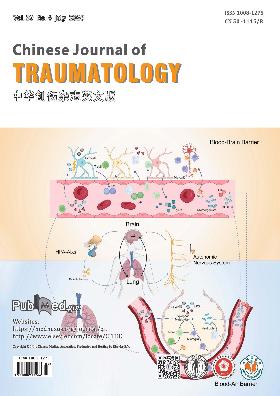
The brain-lung axis: Bridging neurological and respiratory disorders via neural-immune-microbial dialogueWenpei Yang, Xiaoyu Shi, Lizheng Xie, Hao Zhang, Lina Shen, Li Pan, Shi Feng, Xiang Mao, Xiao Wu
中华创伤杂志英文版2026年 29卷 04期
DOI: 10.1016/j.cjtee.2025.10.006
摘要
The human brain maintains intricate interconnections with various peripheral organs. Recent scientific inquiry has substantiated the existence of the gut-brain axis; nevertheless, emerging evidence suggests that the brain and lungs engage in bidirectional communication through multiple pathways, thereby giving rise to the conceptualization of a brain-lung axis. Studies indicate the presence of crosstalk between the central nervous system and the lungs, mediated by the lung microbiome, neural pathways, metabolite signaling, and immune pathways. This bidirectional communication between the brain and lungs is further implicated in the pathogenesis of several diseases: traumatic brain injury, stroke, and other cerebral disorders can precipitate pulmonary injury; conversely, severe pulmonary conditions, such as acute respiratory distress syndrome and chronic obstructive pulmonary disease, can exacerbate neuro-inflammation, intensify brain damage, impair neurological function, and contribute to adverse prognoses. Exploring the brain-lung axis not only facilitates a multifaceted understanding of disease progression, but also unveils critical targets for therapeutic intervention. Research into the brain-lung axis provides novel perspectives for deciphering underlying pathological mechanisms, developing diagnostic methodologies, and formulating treatment strategies. It further establishes a theoretical foundation for cross-organ targeted therapies, holding promise for ameliorating patient outcomes and promoting the advancement of integrated diagnostic and therapeutic approaches for respiratory and neurological disorders.
开放获取
Traumatic brain injury impact on normal hearingFazle Kibria, Sudip Kumar Das
中华创伤杂志英文版2026年 29卷 04期
DOI: 10.1016/j.cjtee.2025.05.006
摘要
Traumatic brain injury (TBI) incidents bring drastic health adversities in multiple systems of the body. The immediate impact on the head and central nervous system is promptly accelerated to the autonomous and peripheral nervous system. It causes an instant variability in intracranial pressure, heart rate, blood pressure, normal function of chemo/baro receptors, and sudden failure in normal communication. These effects promote long-term secondary health adversity, such as nerve schwannoma, gliosis, Wallerian degeneration, mitochondrial dysfunction, change in blood-brain barrier pathology, and impaired drainage of cerebrospinal fluid. The focal and diffuse character of TBI has a primary effect on the auditory system in terms of outer, middle, and inner ear damage. Auditory nerve dysfunction, central auditory miscommunication with the brain, intracanalicular vestibular schwannomas, lesions in cortical regions, hair cell damage, and spiral ganglion injury cause long-term secondary consequences on normal hearing function associated with TBI. In this present work, normal hearing impairment due to TBI-induced nerve damage, central-peripheral auditory dysfunction, long-term hearing loss, and associated other health impacts are highlighted.
Original Article
开放获取
A nomogram for the prediction of traumatic intracranial abnormalities in the elderly: Development and validationApisorn Jongjit, Thara Tunthanathip
中华创伤杂志英文版2026年 29卷 04期
DOI: 10.1016/j.cjtee.2025.03.003
摘要
Purpose:
Traumatic brain injury is a major public health issue and a leading cause of death and disability among the elderly. As a result, traumatic intracerebral abnormalities (tICA) are now frequently diagnosed using cranial computed tomography (cCT), which has led to an overuse of this investigation. The present study aimed to develop and validate the nomogram for predicting tICA in the elderly.
Methods:
This was a retrospective cohort study. The study population consisted of patients who met the following inclusion criteria: (1) aged ≥60 years, as defined by the World Health Organization; (2) admitted to a tertiary referral hospital between January 2015 and December 2022; and (3) underwent cCT scanning upon admission. Exclusion criteria were (1) patients’ images were unavailable or (2) patients died in the emergency department before hospitalization. The total data was divided into the development cohort (2015–2019, n=2052) to develop the nomogram and the validation cohort (2020–2022, n=310) to test the predictability as temporal validation. Binary logistic regression was used in the construction of the nomogram.
Results:
There were 2362 patients in the entire cohort. Positive CT scan rates among the elderly amount to 21.3%. Multivariable analysis identified the following factors significantly associated with traumatic intracranial hematoma in the elderly: use of aspirin (odds ratio (OR)=4.49, 95% confidence interval (CI) 3.08–6.54), warfarin usage (OR=6.88, 95% CI 2.99–15.8), traffic accidents (OR=1.98, 95% CI 1.46–2.68), Glasgow coma scale 9–12 (OR=3.24, 95% CI 1.66–6.35), amnesia (OR=1.65, 95% CI 1.17–2.33), nausea or vomiting (OR=12.5, 95% CI 5.56–28.07), seizure (OR=11.42, 95% CI 3.33–39.22), motor weakness (OR=65.45, 95% CI 18.68–229.29), and bleeding per nose or ear (OR=24.81, 95% CI 10.57–14.58). The predictability of the nomogram demonstrated sensitivity, specificity, and an area under the receiver operating characteristic curve of 0.833, 0.788, and 0.889, respectively.
Conclusion:
According to the temporal validation, the nomogram had an outstanding performance for tICA prediction in the elderly. In the future, the prediction tool will assist clinicians in making judgments and balancing the rate of cCT in clinical practice.
开放获取
A nomogram for assessing the risk of deep vein thrombosis following surgery for pilon fracturesPeiyuan Wang, Chengsi Li, Zihang Zhao, Yiran Li, Shuo Yang, Lin Liu, Kuo Zhao, Zhiang Zhang, Lin Jin, Wei Chen 等
中华创伤杂志英文版2026年 29卷 04期
DOI: 10.1016/j.cjtee.2025.04.006
摘要
Purpose:
Deep vein thrombosis (DVT) can occur following fractures of the lower extremities. This study investigated DVT incidence following pilon fractures and analyzed the related risk factors. A nomogram was developed and validated for predicting the likelihood of postoperative DVT.
Methods:
From January 2017 to January 2023, data on 1689 patients with pilon fractures at Hebei Medical University's Third Hospital was obtained for this study. The DVT group consisted of DVT cases, while members of the non-DVT group did not have DVT. In order to collect information on demographics, comorbidities, injuries, and laboratory biomarkers, the inpatient medical record system was consulted. The multivariate logistic regression analysis incorporated factors found to be significant (p < 0.05) in the univariate analysis. Independent factors predictive of DVT were identified with a backward stepwise regression approach. Predictors were analyzed in R with the construction of a nomogram.
Results:
The DVT rate (166 of 1238) in the current study was 13.4%. Using univariate analysis, several DVT predictors were identified, including smoking history (p < 0.001), open fracture (p = 0.001), fracture blister (p < 0.001), body mass index (BMI) (p < 0.001), and Elixhauser comorbidity index (ECI) (p < 0.001). Furthermore, globulin levels were considerably greater in the DVT group relative to the non-DVT group (p = 0.001), while platelets counts were lower (p < 0.001). Higher BMI (p < 0.001, odds ratio (OR) = 0.837, 95% confidence interval (CI) (0.763 – 0.919)), open fracture (p < 0.01, odd ratio (OR) = 0.431, 95% CI (0.286 – 0.649)), fracture blister (p = 0.018, OR = 0.589, 95% CI (0.380 – 0.912)), smoking history (p = 0.011, OR = 0.561, 95% CI (0.360 – 0.874)), and a higher ECI (p < 0.001, OR = 0.776, 95% CI (0.681 – 0.884)) were all strongly associated with DVT, as per the stepwise logistic regression analysis. Five variables independently linked to DVT were the basis for developing the nomogram.
Conclusions:
The present research indicates that pilon fractures are more susceptible to DVT than typical ankle fractures, attributed to their high-energy injury characteristics. It was found that BMI, the existence of an open fracture, the lack of blisters, a smoking history, and ECI are independently predictive of DVT following surgery in pilon fracture cases. Consequently, the current study developed a nomogram based on these discovered indicators to facilitate early targeted interventions.
开放获取
Carotid corrected flow time as a sensitive indicator for early diagnosis and dynamic monitoring of hemorrhagic shock: A translational study from porcine model to clinical practiceHuan Yang, Hao Tang, Yao Xiao, Yingying Zhang, Xiao Chen, Chang Liu, Yi Zhang, Yusheng Zhang, Jingqin Fang, Lianyang Zhang 等
中华创伤杂志英文版2026年 29卷 04期
DOI: 10.1016/j.cjtee.2026.04.003
摘要
Purpose:
Early identification of hemorrhagic shock remains a clinical challenge, as traditional vital signs often fail to detect hypovolemia during the compensatory phase. Carotid corrected flow time (CCFt), derived from Doppler ultrasound, has been proposed as a surrogate for stroke volume. However, its precise correlation with quantitative blood loss and its diagnostic value in the early stages of shock remain to be fully elucidated. This study aimed to systematically evaluate the sensitivity and diagnostic efficacy of CCFt in graded hemorrhagic shock through both animal experiments and clinical validation.
Methods:
The study consisted of 2 phases. In the animal phase, a controlled, graded hemorrhage model was established in 7 Bama miniature pigs. Hemodynamic parameters and carotid ultrasound indices (CCFt, peak systolic velocity, and diameter) were measured at baseline and after cumulative blood loss intervals (0 – 1000 mL). In the clinical phase, a case-control study was conducted comparing 18 patients (admitted between November 2024 and February 2026) with hemorrhagic shock to 36 non-shock controls. Diagnostic accuracy was assessed using receiver operating characteristic curve analysis, and dynamic changes in CCFt were monitored during fluid resuscitation in representative cases.
Results:
In the animal model, CCFt demonstrated a strong negative linear correlation with quantitative blood loss (R = 0.870, p < 0.001). Notably, CCFt decreased significantly at the early stage of hemorrhage (<300 mL), exhibiting high diagnostic accuracy for early/mild shock (area under the curve (AUC) = 0.900). In the clinical cohort, CCFt was significantly lower in the shock group than in controls (p < 0.001), yielding an AUC of 0.991 for the diagnosis of hemorrhagic shock, with an optimal cutoff of 311 ms. Longitudinal monitoring revealed that changes in CCFt were highly concordant with clinical response to fluid resuscitation and lactate clearance.
Conclusion:
CCFt is a sensitive, non-invasive indicator of blood volume loss that correlates closely with hemorrhage severity and enables early detection of compensated hemorrhagic shock. CCFt may serve as a valuable adjunctive tool for bedside assessment and precision-guided resuscitation in emergency and critical care settings.
开放获取
Comparative study on the efficacy of structural support fixation vs. conventional fixation for depressed tibial plateau fracturesZhijiang Li, Xiaomeng Ren, Jiantao Li, Xiaoqi Kang, Ning Ma, Zhidong Zhao, Jianheng Liu, Yanpeng Zhao, Wei Zhang
中华创伤杂志英文版2026年 29卷 04期
DOI: 10.1016/j.cjtee.2025.10.002
摘要
Purpose:
To compare the clinical outcomes of structural support fixation vs. conventional fixation for depressed tibial plateau fractures (TPFs).
Methods:
A retrospective analysis was conducted on patients who underwent surgical treatment for depressed TPFs at our hospital between November 2019 and September 2023. Forty-six patients with TPFs who had surgical indications were included. Based on the surgical procedures, patients were categorized into the structural support group receiving locking plate + cage fixation, and the conventional group receiving locking plate + granular bone grafting. The following parameters were evaluated and compared, including operative time, blood loss, time to full weight-bearing, fracture healing time, loss of tibial plateau height, quality of fracture reduction and alignment, hospital for special surgery knee score, and Western Ontario and McMaster Universities Osteoarthritis Index score. Intergroup differences were analyzed using independent-sample t-tests or the rank-sum test.
Results:
A total of 46 eligible patients completed the follow-up (20 in the structural support group, 26 in the conventional group). No significant differences were observed between the 2 groups in the mean age, sex, body mass index, injury mechanism, or time from injury to surgery (p = 0.276, 0.860, 0.615, 0.160, 0.065, respectively). The mean operative time was 120.7 min in the structural support group and 164.2 min in the conventional group, with the mean blood loss of 120.0 mL and 168.5 mL, respectively. Neither operative time nor blood loss showed significant differences (p = 0.067 and p = 0.309). The mean follow-up duration was 20.2 months (structural support group) and 20.4 months (conventional group), with no significant difference (p = 0.987). At the final follow-up, the structural support group exhibited significantly less secondary step-off compared to the conventional group (0.3 mm vs. 0.7 mm, p < 0.001). While hospital for special surgery functional scores showed no significant difference (94.1 vs. 88.1, p = 0.066), the structural support group had significantly better Western Ontario and McMaster Universities Osteoarthritis Index scores (1.4 vs. 6.3, p = 0.001), with superior outcomes in pain, stiffness, and functional difficulty subscales (p = 0.009, 0.004, 0.003, respectively). No adverse events (e.g., infection, nonunion, or refracture) were found in both groups.
Conclusion:
Compared to conventional fixation, locking plate combined with cage effectively reduces secondary step-off in depressed TPFs and significantly improves pain relief and knee function.
Systematic Review
开放获取
Adapting international clinical practice guidelines for rehabilitation management of acute spinal cord injury in IranSeyed Behnam Jazayeri, Seyed Farzad Maroufi, Judith Aarabi, Ahmad Pour-Rashidi, Maryam Shabani, Heshamtollah Ghawami, Sobhan Pourmasjedi, Mohammad Sadeghian, Maryam Kheyri, Roya Habibi Arejan 等
中华创伤杂志英文版2026年 29卷 04期
DOI: 10.1016/j.cjtee.2025.01.006
摘要
Purpose:
This study aimed to adapt international clinical practice guidelines for the rehabilitation of acute spinal cord injury (SCI) in Iran.
Methods:
This study was conducted based on guideline adaptation methods (the ADAPTE (ADaptation and eVALuation of a prE-existing guideline) framework). After an organizing committee was created and health topics selected, we searched PubMed, Scopus, and Cochrane Library from January 2011 to April 2021 to find guidelines regarding acute/subacute rehabilitation of SCI patients. The quality of the clinical practice guidelines was examined using the Appraisal of Clinical Guidelines for Research & Evaluation II. Recommendations were made by the committee and categorized according to population, intervention, professions, outcomes, and health care setting. The decision-making process was based on a systematic evaluation of each recommendation, utilizing a combination of quality for supporting evidence or against each recommendation, as well as consideration of feasibility, acceptance, and adoptability for the healthcare context of Iran.
Results:
Our selection yielded 1 high-quality guideline containing 4 recommendations that underwent an adaptation process. Rehabilitation should be implemented as soon as patients are hemodynamically and neurologically stable and can tolerate the intensity. We suggest establishing specialized rehabilitation centers with trained personnel and proper equipment, providing tele-rehabilitation, education, and encouraging caregivers to help with early rehabilitation. Negotiating with insurance companies is imperative to cover the cost of long-term occupational therapy and rehabilitation. We suggest conventional over-ground training rather than treadmill training due to the lack of facilities. Individuals with acute/subacute cervical SCI should be offered functional electrical therapy. We find that additional training in unsupported sitting has no clear benefit associated with it when compared to the current standard rehabilitation.
Conclusions:
Implementation of international guidelines for SCIs and rehabilitation is a process that involves feasibility, acceptability, relevance, and adaptability when considering developing countries. The recommendations presented in this study have the potential to significantly improve the care provided to patients with SCI, not only in Iran but also could help guide developing countries in the healthcare arena.
Case Report
开放获取
A delayed presentation of an intracranial haemorrhage as the result of a full-thickness electrical brain injury: Illustrative caseJesse George Kwete Bulabula, Moses Asante-Bremang, Anthony A. Figaji, Nqobile S. Thango, Patricia SN. Kambinga, Johannes MN. Enslin
中华创伤杂志英文版2026年 29卷 04期
DOI: 10.1016/j.cjtee.2025.03.004
摘要
Electrical brain injuries are rare and often under-reported, with most documented cases involving secondary mechanical trauma. Isolated electrical injuries to the brain remain poorly characterised. We report a case of 2-year-old girl who sustained an isolated full-thickness electrical brain injury without associated mechanical trauma. Clinical findings, neuroimaging, and surgical management were reviewed to highlight the progression and complications observed. This report aims to describe the delayed sequelae, pathophysiology, and management challenges of a full-thickness electrical brain injury in a child, and illustrates the complex and delayed pathophysiology of electrical brain injuries, in which venous thromboembolic mechanisms may contribute to secondary deterioration. Aggressive debridement of ischemic tissue during surgical intervention may improve wound healing and overall outcomes.
开放获取
Adequacy of single approach fixation in transverse-posterior wall fractures of the acetabulum: A case series of 55 patients with mid-term outcomesRamesh Perumal, Owais Ahmed, Helawi Tewabe Fanta, Mohamed Zackariya, Dheenadhayalan Jayaramaraju, Rajasekaran Shanmuganathan
中华创伤杂志英文版2026年 29卷 04期
DOI: 10.1016/j.cjtee.2025.02.010
摘要
Purpose:
Transverse-posterior wall (TPW) fractures of the acetabulum are complex injuries that require surgical fixation. The transverse component's major fracture line traverses the weight-bearing area and passes over the acetabular dome. The key to a successful outcome is anatomical reduction and rigid internal fixation. The treatment of TPW fractures has shown significant advancements, but there is still debate regarding the best surgical approach.
Methods:
The study was conducted in a level 1 tertiary trauma care center, involving patients with an associated TPW fracture of the acetabulum. Between January 2015 and January 2023, a total of 512 acetabulum fractures were treated surgically. Out of which, 87 patients had a TPW fracture. Fifty-five patients who underwent surgical fixation using a single approach—Kocher-Langenbeck with a minimum 1-year follow-up—were included in this study. The exclusion criteria were patients with isolated transverse fractures, isolated posterior wall fractures, undisplaced fractures that were treated conservatively, TPW of acetabulum fractures treated using a combined surgical approach due to major displacement at the anterior column, open acetabulum fractures, and individuals who were unfit for surgery. Demographic details, epidemiology, fracture patterns, and associated skeletal and non-skeletal injuries were collected. Post-operative radiological results were graded according to the Matta score. Functional outcome analysis was done using the EuroQOL-5D score. The occurrence and rate of complications were evaluated.
Results:
TPW fractures had an incidence of 17% among acetabulum fractures. The male-to-female ratio was 50:5, with an overall mean age of 40 years (range: 20–71 years). The mean follow-up was 32 months (range: 12–81 months). Among them, 41.8% had multiple injuries, 36.4% were polytraumatized. On arrival, 63.6% had hip dislocation, 14.5% had sciatic nerve injury. Anatomic reduction was achieved in 84.0% of the patients. Excellent to good functional outcomes were seen in 88.0%. An iatrogenic sciatic nerve injury was seen in 1 patient. Avascular necrosis, heterotrophic ossification, and post-traumatic osteoarthritis were seen in 16.4%, 21.8%, and 20.0%, respectively. The rate of conversion to total hip replacement was 10.9%.
Conclusion:
Single-approach fixation is adequate for TPW fractures of the acetabulum, where the anterior-column is well reduced, to provide satisfactory radiological results as well as an excellent-to-good functional outcome. Whenever the intraoperative roof-arc-angle is more than 45° and the displacement is less than 2 mm, the anterior column need not be addressed; however, if the roof arc angle is less than 45° and the displacement of more than 2 mm, an additional-lag-screw should be added.
开放获取
Surgical treatment of locked posterior shoulder dislocations with modified McLaughlin procedure: Case series and review of treatment possibilities of reverse Hill-Sachs defectIlja Chandoga, Dávid Debnár, Katarína Chandogová, Miroslav Kilian
中华创伤杂志英文版2026年 29卷 04期
DOI: 10.1016/j.cjtee.2024.09.010
摘要
The aim is to draw attention to the presence of posterior traumatic glenohumeral dislocations of the shoulder joint, which may sometimes present as missed injuries. The retrospective study reports a cohort of 9 patients operated on between 2010 and 2020 due to locked posterior traumatic dislocation of the shoulder joint with the reverse Hill-Sachs defect. The modified McLaughlin procedure was performed in all cases. No failure of the reconstruction was observed. Removal of fixation screws was performed in 1 patient due to migration. The average Constant-Murley score during the mean follow-up period of 5.7 years resulted in 76 points. Comparing the relationship between angles characterising the location of the reverse Hill-Sachs defect, the defects enlarge toward the anterior margin. Non-anatomical reconstruction with lesser tubercle transfer results in satisfactory outcomes in reverse Hill-Sachs defects involving up to 35% of the articular surface of the humeral head.
本期目次

下载本期封面 下载本期目录