

MedNexus
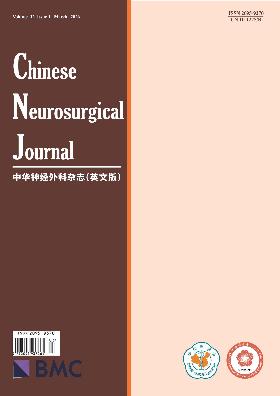
2026年 · 第12卷第01期
出版日期 2026-03-10电子版 ¥80.00元
MedNexus
Research
开放获取
Clinical validation and literature review of robot-assisted cerebral angiographyQi Liu, Siming Gui, Yang Zhao, Fei Wang, Chen Xu, Qiuju Cui, Youxiang Li, Yuanli Zhao
中华神经外科杂志(英文)2026年 12卷 01期
DOI: 10.1186/s41016-026-00426-w
摘要
Background
To validate the clinical safety and efficacy of a domestically produced robotic-assisted system (YDHB-NS01) for cerebral angiography and to review the current status, advantages, and challenges of robot-assisted technology in cerebrovascular interventions.
Methods
From May to October 2025, 25 consecutive patients who underwent robotic-assisted cerebral angiography and 25 consecutive patients who underwent manual cerebral angiography at our center were prospectively enrolled. The primary endpoints were technical success rate and clinical success rate. Secondary endpoints included procedure time, fluoroscopy time, radiation dose, contrast volume, total angiography room time, device performance evaluation, and complication rate. Additionally, a literature review was conducted to summarize the applications and developments of various robotic systems in neurointervention.
Results
All 50 (25 in the robotic-assisted group and 25 in the manual group) procedures were successfully completed with a 100% technical success rate. There were no differences between the two groups in patients’ demographic data, fluoroscopy time, patient radiation dose, contrast agent dose, or total angiography room time (all p>0.05). The robotic-assisted group had a shorter procedure time than the manual group (27 [15, 143] vs. 38 [21, 105], p = 0.005). A learning curve for the robotic-assisted system was observed. The robotic-assisted system operated stably without malfunctions. No procedure-related or device-related complications occurred.
Conclusion
The preliminary clinical application demonstrates that the YDHB-NS01 robot-assisted system is feasible for diagnostic cerebral angiography and shows early indications of safety and comparable procedural performance to those of conventional manual methods. Given the small, single-center cohort and the exploratory nature of this study, larger multicenter controlled trials are required to confirm these findings.
开放获取
The predictive value of intraoperative visual evoked potential monitoring for postoperative visual outcomes following extended endoscopic endonasal resection of recurrent craniopharyngiomasXiaorong Tao, Ke Li, Xiaocui Yang, Jiajia Liu, Jun Yang, Jiawei Shi, Yingzhun Liang, Songbai Gui, Chuzhong Li, Xing Fan 等
中华神经外科杂志(英文)2026年 12卷 01期
DOI: 10.1186/s41016-026-00425-x
摘要
Background
Recurrent craniopharyngiomas pose high risks of postoperative visual dysfunction (POVD) during surgery. The current study aimed to explore the application value of intraoperative visual evoked potential (VEP) monitoring during the extended endonasal endoscopic approach (EEEA) for recurrent craniopharyngiomas.
Methods
A total of 42 patients with recurrent craniopharyngiomas undergoing EEEA with VEP monitoring were analyzed. The amplitude reduction ratios of N75-P100 and P100-N145 were calculated, and their predictive values for POVD were evaluated using group comparisons, receiver operating characteristic (ROC) curve analysis, and binary logistic regression analysis.
Results
POVD was observed in 8 eyes (8/84, 9.52%) from 7 patients (7/42, 16.67%). Eyes with POVD exhibited significantly greater N75-P100 and P100-N145 amplitude reduction ratios than those without (p < 0.001 and p = 0.002, respectively). The threshold values of the two ratios for predicting POVD were 36.59% (AUC 0.862, p < 0.001) and 36.65% (AUC 0.791, p=0.007), respectively. Multivariate analysis identified that abnormal N75-P100 change was the sole independent predictor of POVD (Odds ratio 9.257, 95% Confidence interval 1.124-76.263; p = 0.039).
Conclusions
Intraoperative VEP monitoring was particularly recommended for patients undergoing EEEA for recurrent craniopharyngiomas. A one-third reduction in N75-P100 amplitude was proposed as an early warning criterion for VEP monitoring in this patient population.
开放获取
High-resolution magnetic resonance imaging (HRMRI) for judging the location of paraclinoid aneurysms (PAs): assisting in diagnosis and treatment decision of PAsXiaohui Hou, Jiewen Geng, Simin Wang, Xinxin Fan, Sishi Xiang, Peng Hu, Chuan He, Mingchu Li, Hongqi Zhang
中华神经外科杂志(英文)2026年 12卷 01期
DOI: 10.1186/s41016-025-00420-8
摘要
Background
Determining the location of paraclinoid aneurysms (PAs) is crucial. We aimed to evaluate the utility of paraclinoid high-resolution MRI (HRMRI) in determining PA locations.
Methods
We enrolled patients with suspected PAs who underwent our HRMRI sequence in 6 months. PAs were categorized into five types based on their origin from the internal carotid artery (ICA): Superior ophthalmic segment (Type S), Ventral ophthalmic segment (Type V), Medial clinoidal segment (Type M), Lateral clinoidal segment Type L, and Posterior clinoidal segment) (Type P). The paraclinoid HRMRI protocol included five main sequences: TOF-MRA, coronal and saggital high-resolution T2-weighted images, coronal and saggital enhanced high-resolution T1-weighted images. We utilized cerebrospinal fluid (CSF) notch and cavernous sinus enhanced signals to determine the location of PAs.
Results
Sixty-nine patients with 75 PAs were included. Based on our classification, there were 10 Type S, 2 Type V, 45 Type M, 11 Type L, and 7 Type P PAs. Among the Type S PAs, 9 were fully located within the subarachnoid space, and 1 was in the juncture area. Both Type V PAs were situated within the cavernous sinus. Among the Type M PAs, 34 were located in the cavernous sinus, and 1 was in the juncture. Of the Type L PAs, 5 were within the cavernous sinus, and 1 was in the juncture area. All 7 Type P PAs were located within the cavernous sinus.
Conclusions
HRMRI sequences may assist in determining the location of PAs and could provide useful information for clinical decision-making, especially when radiation-free or iodine-free evaluation is preferred.
开放获取
A novel superficial temporal artery patency concept of cerebral revascularization for patients with moyamoya disease: a multicenter studyZhiyong Shi, Xin Li, Xinhua Chen, Lingyun Wu, Rong Wang, Chunhua Hang, Yongbo Yang, Dong Zhang
中华神经外科杂志(英文)2026年 12卷 01期
DOI: 10.1186/s41016-025-00424-4
摘要
Background
To summarize the clinical and radiological outcomes of a novel cerebral revascularization technique based on the superficial temporal artery patency concept (STAPC) in patients with moyamoya disease (MMD).
Methods
A retrospective review was conducted of adult patients with MMD treated at Beijing Hospital and Nanjing Drum Tower Hospital between January 2019 and December 2021. The cohort comprised 170 patients who underwent superficial temporal artery–middle cerebral artery bypass with encephalo-duro-arterio-synangiosis (EDAS) (STA-MCA/EDAS), and 133 who underwent EDAS alone. Radiological follow-up included computed tomography (CT) angiography (CTA) to assess bypass patency and CT perfusion (CTP) for hemodynamic staging at 3 and 12 months post-revascularization. Clinical follow-up recorded perioperative complications and recurrent stroke events that occurred > 12 months postoperativerly.
Results
Of the 303 patients, 37 cases (12.21%) had perioperative complications including 27 cases (15.9%) in the STA-MCA/EDAS group and 10 cases (7.5%) in the EDAS group. Perfusion improvement was observed in 23.76% of patients (25.7% in the STA-MCA/EDAS group and 17.8% in the EDAS group) at 3 months postsurgical, and in 40.17% of patients (48.68% in the STA-MCA/EDAS group and 24.39% in the EDAS group) at 12 months postsurgical. Bypass patency was observed in 95.29% of patients (96.1% in the STA-MCA/EDAS group and 93.5% in the EDAS group) at 3 months postoperative, and in 96.43% patients (95.2% in the STA-MCA/EDAS group and 97.1% in the EDAS group) at 12 months postoperative. Of the 249 patients with a median follow-up period of 50 months (range 12–70 months), 40 cases (16.06%, 3.85% per year) had recurrent stroke events including 22 (15.41%, 3.69% per year) in the STA-MCA/EDAS group and 18 (16.67%, 3.91% per year) in the EDAS group.
Conclusions
Cerebral revascularization using STAPC is an acceptable surgical strategy for preventing stroke recurrence in patients with MMD.
开放获取
Woven EndoBridge intrasaccular therapy for the treatment of unruptured wide-necked bifurcation aneurysms: a prospective study in a Chinese populationChuan He, Jing Xu, Xu Gao, Guilin Li, Guobiao Liang, Yu Jun, Zhenwei Zhao, Bing Fang, Xiaodong Xie, Aihua Liu 等
中华神经外科杂志(英文)2026年 12卷 01期
DOI: 10.1186/s41016-025-00418-2
摘要
Background
Woven EndoBridge (WEB™) has been shown to be safe and effective in the treatment of wide-necked bifurcation aneurysms (WNBAs). However, the use of this device has not been studied in China. This study assessed safety and effectiveness of WEB for the treatment of intracranial WNBAs in a Chinese population.
Methods
The WEB Intrasaccular Therapy China Study (WEB-IT China) was a prospective, single-arm study allowing enrollment of adult WNBA patients treated with the WEB device between June 2017 and August 2019 among 8 centers in China. The primary effectiveness endpoint was treatment success rate, defined as complete aneurysm occlusion without retreatment, recurrent subarachnoid hemorrhage (SAH), or >50% parent artery stenosis at 1 year. The primary safety endpoint was the proportion of patients with major adverse event (MAE) incidence at 1 year follow-up, including non-accidental death or any major stroke within 30 days, or major ipsilateral stroke, or neurological death from day 31 to 1 year after treatment.
Results
A total of 60 patients with 60 unruptured aneurysms were enrolled. Technical success rate was 98.3% (59/60). At 1 year, the treatment success rate was 54.2% (26/48), and two patients (3.9%) experienced an MAE, which was not device related. At 1 year, the complete occlusion rate was 56% and adequate occlusion rate was 82%. There were no retreatments, new bleeding events, or mortalities.
Conclusions
This study demonstrated that the WEB device is safe and effective in the treatment of WNBAs in the Chinese population.
开放获取
Radiomics-based machine learning model for predicting secondary decompressive craniectomy in TBI patients after emergent craniotomy with bone flap replacementTiange Chen, Ganzhi Liu, Ziyuan Liu, Jiacheng Liu, Jinfang Liu, Zhongyi Sun
中华神经外科杂志(英文)2026年 12卷 01期
DOI: 10.1186/s41016-025-00423-5
摘要
Background
Secondary decompressive craniectomy (DC) is commonly integrated into tiered therapeutic protocols in the intensive care unit (ICU) to manage elevated intracranial pressure following traumatic brain injury (TBI). Identifying high-risk patients in advance could enable early intervention and help prevent further deterioration. This study aims to develop a machine learning-based predictive model using radiomics to assess the likelihood of secondary DC in TBI patients.
Methods
A total of 65 patients were enrolled and divided into training and test cohorts through stratified random sampling with a 7:3 ratio. Radiomic features were extracted from pre-evacuation CT data. The most relevant features were identified through importance score computation, and various predictive models were assessed using distinct machine learning algorithms and data sources. Model performance was benchmarked to construct an optimal predictive model.
Results
No statistically significant differences were observed in demographic and clinical characteristics between the DC and non-DC groups. The model based solely on demographic and clinical data did not achieve satisfactory performance, with an AUC below 0.5 in the test cohort. In radiomic modeling, the randomForest model demonstrated consistent performance, achieving an AUC of 0.83 in the test cohort. The multiomic model, which incorporated demographic, clinical, and radiomic features, showed improved predictive performance, with the cforest model achieving an AUC of 0.87 in the training cohort and 0.86 in the test cohort.
Conclusion
We developed radiomics-based predictive models to assess the likelihood of progressively refractory intracranial hypertension leading to secondary DC in a selected cohort of TBI patients who had undergone emergent craniotomy for hematoma evacuation with bone flap replacement. The model relying solely on radiomic features extracted from the lesion demonstrated satisfactory performance. When these features were integrated with demographic and clinical data to create a multiomic model, predictive performance further improved. These findings highlight the model’s potential to identify high-risk patients, enabling early intervention to prevent further deterioration.
开放获取
Alteration of functional connectivity and network properties after stereo-electroencephalography guided radiofrequency thermocoagulationDanyi Shen, Lanling Zhou, Nianshun Liao, Sixun Yu, Xin Chen, Haifeng Shu
中华神经外科杂志(英文)2026年 12卷 01期
DOI: 10.1186/s41016-026-00428-8
摘要
Background
Stereo-electroencephalography guided radiofrequency thermocoagulation (RF-TC) aims at changing epileptogenic networks to achieve therapeutic purpose. However, the functional connectivity mechanism of RF-TC remains unknown. We sought to determine the effects of RF-TC on functional connectivity and the relationship between these variations and the clinical outcome.
Methods
For this retrospective cohort study, we analyzed resting-state stereoelectroencephalography (SEEG) data segments to assess functional connectivity across sampling areas in seventeen epilepsy patients. We analyzed the variance of functional connectivity and graph theory indicators and assessed the relationship between variation and clinical response to RF-TC.
Results
We found decreased functional connectivity both within and between epileptogenic zone in alpha band (p < 0.05) after RF-TC. We also discovered the alteration of most graph theory properties in the alpha band. Moreover, within connectivity and betweenness were significantly decreased in alpha band in the non-improvement group (p < 0.05), while clustering coefficient showed opposite change in the improvement group (p < 0.05). Eventually, compared to improvement group, we discovered a greater decrease of within connectivity of alpha band in the epileptogenic zone (p < 0.01).
Conclusion
The research on network changes after radiofrequency thermocoagulation (RF-TC) is still an evolving field. Our research results indicate that significant changes occurred in functional connectivity and network characteristics in specific frequency bands and brain regions after RF-TC. Notably, the reduction in the internal connectivity within the alpha frequency band of the epileptic lesion not only provides early electrophysiological feedback for RF-TC, but also serves as a potential indicator for evaluating clinical response and prognosis.
开放获取
Distinct gut microbial profile in PIT1 lineage PitNETs: a potential link to cognitive impairmentJunjun Li, Lingye Zhang, Chen Ma, Jiang Long, Jinpeng Lv, Xingli Deng
中华神经外科杂志(英文)2026年 12卷 01期
DOI: 10.1186/s41016-025-00421-7
摘要
Background
Patients with pituitary neuroendocrine tumors (PitNETs) frequently experience cognitive impairment (CI), yet the underlying mechanisms remain poorly understood.
Method
In this study, we assessed cognitive function in 42 PitNETs patients and 42 healthy controls using the Montreal Cognitive Assessment (MoCA), evaluating the effects of tumor volume, invasiveness, pituitary hormone levels, lineage, and surgical intervention.Furthermore, 16S rRNA amplicon sequencing of fecal samples was performed to reveal alterations in gut microbiota composition.
Results
The results demonstrated significantly lower MoCA scores in PitNETs patients compared to controls. Patients with PIT1 lineage tumors exhibited more severe CI than those with SF-1 lineage tumors. Notably, surgical treatment led to improved cognitive performance. The sequencing revealed significant alterations in gut microbiota composition in PitNETs patients. Specifically, PIT1 lineage cases showed reduced levels of the butyrate-producing genus Agathobacter and increased abundance of UBA1819 and Alistipes indistinctus, taxa that have been implicated in pro-inflammatory states.
Discussion
These preliminary findings suggest that PIT1-lineage PitNETs may be associated with an increased susceptibility to cognitive impairment, potentially involving interactions between hormonal dysregulation and gut microbiota dysbiosis. This exploratory hypothesis provides a conceptual framework for future research to elucidate underlying mechanisms and explore potential interventions for cognitive impairment in PitNETs.
本期目次
下载本期封面 下载本期目录
