MedNexus
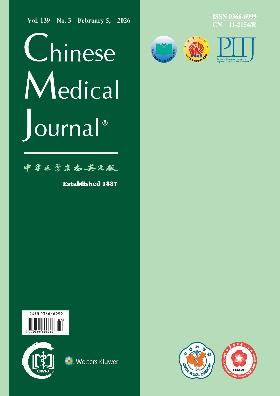
2026年 · 第139卷第03期
MedNexus
老龄化对人类构成了根本性的挑战。了解潜在的机制将为如何应对人口老龄化所面临的挑战提供重要的见解。虽然研究表明DNA修复活性降低和基因组稳定性下降是衰老的关键驱动因素,[
基于患者血液管理策略,对缺铁(ID)和缺铁性贫血(IDA)的治疗有哪些建议?
Allogeneic hematopoietic stem cell transplantation (allo-HSCT) is a potentially curative treatment for severe aplastic anemia (SAA). In China, the number of SAA patients undergoing allo-HSCT has risen considerably. However, owing to variations in clinical practices between China and other countries, certain aspects of transplantation demonstrate unique and distinct characteristics. To address these unique challenges and standardize clinical practice, we developed evidence-based guidelines tailored to the management of Chinese SAA patients undergoing allo-HSCT.
This clinical practice guideline was developed using the Evidence to Decision framework and the Grading of Recommendations Assessment, Development, and Evaluation (GRADE) system to formulate evidence-based recommendations. In instances where high-quality evidence was lacking, the Delphi method was used to integrate expert opinions. The guidelines adhere to the Appraisal of Guidelines for Research and Evaluation II (AGREE II) framework and the Reporting Items for Practice Guidelines in Health Care (RIGHT) statement to ensure methodological rigor and transparency.
The guidelines present 32 recommendations encompassing key aspects of allo-HSCT for SAA, including patient eligibility criteria, donor and graft selection, pretransplant assessment, conditioning strategies, graft-versus-host disease prophylaxis, early management of posttransplant complications, and long-term follow-up. These recommendations are based on the latest clinical evidence and expert consensus, offering a structured approach to optimize transplantation outcomes.
These guidelines establish standardized protocols to enhance allo-HSCT management for SAA in China by integrating current evidence and expert consensus. Its widespread adoption is expected to improve donor selection strategies, conditioning regimen applications, posttransplant care, and long-term patient outcomes. Ultimately, these recommendations aim to increase the quality of patient care, improve survival rates, and contribute to the advancement of national health care standards.
This comprehensive review explores the atypical metabolic roles of metabolites, extending beyond their conventional functions in energy production and biosynthesis. It systematically discusses how metabolites serve as substrates for post-translational protein modifications (PTMs), including lactylation, acetylation, and palmitoylation, detailing their metabolic origins, enzymatic regulation, and impacts on development, homeostasis, and diseases. Additionally, the review highlights how metabolites and metabolic enzymes act as signaling molecules to modulate intracellular and intercellular signal transduction, influencing processes like cell differentiation, survival, and proliferation. Unlike previous reviews, this work integrates PTM mechanisms with metabolic signaling networks, aiming to inspire research on metabolic regulation in health and disease, and to identify novel therapeutic targets.
Liver disease is one of leading causes of death worldwide. However, current liver models have limited research progress. Therefore, models that accurately reflect the physiological functions of the human liver are urgently needed in both clinical and laboratory research. Over the past decade, liver organoids have emerged as valuable research tools offering significant breakthroughs and demonstrating great promise as advanced liver models. Liver organoids derived from pluripotent stem cells (PSCs), including embryonic and induced pluripotent stem cells, have shown significant potential for modeling liver diseases and drug responses. These miniature three-dimensional (3D) structures replicate the complexity of the liver and offer a platform for studying liver development and disease progression. The ability to create personalized organoids from patient-derived cells paves the way for precision medicine and drug screening. Owing to the pluripotency of PSCs, PSC-derived liver organoids (PSC-LOs) closely mimic the true structure of the liver and offer a wide range of applications. With advances in research, bioengineered liver organoids have the potential to revolutionize regenerative medicine, disease modeling, and the understanding of liver pathophysiology. This review provides an overview of liver organoid development and discusses their applications in liver regeneration, disease modeling, drug screening, toxicity assessment, organ transplantation, and regenerative medicine. Finally, we discuss the limitations and future development directions of PSC-LOs.
Recent studies have revealed aberrant expression patterns of the autophagy-associated transmembrane protein etoposide-induced 2.4 (EI24) in diverse cancer types, prompting investigations into its potential as a biomarker for cancer. These findings underscore the multifaceted roles of EI24 in regulating critical processes such as tumor metastasis, proliferation, angiogenesis, drug resistance, tumor microenvironment, and autophagy, both indirectly and directly. Such insights also provide a foundation for further elucidating the underlying mechanisms of EI24’s involvement in tumorigenesis, thereby facilitating the development of novel therapeutic approaches. In this review, we present the latest advancements in EI24 research within the realm of tumor biology. We delve into the intricate molecular mechanisms governing EI24’s functions across various tumor types and its diagnostic and prognostic significance. In addition, we analyze emerging therapeutic strategies targeting EI24 in tumors, offering insights into its potential as a future therapeutic target. A comprehensive understanding of EI24’s role in tumor biology is crucial for devising innovative therapeutic approaches tailored to the diverse complexities of various cancer types. By integrating mechanistic insight with translational potential, EI24 represents a key node linking biological understanding to next-generation diagnostic and therapeutic innovations.
The landscape of metastatic castration-resistant prostate cancer (mCRPC) treatment has evolved greatly; however, limited data are available regarding its relative efficacy and safety. We conducted a systematic review and network meta-analysis to analyze and compare the effectiveness and safety of first-line therapies for mCRPC, particularly doublet therapy and monotherapy.
The PubMed, Embase, and Cochrane Library databases were searched from their inception until June 6, 2023. ClinicalTrials.gov and congress abstracts were also searched. We selected randomized controlled trials (RCTs) in English that reported the first-line treatment outcomes of mCRPC. The primary efficacy outcomes included radiographic progression-free survival (rPFS), overall survival (OS), and safety outcomes included any adverse events (AEs) and grade 3 or higher AEs (grade ≥3 AEs). Considering only trials that used therapies without docetaxel (Doc) assess rPFS and no common arm between therapies with or without Doc in terms of OS and safety outcomes, two separate pairwise meta-analyses were conducted. We performed subgroup, metaregression, and sensitivity analyses to identify moderators and account for heterogeneity. The Cochrane risk-of-bias assessment tool was used to evaluate the quality of each study.
Thirty-five RCTs with 24,400 patients comparing 30 treatments were analyzed. In the non-Doc group, poly (adenosine diphosphate-ribose) polymerase inhibitor (PARPi) doublet with androgen receptor signaling inhibitor (ARSI) conferred rPFS and OS improvements in patients with mCRPC, especially with alterations in homologous recombination repair (HRR) genes. In the Doc group, combination therapies showed no significant difference in OS compared to Doc. Regarding safety outcomes, ra-223 plus abiraterone and estramustine plus docetaxel showed the lowest risks of AEs in the non-Doc and Doc groups, respectively. The PARPi doublet with the ARSI had a relatively low ranking.
While raising concerns about safety profiles, our findings highlight that the PARPi doublet with ARSI probably has the greatest benefit in mCRPC patients with HRR gene alterations.
Breast cancer is the most common malignancy among women, posing major health, social, and economic challenges worldwide. This study analyzed global breast cancer incidence and mortality in 2022 using Global Cancer Observatory (GLOBOCAN) 2022 data and projected the disease burden to 2050.
Breast cancer incidence and mortality were categorized by region and age. Correlations between age-standardized rates (ASRs) and the Human Development Index (HDI) were assessed using Spearman’s rank correlation coefficient (ρ). Future burden estimates for 2050 were projected based on current trends.
In 2022, approximately 2.30 million new breast cancer cases and 666,103 deaths were reported globally. Age-specific patterns of breast cancer incidence and mortality differed across development HDI levels with incidence peaking at ages 45-69 years and mortality at ages 50-≥85 years across HDI levels. The proportion of cases and deaths among women aged ≥50 years relative to those aged ≤49 years increased with HDI, ranging from 79% vs. 21% for incidence and 90% vs. 10% for deaths in very high HDI countries to 51% vs. 49% and 59% vs. 41% in low HDI countries. HDI showed strong positive correlations with age-standardized incidence rates (ρ = 0.773), period incidence rates (ρ = 0.958), and period mortality rates (ρ = 0.907), and a negative correlation with mortality-to-incidence ratios (ρ = -0.817). Projections indicate that by 2050, breast cancer cases may rise to 3.55 million and deaths to 1.14 million if current patterns continue.
Breast cancer remains a major global health concern. Strengthening prevention, early detection, and therapeutic strategies is essential to reduce incidence, improve survival, and alleviate its global burden.
Liver cancer continues to pose a global health challenge. In 2020, China accounted for nearly half of new liver cancer cases worldwide, with a low 5-year survival. This study aims to evaluate the evolving landscape of the liver cancer burden in China.
Data on prevalence, incidence, death, and disability-adjusted life year (DALY) attributed to liver cancer and its six etiologies in China between 1990 and 2021 were extracted from the Global Burden of Disease Study 2021. Temporal trends in liver cancer burden were determined by percent changes and average annual percent change (AAPC). Decomposition analysis was conducted to understand the contributions of population aging, population growth, and epidemiological change to the observed trends.
In 2021, there were 265,539 prevalence cases of liver cancer in China accounting for 35.9% of the global total (739,300 prevalence cases). From 1990 to 2021, the prevalence cases, incidence cases, deaths, and DALYs attributed to liver cancer in China increased by 99.99%, 103.91%, 81.24%, and 48.41%, respectively, primarily driven by population aging, then population growth. Males experienced higher burden and percentage changes in prevalence, incidence, and DALYs than females. Meanwhile, decreasing trends were observed in overall age-standardized incidence, death, and DALY rates (AAPC: -0.32%, -0.79%, and -1.03%) and generally across sex groups and the six etiologies. Notably, there were increasing trends in age-standardized incidence rate of liver cancer due to alcohol use (AAPC: 0.36%) and metabolic dysfunction-associated steatotic liver disease (MASLD) (AAPC: 0.44%). In 2021, hepatitis B, hepatitis C, and alcohol use were the main causes of liver cancer burden in China. There were age differences in the burden of liver cancer. The overall 5-year relative survival rate was 12.27% in 2021.
Liver cancer cases increased dramatically over the past 30 years, primarily driven by population aging and growth, posing challenges to the control of liver cancer. Targeted interventions by sex, etiology, and age are needed to address the burden effectively.
The impact of intracranial atherosclerosis, assessed using precise methods, on cognitive function and dementia remains an area of ongoing research. This study aimed to explore the association of intracranial atherosclerosis with incident dementia in middle-aged community dwellers.
A total of 1009 subjects from the Shunyi study started from 2013, with a mean age of 55.3 ± 8.6 years, were included. With magnetic resonance angiography (MRA) and high-resolution magnetic resonance imaging (HRMRI), intracranial artery stenosis and plaque were assessed. Cognitive function was evaluated twice at baseline (2013-2016) and at follow-up (2019-2021). A logistic regression model was used to test the associations.
The study cohort consisted of 371 males and 638 females, with a mean educational attainment of 6.7 ± 3.2 years. During a median 5.1-year follow-up, 29 incident cases of dementia were identified. Posterior circulation stenosis on MRA (odds ratio [ORs] 3.47, 95% confidence interval [CI] 1.19-10.15; P = 0.023) and basilar artery plaque on HRMRI (OR 5.51, 95% CI 1.79-16.96; P = 0.003) were associated with incident dementia, adjusting for confounding factors. While the middle cerebral artery plaque was a risk factor for cognitive decline.
Intracranial atherosclerosis, especially posterior circulation, was independent risk factor of incident dementia in middle-aged population, implying more studies for large artery atherosclerosis therapy in the prevention of midlife dementia.
The CUG-binding protein Elav-like family member 2 (CELF2) gene has been linked to the pathogenesis of epilepsy, but its precise role remains unclear. This study aimed to investigate the pathogenic mechanisms of CELF2 mutation in epilepsy, utilizing zebrafish models to explore its molecular pathways and biological impact.
Whole-exome sequencing was performed to identify CELF2 mutations associated with epilepsy. CELF2 zebrafish model was generated using clustered regularly interspaced short palindromic repeats (CRISPR)/CRISPR-related protein 9 technology and morpholinos, followed by behavioral and electroencephalographic analyses to confirm epileptic phenotypes. Proteomic and metabolomic analyses were conducted to examine the impact of CELF2 deficiency on metabolic pathways, and single-cell sequencing was used to assess alterations in neuronal cell populations.
An infant with infantile epileptic spasms syndrome associated with a CELF2 (p.Pro520Arg) gene mutation was reported. We established zebrafish models with celf2 gene knockout and knockdown and found that zebrafish with celf2 mutations exhibited epilepsy-like behaviors, which could be rescued by injection of CELF2 wild-type mRNA. Significant changes were observed in crucial marker genes associated with the nervous system in the celf2+/- group, including FOS, BDNF, NPAS4, GABRA1, GABRG2, and PYYA. Disruptions in lipid metabolism, heat shock protein 90 beta1 (Hsp90b1), were identified in proteomic and metabolomic analyses. Single-cell sequencing showed changes in nucleosome localization, nucleosome DNA binding, arginine and proline metabolic pathways, gonadotropin-releasing hormone signaling pathway, and nucleotide-binding oligomerization domain receptor signaling pathway.
Our study has revealed a promising association between defects in the CELF2 gene and epilepsy using a zebrafish model, suggesting that CLEF2 is a causative gene in epilepsy. These findings not only indicate the potential impact on the biological process influenced by the CELF2 gene defect but also offer hopeful insights into the pathogenesis of epilepsy and potential therapeutic targets.
Disruption of hepatic lipid homeostasis leads to excessive hepatic triglyceride accumulation and the development of metabolic dysfunction-associated steatotic liver disease (MASLD). Autophagy, a critical process in liver lipid metabolism, is impaired in MASLD pathogenesis. Irisin, a skeletal muscle-driven myokine, regulates lipid metabolism, but its impact on hepatic lipid metabolism is not well understood. Here, we aimed to explore the role of irisin in hepatic steatosis and the underlying mechanisms involved.
A high-fat diet (HFD)-induced MASLD mouse model was used, and the recombinant irisin protein, herein referred to as "Irisin", was intraperitoneally administered for 4 weeks to evaluate the effects of irisin on hepatic lipid accumulation. Liver tissues were stained with Oil red O (ORO), and triglyceride (TG) and total cholesterol (TC) contents were measured in serum and liver homogenates. The expression of the autophagosome marker microtubule-associated protein 1 light chain 3 (LC3), the autophagy receptor protein sequestosome-1 (SQSTM1/p62), autophagy initiation complex unc-51-like kinase 1 (ULK1) and the lysosomal functional protein cathepsin B was measured via Western blotting, and the expression of the transcription factor EB (TFEB) was analyzed via immunofluorescence to explore autophagic changes. The effect of irisin on autophagic flux was further evaluated in palmitic acid-induced HepG2 cells by measuring autophagic degradation with chloroquine (CQ), and analyzing the colocalization of LC3 and lysosome-associated protein 1 (LAMP1). The possible mechanism was examined by measuring the expression of the autophagic sirtuin 3 (SIRT3) pathway and further validated using overexpression of SIRT3 with plasmid transfection or small interfering RNA (siRNA)-mediated knockdown. Student’s t-test was utilized for statistical analysis.
Irisin significantly reduces hepatic lipid accumulation in mice fed with HFD, accompanied by enhanced hepatocyte autophagy and upregulation of the SIRT3 pathway. In HepG2 cells, Irisin attenuated palmitic acid-induced lipid accumulation, which was partially dependent on SIRT3 levels. Mechanistically, Irisin treatment upregulated SIRT3 and phosphorylated AMP-activated protein kinase (AMPK), inhibited mammalian target of rapamycin (mTOR) activity, promoted TFEB nucleus translocation, increased cathepsin B expression, enhanced autophagic degradation, and alleviated hepatic steatosis. No significant changes in phosphorylation of ULK1 in the hepatocytes were observed. However, when siRNA was used to knock down SIRT3, the changes of those protein were partially reversed, and hepatic steatosis was further exacerbated.
Our findings highlight irisin as a potential therapeutic for hepatic steatosis by modulating autophagy and lipid metabolism, potentially providing a novel therapeutic target for the management of MASLD. Further research is needed to elucidate the underlying mechanisms and explore the potential clinical applications of this approach in the treatment of MASLD.
致编辑:神经系统疾病是导致残疾和死亡的主要原因,目前的小分子治疗大多是缓解症状而不是提供治愈。天然产品和膳食补充剂具有最小的副作用和抗氧化和抗炎等特性,提供了有前途的新治疗途径。甘草甜素是一种含有甘草次酸(也称为甘草酸或甘草次酸)的三萜苷,是在甘草植物的干燥根和根茎中发现的主要生物活性成分【补充图1,http://links.lww.com/CM9/C602】。甘草甜素获得美国批准。2014年食品药品监督管理局作为一种天然甜味剂,广泛应用于食品中。甘草甜素目前被认为是高迁移率族蛋白-1(HMGB1)的抑制剂,可以通过与两个高迁移率族(HMG)盒的两个臂形成的两个浅凹面相互作用而直接与HMGB1结合。[
致编辑:色素沉着过度皮肤病(HSD)的主要特征是黑色素产生过多或黑色素细胞密度增加,通常表现为黄褐斑、雀斑和牛奶咖啡斑。[
致编辑:腹膜透析(PD)相关性腹膜炎是PD的常见并发症,导致25-70%的住院率、10-20%的技术失败率和6-20%的死亡率。[
致编辑:纤维性纵隔炎(FM)是一组以纵隔内纤维组织过度增生为特征的罕见疾病,可引起支气管狭窄、上腔静脉(SVC)梗阻以及肺动脉(PA)和静脉(PV)狭窄。此外,PAs和PVs的长期阻塞可能导致肺动脉高压(PH)、右心衰竭(RHF)和死亡。[
致编辑:肺炎克雷伯菌(肺炎克雷伯菌)是一种常见的机会性病原体,在临床环境中患病率不断上升。一项多中心研究报告,其在住院成人社区获得性肺炎(CAP)中的检出率逐年上升,使其成为严重CAP(SCAP)的主要原因,超过肺炎链球菌.[
致编辑慢性阻塞性肺病(COPD)是一种主要的全球健康问题,其特征是进行性气流受限和炎症。虽然香烟烟雾(CS)是主要原因,但现有的治疗方法仍然不足。[
本期目次