MedNexus
2025年 · 第28卷第02期
MedNexus
我深感悲痛地获悉我的朋友和尊敬的同事王正国教授逝世的消息。他是交通医学领域的巨人领袖和学者。
我们怀着沉痛的心情,宣布本刊创办人王正国院士逝世。于2025年1月5日上午9时26分在上海逝世,享年89岁。按照王正国教授的遗愿,遗体捐献给中国人民解放军海军军医大学解剖教研室。
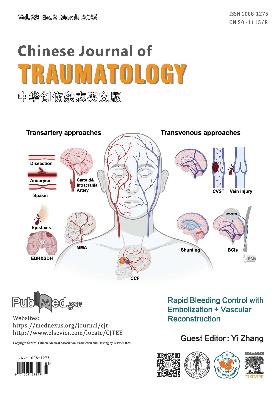
Vasculature injury occurs rarely in traumatic brain injury but increases lifetime risk of ischemic or hemorrhage stroke. The diverse and nonspecific clinical manifestations make the diagnosis and treatment of these injuries highly challenging. With advancements in device design, endovascular treatments have become widely adopted, playing an increasingly vital role in the management of vascular diseases. The purpose of this review is to introduce and summarize endovascular treatments of traumatic cerebrovascular injury and other related pathological states after traumatic brain injury. Given the innovations of neuroendovascular devices and improvements in the techniques over the past decade, this review will outline several recent advancements in endovascular treatment strategies for cerebrovascular pathologies. Popularizing more treatment options to clinicians will benefit in dealing with a variety of clinical scenarios and reduce the overall morbidity of traumatic cerebrovascular injury.
This study aims to investigate the efficacy of novel distraction support (DS) in intramedullary nailing treatment for tibial shaft fracture.
The random controlled trial included adult patients with tibial shaft fractures who were treated with intramedullary nailing at the trauma center between July 2013 and December 2018. Participants were randomly assigned to either control group (n=43) or DS group (n=42) based on whether DS was used during the operation. All surgical procedures were conducted by a single, experienced surgeon. Parameters such as hospital stay, blood loss, operative time, infection, delayed union, and malalignment were recorded for assessment. Shapiro-Wilk test was used to assess normality, and the F test was adopted to measure variance homogeneity. Continuous variables were presented as mean±standard deviation and compared via independent samples t-tests. Categorical variables are expressed as percentages. The Pearson's Chi-squared or Fisher's exact test was used for categorical variables n (%). Two-sided p<0.05 indicated statistical significance.
A total of 85 participants were enrolled in the study. All cases achieved acceptable reduction. The operative time was significantly shorter in the DS group than in control group ((75.3±10.5) min vs. (90.4±15.5) min, p<0.001). Additionally, the DS group showed lesser blood loss ((60.1±27.2) mL vs. (85.4±25.4) mL, p<0.001). No significant differences were observed between the 2 groups in terms of hospital stay ((9.4±2.7) days vs. (10.2±3.1) days, p=0.370), infection (3 (7.1%) vs. 2 (4.7%), p=0.978), delayed union (2 (4.8%) vs. 5 (11.6%), p=0.450), and malalignment (3 (7.1%) vs. 5 (11.6%), p=0.713).
The use of DS in intramedullary nailing surgery is effective. The application of this DS system may represent a valuable addition to future clinical practice.
Traumatic brain injury (TBI) is a significant public health issue that impacts individuals all over the world and is one of the main causes of mortality and morbidity. Decompressive craniectomy is the usual course of treatment. Basal cisternostomy has been shown to be highly effective as an alternative procedure to decompressive craniectomy.
We conducted a retrospective cohort of patients who received surgery for severe TBI between January 2019 and March 2023. Inclusion criterias were patients between the ages of 18 and 70 years who met the diagnostic criteria for severe TBI at first presentation and who underwent surgical intervention. The exclusion criteria were patients who have severe multiple injuries at the time of admission; preoperative intracranial pressure > 60 mmHg; cognitive impairment before the onset of the disease; hematologic disorders; or impaired functioning of the heart, liver, kidneys, or other visceral organs. Depending on the surgical approach, the patients were categorized into decompressive craniectomy group as well as basal cisternostomy group. General data and postoperative indicators, including Glasgow coma scale, intracranial pressure, etc., were recorded for both groups of patients. Among them, the Glasgow outcome scale extended assessment at 6 months served as the primary outcome. After that, the data were statistically analyzed using SPSS software.
The trial enrolled 41 patients (32 men and 9 women) who met the inclusion criteria. Among them, 25 patients received decompressive decompressive craniectomy, and 16 patients received basal cisternostomy. Three days postoperative intracranial pressure levels were 10.07 ± 2.94 mmHg and 17.15 ± 14.65 mmHg (p = 0.013), respectively. The 6 months following discharge Glasgow outcome scale extended of patients was 4.73 ± 2.28 and 3.14 ± 2.15 (p = 0.027), respectively.
Our study reveals that basal cisternostomy in patients with surgically treated severe TBI has demonstrated significant efficacy in reducing intracranial pressure as well as patient prognosis follow-up and avoids removal of the bone flap. The efficacy of cisternostomy has to be studied in larger, multi-clinical center randomized trials.
To assess the relationship between dislocation and functional outcomes in supination-external rotation (SER) ankle fractures.
A retrospective case series study was performed on patients with ankle fractures treated surgically at a large trauma center from January 2015 to December 2021. The inclusion criteria were young and middle-aged patients of 18 - 65 years with SER ankle fractures that can be classified by Lauge-Hansen classification and underwent surgery at our trauma center. Exclusion criteria were serious life-threatening diseases, open fractures, fractures delayed for more than 3 weeks, fracture sites ≥ 2, etc. Then patients were divided into dislocation and no-dislocation groups. Patient demographics, injury characteristics, surgery-related outcomes, and postoperative functional outcomes were collected and analyzed. The functional outcomes of SER ankle fractures were assessed postoperatively at 1-year face-to-face follow-up using the foot and ankle outcome score (FAOS) and American Orthopedic Foot and Ankle Society ankle hindfoot score and by 2 experienced orthopedic physicians. Relevant data were analyzed using SPSS version 22.0 by Chi-square or t-test.
During the study period, there were 371 ankle fractures. Among them, 190 (51.2%) were SER patterns with 69 (36.3%) combined with dislocations. Compared with the no-dislocation group, the dislocation group showed no statistically significant differences in gender, age composition, fracture type, diabetes, or smoking history, preoperative waiting time, operation time, and length of hospital stay (all p > 0.05), but a significantly higher Lauge-Hansen injury grade (p < 0.001) and syndesmotic screw fixation rate (p = 0.033). Moreover, the functional recovery was poorer, revealing a significantly lower FAOS in the sport/rec scale (p < 0.001). Subgroup analysis showed that among SER IV ankle fracture patients, FAOS was much lower in pain (p = 0.042) and sport/rec scales (p < 0.001) for those with dislocations. American Orthopedic Foot and Ankle Society ankle hindfoot score revealed no significant difference between dislocation and no-dislocation patients.
Dislocation in SER ankle fractures suggests more severe injury and negatively affects functional recovery, mainly manifested as more pain and poorer motor function, especially in SER IV ankle cases.
To judge the injury mode and injury severity of the real human body through the measured values of anthropomorphic test devices (ATD) injury indices, the mapping relationship of lumbar injury between ATD and human body model (HBM) was explored.
Through the ATD model and HBM simulation, the mapping relationship of lumbar injury between the 2 subjects was explored. The sled environment consisted of a semi-rigid seat with an adjustable seatback angle and a 3-point seat belt system with a seatback-mounted D-ring. Three seatback recline states of 25°, 45°, and 65° were designed, and the seat pan angle was maintained at 15°. A 23 g, 47 km/h pulse was used. The validity of the finite element model of the sled was verified by the comparison of ATD simulation and test results. ATD model was the test device for human occupant restraint for autonomous vehicles (THOR-AV) dummy model and HBM was the total human model for safety (THUMS) v6.1. The posture of the 2 models was adjusted to adapt to the 3 seat states. The lumbar response of THOR-AV and the mechanical and biomechanical data on L1 - L5 vertebrae of THUMS were output, and the response relationship between THOR-AV and THUMS was descriptive statistically analyzed.
Both THOR-AV and THUMS were submarined in the 65° seatback angle case. With the change of seatback angle, the lumbar spine axial compression force (Fz) of THOR-AV and THUMS changed in the similar trend. The maximum Fz ratio of THOR-AV to THUMS at 25° and 45° seatback angle cases were 1.6 and 1.7. The flexion moment (My) and the time when the maximum My occurred in the 2 subjects were very different. In particular, the form of moment experienced by the L1 - L5 vertebrae of THUMS also changed. The changing trend of My measured by THOR-AV over time can reflect the changing trend of maximum stress of L1 and L2 of THUMS.
The Fz of ATD and HBM presents a certain proportional relationship, and there is a mapping relationship between the 2 subjects on Fz. The mapping function can be further clarified by applying more pulses and adopting more seatback angles. It is difficult to map My directly because they are very different in ATD and HBM. The My of ATD and stress of HBM lumbar showed a similar change trend over time, and there may be a hidden mapping relationship.
Renal trauma constitutes 0.5% - 5% of all trauma patients, and 10% - 20% of abdominal trauma. It is the most commonly injured organ in the genitourinary tract. Road traffic crash (RTC) is the most common cause. In recent years due to the advances in radiological imaging and endovascular techniques, there has been an increase in the nonoperative management of renal trauma. We investigated a large trauma cohort at a level I trauma centre to evaluate patients' demographics with renal trauma, their management, and the outcomes.
This was a retrospective analysis of the prospectively collected data of renal trauma patients managed from January 2016 to December 2020. Patients who visited the level I trauma centre in north India with renal trauma were included in this study. Patients who were dead on arrival in the emergency department were excluded. Demographics, mechanism of injury, presence of hemorrhagic shock, associated injuries, complications, length of hospital stay (LOS), discharge, and mortality were recorded. The data were entered in Microsoft Excel 365 and analysed using SPSS version 21.
This study collected data from 303 renal trauma patients. Males constituted 86.5% of the patients. Most patients were young, aged from 20 - 40 years. Blunt renal trauma was the predominant mode of injury (n = 270, 89.1%). RTCs (n = 190, 62.7%) and falls from height (n = 65, 21.4%) were the 2 most common mechanisms of injury. Focused assessment with sonography in trauma was positive in 68.4% of patients. Grade III (grading by the American Association for the Surgery of Trauma) renal trauma (30.4%) was the most common grade in our study. The liver (n = 104, 34.3%) and splenic trauma (n = 96, 31.7%) were the most commonly associated injuries. Of the 303 patients, 260 (85.8%) were managed nonoperatively. The mean (SD) of the patients’ LOS was 12.5 (6.5) days. There were 25 (8.3%) mortalities during the study period and all of them had associated other injuries. The comparison of LOS of isolated renal trauma group and renal trauma with associated injuries group was not statistically significant (p = 0.322). All the patients who died during the study period had renal trauma with associated other organ injuries. None of the patients with isolated renal trauma died during the study. The outcome comparison between both groups was not statistically significant (p = 0.110).
Renal trauma predominantly occurs in young males, especially due to RTCs followed by fall from height. Focused assessment with sonography in trauma is not reliable in detecting renal injuries, other diagnostic tools such as contrast enhanced computed tomography torso should be considered in diagnosing and grading these injuries. Renal trauma usually does not occur in isolation. Majority are associated with other abdominal and extra abdominal injuries. Most of the times these injuries can be managed nonoperatively, which can achieve a low mortality. The patients who required surgery had high mortality as compared to patients who managed nonoperatively. These patients who required surgery had either severe renal or extra renal trauma and were in hemorrhagic shock. Renal trauma from this large cohort may contribute to improving the quality of care for patients with renal trauma by obtaining knowledge about the patient's characteristics, management, and outcomes.
The study aimed to examine the pattern of motorization and the mortality rate related to road traffic crashes in Zunyi (a city in northern Guizhou province of China) from 2013 to 2022, and to identify the epidemiological characteristics of these crashes with to provide insights that could help improve road safety.
Data were obtained from the Zunyi traffic management data platform, and the mortality rates were calculated. We deployed various analytical methods, including descriptive analysis, Chi-square test or Fisher's exact test for categorical variables, circular distribution map analysis, and Rayleigh test to characterize the traits of road traffic crashes in the region.
During the 10-year study period, 7488 people died due to road traffic accidents, with males accounting for 70.4% and females 29.6% (χ2= 101.97, p < 0.001). The mortality rate increased from 7.80 deaths per 100,000 people in 2013 to 10.70 deaths per 100,000 people in 2016, but then decreased to 9.54 deaths per 100,000 people in 2019. A notable finding was that the death rate per 10,000 vehicles declined from 16.09 deaths per 10,000 vehicles in 2013 to 5.48 deaths per 10,000 vehicles in 2022. The study also found that vulnerable road users represented nearly half (48.76%) of all accident fatalities, and unlicensed or inexperienced driving contributed significantly to the occurrence of road traffic accidents.
Although the number of road traffic accidents in Zunyi has decreased, there are still some critical issues that need to be addressed, particularly for vulnerable road users and unlicensed drivers. Our results highlight the need for targeted interventions to address the specific risk factors of road traffic crashes, particularly those affecting vulnerable road users and drivers without sufficient experience or license.
The purpose of this cadaveric study was to compare the volume and weight of bone graft harvested using the curettage vs. the trephination technique from the anterior iliac crest.
Embalmed cadavers were studied in this experimental research. The right hemipelvis of each cadaver was used for the trephine bone harvesting technique, whereas the left hemipelvis was used for the conventional curettage technique. The weight and the volume of the harvested bone were measured and statistically compared between the 2 sides. The Wilcoxon Signed-Rank test was employed to compare the graft volume and weight obtained from the right and left sides of the hemipelvis.
Ten embalmed adult cadavers were used in this study. All subjects were Caucasian males with a mean age of 59.8 years (range 44 - 73 years) at the time of death. A total of 81 cylindrical bone grafts were harvested from the right iliac crest. In 9 out of 81 (11.1%), the cortex of the ilium was penetrated by the chisel. The mean weight of the bone graft harvested with the trephine technique (26.97 ± 2.32) g was heavier than that harvested with the curettage technique (23.74 ± 2.09) g (p = 0.007). Similarly, the volume of the bone graft was higher in the trephine technique (8.40 ± 0.84) cm3 compared to the curettage technique (6.60 ± 1.26) cm3 (p= 0.011). The trephination technique lasted a mean of (12.76 ± 1.87) min (range 10.30-16.10 min), while the curettage technique lasted a mean of (14.53 ± 0.89) min (range 13.50-16.00 min) (p = 0.028).
Harvesting anterior iliac crest bone graft with the trephine technique provides a higher bone volume and weight than the conventional curettage technique. The trephine technique might be advocated over the curettage technique, especially when a large amount of autologous bone graft is required. However, a meticulous harvesting technique should be followed to prevent complications. In particular, the three-dimensional anatomy should be kept in mind, and the depth of trephination should be well-controlled.
Institutional Review Board registration: 2022/499.
To analyze the diagnostic efficacy of computed tomography angiography compared to digital cerebral angiography for the diagnosis of traumatic aneurysms (TAs) associated with combat-related penetrating head injuries and propose the most suitable angiography protocol in this clinical context.
A retrospective analysis was conducted on patients admitted to the neurosurgical clinic for penetrating traumatic brain injuries between February, 2022 and July, 2024, for whom both cerebral multidetector computed tomography angiography (MCTA) and digital cerebral angiography (DCA) were available. The inclusion were patients (1) with penetrating head injuries, (2) with missile trajectory traverses through the Sylvian or great longitudinal fissure, (3) basal cisterns with/or major subarachnoid hemorrhage. The sensitivity, specificity, positive predictive value, and negative predictive value of MCTA were calculated. DCA was considered as the gold standard of diagnosis. The sensitivity, specificity, positive predictive value, and negative predictive value of MCTA were calculated. Descriptive statistics and nonparametric statistics were used to analyze the study results and their differences, respectively.
A total of 40 patients with 45 TAs were included in the study. Of these, 26 patients (65.0%) were found to have aneurysms on MCTA. The median diameter of the aneurysms diagnosed by MCTA was 4.9 (3.6, 4.8) mm (range of 2.5 - 10.4 mm). However, the mean diameter of TAs not detected by MCTA but diagnosed by DCA was (3.0 ± 1.3) mm (range of 1.3 - 4.9 mm). MCTA demonstrated sensitivity and specificity of 35.5% and 99.5%, respectively, with positive and negative predictive values of 92.3% and 90.7%.
A low sensitivity of MCTA for the diagnosis of TAs associated with combat-related penetrating head injuries was reported. When MCTA is inconclusive in the setting of radiologic predictors of cerebral artery injury, DSA may be required.
Deep vein thrombosis (DVT) of the left and right lower extremities was treated in the same way, but the left and right extremities received different levels of attention. This study aimed to investigate the differences between the right and left lower extremity deep vein thrombosis (LEDVT).
Clinical characteristics of LEDVT patients from July 2020 to June 2022 were retrospectively analyzed to compare the incidence of LEDVT on different limbs, demographics, predisposing factors, and anatomical characteristics. The exclusion criteria were bilateral LEDVT and recurrent thrombosis. Measured data was analyzed using independent samples t-test or Mann-Whitney test. Count data were analyzed by Chi-square test. A p < 0.05 was considered a statistically significant difference.
There were 478 patients included in this study and the ratio of left to right LEDVT on the left and right limbs was 3.16:1 (363:115). Left LEDVT predominantly affected female, with the major aged > 50 years (50 - 60 years: 16.80%; > 60 years: 57.30%). The primary predisposing factor was iliac vein compression syndrome, with iliofemoral thrombosis being the main type. Male patients with LEDVT on the right limb were predominant and the age of onset was usually ≤ 60 years (52.17%). The main predisposing factor was recent surgery or trauma (< 30 days) and femoropopliteal thrombosis was the main type. In more detail, the left iliac vein was compressed mainly in the proximal segment, and the right iliac vein was compressed mainly in the intermediate and distal segments. Recent surgery or trauma to the locomotor system and genitourinary system often induced LEDVT.
The incidence of LEDVT on the left is significantly higher than that on the right. LEDVT on different sides has different characteristics, which is crucial for prevention and diagnosis in the relevant population so there are also differences in treatment of the affected limbs.
Bone cement-reinforced fenestrated pedicle screws (FPSs) have been widely used in the internal fixation and repair of the spine with osteoporosis in recent years and show significant improvement in fixation strength and stability. However, compared with conventional reinforcement methods, the advantages of bone cement-reinforced FPSs remain undetermined. This article compares the effects of fenestrated and conventional pedicle screws (CPSs) combined with bone cement in the treatment of osteoporosis.
A clinical control study of FPSs and CPSs combined with bone cement reinforcement in osteoporotic vertebral internal fixation was performed using the database PubMed, Embase, Cochrane Library, CNKI, the Wanfang, and the China Biomedical Literature Service System. Two evaluators screened the relevant literature in strict accordance with the inclusion criteria (diagnosis of participants, type of clinical study, treatment with FPS and CPS, and outcome indicators) and exclusion criteria (duplicate literature and missing or incorrect data) and independently conducted data extraction and quality evaluation. Clinical control studies of direct comparison between FPS and CPS combined with bone cement reinforcement in patients who were definitively diagnosed with thoracolumbar fractures or spinal degenerative diseases were included. Quality evaluation was conducted using the Cochrane risk bias evaluation tool for randomized controlled studies and using the Newcastle-Ottawa scale for retrospective case-control studies. RevMan software (version 5.3) was used for the meta-analysis to compare the clinical efficacy, radiological results, and related complications of the 2 methods.
A total of 13 articles were included, including 7 randomized controlled studies and 6 retrospective case-control studies. There were 909 patients in these studies, 451 in the FPS and polymethyl methacrylate (FPS & PMMA) group and 458 in the CPS and polymethyl methacrylate (CPS & PMMA) group. The results of the meta-analysis showed that there was no significant difference between the 2 groups in operation time, hospital stay, visual analogue score, Japanese orthopaedic association score, Oswestry disability index score, Cobb angle, vertebral body deformation index and fusion rate (p > 0.05). The mean difference of intraoperative bleeding volume was -10.45, (95% confidence intervals (CI) (-16.92, -3.98), p = 0.002), the mean difference of loss height of the anterior edge of the vertebral body after surgery was -0.69 (95% CI (-0.93, -0.44), p < 0.001), and the relative risk (RR) of overall complication rate was 0.43 (95% CI (0.27, 0.68), p < 0.001), including the RR of bone cement leakage rate was 0.57 (95% CI (0.39, 0.85), p = 0.005). The screw loosening rate (RR = 0.26, 95% CI (0.13, 0.54), p < 0.001) of the FPS group was significantly lower than that of the CPS group.
The existing clinical evidence shows that compared with the CPS combined with bone cement, the use of FPS repair in the internal fixation of an osteoporotic vertebral body can reduce the amount of intraoperative bleeding, be more conducive to maintaining the height of the vertebral body, and significantly reduce the incidence of postoperative complications such as bone cement leakage and screw loosening.
本期目次