MedNexus
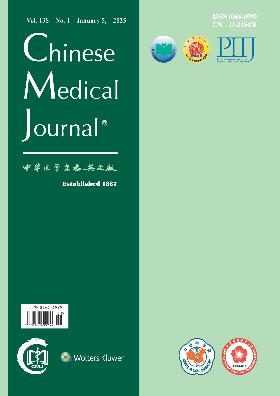
2025年 · 第138卷第01期
MedNexus
间质性肺病(ILD)涵盖多种病症,包括以细胞增殖、间质炎症和纤维化为特征的纤维化肺病。ILD可由多种原因引起,包括结缔组织疾病(CTD),如系统性硬化症(SSc)、类风湿性关节炎(RA)、特发性炎性肌病(IIM)、干燥综合征(SS)和系统性红斑狼疮(SLE),其中SSc、RA和IIM更为普遍。由于纳入标准、研究方法和随访持续时间的差异,不同研究报告的ILD患病率差异很大。例如,SSc中ILD的患病率可达到30%,10年死亡率高达40%。[
Oxidative stress due to aberrant metabolism is considered as a crucial contributor to diabetes and its complications. Hyperglycemia and hyperlipemia boost excessive reactive oxygen species generation by elevated mitochondrial respiration, increased nicotinamide adenine dinucleotide phosphate oxidase activity, and enhanced pro-oxidative processes, including protein kinase C pathways, hexosamine, polyol, and advanced glycation endproducts, which exacerbate oxidative stress. Oxidative stress plays a significant role in the onset of diabetes and its associated complications by impairing insulin production, increasing insulin resistance, maintaining hyperglycemic memory, and inducing systemic inflammation. A more profound comprehension of the molecular processes that link oxidative stress to diabetes is crucial to new preventive and therapeutic strategies. Therefore, this review discusses the mechanisms underlying how oxidative stress contributes to diabetes mellitus and its complications. We also summarize the current approaches for prevention and treatment by targeting the oxidative stress pathways in diabetes.
Gliomas are the most common primary neuroepithelial tumors of the central nervous system in adults, of which glioblastoma is the deadliest subtype. Apart from the intrinsically indestructible characteristics of glioma (stem) cells, accumulating evidence suggests that the tumor microenvironment also plays a vital role in the refractoriness of glioblastoma. The primary functions of platelets are to stop bleeding and regulate thrombosis under physiological conditions. Furthermore, platelets are also active elements that participate in a variety of processes of tumor development, including tumor growth, invasion, and chemoresistance. Glioma cells recruit and activate resting platelets to become tumor-educated platelets (TEPs), which in turn can promote the proliferation, invasion, stemness, and chemoresistance of glioma cells. TEPs can be used to obtain genetic information about gliomas, which is helpful for early diagnosis and monitoring of therapeutic effects. Platelet membranes are intriguing biomimetic materials for developing efficacious drug carriers to enhance antiglioma activity. Herein, we review the recent research referring to the contribution of platelets to the malignant characteristics of gliomas and focusing on the molecular mechanisms mediating the interaction between TEPs and glioma (stem) cells, as well as present the challenges and opportunities in targeting platelets for glioma therapy.
Neurological diseases are a major health concern, and brain injury is a typical pathological process in various neurological disorders. Different biomarkers in the blood or the cerebrospinal fluid are associated with specific physiological and pathological processes. They are vital in identifying, diagnosing, and treating brain injuries. In this review, we described biomarkers for neuronal cell body injury (neuron-specific enolase, ubiquitin C-terminal hydrolase-L1, αII-spectrin), axonal injury (neurofilament proteins, tau), astrocyte injury (S100β, glial fibrillary acidic protein), demyelination (myelin basic protein), autoantibodies, and other emerging biomarkers (extracellular vesicles, microRNAs). We aimed to summarize the applications of these biomarkers and their related interests and limits in the diagnosis and prognosis for neurological diseases, including traumatic brain injury, status epilepticus, stroke, Alzheimer’s disease, and infection. In addition, a reasonable outlook for brain injury biomarkers as ideal detection tools for neurological diseases is presented.
钠-葡萄糖协同转运蛋白2抑制剂(SGLT2i)已成为一类革命性的抗糖尿病药物,其益处超出了血糖控制。SGLT2i的专门肾脏结局试验显示了令人印象深刻的肾脏保护作用,无论糖尿病状态如何。[
Without timely and effective rehabilitation, hearing loss may profoundly affect human life quality. China has a large population of hearing-impaired individuals, which imposes a heavy health burden on society. Moreover, this population is projected to increase rapidly owing to China’s aging society.
We used data from a population-representative epidemiological investigation of hearing loss and ear diseases in four Chinese provinces. We estimated the national prevalence using multiple linear regression of the age-group proportions and prevalence in 31 provinces with clustering analysis. We used years lived with disability (YLDs) to analyze the disease burden and forecasted the prevalence of hearing loss by 2060 in China.
An estimated 115 million people had moderate-to-complete hearing loss in 2015 across the 31 provinces of China (8.4% of 1.37 billion people). Of these, 85.7% were older than age 50 years (99 million people) and 2.4% were younger than 20 years old (2.8 million people). Of all YLDs attributable to hearing loss, 68.9% were attributable to moderate-to-complete cases. By 2060, a projected 242 million people in China will have moderate-to-complete hearing loss, a 110.0% increase from 2015.
The hearing loss prevalence in China is high. Population aging and socioeconomic factors substantially affect the prevalence and severity of hearing loss and the disease burden. The prevalence and severity of hearing loss are unevenly distributed across different provinces. Future public health policies should take these trends and regional variations into account.
As an essential part of health services, rehabilitation is of great significance to improve the health and quality of life of the whole population. Accelerating aging calls for a significant expansion of rehabilitation services in China, but rehabilitation needs remain unclear. We conducted the study to explore the rehabilitation needs in China and project the trend of rehabilitation needs from 2020 to 2034.
The data of health conditions that might potentially benefit from rehabilitation were obtained from Global Burden of Disease (GBD) study. Estimated annual percentage changes (EAPCs) were calculated to quantify the trends of the age-standardized rates. Projections of rehabilitation needs were made until 2034 using Bayesian age–period–cohort analysis (BAPC).
Approximately 460 million persons (33.3% of the total population) need rehabilitation in China, contributing to 63 million years lived with disabilities (YLDs) in 2019. The number of prevalent cases that need rehabilitation increased from around 268 (95% uncertainty interval [UI]: 257–282) million in 1990 to almost 460 (95% UI: 443–479) million in 2019, representing an increase of 71.3%. The highest contribution to the need for rehabilitation was musculoskeletal disorders with about 322 (95% UI: 302–343) million persons in seven aggregate disease and injury categories, and hearing loss with over 95 (95% UI: 84–107) million people among 25 health conditions. Based on the projection results, there will be almost 636 million people (45% of the total population) needing rehabilitation services in China by 2034, representing an increase of 38.3%. The rehabilitation needs of neoplasms, cardiovascular diseases, and neurological disorders are expected to increase significantly from 2019 to 2034, with increases of 102.3%, 88.8% and 73.2%, respectively.
The need for rehabilitation in China substantially increased over the last 30 years. It is predicted that over two in five people will require rehabilitation by 2034, thus suggesting the need to develop rehabilitation services that meet individuals’ rehabilitation needs.
Leukocyte telomere length (LTL) shortening, a biomarker of telomere attrition, has been linked to multiple diseases. However, the relationship between LTL and digestive diseases remains uncertain. This study aimed to investigate the association between LTL and the risk of digestive diseases.
A cohort analysis of over 500,000 participants from the UK Biobank (UKB) between 2006 and 2021 was conducted to estimate the associations of LTL with more than 90 common digestive diseases. LTL was quantified using multiplex quantitative polymerase chain reaction, and cases of each disease were determined according to inpatient and primary care data. Multivariable Cox proportional hazards regression analysis was used to evaluate the associations of LTL with the risk of digestive diseases. Furthermore, such associations were also evaluated after stratification by sex and ethnicity.
After a mean follow-up time of 11.8 years, over 20 International Classification of Diseases, 10th Revision (ICD-10) codes were showed to be associated with telomere attrition. LTL shortening is associated with an increased risk of several digestive diseases, including gastroesophageal reflux disease (K21: hazard ratio [HR] = 1.30, 95% confidence interval [95% CI]: 1.19–1.42), esophageal ulcer (K221: HR = 1.81, 95% CI: 1.22–2.71), Barrett’s esophagus (K227: HR = 1.58, 95% CI: 1.14–2.17), gastritis (K29: HR = 1.39, 95% CI: 1.26–1.52), duodenal ulcer (K26: HR = 1.55, 95% CI: 1.14–2.12), functional dyspepsia (K30X: HR = 1.36, 95% CI: 1.06–1.69), non-alcoholic fatty liver disease (NAFLD) (K760: HR = 1.39, 95% CI: 1.09–1.78), liver cirrhosis (K74: HR = 4.73, 95% CI: 3.27–6.85), cholangitis (K830: HR = 2.55, 95% CI: 1.30–5.00), and hernia (K43: HR = 1.50, 95% CI: 1.17–1.94; K44: HR = 1.29, 95% CI: 1.17–1.42). The risk of rectal polyps (K621: HR = 0.77, 95% CI: 0.63–0.92) decreased per unit shortening of LTL.
This study suggests that LTL shortening is associated with an increased risk of most digestive diseases except for rectal polyps. These findings may provide some clues for understanding the pathogenesis of digestive diseases.
Renal osteodystrophy (ROD) is a skeletal pathology associated with chronic kidney disease-mineral and bone disorder (CKD-MBD) that is characterized by aberrant bone mineralization and remodeling. ROD increases the risk of fracture and mortality in CKD patients. The underlying mechanisms of ROD remain elusive, partially due to the absence of an appropriate animal model. To address this gap, we established a stable mouse model of ROD using an optimized adenine-enriched diet and conducted exploratory analyses through ribonucleic acid sequencing (RNA-seq).
Eight-week-old male C57BL/6J mice were randomly allocated into three groups: control group (n = 5), adenine and high-phosphate (HP) diet group (n = 20), and the optimized adenine-containing diet group (n = 20) for 12 weeks. We assessed the skeletal characteristics of model mice through blood biochemistry, microcomputed tomography (micro-CT), and bone histomorphometry. RNA-seq was utilized to profile gene expression changes of ROD. We elucidated the functions of differentially expressed genes (DEGs) using gene ontology (GO) analysis, Kyoto Encyclopedia of Genes and Genomes (KEGG) pathway analysis, and gene set enrichment analysis (GSEA). DEGs were validated via quantitative real-time polymerase chain reaction (qRT-PCR).
By the fifth week, adenine followed by an HP diet induced rapid weight loss and high mortality rates in the mouse group, precluding further model development. Mice with optimized adenine diet-induced ROD displayed significant abnormalities in serum creatinine and blood urea nitrogen levels, accompanied by pronounced hyperparathyroidism and hyperphosphatemia. The femur bone mineral density (BMD) of the model mice was lower than that of control mice, with substantial bone loss and cortical porosity. ROD mice exhibited substantial bone turnover with an increase in osteoblast and osteoclast markers. Transcriptomic profiling revealed 1907 genes with upregulated expression and 723 genes with downregulated expression in the femurs of ROD mice relative to those of control mice. Pathway analyses indicated significant enrichment of upregulated genes in the sphingolipid metabolism pathway. The significant upregulation of alkaline ceramidase 1 (Acer1), alkaline ceramidase 2 (Acer2), prosaposin-like 1 (Psapl1), adenosine A1 receptor (Adora1), and sphingosine-1-phosphate receptor 5 (S1pr5) were successfully validated in mouse femurs by qRT-PCR.
Optimized adenine diet mouse model may be a valuable proxy for studying ROD. RNA-seq analysis revealed that the sphingolipid metabolism pathway is likely a key player in ROD pathogenesis, thereby providing new avenues for therapeutic intervention.
Knee osteoarthritis (OA) is still challenging to prevent or treat. Enhanced endoplasmic reticulum (ER) stress and increased pyroptosis in chondrocytes may be responsible for cartilage degeneration. This study aims to investigate the effect of ER stress on chondrocyte pyroptosis and the upstream regulatory mechanisms, which have rarely been reported.
The expression of the histone methyltransferase enhancer of zeste homolog 2 (EZH2), microRNA-142-3p (miR-142-3p), and high mobility group box 1 (HMGB1) and the levels of ER stress, pyroptosis, and metabolic markers in normal and OA chondrocytes were investigated by western blotting, quantitative polymerase chain reaction, immunohistochemistry, fluorescence in situ hybridization, fluorescein amidite-tyrosine-valine-alanine-aspartic acid-fluoromethyl ketone (FAM-YVAD-FMK)/Hoechst 33342/propidium iodide (PI) staining, lactate dehydrogenase (LDH) release assays, and cell viability assessments. The effects of EZH2, miR-142-3p, and HMGB1 on ER stress and pyroptosis and the hierarchical regulatory relationship between them were analyzed by chromatin immunoprecipitation, luciferase reporters, gain/loss-of-function assays, and rescue assays in interleukin (IL)-1β-induced OA chondrocytes. The mechanistic contribution of EZH2, miR-142-3p, and HMGB1 to chondrocyte ER stress and pyroptosis and therapeutic prospects were validated radiologically, histologically, and immunohistochemically in surgically induced OA rats.
Increased EZH2 and HMGB1, decreased miR-142-3p, enhanced ER stress, and activated pyroptosis in chondrocytes were associated with OA occurrence and progression. EZH2 and HMGB1 exacerbated and miR-142-3p alleviated ER stress and pyroptosis in OA chondrocytes. EZH2 transcriptionally silenced miR-142-3p via H3K27 trimethylation, and miR-142-3p posttranscriptionally silenced HMGB1 by targeting the 3′-UTR of the HMGB1 gene. Moreover, ER stress mediated the effects of EZH2, miR-142-3p, and HMGB1 on chondrocyte pyroptosis. In vivo experiments mechanistically validated the hierarchical regulatory relationship between EZH2, miR-142-3p, and HMGB1 and their effects on chondrocyte ER stress and pyroptosis.
A novel EZH2/miR-142-3p/HMGB1 axis mediates chondrocyte pyroptosis and cartilage degeneration by regulating ER stress in OA, contributing novel mechanistic insights into OA pathogenesis and providing potential targets for future therapeutic research.
Huaier granule is an important medicinal fungus extract widely used in cancer treatment. Previous retrospective studies have reported its effectiveness in breast cancer patients, but the imbalanced baseline characteristics of participants could have biased the results. Therefore, this retrospective study aimed to examine the efficacy of Huaier granule on the prognosis of breast cancer patients.
In this single-center cohort study, breast cancer patients diagnosed and treated at the Guangdong Provincial Hospital of Chinese Medicine between 2009 and 2017 were selected. The data were retrospectively analyzed and divided into two groups according to whether the patients received Huaier granules. The propensity score matching (PSM) method was used to eliminate selection bias. The disease-free survival (DFS) and overall survival (OS) for these groups were compared using the Kaplan–Meier method and the Cox regression.
This study included 214 early invasive breast cancer patients, 107 in the Huaier group and 107 in the control group. In the Kaplan–Meier analysis, the 2-year and 5-year DFS rates were significantly different in the Huaier group and control group (hazard ratio [HR], 0.495; 95% confidence interval [CI], 0.257–0.953; P = 0.023). The 2-year and 5-year OS rates were also significantly different (HR, 0.308; 95% CI, 0.148–0.644; P = 0.001). On multivariable Cox regression, Huaier granule was associated with improved DFS (HR, 0.440; 95% CI, 0.223–0.868; P = 0.018) and OS (HR, 0.236; 95% CI, 0.103–0.540; P = 0.001).
In this retrospective study, Huaier granules improved the DFS and OS of early invasive breast cancer patients, providing real-world evidence for further prospective studies on treating breast cancer with Huaier granules.
溃疡性结肠炎(UC)和克罗恩病(CD)是慢性炎症性肠病(IBD),其病因很大程度上不清楚,发病机制复杂。UC的发病机制与肠道微生物群的失衡有关,包括肠杆菌科的流行,尤其是致病性的大肠杆菌(大肠杆菌).[
致编辑:屈光不正(RD)是为了到2020年消除可避免的失明而采取的一项举措(2020年愿景:视力权利)。[
致编辑:移植物抗宿主病(GVHD)是实体器官移植(SOT)后罕见但致命的并发症,发病率为0.2-2.0%。最近的回顾性研究表明,SOT-GVHD患者的死亡率约为85-98%。[
致编辑:自体CD19嵌合抗原受体(CAR)T细胞疗法已成为复发或难治性弥漫性大B细胞淋巴瘤(r/r DLBCL)患者的重要治疗选择。[
致编辑:在接受嵌合抗原受体T(CAR-T)细胞治疗后,超过90%的患者出现轻度或重度血细胞减少症,3-4级中性粒细胞减少症的患病率为53%至94.3%。[
致编辑:嵌合抗原受体(CAR)-T细胞疗法在淋巴瘤和骨髓瘤的治疗方面取得了相当大的突破,但急性髓细胞白血病(AML)缺乏合适或特异性的靶点,限制了CAR-T细胞疗法在AML临床治疗中的进展。分化簇(CD)312是粘附G蛋白偶联受体家族的成员,在急性髓性白血病中高表达,在正常造血干细胞(HSC)中不存在,[
致编辑:特发性震颤(ET)是一种常见的运动障碍,具有显著的临床异质性。[
致编辑:特发性炎性肌病(IIMs)是一组罕见且难治的全身性自身免疫性疾病。DNA甲基化受遗传DNA序列和环境暴露的影响,是一种关键的表观遗传因子,其通过修饰基因内调节序列的转录染色质可及性来调节基因表达。[
在第134卷第20期第2465-2474页发表的文章“UBE2C通过AKT/mTOR信号通路影响乳腺癌增殖”中中华医学杂志,[
本期目次