MedNexus
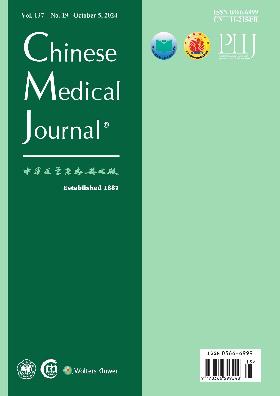
2024年 · 第137卷第19期
MedNexus
临床实践指南(以下简称“指南”)对于指导临床医师的诊断和治疗决策以及规范相关临床实践至关重要。高质量的指南在以下意义上至关重要:提高诊疗水平,增强临床决策的科学依据,[
Biliary tract carcinoma (BTC) is relatively rare and comprises a spectrum of invasive tumors arising from the biliary tree. The prognosis is extremely poor. The incidence of BTC is relatively high in Asian countries, and a high number of cases are diagnosed annually in China owing to the large population. Therefore, it is necessary to clarify the epidemiology and high-risk factors for BTC in China. The signs associated with BTC are complex, often require collaborative treatment from surgeons, endoscopists, oncologists, and radiation therapists. Thus, it is necessary to develop a comprehensive Chinese guideline for BTC.
This clinical practice guideline (CPG) was developed following the process recommended by the World Health Organization. The Grading of Recommendations Assessment, Development, and Evaluation approach was used to assess the certainty of evidence and make recommendations. The full CPG report was reviewed by external guideline methodologists and clinicians with no direct involvement in the development of this CPG. Two guideline reporting checklists have been adhered to: Appraisal of Guidelines for Research and Evaluation (AGREE) and Reporting Items for practice Guidelines in Healthcare (RIGHT).
The guideline development group, which comprised 85 multidisciplinary clinical experts across China. After a controversies conference, 17 clinical questions concerning the prevention, diagnosis, and treatment of BTC were proposed. Additionally, detailed descriptions of the surgical principles, perioperative management, chemotherapy, immunotherapy, targeted therapy, radiotherapy, and endoscopic management were proposed.
The guideline development group created a comprehensive Chinese guideline for the diagnosis and treatment of BTC, covering various aspects of epidemiology, diagnosis, and treatment. The 17 clinical questions have important reference value for the management of BTC.
Stevens–Johnson syndrome (SJS) and toxic epidermal necrolysis (TEN) are life-threatening conditions characterized by extensive detachment of the epidermis and mucous membranes. These severe disorders carry a high mortality rate, and their pathogenesis remains largely unclear. Furthermore, optimal therapeutic strategies for SJS/TEN remain a subject of ongoing debate. Early diagnosis of SJS/TEN is challenging, and reliable biomarkers for diagnosis or severity prediction have not been firmly established. Certain drugs, such as carbamazepine and allopurinol, have shown a strong association with specific human leukocyte antigen (HLA) types. Recently, the potential benefits of HLA screening prior to administering these drugs to reduce the incidence of SJS/TEN have been explored. Epidermal cell death in SJS/TEN lesions is caused by extensive apoptosis, primarily through the Fas–Fas ligand (FasL) and perforin/granzyme pathways. Our findings suggest that necroptosis, a form of programmed necrosis, also contributes to epidermal cell death. Annexin A1, released from monocytes, interacts with the formyl peptide receptor 1 to induce necroptosis. Several biomarkers, such as CC chemokine ligand (CCL)-27, interleukin-15, galectin-7, receptor-interacting protein kinases 3 (RIP3), and lipocalin-2, have been identified for diagnostic and prognostic purposes in SJS/TEN. Supportive care is recommended for treating SJS/TEN, but the efficacy of various therapeutic options–including systemic corticosteroids, intravenous immunoglobulin, cyclosporine, and tumor necrosis factor-α antagonists–remains controversial. Recent studies have investigated the potential benefits of tumor necrosis factor-α antagonists. In this review, we discuss recent advances in the understanding and management of SJS/TEN.
Natural killer/T cell lymphoma (NKTCL) is a malignant tumor originating from NK or T cells, characterized by its highly aggressive and heterogeneous nature. NKTCL is predominantly associated with Epstein–Barr virus infection, disproportionately affecting Asian and Latin American populations. Owing to the application of asparaginase and immunotherapy, clinical outcomes have improved significantly. However, for patients in whom first-line treatment fails, the prognosis is exceedingly poor. Overexpression of multidrug resistance genes, abnormal signaling pathways, epigenetic modifications and active Epstein–Barr virus infection may be responsible for resistance. This review summarized the mechanisms of resistance for NKTCL and proposed potential therapeutic approaches.
Non-communicable diseases (NCDs) are the primary causes of disability and death. The aim of this study is to analyze the disease burden of NCDs in China from 1990 to 2021.
This study used data on NCDs in China and its provinces from the Global Burden of Diseases, Injuries, and Risk Factors Study (GBD) 2021. The study analyzed the disease burden of NCDs in 2021 and its changes from 1990 to 2021 using indicators including deaths and disability-adjusted life years (DALYs).
Between 1990 and 2021, the NCD burden in China exhibited an upward trend. In 2021, China had 10.6 (95% uncertainty interval [UI]: 9.0–12.2) million deaths and 349.3 (95% UI: 301.5–401.2) million DALYs due to NCDs, accounting for 91.0% (95% UI: 90.4–91.7%) of all deaths and 86.7% (95% UI: 86.0–87.4%) of all DALYs. NCDs caused a lower disease burden in females than in males. Cardiovascular diseases and neoplasms were the main NCD level 2 causes of deaths and DALYs, resulting in 5.1 (95% UI: 4.3–5.9) and 2.8 (95% UI: 2.3–3.4) million deaths and 100.2 (95% UI: 84.6–116.6) million and 71.2 (95% UI: 59.3–85.2) million DALYs in 2021, respectively. Chronic respiratory diseases were the third leading cause of NCD deaths, while musculoskeletal disorders were the third leading cause of NCD DALYs. Qinghai, Xizang, and Heilongjiang had the highest age-standardized mortality rates and age-standardized DALY rates (per 100,000) for NCDs, while Hong Kong Special Administration Region (SAR), Macao SAR, and Shanghai recorded the lowest age-standardized mortality rates and age-standardized DALY rates.
NCDs caused a high disease burden in China and exhibited heterogeneity across sexes and provinces. China needs to focus on addressing key NCDs and implement intervention measures tailored to the disease distribution characteristics to reduce the NCD burden.
Liver cancer remains the sixth most commonly diagnosed cancer and the third leading cause of cancer-related deaths worldwide, causing a heavy burden globally. An updated assessment of the global epidemiology of the liver cancer burden that addresses geographical disparities is necessary to better understand and promote healthcare delivery.
Data were extracted from the GLOBOCAN 2022 database, including the number, crude, and age-standardized rates of incidence and mortality at the global, country, continent, and human development index (HDI) regional levels. Age-standardized rates (incidence and mortality) per 100,000 person-years were adjusted based on the Segi-Doll World standard population. The mortality-to-incidence ratios (MIR) for each region and country were calculated. The HDI and gross national income (GNI) for 2022 were obtained, and a Pearson correlation analysis was conducted with the incidence, mortality, and MIR.
In 2022, approximately 866,136 new liver cancer cases and 758,725 related deaths were recorded worldwide, with a global MIR of 0.86. Males had a disproportionately higher burden than females across all levels, and the highest burden was observed in the elderly population. Geographically, the regions with the highest incidence rates included Micronesia, Eastern Asia, and Northern Africa, and the regions with the highest mortality rates included Northern Africa, Southeastern Asia, Eastern Asia, and Micronesia. Notably, Mongolia had a strikingly high burden compared to other countries. The highest MIR was observed in North America and the lowest in Africa. Negative associations of HDI and GNI with liver cancer mortality and MIR were identified, irrespective of sex.
The current liver cancer burden underscores the presence of remarkable geographic heterogeneity, which is particularly evident across countries with varying HDI levels, highlighting the urgent need to prioritize health accessibility and availability to achieve health inequities.
Clinical opportunistic screening is a cost-effective cancer screening modality. This study aimed to establish an easy-to-use diagnostic model serving as a risk stratification tool for identification of individuals with malignant gastric lesions for opportunistic screening.
We developed a questionnaire-based diagnostic model using a joint dataset including two clinical cohorts from northern and southern China. The cohorts consisted of 17,360 outpatients who had undergone upper gastrointestinal endoscopic examination in endoscopic clinics. The final model was derived based on unconditional logistic regression, and predictors were selected according to the Akaike information criterion. External validation was carried out with 32,614 participants from a community-based randomized controlled trial.
This questionnaire-based diagnostic model for malignant gastric lesions had eight predictors, including advanced age, male gender, family history of gastric cancer, low body mass index, unexplained weight loss, consumption of leftover food, consumption of preserved food, and epigastric pain. This model showed high discriminative power in the development set with an area under the receiver operating characteristic curve (AUC) of 0.791 (95% confidence interval [CI]: 0.750–0.831). External validation of the model in the general population generated an AUC of 0.696 (95% CI: 0.570–0.822). This model showed an ideal ability for enriching prevalent malignant gastric lesions when applied to various scenarios.
This easy-to-use questionnaire-based model for diagnosis of prevalent malignant gastric lesions may serve as an effective prescreening tool in clinical opportunistic screening for gastric cancer.
The causal relationship between visceral adipose tissue (VAT) and gout is still unclear. We aimed to examine the potential association between them using observational and Mendelian randomization (MR) analyses.
In the observational analyses, a total of 11,967 participants (aged 39.5 ± 11.5 years) were included from the National Health and Nutrition Examination Survey. Logistic regression models were used to investigate the association between VAT mass and the risk of gout. In two-sample MR analyses, 211 VAT mass-related independent genetic variants (derived from genome-wide association studies in 325,153 UK biobank participants) were used as instrumental variables. The random-effects inverse-variance weighted (IVW) method was used as the primary analysis. Additional sensitivity analyses were also performed to validate our results.
Observational analyses found that an increase in VAT mass (per standard deviation) was associated with a higher risk of gout after controlling for confounding factors (odds ratio [OR] = 1.27, 95% confidence intervals [CI] = 1.11–1.45). The two-sample MR analyses demonstrated a causal relationship between increased VAT mass and the risk of gout in primary analyses (OR = 1.78, 95% CI = 1.57–2.03). Sensitivity analyses also showed similar findings, including MR-Egger, weighted median, simple mode, weighted mode, and leave-one-out analyses.
Observational analyses showed a robust association of VAT mass with the risk of gout. Meanwhile, MR analyses also provided evidence of a causal relationship between them. In summary, our findings suggested that targeted interventions for VAT mass may be beneficial to prevent gout.
China is one of the countries with the largest burden of gastrointestinal and liver diseases (GILD) in the world. The GILD constitutes various causes of mortality and disability. The study aimed to investigate the trend of GILD in China using the Global Burden of Diseases Study 2019 (GBD 2019) data resources from 1990 to 2019.
The data on the age-standardized mortality rates (ASMR) and disability-adjusted life years (DALYs) for GILD in China from 1990 to 2019 were collected from the GBD 2019 data resources. Furthermore, the ranking of the main causes of deaths and DALYs, as well as the trends of ASMR, DALYs, years of life lost (YLLs), and years of life lost due to disability (YLDs) per 1,000,000 in GILD were reported.
The ASMR and DALYs for stomach cancer, liver cancer, and esophageal cancer, which ranked top three among the GILDs from 1990 to 2019, were gradually decreasing. Significant decreases in the ASMR and DALYs were found in diarrheal diseases and acute hepatitis (A, E, and C). However, noteworthy increases were found in those of colon and rectum cancer (CRC) and pancreatic cancer. Trend of DALYs, mortality, and YLLs rates for most of GILD were decreasing from 1990 to 2019, except the burden of CRC and pancreatic cancer with an increasing trend. The DALYs, mortality and YLLs of most GILD diseases showed decreasing trends from 1990 to 2019, except the burden of CRC and pancreatic cancer with an increasing trends.
The result of the GBD 2019 showed that the rates of most GILDs decreased in China; however, gastrointestinal and liver cancer, such as stomach cancer still held the top ranking. Furthermore, the shift from infectious diseases to non-communicable causes among GILD burden is occurring.
致编辑:慢性阻塞性肺疾病(COPD)是一种异质性肺部疾病,其特征是气道(支气管炎和细支气管炎)和肺泡(肺气肿)异常以及肺部炎症,导致持续和进行性气流阻塞。[
致编辑:卵巢组织冷冻保存(OTC)现在作为一种保护女性生育能力的方法在临床上应用越来越广泛。然而,目前关于其妊娠结局的文章褒贬不一。对基于人群的研究中调查OTC患者妊娠结局的当前证据进行评估,将有助于拓宽OTC的临床应用,并为人群范围内更好的医疗实践提供参考。
致编辑:心血管疾病(CVD)已成为人类免疫缺陷病毒(PLWH)患者死亡的主要原因。[
致编辑:阻塞性睡眠呼吸暂停(OSA)是帕金森病(PD)中常见的睡眠障碍之一,通常与睡眠碎片化和间歇性低氧血症有关。[
致编辑:适当的睡眠模式对人体健康至关重要。调查人群中睡眠持续时间和冠心病(CHD)之间的关系将增强我们对生活方式和疾病之间关系的理解,并为制定冠心病预防策略提供有价值的指导。以前的研究已经在这个领域进行过。然而,由于不同的方法、研究人群和社会因素,他们的结果不一致。值得注意的是,大多数检查睡眠相关冠心病风险的研究是在日本、欧洲和中国进行的,而有限的研究集中在美国人群中。更重要的是,近年来人们的睡眠模式和疾病的易感因素都出现了变化。有必要进行新的研究,为睡眠时间对冠心病的影响提供新的证据。我们使用2005年至2018年的国家健康和营养检查调查(NHANES)数据库研究了20岁及以上美国成年人的睡眠模式。我们的目标是了解睡眠持续时间与冠心病的关系,重点是不同亚组之间的差异。
致编辑:肺大细胞神经内分泌癌(L-LCNEC)是一种高度侵袭性的肺恶性肿瘤,占所有肺癌的近2-3%。晚期或转移性L-LCNEC的最佳治疗方案仍然存在争议,尤其是在免疫检查点抑制剂(ICI)疗法的时代。现有的评估免疫疗法疗效的临床试验主要集中在肺腺癌/鳞状细胞癌或小细胞肺癌(SCLC)患者。由于L-LCNEC的罕见性,关于ICI治疗L-LCNEC疗效的信息很少。尽管缺乏这些L-LCNEC疗法的前瞻性数据,但小型研究评估了L-LCNEC患者中程序性细胞死亡配体-1(PD-L1)的表达和频率。L-LCNEC显示出比SCLC和低级别神经内分泌肿瘤更高水平的PD-L1表达,这支持进一步探索ICIs在这些患者中的应用。[
致编辑:目前针对乳腺癌的治疗策略受到不良预后和不良副作用的限制,尤其是在三阴性乳腺癌(TNBC)中。银杏黄酮(Gk)是一种天然无毒的生物类黄酮银杏叶子,是一种有前途的乳腺癌治疗候选药物,[
致编辑:不可压缩性创伤性出血(NCTH)是一种危急且危及生命的病症,其特征是无法通过直接压力止血。这种类型的出血最常发生在躯干、骨盆或交界处的创伤中,这些区域难以压迫。NCTH的有效治疗需要快速的医疗干预,如外科手术,以控制出血,这给即时现场管理带来了巨大的挑战。因此,NCTH大大增加了发病率和死亡率,强调了其在创伤护理和急救医学中的重要性。
致编辑:冠状病毒疾病2019(新冠肺炎)(PASC)的急性后后遗症广泛表现并持续一段时间。心血管自主神经功能障碍(CVAD)与一些特征性PASC症状有关,尽管其潜在机制尚未完全阐明。[
本期目次